The name says everything: Gubami is the Taiwanese Hokkien pronunciation of beef noodle soup, and the restaurant on Cunzhong Street in Taichung's West District makes no attempt to be anything else. That focus is the point. Where most beef noodle shops in Taiwan treat the dish as street-level comfort food priced under NT$200, Gubami positions it as the subject of serious kitchen craft, with a red-braised version reported at NT$750 and a set meal reaching NT$1,080 — figures that generated genuine debate in Taiwanese food media about whether a bowl of noodles could justify fine-dining pricing. The restaurant is connected to chef Lanshu Chen, whose prior Michelin-starred French restaurant Le Moût established her reputation in Taichung's dining scene. At Gubami, that fine-dining background is applied to a single Taiwanese culinary tradition rather than a European tasting menu format. The result is a tightly edited menu anchored by two preparations: a red-braised beef noodle soup and a clear-broth version, each approached with the sourcing and technique discipline associated with her earlier work. The physical space reinforces the specificity of the concept. The interior holds only a handful of small tables and bar seats, with a patio extending the limited capacity. Secondary sources report that Gubami has received a Michelin Guide one-star recognition, which, if accurate, would make it one of few venues in Taiwan to bring that level of institutional acknowledgment to a dish so deeply rooted in everyday Taiwanese eating. The West District address places it near Taichung's Green Belt and a short walk from the National Taiwan Museum of Fine Arts, on a quiet residential street that gives little indication of what's inside. Gubami is not a venue for those expecting a broad menu or a long evening of courses. It is a deliberate, narrow argument about what Taiwanese beef noodle soup can be when treated as a chef's primary medium rather than a side offering. That argument, backed by reported Michelin recognition and pricing that demands the dish be taken seriously, is either convincing or it isn't — and most accounts suggest it is.
- Address
- 存中街46號, 臺中市, 40349
- Directions
- Get directions
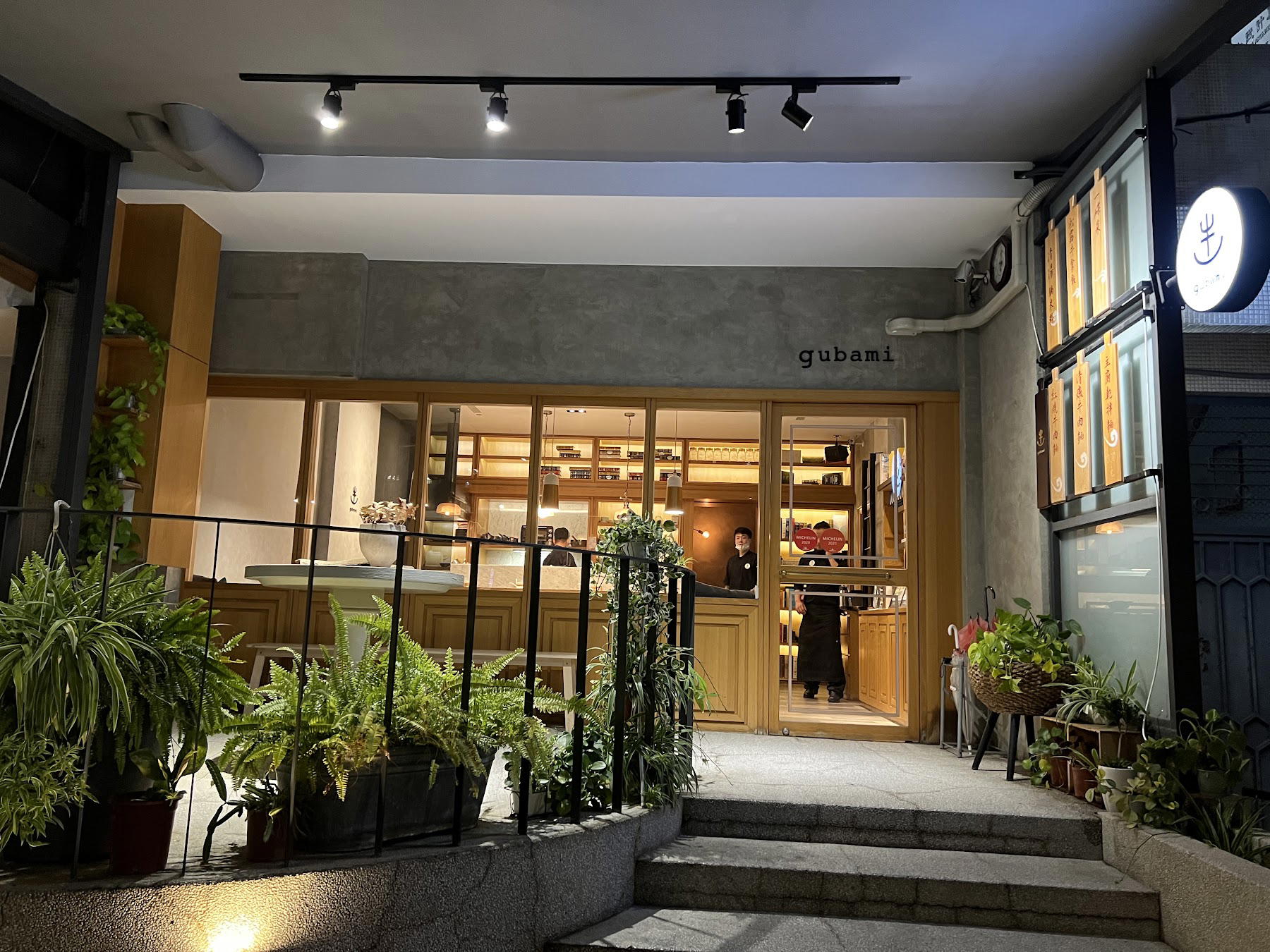
The name says everything: Gubami is the Taiwanese Hokkien pronunciation of beef noodle soup, and the restaurant on Cunzhong Street in Taichung's West District makes no attempt to be anything else. That focus is the point. Where most beef noodle shops in Taiwan treat the dish as street-level comfort food priced under NT$200, Gubami positions it as the subject of serious kitchen craft, with a red-braised version reported at NT$750 and a set meal reaching NT$1,080 — figures that generated genuine debate in Taiwanese food media about whether a bowl of noodles could justify fine-dining pricing.
The restaurant is connected to chef Lanshu Chen, whose prior Michelin-starred French restaurant Le Moût established her reputation in Taichung's dining scene. At Gubami, that fine-dining background is applied to a single Taiwanese culinary tradition rather than a European tasting menu format. The result is a tightly edited menu anchored by two preparations: a red-braised beef noodle soup and a clear-broth version, each approached with the sourcing and technique discipline associated with her earlier work.
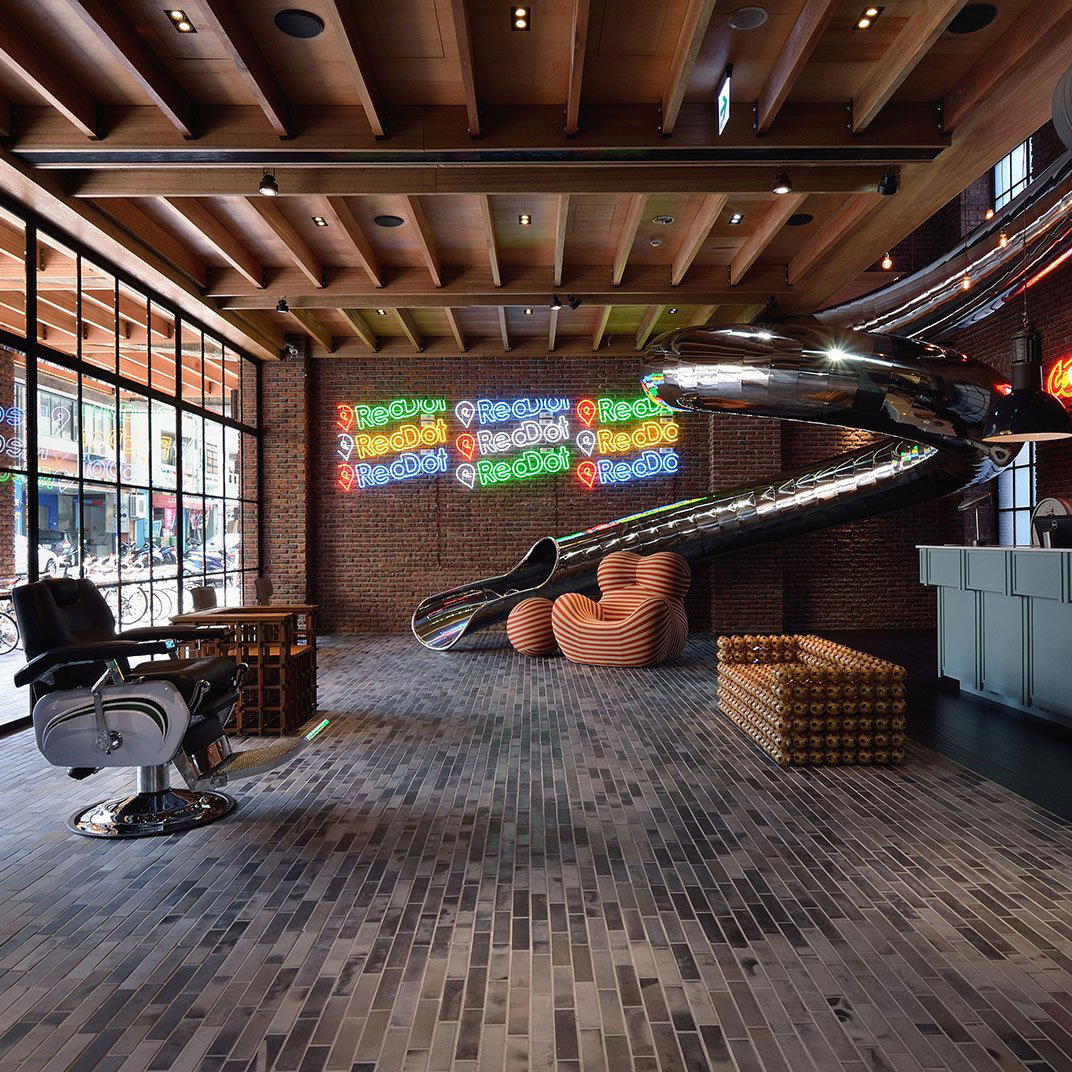
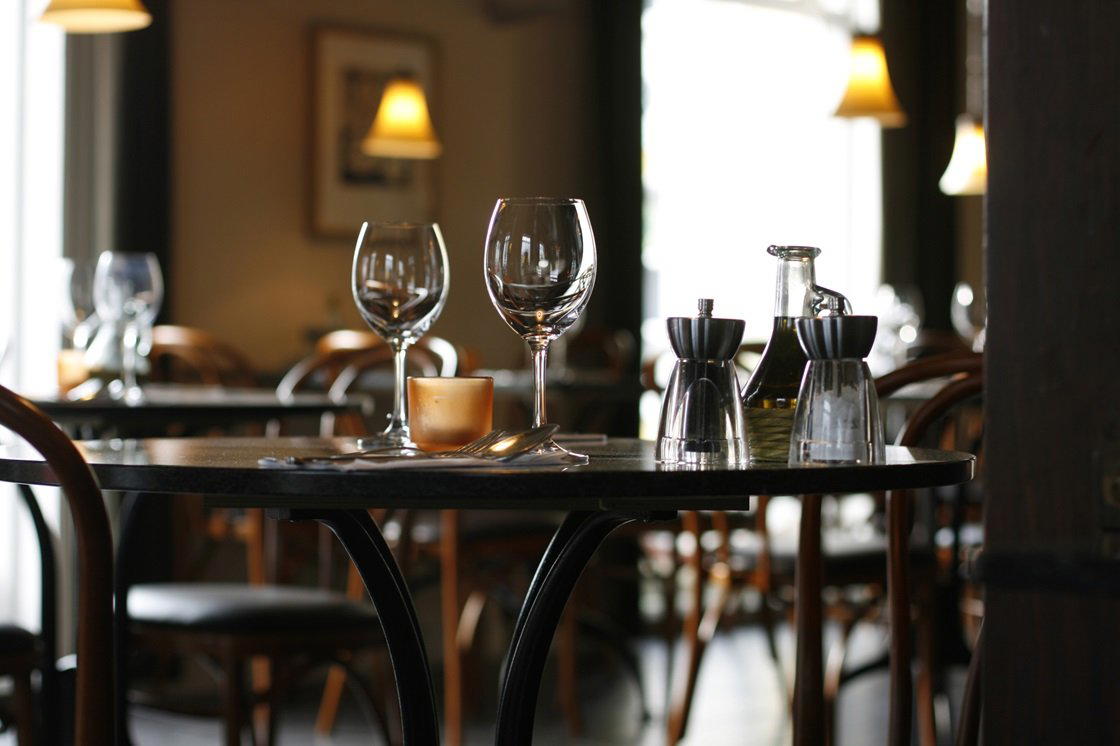
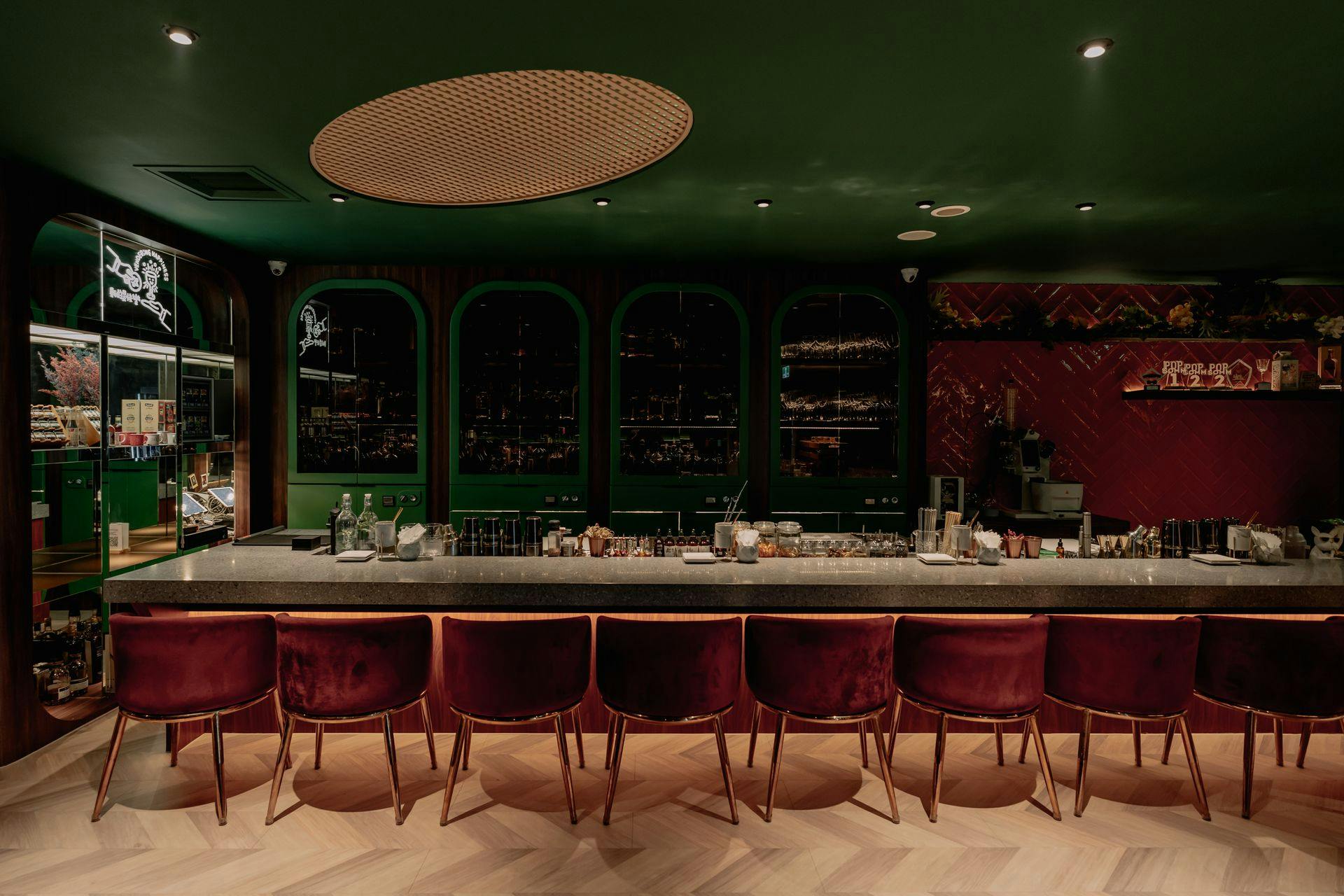
The physical space reinforces the specificity of the concept. The interior holds only a handful of small tables and bar seats, with a patio extending the limited capacity. Secondary sources report that Gubami has received a Michelin Guide one-star recognition, which, if accurate, would make it one of few venues in Taiwan to bring that level of institutional acknowledgment to a dish so deeply rooted in everyday Taiwanese eating. The West District address places it near Taichung's Green Belt and a short walk from the National Taiwan Museum of Fine Arts, on a quiet residential street that gives little indication of what's inside.
Gubami is not a venue for those expecting a broad menu or a long evening of courses. It is a deliberate, narrow argument about what Taiwanese beef noodle soup can be when treated as a chef's primary medium rather than a side offering. That argument, backed by reported Michelin recognition and pricing that demands the dish be taken seriously, is either convincing or it isn't — and most accounts suggest it is.
In Context
Comparable venues nearby, for context on price, style, and recognition.
| Venue | Cuisine | Price | Awards | Notes |
|---|---|---|---|---|
| GubamiThis venue — the venue you are viewing | Not listed | $$$ | Not listed | Not listed |
| DIN YUE RESTAURANT | Chaoyang, Top Cantonese Cuisine | $$$$ | Not listed | Not listed |
| Master of Mushroom (Xinshe) | Min de, Taiwanese Mushroom Cuisine | $$$ | Michelin Plate | Not listed |
| Shan Shin (West) | Shengping, Creative Taiwanese | $$$ | Michelin Plate | Not listed |
| A Kun Mian | Not listed | $ | Not listed | Xinxing, Traditional Taiwanese Breakfast Noodles |
| 響海鮮 | Not listed | $$$ | Not listed | Chaoyang, Modern Japanese Seafood Omakase |


At a Glance
- Elegant
- Sophisticated
- Intimate
- Special Occasion
- Date Night
- Open Kitchen
- Local Sourcing
Current opening hours
- Monday
- 6 PM–1 AM
- Tuesday
- 6 PM–1 AM
- Wednesday
- 6 PM–1 AM
- Thursday
- 6 PM–1 AM
- Friday
- 6 PM–1 AM
- Saturday
- 6 PM–1 AM
- Sunday
- 6 PM–1 AM
Hours can change for holidays and private events. Last verified .
Elegant and refined atmosphere with French-influenced gourmet presentation of Taiwanese classics.