Our verdict
In Taichung's Nantun District, 佐賀鰻仔 occupies a specific niche within Taiwan's growing appreciation for Japanese-style eel cuisine. Regulars return for the focused menu format and the kind of neighbourhood familiarity that defines the best local dining in a city increasingly competing with Taipei for serious food attention. Find it on Section 4 of Longfu Road.

Pearl is the En Primeur Club membership app — saves, bookings, and concierge access live there. Same editors, same standards.
- Address
- 408, Taiwan, Taichung City, Nantun District, Xinsheng Village, Section 4, Longfu Rd, 583號2樓
- Phone
- +886 4 2383 3393
- Website
- m.facebook.com
- Directions
- Get directions
- Booking
- Book on the venue's website
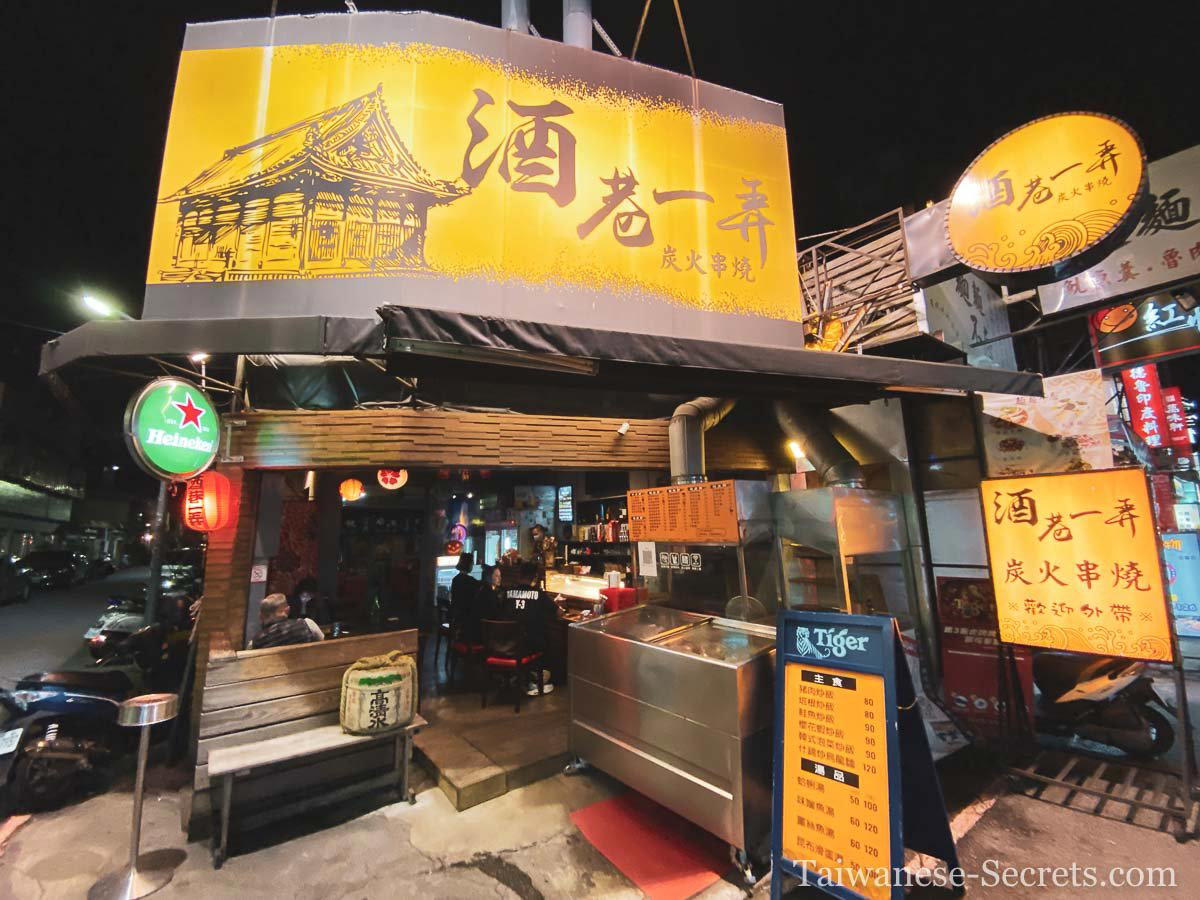
The Neighbourhood Pull of Nantun's Eel Counter
Taichung's dining identity has shifted considerably over the past decade. Where the city once played second to Taipei's restaurant density, neighbourhoods like Nantun District have developed a distinct character: lower rents, less tourist traffic, and a local clientele that returns on habit rather than novelty. That context matters when reading a place like 佐賀鰻仔 on Section 4 of Longfu Road. The address places it away from the central Xitun corridor that draws most food coverage, which is precisely why its regulars treat it as their own.
The eel format in Taiwan sits at an interesting intersection. Japanese unaju and hitsumabushi traditions arrived via decades of cultural exchange, and Taiwanese interpretations now range from high-volume chain operations to focused single-item counters where the preparation method is the point. The serious end of that range tends to occupy modest storefronts in residential districts, where the economics support careful sourcing rather than expensive fit-outs. 佐賀鰻仔 fits that profile on Longfu Road, drawing a local crowd that has self-selected for the food over the setting.
What Keeps the Regulars Coming Back
The logic of a regular's relationship with a neighbourhood eel restaurant is different from the logic of a destination diner. For the former, the appeal is consistency: the same preparation, the same temperature on arrival, the same ratio of sauce to grain. Eel cookery rewards this kind of repeated visit more than most formats, because it is a cuisine that reads differently once you have a reference point. A first visit establishes the baseline; subsequent visits reveal whether the kitchen holds its line.
In Taichung, the eel dining scene spans several registers. At the more casual end, places like A Kun Mian represent the noodle-anchored, quick-service tradition of Taiwanese street eating. At the more deliberate end, venues around the city's central districts attract diners interested in Japanese technique applied to Taiwanese ingredients. 佐賀鰻仔 occupies a middle position in that range: specific enough in its focus to attract repeat visitors, accessible enough in its Nantun location to function as a local anchor rather than a special-occasion address.
Regulars at focused eel restaurants tend to develop strong preferences around the unwritten menu: the preference for a slightly lacquered finish versus a more restrained glaze, the question of whether the eel is split before or after cooking (the Nagoya style versus the Tokyo style, a distinction that produces meaningfully different textures). These are the conversations that happen at tables occupied by people who have been coming for years, not months. Whether 佐賀鰻仔 tilts toward one regional Japanese style or a Taiwanese hybrid is the kind of detail worth asking about directly on a first visit.
Taichung as a Serious Eating City
It is worth placing this restaurant in the broader Taichung context, because the city's food reputation is sometimes undersold. JL Studio in Taichung has brought international attention to the city's fine dining tier, and the wider restaurant list includes range from the precise to the entirely local. Comparing Taichung's neighbourhood dining to what you find in, say, the outer arrondissements of Paris or the residential wards of Osaka reveals a similar pattern: the most compelling meals are often in districts where no one is performing for tourists.
Taiwan's broader dining culture supports this kind of specialisation. The island's food infrastructure, from ingredient sourcing to the density of trained cooks willing to work in mid-scale operations, means that a focused single-category restaurant in a residential neighbourhood can sustain a quality level that would be difficult to maintain in markets with higher operational costs. For context on how this dynamic plays out at the premium end of Taiwanese dining, logy in Taipei and GEN in Kaohsiung demonstrate how seriously the island's kitchens are taken internationally. The neighbourhood tier, where 佐賀鰻仔 operates, is where that same seriousness often manifests without the press attention.
For comparison closer to home, DIN YUE RESTAURANT and Abura Yakiniku represent different points on Taichung's Japanese-influence dining spectrum, from grilled meat formats to more traditional sit-down service. Burger Joint and cafe crotchet fill out the neighbourhood eating picture, confirming that Nantun and surrounding districts have developed a food culture that rewards walking rather than driving across the city for a single reservation.
Planning a Visit
佐賀鰻仔 is located at 583號, Section 4, Longfu Road, Nantun District, Taichung City 408. Given the restaurant's neighbourhood positioning and apparent local clientele, visiting during off-peak lunch or early dinner hours is likely to be more direct than arriving at prime weekend slots. As with most focused eel restaurants in Taiwan's residential districts, arriving with a specific question about the preparation style, whether the kitchen uses Japanese regional techniques or a Taiwanese-adapted approach, will open more useful conversations with the staff than a general enquiry about what to order.
Contact details and current hours are best confirmed before visiting, as smaller neighbourhood operations in Taiwan frequently update their schedules through local platforms rather than maintaining permanent online listings. For a broader orientation to eating in the city before you go, the full Taichung City restaurants guide covers the range from casual to considered across multiple neighbourhoods and cuisine categories.
Those travelling wider around Taiwan might also consider bookending a Taichung visit with stops at A Xia in Tainan for a different register of southern Taiwanese cooking, or exploring further afield with venues like GARDENh in Yonghe District and Volcanic rock in Zhubei City for a full picture of how Taiwan's mid-island food culture connects outward to the north.
Frequently asked questions
What's the address for ä½è³éä»?
ä½è³éä» is located at 408, Taiwan, Taichung City, Nantun District, Section 4, Longfu Rd, 583è2æ¨, Taichung City.
What should I eat at 佐賀鰻仔?
The restaurant's name signals its focus clearly: eel is the central offering. Eel-based dishes in this format typically run from grilled preparations to rice bowls, though the specific menu at 佐賀鰻仔's Longfu Road address is best confirmed on arrival or by visiting the restaurant directly. Given the neighbourhood positioning in Nantun District, portions tend toward generous and unfussy rather than tasting-menu restraint.
How hard is it to get a table at ä½è³éä»?
Reservations are recommended for ä½è³éä» in Taichung City. Confirm current policy via the venue's official channels.
What has ä½è³éä» built its reputation on?
ä½è³éä» is best approached by focusing on the core concept and signature offerings.
Can ä½è³éä» adjust for dietary needs?
Dietary accommodations can vary. Flag restrictions in advance via the venue's official channels.
Style and Standing
| Venue | Cuisine | Price | Awards |
|---|---|---|---|
| ä½è³éä»This venue — the venue you are viewing | Taiwanese | Not listed | Not listed |
| æ±æ¹é¾å¤å³ä»åæç | Traditional Taiwanese Home-Style Cooking with Sichuanese Influences | $20–30 | Michelin Plate |
| DIN YUE RESTAURANT | Top Cantonese Cuisine | $50–100 | Wine Spectator Best of Award of Excellence |
| cafe crotchet å å¤åå¡ å°ä¸æç¾çªæ¯åå¡å»³ | French Patisserie Cafe with Fusion | $10–20 | Not listed |
| Umai Zhonggang Branch | Japanese Yakiniku BBQ | $30–50 | Not listed |
| åå³æµ·é®® | Taiwanese Seafood | Not listed | Not listed |
Details
standard