Quảng Nam sits in Nam Giang district, deep in the mountainous interior of Quang Nam province, Vietnam, a region where Central Highland ingredients and traditional Co Tu cooking methods define what reaches the table. For travellers moving beyond the coastal circuit of Hoi An and Da Nang, this is where Central Vietnamese food connects directly to its agricultural and forested sources.
Pearl is the En Primeur Club membership app — saves, bookings, and concierge access live there. Same editors, same standards.
- Address
- Vietnam
- Website
- quangnam.gov.vn
- Directions
- Get directions
 Saves & bookings on Pearl
Where the Highlands Feed the Table
Central Vietnam's coastal dining corridor, Hoi An, Da Nang, Hue, draws most of the international attention. But the food that defines this region's character was shaped inland, in the forested districts that climb toward the Annamite Range. Nam Giang, in the far west of Quang Nam province, sits in that interior zone: a place where the Co Tu ethnic minority has maintained agricultural and foraging traditions that predate the restaurants now serving Quang Nam cuisine to visitors hundreds of kilometres away. Understanding what reaches the plate in this province requires some engagement with what grows here first.
Quang Nam province's culinary reputation rests substantially on its geography. The Thu Bon River system draws nutrients from highland soils down through the province, and the convergence of montane and lowland growing conditions produces ingredients, river fish, wild herbs, upland rice varieties, foraged vegetables, that central Vietnamese cooking depends on. Dishes associated with Quang Nam, including Mi Quang (the province's namesake turmeric-stained noodle), are built around that agricultural specificity. For context on how Mi Quang appears in a more urban setting, Mi Quang Ba Vi in Thanh Khe represents one point on the dish's distribution across the region.
The Interior Ingredient Logic
Nam Giang's position matters in a conversation about sourcing. The district sits roughly 100 kilometres west of Da Nang, at elevations that shift growing conditions significantly from the coast. Markets here operate on cycles tied to highland agriculture rather than tourism, and the ingredients available, bamboo shoots, wild greens, freshwater species from mountain streams, reflect that. Across Central Vietnam, the pattern holds: the further from the coast and the lower the tourist density, the more directly food connects to its production environment. This is the sourcing logic that underpins the province's cooking at its most direct.
Quang Nam province has seen increasing outside attention as food-focused travellers move beyond the well-indexed coastal circuit. Cargo Club Cafe and Restaurant in Hoi An represents the polished end of Quang Nam dining for international visitors, while the interior districts offer something structurally different: food that exists primarily for local consumption, priced and formatted accordingly. The gap between these two modes is wide, and deliberately so. For travellers comparing options across Vietnam's centre, Saffron in Hue City and Bau Troi Do in Son Tra represent adjacent regional contexts with their own ingredient-sourcing profiles.
Central Vietnamese Food in Its Least Mediated Form
The culinary tradition of Quang Nam is often summarised by a handful of dishes, Mi Quang, Cao Lau, Banh Mi, that have achieved national and international distribution. What gets lost in that distribution is the ingredient specificity those dishes were built around. Cao Lau, for instance, is traditionally tied to water drawn from particular wells in the Hoi An area, and the noodle texture reflects that. Mi Quang depends on local turmeric and broth built from ingredients available in the Thu Bon watershed. In Nam Giang's highland context, the equivalent specificity comes from elevation-dependent produce and Co Tu cooking traditions that haven't been reformatted for outside audiences.
Vietnam's contemporary fine dining conversation has moved substantially toward ingredient provenance and regional specificity. Gia in Hanoi and Akuna in Ho Chi Minh City both operate at the premium end of that conversation, framing Vietnamese ingredients through international fine dining formats. The interior of Quang Nam province represents the opposite pole of the same conversation: ingredients in their production context, without reformatting. Neither end is more authentic than the other, but they answer different questions. For comparisons drawn further afield, Le Bernardin in New York City and Lazy Bear in San Francisco illustrate how international fine dining has moved toward sourcing transparency, a direction that starts from conditions like those in Nam Giang's growing environment.
The Broader Quang Nam Table
Across the province, the dining picture varies by district, elevation, and proximity to the coast. Da Nang, now administratively separate but historically connected to Quang Nam, hosts La Maison 1888, which operates at the French contemporary tier and draws on the province's produce in a high-formality context. The contrast with highland Nam Giang's eating environment is instructive: same province's agricultural base, entirely different presentation register. Elsewhere in Central Vietnam, Nha hang Madame Lan in Hai Chau and Phuoc Hoa 5 in Cam Le represent mid-tier urban dining expressions of regional cooking. Further north, Bun Bo Cam in Hue shows how another Central Vietnamese city-defining dish operates in a local-focused format.
For travellers plotting a route through the centre of the country, the province's coastal and highland segments function as complementary rather than competing destinations. The coastal strip offers accessibility and a developed dining infrastructure; Nam Giang's interior districts offer contact with the agricultural conditions that made the coastal cuisine possible in the first place. Our full Nam Giang restaurants guide maps the district's eating options in more detail.
Planning a Visit to Nam Giang
Nam Giang is not a day-trip destination from Hoi An or Da Nang. The drive west on Ho Chi Minh Road takes the better part of two to three hours depending on road conditions, and the district's infrastructure reflects its status as a working highland area rather than a tourist zone. Accommodation options are limited and basic by coastal standards. The dry season, running roughly November through April, is the more practical travel window; highland roads can become difficult during the monsoon months. Travellers arriving without Vietnamese language support will find navigation and ordering in local establishments more demanding than on the coast. That logistical friction is, in some ways, the point: it reflects the district's remove from the reformatted regional food that circulates at coastal venues.
A Quick Peer Check
Comparable venues nearby, for context on price, style, and recognition.
| Venue | Cuisine | Price | Notes |
|---|---|---|---|
| Quảng NamThis venue — the venue you are viewing | Central Vietnamese Regional Cuisine | $$ | Not listed |
| Victoria Sapa Resort & Spa | Vietnamese and International | $$$ | Sa Pa |
| Ka Cong Coffee | Vietnamese Coffee Café | $ | Da Nang |
| Banh Mi Phuong (Hoi An) | Traditional Vietnamese Banh Mi | $ | Hoi An Old Town |
| Banh Mi Ba Lan | Classic Vietnamese Banh Mi | $ | Hai Chau |
| Before and Now | Modern Vietnamese Fusion Urban Bistro | $$ | Hoi An Old Town |
Continue exploring
More in Nam Giang
Restaurants in Nam Giang
Browse all →
Bars in Nam Giang
Browse all →
At a Glance
- Rustic
- Casual
- Group Dining
- Family
- Casual Hangout
- Standalone
- Local Sourcing
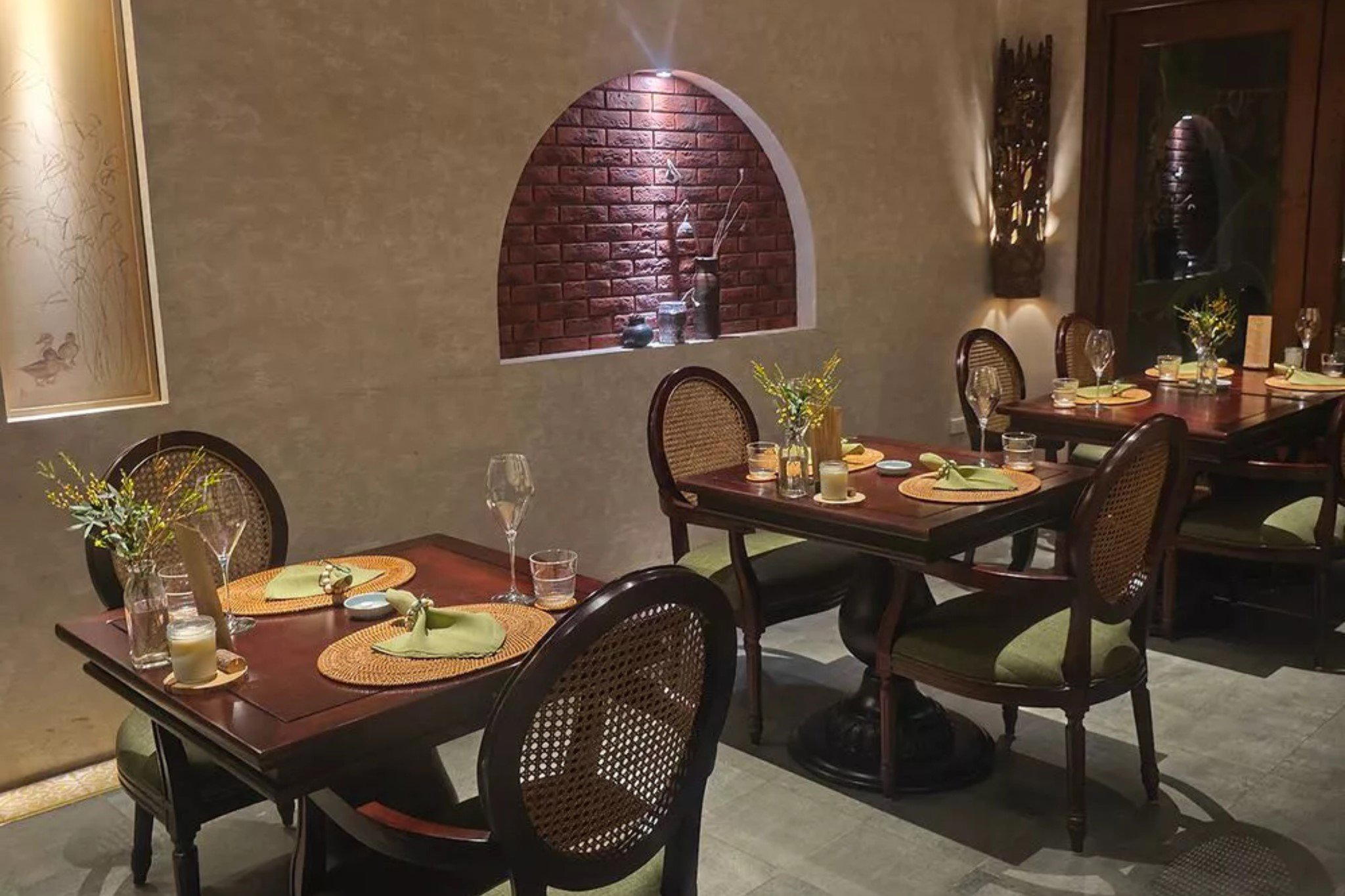
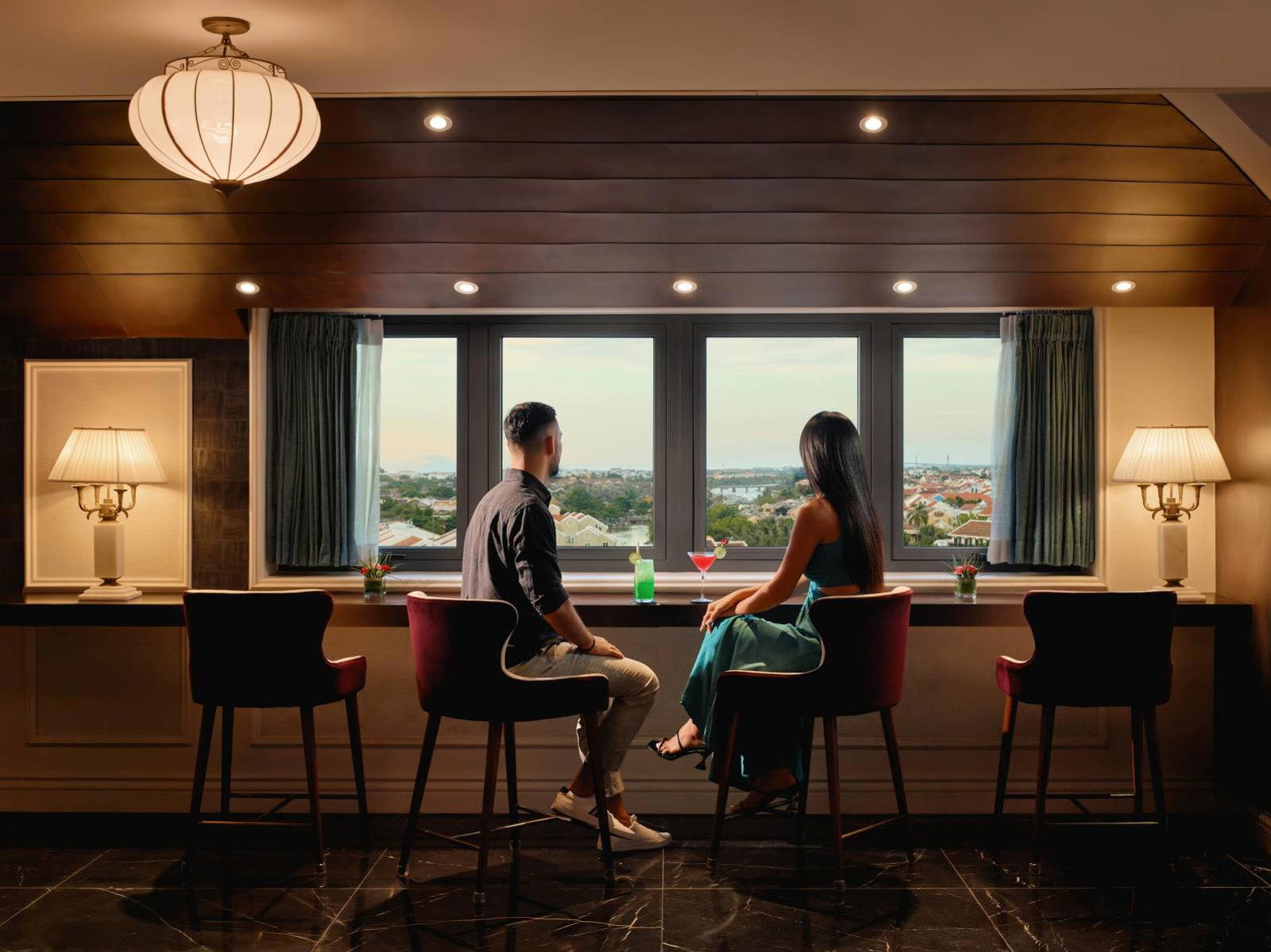
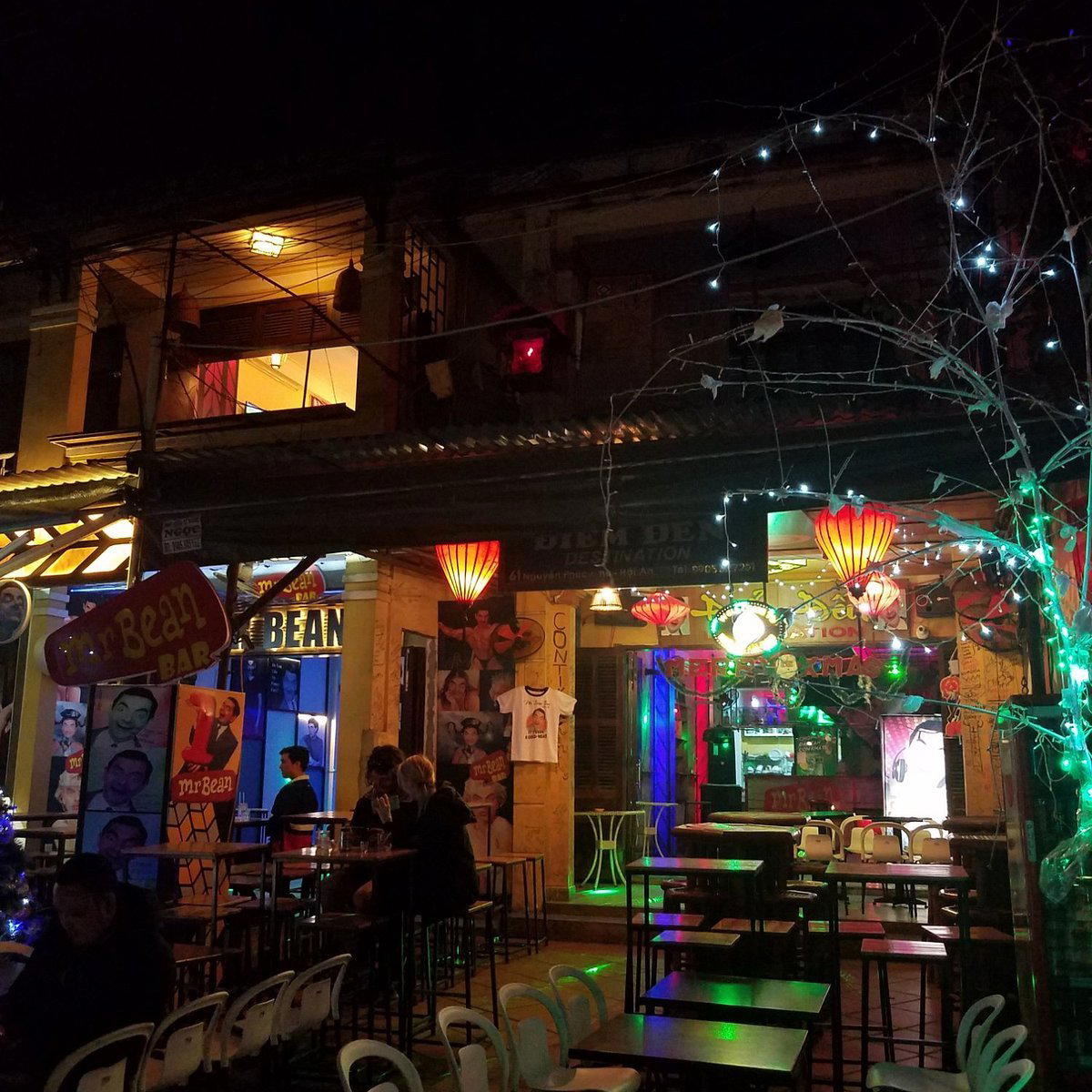
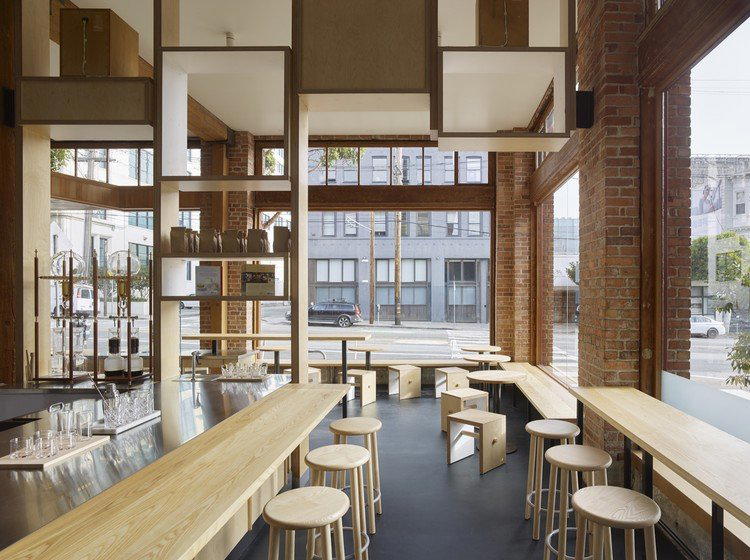
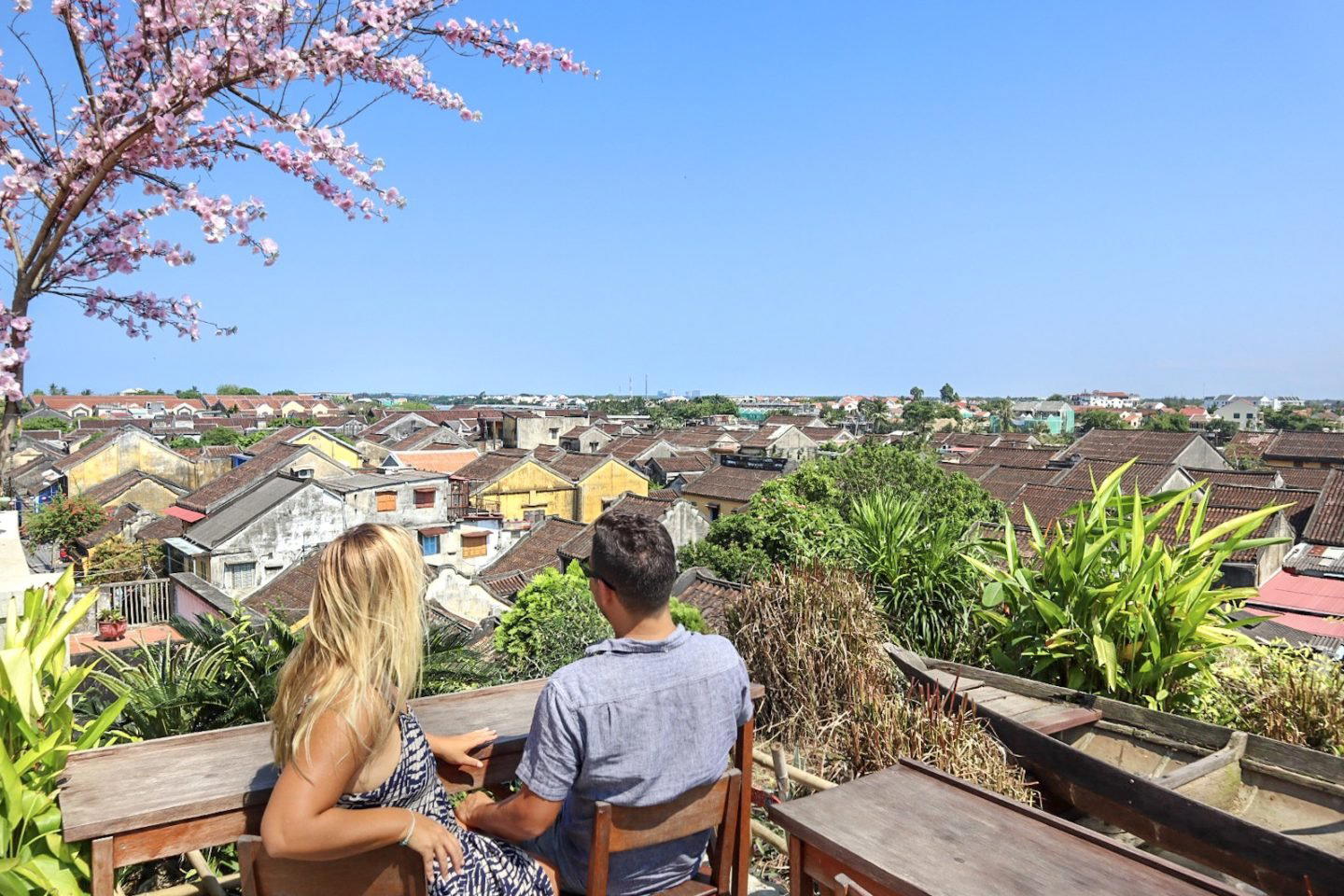
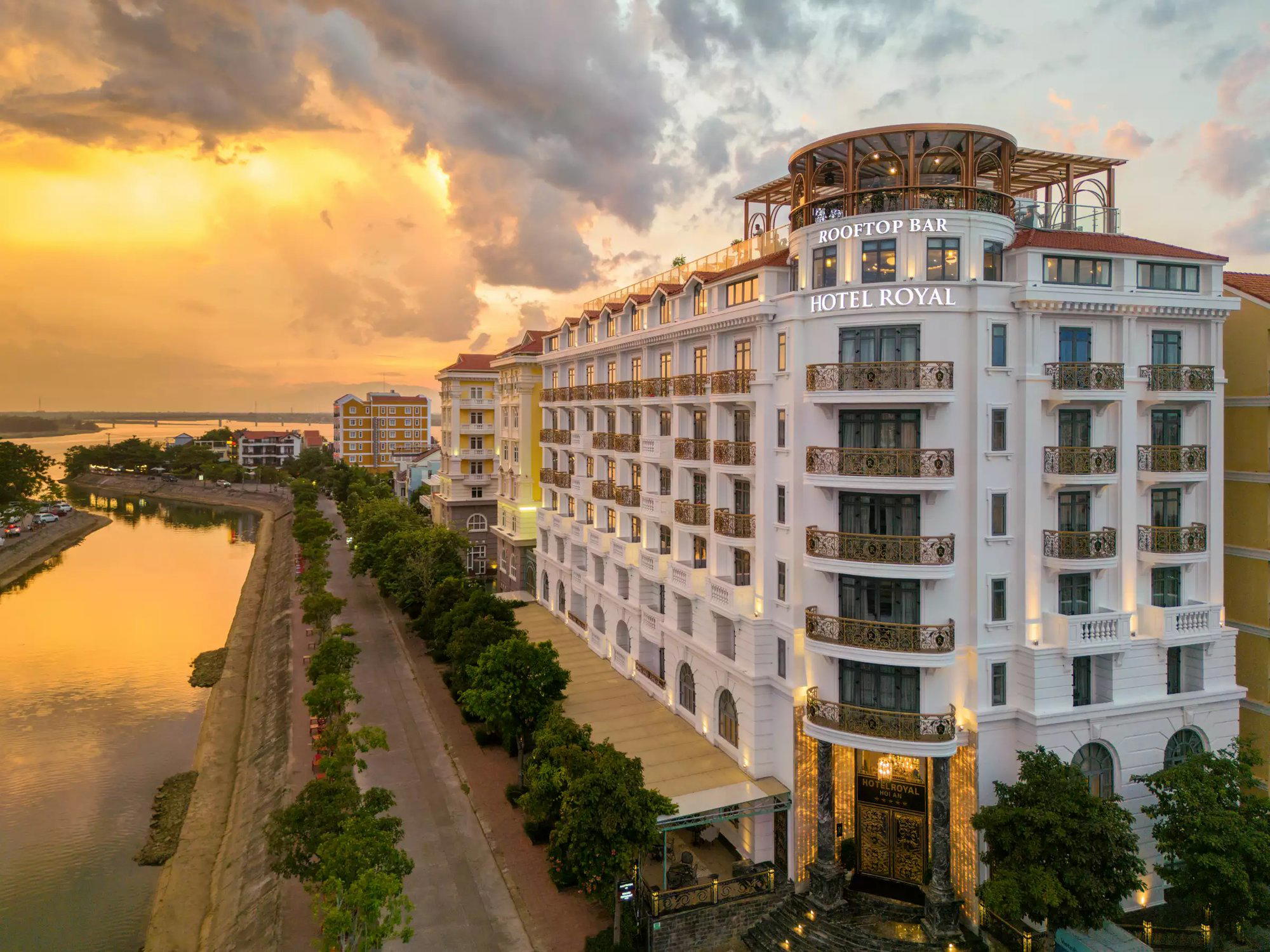
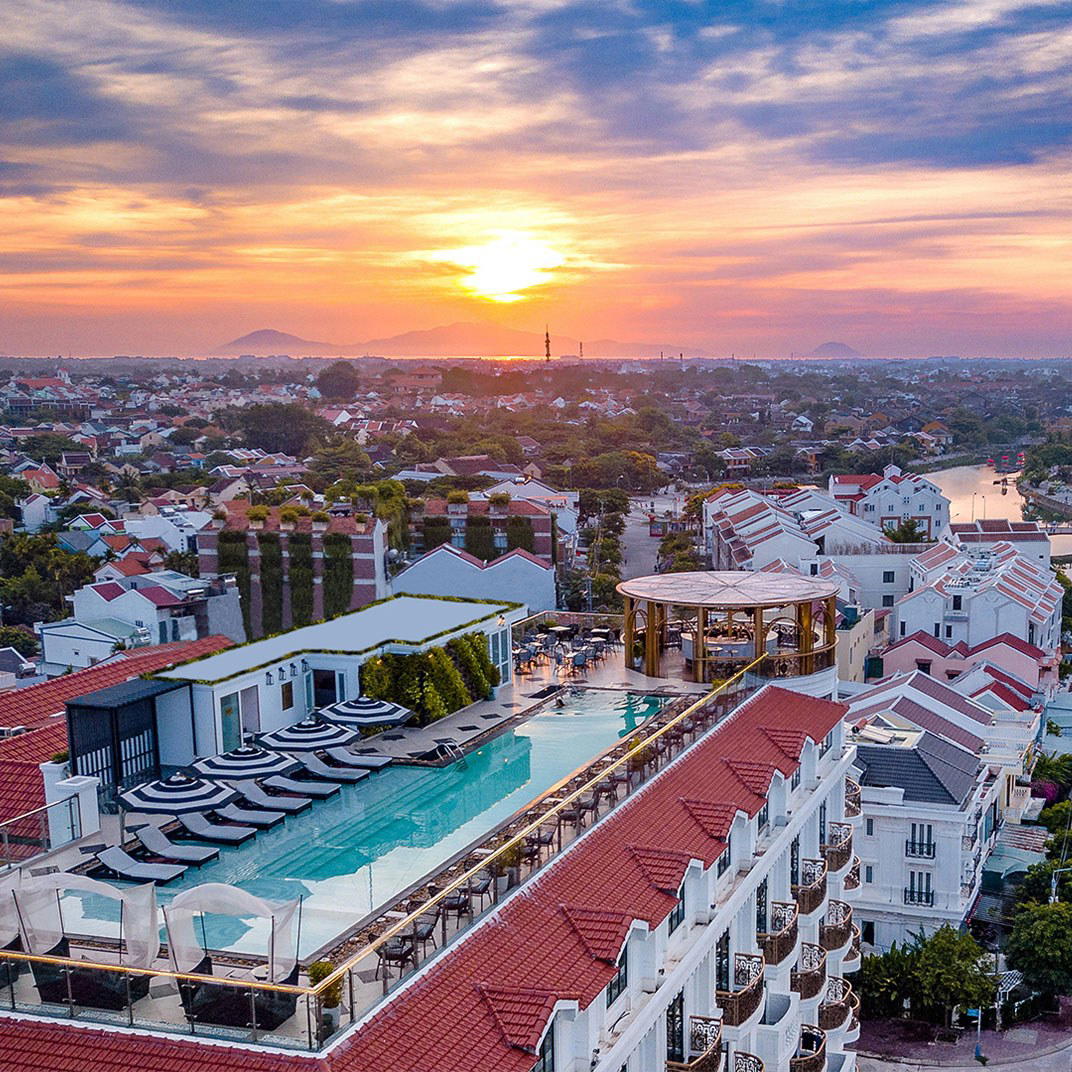
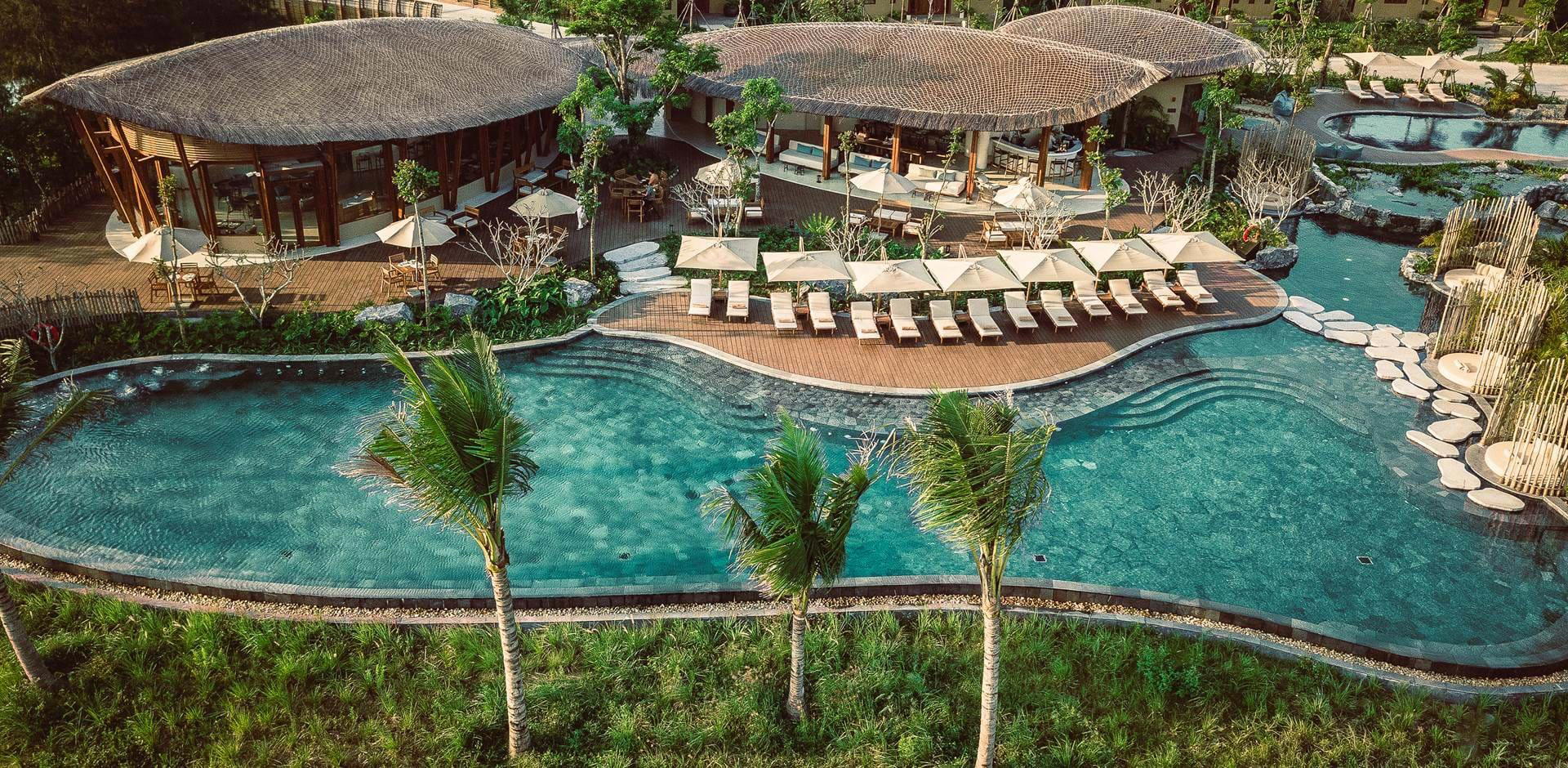
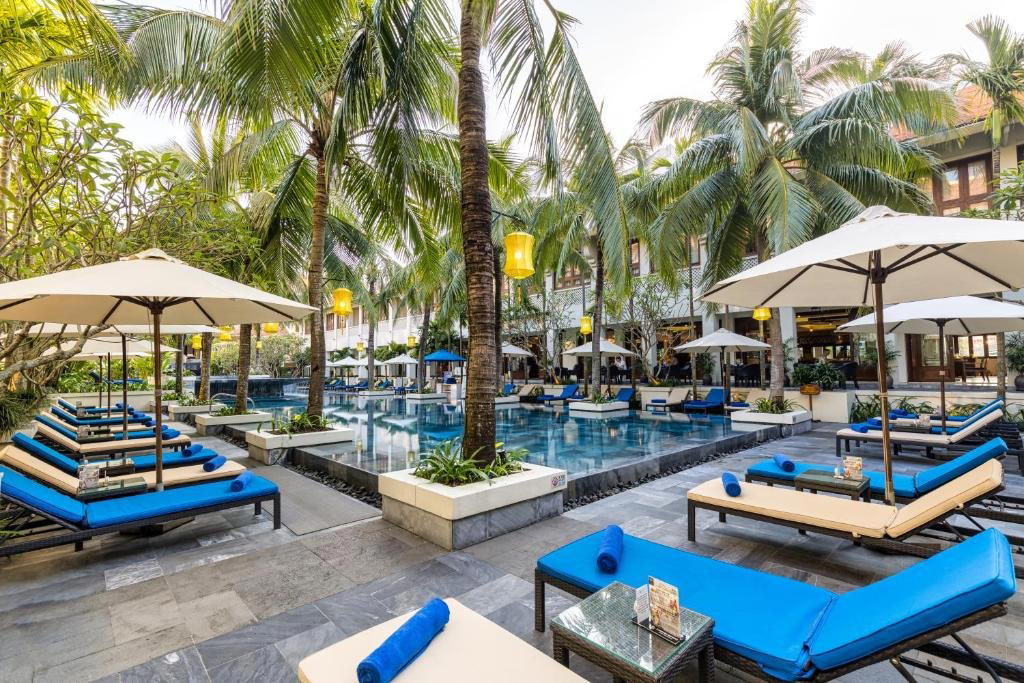
Warm and welcoming space designed for family and group dining with a focus on traditional, humble presentation reflecting local culinary heritage.