Ancient Hue Garden Houses sits in the Kim Long quarter, one of the city's oldest residential corridors, where traditional Vietnamese garden architecture has been preserved across centuries. The property places guests inside that built heritage directly, offering an encounter with Hue's dynastic domestic culture that the city's larger hotels cannot replicate. Booking details and room availability are best confirmed through direct inquiry.

Pearl is the En Primeur Club membership app, where members save venues, book tables and use the concierge.
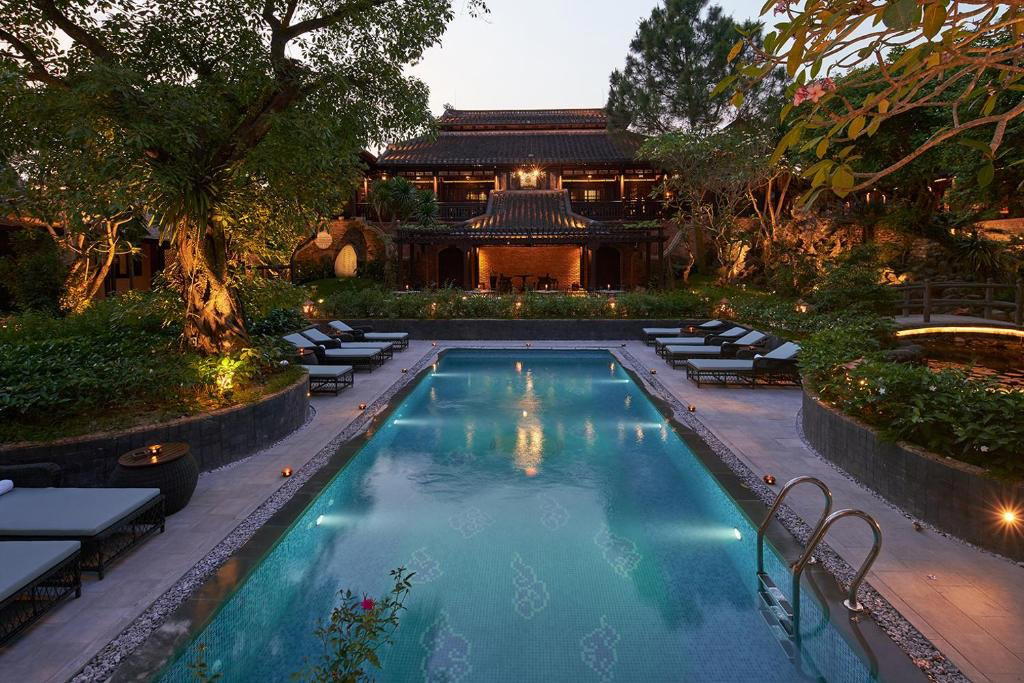
Kim Long and the Architecture of Restraint
Hue's garden house tradition is not a design aesthetic borrowed from elsewhere, it is the physical record of a court culture that lasted more than 150 years. When the Nguyen emperors established their capital here in the early nineteenth century, the surrounding residential quarters filled with enclosed compounds: low timber pavilions set back from the lane, surrounded by ponds, fruit trees, and carefully arranged courtyard space. The garden was not decorative. It was structural, a buffer between the household and the street, a thermal regulator in a climate that swings between monsoon humidity and dry-season heat, and a signal of social standing that expressed itself through restraint rather than scale.
Kim Long, the corridor running northwest from the Imperial Citadel along the Perfume River, preserves more of this residential fabric than any other part of the city. The lane at number 47 Kiệt 104 Kim Long sits inside that quarter, which means Ancient Hue Garden Houses is not located near historical architecture, it is part of it. That distinction matters when assessing what the property actually offers and how it compares to Hue's other accommodation options.
Where This Property Sits in Hue's Accommodation Picture
Hue's premium hotel market divides into two broad categories. The first is the international-brand tier, anchored by properties like Azerai La Residence, Hue, which occupies a restored colonial residence on the riverfront and carries the polish of a managed hospitality group. The second is the smaller, owner-operated category, where properties are often embedded in genuinely historic structures and operate with correspondingly fewer standardized services. Ancient Hue Garden Houses belongs to the latter tier.
That positioning is neither a criticism nor a commendation in isolation, it is a category distinction that determines what kind of stay to expect. Guests who arrive from properties like Indochine Palace in Hue City, with its central location and full-service amenities, or from international resort circuits anchored by properties like Amanoi in Vinh Hy or Banyan Tree Lăng Cô, will find a fundamentally different operating logic here: smaller scale, greater architectural intimacy, and a guest experience shaped by the building itself rather than by a hospitality group's programming template.
The Dining Dimension in Garden House Stays
Across Vietnam's heritage accommodation sector, the food programme is often where the gap between aspiration and delivery is most visible. Large resort properties along the central coast, from Four Seasons Resort The Nam Hai, Hoi An to Anantara Quy Nhon Villas, invest heavily in structured culinary programming: multiple restaurants, cooking class infrastructure, and menus that position local ingredients within an internationally legible fine-dining frame. Smaller heritage properties in Hue operate differently.
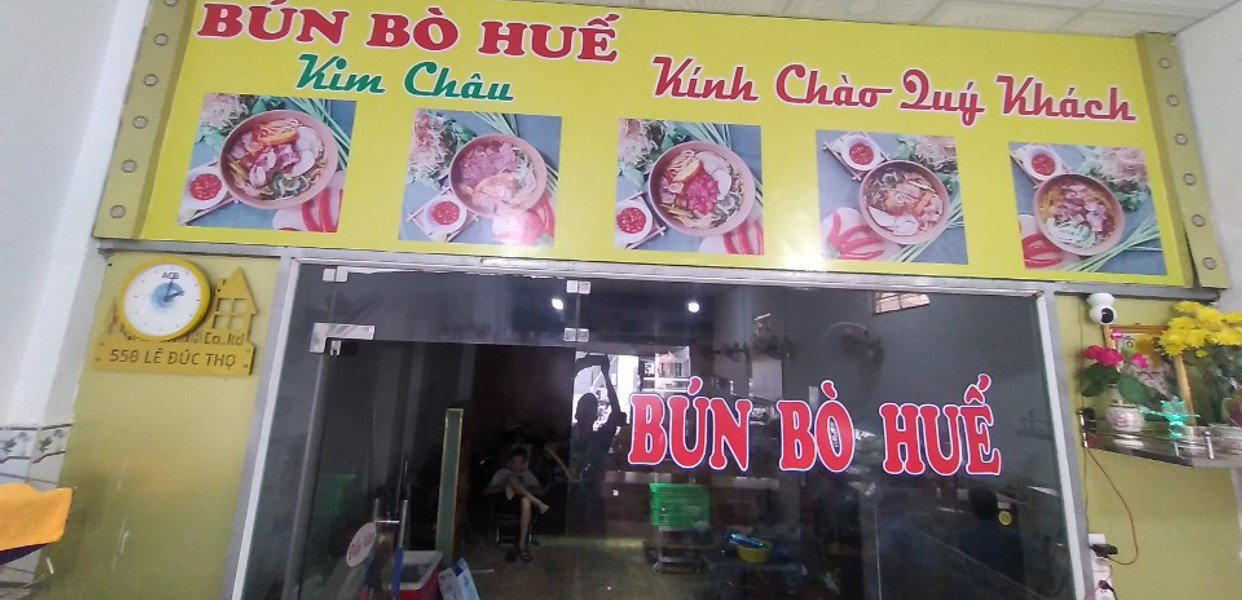
Hue's royal cuisine tradition is one of the more documented culinary legacies in Vietnam. The Nguyen court developed a cooking culture defined by small portions, elaborate presentation, and a repertoire of dishes that were explicitly tied to imperial ceremony. That tradition survives in Hue's street food scene, bún bò Huế, bánh bèo, nem lụi, and in a handful of specialist restaurants in the city that approach the cuisine with genuine historical grounding. For guests staying at a property like Ancient Hue Garden Houses, the surrounding Kim Long neighbourhood and the broader city provide the actual dining programme; the garden house itself provides the residential frame.
This is worth stating plainly for anyone accustomed to all-inclusive resort dining structures or to properties like Almanity Hoi An Wellness Resort in Hoi An, where food and wellness programming are integrated into the stay. At Ancient Hue Garden Houses, the guest's relationship with Hue's food culture is self-directed. The Kim Long corridor is residential rather than commercial, which means accessing the city's restaurant scene requires a short journey toward the centre. See our full Hue restaurants guide for current recommendations across price points and cuisine types.
Contextualizing the Location
The Kim Long address positions this property away from the tourist infrastructure concentrated around Tran Tien Bridge and the Dong Ba Market area. That separation has trade-offs in both directions. On one side, the neighbourhood retains a residential quietness and physical coherence that central Hue has lost in parts. On the other, guests without private transport will find the distance to the Imperial Citadel, the royal tombs south of the city, and the main restaurant corridors a logistical variable worth planning around.
Vietnam's central region is leading visited between February and April, when temperatures are moderate and rainfall is lower than the October-to-December wet season, which brings concentrated flooding risk to low-lying river areas including parts of Hue. Guests considering a multi-city itinerary along the central coast can reference properties at either end of that corridor: Novotel Danang Premier Han River in Hai Chau and Hoiana Hotel and Suites in Duy Xuyen to the south, or InterContinental Hanoi Westlake by IHG for a northern anchor.
Direct inquiry to the property at its Kim Long address is the confirmed route for availability. No standardized booking window or minimum stay data is available at time of publication.
Planning Your Stay
For guests building a Vietnam itinerary that extends beyond Hue's central coast, the country's accommodation range is broad. Properties like Hotel de la Coupole MGallery in Sapa, Emeralda Resort Ninh Binh, and Dalat Palace Heritage Hotel each occupy distinct regional and category positions. On the southern coast, Amiana Resort Nha Trang, Asteria Mui Ne Resort in Phan Thiet, and Ixora Ho Tram by Fusion extend the range further. For urban stays in Ho Chi Minh City, Amanaki Saigon Boutique Hotel represents the city's smaller heritage-oriented category, comparable in spirit to Hue's garden house tradition. Properties farther afield, including Oakwood Ha Long, InterContinental Phu Quoc Long Beach Resort, and Hilton Quang Hanh Onsen Resort in Cam Pha, round out the country's premium accommodation spread for those planning extended circuits. For international reference points at the garden-house scale, Aman Venice offers a useful comparison of how historic residential architecture can anchor a high-end hospitality offering when the building's heritage is allowed to carry the experience.
Price Lens
| Venue | Price | Awards |
|---|---|---|
| Ancient Hue Garden HousesThis venue (the venue you are viewing) | Not listed | Not listed |
| Capella Hanoi | Not listed | 3 Michelin Keys · Michelin Guide New Hotels New Hotel |
| Four Seasons Resort The Nam Hai, Hoi An | $750–1,000 | 2 Michelin Keys · La Liste Top Hotels |
| InterContinental Danang Sun Peninsula Resort | Not listed | 1 Michelin Key · La Liste Top Hotels |
| JW Marriott Hotel Hanoi | $100–200 | Michelin Selected · Forbes Recommended |
| Park Hyatt Saigon | $300–500 | 1 Michelin Key · La Liste Top Hotels |
Continue exploring
More in Hue
Hotels in Hue
All hotels in Hue →
Details
- Romantic
- Quiet
- Scenic
- Elegant
- Cozy
- Romantic Getaway
- Honeymoon
- Anniversary
- Family Vacation
- Garden
- Historic Building
- Private Villa
- Pool
- Spa
- Wi Fi
- Bicycle Rental
- Restaurant
- Garden
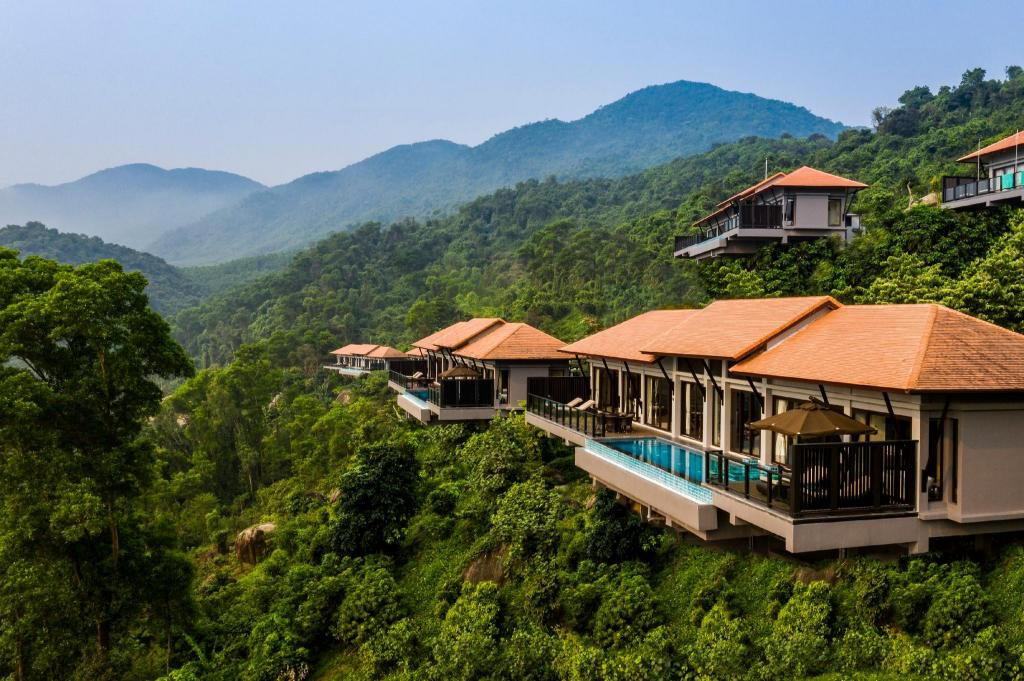
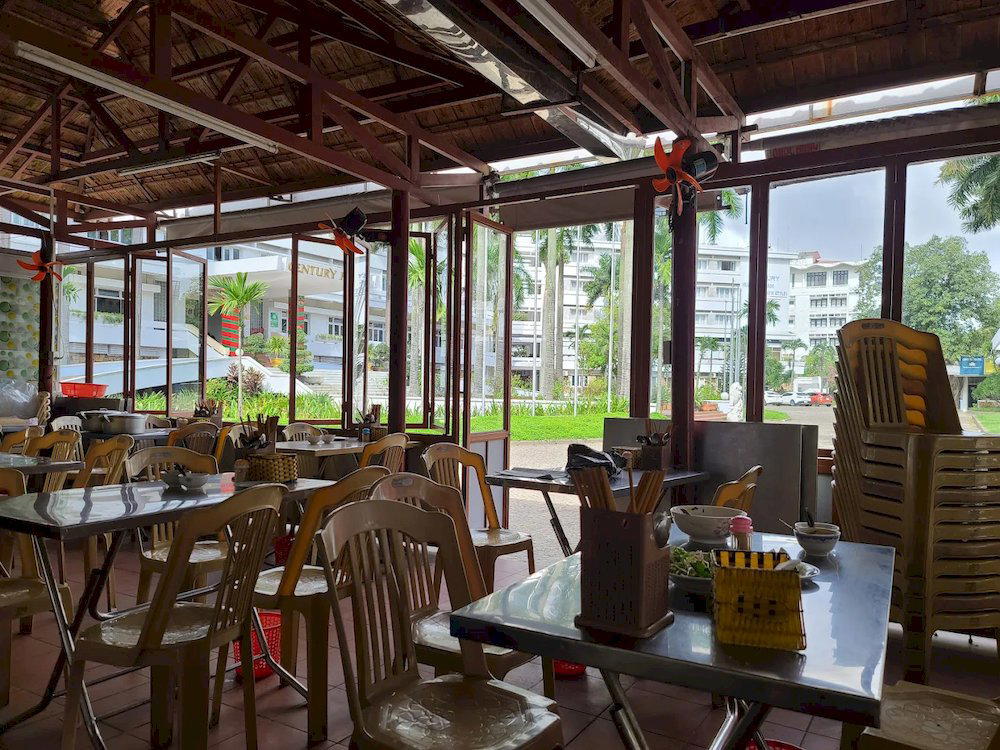
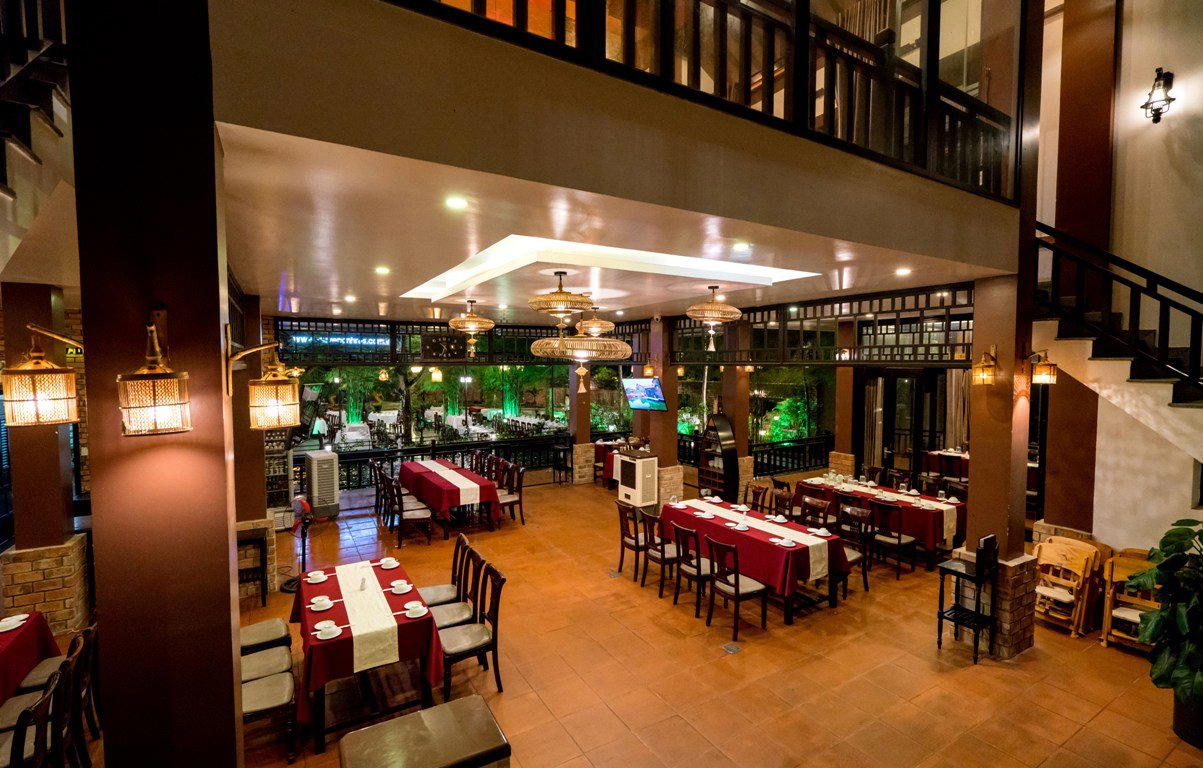
Serene and elegant with lush landscaped gardens, koi ponds, soft lanterns, and harmonious feng shui design evoking imperial tranquility.