
Rice Bowl at Angasana Hotel in Phú Lộc sits within a dining scene where Hue's deep rice culture meets a format that ranges from sushi to wok dishes and plant-forward plates. The room's wall of coloured bowls signals the concept before the food arrives, and Vietnamese hospitality sets the pace. Reservations are advised.
Pearl is the En Primeur Club membership app — saves, bookings, and concierge access live there. Same editors, same standards.
- Address
- 8XM4+V8J, Lộc Vĩnh, Phú Lộc, Thành phố Huế, Vietnam
- Phone
- +84 234 3695 800
- Website
- angsana.com
 Saves & bookings on Pearl
Rice, Rethought in Central Vietnam
Central Vietnam has among the more rice-specific culinary identities on the continent. Hue, in particular, built its imperial court cuisine almost entirely around rice in its many forms: steamed, pounded, fermented, wrapped, and fried. The grain here is not a backdrop to protein, it is the subject. Rice Bowl, located within the Angasana Hotel in the Phú Lộc district south of the city centre, works from that tradition and extends it outward, pulling in sushi preparations, wok-cooked formats, and plant-forward interpretations alongside the regional staples. The result is a dining room that treats rice as both ingredient and concept.
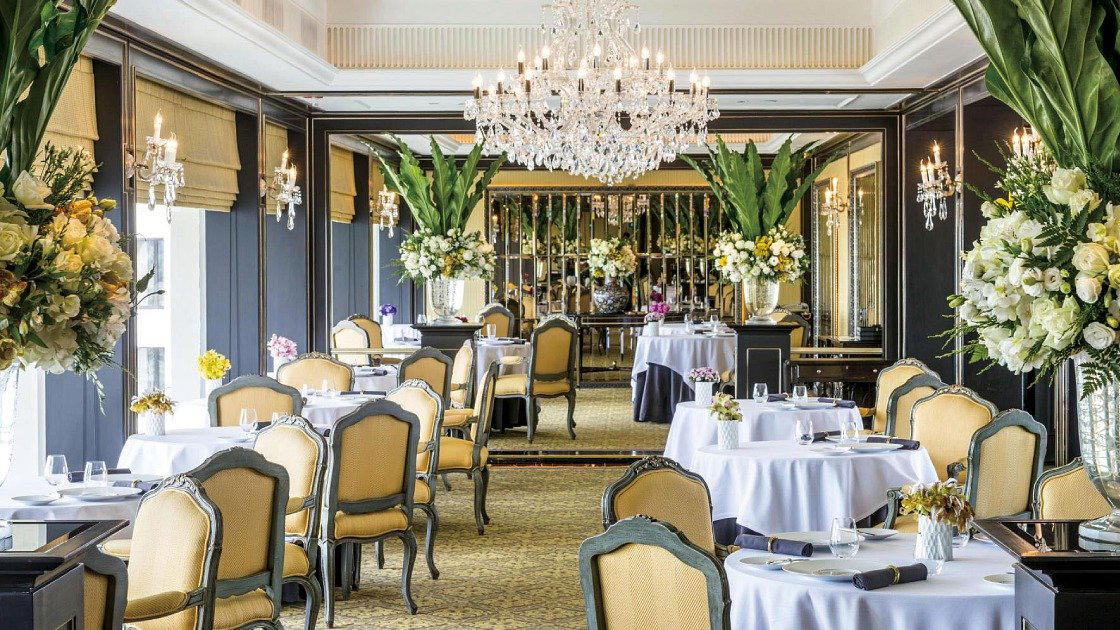
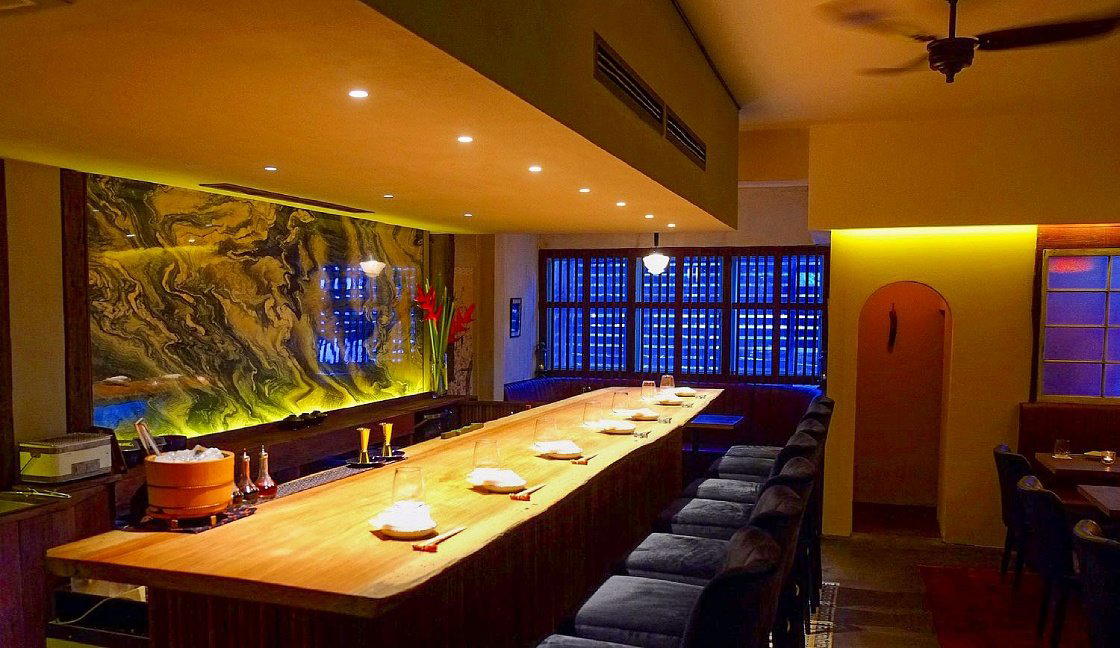
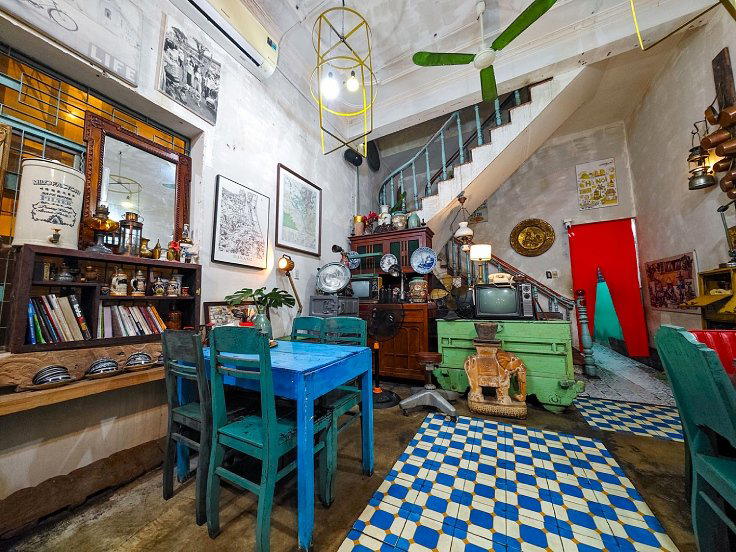
The room announces its focus immediately. Colourful bowls line the walls in an arrangement that reads less as decoration and more as a working vocabulary of the menu's range. It is the kind of design decision that earns its place: the visual record of bowl types and glazes maps loosely to what arrives at the table, from shallow sushi vessels to deeper wok-sauced plates. The setting within the Angasana Hotel gives it a level of physical finish without pushing the atmosphere into the stiff formality that hotel dining rooms elsewhere sometimes default to.
Where the Grain Comes From
Central Vietnam's rice geography is worth understanding before eating here. The Mekong Delta dominates national production in volume, but the narrower coastal plains between Da Nang and Hue produce shorter-season varieties prized locally for texture and fragrance. Phú Lộc sits within that coastal corridor, and the proximity to small-scale paddies in the surrounding countryside matters in the same way that terroir matters to wine: the rice that reaches a kitchen this close to cultivation is not the same product as rice that has been warehoused and shipped across a continent.
That sourcing context gives the plant-forward section of the menu a different kind of weight. Wok dishes built on locally grown varieties, or sushi rice prepared from grain grown within the coastal lowlands, carry a provenance argument that menus elsewhere in the region have to work harder to make. Vietnam's farm-to-table conversation tends to concentrate on protein sourcing, on highland pork or freshwater fish, but the grain itself is the more interesting story in Hue's culinary tradition. Rice Bowl's format, whatever its other merits, is framed correctly for that argument.
A Format That Ranges Wider Than the Name Suggests
The menu's breadth, from sushi to wok dishes to regional Vietnamese rice specialties, positions Rice Bowl in a category that Vietnamese dining rarely occupies cleanly. It is not a Japanese restaurant with a Vietnamese address, nor is it a heritage-focused royal Hue cuisine operation of the kind that anchors the city's more formal dining rooms. It sits somewhere between those poles, using rice as the unifying thread across formats that would otherwise seem disconnected.
Sushi at a hotel restaurant in coastal central Vietnam invites reasonable scepticism, but the broader context of Vietnam's fishing coastline and the country's expanding engagement with Japanese culinary techniques makes the combination less incongruous than it first appears. Venues like Akuna in Ho Chi Minh City and Gia in Hanoi have demonstrated that Vietnamese kitchens can absorb Japanese and international frameworks without abandoning their own culinary logic. The restaurant operates at a different price point and scale than either of those, but the cross-format approach is part of a broader pattern in Vietnamese dining rather than an outlier.
For a comparison to how rice-focused formats translate across the wider region, the contrast with more protein-driven tasting menu formats at places like La Maison 1888 in Da Nang is instructive. Where La Maison 1888 operates at the prestige end of the central Vietnam dining spectrum, the restaurant sits in a more accessible register, where the ingredient itself rather than the chef's biography carries the editorial weight.
Planning Your Visit
The restaurant is located within the Angasana Hotel at the Phú Lộc address, south of Hue's historic centre. Visitors staying within the city will need to plan for the distance, though the hotel's setting along the coastal stretch of the region makes the trip worth it as part of a broader day out of the urban core. Advance reservations are advisable. The warmth of service noted by visitors consistently reflects the Vietnamese hospitality tradition that makes Hue's dining rooms, at every price point, feel less transactional than comparable hotel restaurants elsewhere in Southeast Asia.
For anyone building a Hue dining itinerary, the city's restaurant scene rewards planning.
Those travelling through central Vietnam more broadly will find useful contrast in the approaches taken at restaurants operating at the higher end of the regional dining spectrum, including Le Bernardin in New York City, Alinea in Chicago, Lazy Bear in San Francisco, Emeril's in New Orleans, 8 1/2 Otto e Mezzo Bombana in Hong Kong, Alain Ducasse at Louis XV in Monte Carlo, Alléno Paris au Pavillon Ledoyen, Aponiente in El Puerto de Santa María, and Aqua in Wolfsburg, all of which provide a useful framework for understanding where ingredient-focused dining sits globally.
Fast Comparison
Comparable venues nearby, for context on price, style, and recognition.
| Venue | Cuisine | Price | Notes |
|---|---|---|---|
| Rice BowlThis venue — the venue you are viewing | Modern Japanese with Pan-Asian Influences | $$$ | Not listed |
| Kim Chau | Traditional Vietnamese Bun Bo Hue | $ | central Hue |
| Bún Bò Cẩm | Traditional Bún Bò Huế | $ | Trần Cao Vân |
| Red Sky Steakhouse | Premium Steakhouse | $$$ | Thanh Khe |
| White Rose (Bông Hồng Trắng) | Hoi An White Rose Dumplings | $$ | Old Town |
| The Hill Station Signature Restaurant | Authentic Sapa Ethnic Cuisine | $$$ | Sa Pa |
Recognition history
Dated appearances from independent guides and award organizations, with the underlying list record or original source where available.
We're Smart World 2 Radishes
We're Smart World
At a Glance
- Romantic
- Elegant
- Sophisticated
- Cozy
- Date Night
- Special Occasion
- Family
- Group Dining
- Open Kitchen
- Private Dining
- Hotel Restaurant
- Design Destination
- Extensive Wine List
- Sake Program
- Craft Cocktails
Current opening hours
- Monday
- 6–11 PM
- Tuesday
- 6–11 PM
- Wednesday
- 6–11 PM
- Thursday
- 6–11 PM
- Friday
- 6–11 PM
- Saturday
- 6–11 PM
- Sunday
- 6–11 PM
Hours can change for holidays and private events. Last verified .
Sophisticated and peaceful atmosphere with pleasant music, elegant aesthetics, and refined lighting; described as charming and relaxing with high-class environment.