Our verdict
Phước Hòa 5 sits in Da Nang's Cẩm Lệ District, a part of the city where neighbourhood dining runs on local habit rather than tourist footfall. The area's eating culture prioritises direct sourcing and familiar flavours over presentation, placing it in a distinct tier from the resort-adjacent dining rooms further north along the coast.

Pearl is the En Primeur Club membership app, where members save venues, book tables and use the concierge.
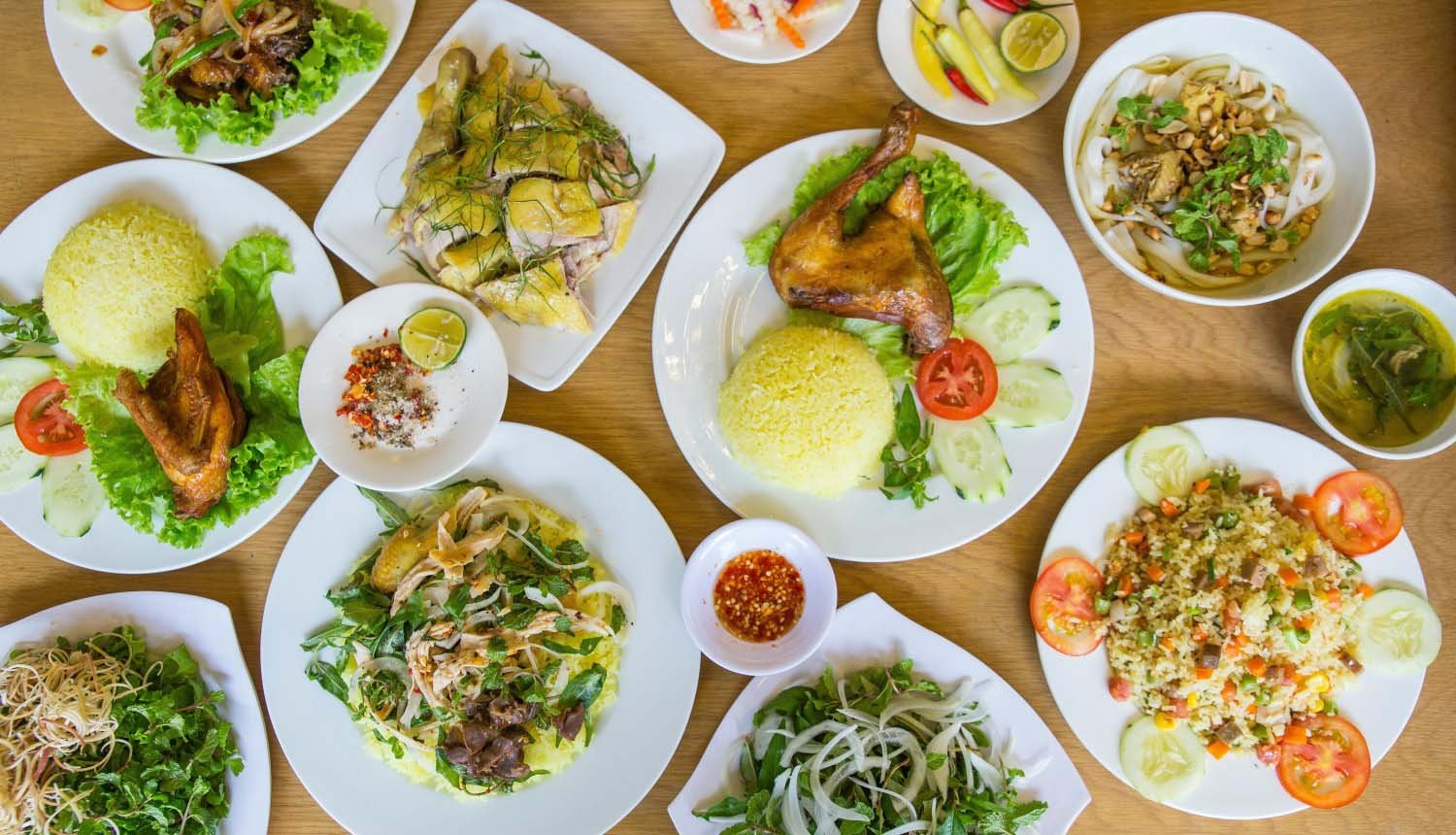
Where Cẩm Lệ Eats: The Neighbourhood Context
Da Nang's dining identity is often framed around its coastline and its hotel corridors, but the city's residential districts tell a different story. Cẩm Lệ, on the southern edge of the urban area, operates as a working neighbourhood first. The restaurants here, Phước Hòa 5 among them, are written into the daily rhythms of people who live nearby, not into the itineraries of visitors arriving from Mỹ Khê Beach. That distinction matters when thinking about what kind of food you'll find and how it gets to the table. For broader context on what this part of the city offers, our full Cam Le restaurants guide maps the area's eating options across price points and formats.
This is also the part of Da Nang that sits closest to the agricultural and market supply chains feeding the wider city. Produce from Hòa Vang, the rural district that wraps around Da Nang's western and southern edges, moves through markets in Cẩm Lệ before reaching kitchens across the metropolitan area. A neighbourhood restaurant operating here has a shorter path between field and kitchen than its counterparts in the city's hotel zones, and that proximity shapes what ends up on the plate.
Sourcing and the Logic of Locality
Central Vietnam's ingredient geography is one of the more distinctive in the country. The narrow coastal strip between the Annamite mountain range and the South China Sea produces a food culture that draws simultaneously from highland agriculture, lowland rice cultivation, and inshore fishing. Herbs, greens, and fresh aromatics come from smallholder plots that have supplied local markets for generations. Fish and shellfish arrive from day boats working the waters between Da Nang and the Cù Lao Chàm archipelago to the south.
Restaurants rooted in residential districts like Cẩm Lệ tend to access this supply chain through direct market relationships rather than wholesale intermediaries. The daily wet market remains the primary sourcing point for neighbourhood kitchens across Vietnam's central coast, and the discipline that imposes, buying what is available and fresh rather than what a standardised menu demands, keeps cooking closely aligned with season and locality. This is the structural logic behind why neighbourhood Vietnamese cooking in cities like Da Nang can deliver quality that bears no relationship to price level. The sourcing infrastructure is the same whether you're eating at a street-side table or in a formal dining room.
That supply-driven approach contrasts with how higher-price-tier venues in Da Nang operate. La Maison 1888 in Da Nang functions within a French contemporary framework that requires consistent, specification-driven sourcing across every service. The neighbourhood restaurant model works from the opposite premise: the menu adjusts to what arrives each morning, not the other way around.
The Central Vietnamese Table
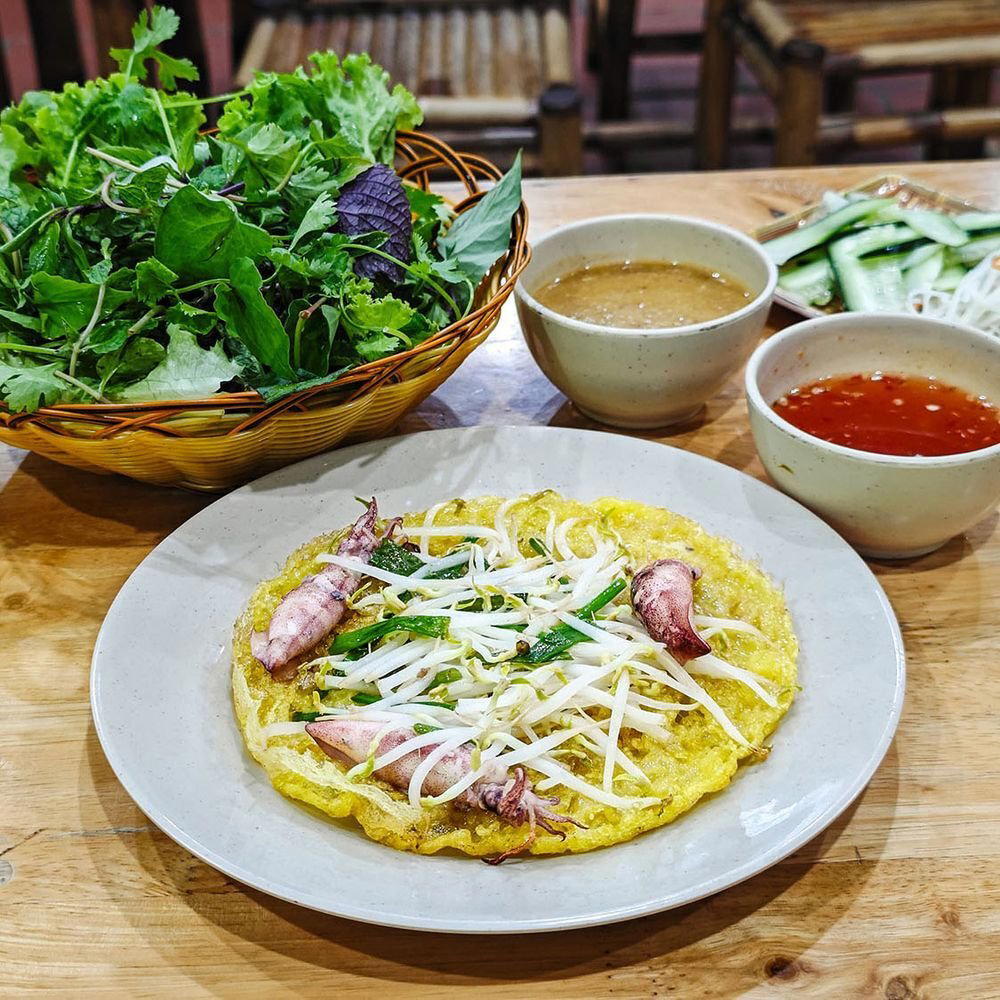
Da Nang occupies the middle ground in Vietnamese culinary geography, sharing DNA with both the imperial refinement of Hue to the north and the bolder, more herb-forward cooking of Hội An and Quảng Nam to the south. The result is a local food culture that rewards repetition: dishes that seem simple on first encounter reveal layering on the third or fourth visit. Mì Quảng, the turmeric-tinted noodle dish that functions as something close to a regional signature, appears across price points throughout the city. So does bánh tráng cuốn thịt heo, the pork and rice-paper roll format that differs subtly in assembly and accompaniment from kitchen to kitchen.
For a sense of how this regional tradition plays out elsewhere in the wider area, Mi Quang Ba Vi in Thanh Khe offers a comparable neighbourhood-rooted format, and Quảng Nam in Nam Giang traces the dish's southern lineage. Further up the coast, Saffron in Hue City illustrates how the Hue influence on central Vietnamese cooking gets interpreted at a more formal register.
The point is that Phước Hòa 5 operates within a living culinary tradition, not as an outlier. The cooking here belongs to a continuum that runs from street stalls to recognised dining rooms, and understanding where a neighbourhood restaurant sits in that continuum tells you more about what to expect than any individual venue detail.
Da Nang in the Wider Vietnamese Dining Picture
Vietnam's restaurant scene has stratified sharply over the past decade. Hanoi and Ho Chi Minh City have developed tiers of contemporary Vietnamese cooking that reference international technique and earn recognition from regional award structures. Gia in Hanoi and Akuna in Ho Chi Minh City represent the upper end of that tier, where Vietnamese ingredients are recontextualised within formal tasting formats. Da Nang sits outside that particular conversation, which is not a limitation so much as a different orientation. The city's strength is in the middle and neighbourhood registers, where the cooking is technically confident but not self-consciously progressive.
The comparison is useful because it positions Cẩm Lệ correctly. You are not coming here for the kind of dining that publications like to place in ranked lists. You are coming because the food is direct, sourced close to where it is served, and embedded in a local eating culture that has its own integrity. Venues like Bau Troi Do in Son Tra and Nhà hàng Madame Lân in Hai Chau occupy different positions in Da Nang's eating geography but share the same underlying logic: Vietnamese cooking at its most confident doesn't need a formal framework to justify itself.
For reference points further afield, Cargo Club Cafe and Restaurant in Hoi An shows how the adjacent tourist market shapes a different kind of dining offer, while Duyên Anh Restaurant in Phu Vang and Phuong Nhung Restaurant in Cat Hai trace similar neighbourhood-rooted formats across the central coast region.
Planning a Visit
Phước Hòa 5 is located in Cẩm Lệ District, Da Nang, at the address Cẩm Lệ District, Da Nang 550000, Vietnam. The absence of an online presence is itself a signal about the format. Arriving outside peak lunch or dinner hours improves your chances of getting a table without a wait. Vietnamese neighbourhood dining in this tier almost always runs on local demand, which means the midday rush can be sharp and the late afternoon quieter.
Visitors who want to triangulate their central Vietnam eating across formats and price points might also consider Bún Bò Cẩm in Hue for the northern variant of the region's beef noodle tradition, or look at what more price-transparent formats look like at Bien 14 Seafood Buffet Restaurant in Hao Long. For those making longer itineraries across the country, Le Pont Club in Hai Phong and BIG CHILL INTERNATIONAL FOOD COURT in Phan Thiết show how the neighbourhood eating format shifts as you move south. For context on how the very best of the global restaurant register looks relative to this kind of local cooking, Le Bernardin in New York City and Lazy Bear in San Francisco represent the formalised, tasting-menu end of the spectrum that neighbourhood Vietnamese cooking has never needed to aspire to.
Frequently asked questions
Can I bring kids to Phước Hòa 5?
Phước Hòa 5 sits in Cẩm Lệ District, a residential area of Da Nang where neighbourhood restaurants typically serve families as a core part of their trade. Arriving early in a meal service generally makes the experience easier with children in tow.
Is Phước Hòa 5 formal or casual?
Cẩm Lệ is a working residential district rather than Da Nang's hotel strip, and venues here operate at a register that matches the neighbourhood: practical, direct, and without ceremony. No dress code or formal booking process is documented for Phước Hòa 5. Turn up as you would for any local Vietnamese meal.
Is Phước Hòa 5 a good option for eating away from Da Nang's tourist centre?
Phước Hòa 5 is located in Cẩm Lệ District, which sits outside the coastal hotel corridors and beachfront strips that frame most visitor itineraries in Da Nang. That address alone positions it as a place where the customer base is predominantly local rather than transient. For anyone wanting to eat in the part of the city that Da Nang residents actually use, Cẩm Lệ is the logical direction.
Where do I go for Phước Hòa 5?
Phước Hòa 5 is located at Cẩm Lệ District, Da Nang 550000, Vietnam, Cam Le.
How It Stacks Up
Comparable venues nearby, for context on price, style, and recognition.
| Venue | Cuisine | Price | Awards | Notes |
|---|---|---|---|---|
| Phước Hòa 5This venue (the venue you are viewing) | Traditional Vietnamese Mi Quang | Not listed | Not listed | Not listed |
| Ba Be (Banh Beo, Banh Nam, Banh Bot Loc) | Traditional Hue-Style Rice Cakes | $1–10 | Not listed | Hải Châu |
| Madam Khanh The Banh Mi Queen | Hoi An Banh Mi | $1–10 | Not listed | Minh An Ward |
| Bún Chả Cá 109 Nguyễn Chí Thanh | Authentic Da Nang Fishcake Noodle Soup | $1–10 | Michelin Bib Gourmand | Hai Chau |
| Kim Chau | Traditional Vietnamese Bun Bo Hue | $1–10 | Not listed | central Hue |
| cơm gà an hiền | Hoi An Chicken Rice (Com Ga) | $1–10 | Not listed | Minh An |
Continue exploring
More in Cam Le
Restaurants in Cam Le
All restaurants in Cam Le →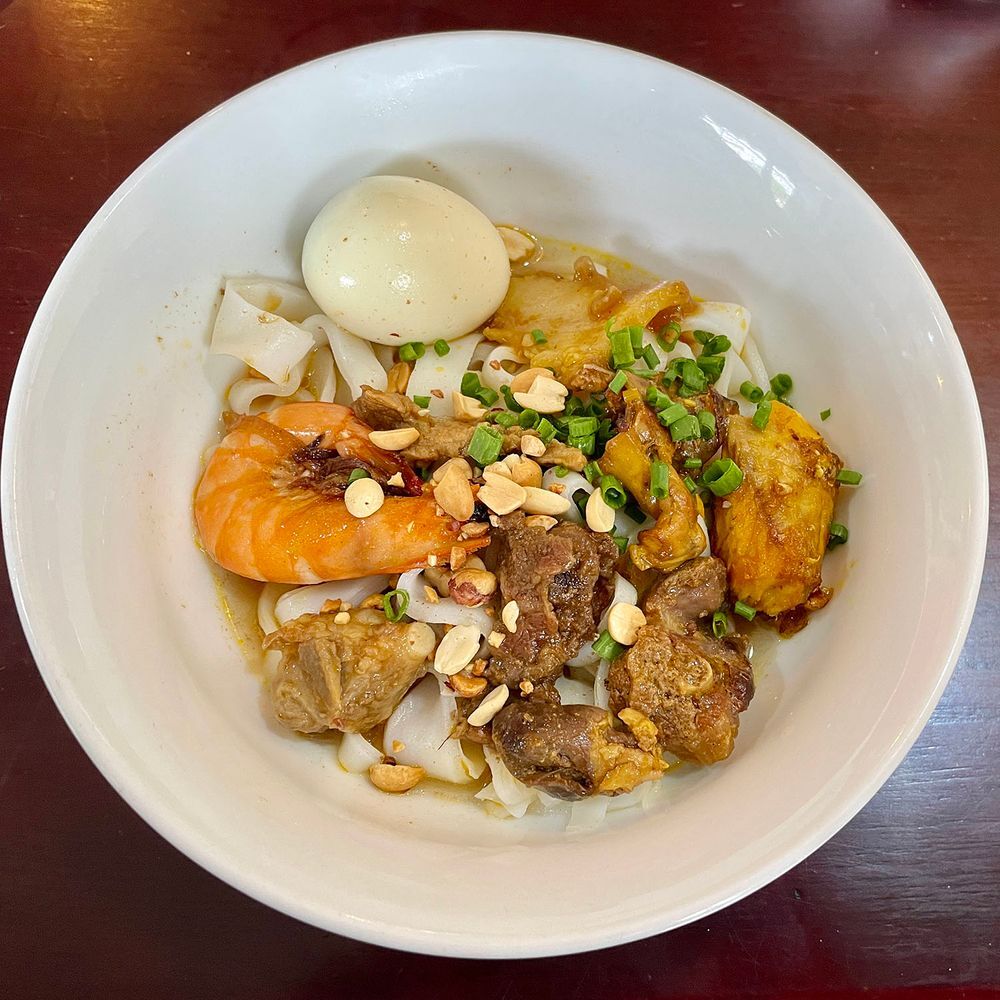
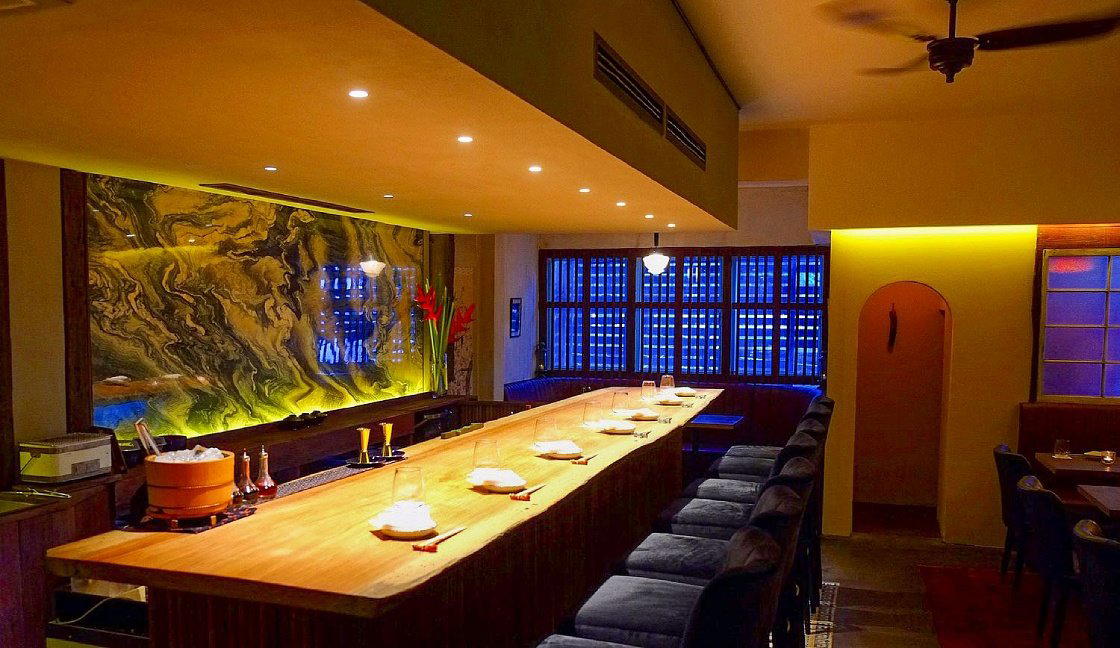
Bars in Cam Le
Browse all →
Details
- Rustic
- Casual Hangout
- Family
- Standalone
- A La Carte
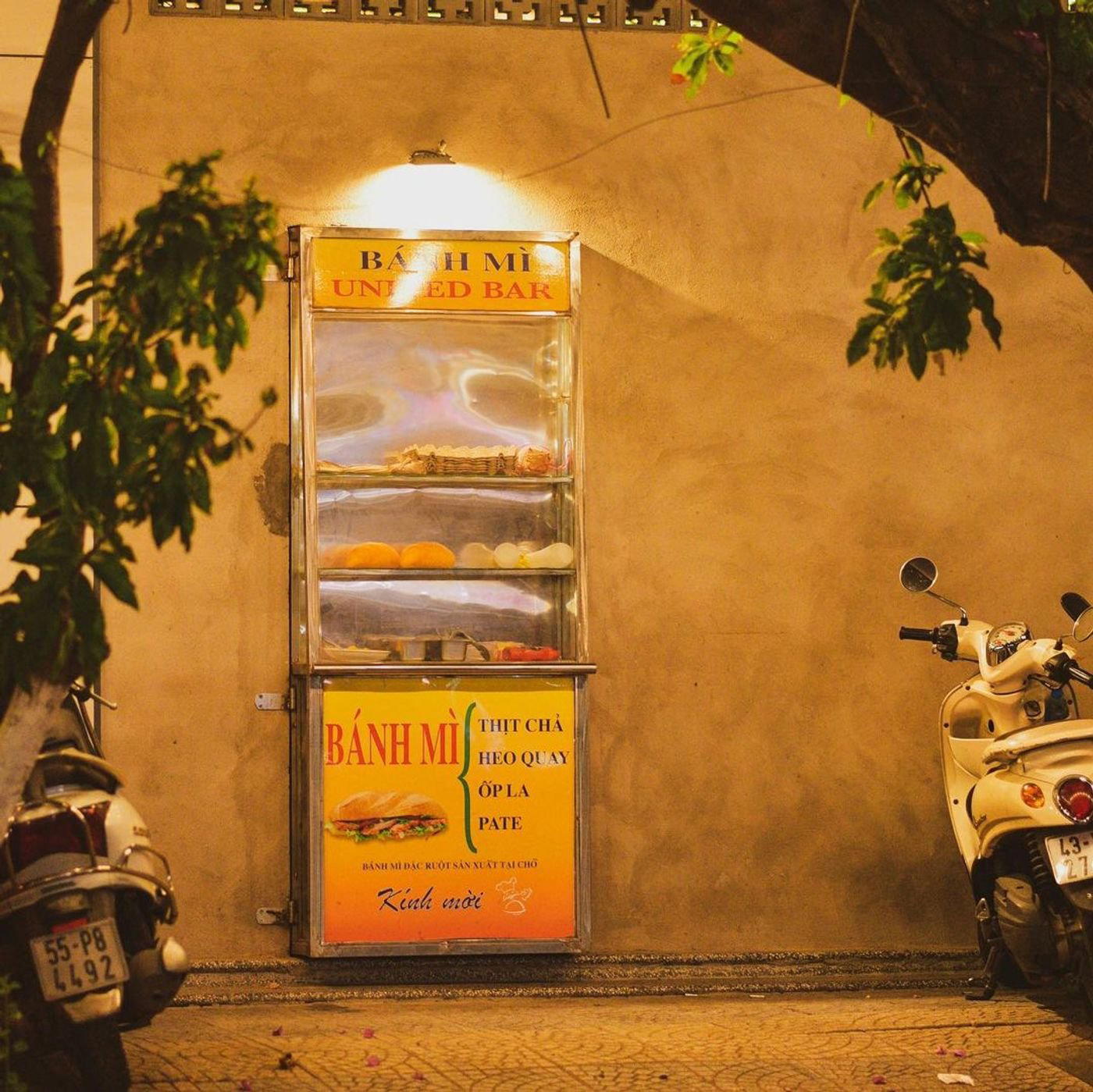
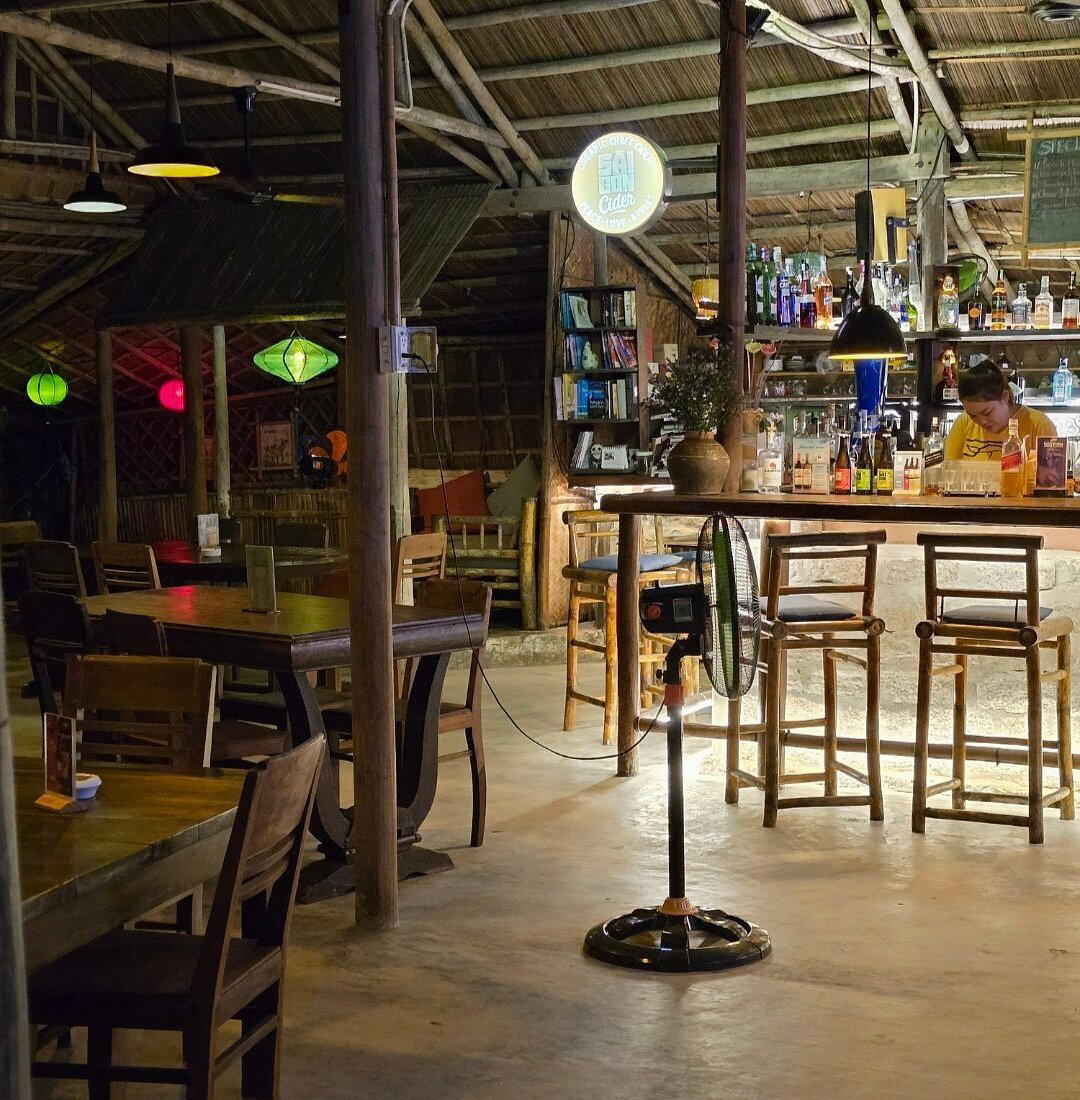
Casual and familiar local atmosphere typical of neighborhood restaurants.