Coco Dining

Coco Dining holds a Michelin star earned in 2025, placing it among a small tier of Ho Chi Minh City restaurants where innovative cooking meets serious sourcing intent. Under Chef Chris Sanchez, the kitchen operates at a price point that signals premium ambition without the full omakase formality of peers like Akuna. The address on Nam Kỳ Khởi Nghĩa in District 3 puts it at the quieter, residential edge of the city's fine-dining corridor.
Pearl is the En Primeur Club membership app — saves, bookings, and concierge access live there. Same editors, same standards.
- Address
- 143 Nam Kỳ Khởi Nghĩa, Phường 6, Quận 3, Thành phố Hồ Chí Minh 700000, Vietnam
- Phone
- +84 969 730 660
- Website
- cocosgn.com
- Directions
- Get directions
 Saves & bookings on Pearl
District 3 and the New Coordinates of Ho Chi Minh City Fine Dining
Ho Chi Minh City's fine-dining geography has shifted decisively over the past few years. The old concentration around the central business district and riverside hotels has given way to a more dispersed map, with District 3 emerging as the address of choice for kitchens that trade on craft rather than hotel infrastructure. Nam Kỳ Khởi Nghĩa is a long boulevard lined with older apartment blocks and mid-century French-colonial buildings, the kind of street where the ambient noise is motorbike traffic rather than tourism. Coco Dining occupies a position at 143 on that stretch, and the approach tells you something before you sit down: this is a neighbourhood restaurant with serious intent, not a destination engineered for visiting diners.
That positioning matters in a city where the Michelin Guide's 2024 and 2025 editions have shaped the market. The 2025 star, following a Michelin Plate recognition in 2024, places Coco Dining inside a cohort that now includes Akuna and CieL, but at a different price register. At ₫₫₫, the kitchen sits one tier below the ₫₫₫₫ positioning of Akuna, which implies a different thesis about who the restaurant is for and what value it is trying to deliver. Google's 4.6 rating across 471 reviews suggests the offer lands with regulars and first-timers alike.
Innovative Cooking in a City Redefining Its Own Culinary Terms
The "Innovative" cuisine classification carries a specific burden in Ho Chi Minh City in 2025. It no longer signals a simple fusion exercise or a departure from Vietnamese tradition. Across the city's Michelin-recognised tier, innovative cooking has come to mean something more demanding: a kitchen that can engage seriously with local ingredients and techniques while pushing the output toward something that doesn't fit neatly into existing category definitions. An's Saigon and Nén Light operate in adjacent territory, each with distinct takes on what it means to cook inventively in a city with one of Southeast Asia's most complex food cultures.
Chef Chris Sanchez leads the kitchen at Coco Dining. The comparative reference point across the region is useful here. In Singapore, Meta, Thevar, and Labyrinth each occupy the innovative one-star tier and demonstrate that the category rewards kitchens that have a clear point of view about ingredient sourcing and technique. Seoul's alla prima and Soigné show a similar pattern. Ho Chi Minh City's version of this dynamic is still forming, which is part of what makes the current moment interesting to track.
Sourcing, Sustainability, and What Innovative Costs
Across the region's one-star innovative tier, the kitchens that hold their position across successive guide cycles tend to share a common discipline: they treat sourcing as a structural commitment rather than a marketing position. This is where sustainability thinking intersects with culinary ambition. A kitchen that relies on consistent relationships with specific growers, fishers, or small-scale producers builds a supply chain that is harder to replicate and harder to displace from a guide tier. It is also, over time, a more interesting culinary position than one built on imported prestige ingredients.
In Vietnam specifically, the sourcing question has particular depth. The country's agricultural diversity, from the highland vegetables of the central regions to the coastal seafood chains of the south, gives a committed kitchen significant raw material to work with. The challenge is that informal supply networks, while often producing excellent ingredients, require active relationship management that larger or lazier operations are unwilling to sustain. The restaurants in Ho Chi Minh City's Michelin tier that are building their identity around local and ethically sourced product, a group that includes operations like Å by T.U.N.G, are doing so at a moment when that commitment is beginning to carry real reputational weight with the guide's inspectors.
Coco Dining's trajectory from Michelin Plate to Michelin star across a single guide cycle suggests a kitchen that moved quickly from recognised promise to confirmed delivery. In the context of a guide that has been expanding its Ho Chi Minh City coverage, that acceleration implies the kitchen made tangible improvements in consistency and ambition rather than simply benefiting from the guide's broadening scope.
The Broader Vietnamese Fine Dining Map
Understanding where the restaurant sits requires some attention to the national picture. The Vietnamese fine-dining tier is no longer a single-city story. Gia in Hanoi has made the northern capital a serious destination for the kind of cooking that engages with heritage ingredients and traditional technique at a high level. La Maison 1888 in Da Nang represents the hotel-anchored luxury end of the spectrum. Ho Chi Minh City, with its larger commercial base and more cosmopolitan dining public, has developed a different character: faster-moving, more willing to absorb outside influence, and more competitive at the mid-to-upper price tier.
Within that context, the ₫₫₫ positioning of the restaurant is a considered market stance. It places the restaurant above the accessible tier occupied by operations like Anan Saigon, where the Michelin star comes attached to a street-food-rooted format and a significantly lower price point. But it sits below the full-commitment, high-outlay formats at the ₫₫₫₫ level. That middle tier is where most of the interesting tension in the city's fine-dining development currently lives, because it requires a kitchen to justify premium pricing without the insulation of a luxury hotel address or an extreme-exclusivity format.
Planning a Visit: District 3, Timing, and What to Know
District 3 is navigable from the central districts on foot or by short ride, and the Nam Kỳ Khởi Nghĩa address is on a well-trafficked street that presents no logistical complications. The ₫₫₫ price positioning means a meal here will sit in the range associated with serious commitment but not the kind of occasion cost that demands months of advance planning. Given the restaurant's Michelin recognition and the 371-review volume suggesting consistent demand, booking ahead is sensible, though the format appears less constrained than the tight counter-booking dynamics of the city's highest-ticket operations.
For travellers building a broader itinerary around Ho Chi Minh City's premium hospitality, the EP Club guides cover the full picture: hotels, bars, experiences, and wineries each have dedicated coverage. Within the restaurant tier specifically, the innovative cohort that now includes the restaurant alongside peers like Akuna and Å by T.U.N.G represents especially dynamic segment among the city's dining offer, and it is developing quickly enough that a visit made this year will look different from one made two years ago.
How It Stacks Up
Comparable venues nearby, for context on price, style, and recognition.
| Venue | Cuisine | Price | Awards | Notes |
|---|---|---|---|---|
| Coco DiningThis venue — the venue you are viewing | Progressive Vietnamese Fine Dining | $$$$ | Michelin 1 Star | Not listed |
| CieL | Modern Vietnamese Fusion Fine Dining | $$$$ | Michelin 1 Star | Quan 2 |
| Long Trieu | Michelin-Starred Cantonese | $$$ | Michelin 1 Star | Quan 1 |
| Akuna | Modern Australian-Vietnamese Fine Dining | $$$$ | Michelin 1 Star | Quan 1 |
| Tre Dining | Modern Vietnamese Fine Dining | $$$$ | Michelin Plate | Quan 2 |
| Cục Gạch Quán | Traditional Vietnamese Home-Style | $$ | Bib Gourmand | Quan 1 |
Recognition history
Dated appearances from independent guides and award organizations, with the underlying list record or original source where available.
Michelin 1 Star
Michelin
Michelin 1 Star
Michelin
Michelin Plate
Michelin
Continue exploring
More in Ho Chi Minh City
Restaurants in Ho Chi Minh City
Browse all →
Bars in Ho Chi Minh City
Browse all →
At a Glance
- Elegant
- Sophisticated
- Modern
- Intimate
- Date Night
- Special Occasion
- Celebration
- Open Kitchen
- Private Dining
- Extensive Wine List
Current opening hours
- Monday
- 5:30–11 PM
- Tuesday
- 5:30–11 PM
- Wednesday
- 5:30–11 PM
- Thursday
- 5:30–11 PM
- Friday
- 5:30–11 PM
- Saturday
- 5:30–11 PM
- Sunday
- 5:30–11 PM
Hours can change for holidays and private events. Last verified .
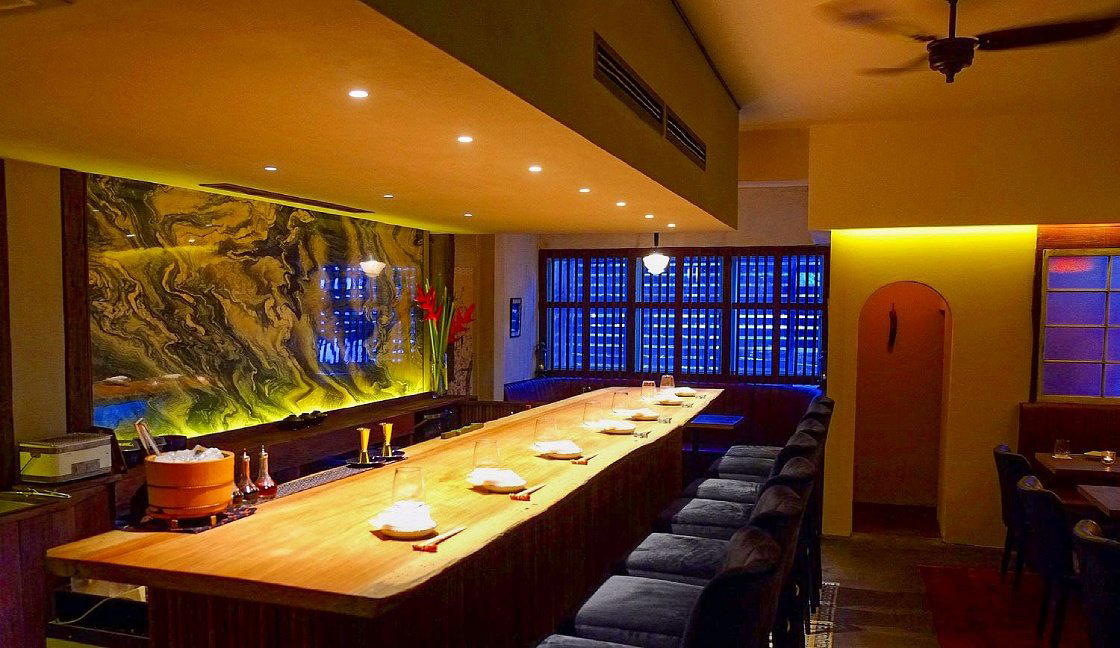
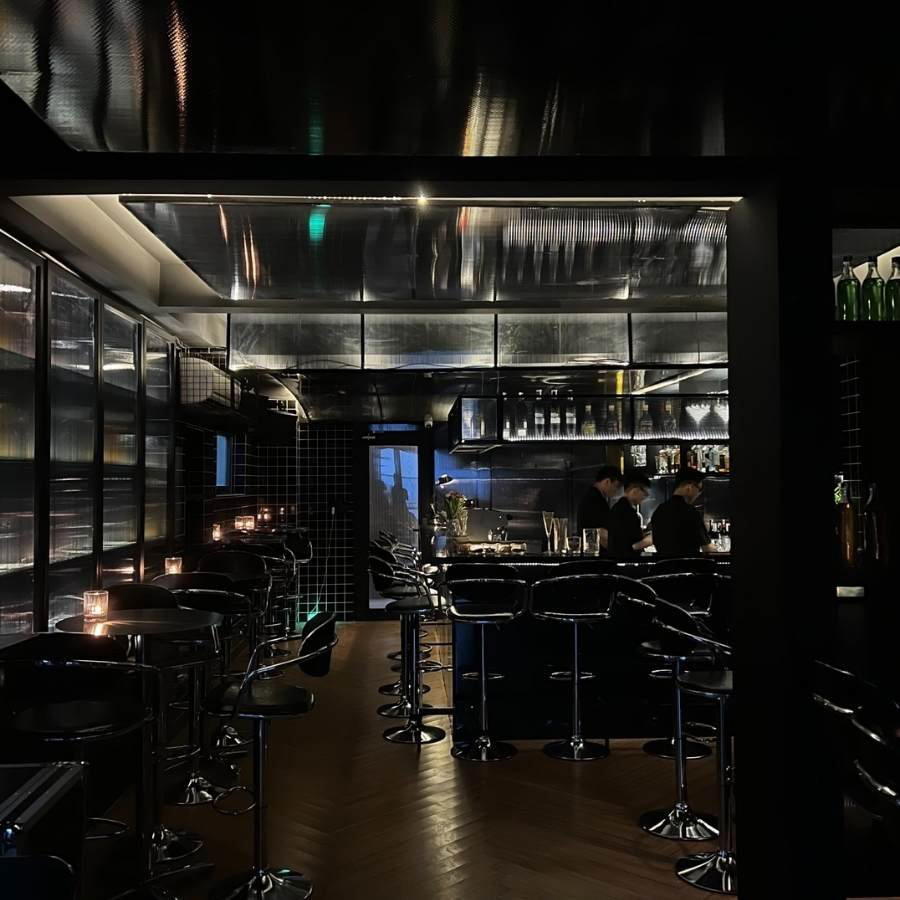
Dimly lit modern industrial space with rust-patterned metalwork, black stone tabletops, textured brick walls, and custom wooden panels creating a chic, sophisticated atmosphere.