Dorian Gray focuses on European & Central European cooking at Kralja Petra 87-89, with terrace and garden seating, an extensive wine list, and a conversational setting.
Pearl is the En Primeur Club membership app — saves, bookings, and concierge access live there. Same editors, same standards.
- Address
- Kralja Petra 87-89, Beograd 11000, Serbia
- Phone
- +381112634151
- Website
- doriangray.rs
- Directions
- Get directions
 Saves & bookings on Pearl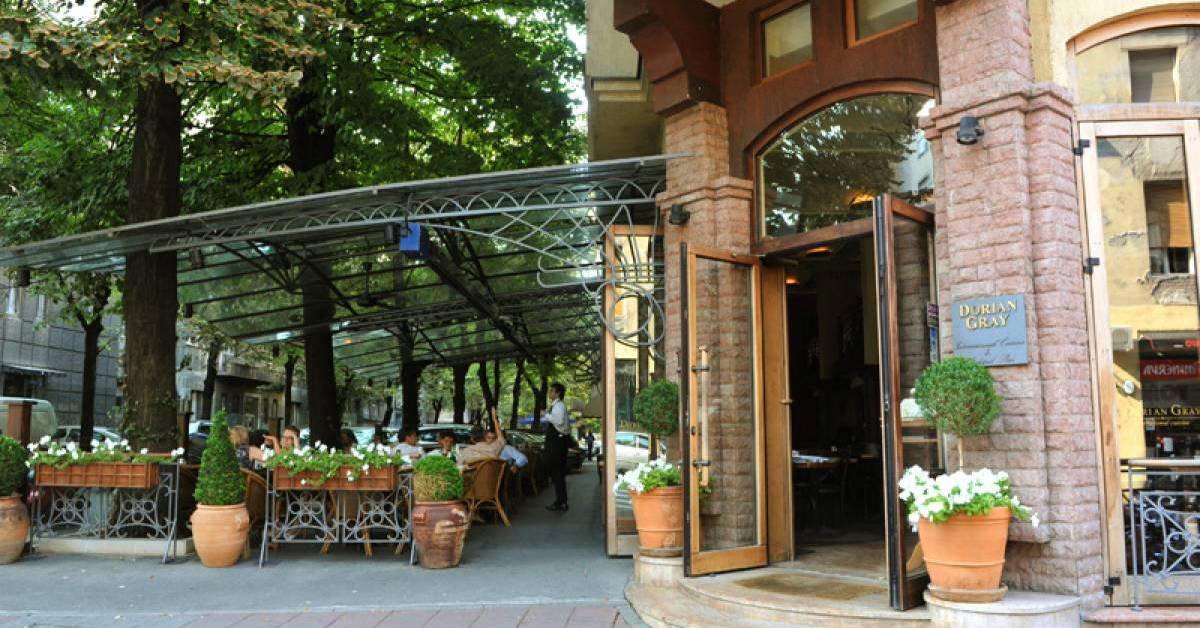
Kralja Petra, After Dark
Kralja Petra Street cuts through the oldest part of Belgrade, past Ottoman-era walls, Habsburg facades, and the kind of bars that have been arguing about politics since before the internet. At number 87-89, Dorian Gray occupies a position in this corridor that says something about how Belgrade has chosen to layer its nightlife and dining culture: not in a purpose-built entertainment district, but folded into the city's existing grain, where history and the present hour share the same address. The name alone signals intent. Oscar Wilde's portrait-in-the-attic fable, transplanted to a Serbian street, is a choice that frames the venue within a European literary tradition while winking at the duality Belgrade itself performs every evening, a city that looks older than it feels.
Belgrade's Old Town Dining Register
To understand where Dorian Gray sits, it helps to understand how Belgrade's restaurant tier has sorted itself over the past decade. The city's dining scene has matured in a way that mirrors broader Central European trends: a cluster of modern tasting-menu formats at the leading, a wide mid-market with strong Serbian and regional cooking, and a growing number of places that occupy the atmospheric middle ground, where the room does as much work as the kitchen. Dorian Gray addresses itself to that third category, the kind of venue where the decision to go is as much about where you want to spend an evening as what you want to eat.
For comparison, Langouste and The Square anchor the more formal, technique-forward end of Belgrade dining, while Ambar and Avala draw from Balkan tradition with varying degrees of contemporary polish. Barrel House occupies a different register again. The point is that Belgrade now has sufficient depth in its dining map that a venue does not need to be all things; Dorian Gray's address and name suggest it has made deliberate choices about the experience it is offering.
The Cultural Weight of the Balkans at Table
Serbian cuisine does not travel as well as its neighbours on the international dining circuit, and that relative obscurity shapes what Belgrade's better restaurants are doing. The tradition runs deep: roasted meats, fermented dairy, slow-cooked stews, produce from the Sumadija plains and the Vojvodina flatlands, all of it carrying the kind of peasant-into-feast logic that defined Balkan cooking for centuries. What Belgrade's current generation of restaurants is working out is how to present that inheritance without flattening it into nostalgia or abandoning it entirely for generic European fine dining.
That negotiation is visible across the city's dining map. At one end of the spectrum, places like ETNO PODRUM BRKA in Nis and Etno Restoran Fijaker in Sombor hold to a strictly traditional register. At another, Etno Kuća Dinar in Vrsac frames Serbian rural cooking within a heritage setting. Venues in Serbia's wider region, from Fleur de Sel in Novi Slankamen to Aleksandar Gold in Uzice, each find their own position along this axis. The restaurant, by its name and its location in Stari Grad, signals a different orientation: outward-facing, European in reference, but grounded in a city whose food culture does not need imported credentials to justify itself.
What the Stari Grad Address Implies
Belgrade's Stari Grad district is not a tourist-only zone. It is where the city's older money, its cultural institutions, and its literary cafe tradition have always lived. Bookshops and galleries share blocks with wine bars and restaurants that have been feeding the same regulars for thirty years. A venue that opens here is choosing a particular conversation with a particular audience: people who know the city, who have opinions about it, and who will not be impressed by surface-level gestures toward either local tradition or international sophistication.
That context raises the bar. The street itself, Kralja Petra, runs close to the Kalemegdan fortress park and Knez Mihailova, the pedestrian artery that connects the fortress to the Republic Square. Foot traffic here is mixed in a way that few streets in Central European capitals manage: foreign visitors, local professionals, university students, and the kind of older Belgraders who remember when the neighbourhood looked entirely different. A restaurant on this block is read by all of them simultaneously.
Wider Coordinates: Serbia's Dining Map
Understanding the restaurant also means understanding the context beyond Belgrade's city limits. Serbia's dining culture outside the capital has diversified considerably, producing venues that would not look out of place in a regional European food city. Ananda in Novi Sad represents the Vojvodina capital's more cosmopolitan register. Borkovac in Ruma anchors itself in a rural setting with local produce. ČARDA ZLATNA KRUNA in Apatin draws from Danube fish tradition. The gap between Belgrade's leading addresses and what is available across the country has narrowed, which in turn raises what serious Belgrade venues must deliver to justify a trip or a table.
That pressure is, in many ways, healthy. It pushes Belgrade's better venues to be more specific about what they are: not a generic European bistro, not a rote Serbian folklore experience, but something with a defined perspective. International comparison points help calibrate the tier: venues like Le Bernardin in New York City or Lazy Bear in San Francisco illustrate what commitment to a defined format looks like at the highest level, and that standard filters down into what informed travellers expect from premium addresses everywhere, including Belgrade's Kralja Petra.
For the broader Serbia picture alongside Belgrade's full dining register, our full Belgrade restaurants guide maps the competitive set by tier, neighbourhood, and cuisine type. Venues like Burrito Madre Big Pančevo in Pancevo and Cafe Boem in Pirot round out a picture of how Serbia's eating culture is diversifying at every point of the map.
Planning Your Visit
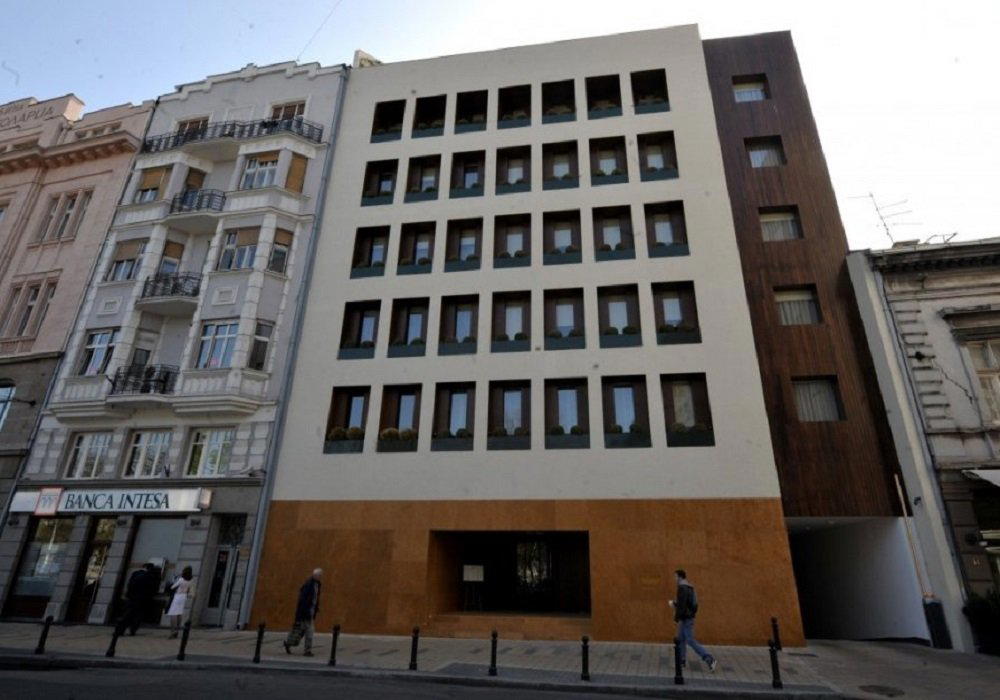
The restaurant sits at Kralja Petra 87-89 in Belgrade's Stari Grad. The address is walkable from Knez Mihailova and reachable within fifteen minutes on foot from most central accommodation. Given the density of good restaurants on and around this street, it is worth building an evening that treats the neighbourhood as the destination: aperitivo somewhere along the strip, dinner at the restaurant, and a late drink in one of the small wine bars in the surrounding blocks. Belgrade's dining hours run later than most Western European capitals; a 9pm reservation is entirely normal, and kitchens tend to be active well past midnight on weekends. Current hours are Mon to Fri 8 AM to 12 AM and Sat to Sun 9 AM to 12 AM, with reservations recommended.
Quick Comparison
Comparable venues nearby, for context on price, style, and recognition.
| Venue | Cuisine | Price | Notes |
|---|---|---|---|
| Dorian GrayThis venue — the venue you are viewing | European & Central European | $$ | Not listed |
| Ferdinand knedle | Serbian Potato Dumplings (Knedle) | $$ | :null |
| Smokvica | European Fusion with International Influences | $$ | Stari Grad |
| Endorfin | Modern European with Serbian Traditions | $$ | Dorcol |
| KALEMEGDANSKA TERASA | Modern European Fine Dining | $$$ | Stari Grad |
| Go Sushi | Japanese Sushi & Fusion | $$ | Belville |
At a Glance
- Cozy
- Intimate
- Elegant
- Date Night
- Business Dinner
- Brunch
- Garden
- Terrace
- Extensive Wine List
- Street Scene
- Garden
Current opening hours
- Monday
- 8 AM–12 AM
- Tuesday
- 8 AM–12 AM
- Wednesday
- 8 AM–12 AM
- Thursday
- 8 AM–12 AM
- Friday
- 8 AM–12 AM
- Saturday
- 9 AM–12 AM
- Sunday
- 9 AM–12 AM
Hours can change for holidays and private events. Last verified .
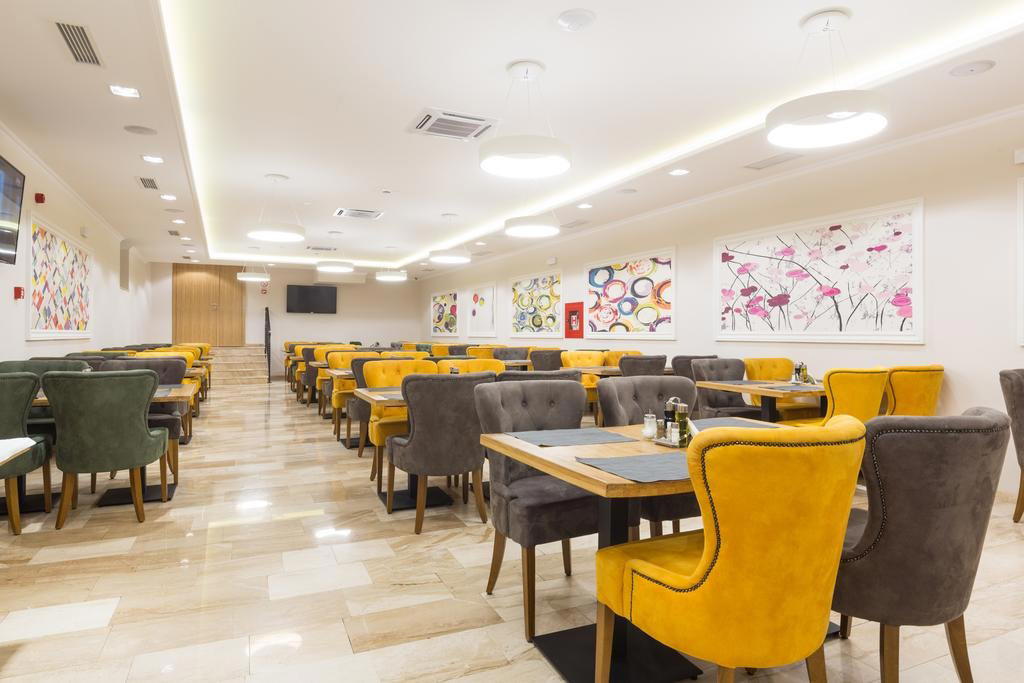
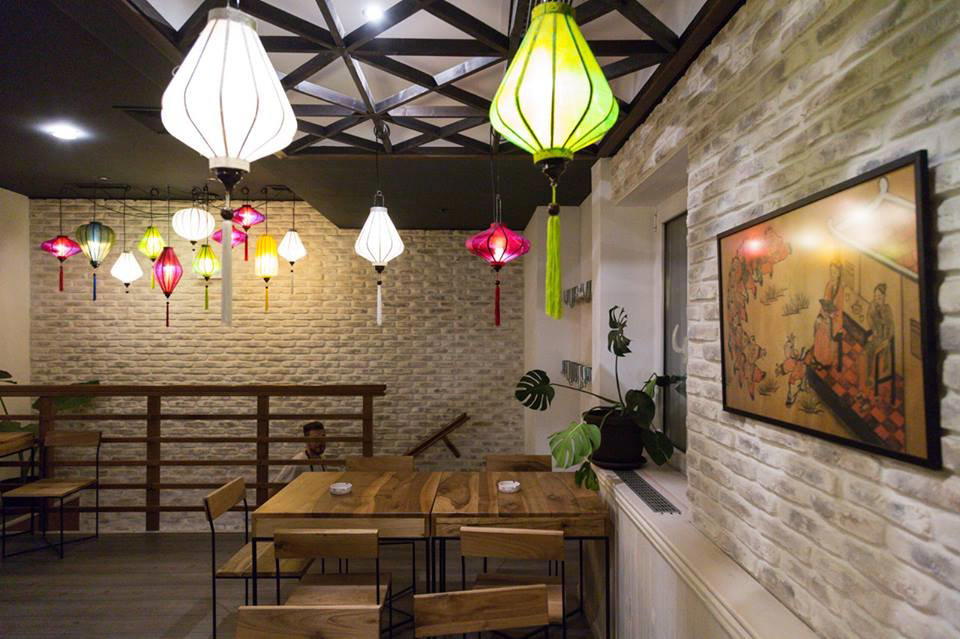
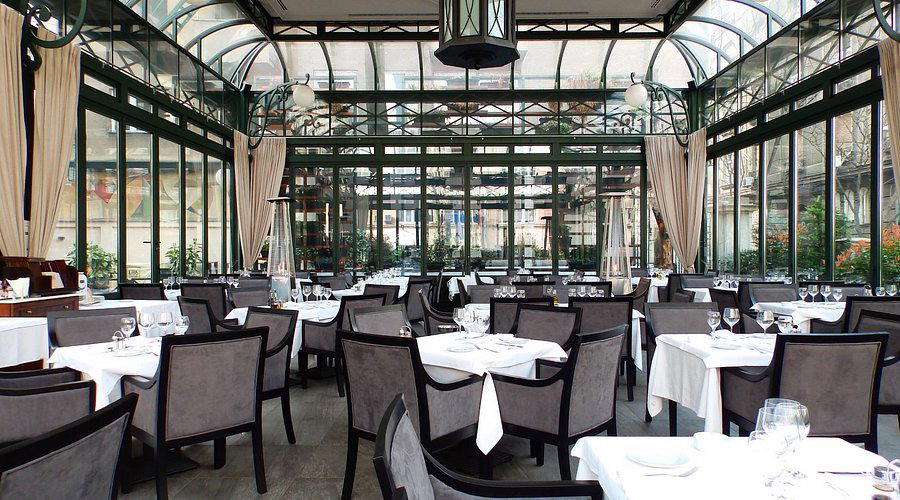
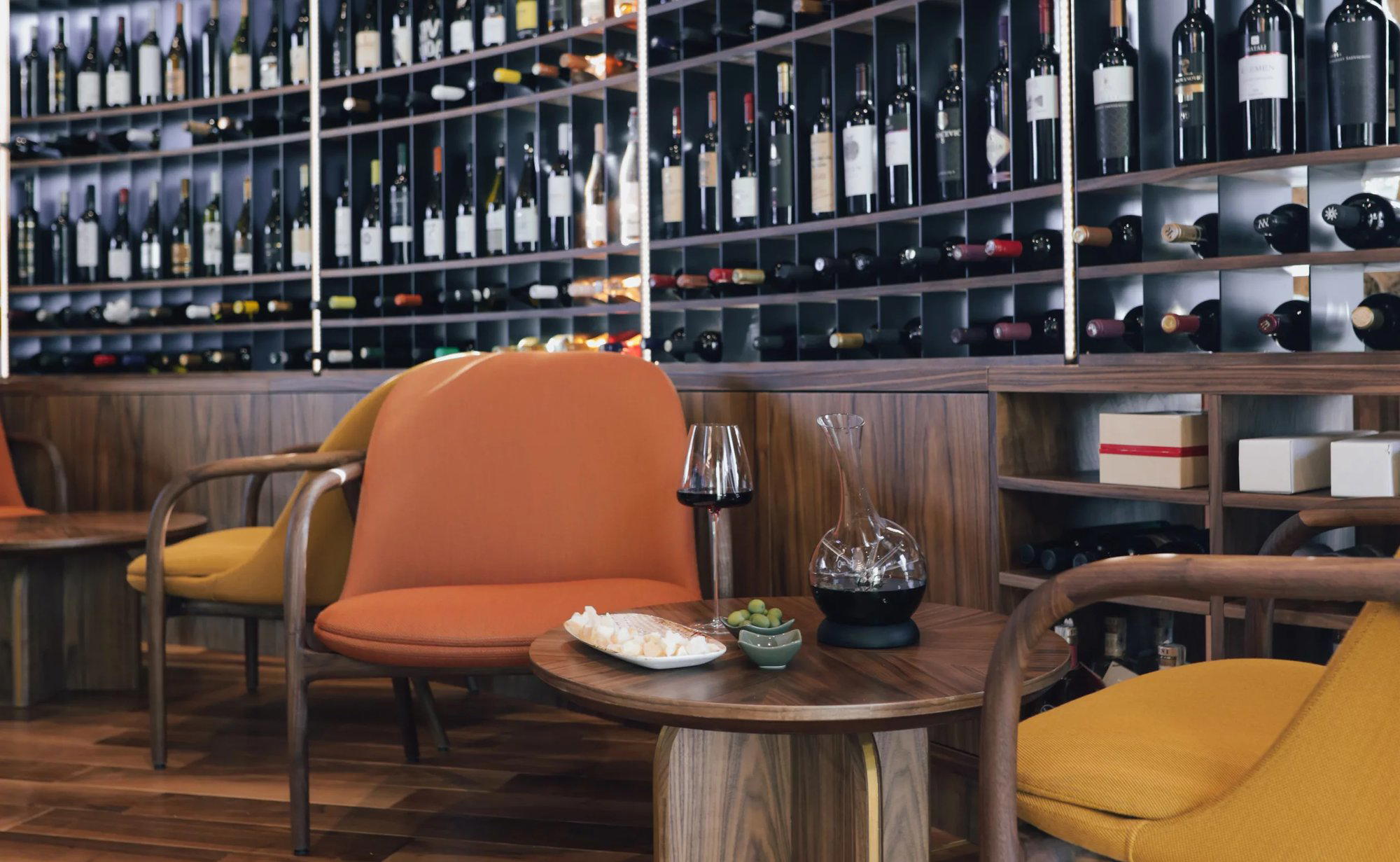
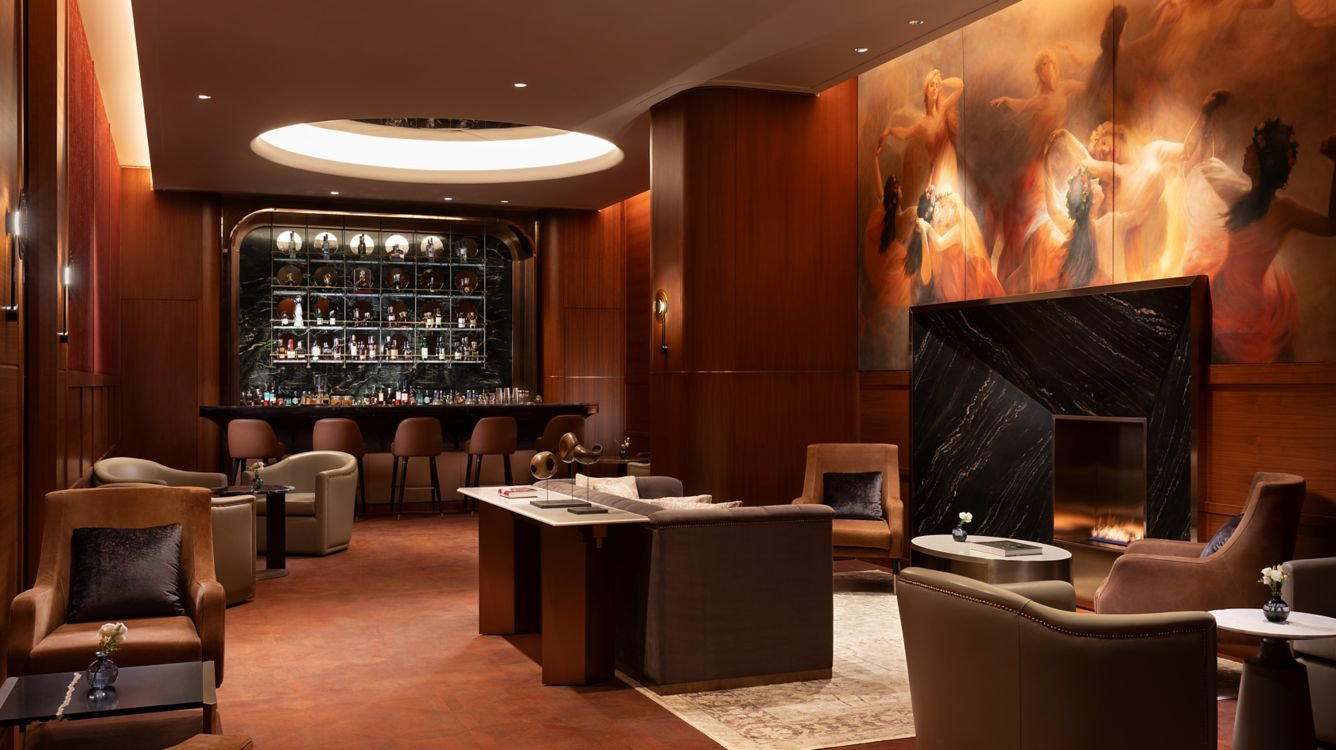
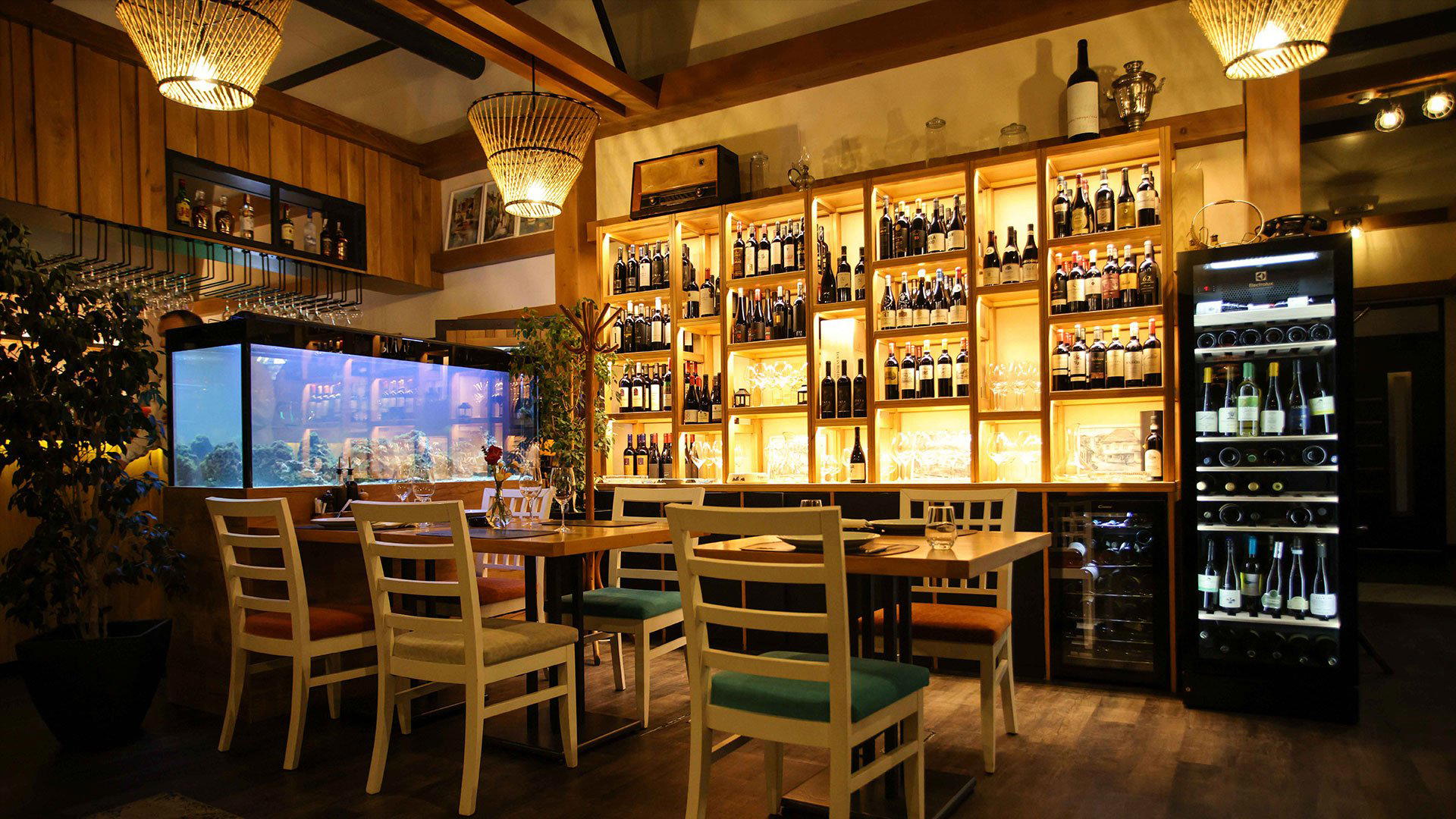
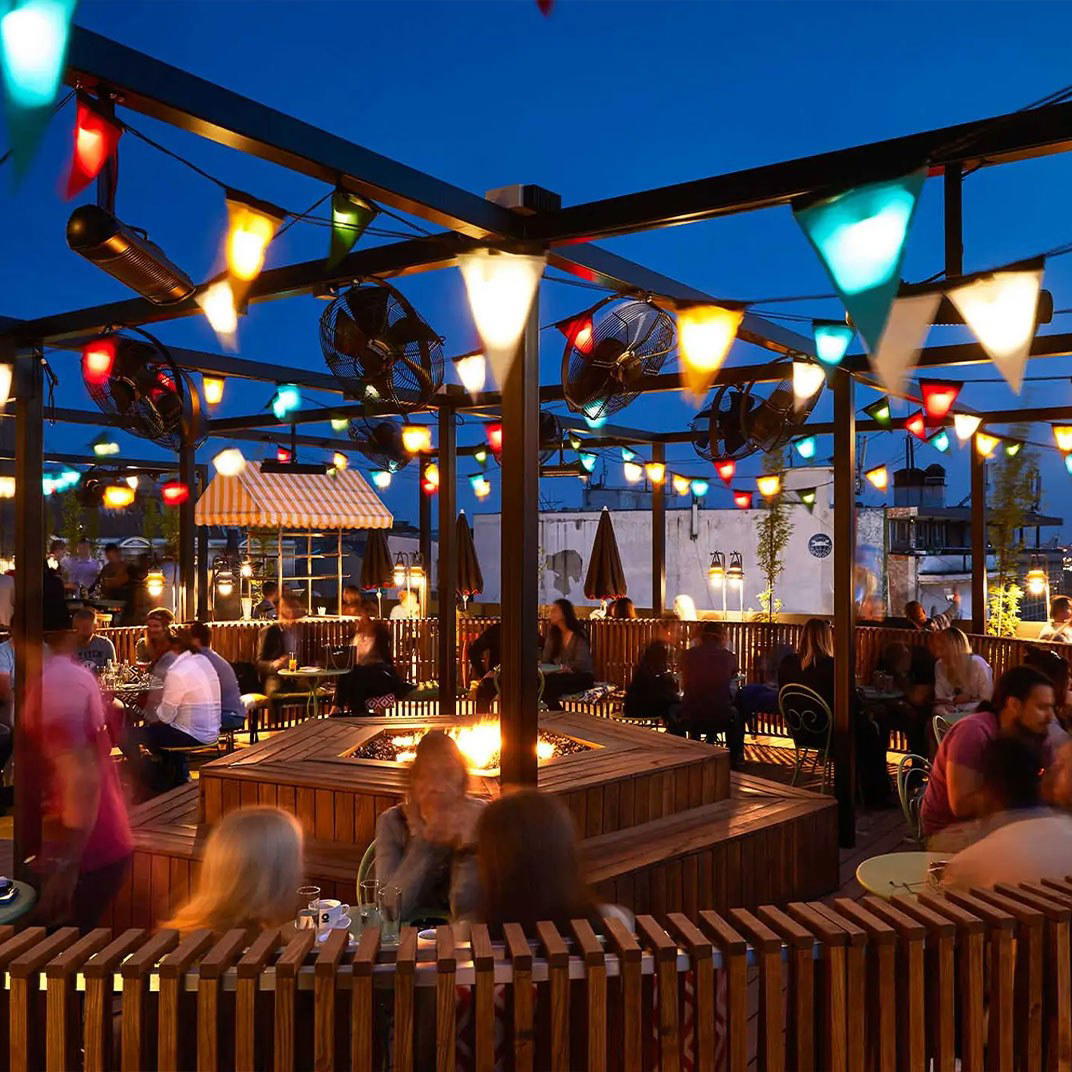
Warm wooden tones inside with cozy, luxurious vintage charm enhanced by beautiful music; pleasant outdoor garden terrace.