La Más Querida
La Más Querida sits in Buenos Aires' Belgrano neighbourhood, where the city's neighbourhood-restaurant tradition runs deep. With an address on Echeverría in one of the capital's quieter residential corridors, it operates in the register of the classic porteño local: familiar, unhurried, and oriented around the kind of cooking that doesn't announce itself. Useful context for visitors building a broader Buenos Aires dining itinerary.
- Address
- Echeverría 1618, C1428DRB Cdad. Autónoma de Buenos Aires, Argentina
- Phone
- +54 11 4788 1455
- Directions
- Get directions
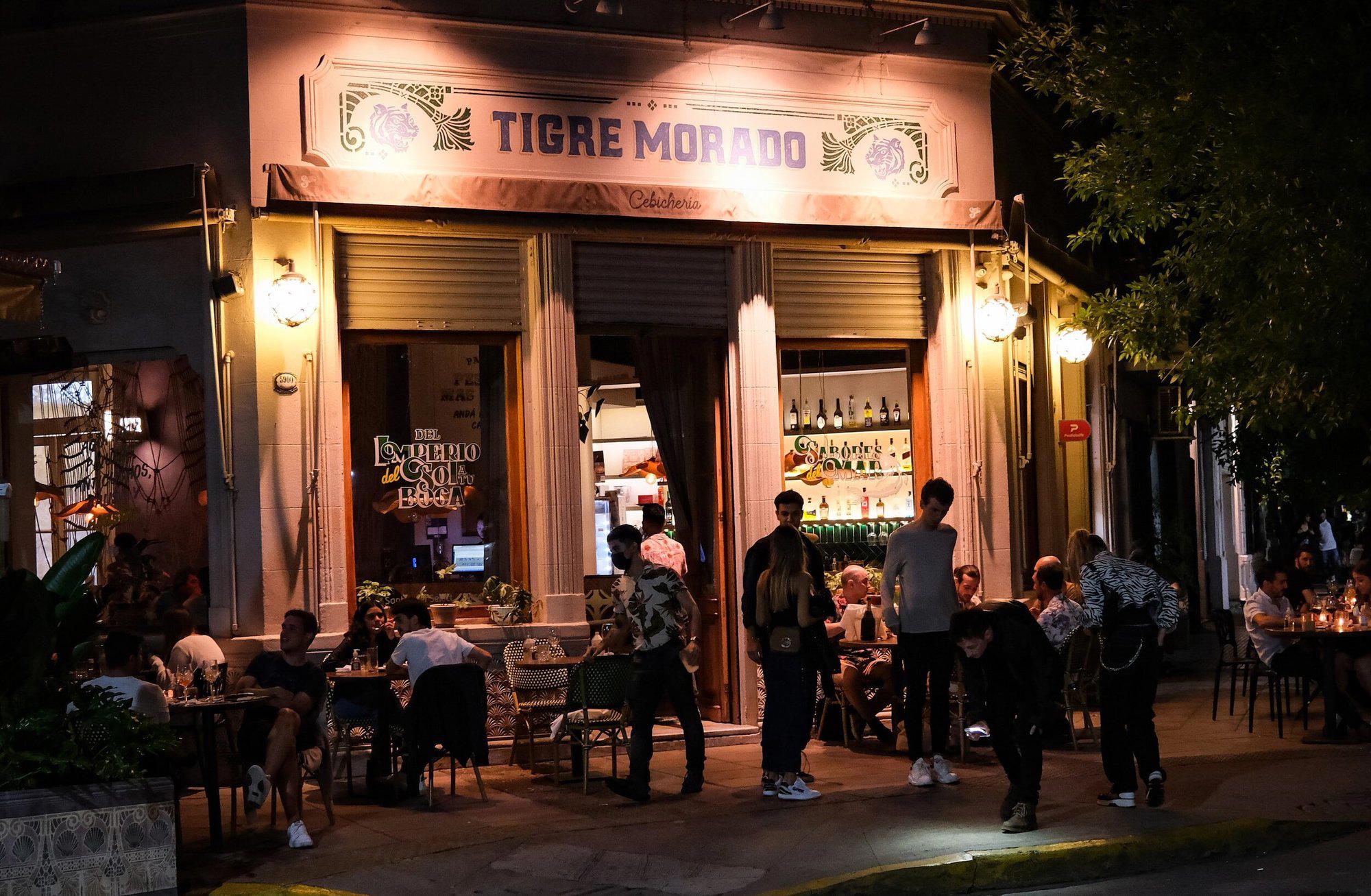
Belgrano's Quiet Register: Where Buenos Aires Eats for Itself
The restaurants Buenos Aires keeps for itself tend not to be found in Palermo's main drag or along the tourist-mapped stretches of San Telmo. They accumulate in the residential barrios further north and west, in neighbourhoods where the clientele arrives on foot and the booking window is a phone call rather than an international waitlist. Belgrano is one such area, and La Más Querida, at Echeverría 1618, sits inside that quieter, more local current of the city's dining life.
Understanding that context matters before walking in. This is not the register of Aramburu, where tasting-menu architecture and creative Argentinian technique place the kitchen in a global fine-dining conversation, nor the open-fire theatre of Don Julio in Palermo, where the $$$$ price point and years-long reputation attract international diners specifically. La Más Querida operates in a different register entirely: the neighbourhood restaurant as a Buenos Aires institution, the kind of place that earns its name through repetition and trust rather than through press cycles.
Lunch vs. Dinner: How the Day Shapes the Room
In Buenos Aires, the gap between lunch service and dinner service is wider than in most cities. Porteño lunch, particularly in residential barrios like Belgrano, runs from roughly 1pm and is often the day's main meal for nearby workers and local families. The atmosphere at midday carries a practical warmth: the room fills quickly, orders arrive without ceremony, and the pace is dictated by the table rather than by kitchen theatrics. Dinner, by contrast, shifts toward the social and the unhurried. Buenos Aires dining rooms don't fill before 9pm in earnest, and a table at 10pm is unremarkable.
For a venue like La Más Querida, that divide tends to sharpen the value proposition of lunch considerably. In cities where neighbourhood restaurants follow this pattern, daytime service often offers the same kitchen at a lower price-to-experience ratio, with a room full of regulars rather than visitors. The evening service, meanwhile, extends into a slower, more convivial mode that suits the porteño rhythm of long tables and unhurried conversation. Both have their argument, but the lunch visit tends to be the more concentrated expression of what makes this category of Buenos Aires restaurant worth understanding.
Visitors building a broader itinerary often anchor their evenings at higher-profile addresses, whether the contemporary precision of Trescha or the seafood-forward menu at Crizia, and reserve their lunches for exactly this kind of neighbourhood address. That sequencing reflects how the city's own residents move through their dining week.
The Neighbourhood-Restaurant Tradition in Buenos Aires
Argentina's restaurant culture has always maintained a strong parallel track alongside its celebrated fine-dining tier. The neighbourhood restaurant, or the restorán de barrio, is not a lesser version of something else. It is its own form, shaped by the expectation of regulars, the economics of a local clientele, and a cooking tradition that prizes familiarity over novelty. In that sense, venues in Belgrano like La Más Querida sit in a long lineage that connects to the bodegones of San Telmo and the traditional parrillas found throughout the city's residential fabric.
For context: Buenos Aires has an unusually dense restaurant culture relative to other South American capitals. The city's European immigration waves in the late nineteenth and early twentieth centuries left a strong imprint on its food traditions, from the Italian-inflected pasta that appears across neighbourhood menus to the Spanish-influenced tapas culture visible in older barrios. That layering means even a straightforwardly local restaurant in Belgrano is drawing on a more complex culinary inheritance than its modest setting might suggest.
Visitors who want to map that broader scene more systematically can consult our full Buenos Aires restaurants guide, which tracks venues across price tiers, neighbourhoods, and cuisine types. Within that guide, venues like Anafe represent the contemporary end of neighbourhood cooking, while addresses further down the price scale offer a more traditional read on the same barrio-restaurant form.
Argentina Beyond Buenos Aires: Placing the Capital in a Wider Context
For visitors travelling across Argentina rather than staying solely in Buenos Aires, the neighbourhood-restaurant experience of Belgrano sits at one end of a long and geographically varied dining spectrum. Mendoza's wine-country dining, anchored by addresses like Azafrán and set against the backdrop of estates such as Cavas Wine Lodge and Entre Cielos Luxury Wine Hotel and Spa in Luján de Cuyo, offers a different framework entirely: landscape-anchored, wine-first, and oriented around a slower, estate-based hospitality model.
Further afield, the estancia tradition visible at La Bamba de Areco in San Antonio de Areco, or the jungle-adjacent setting of Awasi Iguazú in Puerto Iguazú, represents yet another register: destination-driven, experience-led, and built around proximity to Argentina's natural and cultural landmarks. Understanding where a Buenos Aires neighbourhood address fits relative to that wider range helps calibrate what to expect and when to visit it within a broader trip.
For visitors arriving from or departing to other major dining cities, it is worth noting that the neighbourhood-restaurant register Buenos Aires maintains has rough parallels in places like Lazy Bear in San Francisco or the community-table formats found across the American dining scene, but the porteño version is shaped by different economics, different service rhythms, and a different relationship between formality and warmth.
Planning Your Visit
La Más Querida is located at Echeverría 1618 in Belgrano, in the Autonomous City of Buenos Aires. Belgrano is accessible by the D line of the Buenos Aires Metro (Subte), with Juramento station a short walk from this stretch of Echeverría. The neighbourhood itself warrants time before or after the meal: the Belgrano Chinatown along Arribeños, a few blocks north, and the Museo de Arte Español Enrique Larreta on Juramento offer easy additions to a half-day in the area.
Budget Reality Check
A compact comparison to help you place this venue among nearby peers.
| Venue | Cuisine | Price | Awards |
|---|---|---|---|
| La Más QueridaThis venue — the venue you are viewing | Not listed | Not listed | Not listed |
| Don Julio | Argentinian Steakhouse | $$$$ | Michelin 1 Star |
| Aramburu | Modern Argentinian, Creative | $$$$ | Michelin 2 Star |
| El Preferido de Palermo | Argentinian, Traditional Cuisine | $$ | Not listed |
| Elena | South American, Steakhouse | $$$ | Not listed |
| La Carniceria | Argentinian Steakhouse, Meats and Grills | $$ | Not listed |
Continue exploring
More in Buenos Aires
Restaurants in Buenos Aires
Browse all →
Bars in Buenos Aires
Browse all →
Hotels in Buenos Aires
Browse all →
Wineries in Buenos Aires
Browse all →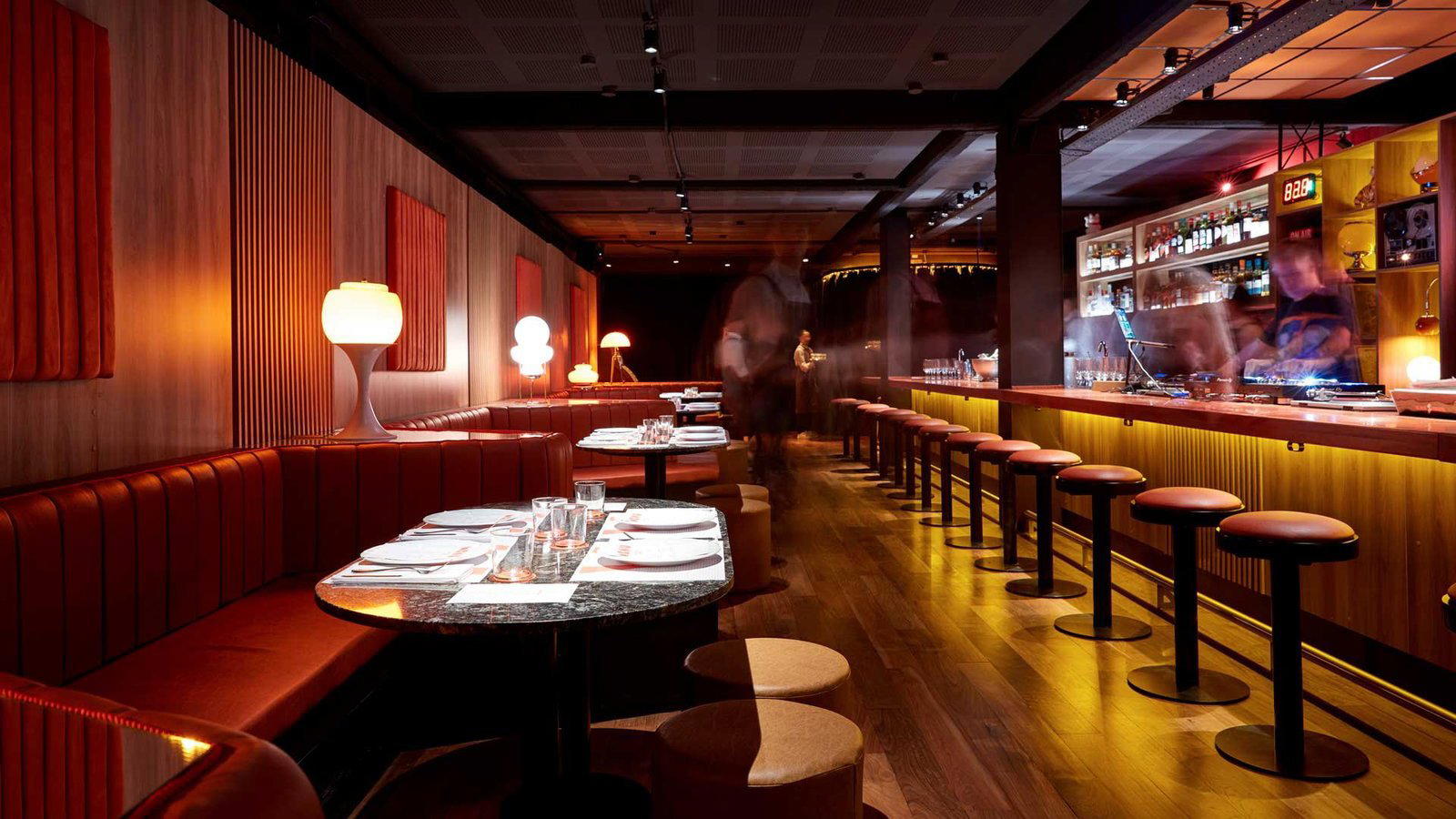
At a Glance
- Cozy
- Casual
- Casual Hangout
- Open Kitchen
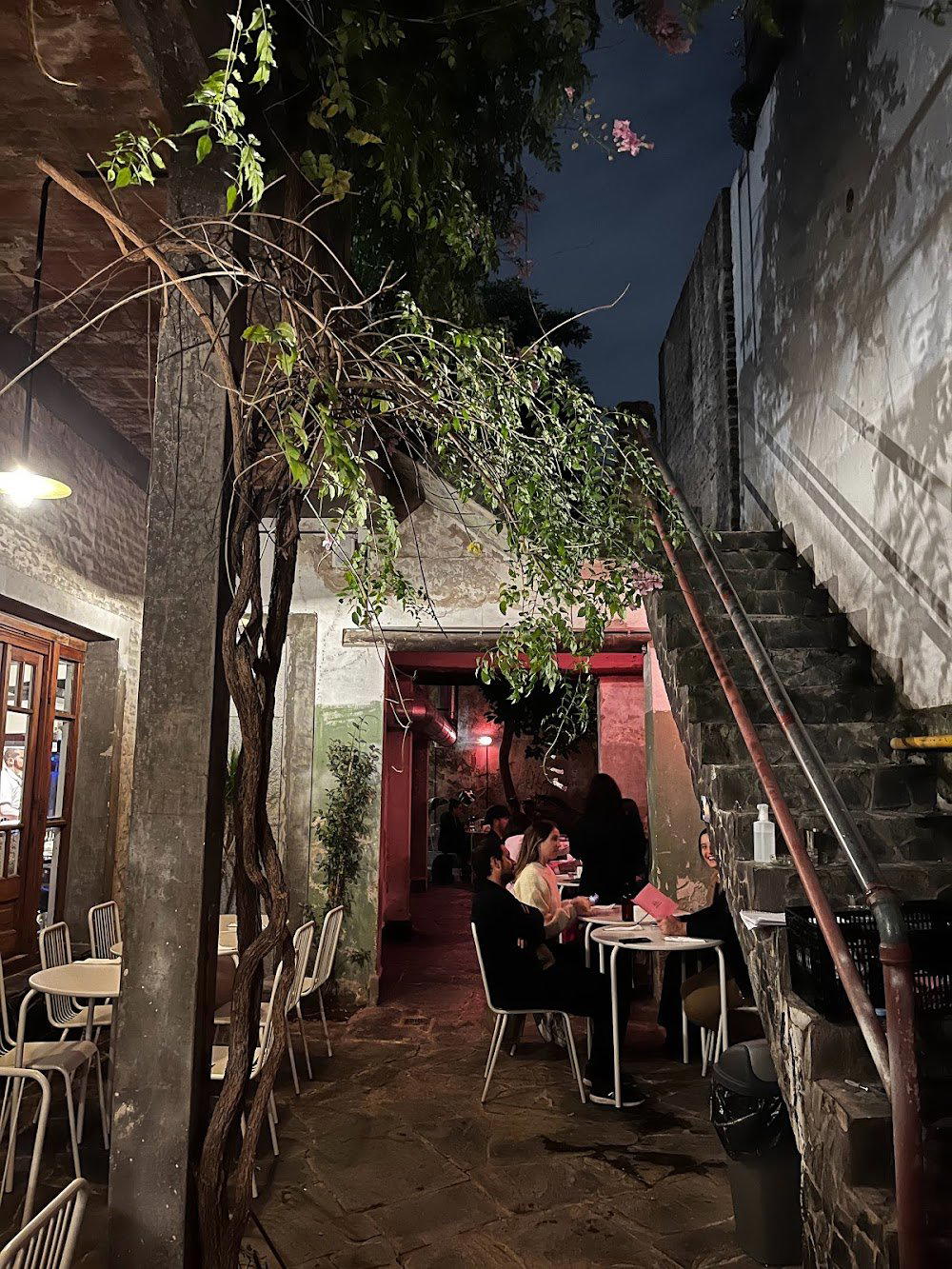
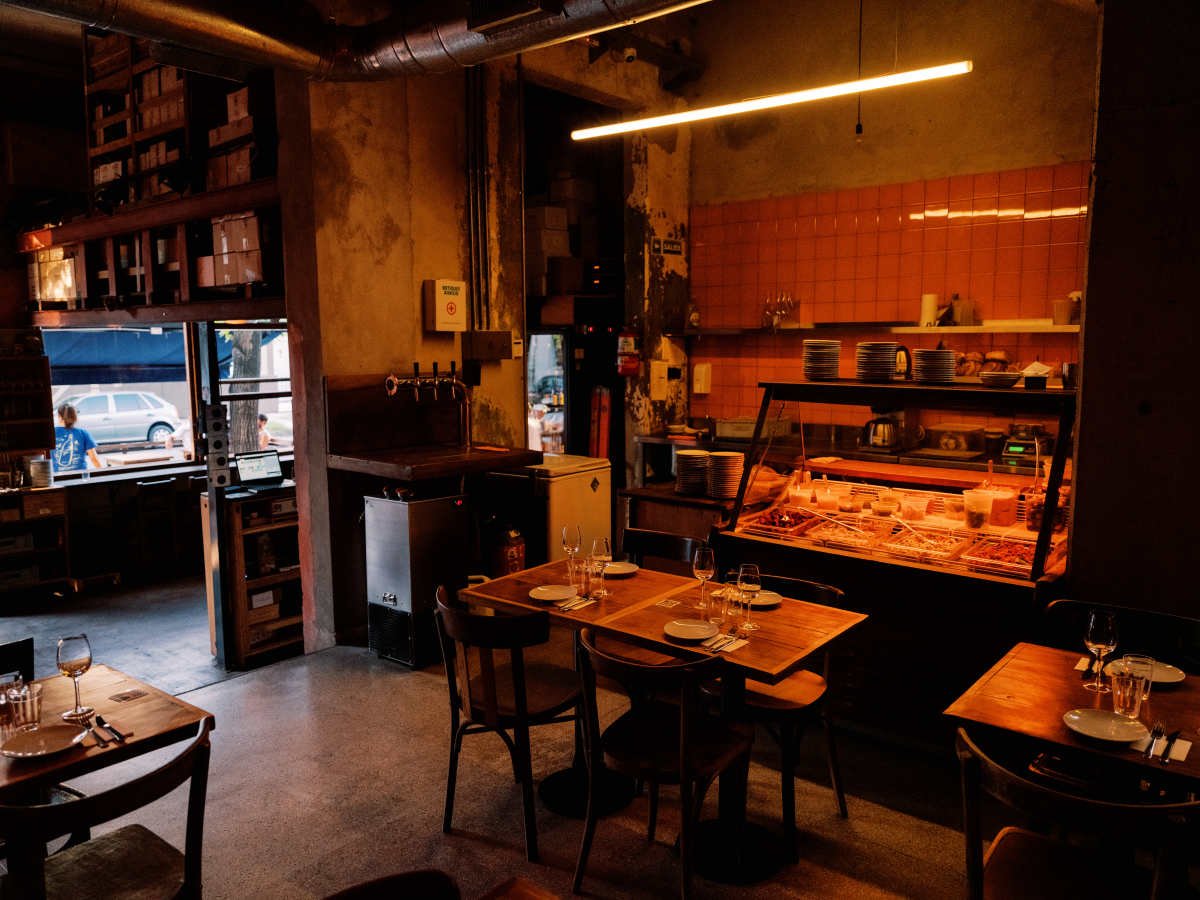
Small, simple, family-friendly space with good ventilation and a front-row view of the grill.
Know Before You Go
- Getting there
- Echeverría 1618, C1428DRB Cdad. Autónoma de Buenos Aires, Argentina