NOLA
On a quiet stretch of Gorriti in Palermo, NOLA brings a distinct New Orleans-inflected sensibility to Buenos Aires's densely packed dining corridor. The address sits within easy reach of the neighbourhood's most debated tables, offering a counterpoint to the city's dominant steak-and-Malbec axis. For travelers building a multi-night eating itinerary across the capital, it represents a deliberate change of register.
Pearl is the En Primeur Club membership app — saves, bookings, and concierge access live there. Same editors, same standards.
- Address
- 4389 Gorriti, Buenos Aires, Autonomous City of Buenos Aires, Argentina
- Website
- nolabuenosaires.com
- Directions
- Get directions
 Saves & bookings on Pearl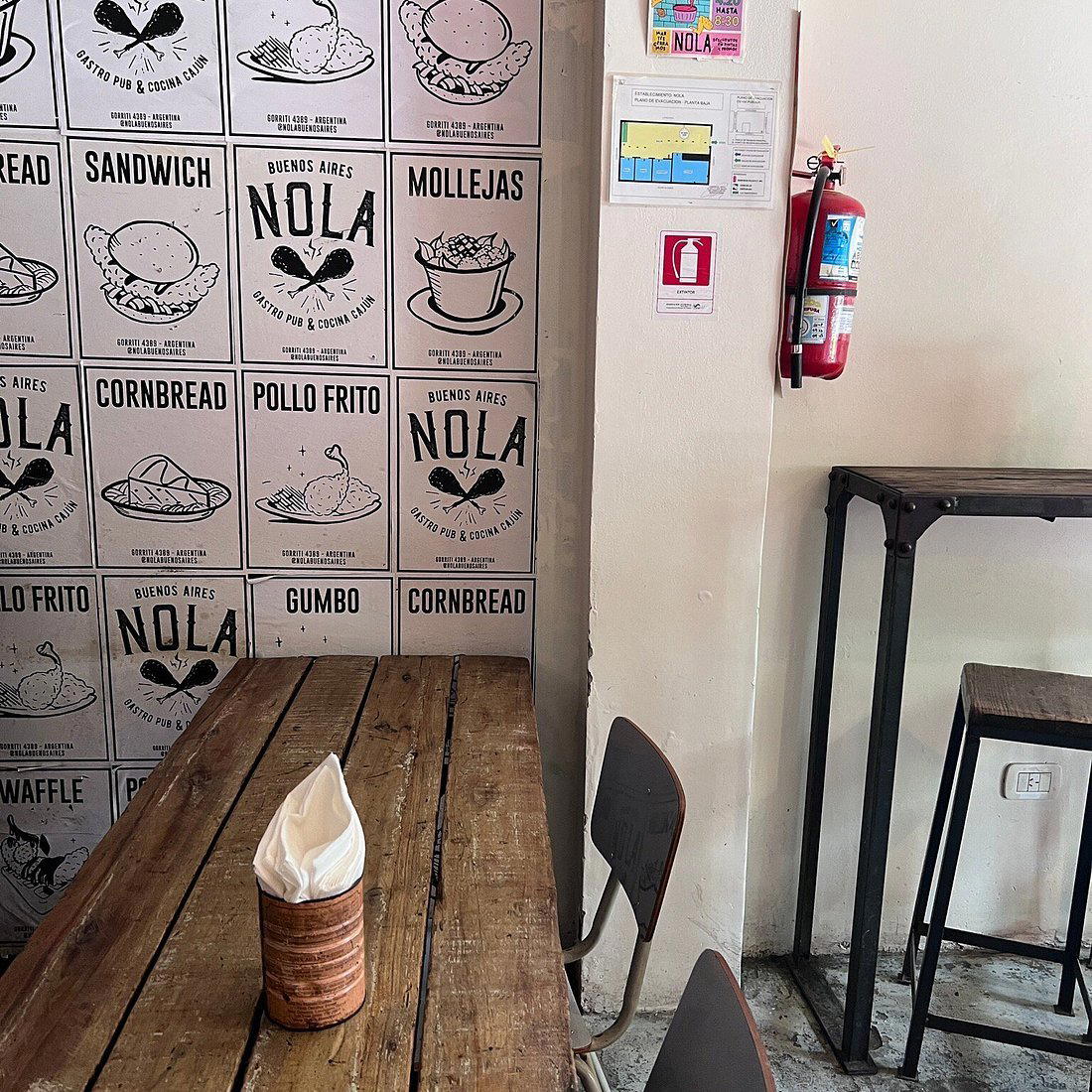
A Different Frequency on Gorriti
Palermo's Gorriti street operates at a particular pitch. On any given evening the block around the 4000s hums with the low percussion of outdoor seating, the scrape of chairs on cobblestone, and the lateral drift of cooking smells from a dozen open kitchens arriving and overlapping before you can place them. Buenos Aires has built much of its international dining reputation on this corridor and the streets radiating from it, and the competition for attention is real. Within that context, NOLA at 4389 Gorriti positions itself not by volume but by contrast, drawing on a culinary reference point that sits well outside the city's traditional axis of parrilla smoke and Malbec.
The name itself signals the orientation. New Orleans carries specific sensory shorthand: the layered heat of a roux-based sauce reducing low and slow, the briny edge of gulf shellfish, the structural logic of Creole cooking where French technique meets African and Spanish ingredients across centuries of collision. That framework, transplanted to a Buenos Aires side street, creates a kind of productive dissonance. Argentina and Louisiana share more than they might appear to at first glance, including French colonial influence, a culture of communal eating built around meat and fire, and a deep relationship between cooking and identity. But the flavours arrive from different directions, and that gap is where NOLA's editorial proposition lives.
Reading the Room on Arrival
Palermo's dining geography has stratified over the past decade. The neighbourhood once functioned as a catch-all for mid-range creative restaurants, but it has since split into distinct tiers. At the upper end sit tasting-menu addresses like Trescha and the creative Argentinian format of Aramburu, which operate with the kind of reservation lead times and price points that put them in a separate competitive bracket. Below that sits a thicker band of contemporary restaurants, where the room matters as much as the plate and the evening is built as much around atmosphere as around any single dish.
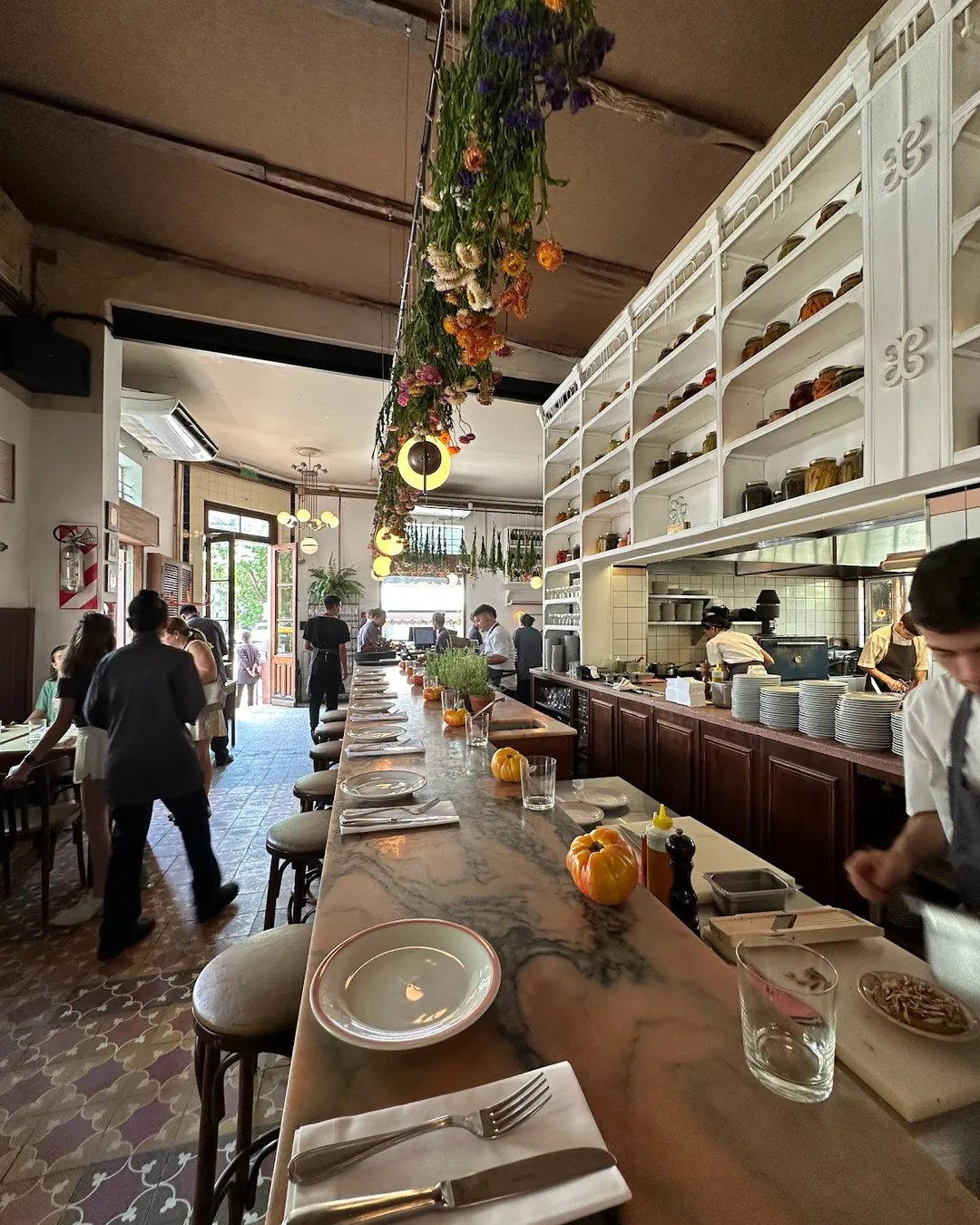
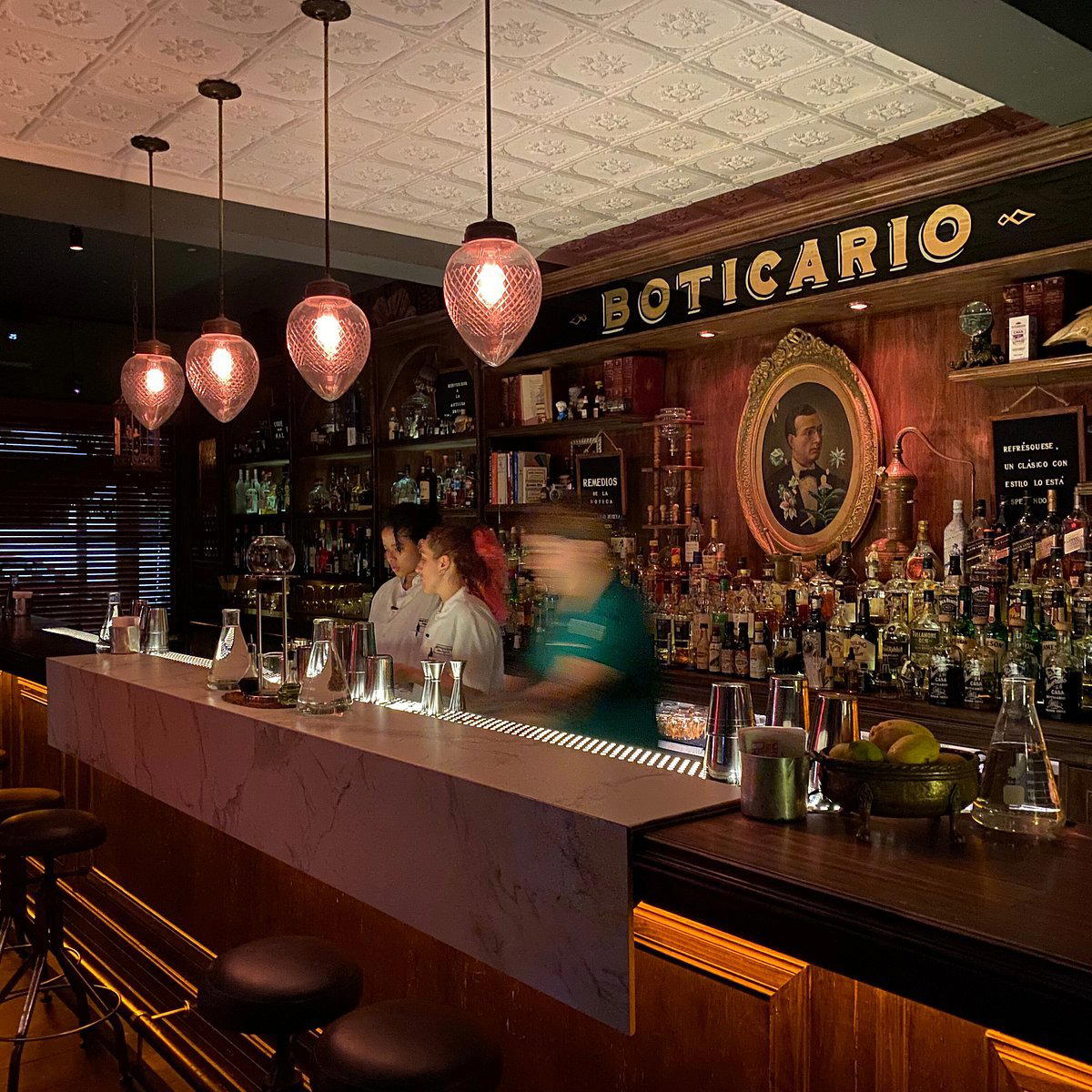
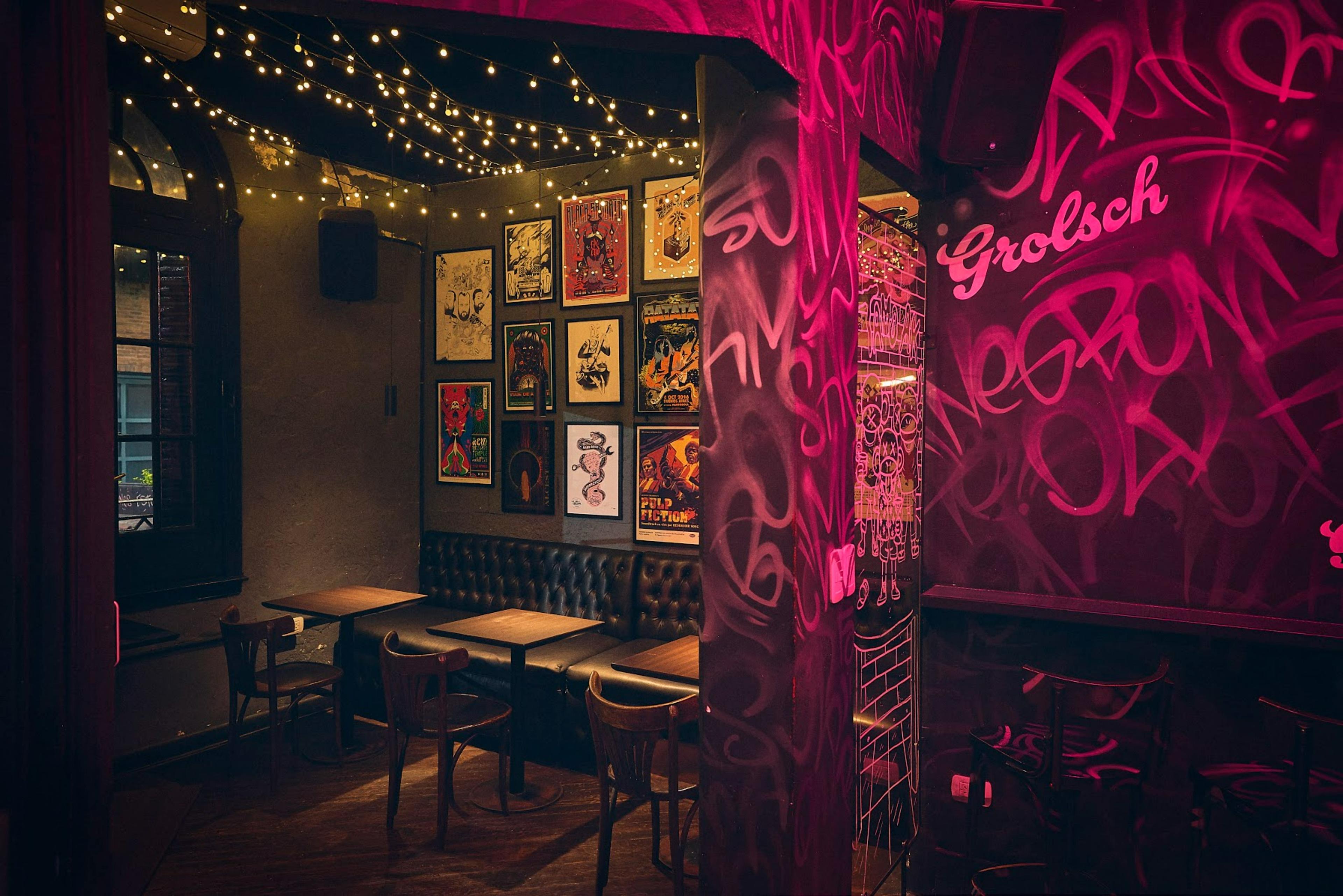
NOLA occupies a physical environment consistent with the second tier: a Palermo address that reads as neighbourhood-embedded rather than destination-formal. The visual register along Gorriti at this hour rewards patience. Lights from interior spaces spill across uneven pavements. The sound profile shifts from table to table, lower in the earlier seatings and louder by 10 pm, which is when Buenos Aires dining tends to find its rhythm. Reaching the address from the Palermo Hollywood or Soho subzones takes ten to fifteen minutes on foot, making it a logical stop on a walking evening rather than a dedicated taxi journey.
Where It Sits in the City's Wider Eating Argument
Buenos Aires has long had a dominant narrative: beef, fire, and wine. Don Julio on Guatemala remains one cited single address in that tradition, a parrilla that has earned its reputation across decades rather than through recent positioning. Alongside it, places like Crizia and Anafe represent the contemporary local wing, applying precision and seasonal thinking to Argentine ingredients without wholesale reinventing the grammar. NOLA does something structurally different: it imports an entire culinary logic from elsewhere and asks whether it can be made coherent in this city.
That is not a new idea in Buenos Aires. The capital has always absorbed outside influences readily, from Italian immigration that reshaped its pasta culture to the Japanese-inflected nikkei cooking that has taken root in newer restaurant openings. What makes a non-Argentine concept work in this environment is usually a question of sincerity and specificity. Vague gestures toward foreign cuisines tend to dissolve quickly in a city where the local competition is strong. Addresses that survive long enough to develop a following here usually do so because they are specific about what they are.
For travelers extending their Argentina itinerary beyond the capital, the wine regions provide an instructive parallel. Properties like Cavas Wine Lodge and Entre Cielos in Luján de Cuyo have built reputations by being explicit about their regional identity rather than approximating international luxury generically. The same logic applies to Buenos Aires restaurants: the ones that endure tend to know exactly what they are. Dining further afield, restaurants like Azafrán in Mendoza or Las Balsas in Villa La Angostura demonstrate how Argentine hospitality at its most confident draws on local specificity rather than imported formulas. Awasi Iguazú does the same in the northeast. NOLA's challenge, and its interest, is that it is working in the opposite direction.
The Sensory Argument for Coming Here
The case for a Creole-influenced kitchen in Buenos Aires is partly atmospheric and partly structural. Atmospherically, the aromatic profile of Southern Louisiana cooking, the long-cooked depth of a properly built gumbo, the char and citrus of blackened fish, the yeast-and-sugar warmth of something fried and dusted, lands differently in a city whose own dominant kitchen runs cool and mineral in comparison. There is a contrast on the palate that becomes interesting in the context of Buenos Aires rather than despite it.
Structurally, Creole cooking has always been a cuisine of accumulated technique and layered time, which is the kind of kitchen discipline that tends to produce interesting results when applied with precision. Internationally, formats that treat technique and time as the main ingredients rather than spectacle have produced durable reputations: Le Bernardin in New York built its standing on restraint and consistency over decades, while Lazy Bear in San Francisco showed that communal, narrative-driven formats could sustain serious critical attention. The premise at NOLA belongs to a different register, but the underlying logic of specific-over-generic holds.
Planning the Visit
The address at 4389 Gorriti places NOLA within easy reach of Palermo's main restaurant cluster. Those extending their Argentina trip toward the gaucho heartland might also consider La Bamba de Areco, Los Talas del Entrerriano, or the Salta-region table at La Table de House of Jasmines to round out a multi-region itinerary.
Recognition Snapshot
Comparable venues nearby, for context on price, style, and recognition.
| Venue | Cuisine | Price | Notes |
|---|---|---|---|
| NOLAThis venue — the venue you are viewing | Cajun & Creole Gastropub | $$ | Not listed |
| El Obrero | Classic Argentine Parrilla Bodegón | $$ | La Boca |
| La Birra Bar | Argentine Smash Burgers & Craft Beer | $$ | Cafferata |
| Chuchú | International | $$ | Retiro |
| Trashumante by El Baqueano | Modern Argentine Native Cuisine | $$ | Montserrat |
| PARADOS URBAN FOOD | Urban Argentine Cuisine | $$ | San Nicolas |
Continue exploring
More in Buenos Aires
Restaurants in Buenos Aires
Browse all →

Bars in Buenos Aires
Browse all →

At a Glance
- Rustic
- Cozy
- Lively
- Casual Hangout
- Late Night
- Open Kitchen
- Beer Program
Current opening hours
- Monday
- 12:30 PM–12 AM
- Tuesday
- 5 PM–12 AM
- Wednesday
- 5 PM–12 AM
- Thursday
- 12:30 PM–12 AM
- Friday
- 12:30 PM–12 AM
- Saturday
- 12:30 PM–12 AM
- Sunday
- 12:30 PM–12 AM
Hours can change for holidays and private events. Last verified .
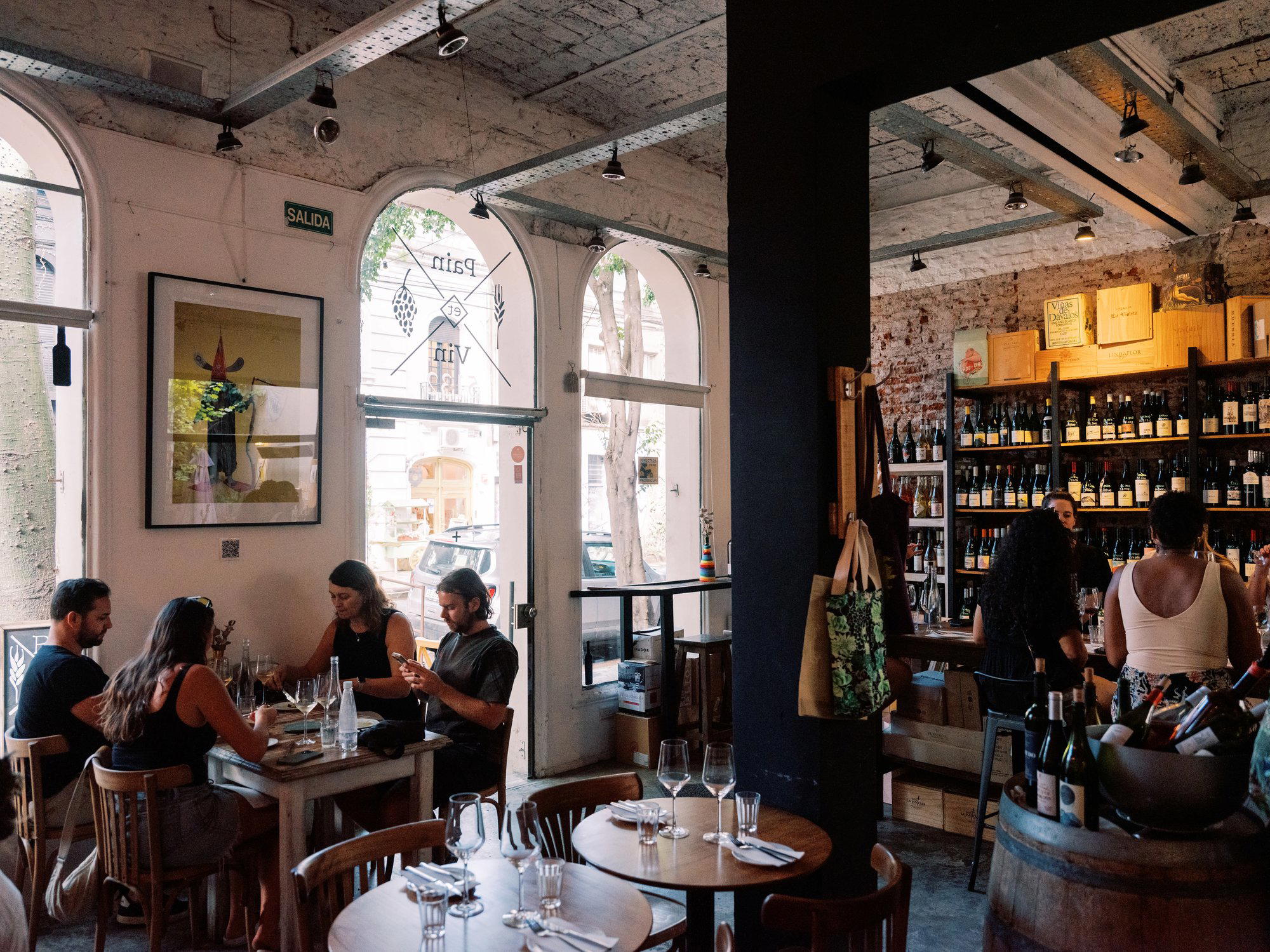
Simple but fine, cozy, chilled yet busy atmosphere with a casual rustic kitchen vibe.