DOAN Restaurant on Lindwurmstraße sits within Munich's southern residential belt, operating in a city where fine dining increasingly draws on Vietnam, Japan, and Southeast Asia as serious culinary reference points. The address places it outside the tourist centre, suggesting a neighbourhood-first orientation that rewards deliberate planning. Visitors researching Munich's broader restaurant scene will find useful context in EP Club's full city guide.
 Discover on Pearl
Pearl is the En Primeur Club membership app — saves, bookings, and concierge access live there. Same editors, same standards.
- Address
- Lindwurmstraße 205, 80337 München, Germany
- Phone
- +498912257090
- Website
- doan-restaurant.de
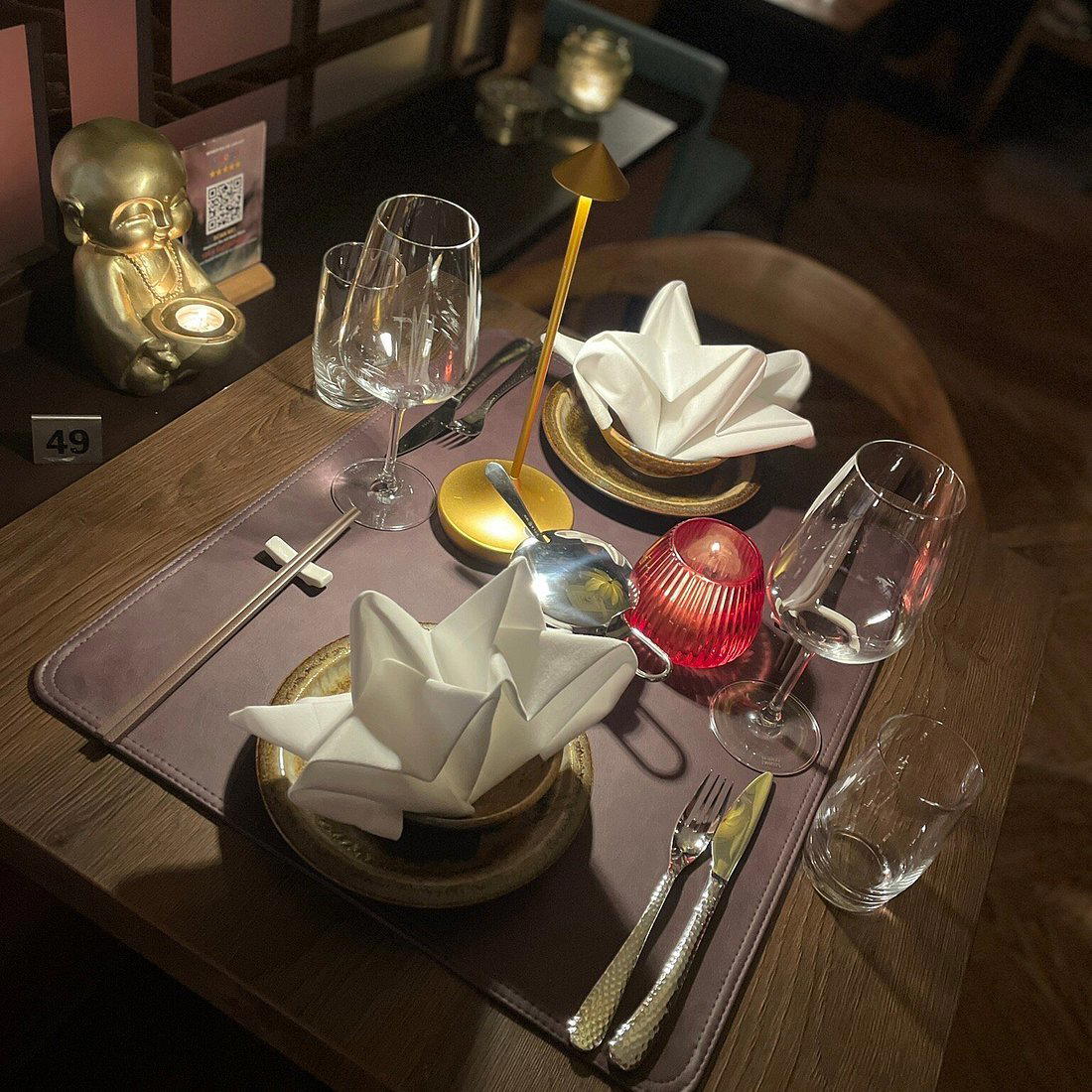
Where Lindwurmstraße Meets the Question of Vietnamese Fine Dining in Munich
Approach Lindwurmstraße 205 from the U-Bahn and the surrounding block tells you something before you reach the door. This is the southern arc of Munich's Isarvorstadt and Sendling border, a stretch where residential buildings outnumber restaurants and where the dining rooms that do operate tend to serve a local clientele rather than a tourist one. In a city where the Michelin-starred tier has historically concentrated around Maxvorstadt and the Altstadt, think Tantris or Atelier, a restaurant operating this far south on Lindwurmstraße is making a statement about its intended audience, even if that statement is simply: we are for people who look for us.
DOAN Restaurant occupies that position. The name, address, and cuisine are confirmed; DOAN serves Authentic Vietnamese at an accessible price point. What can be said is that Munich's Vietnamese restaurant scene has expanded considerably in recent years, moving from casual pho and bánh mì operations near the Hauptbahnhof into more considered formats in the outer neighbourhoods. DOAN fits a broader German pattern in which Vietnamese cooking, once treated as budget-tier by default, is being reconsidered as a cuisine with genuine technical depth and regional diversity.
Vietnamese Cooking in the German Fine Dining Conversation
Germany has the second-largest Vietnamese diaspora in Europe, a demographic reality with direct consequences for restaurant quality. Cities including Berlin, Hamburg, and Munich all have Vietnamese communities dating back to the 1980s, when workers arrived under bilateral agreements between the GDR and Vietnam. That history produced an early restaurant culture oriented around affordability and speed, but the next generation has begun operating differently, with more attention to regional specificity, sourcing, and format.
The culinary case for Vietnamese cooking at a higher register is not difficult to make. The cuisine draws on a larder of fermented sauces, fresh aromatics, and regional techniques, from the pho broths of the north to the complex turmeric and lemongrass preparations of central Vietnam and the coconut-rich cooking of the south, that reward the kind of ingredient attention and kitchen discipline associated with fine dining formats elsewhere. In Germany, where restaurants like CODA Dessert Dining in Berlin and ES:SENZ in Grassau have demonstrated appetite for format experimentation, Vietnamese cooking is a logical next frontier for operators willing to make the case.
Munich's broader fine dining tier is well-documented. JAN operates in the creative register; Tohru in der Schreiberei combines Modern German and Japanese influences; Alois - Dallmayr Fine Dining represents the creative end of the city's traditional fine dining lineage. In that context, a Vietnamese-inflected restaurant operating at serious register on Lindwurmstraße is less a curiosity than a logical complement to a scene already oriented around cross-cultural technique.
Reading the Address as Context
Location is editorial in Munich's restaurant geography. The city's starred restaurants have historically used prestige addresses, a grand hotel dining room, a converted villa, an institution with decades of history, as part of their identity. Restaurants operating outside that geography tend to signal something different: lower overhead translated into more accessible pricing, or a deliberate rejection of the formal-dining-room aesthetic in favour of something more direct.
Lindwurmstraße 205 sits in a district that rewards exploration. The street runs south from the Goetheplatz U-Bahn junction, and the surrounding blocks contain a mix of neighbourhood restaurants, Turkish bakeries, and independent grocers that give the area a working-city texture absent from the tourist-facing parts of the Altstadt. For the reader accustomed to making dining decisions based on neighbourhood character, this matters: DOAN is not a restaurant you encounter by accident. It requires a decision to be there.
Nationally, the German fine dining circuit includes reference points at considerable distance from Munich, Schwarzwaldstube in Baiersbronn, Aqua in Wolfsburg, Vendôme in Bergisch Gladbach, and Waldhotel Sonnora in Dreis, that represent the upper tier of German restaurant culture. Munich's own contribution to that circuit has grown, and the Lindwurmstraße address, whatever its exact format, is part of a city in active expansion of its dining identity.
What the Cuisine Signals
Vietnamese cooking is among the most geographically specific in Southeast Asia. The north-central-south divide in Vietnamese gastronomy is not a marketing framework but a genuine regional difference in technique, ingredient base, and flavour logic. Northern cooking tends toward restraint and clarity; central Vietnamese food is spicier and more complex, with Hue's imperial court cuisine as a historical anchor; southern preparations are sweeter, richer, and more herb-forward. A restaurant with a Vietnamese orientation operating at serious register in Munich would need to take a position on that spectrum, and that position is itself an editorial statement.
For international comparison, the tier of Vietnamese restaurants that have pushed the format question most explicitly includes operations in cities like London, Paris, and New York, markets where the cuisine has moved furthest from its diasporic origins into more codified fine dining formats. Germany is a step behind that curve, which means the window for restaurants willing to make a rigorous case for Vietnamese cooking at higher register is open. Globally, the argument for Southeast Asian cooking at the top of the price and attention tier has been made convincingly, Le Bernardin in New York City and Lazy Bear in San Francisco demonstrate what happens when a cuisine is taken seriously as a technical project rather than an ethnic category.
Visit Details
Munich's U-Bahn connects Goetheplatz to the central city efficiently; the U3 and U6 lines run through the station.
For readers building a wider German itinerary, Restaurant Haerlin in Hamburg, Schanz in Piesport, Bagatelle in Trier, and Victor's Fine Dining by Christian Bau in Perl represent the range of what Germany's serious restaurant circuit currently offers across different price tiers and regional contexts.
Know Before You Go
- Address: Lindwurmstraße 205, 80337 München, Germany
- Nearest U-Bahn: Goetheplatz (U3/U6)
- Phone: Not currently listed, verify via current Munich restaurant directories
- Hours: Not confirmed in current public sources, check before visiting
- Booking: Method not confirmed, direct contact at the address recommended
- Price range: Not confirmed in current public sources
- Awards: Not confirmed in current public sources
Cuisine Context
Comparable venues nearby, for context on price, style, and recognition.
| Venue | Cuisine | Price | Awards | Notes |
|---|---|---|---|---|
| DOAN RestaurantThis venue — the venue you are viewing | Authentic Vietnamese | $$ | , | |
| Anh-Thu Restaurant | Authentic Vietnamese | $$ | , | Schwabing |
| Anh Tien Restaurant | Modern Vietnamese | $$ | , | Milbertshofen |
| MIVU | Vietnamese, Thai & Lao Fusion | $$ | , | Schwabing |
| Restaurant Tyni | Authentic Vietnamese Streetfood | $$ | , | Theresienwiese |
| Ngocha1078 | Modern Vietnamese | $$ | , | Haidhausen |
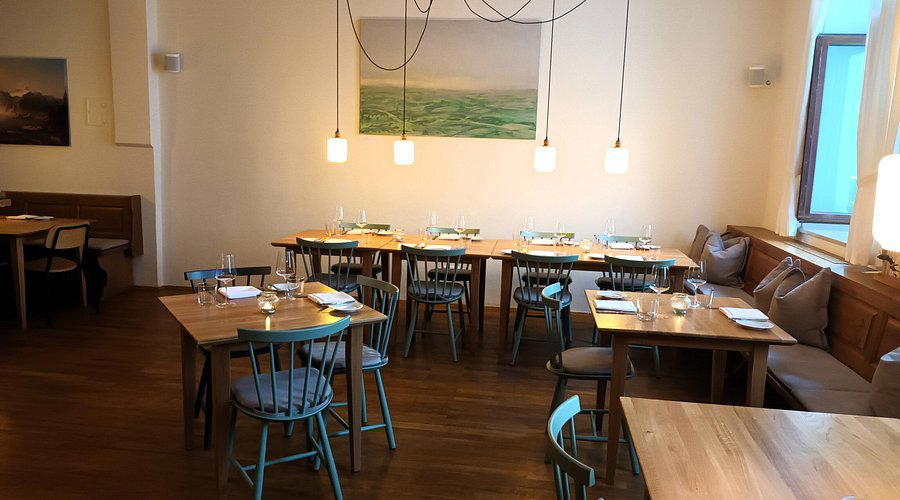
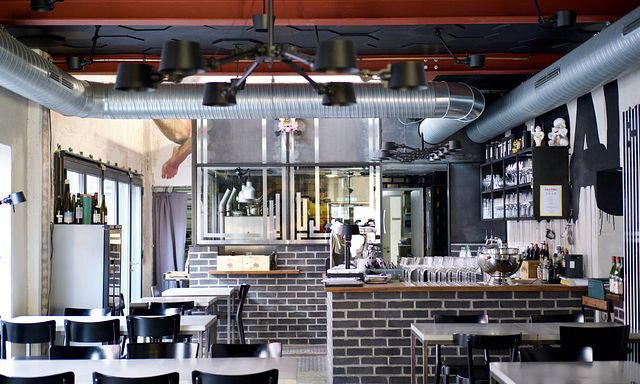
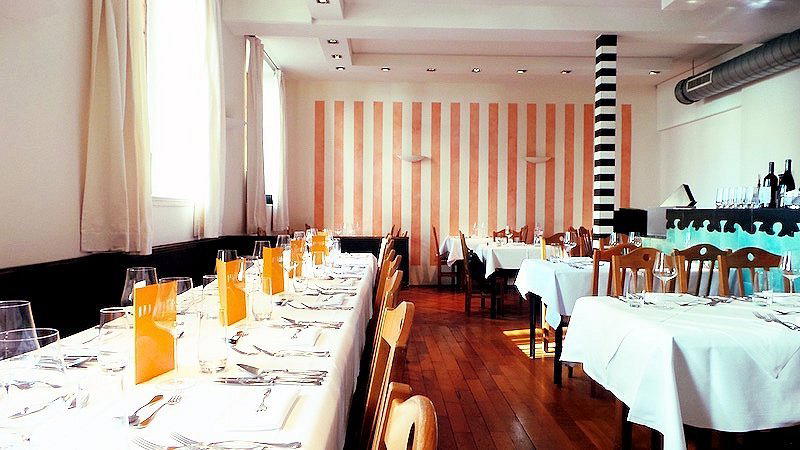
At a Glance
- Modern
- Cozy
- Casual
- Casual Hangout
- Group Dining
- After Work
- Standalone
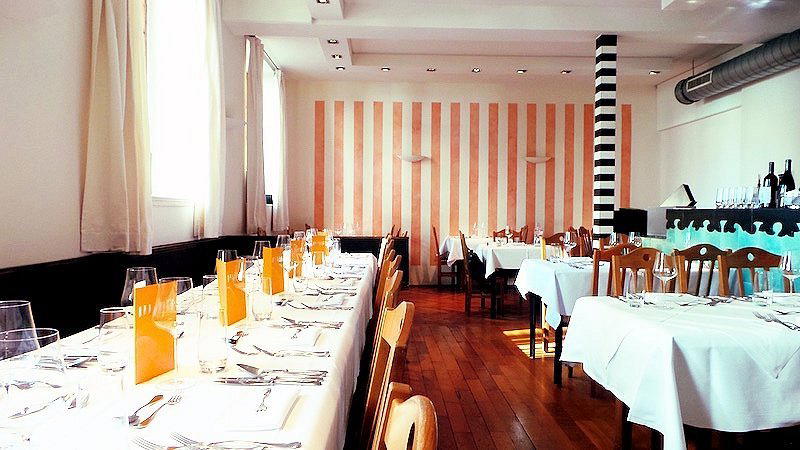
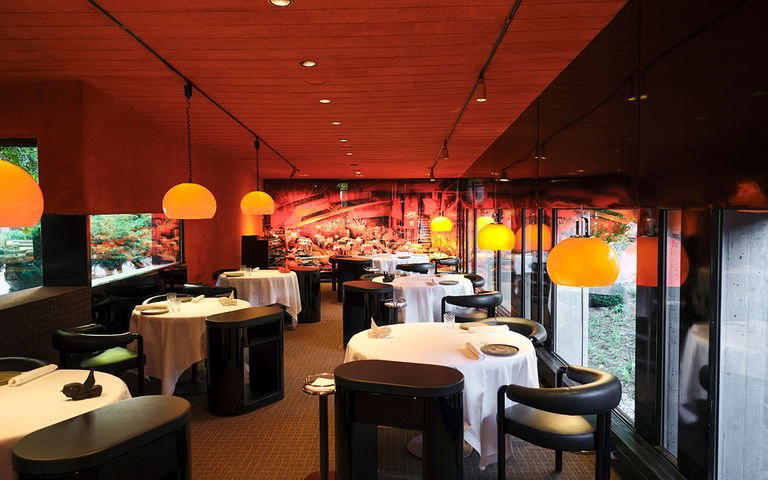
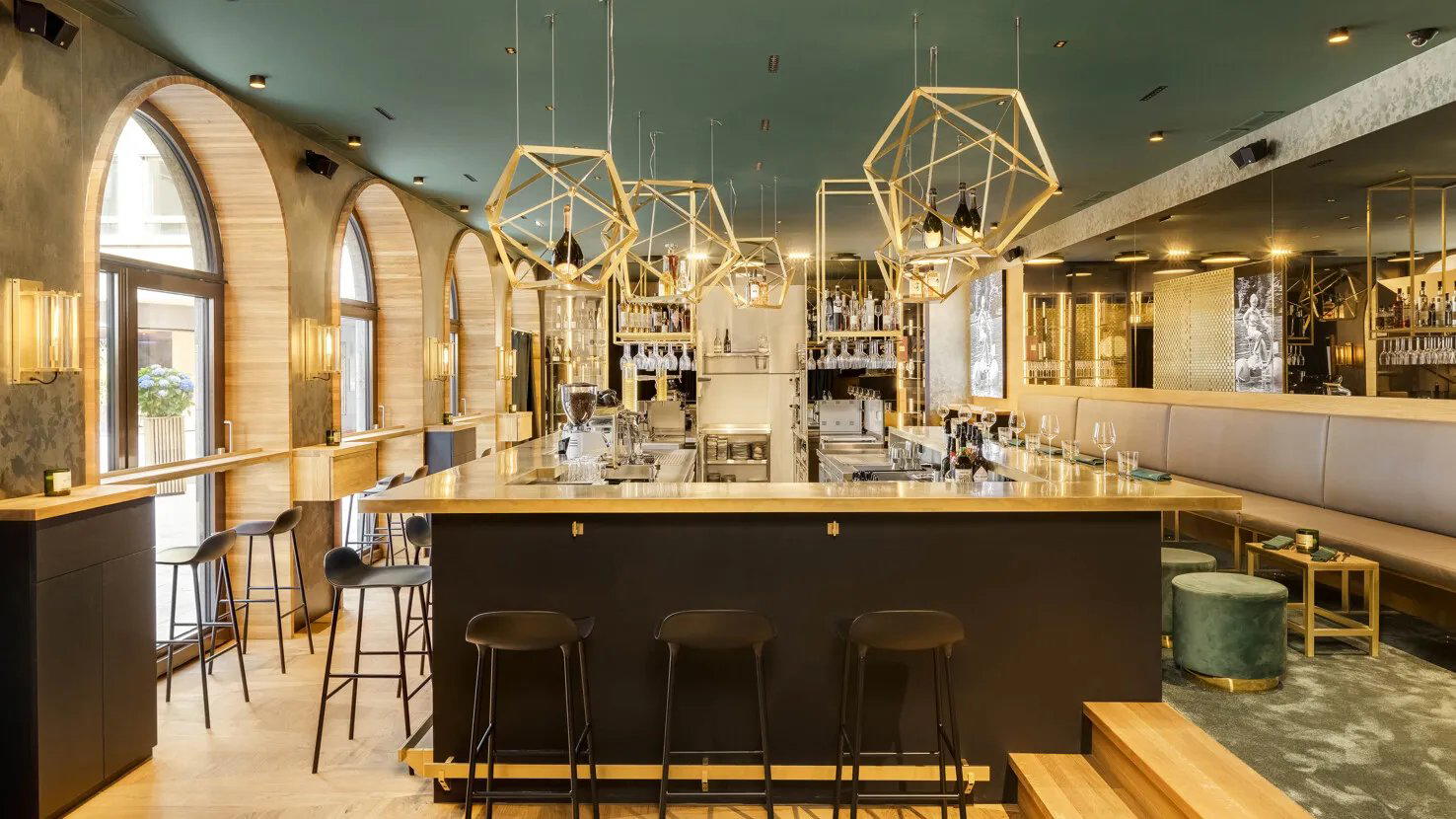
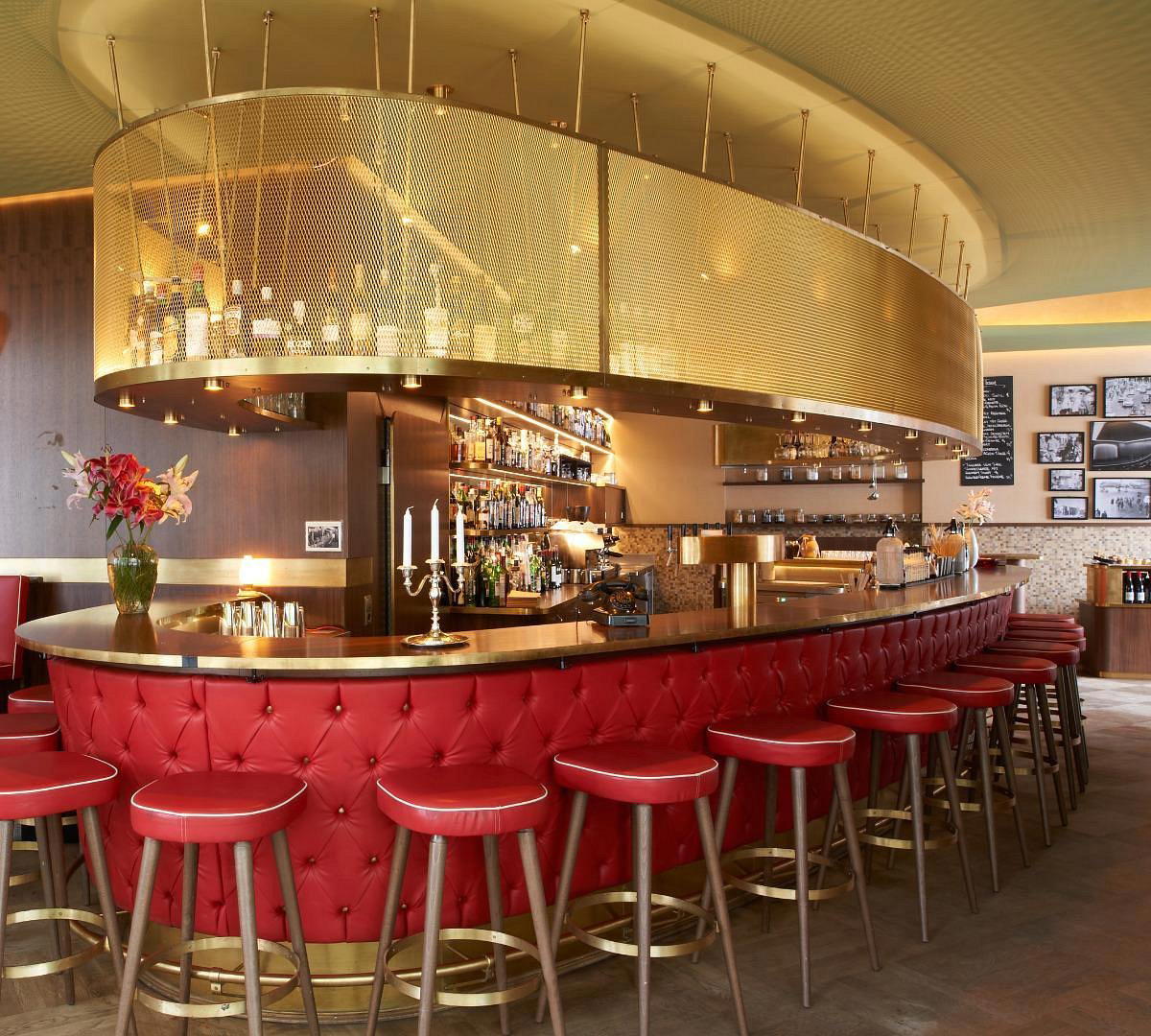
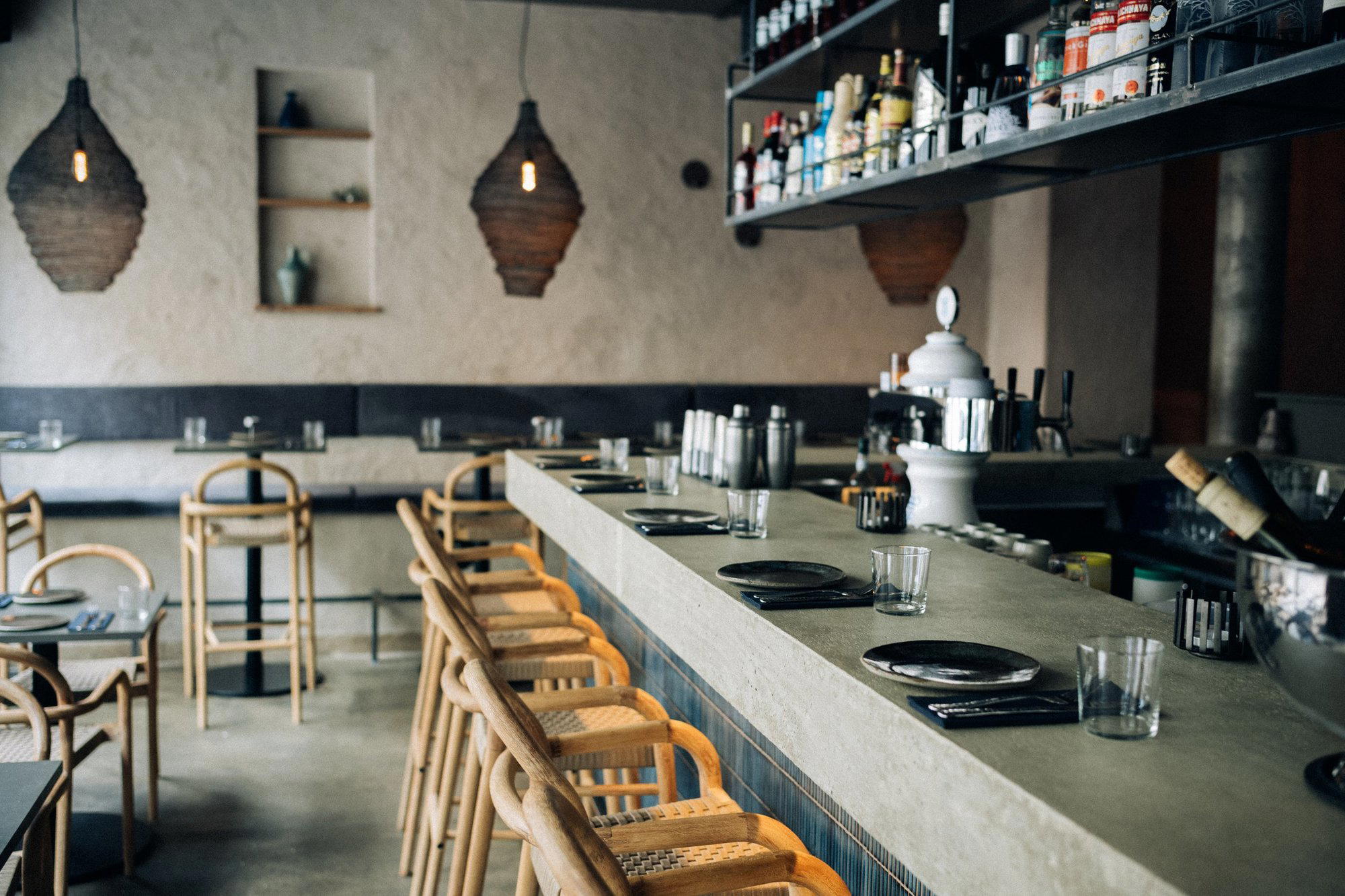
Pleasant, stylish ambiance with attentive and warm service creating a welcoming dining experience.