Located on Hörwarthstraße in Munich's Schwabing district, MIVU occupies a quieter tier of the city's fine-dining scene, away from the high-traffic tourist circuits. Its address places it among a neighbourhood known for considered, locally embedded dining rather than destination spectacle. For those tracking Munich's sustainability-oriented restaurant movement, MIVU warrants attention alongside the city's broader shift toward ethical sourcing and reduced-waste kitchen practice.
Pearl is the En Primeur Club membership app — saves, bookings, and concierge access live there. Same editors, same standards.
- Address
- Hörwarthstraße 4, 80804 München, Germany
- Phone
- +498930669891
- Website
- mivu-munich.de
- Directions
- Get directions
 Saves & bookings on Pearl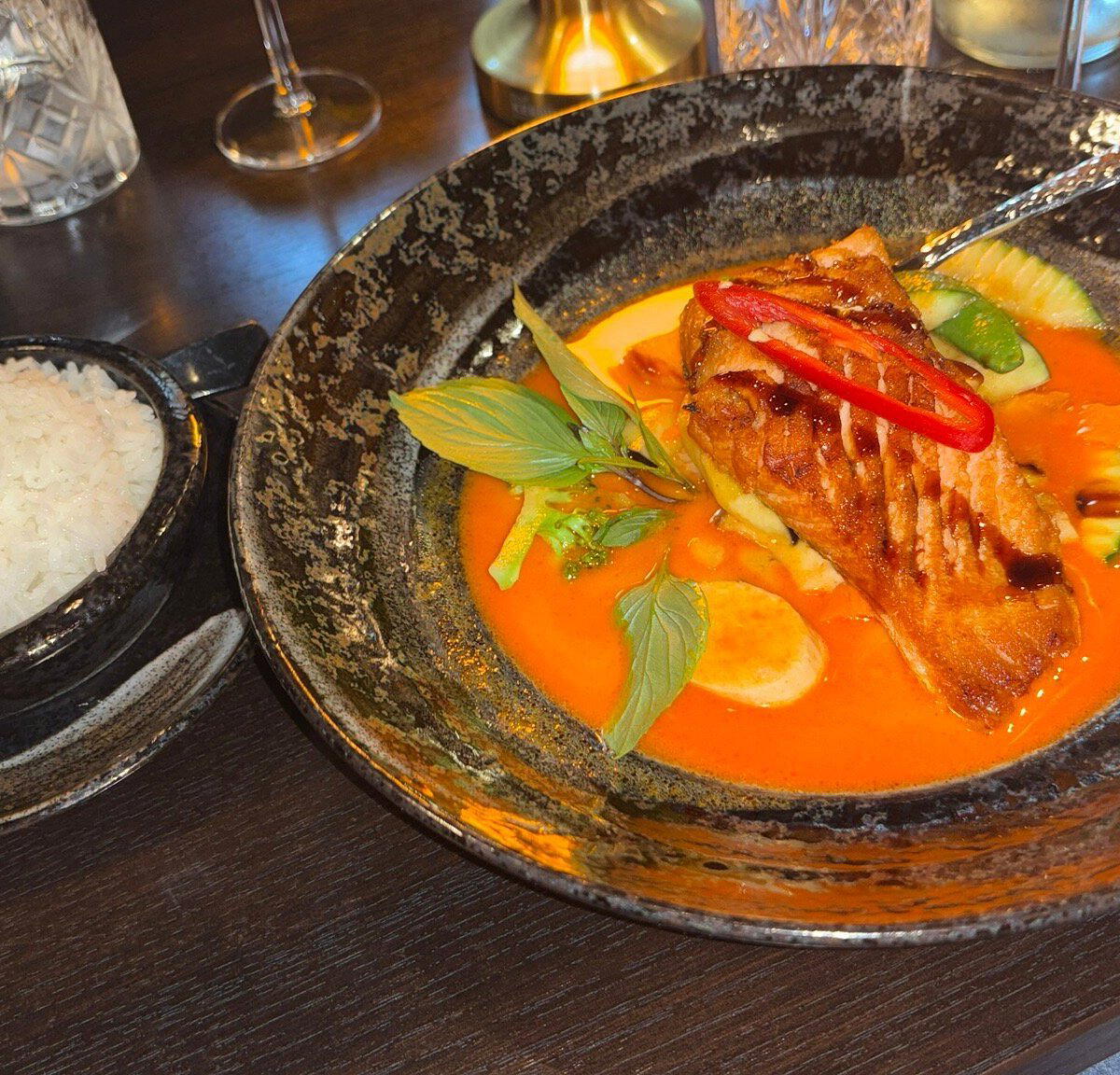
A Street-Level Signal in Munich's Sustainability Shift
MIVU is a restaurant at Hörwarthstraße 4 in Munich's Schwabing district, serving Vietnamese, Thai & Lao Fusion with a casual dress code and recommended reservations. The street sits in Schwabing, the northern residential quarter that has historically been the city's intellectual and artistic hinge point, and it reads less like a destination strip than a neighbourhood artery. That positioning is, in itself, an editorial statement.
Tantris carries the city's longest institutional memory in modern French cooking. Atelier and Alois - Dallmayr Fine Dining hold the creative and tasting-menu tiers at the leading price bracket. Tohru in der Schreiberei has occupied the modern German-Japanese fusion niche with sustained critical attention. MIVU instead offers a more relaxed neighborhood setting and a lower-key dining experience.
What Sustainability Actually Means at the Table
The term gets used loosely across European restaurant culture, but in a kitchen context it carries specific operational implications. Reduced-waste practice means rethinking what parts of an ingredient enter service and which typically do not: stocks built from trim, ferments developed from surplus, desserts constructed around off-cut dairy. Ethical sourcing means supply chains with fewer intermediaries and more documented provenance, which in Bavaria specifically can mean working with the dense network of regional farms, dairies, and foragers that the alpine agricultural geography supports better than most European regions.
Germany's broader fine-dining tier has been slower to centre sustainability as a primary editorial identity than, say, the Nordic countries, but the shift is visible. CODA Dessert Dining in Berlin has made fermentation and ingredient transformation the structural logic of an entire tasting menu. ES:SENZ in Grassau draws on the immediate alpine sourcing geography not as an aesthetic choice but as a supply-chain discipline. At the three-star end, kitchens like Aqua in Wolfsburg and Vendôme in Bergisch Gladbach have integrated sustainability credentials into award-cycle conversations in ways that were not true a decade ago. MIVU sits in a less decorated position within that movement: a neighbourhood address with no documented awards infrastructure.
Schwabing as a Dining Context
The district north of the Englischer Garten has historically attracted a different dining culture than the Altstadt or Maxvorstadt. It is less transactional, more embedded in repeat local custom, and more tolerant of formats that do not perform for first-time visitors. The restaurants that have lasted in Schwabing tend to serve the neighbourhood rather than the city's tourism layer, which creates different kitchen incentives: less pressure to produce photogenic spectacle, more pressure to maintain consistency across a loyal returning audience.
Kitchens that know their customer base, order to anticipated covers rather than tourist fluctuation, and maintain relationships with the same suppliers across years waste less structurally, independent of whether they frame it as an ethical program. The Schwabing address is, in this sense, as much a logistical sustainability signal as anything on a menu description.
Where MIVU Sits in the Munich comparable set
Munich's upper dining tier is well-covered by JAN in the creative category, alongside the four-bracket rooms that dominate Michelin attention in the city. Internationally, kitchens like Le Bernardin in New York City have demonstrated that rigorous sourcing ethics can coexist with high technical ambition, while Atomix in New York City has shown that a tasting-menu format built around cultural specificity and ingredient provenance can generate sustained critical recognition without sacrificing the sustainability argument. In the German regional tier, Schanz in Piesport, Waldhotel Sonnora in Dreis, Schwarzwaldstube in Baiersbronn, Bagatelle in Trier, Restaurant Haerlin in Hamburg, and Victor's Fine Dining by Christian Bau in Perl represent the awarded end of the spectrum. MIVU operates without that kind of documented recognition.
Know Before You Go
- Address: Hörwarthstraße 4, 80804 München, Germany
- District: Schwabing, Munich
A Quick Peer Check
Comparable venues nearby, for context on price, style, and recognition.
| Venue | Cuisine | Price | Notes |
|---|---|---|---|
| MIVUThis venue — the venue you are viewing | Vietnamese, Thai & Lao Fusion | $$ | Not listed |
| PhoYou | Vietnamese Pho Specialist | $$ | Schwabing |
| DOAN Restaurant | Authentic Vietnamese | $$ | Theresienwiese |
| Nam Giao 31 | Authentic Vietnamese | $$ | Ludwigsvorstadt |
| Bánh Mì Minh | Vietnamese Street Food | $ | Neuhausen |
| Anh Tien Restaurant | Modern Vietnamese | $$ | Milbertshofen |
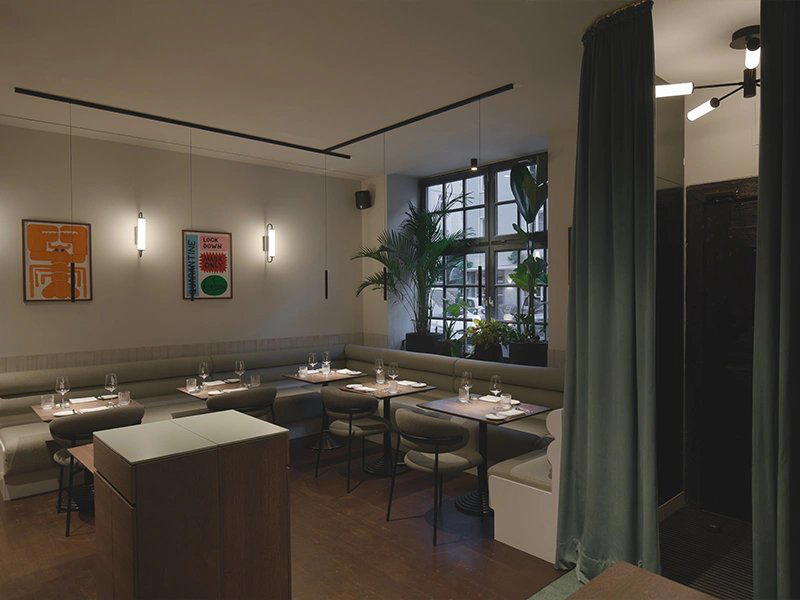
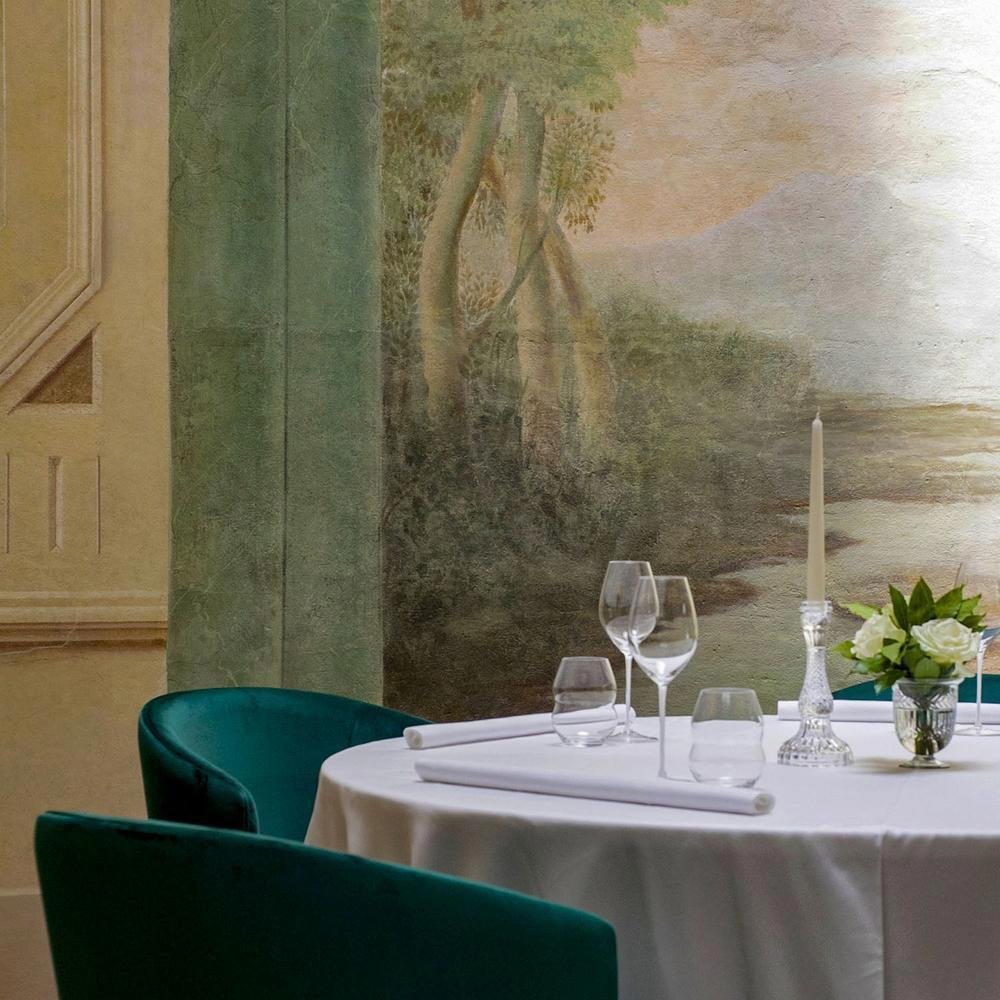
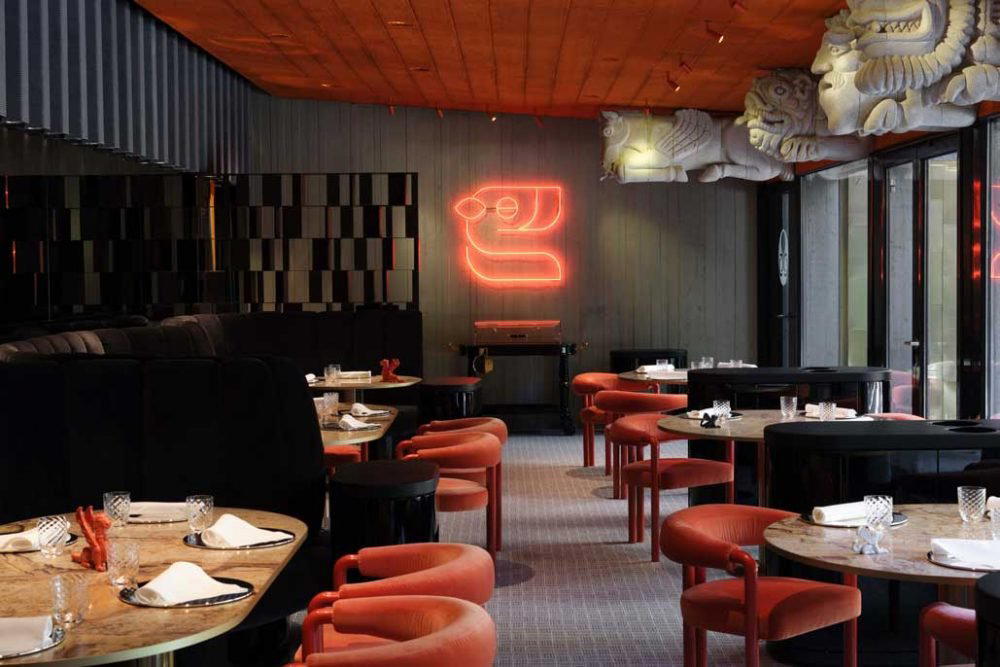

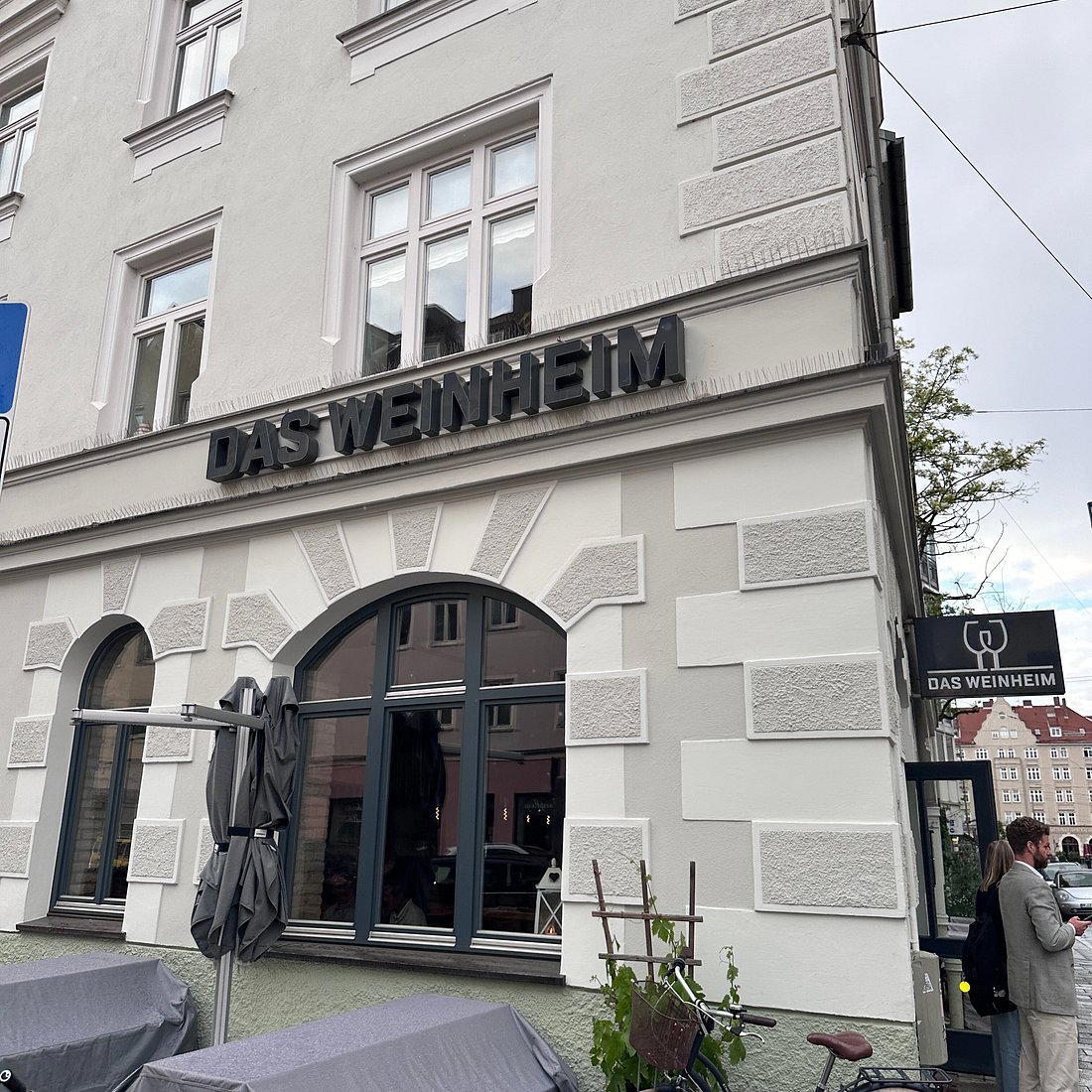
At a Glance
- Modern
- Lively
- Casual
- Casual Hangout
- Group Dining
- After Work
- Terrace
Current opening hours
- Monday
- 11:30 AM–2:30 PM, 5:30–11 PM
- Tuesday
- 11:30 AM–2:30 PM, 5:30–11 PM
- Wednesday
- 11:30 AM–2:30 PM, 5:30–11 PM
- Thursday
- 11:30 AM–2:30 PM, 5:30–11 PM
- Friday
- 11:30 AM–2:30 PM, 5:30–11 PM
- Saturday
- 5:30–11 PM
- Sunday
- 11:30 AM–2:30 PM, 5:30–11 PM
Hours can change for holidays and private events. Last verified .
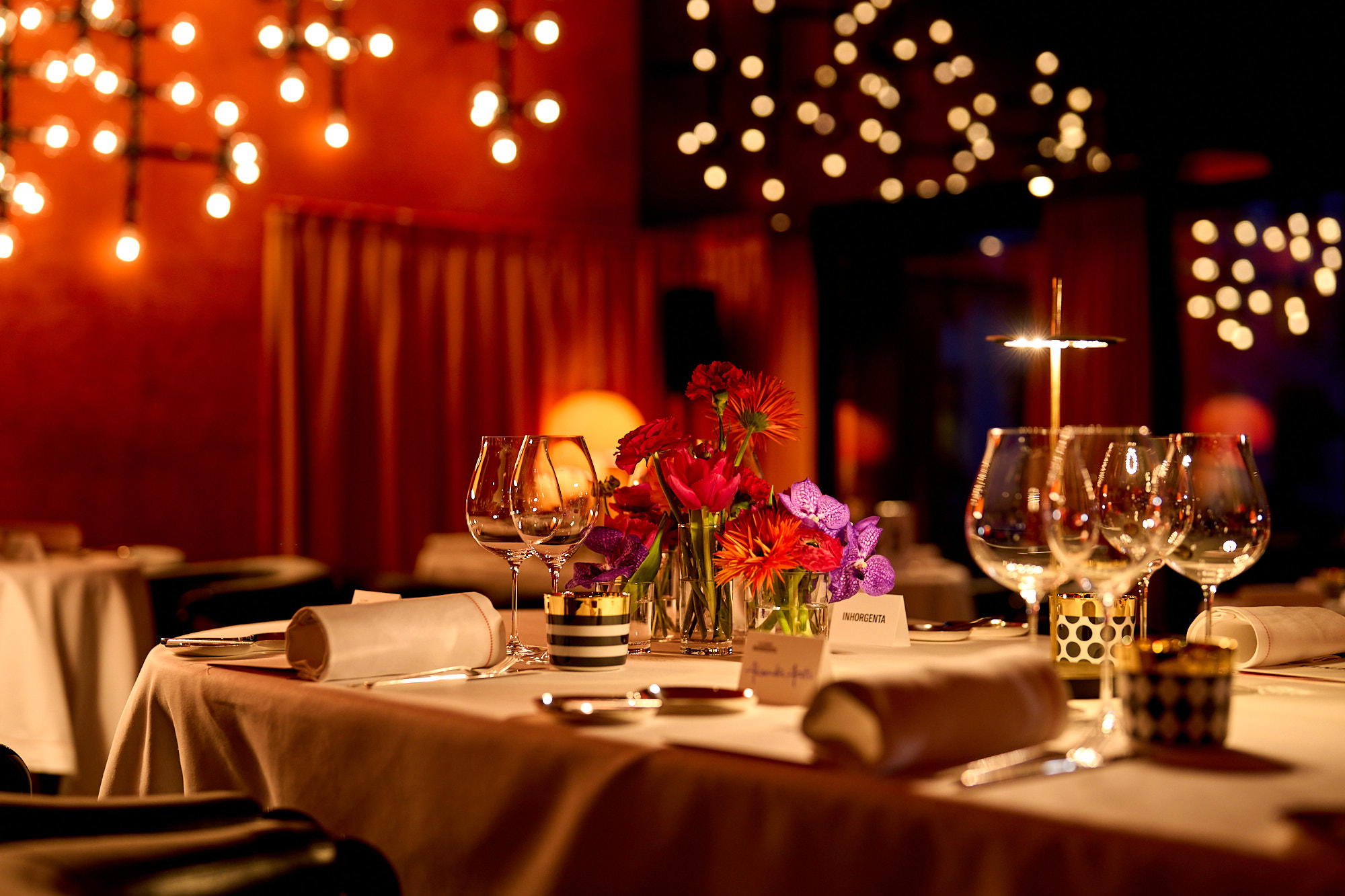
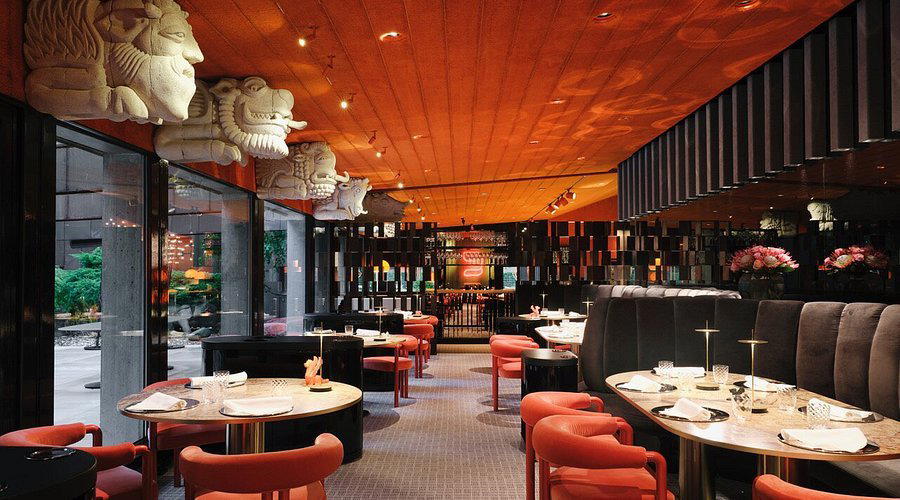
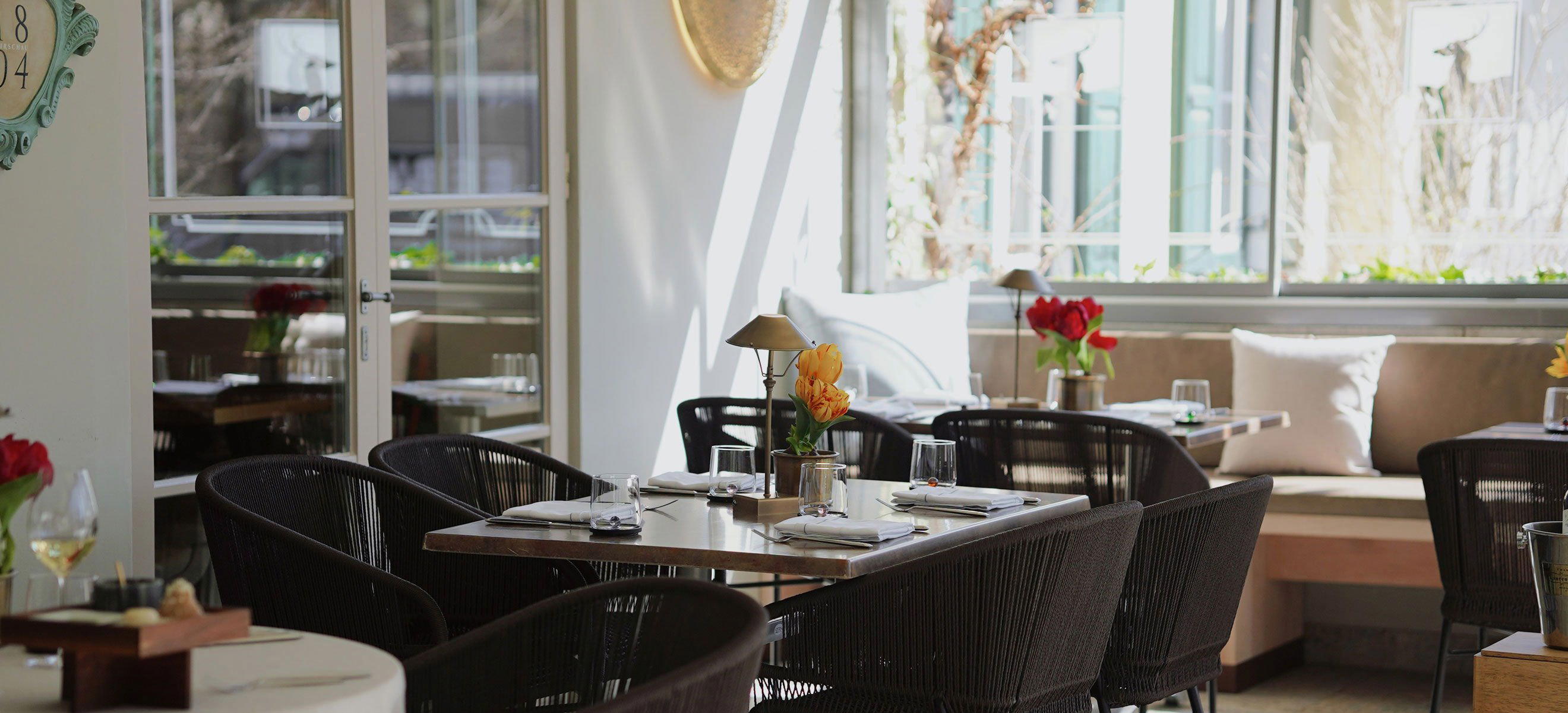
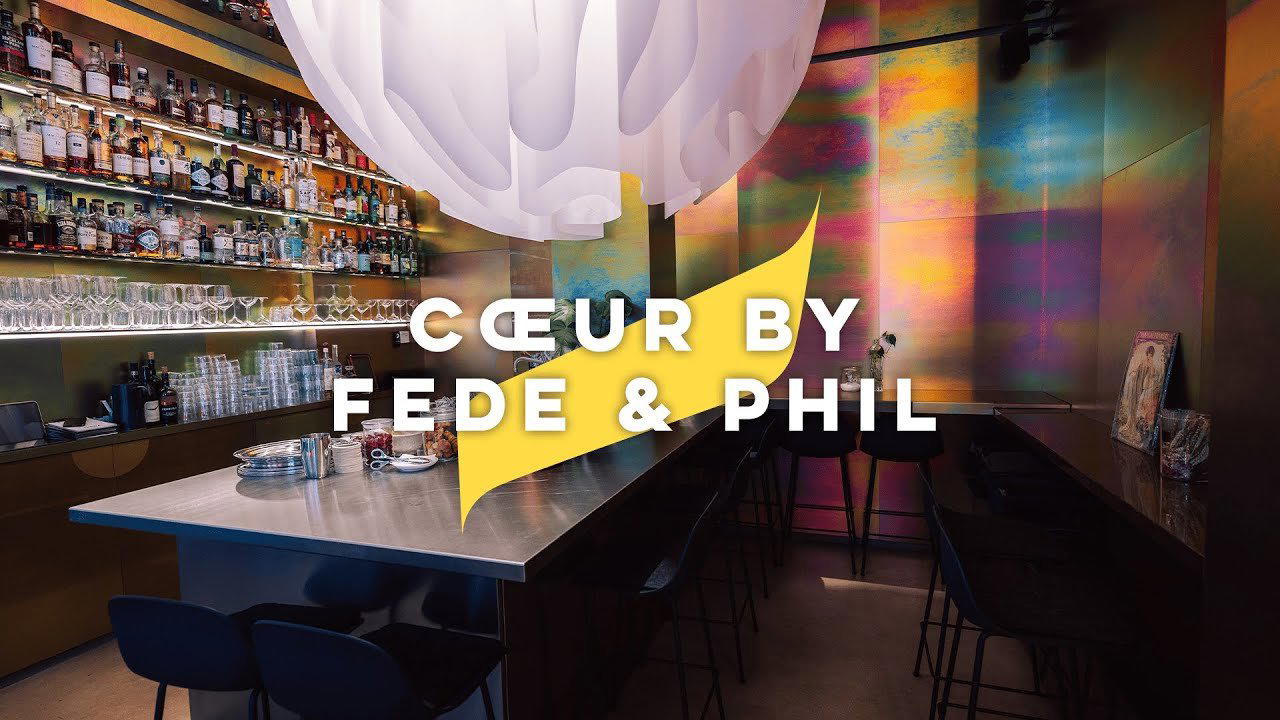
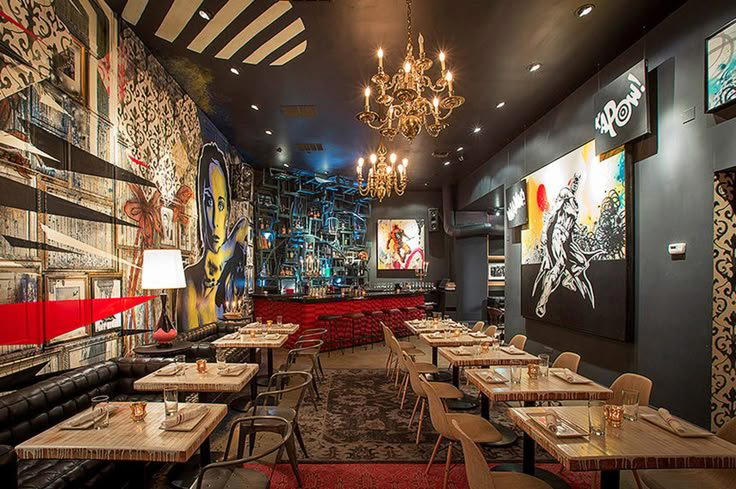
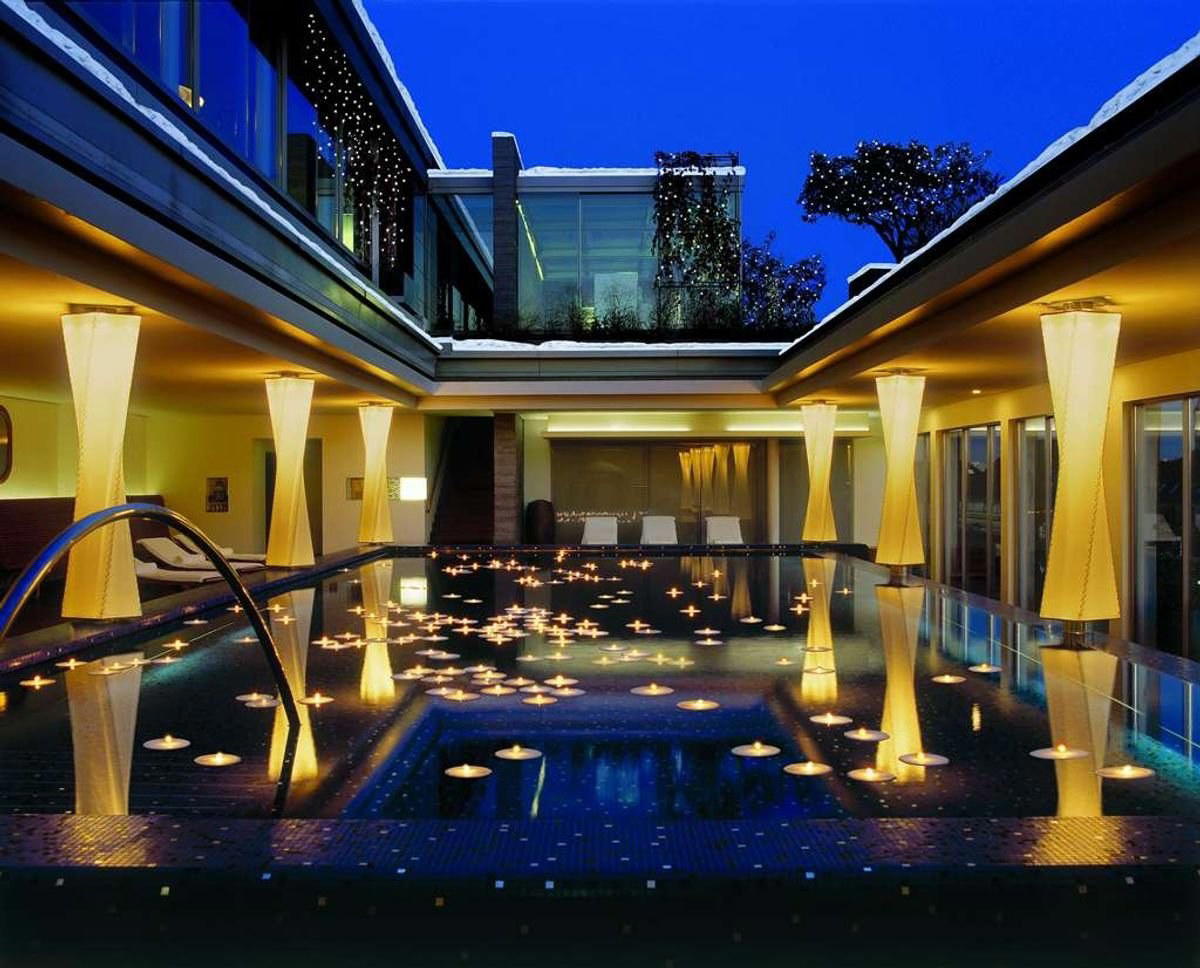
Energetic and casual dining atmosphere with modern decor, welcoming to diners seeking fresh Asian cuisine.