Dönermeister operates from Hernalser Gürtel 43 in Vienna's 17th district, placing it inside a neighbourhood corridor where casual eating culture runs parallel to the city's fine-dining circuit. The address sits in Hernals, a working-class district with a dense immigrant food culture that has historically made it one of Vienna's more honest eating zones.
Pearl is the En Primeur Club membership app — saves, bookings, and concierge access live there. Same editors, same standards.
- Address
- Hernalser Gürtel 43, 1170 Wien, Austria
- Phone
- +436701889339
- Website
- donermeister.at
- Directions
- Get directions
 Saves & bookings on Pearl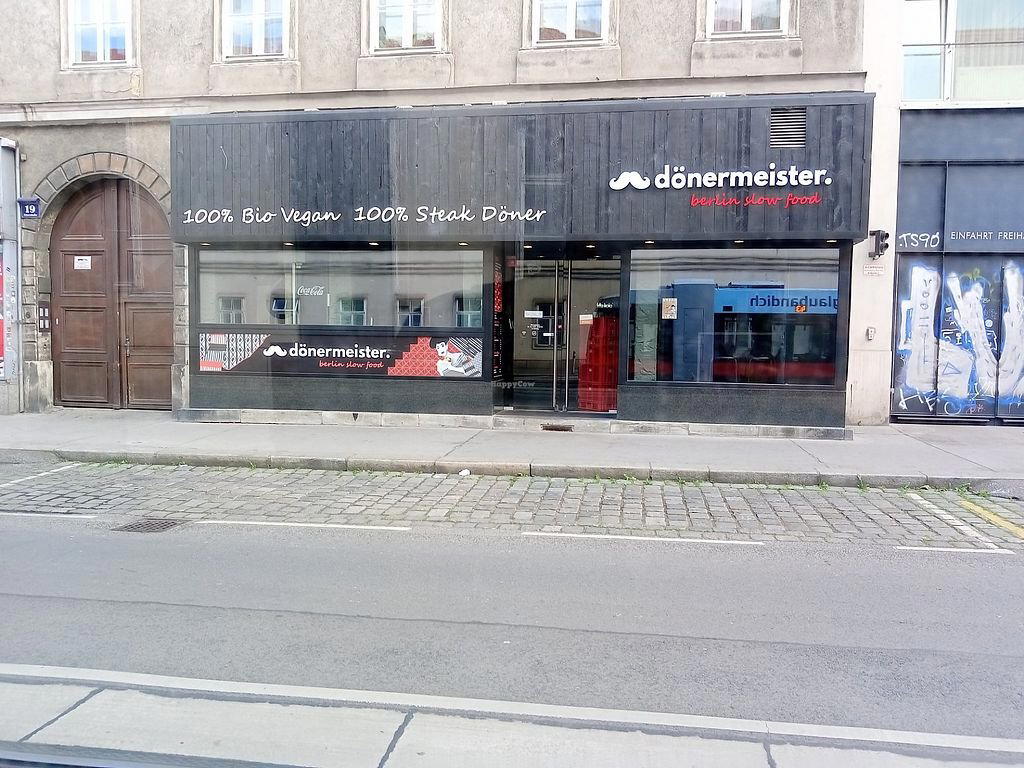
Hernals and the Döner Counter: What the Address Tells You
Vienna's Gürtel is a long, loud ring road that doubles as an informal food corridor, kebab windows, Würstelstände, and late-night snack counters line its length, serving the city's transport workers, night-shift staff, and post-club crowds in roughly equal measure. The 17th district stretch, Hernalser Gürtel, sits inside Hernals. It has, however, built a reputation for the kind of eating that doesn't require a reservation: cheap, calorie-dense, and consistent at the counter. Dönermeister operates from number 43 on that stretch.
This matters as a frame because Vienna's dining conversation tends to concentrate heavily on the first district and the immediate ring around it, where operations like Steirereck im Stadtpark, Amador, and Konstantin Filippou anchor the high end at the €€€€ tier. The Gürtel addresses represent the other end of that spectrum, the part of the city's eating culture that runs on volume, walk-in traffic, and a format that requires no ceremony. Dönermeister's position on Hernalser Gürtel places it firmly in that counter-service tradition, where the competitive set is other döner operators, not tasting-menu restaurants.
The Döner Format and What It Demands
The döner kebab as a format has its own architecture, and it rewards scrutiny. The core structure, meat rotated on a vertical spit, shaved to order, served in flatbread or on a plate with salad and sauce, is simple enough, but the variables that separate a competent version from a poor one are numerous. The quality of the meat blend, the temperature and char of the outer layer, the bread's ability to hold structural integrity under sauce and fat, the calibration of the garlic and herb sauces: each element functions as a test. In Vienna, the döner counter has become a standard measure of neighbourhood character, and Hernals has enough density of these operations that competition keeps standards visible.
What differentiates döner operations at the counter level tends to be consistency and sourcing decisions rather than innovation. The format doesn't reward novelty, it rewards execution of a known template. This is why the address and the surrounding neighbourhood matter: a döner counter on a busy Gürtel stretch serves a crowd that returns regularly and notices when quality shifts. That kind of repeat-customer pressure is its own quality mechanism. Across Austria, the broader casual-eating scene shows similar patterns, venues from Döllerer in Golling an der Salzach to Obauer in Werfen demonstrate that Austrian food culture rewards producers who operate with a clear format identity, whether that format sits at the counter or the tasting table.
Hernals as Eating Territory
The 17th district doesn't appear much in Vienna food press, which is itself a form of information. The neighbourhoods that attract editorial attention, the 1st, the 7th, parts of the 6th, tend to have a restaurant density and price point that generates copy. Hernals operates differently. Its eating culture is shaped by a large Turkish and Balkan immigrant population, which means the kebab, the pide, and the grilled-meat counter are not niche propositions here but everyday infrastructure. That context makes the döner format less of a trend and more of a baseline.
For a visitor arriving from the formal end of Vienna's dining circuit, from Mraz & Sohn or Doubek, a move to Hernalser Gürtel reads as a deliberate gear change. That gear change is not a compromise; it is a different set of criteria. The 17th district rewards those willing to travel slightly outside the tourist and gastro-tourist radius, and the Gürtel itself is accessible by U-Bahn (U6 line runs along it), which removes the logistical objection that keeps visitors in the centre. For context, similar dynamics operate in other European cities, the working-class outer-ring kebab counter as a serious eating proposition is a format that cities from Berlin to Istanbul have long validated.
Where Dönermeister Sits in the Broader Austrian Picture
Austria's restaurant conversation at the national level tends to concentrate on fine-dining anchors: the multi-course formats of Landhaus Bacher in Mautern an der Donau, the alpine tasting menus at Gourmetrestaurant Tannenhof in Sankt Anton am Arlberg, or the regional cooking at Ois in Neufelden. At the other end of that spectrum, the street-food and counter-service tier rarely generates the same volume of coverage, but it represents a significant share of how Austrians and Vienna residents actually eat day-to-day. Dönermeister occupies that tier: a counter-format operation in a high-footfall neighbourhood, positioned against local competitors rather than against the Michelin-listed circuit.
The comparison to international reference points is worth making briefly. In New York, operations like Le Bernardin and in San Francisco, Lazy Bear represent the tasting-format end of the spectrum. The counter-service döner model is not competing in that register, it is competing on different terms entirely: speed, price-to-satiation ratio, and the reliability of a format that has been refined over decades across European cities. Within those terms, what matters is whether the execution is honest.
Austria's broader regional dining scene, represented by operations like Stüva in Ischgl, Taubenkobel in Schützen am Gebirge, Schwarzer Adler in Hall in Tirol, Kräuterreich by Vitus Winkler in Sankt Veit im Pongau, and Restaurant 141 by Joachim Jaud in Mieming, shows how varied the country's eating culture is across price points and formats. The casual counter-service tier, of which Dönermeister is part, is the foundation beneath all of it.
Planning a Visit
Address: Hernalser Gürtel 43, 1170 Wien, Austria. Access: The U6 U-Bahn line runs along the Gürtel and serves this stretch of the 17th district; surface tram lines also cover the corridor. Reservations: Walk-in friendly. Hours: Mon: 11 AM–10 PM; Tue: 11 AM–12 AM; Wed: 11 AM–11:30 PM; Thu: 9:30 AM–11:50 PM; Fri: 11 AM–12 AM; Sat: 9:30 AM–1 AM; Sun: 12–8 PM. Budget: About $10 per person.
Price Lens
Comparable venues nearby, for context on price, style, and recognition.
| Venue | Cuisine | Price | Notes |
|---|---|---|---|
| DönermeisterThis venue — the venue you are viewing | Josefstadt, Turkish Döner Kebab | $ | Not listed |
| Sems Inegöl Köfte | Prater, Traditional Turkish Inegöl Köfte | $$ | Not listed |
| Berliner Döner | Neubau, Turkish Döner Kebab | $ | Not listed |
| Colosseum | Not listed | $ | Alsergrund, Traditional Viennese Austrian |
| Swing Kitchen | Neubau, Vegan Fast Food | $ | Not listed |
| Würstelstand am Hohen Markt | Not listed | $ | Stephansdom, Austrian Street Food Sausages |
Continue exploring
More in Vienna
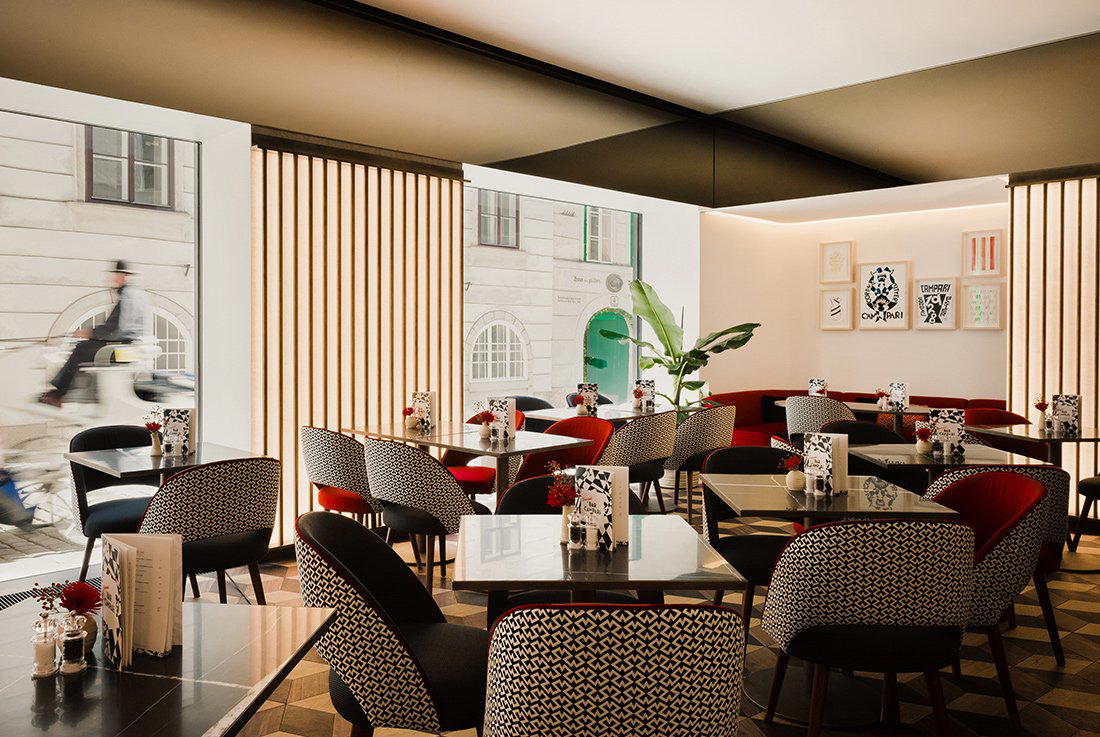
Restaurants in Vienna
Browse all →
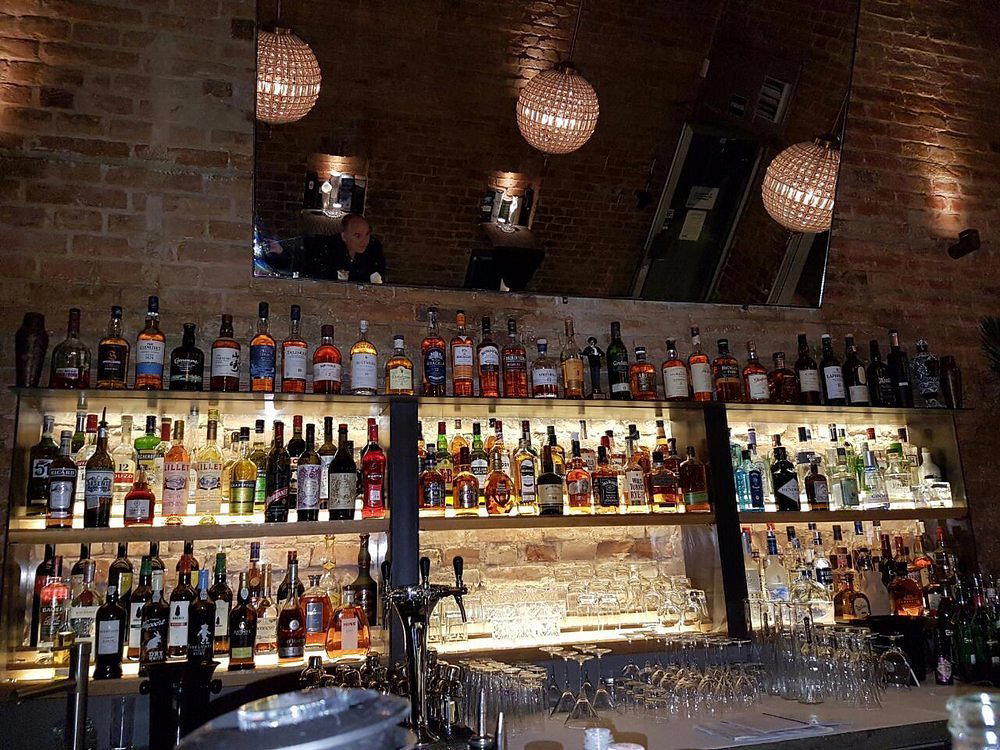
Bars in Vienna
Browse all →

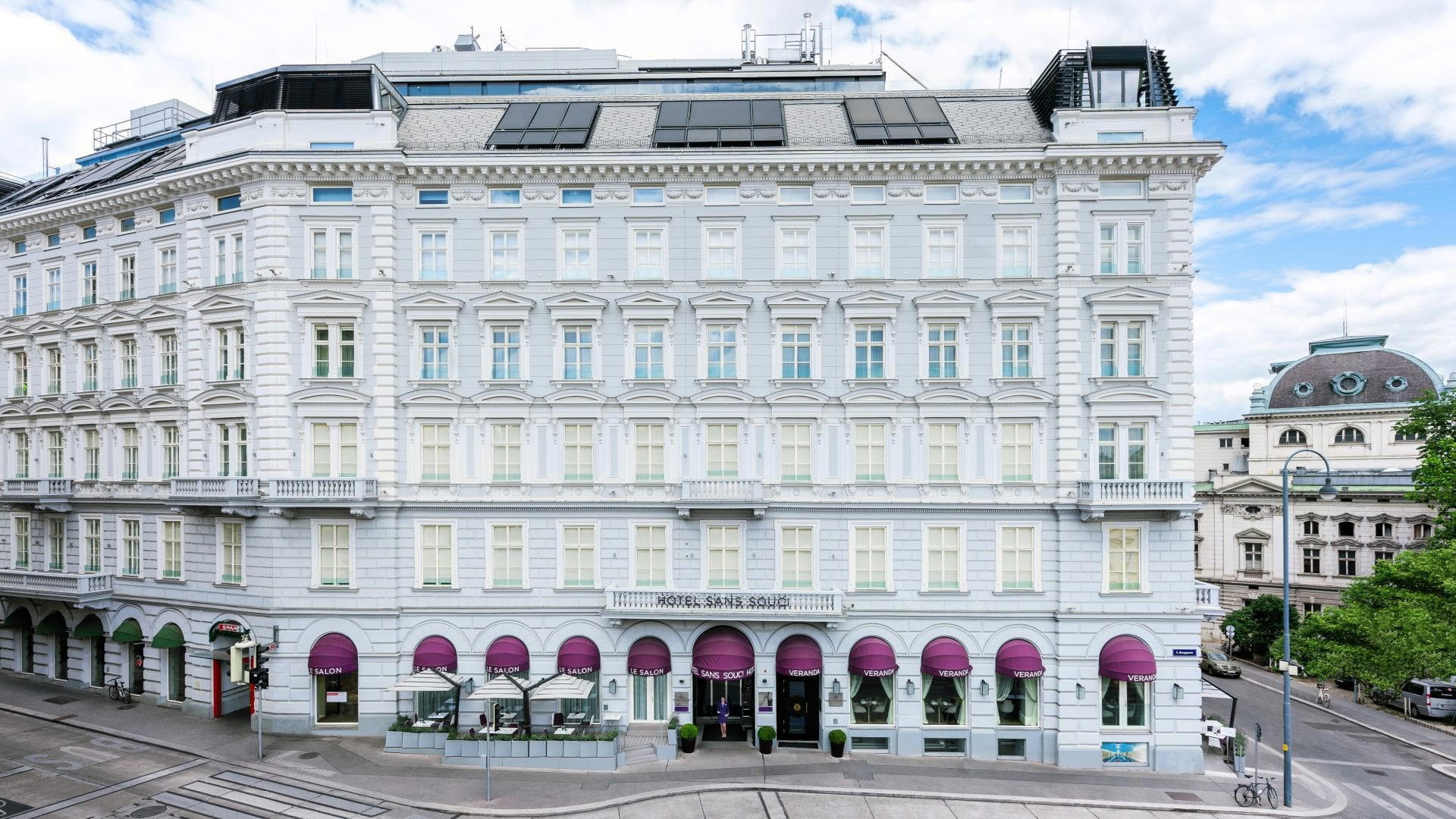
Hotels in Vienna
Browse all →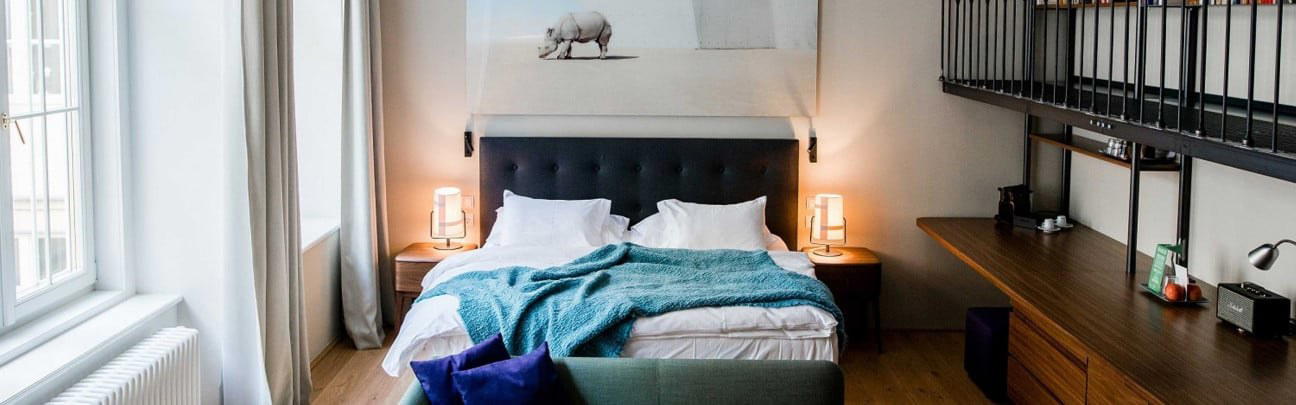
At a Glance
- Lively
- Trendy
- Casual Hangout
- Late Night
- Group Dining
- Street Scene
Current opening hours
- Monday
- 11 AM–10 PM
- Tuesday
- 11 AM–12 AM
- Wednesday
- 11 AM–11:30 PM
- Thursday
- 9:30 AM–11:50 PM
- Friday
- 11 AM–12 AM
- Saturday
- 9:30 AM–1 AM
- Sunday
- 12–8 PM
Hours can change for holidays and private events. Last verified .
Casual fast-food counter environment with a lively street-food atmosphere, popular for late-night dining.