On Nußdorfer Straße in Vienna's 9th district, Colosseum occupies a stretch of the city where Biedermeier-era residential blocks give way to neighbourhood dining that operates at a remove from the first-district tourist circuit. The address places it in a comparable set defined more by local regulars than by hotel concierge lists, making it a reliable entry point into how Vienna actually eats.
Pearl is the En Primeur Club membership app — saves, bookings, and concierge access live there. Same editors, same standards.
- Address
- Nußdorfer Str. 4, 1090 Wien, Austria
- Phone
- +434313175107
- Website
- buffet-colosseum.at
- Directions
- Get directions
 Saves & bookings on Pearl
The 9th District and What It Says About Vienna Dining
Vienna's dining geography divides more sharply than most European capitals. The first district delivers the grand café tradition, the white-tablecloth Viennese institutions, and the Michelin-rated rooms that compete with Steirereck im Stadtpark and Amador for the city's formal dining conversation. Step into the 9th district, Alsergrund, and the register changes. This is a neighbourhood of university buildings, medical faculty corridors, and residential streets where the dining culture runs closer to the Viennese everyday than to the special-occasion bracket.
Nußdorfer Straße, where Colosseum sits at number 4, is a northward artery that connects the Gürtel ring road to Nußdorf with a density of neighbourhood commerce that has resisted the homogenisation affecting parts of the inner city. Addresses along this stretch tend to serve the surrounding population first and visiting diners second. That ordering matters when assessing what a venue on this street is trying to be.
Where Colosseum Fits in Vienna's Neighbourhood Scene
Vienna's mid-tier neighbourhood dining has, over the past decade, become a more contested and interesting category than it once was. The city's creative fine-dining rooms, such as Mraz & Sohn and Konstantin Filippou, have raised the ceiling on what Austrian cooking can be interpreted as doing. That upward pressure has had a secondary effect: neighbourhood restaurants that previously occupied unchallenged middle ground now operate in a city with a more culinarily aware dining public.
Colosseum's address in the 9th places it outside the immediate orbit of the formal restaurant clusters around the Ringstraße or the market-driven dining around Naschmarkt. The comparison set here is less about starred competitors and more about Doubek and equivalents: venues where the draw is consistency, neighbourhood belonging, and a version of Austrian hospitality that does not require a reservation six weeks out.
Across Austria more broadly, the restaurant culture rewards a particular kind of durability. Properties like Landhaus Bacher in Mautern an der Donau and Obauer in Werfen have built reputations across generations, operating at the intersection of regional ingredient knowledge and disciplined kitchen craft. Vienna's neighbourhood dining rarely operates at that altitude, but the same instinct toward product and season over concept and novelty runs through much of the city's non-destination dining.
The Cultural Frame: Austrian Dining as a Civil Institution
Understanding a venue like Colosseum means understanding what the neighbourhood restaurant means in Vienna's civic life. The Viennese Gasthaus and Beisl tradition is not simply a category of restaurant; it is a social infrastructure. The regulars who occupy the same table on the same weekday evening are not being nostalgic. They are participating in a dining culture that has always prioritised the relationship between a room and its community over any particular culinary ambition.
This is the tradition that Austria's more internationally oriented restaurants, from Döllerer in Golling an der Salzach to the alpine dining rooms of Gourmetrestaurant Tannenhof in Sankt Anton am Arlberg, have either departed from or reinterpreted for a travelling audience. At the neighbourhood level, it persists largely unchanged. A restaurant on Nußdorfer Straße is not making a statement about Austrian culinary identity in the way that Kräuterreich by Vitus Winkler in Sankt Veit im Pongau or Taubenkobel in Schützen am Gebirge might. It is simply feeding its neighbourhood according to the customs that neighbourhood expects.
That distinction is worth holding onto when approaching Colosseum. The name, which gestures toward ancient Rome rather than Vienna, is common shorthand across Central European restaurant naming for a certain generalist ambition. The address does the real contextual work.
Planning Your Visit
Colosseum is a Traditional Viennese Austrian restaurant at Nußdorfer Str. 4, 1090 Wien, Austria.
Practical Comparison
| Venue | District | Cuisine Tier | Advance Booking | Price Range |
|---|---|---|---|---|
| Colosseum | 9th (Alsergrund) | Neighbourhood | Confirm directly | Unconfirmed |
| Steirereck im Stadtpark | 3rd (Stadtpark) | Fine dining (Creative) | Weeks to months ahead | €€€€ |
| Mraz & Sohn | 20th (Brigittenau) | Fine dining (Modern Austrian) | Weeks ahead | €€€€ |
| Doubek | 13th (Hietzing) | Neighbourhood | Days ahead | Mid-range |
For visitors arriving from outside the 9th district, the U6 line stops at Nußdorfer Straße station, which puts the address within a short walk. Trams on the D line also serve the broader corridor. Vienna's public transport makes the 9th entirely accessible from the central hotel cluster without requiring a taxi.
How It Stacks Up
Comparable venues nearby, for context on price, style, and recognition.
| Venue | Cuisine | Price | Notes |
|---|---|---|---|
| ColosseumThis venue — the venue you are viewing | Traditional Viennese Austrian | $ | Not listed |
| Würstlstand | Traditional Viennese Sausage Stand | $ | Alsergrund |
| Zum Scharfen René | Spicy Austrian Sausage Stand | $ | Staatsoper |
| Würstelwaggon | Viennese Sausage Stand | $ | Simmering |
| Würstelstand am Südtiroler Platz | Austrian Sausage Stand | $ | Favoriten |
| Claudias Imbiss zum Alserspitz | Austrian Street Food | $ | Josefstadt |
Continue exploring
More in Vienna
Restaurants in Vienna
Browse all →
Bars in Vienna
Browse all →
Hotels in Vienna
Browse all →
At a Glance
- Classic
- Rustic
- Well Known
- Casual Hangout
- Historic Building
Current opening hours
- Monday
- 8 AM–7 PM
- Tuesday
- 8 AM–7 PM
- Wednesday
- 8 AM–7 PM
- Thursday
- 8 AM–7 PM
- Friday
- 8 AM–7 PM
- Saturday
- 8 AM–3 PM
- Sunday
- Closed
Hours can change for holidays and private events. Last verified .
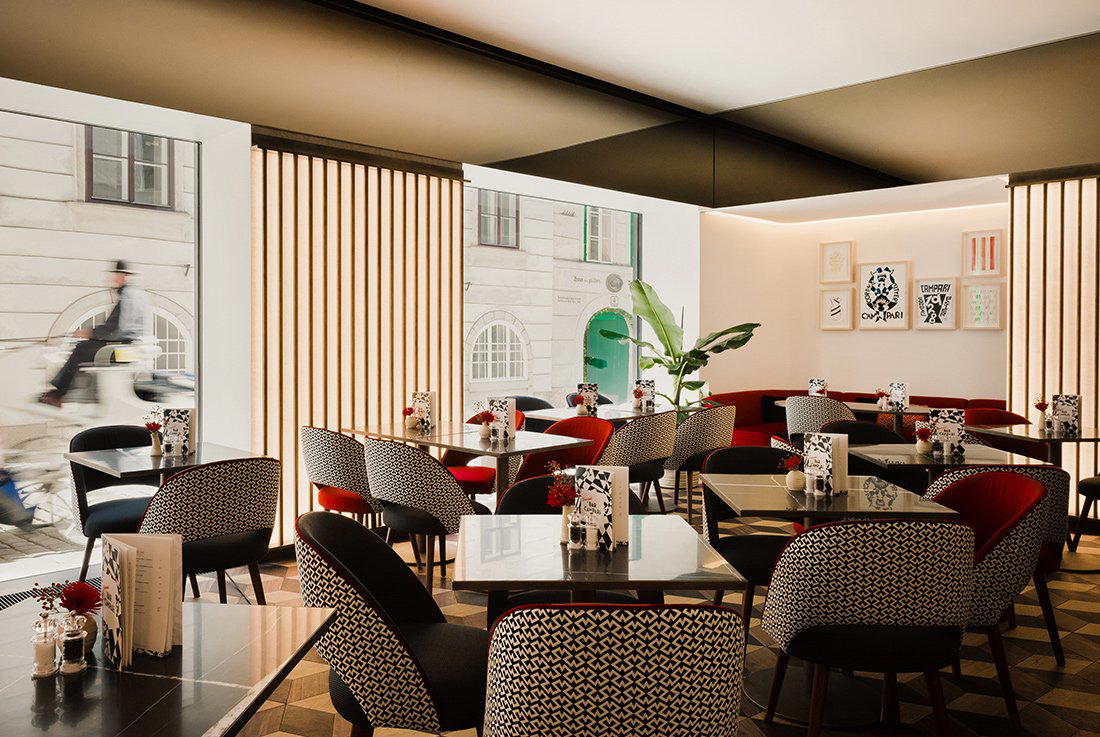
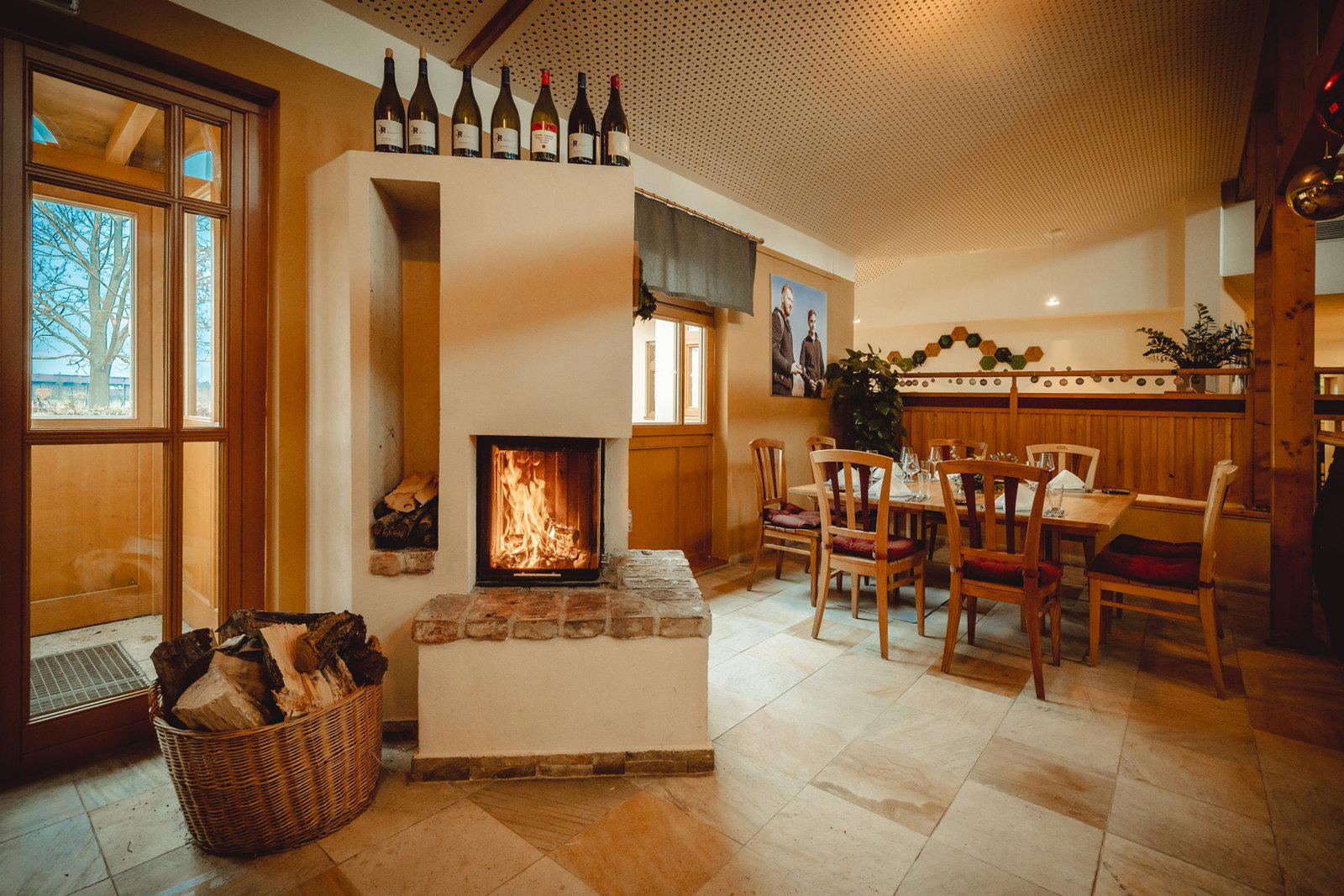
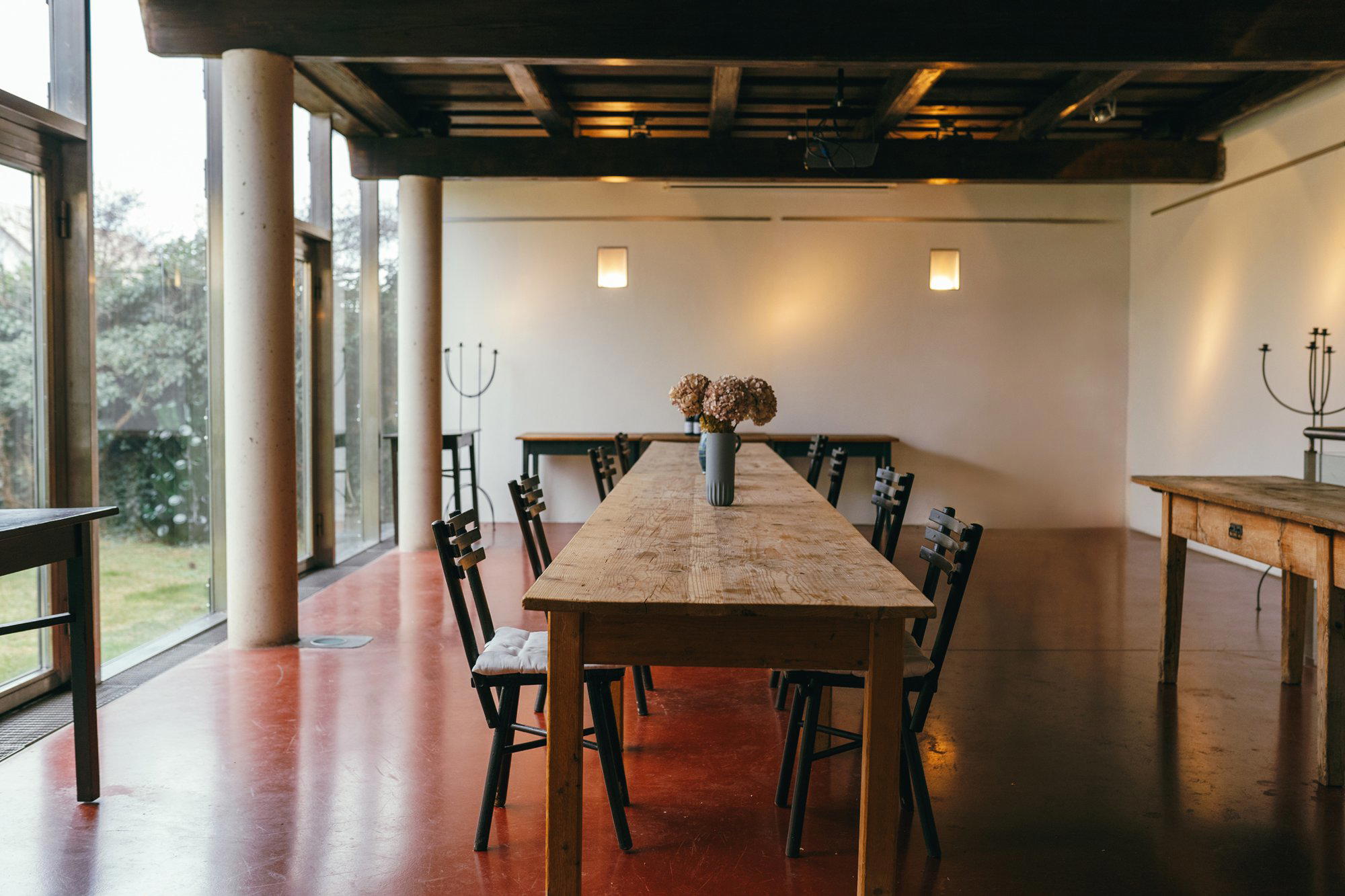
Cozy, preserved original decor with a nostalgic, authentic Viennese bistro atmosphere.