Morrison-Clark Restaurant
Morrison-Clark Restaurant occupies one of Washington D.C.'s most architecturally layered dining rooms, a Victorian townhouse turned historic inn at 1011 L St NW that has shaped the city's fine dining conversation for decades. The kitchen works within a tradition of American cooking that foregrounds regional sourcing and seasonal discipline, placing it in a comparable set that includes some of D.C.'s most considered dining rooms.
Pearl is the En Primeur Club membership app — saves, bookings, and concierge access live there. Same editors, same standards.
- Address
- 1011 L St NW, Washington, DC 20001
- Phone
- +12028981200
- Website
- morrisonclark.com
- Directions
- Get directions
 Saves & bookings on Pearl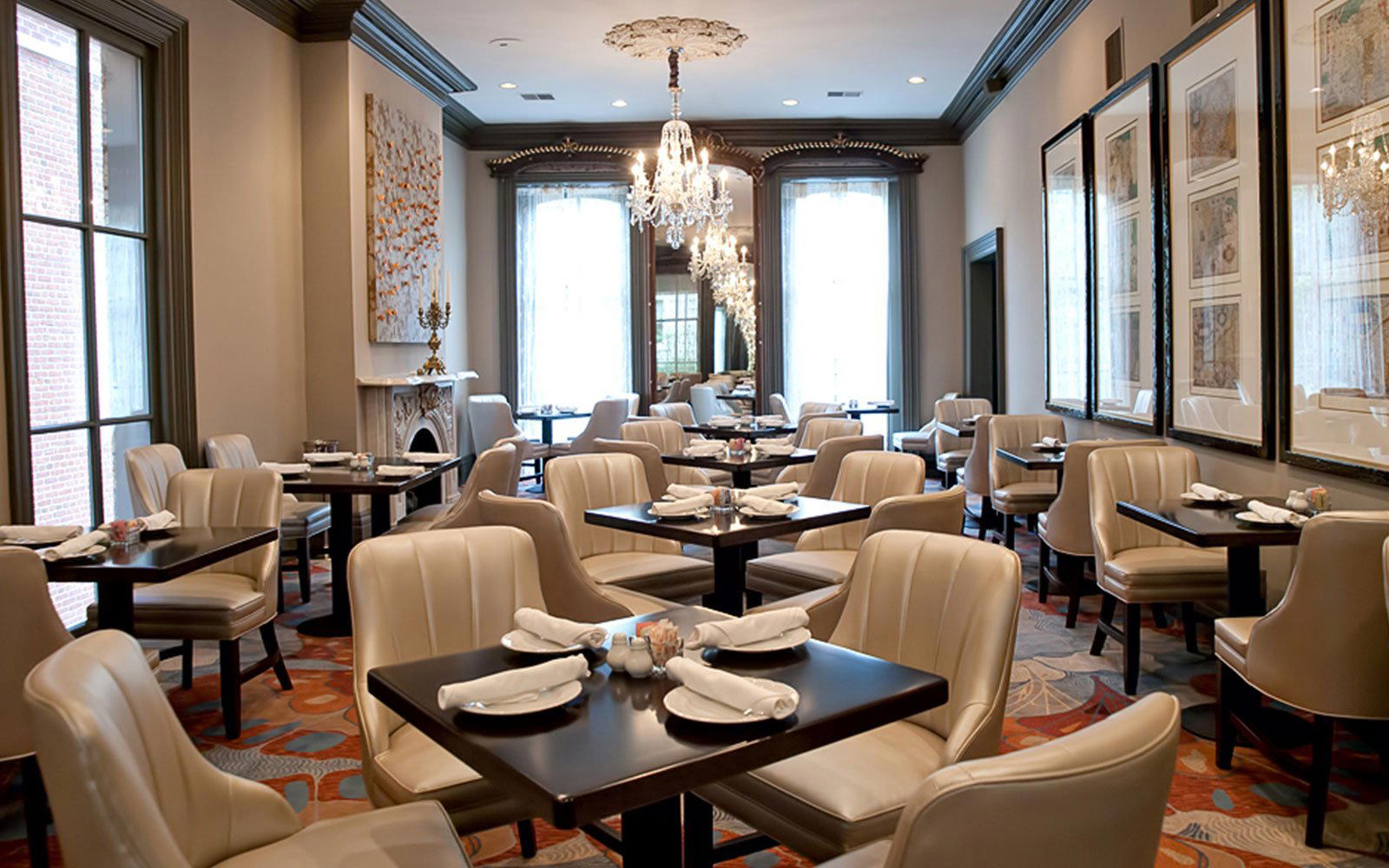
A Victorian Frame for American Fine Dining
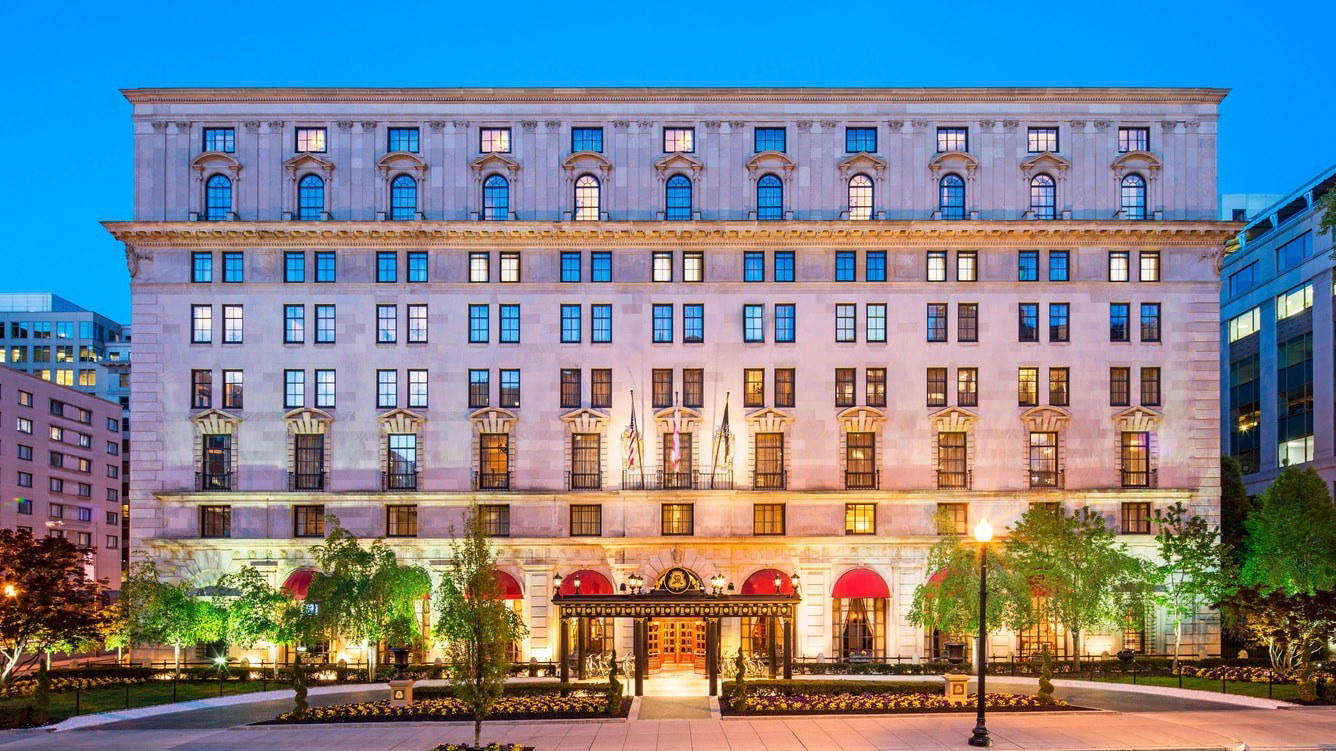
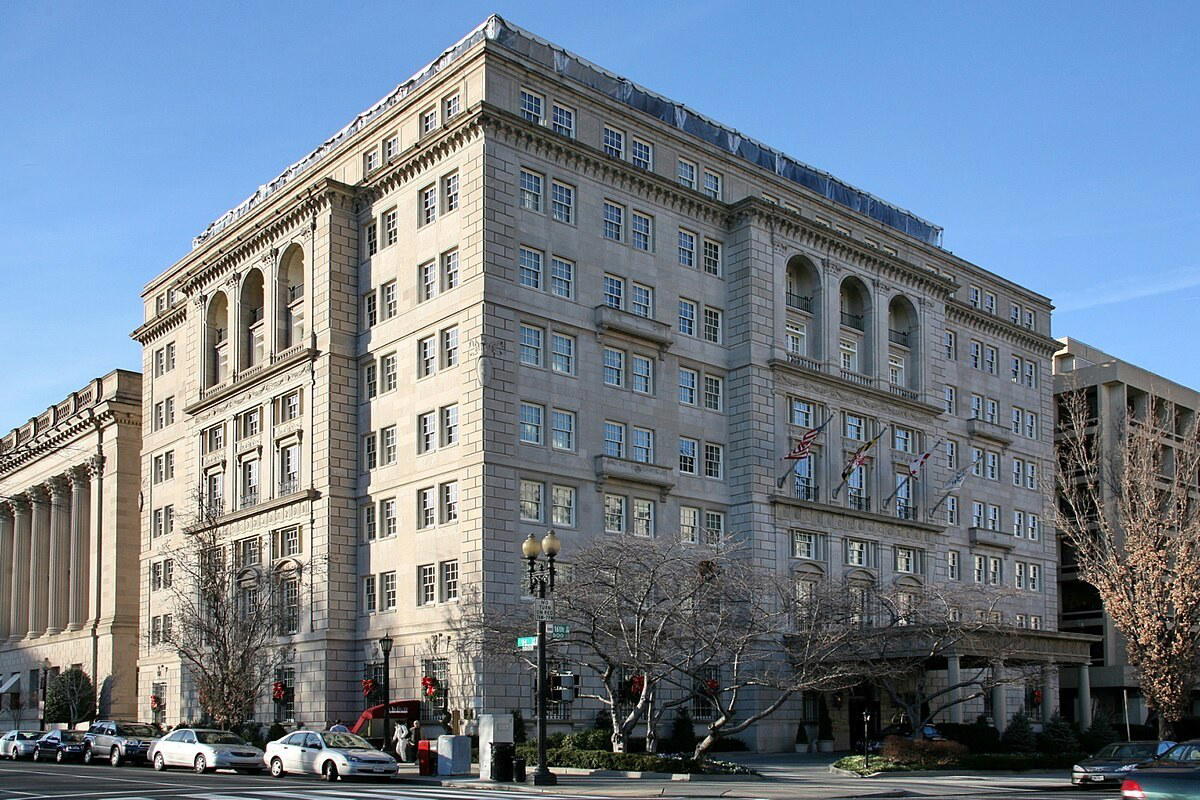
Morrison-Clark Restaurant is a Contemporary American Fine Dining restaurant in Washington, D.C. with a price point around $60 per person. Washington D.C. has a category of dining room that other American cities rarely replicate: the historic-house restaurant, where the architecture is not decorative backdrop but the actual argument the kitchen has to answer every night. Morrison-Clark Restaurant, inside the Morrison-Clark Historic Inn at 1011 L St NW, belongs to that category. The building dates to 1864, and the dining room carries that weight in carved wood, high ceilings, and the particular quiet that comes from thick plaster walls and rooms designed before the age of noise. Entering it, especially on a winter evening when the city outside is cold and fast, registers as a shift in register rather than a simple change of address.
The physical environment sets expectations that are simultaneously an asset and a constraint. American fine dining rooms housed in this kind of architecture tend to attract a specific reader: someone for whom the meal is inseparable from the setting, who wants the room to do some of the work. Compared to the stripped-back, technically precise formats that define D.C.'s newer generation, such as Jônt with its modern French tasting counter, or the molecular precision of minibar, Morrison-Clark occupies a different lane. It is not competing on novelty. It is competing on weight.
The Sensory Register of the Room
Historic dining rooms in American cities often earn their reputations partly through atmosphere and partly through longevity, and the two are hard to separate. A room that has operated for decades accumulates a patina that no new opening can manufacture: the sound of silverware on tables that have seated thousands of dinners, the dimness of lighting calibrated over years of service, the way a room fills and settles around 8pm on a Friday in a way that feels inevitable rather than orchestrated. Morrison-Clark sits inside that category.
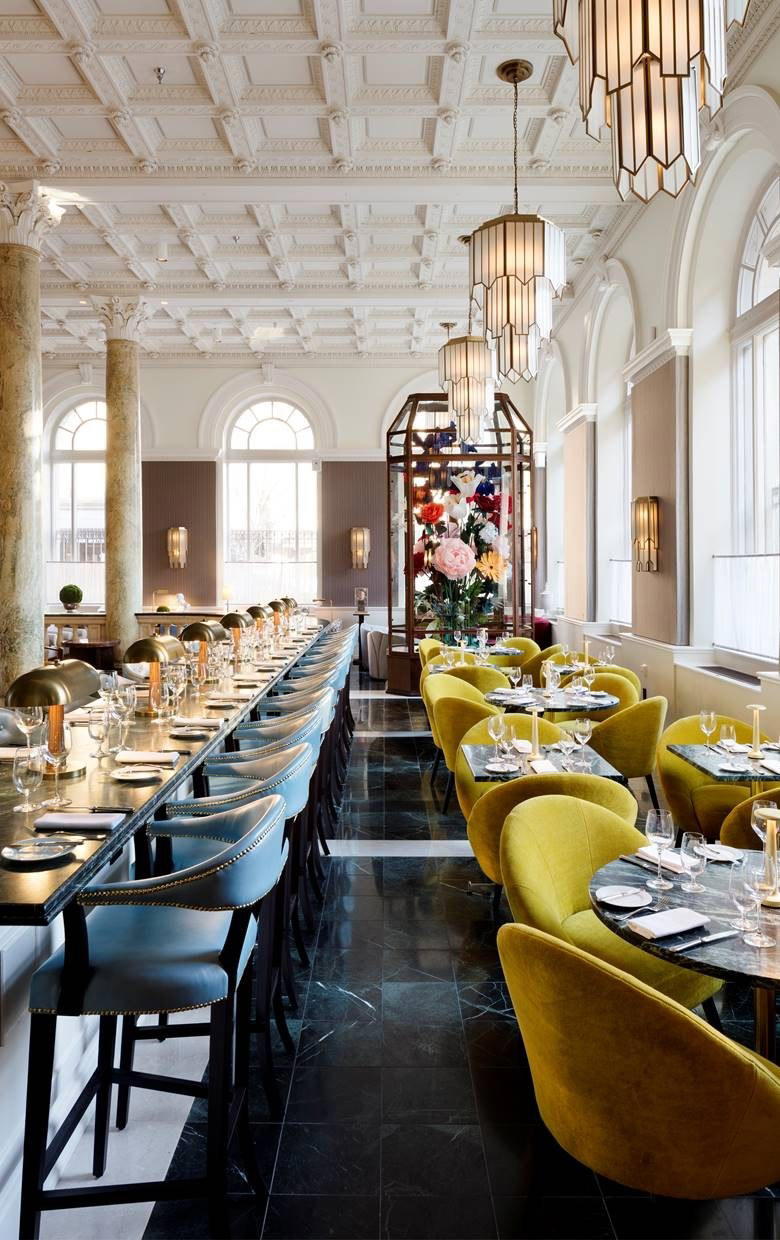
The visual language of the space draws from the inn's Victorian bones: antique mirrors, period details, and a pace of service that matches the architecture rather than fighting it. In a city where dining rooms at the $$$$ tier increasingly favor a certain contemporary minimalism, as seen at Causa and Albi, a room that leans into its historic character occupies a distinct position. The sensory case here is made by the building itself: what you smell is a kitchen working in a space with genuine provenance, and what you hear is a dining room that absorbs sound rather than amplifying it.
Where Morrison-Clark Sits in the D.C. Dining Conversation
Washington D.C.'s fine dining tier has expanded and diversified considerably over the past decade. The city now runs a wide range from sustainability-led American kitchens like Oyster Oyster, which operates at the $$$ price point with a vegetable-focused New American program, to the high-commitment tasting formats at the upper end of the market. Morrison-Clark's positioning within that spread is rooted in its longevity and its architectural identity rather than in a specific cuisine category or award cluster.
Among American historic-house restaurants nationally, the peer reference points are places like The Inn at Little Washington in Washington, Virginia, which has built a decades-long reputation on exactly this combination of setting and kitchen ambition. The format, a grand room, American-leaning menu, occasion-dining clientele, is well established along the East Coast and finds equivalents in San Francisco at Lazy Bear and in New York at Le Bernardin, though those comparisons illuminate differences as much as similarities. Morrison-Clark's scale and architectural register place it closer to the intimate historic-inn model than to the large-format luxury dining room.
For context on where American fine dining more broadly is landing, the tasting-menu format continues to consolidate at the high end nationally, with kitchens like Alinea in Chicago, The French Laundry in Napa, and Blue Hill at Stone Barns in Tarrytown representing its most codified expressions. Morrison-Clark does not compete in that tier directly. Its argument is different: a specific room, a specific history, and a specific kind of evening that a newer restaurant cannot yet offer.
Occasion Dining and the Historic-Room Advantage
The category of restaurant that Morrison-Clark occupies, the historic-property dining room with a kitchen operating at a formal register, serves a specific function in any city's dining ecosystem. These are rooms people return to for milestones rather than for weeknight discovery. The competitive set is therefore less about cuisine comparison and more about the quality of occasion the room can hold. On that axis, the architecture at Morrison-Clark does real work: a Victorian dining room signals ceremony in a way that a contemporary fit-out cannot replicate regardless of budget.
This is a dynamic that plays out at a national level too. Properties like Single Thread Farm in Healdsburg or Addison in San Diego have built occasion-dining reputations on architectural investment combined with kitchen ambition. The difference at Morrison-Clark is that the architecture arrived in 1864 and was not built for a restaurant. That pre-existing provenance is either the room's strongest asset or its most complicated variable, depending on what the kitchen does with it on any given night.
Within D.C. specifically, the occasion-dining conversation also includes newer formats. Atomix in New York and Providence in Los Angeles point to how occasion dining can be constructed through precision and concept rather than historic setting.
Know Before You Go
Address: 1011 L St NW, Washington, DC 20001
Setting: Historic Victorian dining room inside the Morrison-Clark Historic Inn
Dress code: Business casual
Reservations: Recommended
Nearby alternatives: Oyster Oyster (sustainable New American, $$$), Causa (Peruvian, $$$$), Albi (Middle Eastern, $$$$)
Cuisine and Recognition
Comparable venues nearby, for context on price, style, and recognition.
| Venue | Cuisine | Price | Notes |
|---|---|---|---|
| Morrison-Clark RestaurantThis venue — the venue you are viewing | Contemporary American Fine Dining | $$$ | Not listed |
| Juniper | Seasonal American Brasserie | $$$ | West End |
| Jackie | Contemporary American Bistro | $$$ | Near Southeast |
| VUE Rooftop | Modern American Rooftop | $$$ | East End |
| Bluejacket | American Brewery Gastropub | $$$ | Near Southeast |
| Birch & Barley | Modern American Gastropub | $$$ | Logan Circle |
Continue exploring
More in Washington DC
Restaurants in Washington DC
Browse all →
Bars in Washington DC
Browse all →
Hotels in Washington DC
Browse all →
At a Glance
- Elegant
- Classic
- Sophisticated
- Intimate
- Historic
- Date Night
- Business Dinner
- Special Occasion
- Private Event
- Historic Building
- Hotel Restaurant
- Private Dining
- Courtyard
- Extensive Wine List
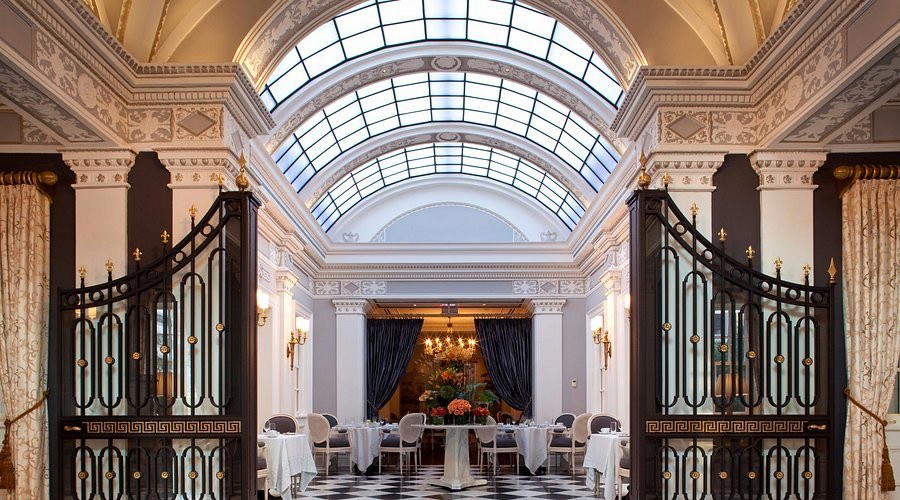
Elegant and timeless atmosphere in a beautifully restored Victorian space with gilded mirrors, Italian marble fireplaces, and crystal chandeliers, ideal for romantic dinners.