The Tavern at The Henley Park
The Tavern at The Henley Park sits inside one of Washington's historic Tudor-style hotels on Massachusetts Avenue NW, placing it within a neighbourhood corridor where architecture and dining have long carried equal weight. The kitchen operates within a tradition of hotel dining that leans on regional sourcing and seasonal rotation, positioning it as a measured alternative to D.C.'s more overtly ambitious tasting-menu circuit.
Pearl is the En Primeur Club membership app — saves, bookings, and concierge access live there. Same editors, same standards.
- Address
- 926 Massachusetts Ave NW, Washington, DC 20001
- Phone
- +12024140500
- Website
- henleypark.com
- Directions
- Get directions
 Saves & bookings on Pearl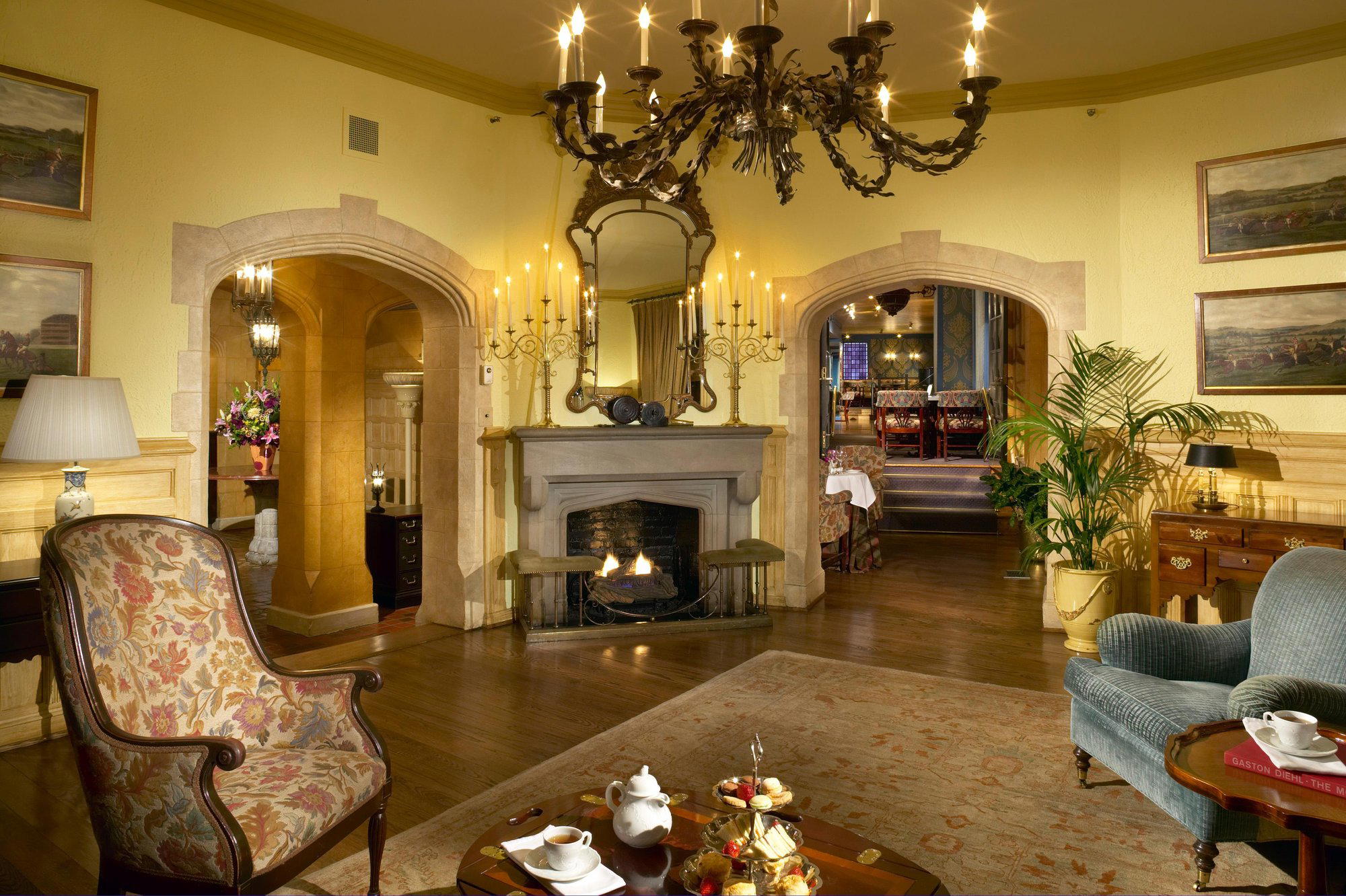
Massachusetts Avenue and the Hotel Dining Tradition
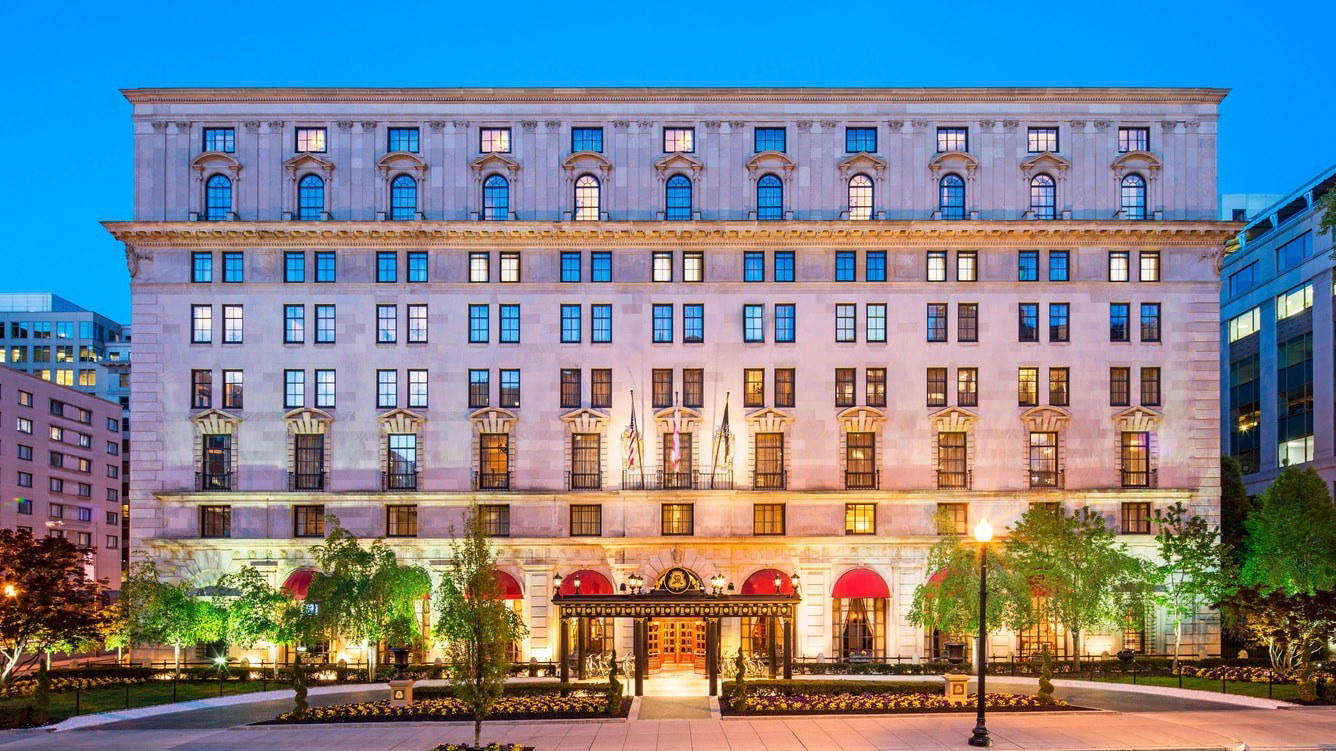
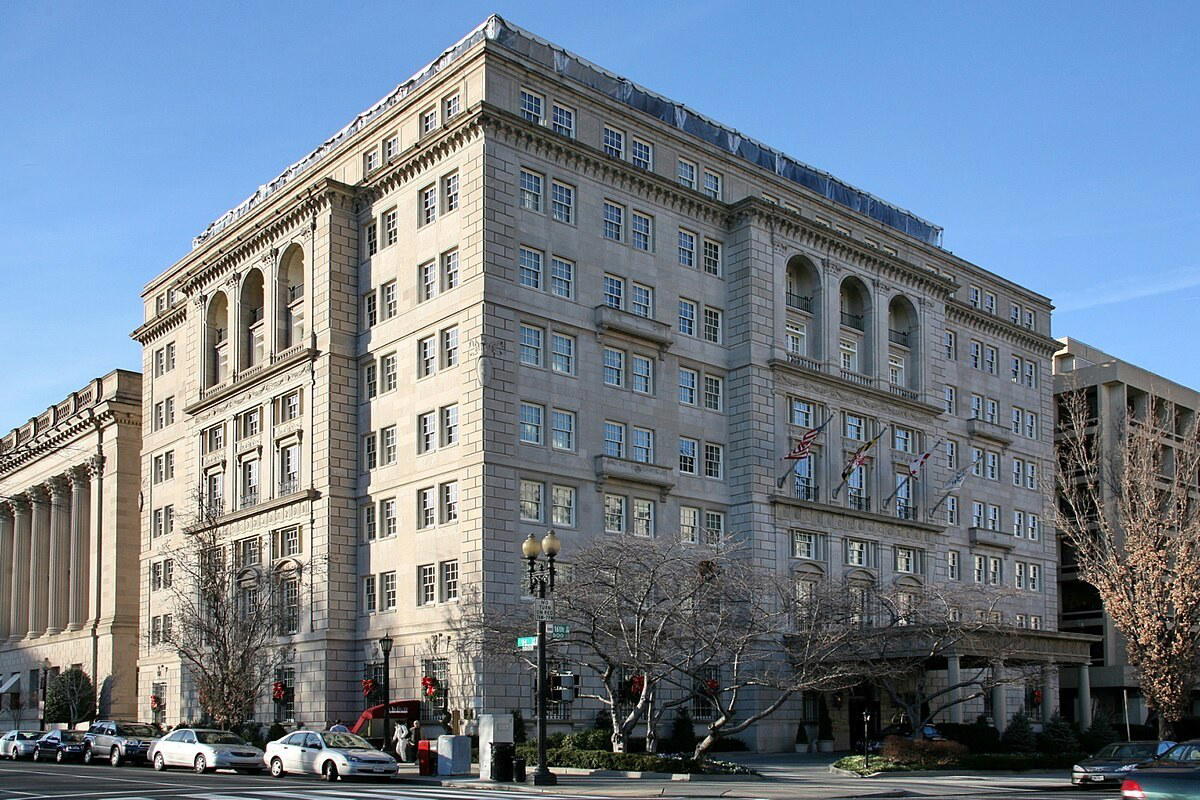
Washington's Massachusetts Avenue corridor carries a particular kind of institutional gravity. The avenue runs northwest from Mount Vernon Square through the diplomatic quarter, flanked by embassies, historic row houses, and a handful of hotels that predate the city's current restaurant moment by several decades. The Henley Park Hotel, at 926 Massachusetts Ave NW, belongs to that older fabric: a Tudor-style brick building. The Tavern at The Henley Park is the dining room inside it, and the room itself sets expectations before a single dish arrives.
Hotel dining in American cities occupies a complicated position. At one end, you have destination restaurants that happen to sit inside hotels, operating with fully independent kitchen programs and their own reservation cultures. At the other, you have lobby dining that serves a captive audience of guests who don't want to venture out. The Tavern sits closer to the former orientation than the latter, drawing neighborhood regulars and visitors who aren't staying at the property.
Sourcing and Seasonality in a City That Has Finally Caught Up
Washington, D.C.'s restaurant transformation over the past fifteen years has been well documented. The city that once leaned on expense-account steakhouses and power-lunch institutions now sustains a genuinely varied dining culture, with sourcing-conscious kitchens spread across multiple neighbourhoods. That shift has pulled hotel dining along with it. Restaurants that once operated in isolation from the city's evolving food culture now participate in the same regional sourcing networks, seasonal menu rotations, and waste-reduction frameworks that define the more progressive end of the American dining scene.
The sustainability angle in D.C. dining is not purely ideological. The Mid-Atlantic region gives kitchens real material to work with: Chesapeake Bay seafood, Shenandoah Valley produce and livestock, Virginia wine, and a growing infrastructure of regional distributors who bridge farm and restaurant. A dining room on Massachusetts Avenue in 2024 has access to the same regional supply chain as the more celebrated kitchens further into the city. What differentiates them is how systematically they use it and whether seasonal sourcing shapes the menu structure.
For a point of comparison, Oyster Oyster in D.C. works at the $$$ tier. Causa works within a Peruvian framework at the $$$$ tier, connecting Mid-Atlantic produce to South American technique. Albi takes a similar price position with Middle Eastern references. The Tavern's competitive set is less clearly defined than these, which is itself a useful piece of information: it operates more as a neighbourhood anchor than a cuisine-category statement.
The Room and What It Signals
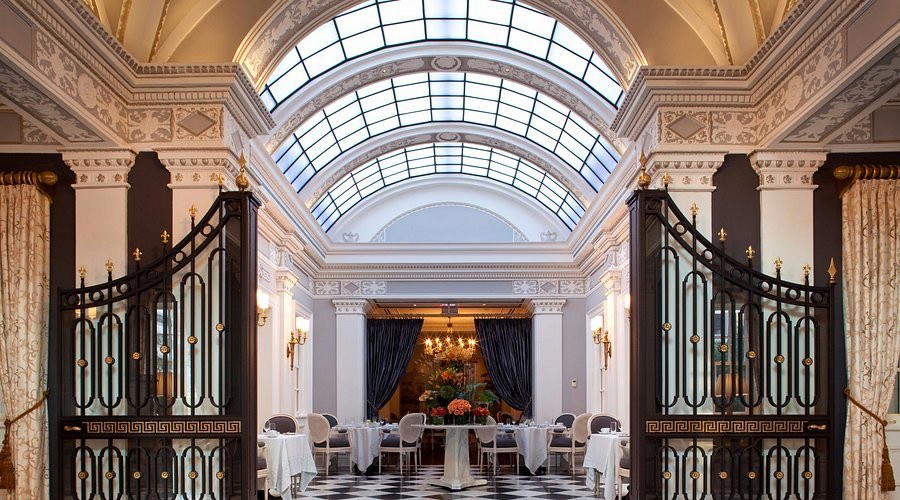
The physical environment of a Tudor-style hotel dining room in this part of Washington carries a specific set of associations: dark wood, stained glass, a certain quietness that functions as relief from the more deliberately designed rooms of the current restaurant wave. That atmosphere suits a particular kind of meal. It is not the right room for the high-wire technique of minibar or the contemporary precision of Jônt, both of which operate in a completely different register. What it offers is a dining environment with genuine architectural character that doesn't require the kitchen to compensate with theatrical plating or conceptual framing.
That distinction matters when thinking about where The Tavern fits in Washington's broader dining picture. The city's most ambitious kitchens, including Jônt and the tasting-menu tier generally, ask diners to commit two to three hours to an experience that foregrounds the kitchen's point of view. The Tavern operates in a register where the room does more of the work, and the kitchen's job is to support rather than dominate the occasion.
Hotel Dining in the National Context
Nationally, hotel restaurants have followed divergent trajectories. Some have become particularly talked-about addresses in their cities, operating with the same ambition and credential structure as independent restaurants. Nationally, properties like The Inn at Little Washington in Virginia demonstrate what hotel dining can achieve at the highest level. Others, like the dining programs at boutique independents in the thirty-to-eighty room range, serve a different function: they anchor the property as a neighbourhood participant rather than a destination in isolation.
For comparable examples of how American hotel dining operates at different scale and ambition levels, Single Thread Farm in Healdsburg and Addison in San Diego represent what the format can sustain. Blue Hill at Stone Barns in Tarrytown has established a specific template for farm-integrated hotel dining that other properties have studied closely. The Tavern operates at a different point on that spectrum, closer to neighborhood integration than destination programming.
Internationally, the contrast is equally instructive. 8 1/2 Otto e Mezzo Bombana in Hong Kong represents hotel-adjacent fine dining at a Michelin-decorated level that has little equivalent in D.C.'s mid-tier hotel segment. Le Bernardin in New York City and Providence in Los Angeles define what independent restaurants with serious credentials look like in the American context. The Tavern is not competing in that tier, and understanding that clearly helps set the right expectations before booking.
Planning Your Visit
The Tavern at The Henley Park is located at 926 Massachusetts Ave NW, Washington, DC 20001. Massachusetts Avenue is walkable from the Penn Quarter and Shaw neighbourhoods.
Logistics Comparison: Massachusetts Ave Corridor and Nearby Alternatives
| Venue | Cuisine Focus | Price Tier | Format |
|---|---|---|---|
| The Tavern at The Henley Park | Classic American with Modern Influences | $$$ | Full-service dining room |
| Oyster Oyster | New American, Vegetarian | $$$ | Plant-forward, tasting format |
| Causa | Peruvian | $$$$ | à la carte and tasting |
| Albi | Middle Eastern | $$$$ | Mezze and sharing plates |
| Jônt | Modern French / Contemporary | $$$$ | Counter tasting menu |
Price Lens
Comparable venues nearby, for context on price, style, and recognition.
| Venue | Price | Notes |
|---|---|---|
| The Tavern at The Henley ParkThis venue — the venue you are viewing | $$$ | Not listed |
| Dovetail | $$$ | Logan Circle, Modern Mid-Atlantic American |
| Fireclay | $$$ | East End, Contemporary American Open-Fire |
| Sonoma | $$$ | The Capitol Grounds, New American Wine Bar |
| Flavorture | $$$ | Woodley Park, Polished American Soul Food |
| Jackie | $$$ | Near Southeast, Contemporary American Bistro |
Continue exploring
More in Washington DC
Restaurants in Washington DC
Browse all →
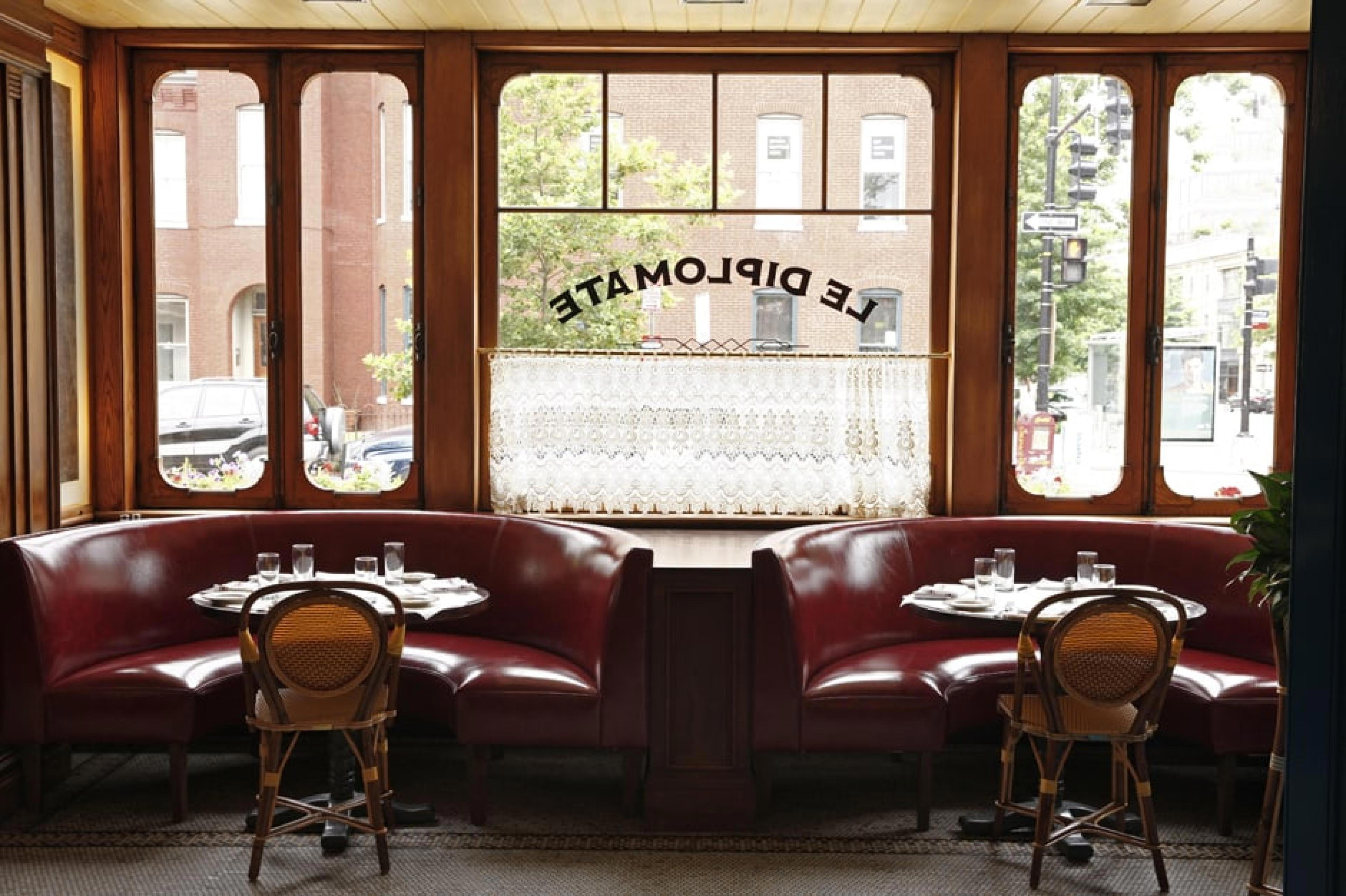
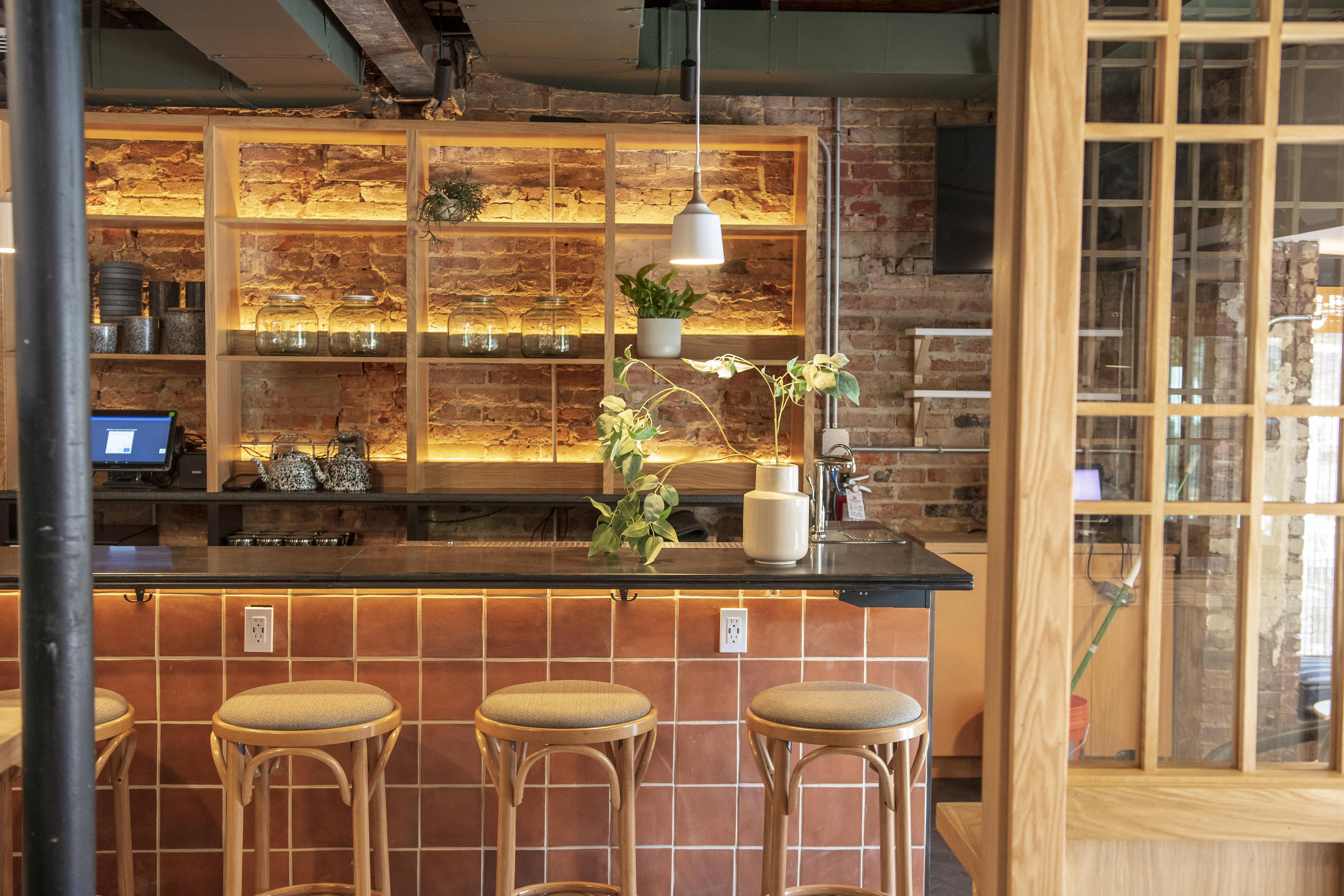
Bars in Washington DC
Browse all →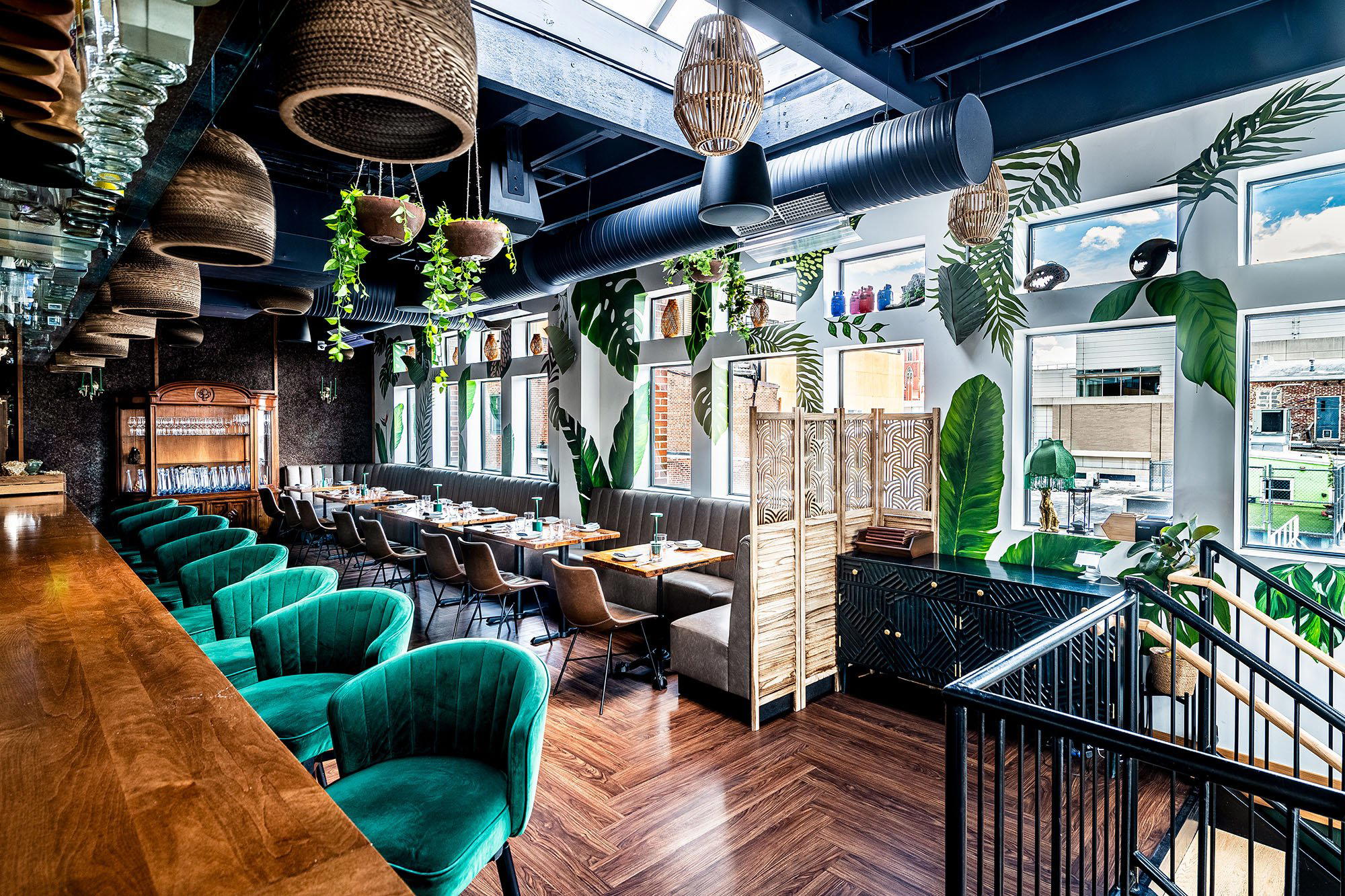
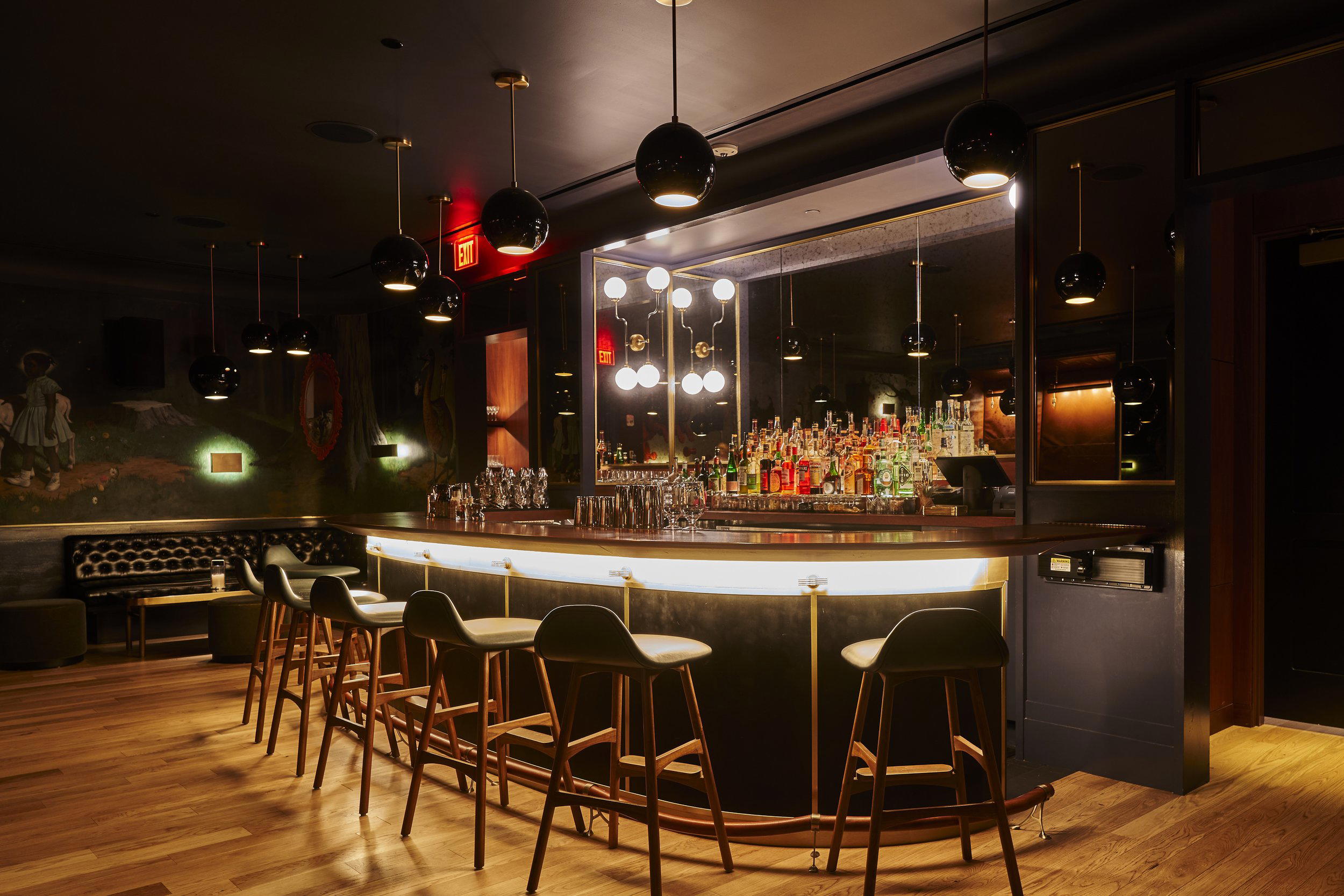
Hotels in Washington DC
Browse all →
At a Glance
- Elegant
- Classic
- Romantic
- Quiet
- Date Night
- Business Dinner
- Special Occasion
- Brunch
- Private Event
- Private Dining
- Historic Building
- Hotel Restaurant
- Craft Cocktails
- Beer Program
- Extensive Wine List
- Local Sourcing
Current opening hours
- Monday
- 7–10:30 AM, 11:30 AM–2:30 PM, 3–10 PM
- Tuesday
- 7–10:30 AM, 11:30 AM–2:30 PM, 3–10 PM
- Wednesday
- 7–10:30 AM, 11:30 AM–2:30 PM, 3–10 PM
- Thursday
- 7–10:30 AM, 11:30 AM–2:30 PM, 3–10 PM
- Friday
- 7–10:30 AM, 12–4 PM, 5–10 PM
- Saturday
- 7–10:30 AM, 12–4 PM, 5–10 PM
- Sunday
- 7–10:30 AM, 12–4 PM, 5–10 PM
Hours can change for holidays and private events. Last verified .
Elegant and peaceful with old-world charm, featuring a skylight atrium, ornate chandeliers, natural brick accents, and a fireplace in the Wilkes Room; described by guests as quiet, gracious, and beautifully appointed.