Lincoln
Lincoln occupies a considered position in Washington, D.C.'s dining scene, situated at 1110 Vermont Ave NW near the corridors of McPherson Square. With a name that anchors it to the city's political and historical character, the restaurant draws on D.C.'s growing appetite for dining that connects sourcing, season, and place. It belongs to a tier of restaurants where the supply chain is as deliberate as the menu.
- Address
- 1110 Vermont Ave NW, Washington, DC 20005
- Phone
- +12023869200
- Website
- lincolnrestaurant-dc.com
- Directions
- Get directions
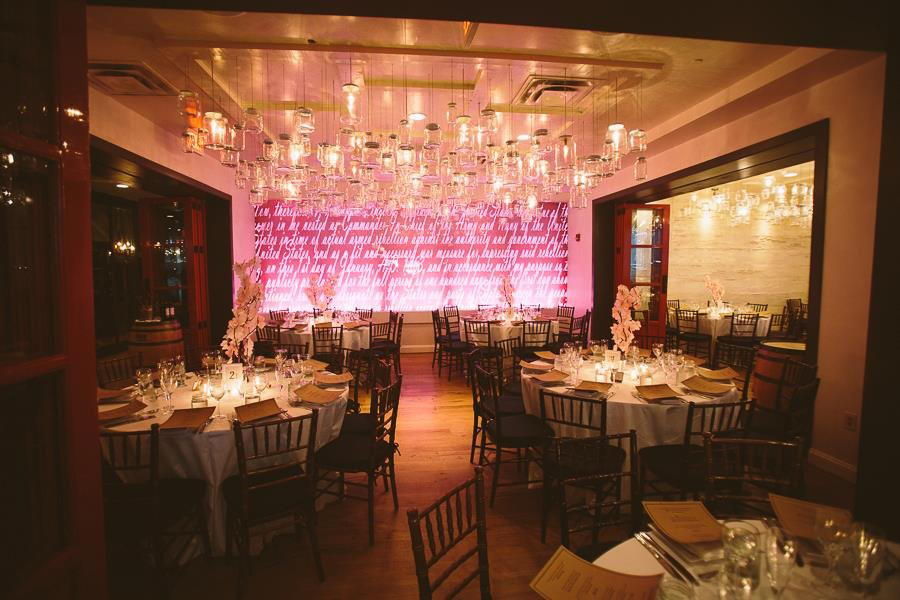
Where a City's Conscience Meets Its Appetite
Vermont Avenue NW runs through a part of Washington, D.C. that feels simultaneously civic and transient: office buildings shade the sidewalks, K Street is a short walk south, and McPherson Square anchors a neighborhood that empties on weekends but fills with intention on weekday evenings. Restaurants that succeed here do so not on foot traffic or tourism but on repeat business from a clientele that eats out because it means something to them. Lincoln, at 1110 Vermont Ave NW, occupies exactly that kind of address.
The name carries weight in this city. Abraham Lincoln's presidency reshaped the American political and moral order, and a restaurant bearing that name in Washington, D.C. is either trading on proximity to history or making a genuine claim to values that outlast a menu cycle. The more interesting restaurants in D.C. tend to do the latter, and Lincoln belongs to a generation of American dining rooms where the sourcing decisions, waste philosophy, and producer relationships are considered as carefully as the plate composition.
The Sustainability Turn in American Fine Dining
Across the American fine dining tier, environmental sourcing has shifted from marketing footnote to operational core. Restaurants like Blue Hill at Stone Barns in Tarrytown built their entire identity around farm-to-table traceability before the phrase became a cliché. Single Thread Farm in Healdsburg manages its own farm to control not just what arrives in the kitchen but how it is grown. In San Francisco, Lazy Bear has built a communal-format dining experience that treats producer relationships as a narrative element of each meal. These are not outliers; they represent a structural shift in how American restaurants with serious intentions operate.
Washington, D.C. is not a city typically associated with agrarian romanticism, but its restaurant scene has developed its own version of ethical sourcing consciousness. The mid-Atlantic growing region, with Virginia farms and Chesapeake Bay producers within close range, gives D.C. chefs access to a supply chain that restaurants in denser urban cores envy. Oyster Oyster, one of D.C.'s most discussed sustainability-forward restaurants, built a plant-forward format around hyperlocal sourcing and a no-waste kitchen philosophy at the $$$ price point. Causa approaches the same question from a Peruvian framework, drawing on a culinary tradition rooted in biodiversity and ingredient integrity. Lincoln enters this conversation from a distinctly American angle, using its name and address to stake a claim to the civic dimensions of what it means to eat consciously in this city.
D.C.'s Fine Dining comparable set
The Washington, D.C. fine dining market has matured considerably over the past decade. The city now sustains a tier of restaurants whose ambitions, price points, and sourcing standards place them in direct comparison with equivalent tables in New York, Chicago, and Los Angeles. Jônt operates a modern French format with contemporary Japanese influence at the tasting menu level. minibar, José Andrés's molecular format, has held its position as one of the city's most technically ambitious rooms for years. Albi works Middle Eastern flavors through a $$$$ lens with a sourcing approach that reflects the same producer-conscious thinking shaping the broader market.
Beyond D.C. the national context includes rooms like Alinea in Chicago, Le Bernardin in New York City, Providence in Los Angeles, and Addison in San Diego, all of which operate in a tier where ingredient sourcing, kitchen waste protocols, and supplier relationships are as legible to the diner as the menu format itself. The French Laundry in Napa maintains its own gardens. The Inn at Little Washington, Patrick O'Connell's Virginia property, has operated farm relationships for decades. Lincoln's position in this national conversation is shaped by its commitment to the same foundational question: where does the food come from, and at what cost to the systems that produce it?
Reading the Address
1110 Vermont Ave NW places Lincoln in a part of D.C. that serves a professional, policy-aware clientele. The restaurant's framing around American identity and ethical practice speaks directly to that audience without being didactic about it. This is a city where diners think about systems, and a restaurant that makes its supply chain legible, that treats sourcing as a form of argument rather than decoration, operates on comfortable ground here.
Comparable rooms internationally, from Atomix in New York City to 8 1/2 Otto e Mezzo Bombana in Hong Kong, show how a restaurant's geographic and cultural context shapes the specific version of ethical dining it pursues. In D.C. that version tends toward civic legibility: transparency about origins, alignment with local producers, and menus that change with the seasons rather than defaulting to imports when regional supply runs short.
New Orleans offers a useful contrast point through Emeril's, a restaurant that built its identity around regional Louisiana produce long before sustainability became a fine dining organizing principle. The lesson from Emeril's and from rooms like it is that sourcing integrity is most durable when it reflects genuine regional advantage rather than imported ideology. D.C.'s mid-Atlantic context gives Lincoln access to exactly that kind of advantage.
For readers building a broader D.C. dining itinerary, our full Washington, D.C. restaurants guide maps the city's full range of options across price tiers and cuisine types.
Know Before You Go
Address: 1110 Vermont Ave NW, Washington, DC 20005
Neighborhood: McPherson Square / K Street Corridor
Hours: Verify directly with the restaurant before visiting
Dress Code: Not specified; smart casual is standard for this neighborhood tier
Same-City Peers
Comparable venues nearby, for context on price, style, and recognition.
| Venue | Cuisine | Price | Notes |
|---|---|---|---|
| LincolnThis venue — the venue you are viewing | Modern American Small Plates | $$$ | Not listed |
| VUE Rooftop | Modern American Rooftop | $$$ | East End |
| Kitchen + Kocktails By Kevin Kelley - DC | Polished Southern Soul Food | $$$ | East End |
| Sonoma | New American Wine Bar | $$$ | The Capitol Grounds |
| The Duck & the Peach | Seasonal New American with California & New England influences | $$$ | Capitol Hill |
| Dovetail | Modern Mid-Atlantic American | $$$ | Logan Circle |
Continue exploring
More in Washington DC
Restaurants in Washington DC
Browse all →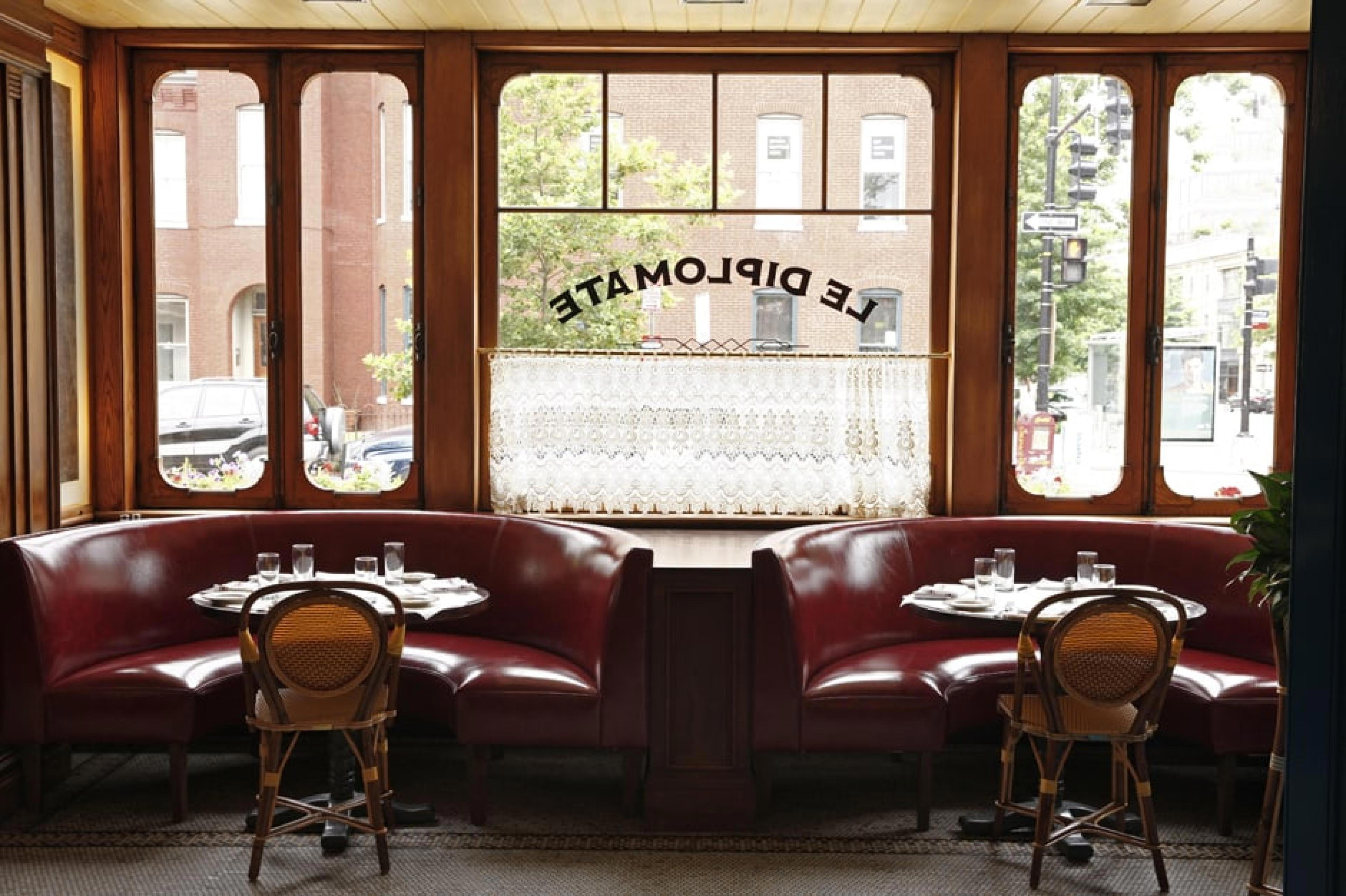
Bars in Washington DC
Browse all →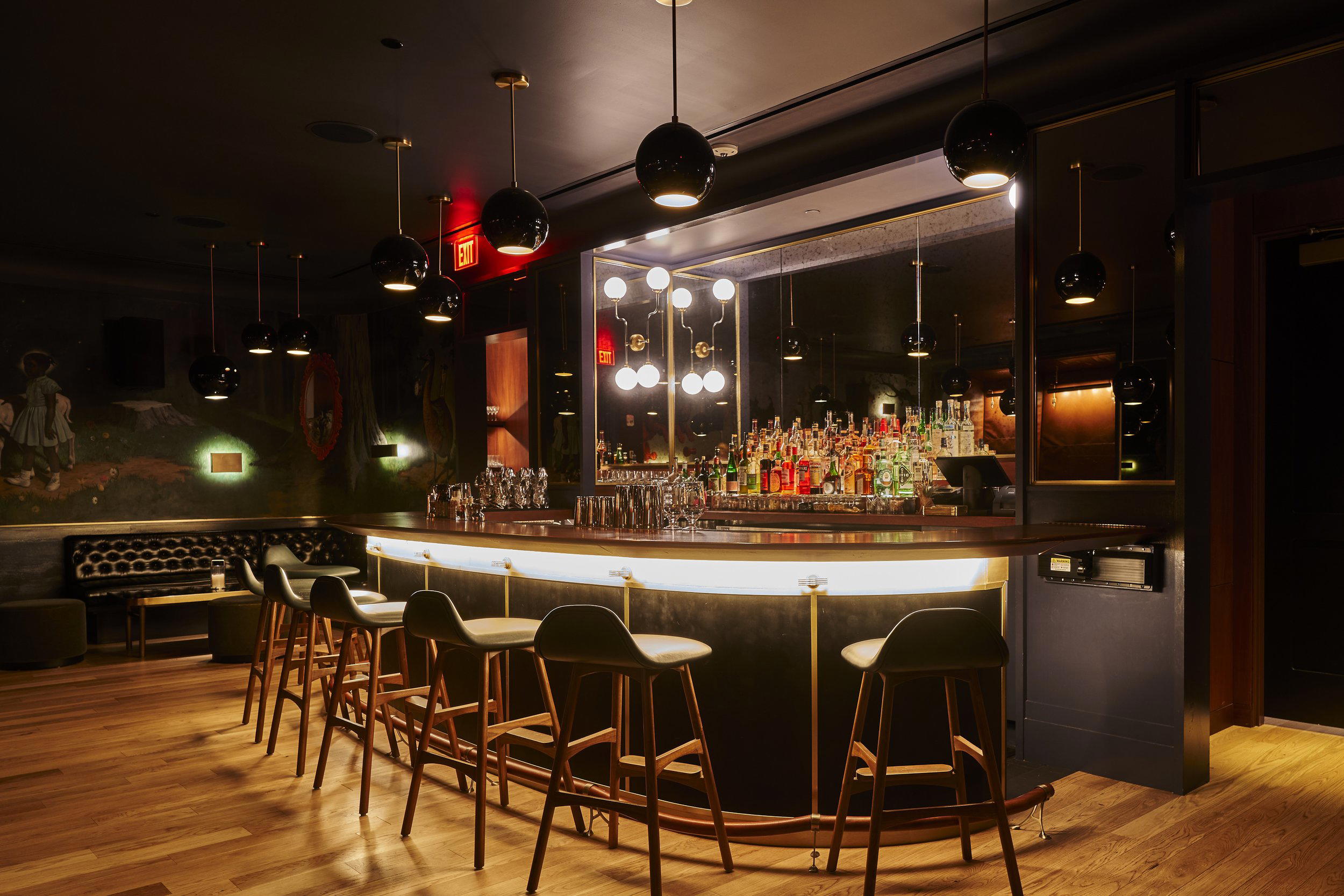
Hotels in Washington DC
Browse all →
At a Glance
- Modern
- Lively
- Elegant
- Date Night
- Business Dinner
- Group Dining
- Brunch
- Open Kitchen
- Craft Cocktails
- Local Sourcing
- Street Scene
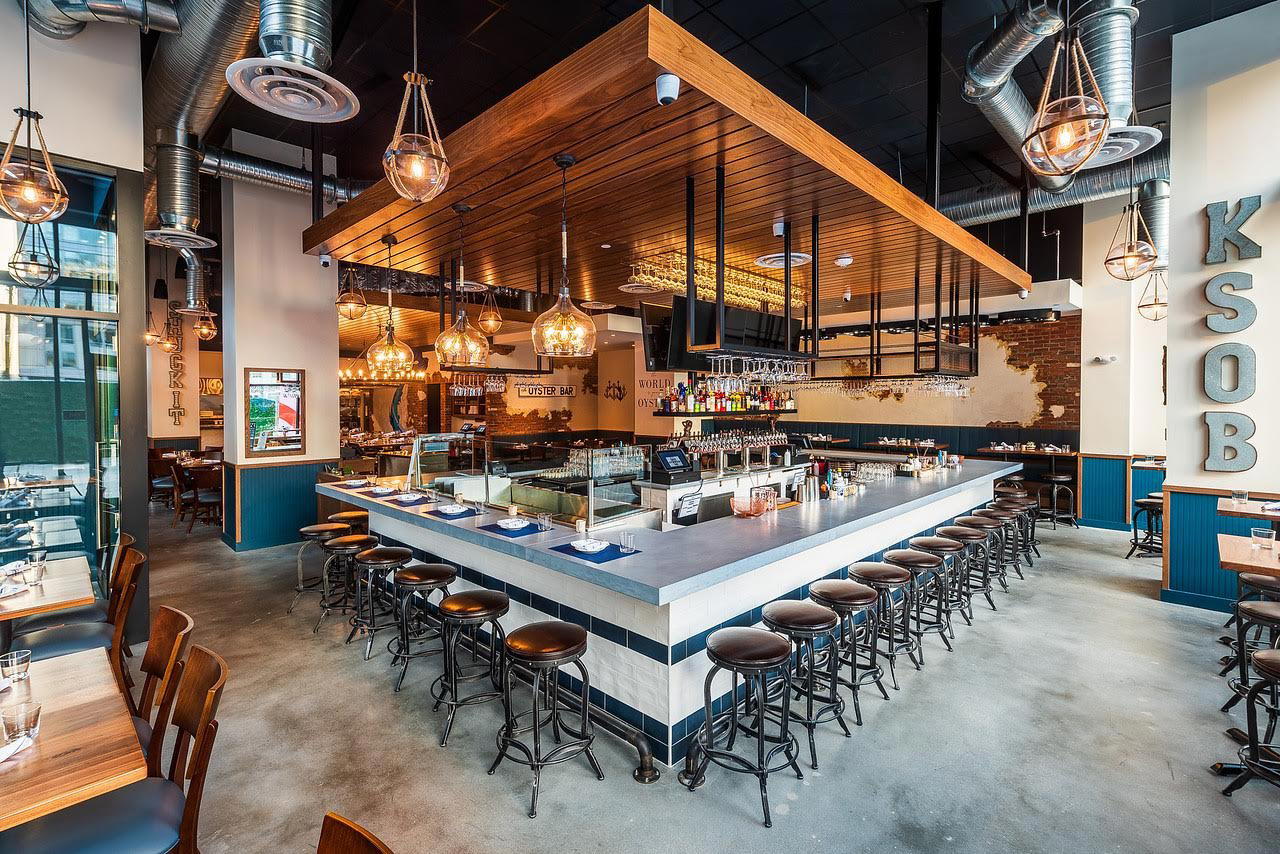
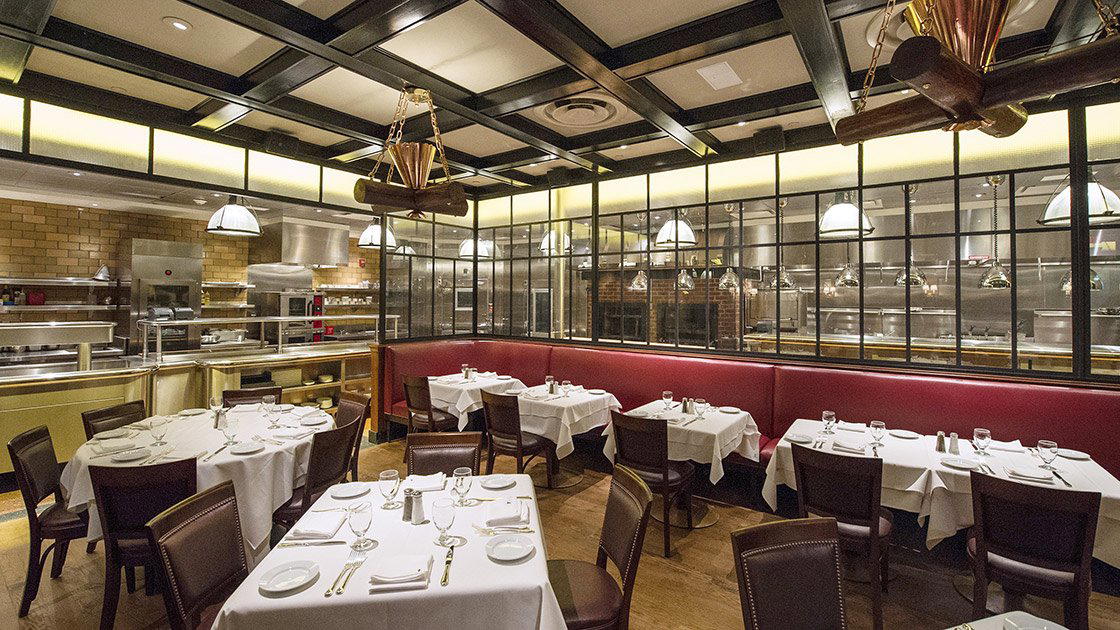
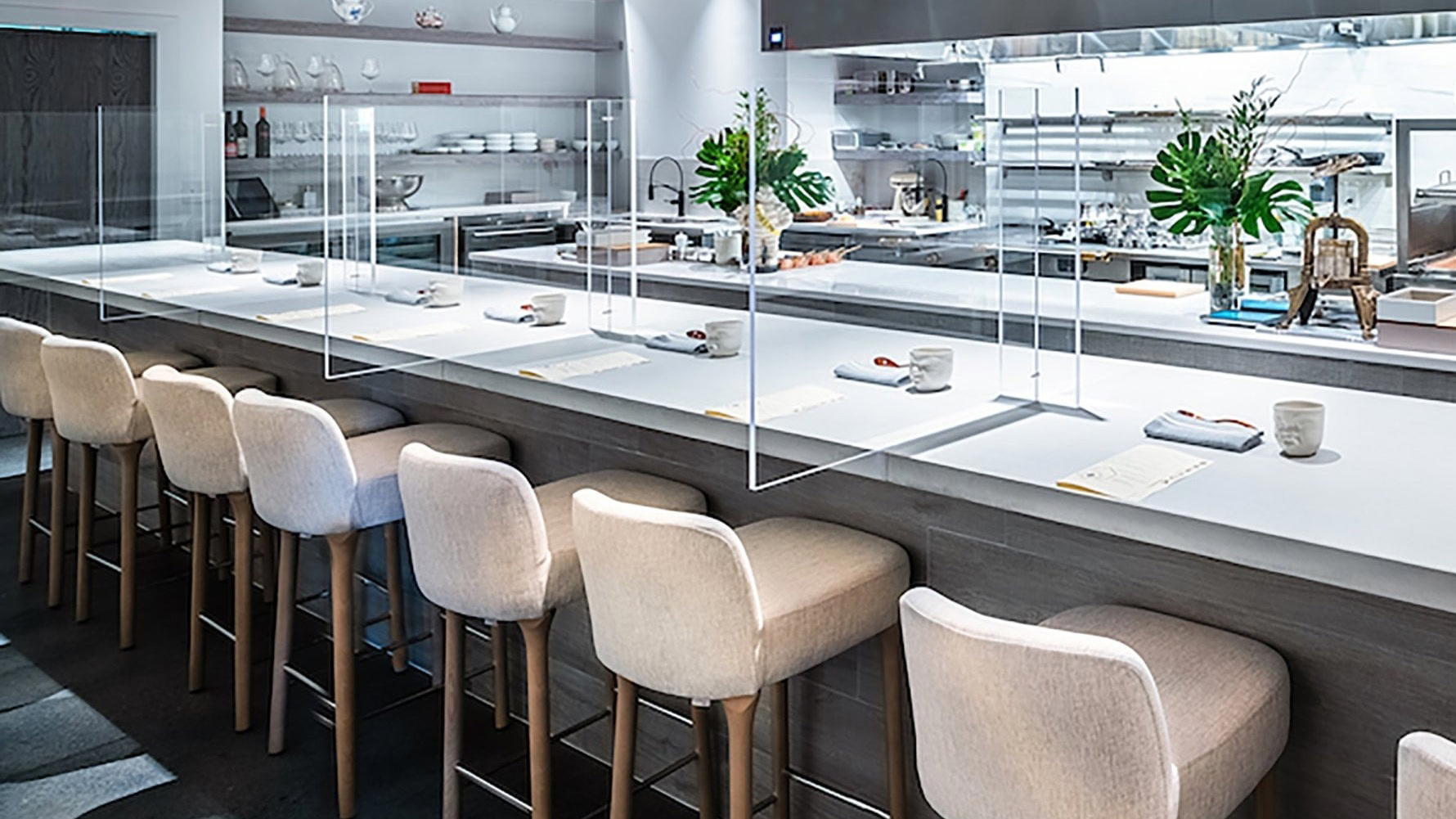
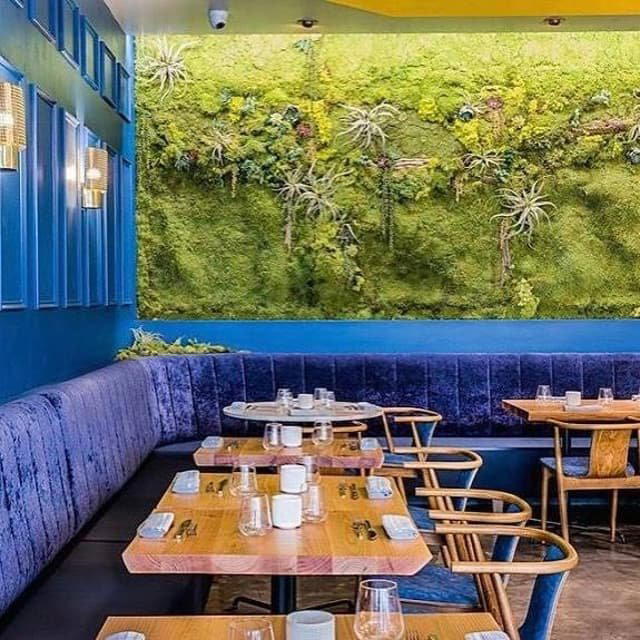
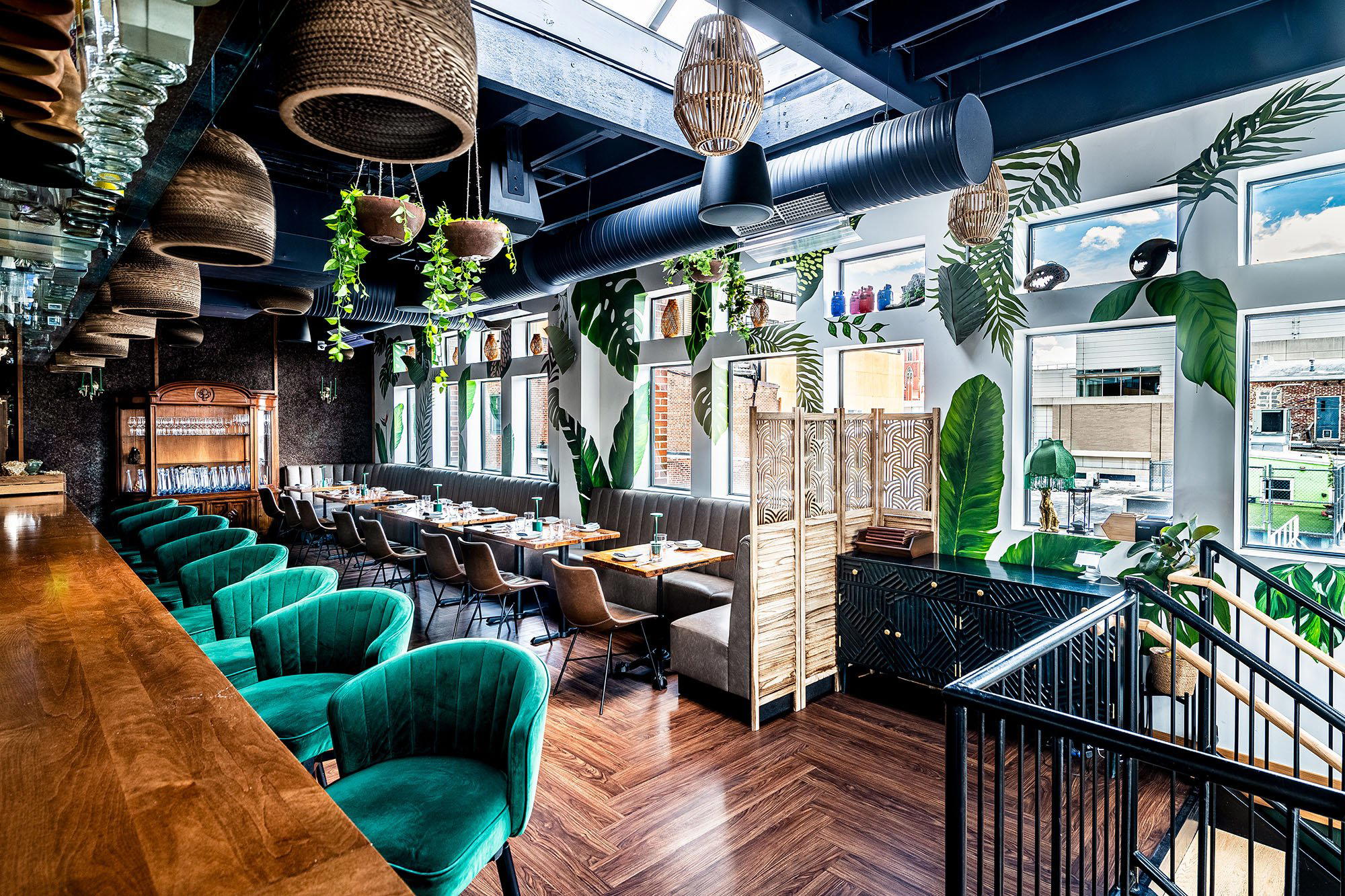
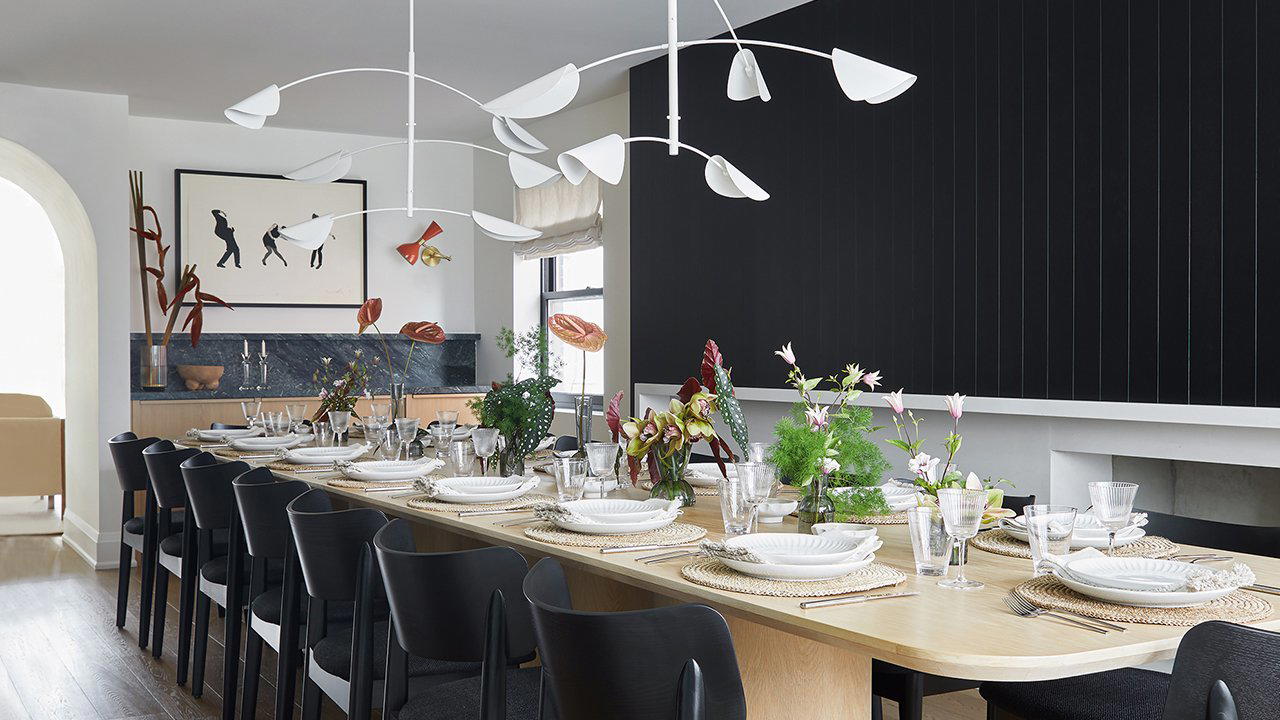
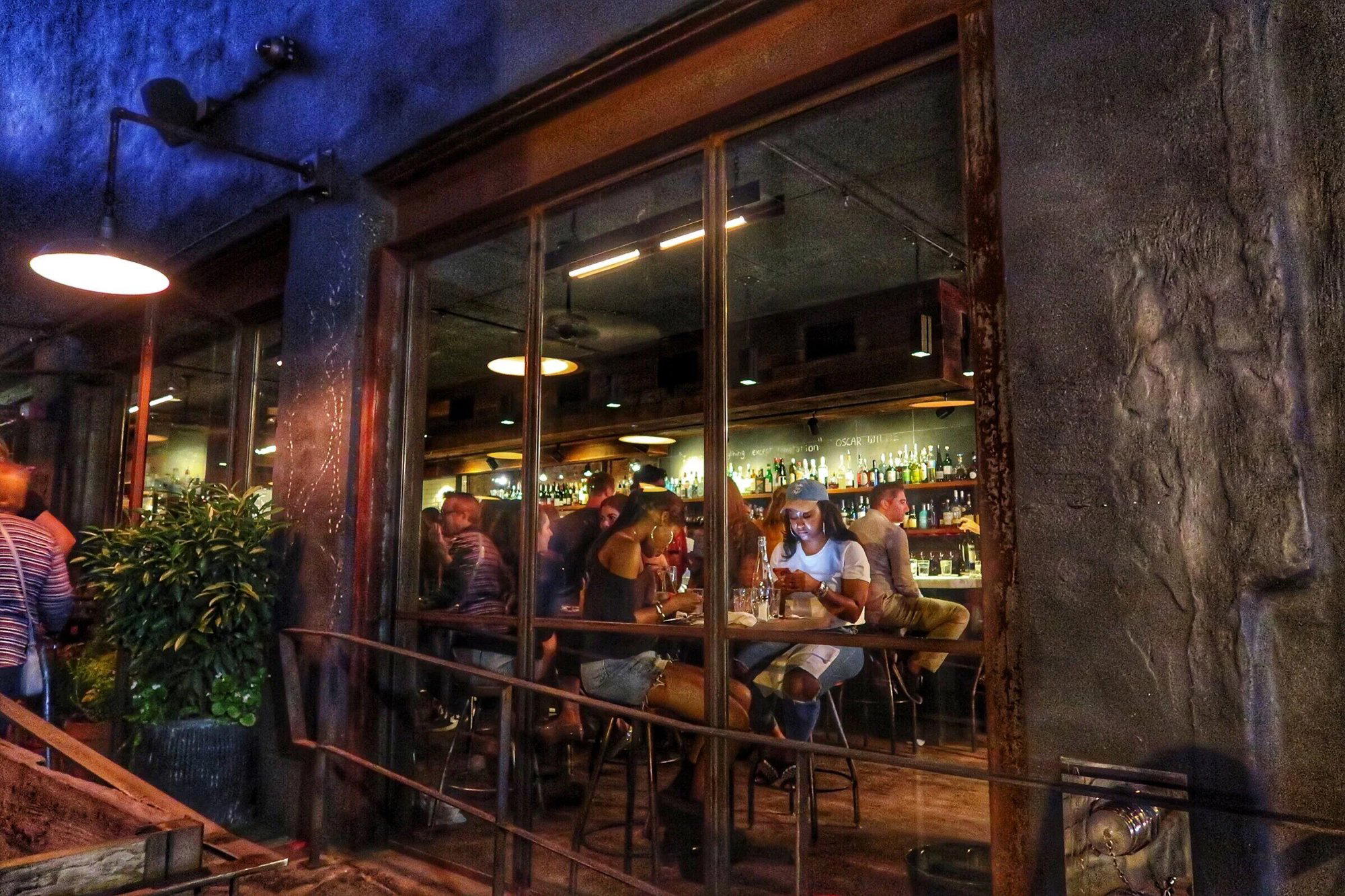
Warm atmosphere with dark wood tables, copper penny accents, original pop art paintings, and soft lighting creating an upscale yet casual feel.