Die Stube by Stube Group occupies a spot in Kemang's evolving dining corridor, where European-inflected formats increasingly meet Indonesian produce and technique. Located in Plaza Bisnis Kemang along Jalan Kemang Raya, the venue sits within a neighbourhood that has long served as Jakarta's testing ground for imported dining concepts grounded in local context.
Pearl is the En Primeur Club membership app — saves, bookings, and concierge access live there. Same editors, same standards.
- Address
- Plaza Bisnis Kemang, Jl. Kemang Raya No.2, RT.14/RW.1, Bangka, Kec. Mampang Prpt., Kota Jakarta Selatan, Daerah Khusus Ibukota Jakarta 12730, Indonesia
- Phone
- +622171793486
- Website
- stube-group.com
- Directions
- Get directions
 Saves & bookings on Pearl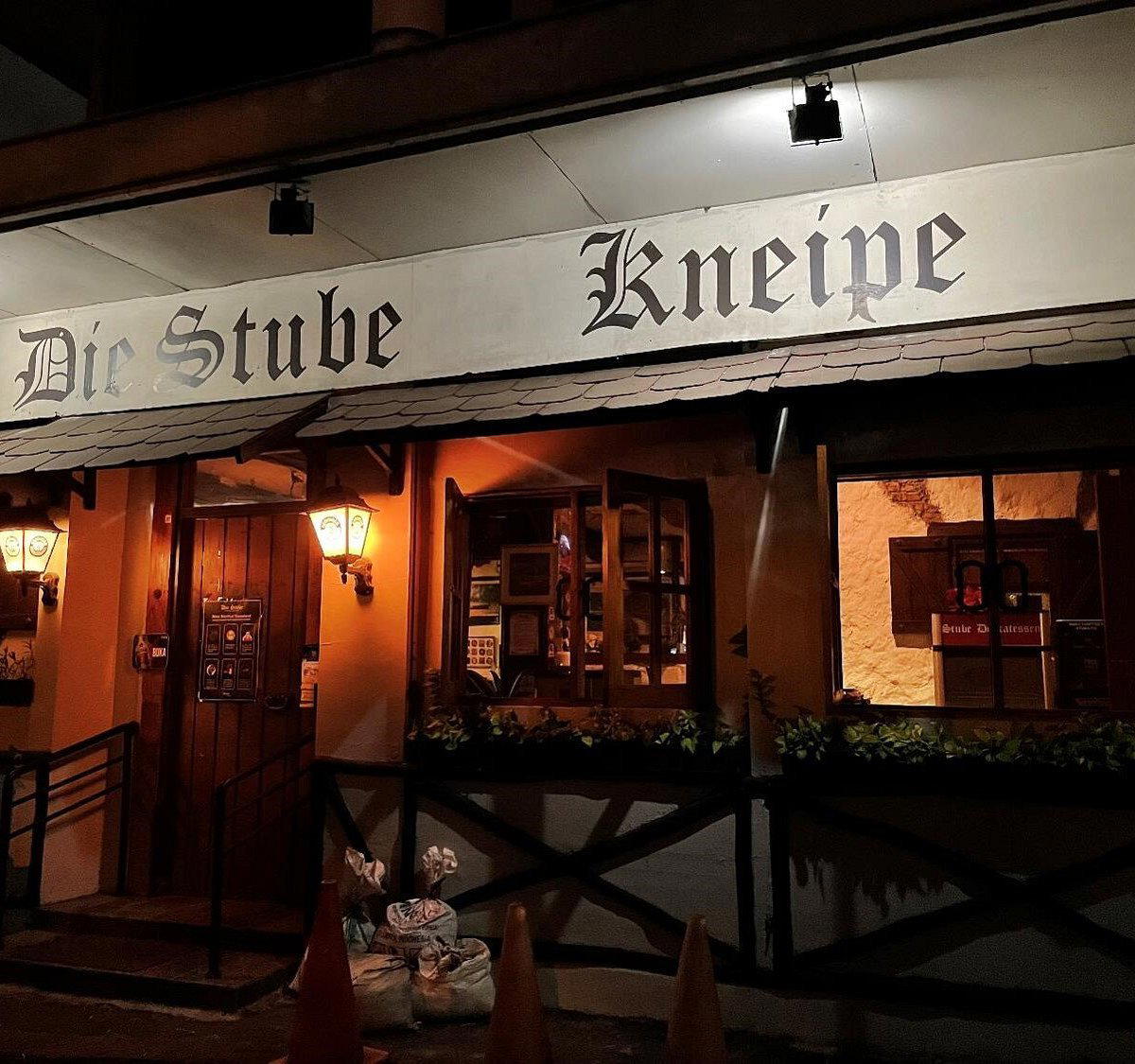
Kemang's European Register and What It Signals
Kemang has functioned for decades as the district where Jakarta's international dining ideas land first. The strip along Jalan Kemang Raya concentrates expat-frequented restaurants, wine bars, and concept venues within a walkable cluster that few other Jakarta neighbourhoods replicate. Die Stube by Stube Group occupies a unit in Plaza Bisnis Kemang at No. 2, South Jakarta, positioning it within that corridor at a point where European-format dining and Indonesian culinary reality increasingly intersect rather than run parallel.
The name itself signals intent. Stube, in German-speaking tradition, refers to a warm, inhabited room, the kind of domestic dining space that prioritises a settled, convivial atmosphere over formal presentation. In a Jakarta context, that register translates into something specific: a push against the city's tendency toward maximalist interiors and voluminous menus, in favour of a more contained, considered format. Whether a venue achieves that is a matter of execution, but the framing alone places Die Stube in a recognisable European lineage that a small cohort of Jakarta restaurants now consciously pursues.
The Local-Ingredients, Global-Technique Question in Jakarta
The conversation about imported culinary methods meeting Indonesian produce has moved well beyond novelty in Indonesia's better restaurants. At Locavore NXT in Ubud and Sarong Bali in Canggu, the integration of archipelago ingredients into European or globally-trained frameworks has become a defining editorial point for critics covering the region. The same pressure is building in Jakarta, where the supply chain for quality local produce has matured enough that serious kitchens can source regionally without significant compromise on consistency.
Kemang-area venues sit inside that broader shift. The district's restaurant density means competition on ingredient sourcing is real: diners who move regularly between venues in the area can detect when a kitchen defaults to imported commodity ingredients versus those engaging with local markets and producers. This is the environment in which a venue named after a European domestic dining tradition needs to make its case, and the tension between that framing and Jakarta's ingredient reality is the more interesting editorial question than any single dish.
For comparison, Aged + Butchered Jakarta takes a narrow, technique-forward position on protein, while Abunawas Restaurant - Kemang Branch works the same Kemang address zone from an Indonesian-cooking-first angle. Die Stube's positioning through the Stube Group name implies something between those poles: a European aesthetic container applied to a menu that, to be credible in this neighbourhood now, needs genuine engagement with what the archipelago produces.
The Stube Group Context and What Group Affiliation Implies
Operating under a group structure carries specific implications for consistency, sourcing scale, and menu discipline. Groups with multiple venues in a single city can negotiate ingredient supply differently than standalone operators, and they tend toward more standardised execution, which in some formats is a strength, in others a compression of the individuality that makes a small venue compelling. The Stube Group affiliation places Die Stube within that broader operational logic, which is worth understanding before booking.
Across the Jakarta dining scene, group-operated concepts have proliferated at the mid-to-upper tier, with Bistecca and August representing different points on the spectrum between independent creative vision and group-backed production. Die Stube sits in the group-backed tier, where the relevant questions for the prospective diner are about format discipline and ingredient commitment rather than the singular chef narrative that drives a standalone kitchen.
Situating Die Stube Against Broader Indonesian Dining Reference Points
Understanding where Die Stube sits requires placing it against the wider Indonesian restaurant context. South Jakarta's European-leaning venues occupy a niche that is growing but still price-sensitive compared to Bali's equivalent tier. Venues like Cuca Restaurant in Badung and Moksa in Bali operate at a price point and with an ingredient narrative that Jakarta's comparable venues have not uniformly matched. The gap is closing, driven partly by Kemang operators who have seen what Bali's dining scene commands from international visitors and are adjusting ambition accordingly.
Globally trained technique applied to Indonesian produce is not, of course, distinctive to this region. Le Bernardin in New York City and Lazy Bear in San Francisco represent mature iterations of that model in markets with decades of fine-dining infrastructure. Jakarta's version is younger and operating in a context where supply chains, diner expectations, and critical vocabulary are all still developing. That developmental stage is part of what makes the Kemang cluster interesting to follow, and Die Stube's European-framed entry into it is a data point in that larger story.
For readers tracking the archipelago's broader dining development, reference points like Rumari in Jimbaran, Kahyangan in Gondangdia, Jungle Fish Bali in Gianyar, and The Legian in Seminyak map a range of approaches to the same question: how to formalise Indonesian hospitality and ingredients inside internationally legible frameworks without erasing the specificity that makes them worth the exercise. CARANO Masakan Padang in Bekasi and Cafe Organic Canggu in Banjar Badung anchor the opposite end: format-light, produce-forward, less concerned with European framing altogether.
Planning a Visit: What to Know Before Going
Die Stube by Stube Group is located at Plaza Bisnis Kemang, Jalan Kemang Raya No. 2, South Jakarta, within the Mampang Praptate district (postcode 12730). The Kemang address puts it in a neighbourhood that is most active in the evenings, when restaurant foot traffic along the Raya corridor peaks and parking in the adjacent plaza becomes the relevant logistical variable. Visitors arriving from Central Jakarta should allow for South Jakarta's evening congestion, which typically extends the travel time from Sudirman or Thamrin by thirty to forty minutes during peak hours.
Reservation is recommended. For similar Kemang-area venues, walk-in availability on weekday evenings tends to be more reliable than weekends, when the corridor draws consistently larger numbers. Bakerzin Central Park represents a contrasting format within the wider Jakarta group-restaurant scene for those interested in exploring beyond Kemang.
Similar Picks
Comparable venues nearby, for context on price, style, and recognition.
| Venue | Cuisine | Price | Notes |
|---|---|---|---|
| Die Stube by Stube GroupThis venue — the venue you are viewing | Traditional German Gastropub | $$ | Not listed |
| Honu Kemang | Hawaiian-Japanese Poke Bowls | $$ | Bangka |
| Canary Restaurant | Indonesian | $$ | Pasar Minggu |
| Kinsuke Ramen | Halal Japanese Ramen | $$ | Pondok Pinang |
| HAI SHIEN FANG | Szechuan Hot Pot | $$ | Golf Island PIK |
| Tide & Table, Restaurant | Modern Seafood | $$$ | Melawai |
At a Glance
- Cozy
- Rustic
- Classic
- Lively
- Group Dining
- Casual Hangout
- After Work
- Late Night
- Live Music
- Private Dining
- Beer Program
Current opening hours
- Monday
- 11 AM–12 AM
- Tuesday
- 11 AM–12 AM
- Wednesday
- 11 AM–12 AM
- Thursday
- 11 AM–12 AM
- Friday
- 11 AM–1 AM
- Saturday
- 11 AM–1 AM
- Sunday
- 11 AM–12 AM
Hours can change for holidays and private events. Last verified .
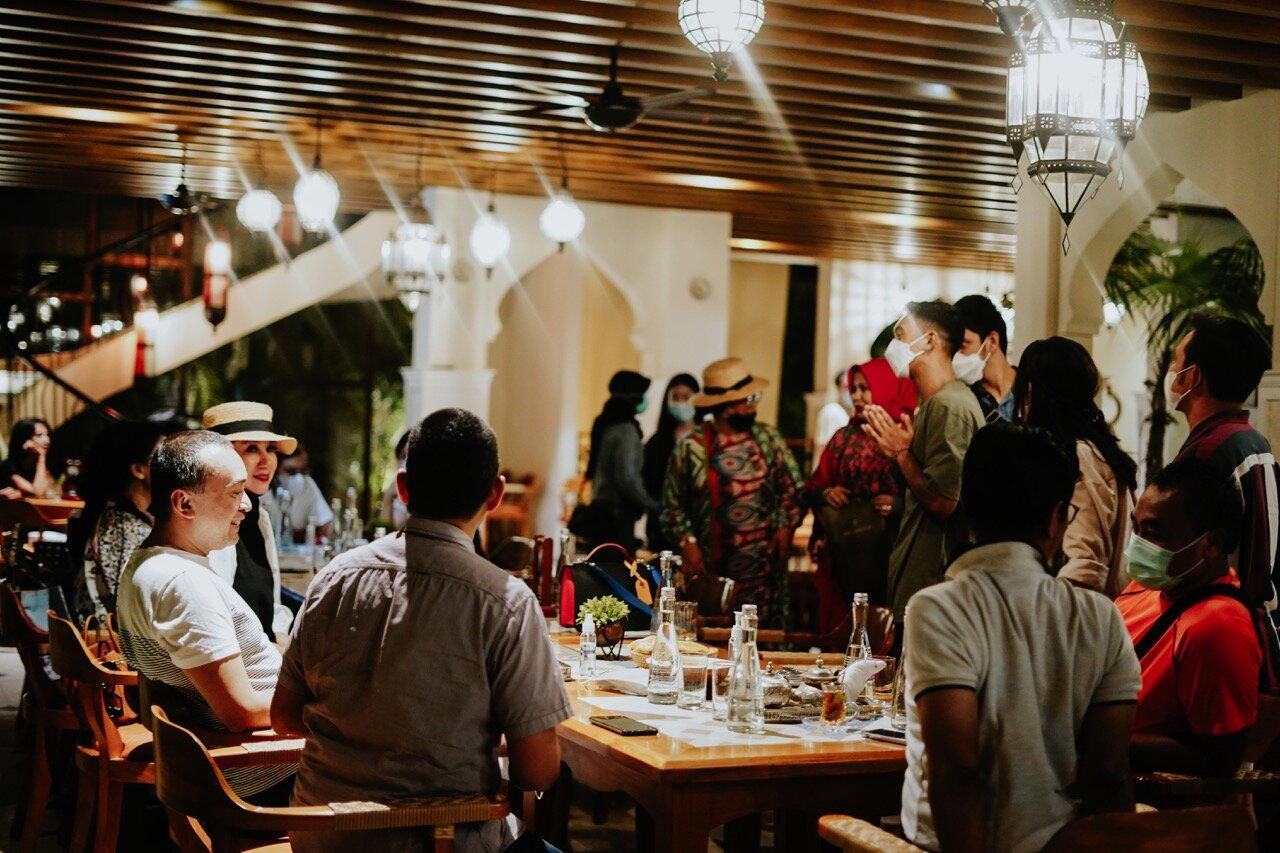
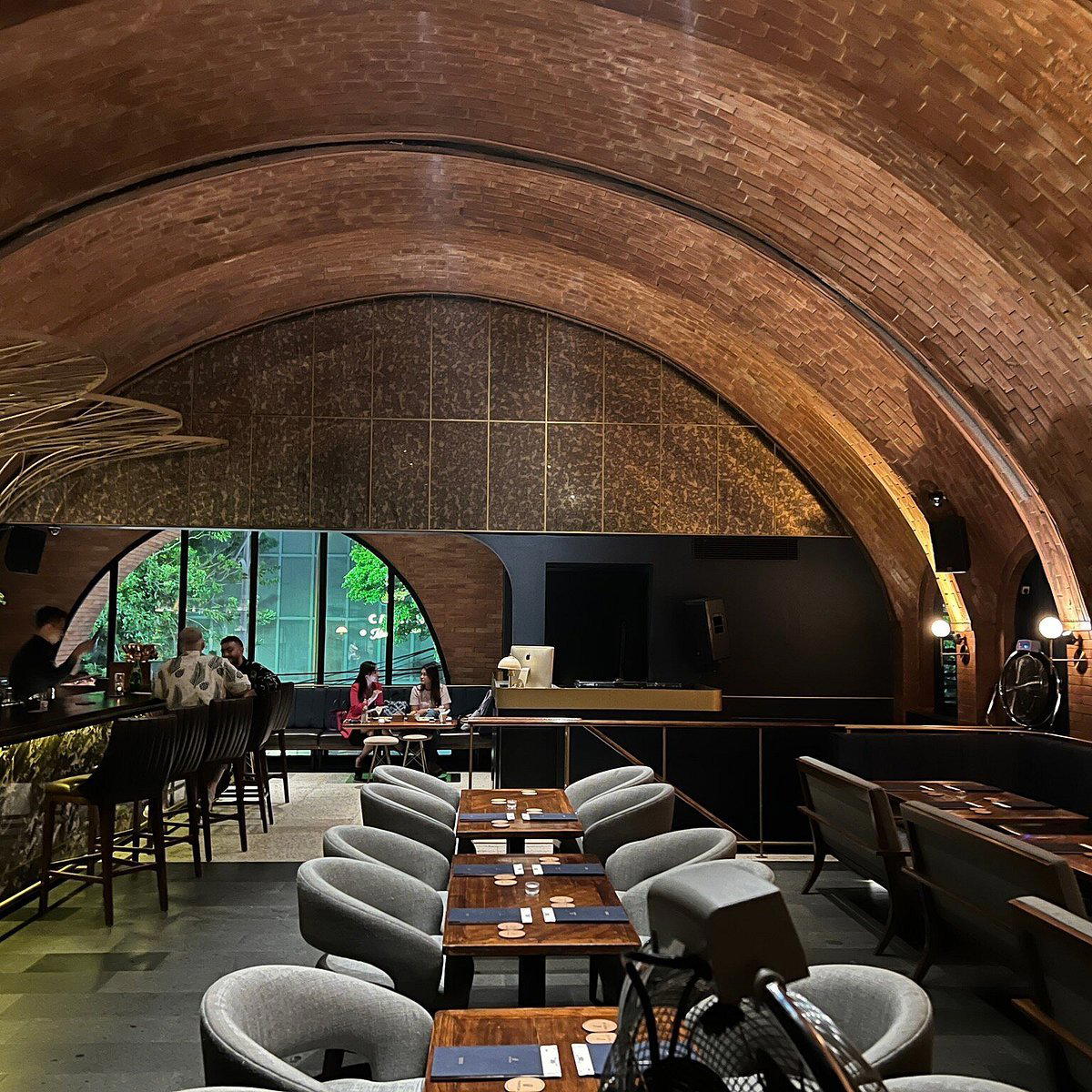
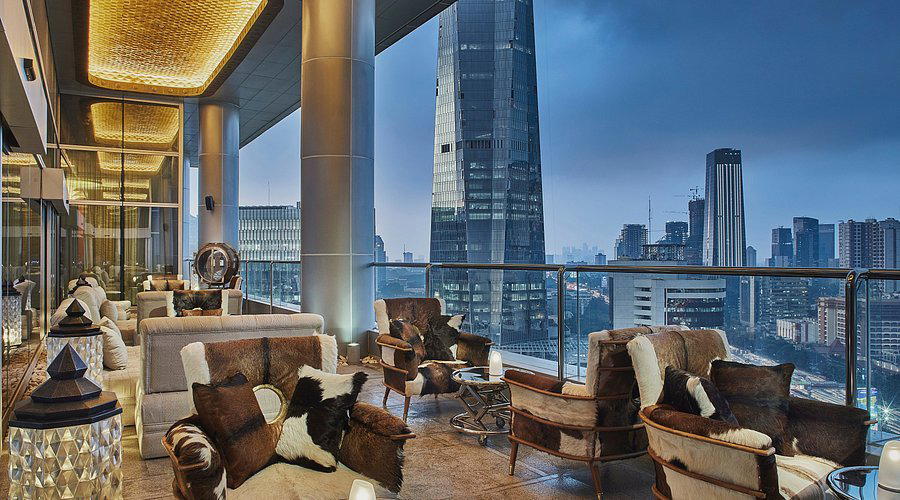
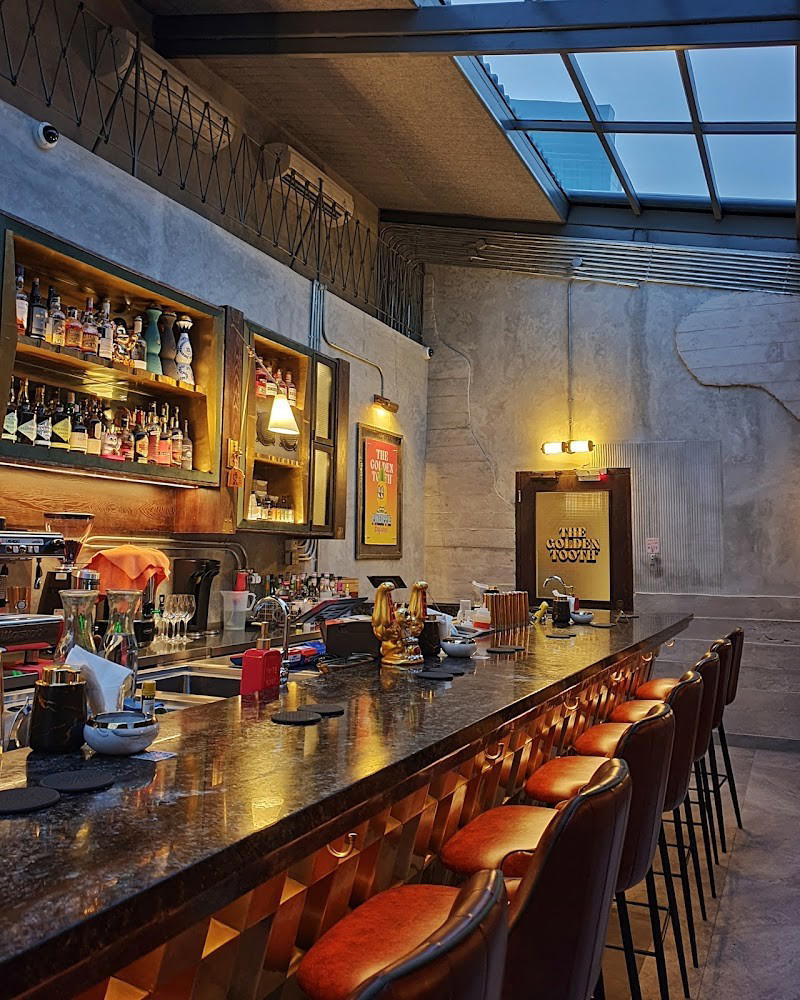
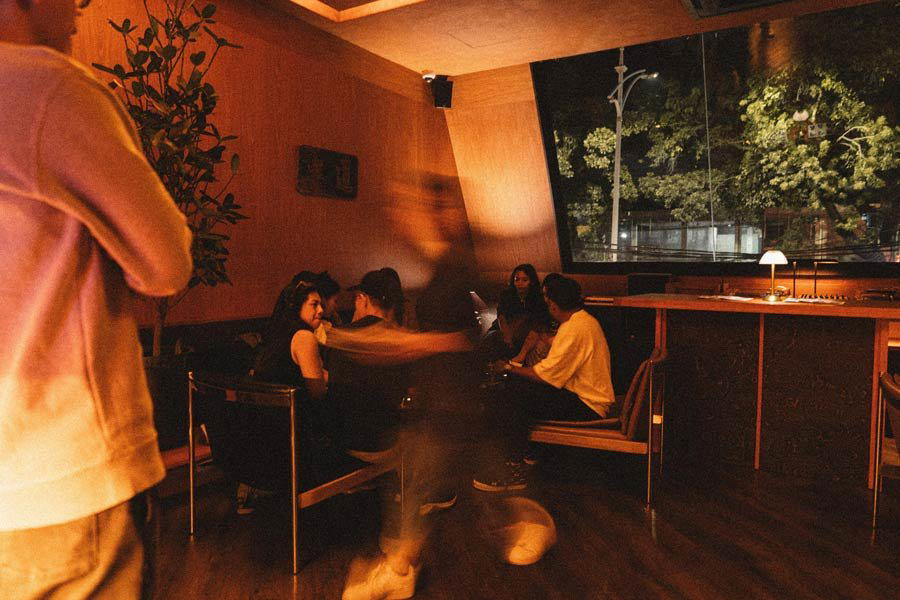
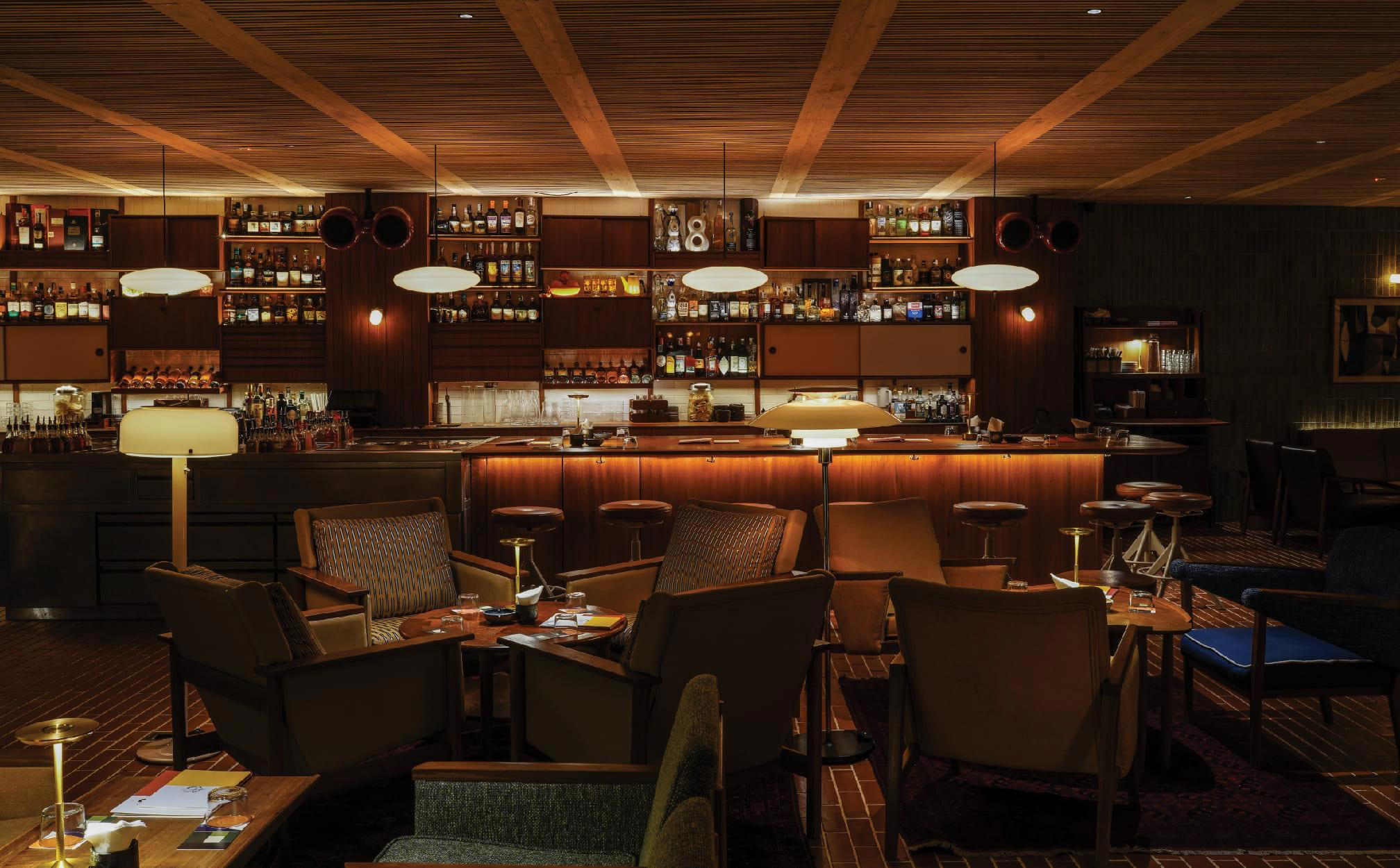
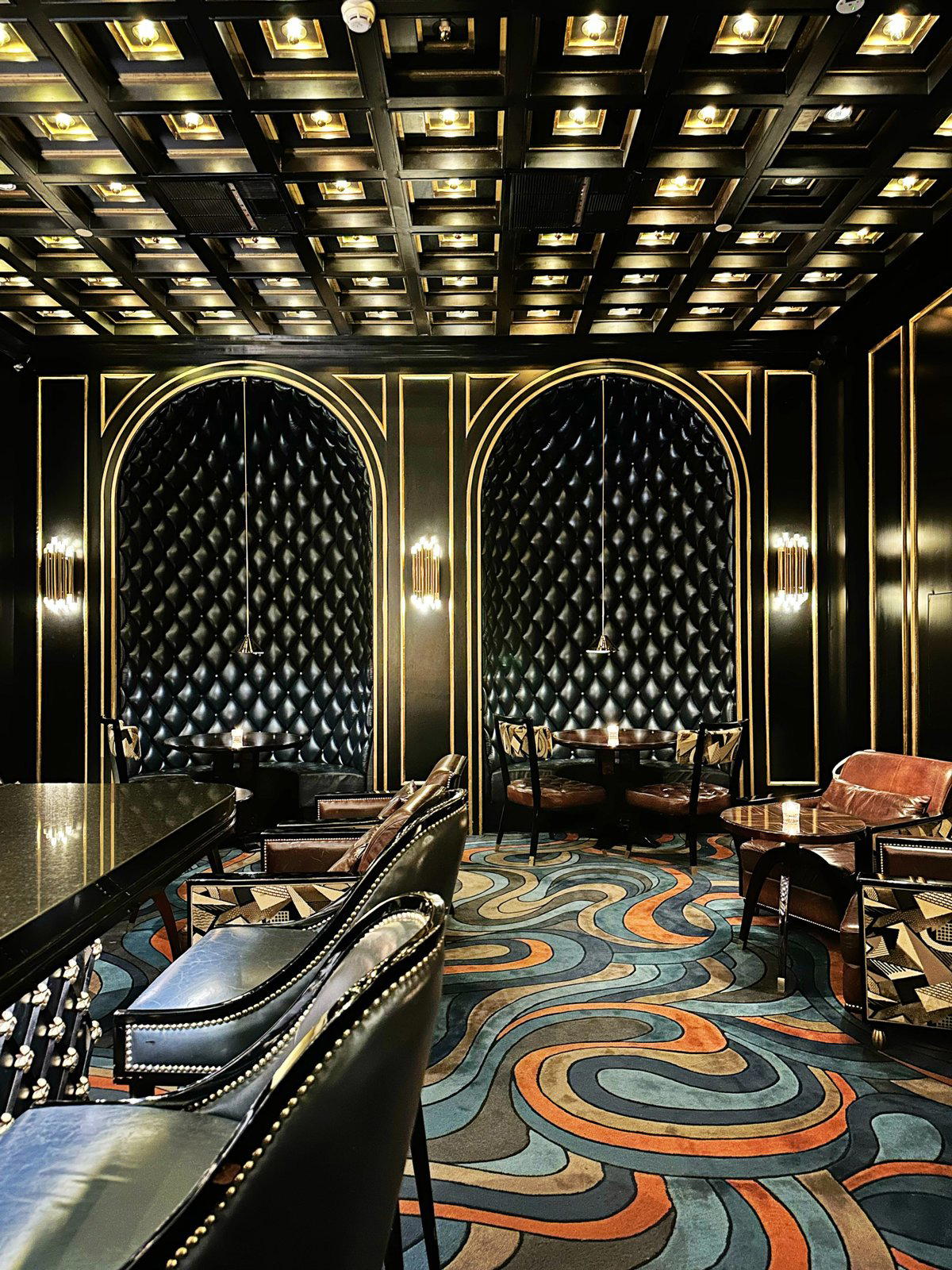
Warm, brick-lined interior with a traditional German aesthetic; cozy and welcoming atmosphere with occasional live music performances.