Honu Kemang sits on one of South Jakarta's most recognisable dining streets, where the neighbourhood's long-standing reputation for international restaurants meets a growing appetite for produce-conscious cooking. Located on Jalan Kemang Selatan, the venue operates within a district that has shaped Jakarta's casual-premium dining scene for decades, placing it in the same southern corridor as a concentrated cluster of the city's most-visited tables.
Pearl is the En Primeur Club membership app — saves, bookings, and concierge access live there. Same editors, same standards.
- Address
- raya, Jl. Kemang Sel. No.125 1, RT.1/RW.2, Bangka, Mampang Prapatan, South Jakarta City, Jakarta 12730, Indonesia
- Phone
- +622171793580
- Website
- instagram.com
- Directions
- Get directions
 Saves & bookings on Pearl
Kemang's Dining Street and Where Honu Fits
Jalan Kemang Selatan is a street in South Jakarta known for a steady mix of casual and mid-premium dining. The street draws diners from across the city because it offers density: a run of restaurants, cafes, and bars that makes an evening's exploration viable on foot. Honu Kemang, at No. 125, occupies this context directly, positioned on a block where foot traffic from adjacent venues creates a self-reinforcing draw.
That positioning matters more than it might appear. Kemang's dining identity has been built on international influence filtered through local appetite, a pattern visible across the neighbourhood from the long-running Indonesian kitchens to the newer European-leaning tables. Venues here are not competing on obscurity; they succeed by being consistent, accessible, and relevant to a repeat-visitor base that treats the street as a reliable default rather than an occasional destination. Abunawas Restaurant's Kemang branch is a useful reference point for how established players hold ground on this street through longevity and a loyal local following.
The Sourcing Question in Jakarta's Mid-Premium Tier
Across Jakarta's mid-to-upper dining tier, ingredient sourcing has become a more visible editorial point over the past several years. The conversation has shifted from menu format and cuisine category toward supply chain transparency, where produce comes from, whether proteins are handled with any traceability, and how kitchens position themselves relative to the imported-versus-local divide that runs through Indonesian restaurant culture.
This divide has meaningful commercial stakes. Imported proteins, particularly beef, carry a price and prestige signal in Jakarta that shapes menu positioning and customer expectations. Venues like Aged + Butchered Jakarta have built an explicit identity around the quality and provenance of their cuts, while others in the Bistecca category anchor their value proposition in the sourcing credentials of specific beef programmes. The pattern reflects a wider shift in how Jakarta's food-aware dining public evaluates value: not just price-per-dish, but price relative to what the kitchen can credibly claim about what's on the plate.
In that environment, a venue's position on Jalan Kemang Selatan carries implicit expectations. The neighbourhood's customer base is experienced enough to notice when sourcing claims are substantive and when they are decorative. Restaurants that have held ground here over multiple years tend to be those that deliver consistency at the ingredient level, not just at the level of service format or interior design.
South Jakarta's Broader Restaurant Circuit
Kemang sits within a southern Jakarta dining corridor that extends toward Mampang Prapatan and connects, by commute, to the broader dining network of the capital. The concentration of mid-premium restaurants in this zone, spanning Indonesian, Asian, and Western formats, means that a single evening in the area can move across multiple cuisine registers without requiring significant travel. That density is part of what makes South Jakarta a different kind of dining district from the mall-anchored Central Jakarta model, where restaurants cluster inside climate-controlled retail complexes rather than along street frontages.
The street-level format of Kemang creates a different dining rhythm. Tables turn more naturally, walk-in culture persists alongside reservation behaviour, and the visual presence of a restaurant from the street contributes directly to its draw.
Beyond Jakarta, the sourcing-conscious dining conversation is most developed in Bali, where venues like Locavore NXT in Ubud have built internationally recognised programmes around hyper-local ingredient logic. The contrast between Bali's farm-to-table positioning and Jakarta's more urban, import-inflected supply chain is instructive: Jakarta kitchens operate under different constraints, and the ones that manage local sourcing credibly do so against a harder logistical baseline. Elsewhere across the Indonesian archipelago, venues from Bikini Restaurant Bali in Badung to Jungle Fish Bali in Gianyar illustrate how Bali's dining scene has developed a distinct visual and sourcing identity relative to the capital.
Peer Context Within Jakarta
Within the city, the mid-premium casual register that Kemang represents has analogues in other districts. Kita Restaurant and Bar in Kecamatan Menteng operates in a comparable social register but within a different neighbourhood character, Menteng's tree-lined residential streets carry a different prestige signal than Kemang's busier, more commercial strip. Both districts attract diners who prioritise quality and setting over the mall-dining convenience of Central Jakarta venues.
The hotpot category represents a separate but instructive comparison for how Jakarta absorbs international formats at scale. Chongqing Liuyishou Hotpot in South Jakarta and Hai Di Lao in Central Jakarta demonstrate how branded Chinese formats have found substantial Jakarta audiences, occupying a different tier of the dining market but illustrating the city's appetite for formats with clear ingredient and cooking logic. Across the wider Indonesian restaurant circuit, venues such as Hwang Fu Dimsum in Tangerang, Kunyit Restaurant in Bandung, and Agreya Coffee Bogor reflect how the mid-premium dining conversation extends well beyond the capital. For a global reference on produce-driven sourcing at the fine dining level, Le Bernardin in New York City and Atomix in New York City set a useful benchmark for how ingredient provenance becomes central to a restaurant's critical identity.
Planning a Visit
Honu Kemang is located at Jalan Kemang Selatan No. 125, in the Bangka area of Mampang Prapatan, South Jakarta. The address places it within easy reach of the neighbourhood's main dining cluster, and the street-level format typical of Kemang means the venue is approachable on arrival without the navigation required by mall-based restaurants. Kemang is accessible by ride-share from Central Jakarta in approximately 20 to 40 minutes depending on traffic, with evening congestion a consistent factor on weekdays. Honu Kemang is walk-in friendly and open daily from 8 AM to 9 PM. Comparable venues in the area, including August and Bakerzin Central Park, give a useful frame for what the Kemang-area mid-premium tier charges and expects in terms of advance planning.
Recognition, Side-by-Side
Comparable venues nearby, for context on price, style, and recognition.
| Venue | Cuisine | Price | Notes |
|---|---|---|---|
| Honu KemangThis venue — the venue you are viewing | Hawaiian-Japanese Poke Bowls | $$ | Not listed |
| HAI SHIEN FANG | Szechuan Hot Pot | $$ | Golf Island PIK |
| Shaburi & Kintan Buffet | Japanese Shabu-Shabu & Yakiniku Buffet | $$ | Gelora |
| Pizzeria Cavalese | Pizza | Not listed | Jakarta |
| Five Monkeys Burger - Panglima Polim | Californian-Style Burgers | $$ | Melawai |
| Canary Restaurant | Indonesian | $$ | Pasar Minggu |
At a Glance
- Trendy
- Minimalist
- Casual
- Casual Hangout
- Solo
- Group Dining
- After Work
- Standalone
- Open Kitchen
Current opening hours
- Monday
- 8 AM–9 PM
- Tuesday
- 8 AM–9 PM
- Wednesday
- 8 AM–9 PM
- Thursday
- 8 AM–9 PM
- Friday
- 8 AM–9 PM
- Saturday
- 8 AM–9 PM
- Sunday
- 8 AM–9 PM
Hours can change for holidays and private events. Last verified .
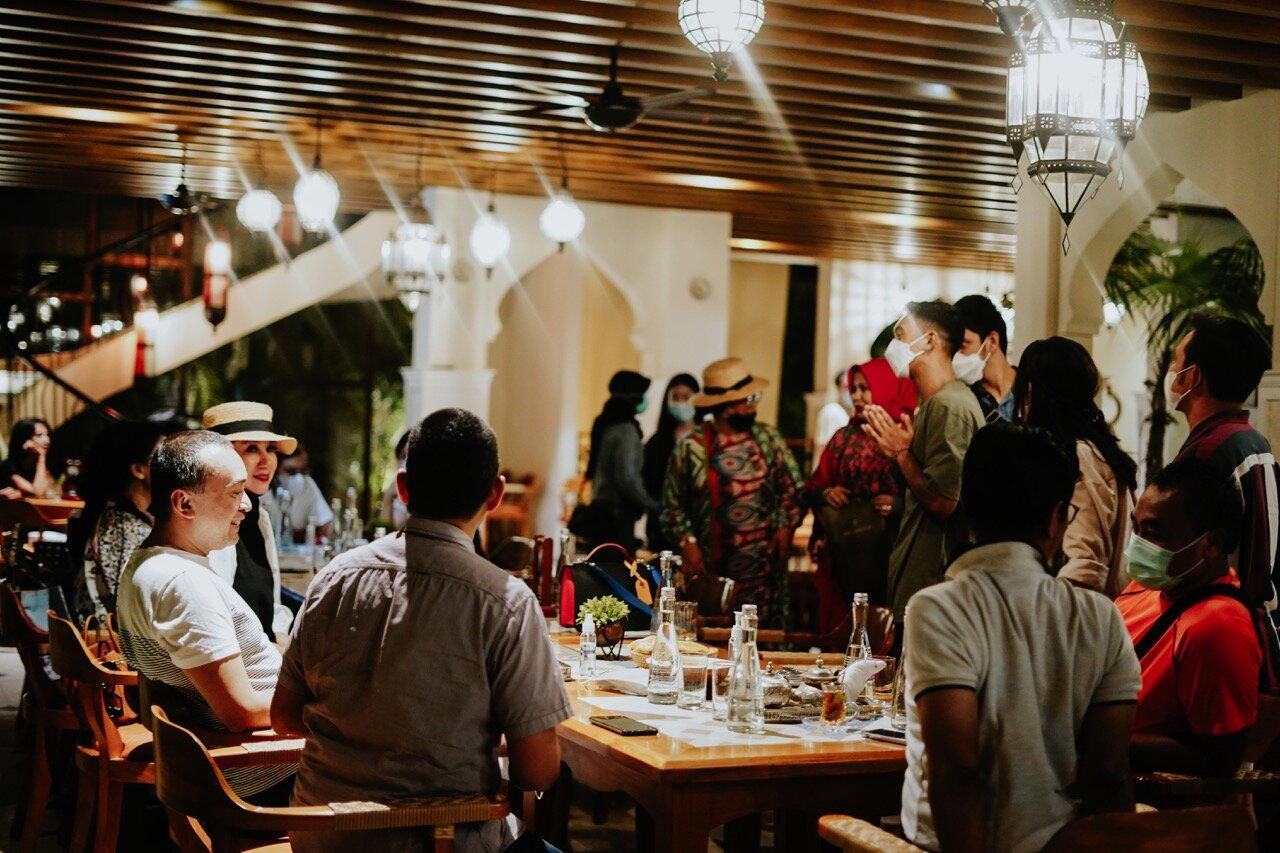
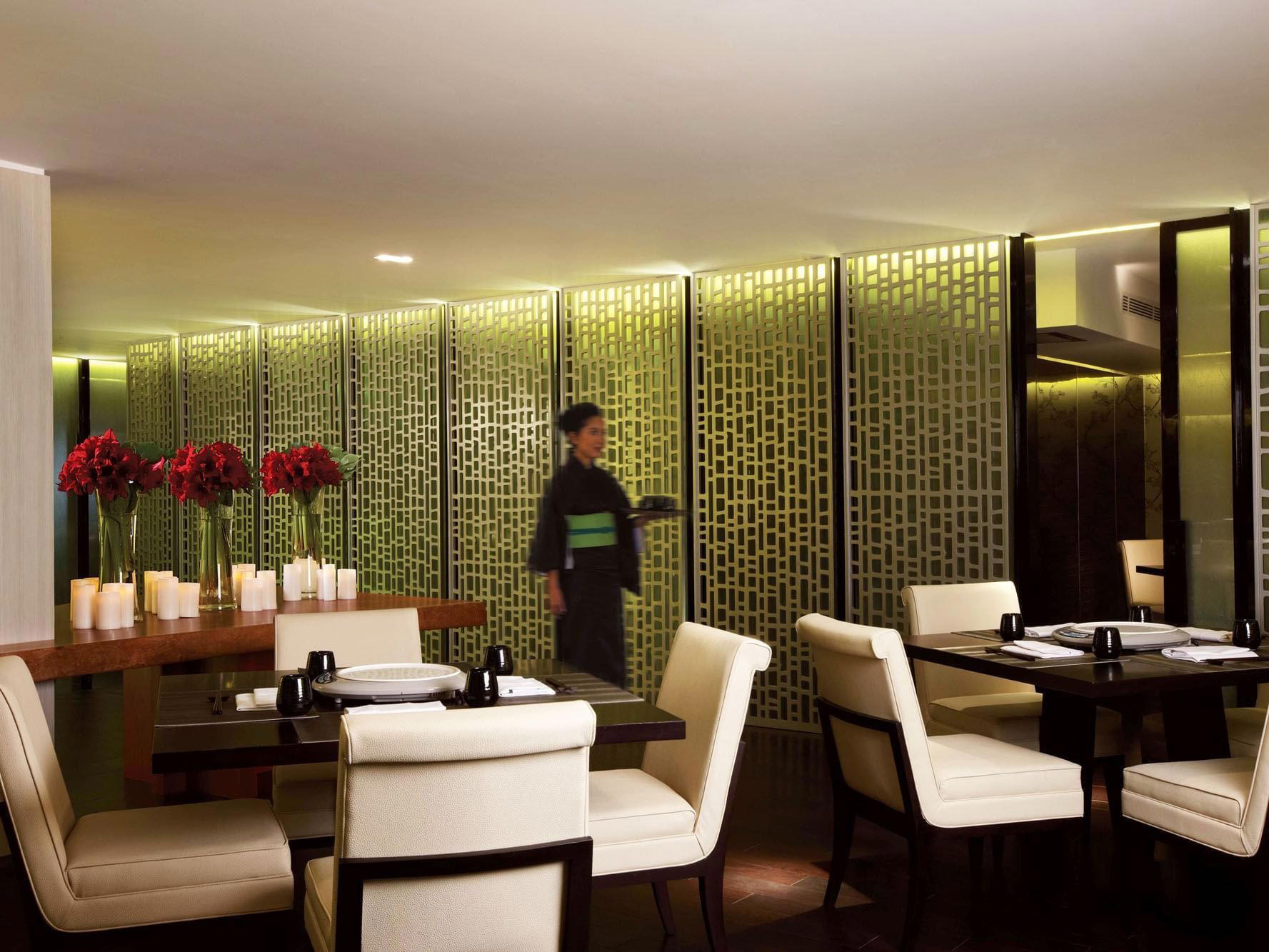
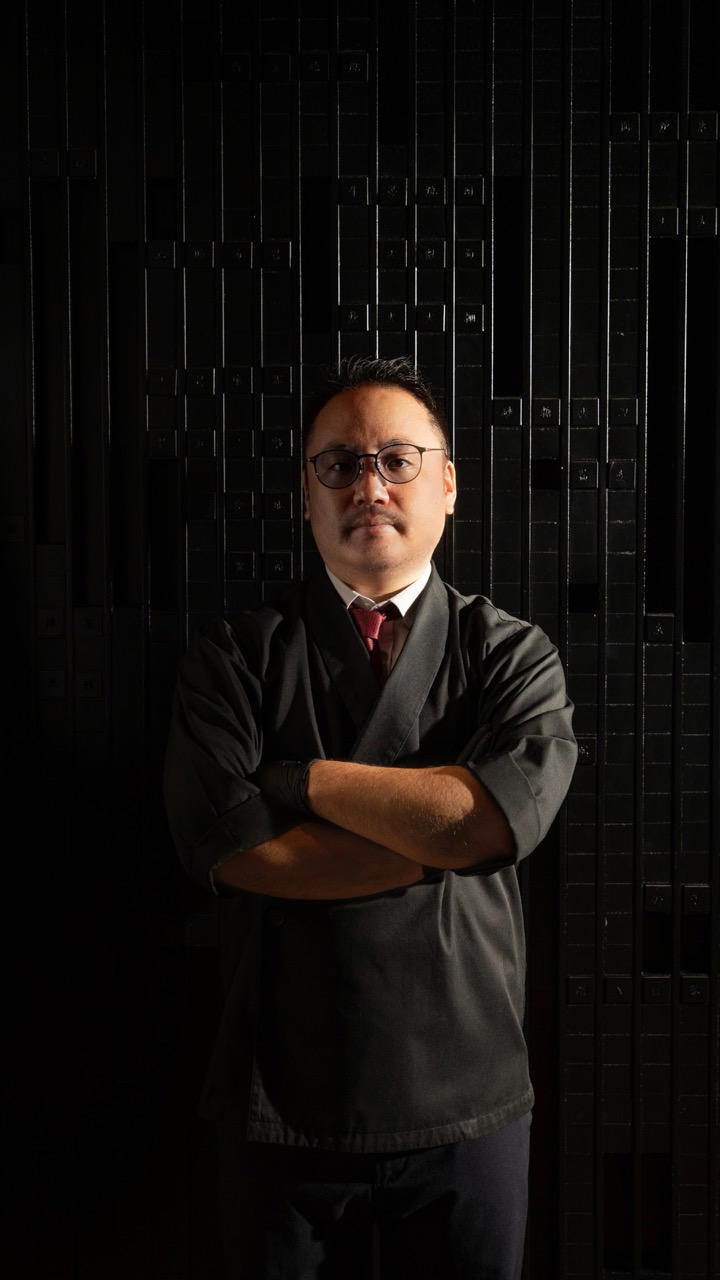
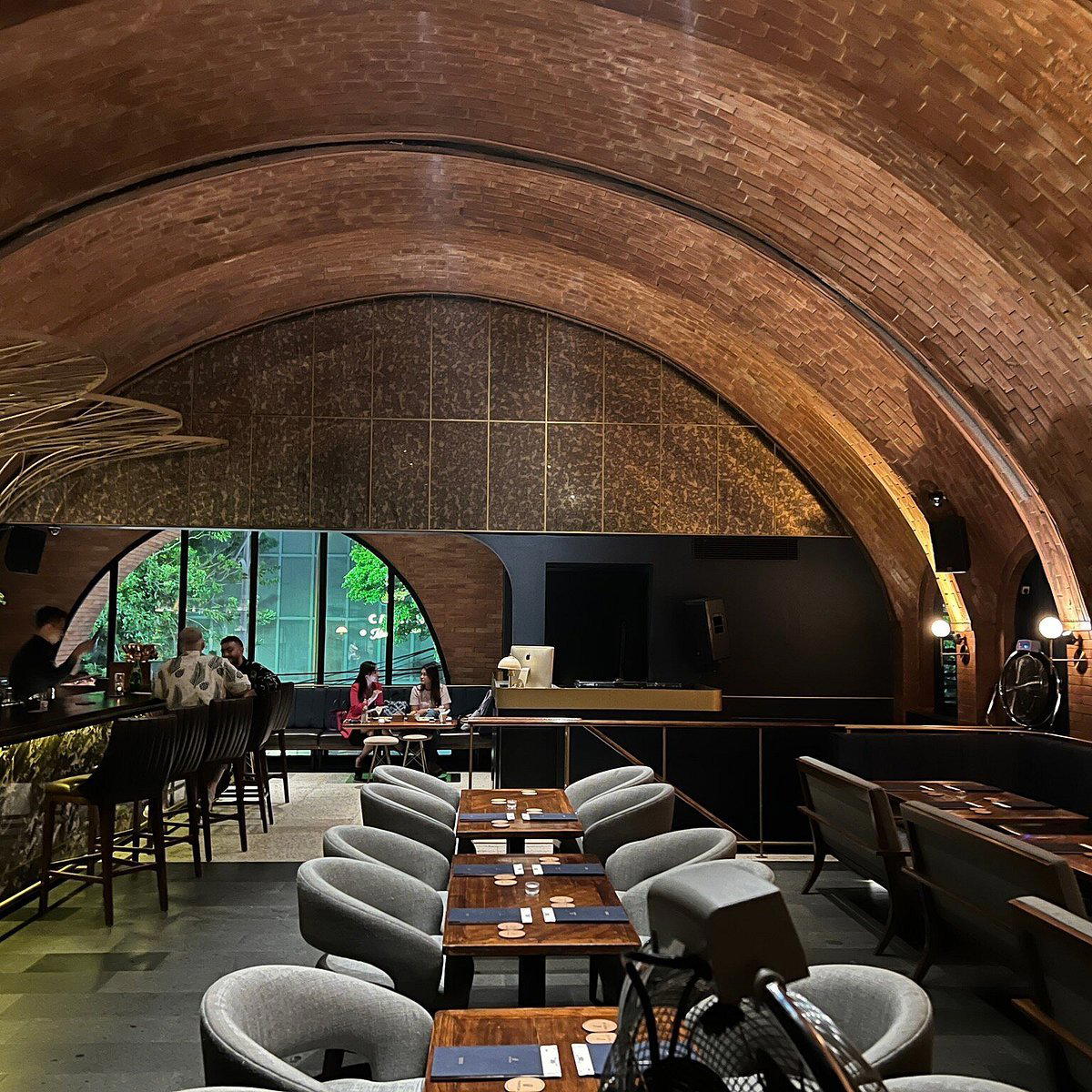
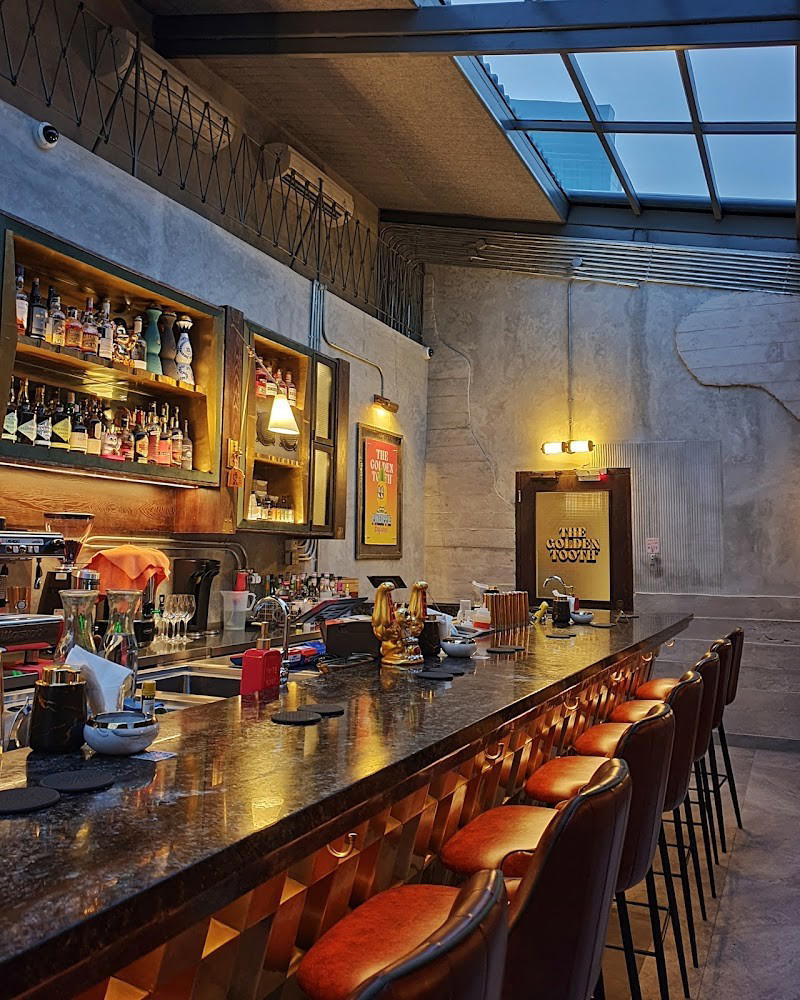
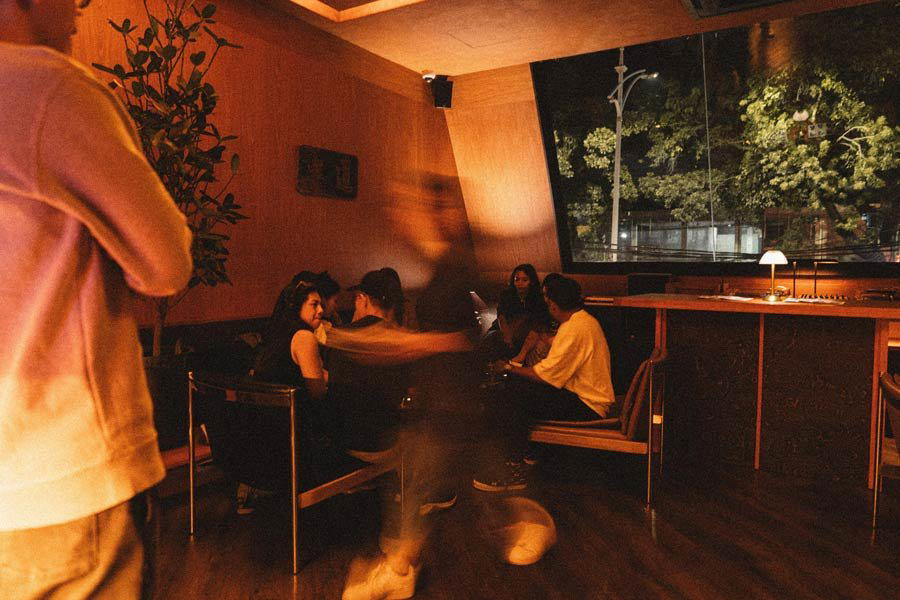
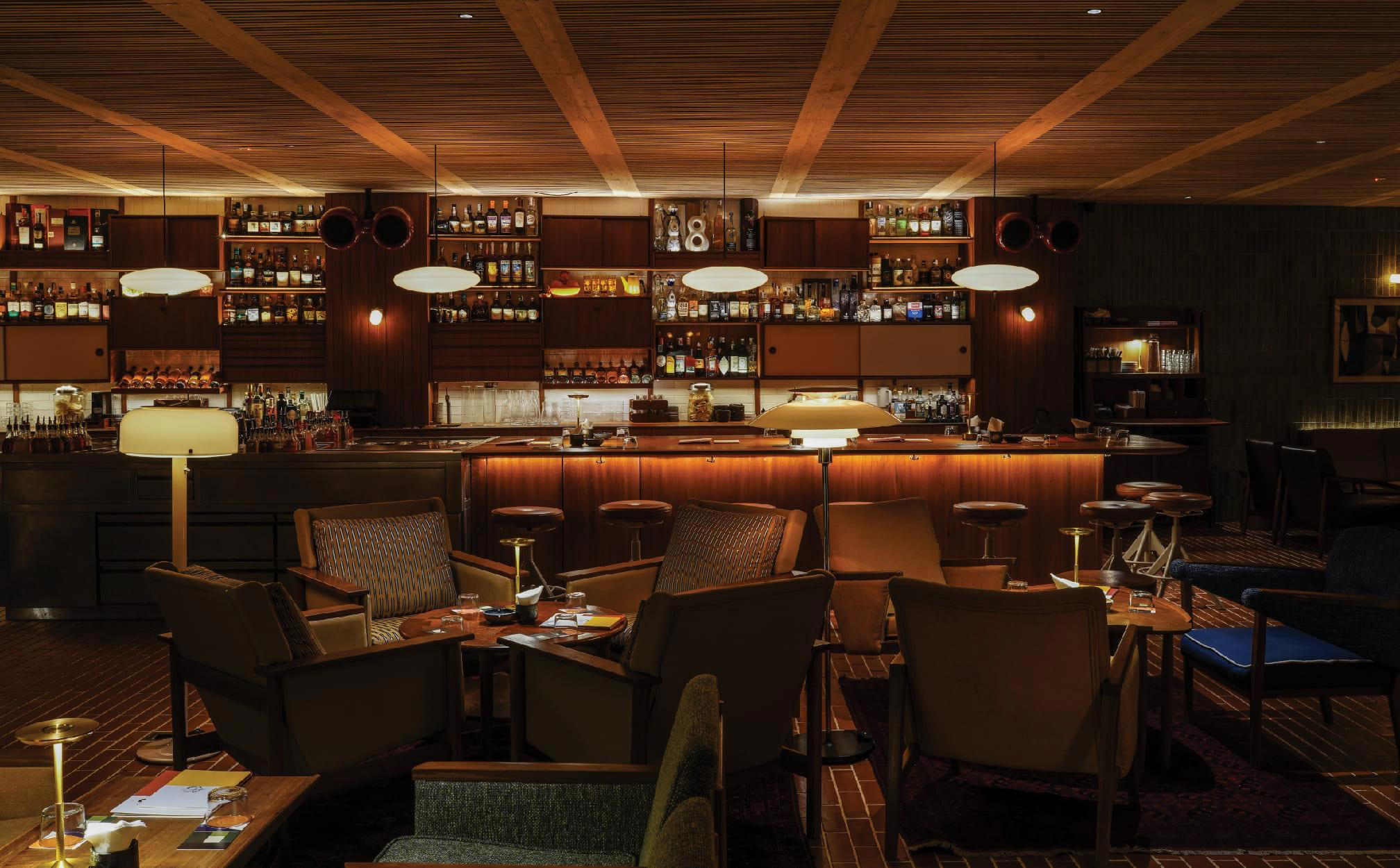
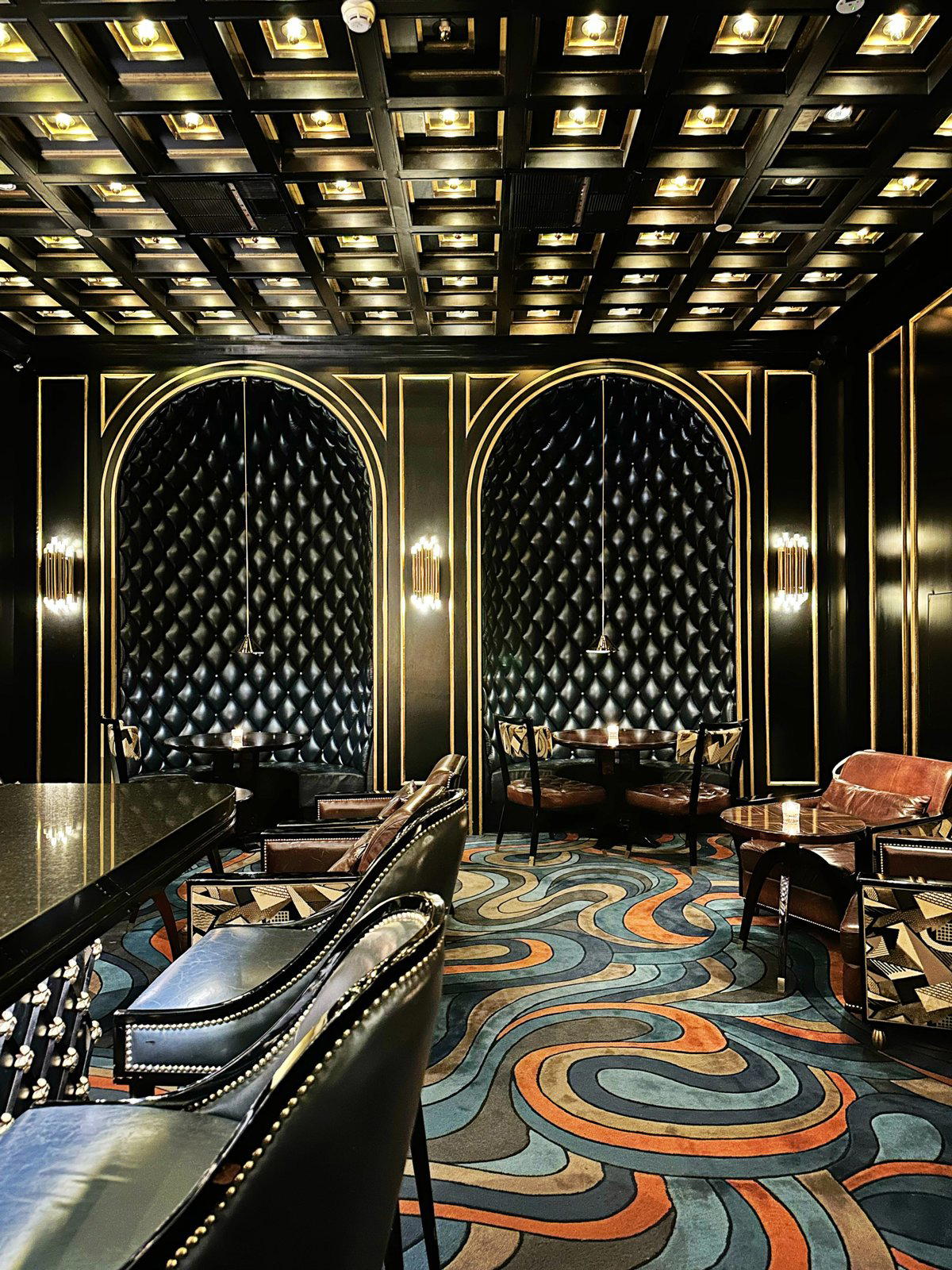
Bright, minimalist Japanese aesthetic with calm and relaxed atmosphere; Kemang location features tropical laidback vibes with greeneries and rattan furniture.