Kinsuke Ramen operates from Pondok Indah Mall Phase 3 in South Jakarta, placing it inside one of the city's most consistently trafficked dining destinations. The mall's food floor draws a cross-section of Jakarta's middle and upper-middle dining crowd, making Kinsuke a practical reference point for Japanese noodle formats in a neighbourhood better known for steakhouses and international chains.
Pearl is the En Primeur Club membership app — saves, bookings, and concierge access live there. Same editors, same standards.
- Address
- Pondok Indah Mall Phase 3, Office Tower 5, Lantai 3, RT.6/RW.3, Pd. Pinang, Kec. Kebayoran Lama, Kota Jakarta Selatan, Daerah Khusus Ibukota Jakarta 12310, Indonesia
- Phone
- +62 812-9225-1486
- Directions
- Get directions
 Saves & bookings on Pearl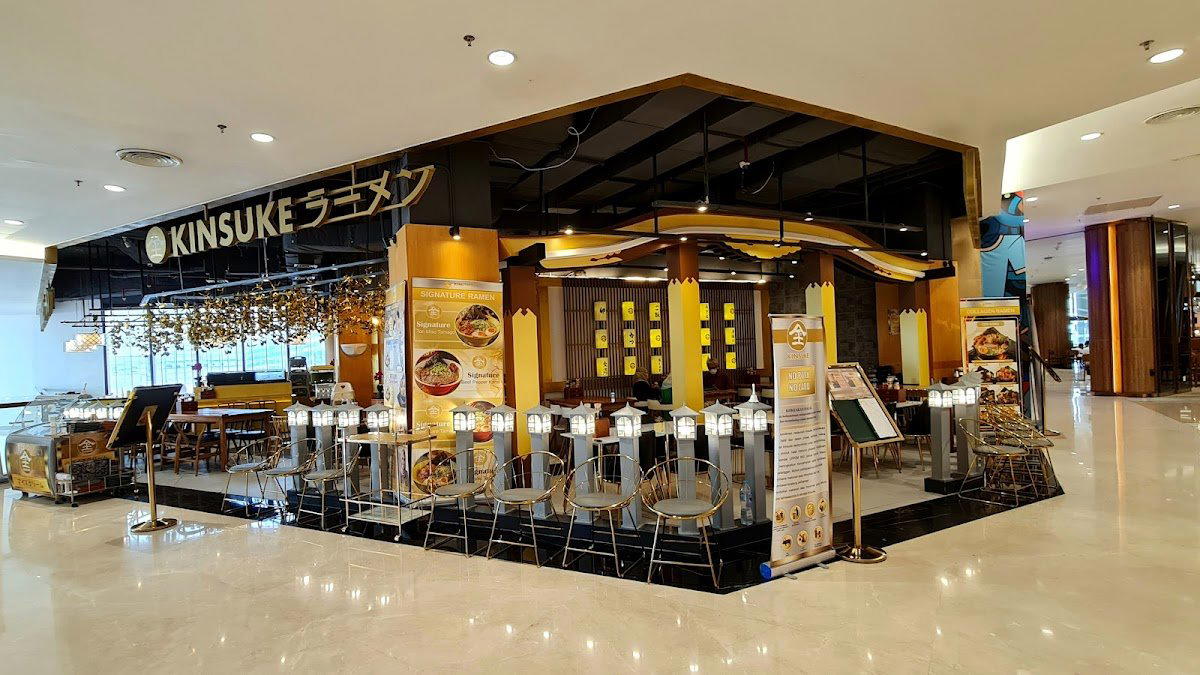
South Jakarta's Ramen Coordinates
Pondok Indah has spent the better part of two decades consolidating its position as South Jakarta's preferred retail and dining precinct. The mall complex, anchored in Kebayoran Lama sub-district, draws from Pondok Indah, Cipete, and Kemang in roughly equal measure, and the result is a food floor that skews toward mid-tier international formats rather than the experimental or the hyperlocal. Kinsuke Ramen occupies Lantai 3 of the Phase 3 tower, a floor that tends to attract sit-down concepts positioned between fast-casual and full-service dining. In that company, a ramen specialist carries a specific function: it fills the Japanese noodle gap that most South Jakarta malls leave open below the premium sushi and above the food-court teriyaki counters.
That positioning matters more than it might first appear. Jakarta's ramen market has grown steadily since the mid-2010s, when a wave of Japanese franchise concepts and locally-owned shops began competing for a segment that had previously been served almost entirely by general Japanese restaurants offering ramen as a side category. The city now supports a range of formats, from broth-forward tonkotsu shops in Sudirman to lighter shoyu operations scattered across Kemang. A mall-based concept in Pondok Indah targets a different use case than a standalone shop: it trades on convenience, foot traffic, and reliability, aiming to convert a shopping trip into a full meal stop rather than competing as a destination in its own right.
The Pondok Indah Dining Context
Understanding where Kinsuke sits requires understanding what Pondok Indah Mall rewards in its dining tenants. The complex has historically favoured brands with clear concept legibility, meaning a diner should be able to read the offer within seconds of approaching. Ramen, as a category, satisfies that requirement immediately: the format is recognizable, the price expectation is broadly understood, and the experience arc (order, wait for broth, eat at the counter or table) needs no explanation. This clarity gives ramen concepts a structural advantage in mall settings compared to, say, modern Indonesian or fusion formats that require a longer sell.
Compared to the dining mix elsewhere in South Jakarta, Kinsuke operates in proximity to a cluster that includes both international chains and locally-grown concepts. The area around Pondok Indah has also seen growth in Korean and Chinese dining formats, including hotpot operations. Chongqing Liuyishou Hotpot in South Jakarta represents the Chinese communal dining end of that spectrum, while Hai Di Lao in Central Jakarta anchors the premium hotpot category further north. Japanese noodle concepts occupy a different occasion slot, generally faster and more solitary in format, and Kinsuke operates in that distinct lane.
For context on where Japanese dining sits within Jakarta's broader premium tier, concepts like Kita Restaurant and Bar in Kecamatan Menteng represent the more composed, plated end of Japanese-influenced dining in the city. Ramen sits at the other end of that spectrum: approachable, fast-moving, and built around a single anchor product rather than a multicourse format.
Ramen in Jakarta's Wider Dining Picture
Jakarta's dining scene has matured considerably in the past decade, with concepts at both ends of the formality range becoming more technically serious. At the high end, venues like August represent the kind of European fine-dining rigour that now competes confidently with regional peers, while steakhouse formats such as Aged + Butchered Jakarta and Bistecca have established a serious meat-focused tier. Indonesian cooking itself has strong representation through concepts like Abunawas Restaurant at the Kemang branch, while neighbourhood coffee culture has developed well beyond Jakarta's borders, with spots like Agreya Coffee Bogor drawing comparisons to the capital's own third-wave scene.
Within that wider picture, ramen remains a category where the gap between good and ordinary is wide, and where the indicators of quality are mostly invisible from the outside: broth simmering time, noodle hydration levels, tare ratios. In a mall environment, the customer relies more heavily on reputation and repeat visits than on external signals like awards or critical coverage, since the format rarely attracts the same tier of review attention as fine dining. This places greater weight on consistency as the primary quality signal.
Indonesia's broader dining geography includes serious Japanese dining influences across Bali as well, where resort-adjacent dining concepts operate under different economics. Jungle Fish Bali in Gianyar and Bikini Restaurant Bali in Badung serve different traveller demographics, while Locavore NXT in Ubud sits at the far end of the ambition spectrum for Indonesian dining. Ramen in a South Jakarta mall answers none of those same questions, but it answers a different one reliably: what to eat when you are already somewhere, hungry, and want something satisfying without ceremony.
Getting There and Planning Your Visit
Kinsuke Ramen is located on Lantai 3 of Pondok Indah Mall Phase 3, Office Tower 5, in the Pondok Indah area of Kebayoran Lama, South Jakarta. The mall is accessible by private vehicle and ride-hailing services including Gojek and Grab, which remain the practical default for most Jakarta dining trips given the city's traffic patterns. Pondok Indah does not sit on the MRT network's current lines, so access is easiest by private vehicle or ride-hailing. Peak weekend afternoon hours at the mall's food floor tend to generate the longest waits; a weekday lunch visit or an early dinner on a weekday evening will generally mean shorter queues. The venue is walk-in friendly, and weekday lunches or early dinners are usually the easiest times to visit.
Budget and Context
Comparable venues nearby, for context on price, style, and recognition.
| Venue | Cuisine | Price | Notes |
|---|---|---|---|
| Kinsuke RamenThis venue — the venue you are viewing | Pondok Pinang, Halal Japanese Ramen | $$ | Not listed |
| Hachi Grill Ampera | Not listed | $$ | Ragunan, Japanese Yakiniku & Shabu-Shabu All-You-Can-Eat |
| Kimukatsu Grand Indonesia | Gondangdia, Layered Japanese Katsu | $$ | Not listed |
| Gurēsu | Bangka, Modern Japanese Omakase | $$ | Not listed |
| HOLYSTEAK - Senayan City | Gelora, Steakhouse Grill | $$ | Not listed |
| Okuzono Japanese Dining | Selong, Modern Japanese Izakaya | $$$ | Not listed |
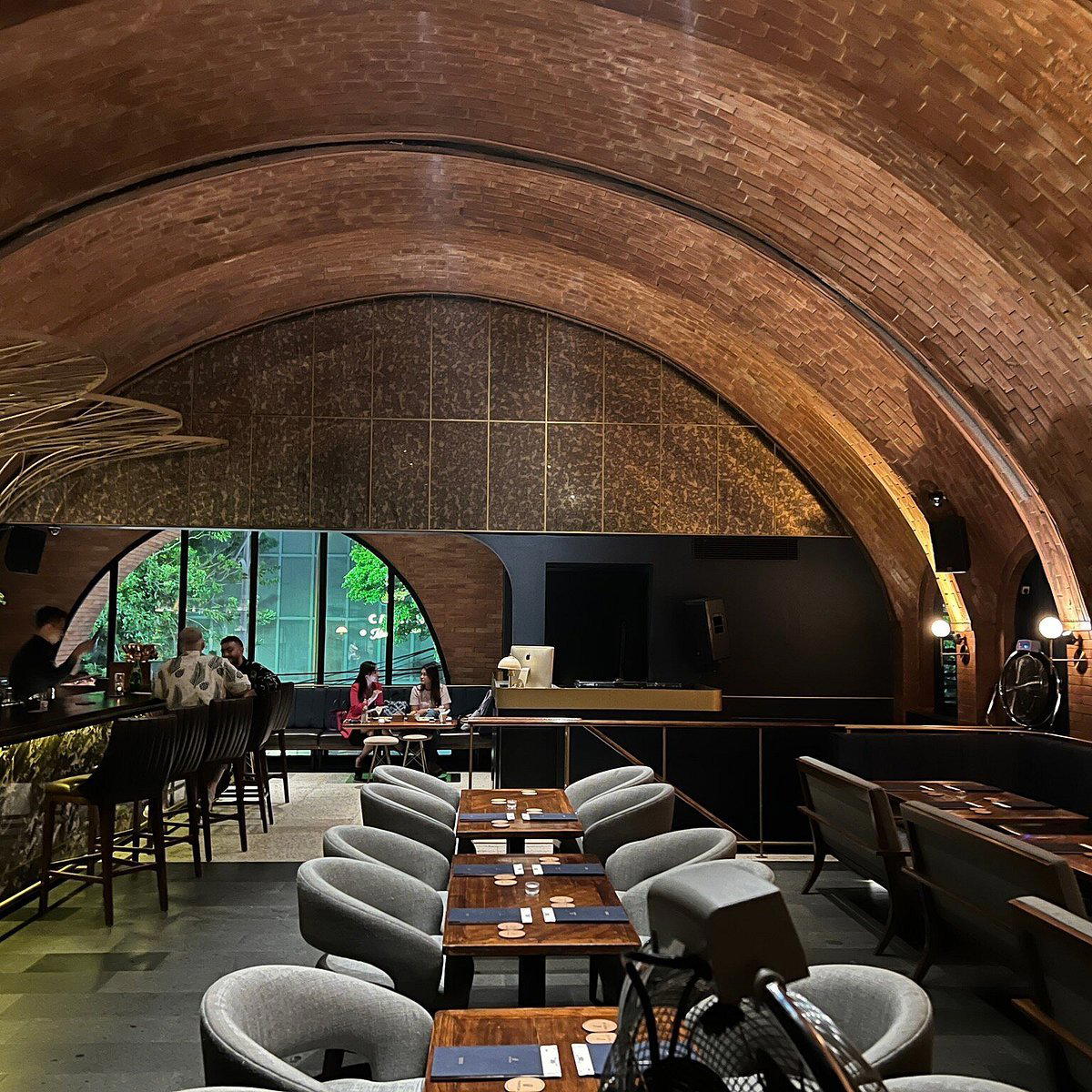
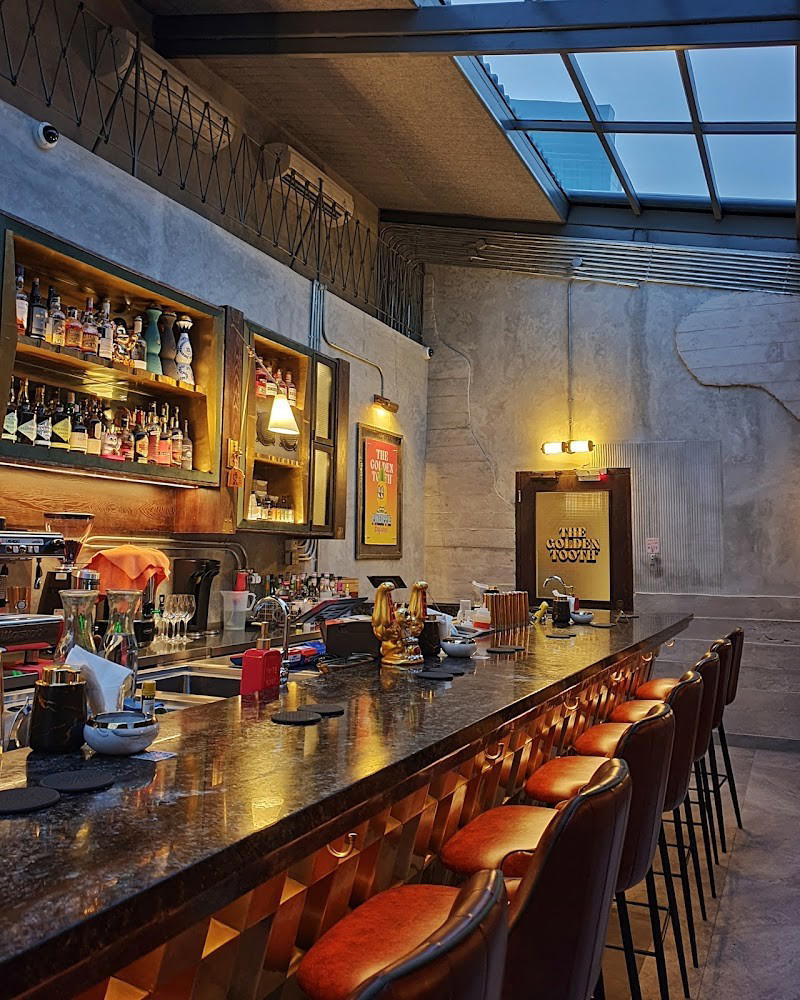
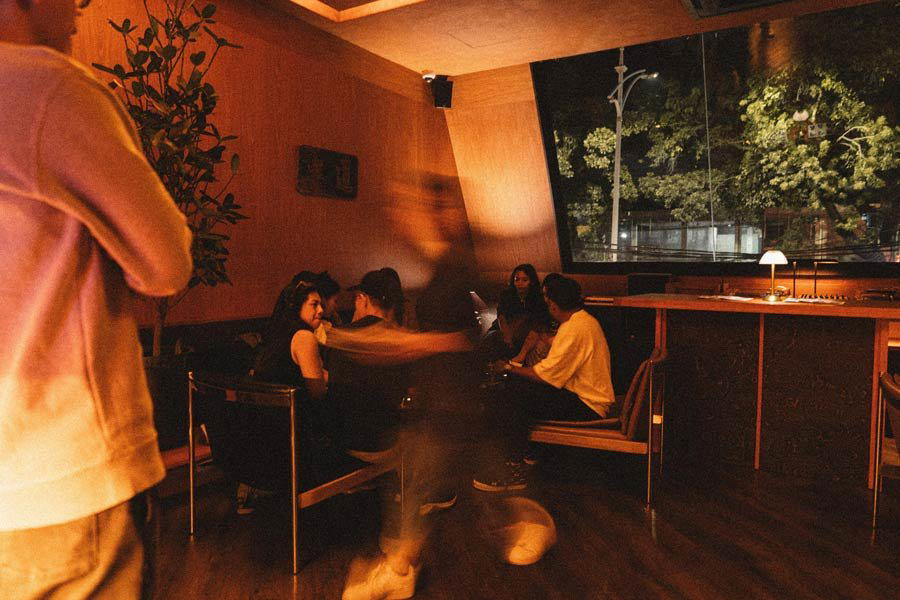
At a Glance
- Cozy
- Modern
- Casual Hangout
- Standalone
Current opening hours
- Monday
- 10 AM–9 PM
- Tuesday
- 10 AM–9 PM
- Wednesday
- 10 AM–9 PM
- Thursday
- 10 AM–9 PM
- Friday
- 10 AM–9 PM
- Saturday
- 10 AM–9 PM
- Sunday
- 10 AM–9 PM
Hours can change for holidays and private events. Last verified .
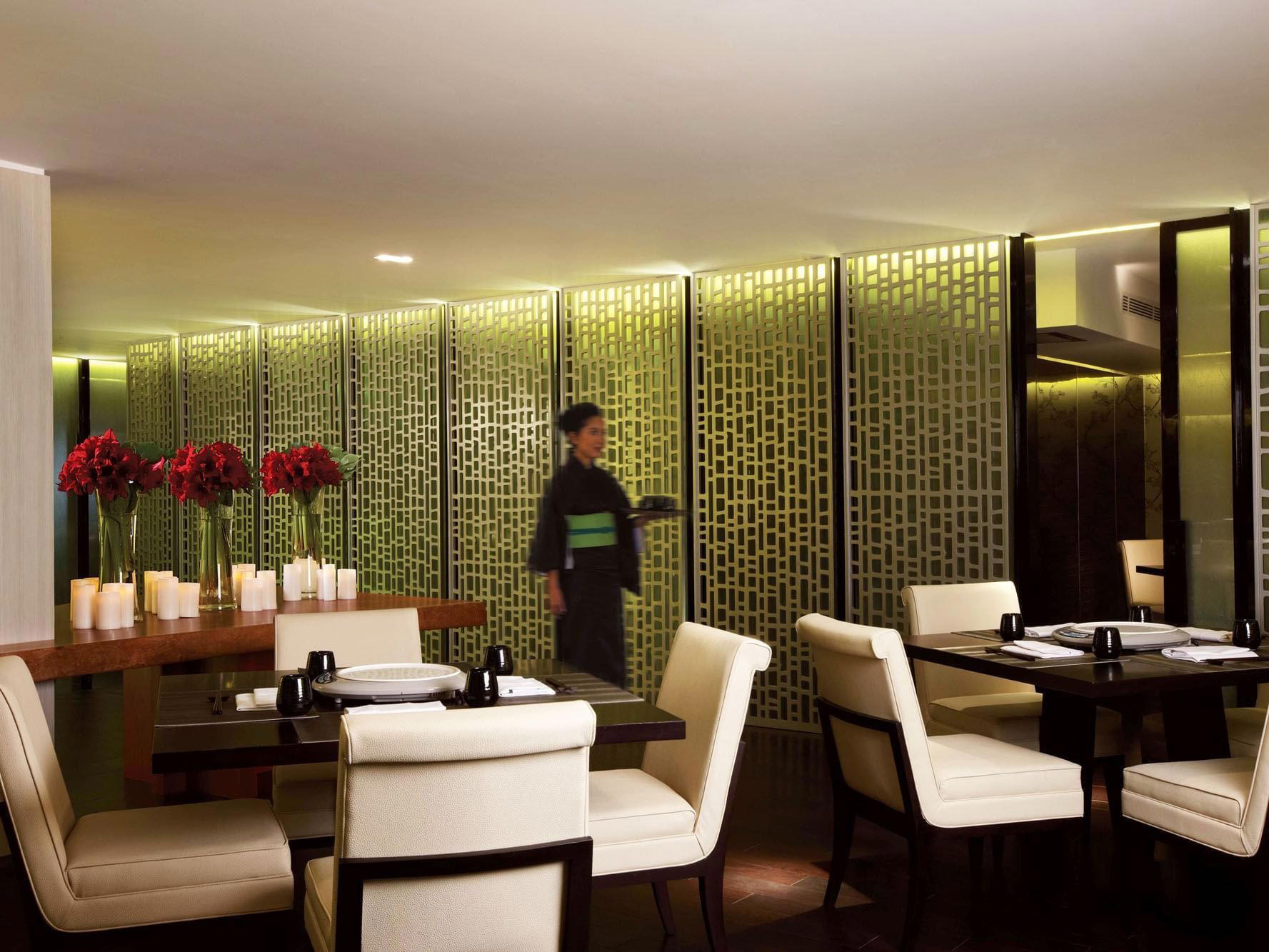
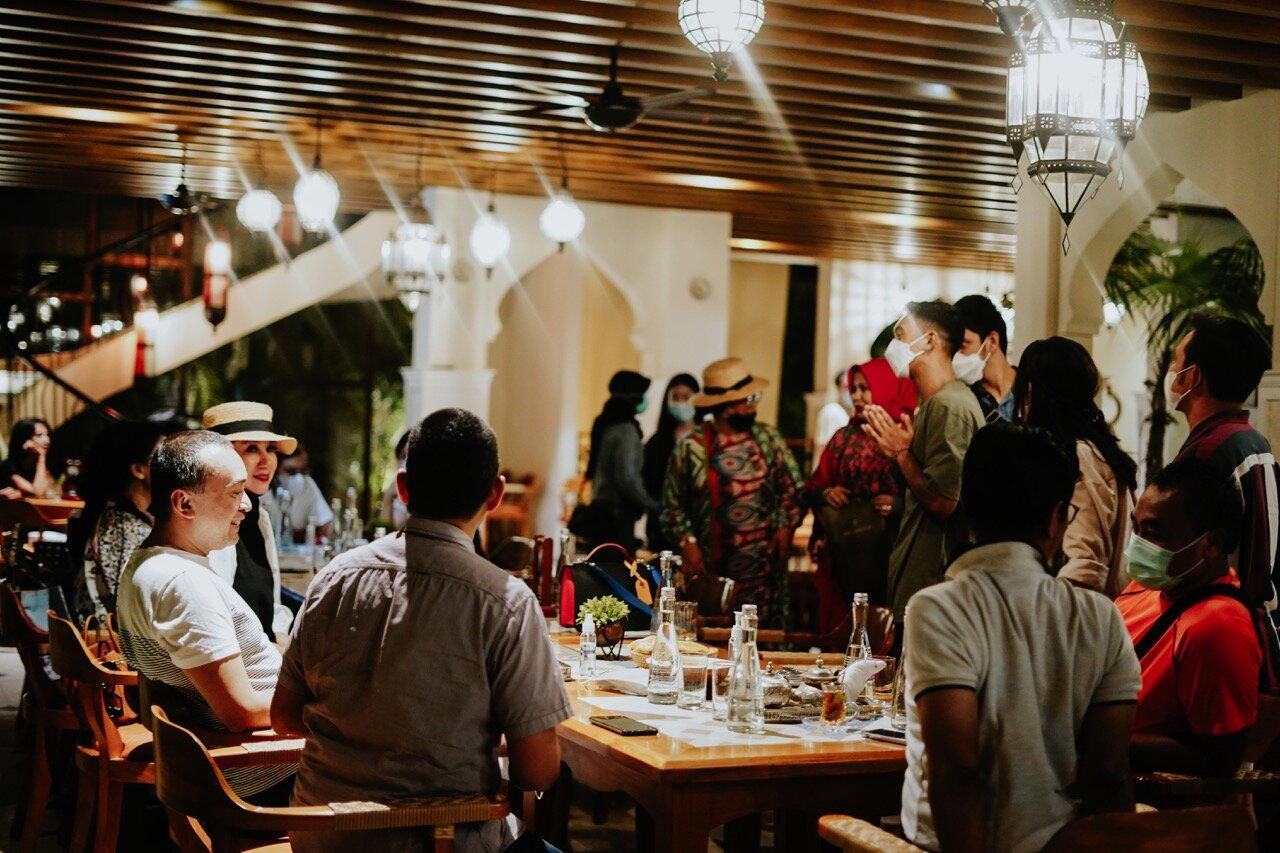
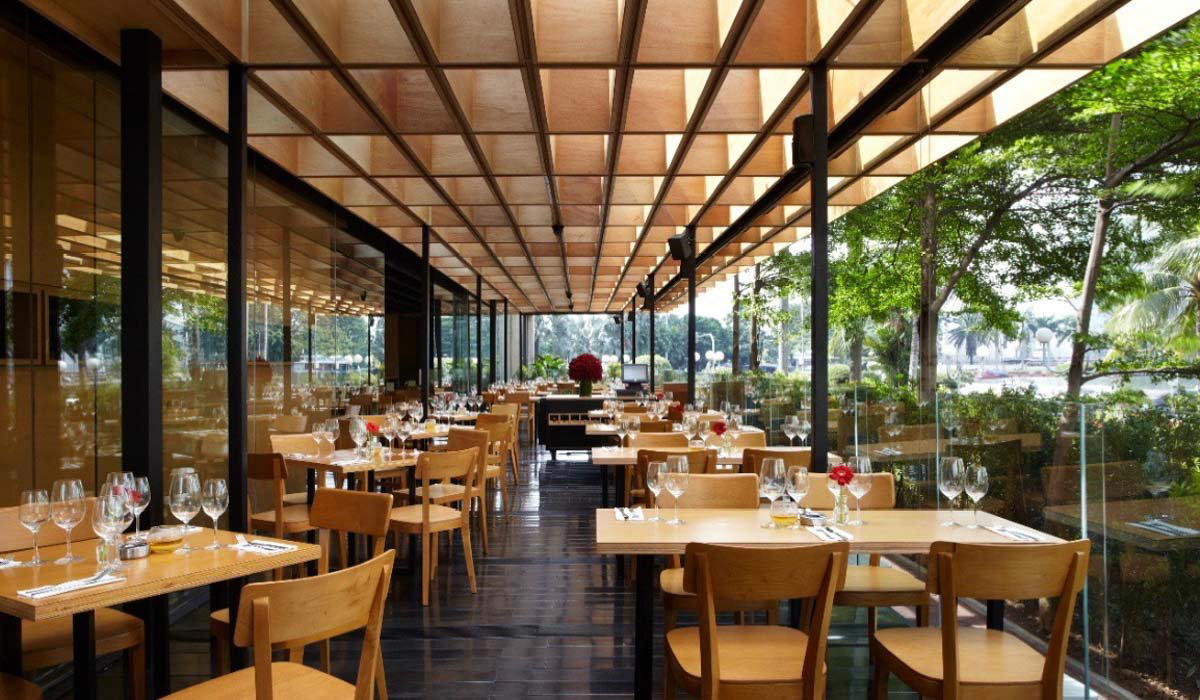
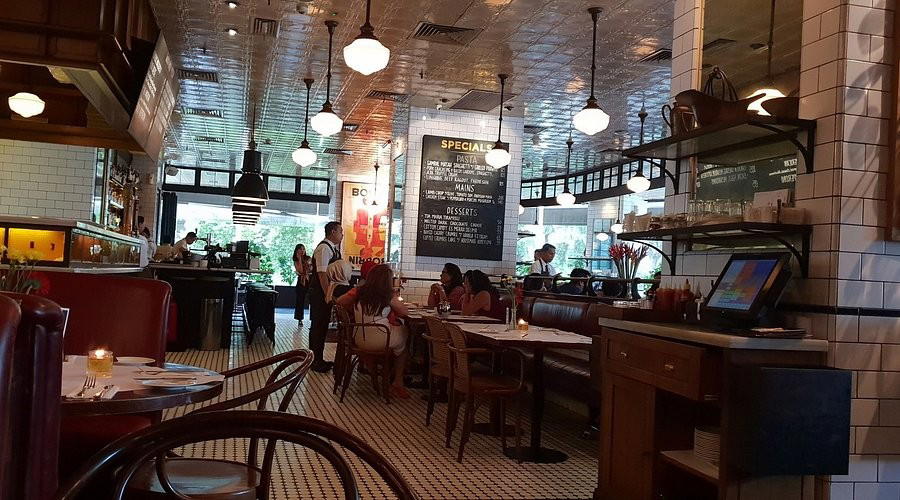
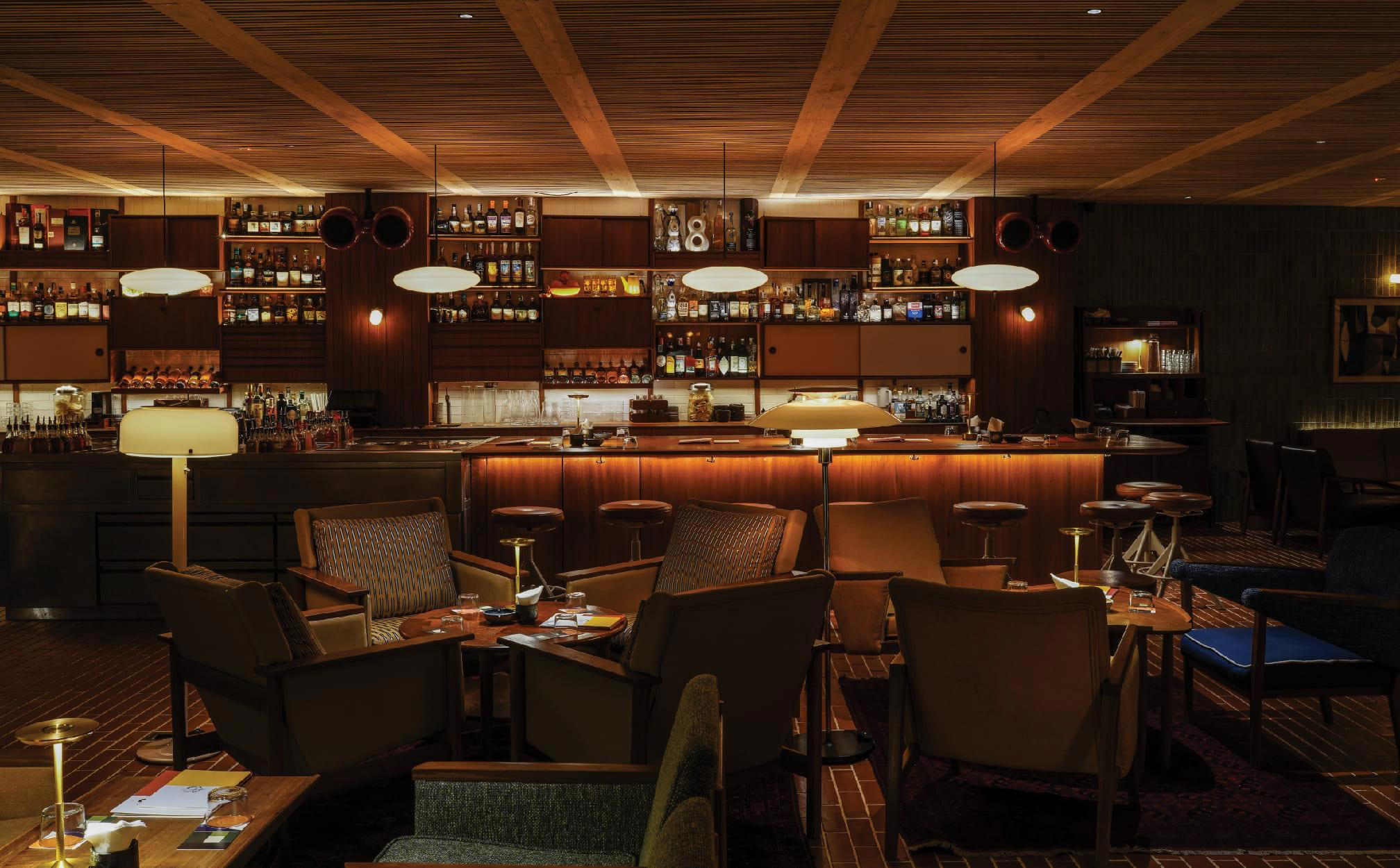
Cozy, comfortable, and clean atmosphere