
Our verdict
Soichiro Steakhouse occupies the SCBD district in Jakarta, where Japanese grilling discipline and Indonesian hospitality converge around a serious Wagyu beef programme. Working with Australian and Japanese Wagyu across wet- and dry-aged preparations, cooked over an irori-style charcoal grill, the restaurant has established itself as one of Jakarta's most considered destinations for high-end beef. Minimalist in design, deliberate in execution, and rooted firmly in the capital.

Pearl is the En Primeur Club membership app, where members save venues, book tables and use the concierge.
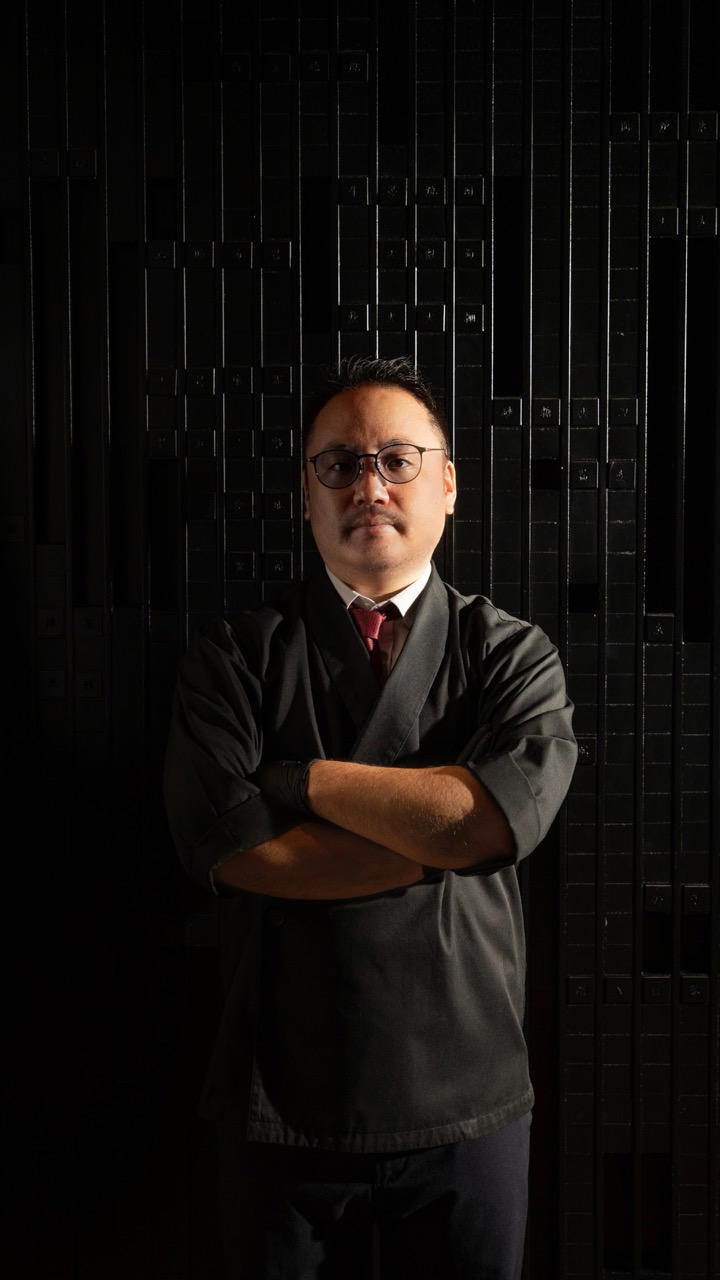
The menu
What to order
- Taco Sushi
- Dry Aged Wagyu Steaks
Where Japanese Restraint Meets Jakarta
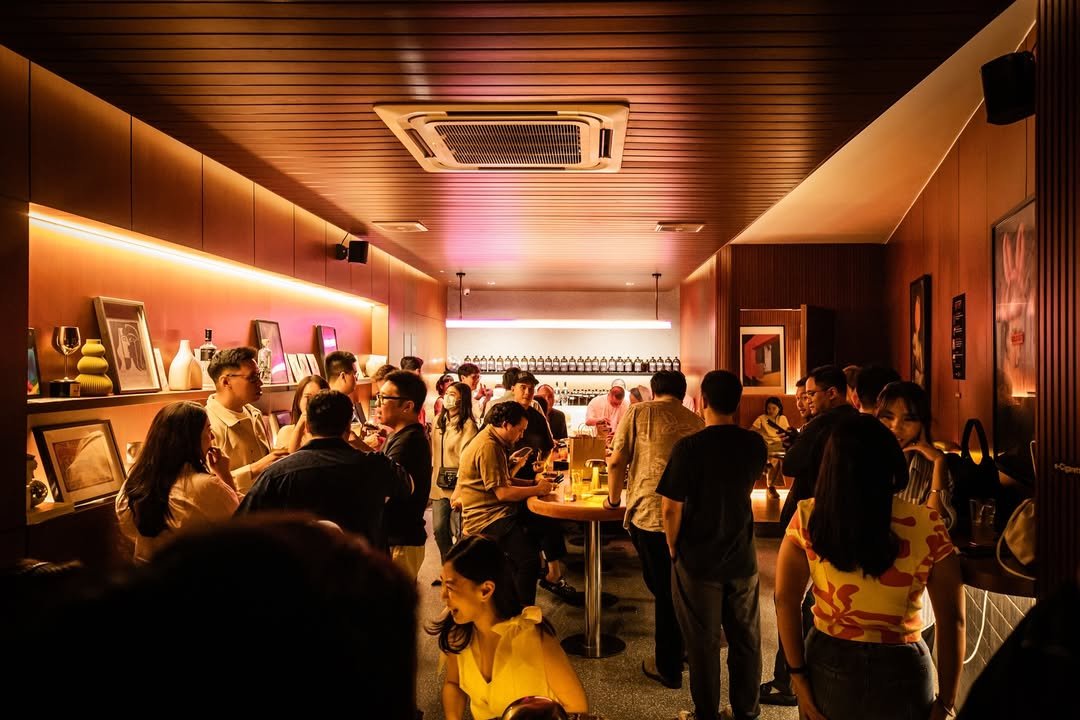
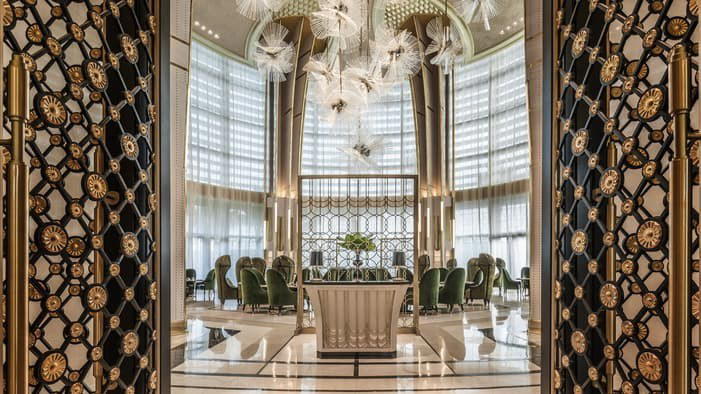
Jakarta's fine-dining circuit has long absorbed external influences, but the city's most convincing rooms are those that do not treat that influence as costume. In the SCBD district, where international finance and premium hospitality overlap across towers of glass and marble, the more compelling dining propositions tend to be those that have a clear point of view rather than a broad sweep of ambition. Soichiro Steakhouse, located at 18 Parc Place on Jalan Jenderal Sudirman, sits in this category. The room is minimalist without feeling austere: clean Japanese lines sit alongside warmer local materials, wood and stone absorbing enough of the city's ambient warmth that the space feels grounded rather than imported. An open kitchen ensures the kitchen's deliberate movements remain visible, framing the act of cooking as something worth observing rather than concealing.
The Cultural Logic of Restraint
Japanese steakhouse culture, at its most considered, operates on a principle that runs counter to much of the Western steakhouse tradition. Where the latter typically rewards abundance, drama, and scale, the Japanese approach tends toward precision, temperance, and the amplification of what the ingredient already contains. Restraint is not an aesthetic choice so much as a philosophical one: the belief that technique exists to serve the product, not to demonstrate itself. This distinction matters enormously when the product is Wagyu beef, where fat distribution, marbling grade, and ageing decisions interact in ways that heavy-handed cooking quickly obscures.
Soichiro's kitchen operates within this framework. The beef programme draws on both Australian and Japanese Wagyu, with preparations spanning wet- and dry-ageing depending on the cut and intended result. Cooking happens over an irori-style charcoal grill, a format with deep roots in Japanese domestic culture that has been adapted here for a fine-dining context. The irori's controlled heat and the subtle flavour contribution of charcoal make it a logical match for beef that carries significant fat content: fire applied with patience, rather than aggression, allows Wagyu's characteristic richness to express itself without tipping into excess.
Jakarta's steakhouse tier has grown more varied in recent years. Venues like Bistecca occupy a more European-influenced position in the market, and Aged + Butchered Jakarta approaches premium beef from a butcher-first, product-led direction. What positions Soichiro differently is the cultural grammar it applies to the subject: the discipline of Japanese craft used not as branding but as operational method.
Indonesian Hospitality as Structural Element
Japanese restraint applied in isolation can produce rooms that feel correct but cold. What prevents that here is the hospitality register, which reads as distinctly Indonesian in its generosity and intuition. Service in Indonesia's leading dining rooms carries a warmth that is not performed and not protocol-driven in the way of highly formal European service. It is attentive to the guest's actual state rather than to a predetermined sequence. That quality, in combination with the kitchen's discipline, produces a different kind of evening than either tradition would achieve alone.
This cultural layering is worth taking seriously as a model. Several of Indonesia's most compelling dining experiences have emerged from exactly this kind of synthesis: the technical frameworks of other culinary traditions brought into contact with the country's deeply embedded hospitality culture. Locavore NXT in Ubud and Sarong Bali in Canggu represent different versions of this, each finding a coherent identity by letting Indonesian context shape how international technique is expressed. Soichiro's version is focused more narrowly on a single product category, but the underlying logic is comparable.
SCBD as Context
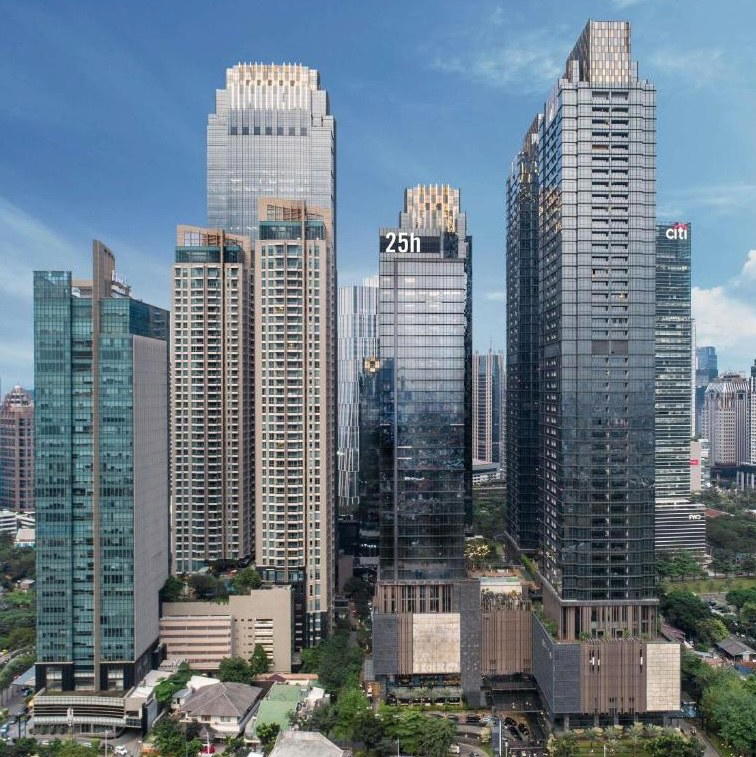
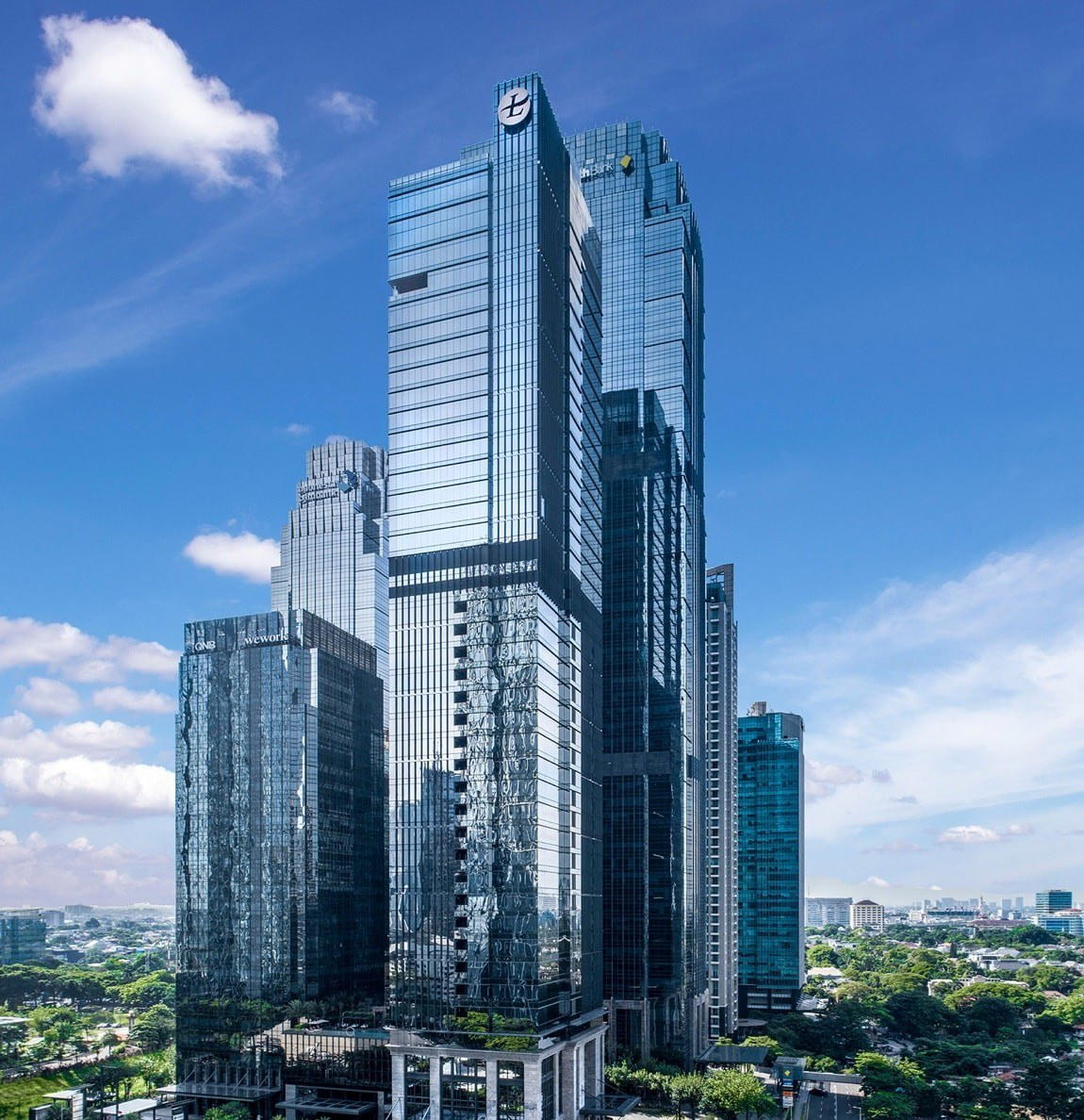
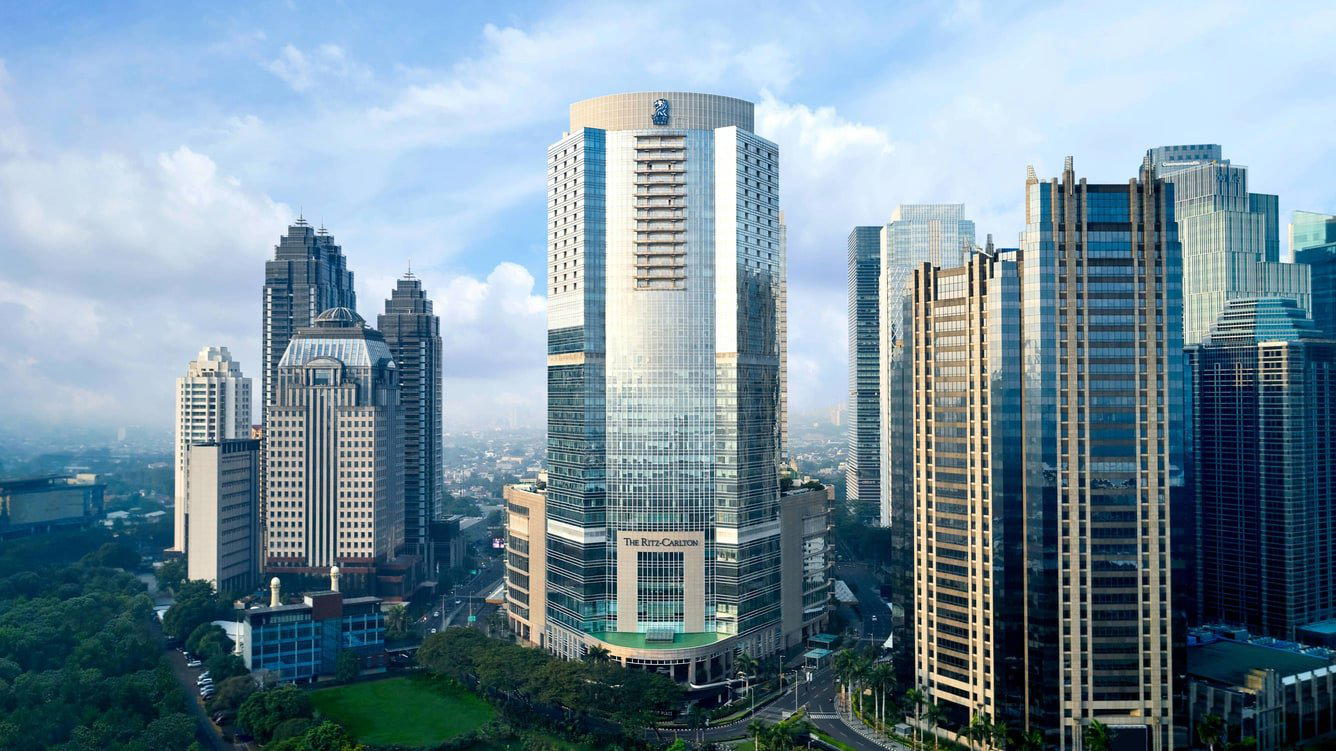
The Sudirman Central Business District is not Jakarta's most atmospheric address for dining, but it is a functionally relevant one. The concentration of corporate headquarters, international banks, and premium residential development creates a reliable demand for serious restaurants that can serve a client dinner or a considered evening out without requiring a cross-city commute. The SCBD dining tier has consolidated around a handful of rooms capable of meeting that standard. For Wagyu specifically, operating in this district places a restaurant in conversation with the city's most demanding international dining audience, guests who have frames of reference for what this category should deliver. That context raises the stakes for consistency.
Other Jakarta destinations worth noting alongside Soichiro in the broader fine-dining conversation include August, which represents a distinct approach to contemporary cooking in the capital, and Kahyangan in Gondangdia, which takes Indonesian culinary tradition in a different direction. The city's range has expanded considerably, and readers planning a longer stay will find the full Jakarta restaurants guide a useful frame for navigating the broader field. Further afield, those moving between Jakarta and Bali will find points of comparison in venues like Moksa in Bali, Rumari in Jimbaran, and Cuca Restaurant in Badung, each representing a different facet of how Indonesia's dining scene has developed at the premium end.
Planning Your Visit
Soichiro Steakhouse is located on the ground floor of Tower E at 18 Parc Place SCBD, Jalan Jenderal Sudirman, in the Kebayoran Baru area of South Jakarta. The address puts it within easy reach of the district's major hotels and office towers, and accessible by taxi or ride-share from most central Jakarta locations. Given the restaurant's positioning in the SCBD premium tier and the specificity of its beef programme, reservations in advance are advisable, particularly for weekday evenings when corporate demand tends to run highest. Dress code expectations at this level of SCBD dining typically lean toward smart-casual at minimum, though the room's minimalist tone rewards restraint in that register as well. Specific pricing, current hours, and booking details are best confirmed directly with the restaurant before visiting.
Frequently asked questions
Is Soichiro Steakhouse a family-friendly restaurant?
Soichiro's format places it firmly in the adult fine-dining category. The atmosphere is composed and quiet, the service measured, and the focus on precision Wagyu cookery at this price positioning is aimed at guests who treat the meal as the primary event. It is not a setting configured for children, though older teenagers with an interest in serious beef and Japanese culinary culture would find it appropriate.
Is Soichiro Steakhouse better for a quiet night or a lively one?
The room reads clearly as a quiet-night destination. Minimalist design, deliberate kitchen pacing, and a service register built on Indonesian hospitality, gracious rather than performative, set a composed, low-volume tone. The open kitchen gives visual engagement without amplifying noise. Those looking for high-energy dining should look elsewhere in the SCBD corridor.
What distinctions does Soichiro Steakhouse have?
Soichiro Steakhouse has received recognition including: Japanese precision, Indonesian warmth and the quiet power of restraint In the heart of Jakarta, Soichiro Steakhouse has established itself as one of the city’s most distinctive expressions of contemporary fine dining - a restaurant where Ja….
What do people recommend at Soichiro Steakhouse?
The Wagyu programme is the consistent reference point in how the restaurant is discussed. The combination of ageing method, sourcing across both Australian and Japanese cuts, and irori-style charcoal cookery distinguishes the kitchen's approach from most beef-focused dining rooms in Jakarta. The open kitchen adds a further dimension, making the chefs' process visible without disrupting the room's composure.
How do I find Soichiro Steakhouse?
Soichiro Steakhouse is located at 18 Parc Place SCBD, Jl. Jend. Sudirman kav 52-53 Tower E Ground Floor, Senayan, Kec. Kby. Baru, Daerah Khusus Ibukota Jakarta 12190, Indonesia, Jakarta.
What's the best way to book Soichiro Steakhouse?
Given the restaurant's positioning within the SCBD fine-dining tier and its recognition as a serious Wagyu destination in Jakarta, advance reservation is advisable rather than walk-in. The restaurant is located on the ground floor of Tower E at 18 Parc Place SCBD, Jalan Jenderal Sudirman, Kebayoran Baru. Contact details are not currently listed publicly, so reaching out via the venue directly or through hotel concierge in the SCBD corridor is the practical route.
What's the signature at Soichiro Steakhouse?
Soichiro Steakhouse is best approached by focusing on the core concept and signature offerings.
Pricing, Compared
| Venue | Cuisine | Price | Awards |
|---|---|---|---|
| Soichiro SteakhouseThis venue (the venue you are viewing) | Irori Style Japanese Steakhouse | Not listed | Not listed |
| Kaum | Modern Indonesian | $30–50 | Not listed |
| August | Modern Indonesian Fusion | Not listed | World's 50 Best #42 · Tatler Listed in Best Restaurants Asia-Pacific |
| Meatguy Steakhouse | Premium Dry-Aged Steakhouse | $100–150 | Not listed |
| Cork&Screw Pacific Place | Modern Fusion with Asian and Western Influences | $20–30 | Star Wine List |
| Esa | New Jakarta Cuisine | Not listed | Tatler Listed in Best Restaurants Asia-Pacific |
Recognition history
Dated appearances from independent guides and award organizations, with the underlying list record or original source where available.
World's Best Steaks 101 Best Steak Restaurants #94
World's Best Steaks
Continue exploring
More in Jakarta
Restaurants in Jakarta
All restaurants in Jakarta →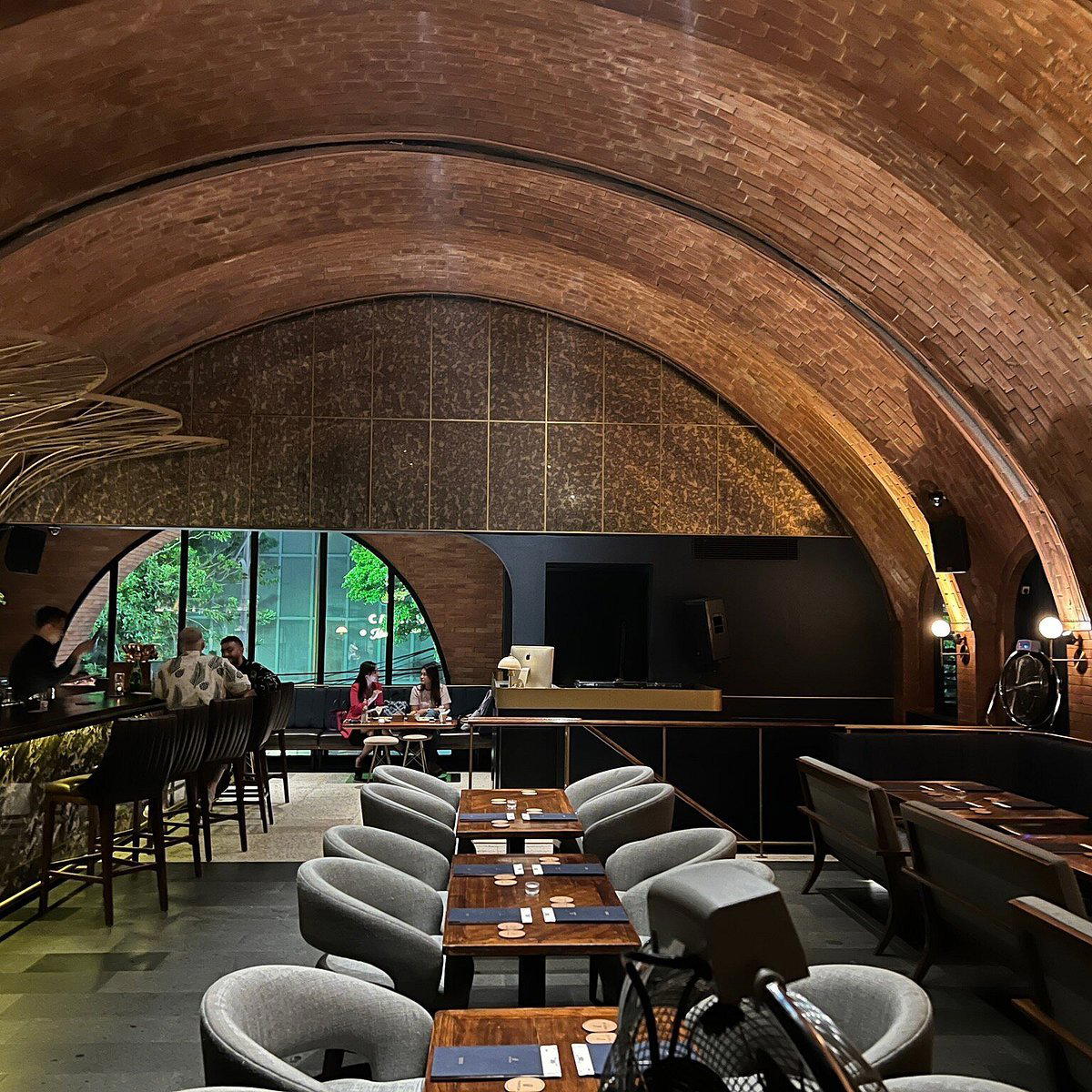
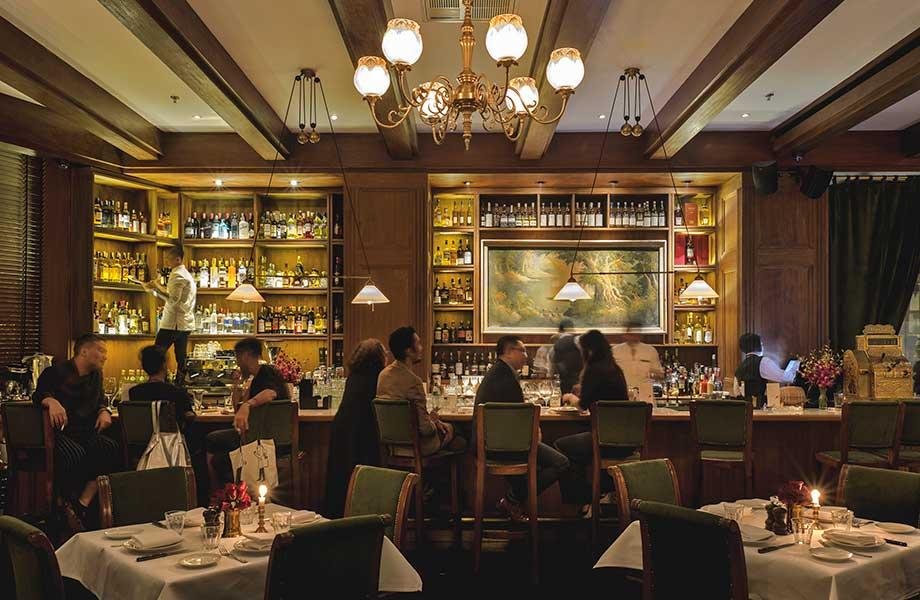
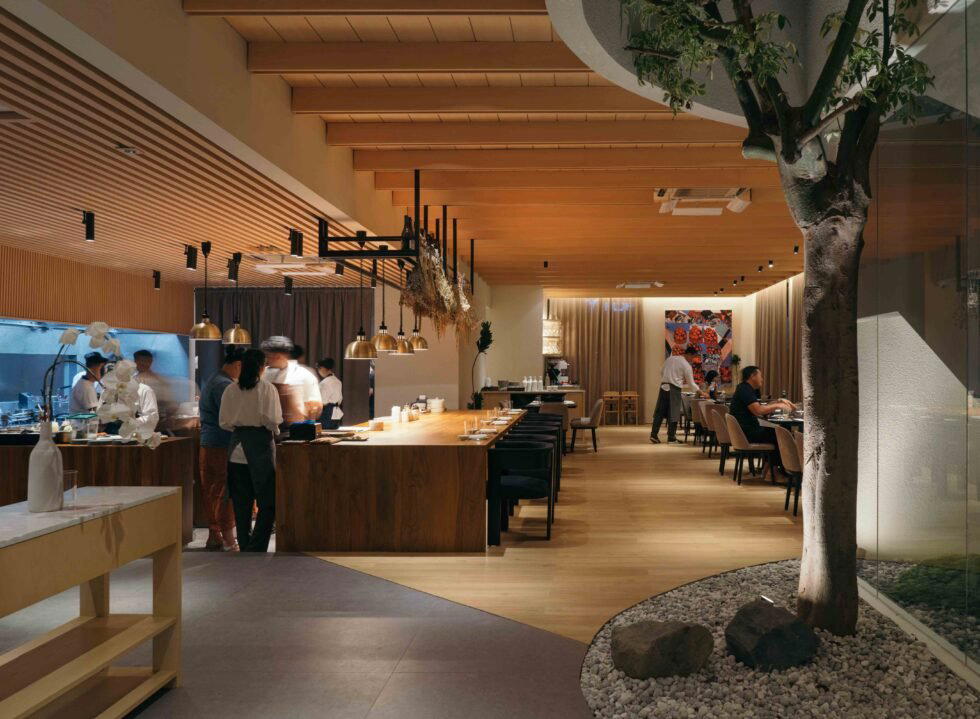
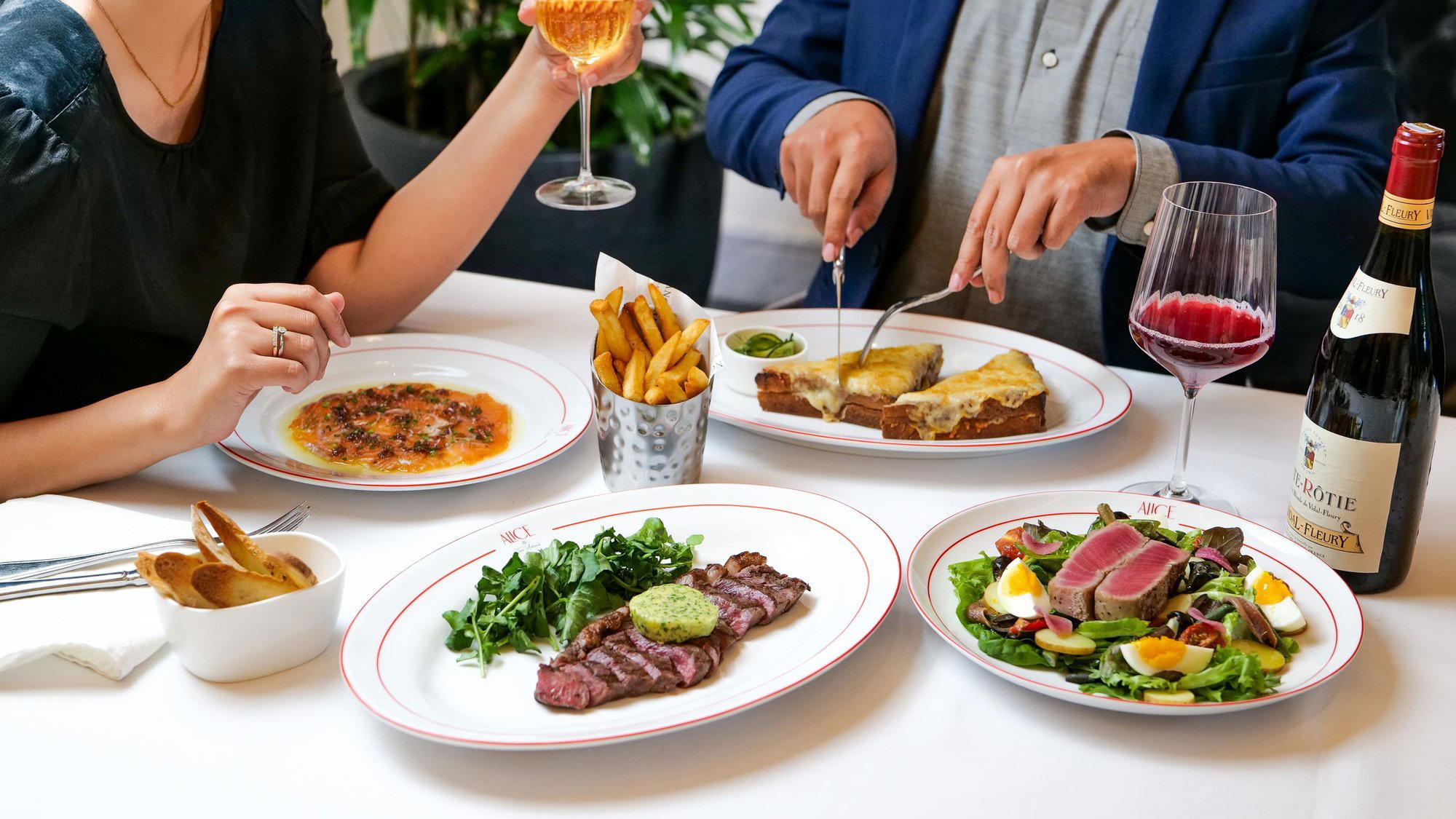
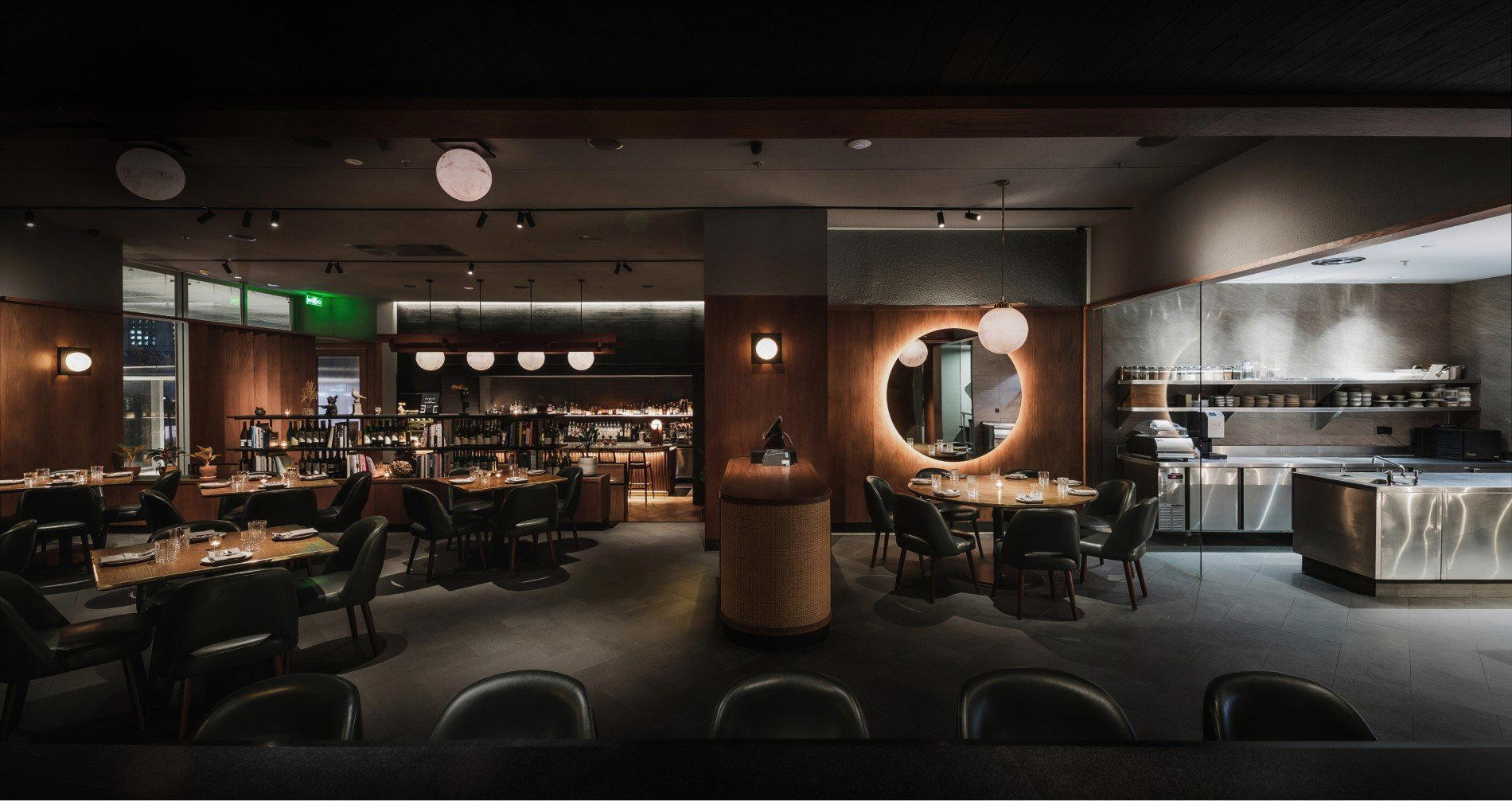
Bars in Jakarta
All bars in Jakarta →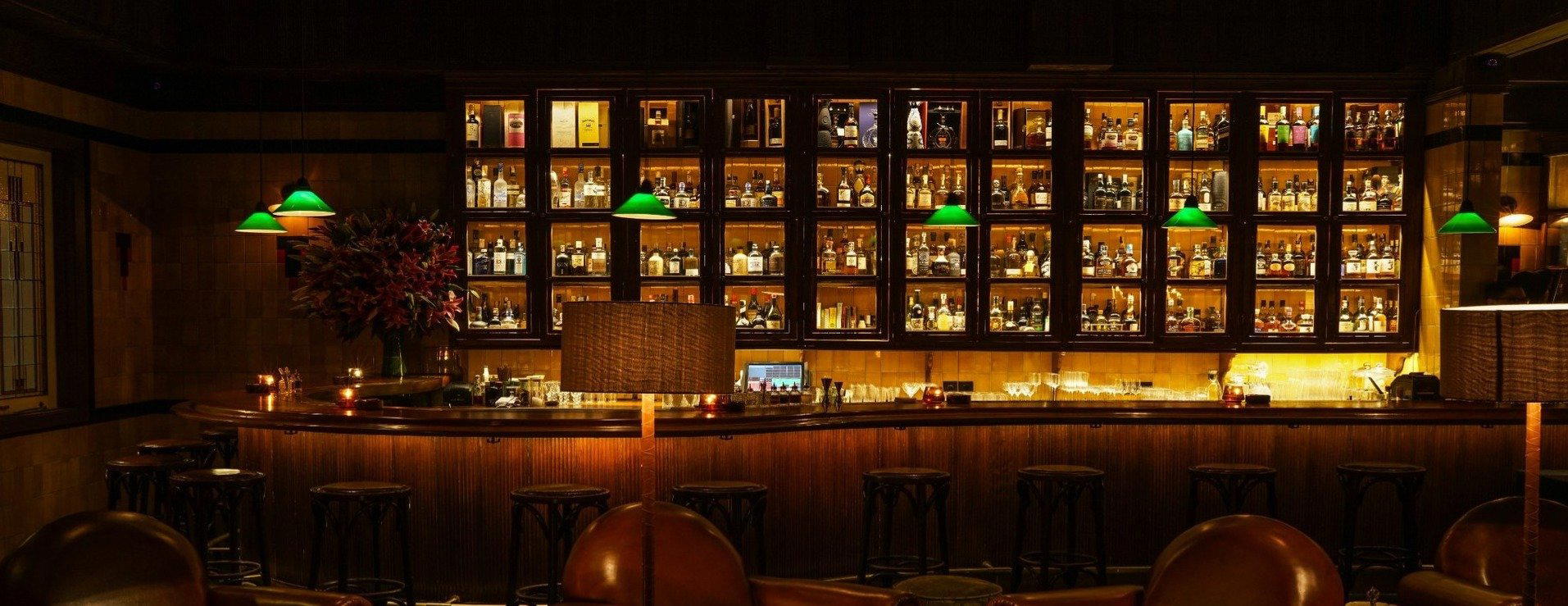
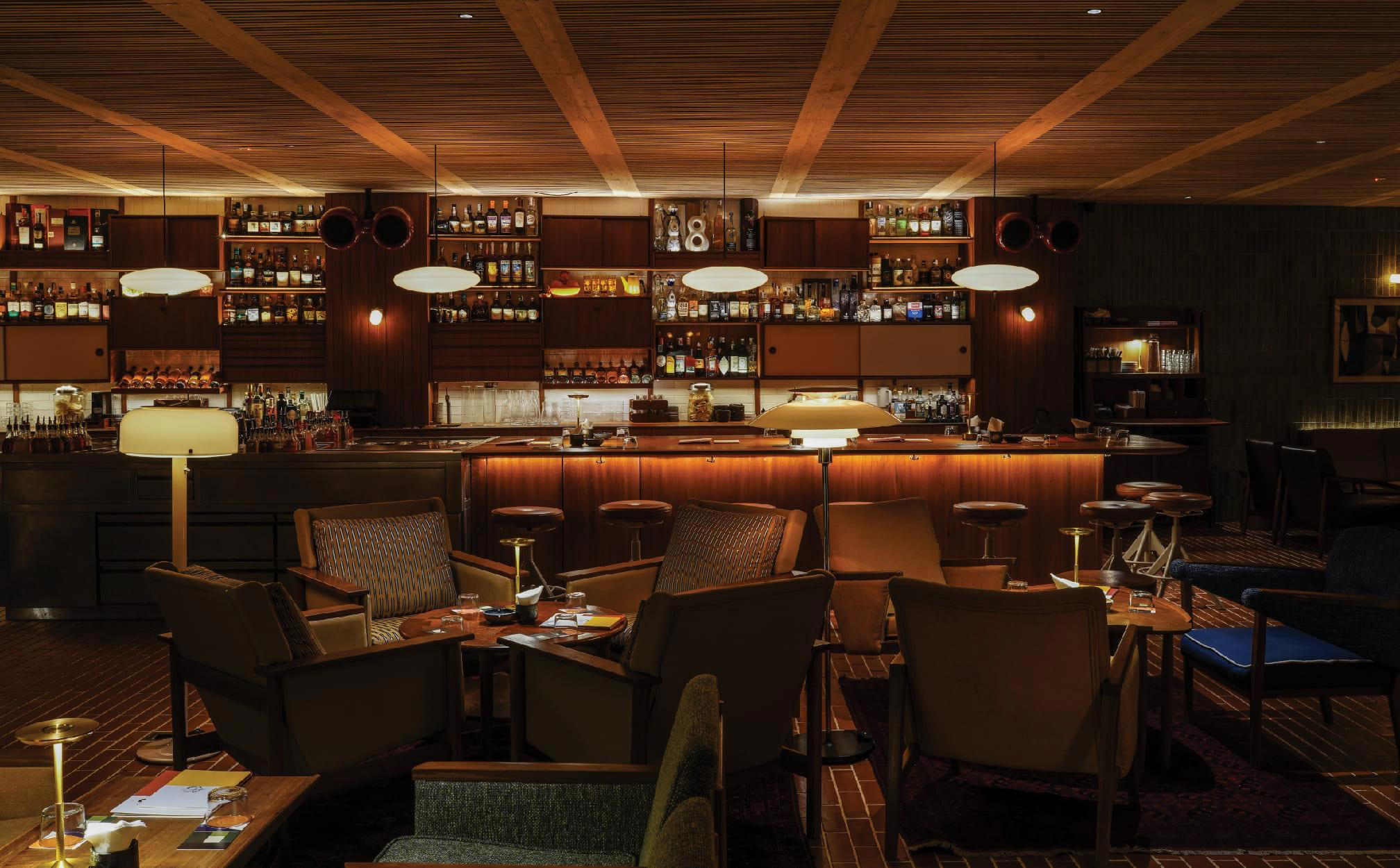

Details
- Modern
- Elegant
- Sophisticated
- Date Night
- Special Occasion
- Business Dinner
- Open Kitchen
- Sake Program
- A La Carte
Current opening hours
- Monday
- 5:30–11 PM
- Tuesday
- 5:30–11 PM
- Wednesday
- 5:30–11 PM
- Thursday
- 5:30–11 PM
- Friday
- 5:30–11:30 PM
- Saturday
- 5:30–11:30 PM
- Sunday
- 11 AM–4 PM, 5:30–11 PM
Hours can change for holidays and private events. Last verified .
Bold modern Japanese decor blending ancient aesthetic with contemporary elements, creating a cozy and eccentric atmosphere.