Canary Restaurant sits in the Pasar Minggu district of South Jakarta, drawing a steady crowd of regulars to its address on Jl. TB Simatupang. The kitchen's returning clientele suggests a formula that works, food that earns loyalty rather than curiosity visits. For travellers orienting around South Jakarta's dining corridor, it functions as a neighbourhood anchor worth understanding.
Pearl is the En Primeur Club membership app — saves, bookings, and concierge access live there. Same editors, same standards.
- Address
- Jl. Let. Jend Jl. TB Simatupang No.2 2 No. Kav. 9, RT.2/RW.2, Kebagusan, Pasar Minggu, South Jakarta City, Jakarta 12520, Indonesia
- Phone
- +622178838777
- Website
- astonhotelsinternational.com
- Directions
- Get directions
 Saves & bookings on Pearl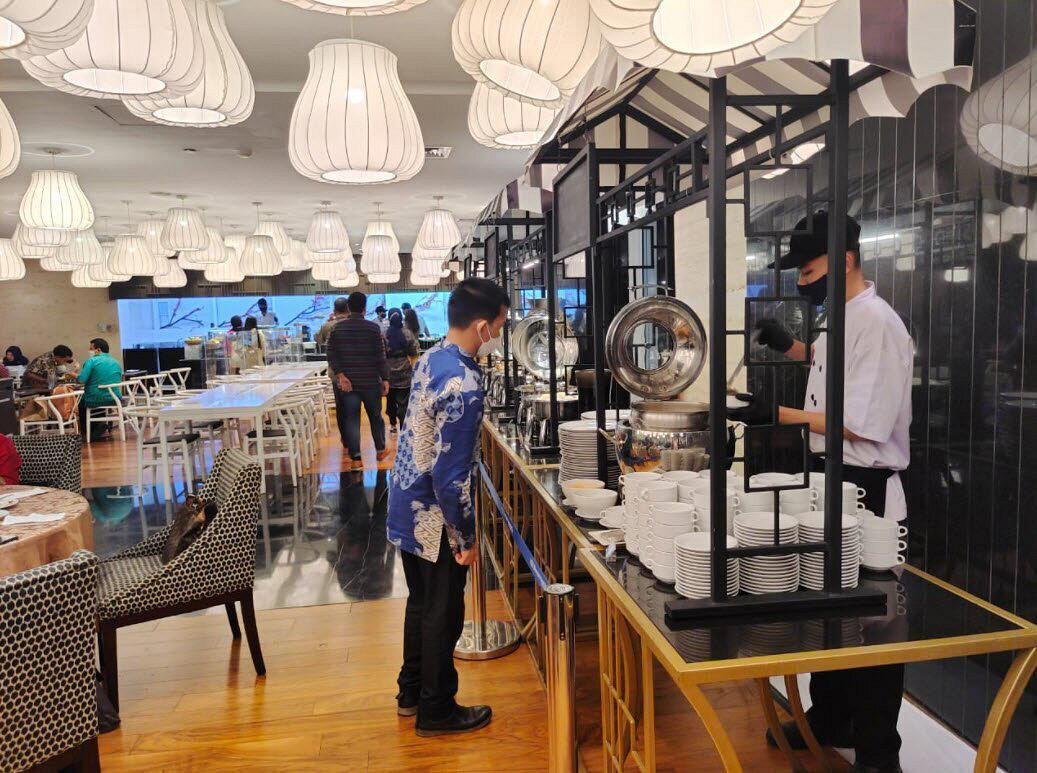
South Jakarta's Quiet Loyalty Economy
The stretch of Jl. TB Simatupang running through Kebagusan and into Pasar Minggu is not where Jakarta's restaurant press tends to look. That attention clusters further north, around the CBD towers and the Kemang strip, where concepts are built for opening-night coverage. What Simatupang has instead is a longer-standing dining culture shaped by residents, office workers from the nearby business parks, and the kind of regulars who return not because a venue is new but because it has become theirs. Canary Restaurant is an Indonesian restaurant in South Jakarta, Jakarta.
In Jakarta's broader dining map, the venues that survive in residential-adjacent corridors like Pasar Minggu tend to do so on terms different from those in SCBD or PIK. There is less forgiveness for inconsistency, because the clientele is not a rotating cast of first-timers. When the same tables fill week after week with familiar faces, the kitchen is being tested against memory rather than novelty. That is a harder standard to meet than a strong opening weekend, and it is the standard that defines what Canary has built.
What Regulars Come Back For
The regulars' perspective on any restaurant is especially reliable filter available. It bypasses the promotional framing of a launch period and cuts to the question that matters: what is this place actually good at, consistently, over time? For venues in South Jakarta's mid-tier residential dining scene, the answer usually involves a combination of approachable pricing, portions that feel calibrated to the neighbourhood's appetite rather than to Instagram's aspect ratio, and a kitchen that maintains its register rather than chasing trends.
Canary's address in Kebagusan places it within a dense residential fabric, close enough to the Simatupang commercial corridor to draw the lunch trade from nearby offices, but rooted enough in the neighbourhood to function as a dinner destination for locals. That dual pull, office proximity and residential loyalty, is the combination that tends to sustain venues in this part of South Jakarta over multi-year timescales.
Jakarta's dining scene has split more visibly in recent years between high-concept, high-visibility venues and the quieter neighbourhood tier that operates largely outside the city's award and review infrastructure. Comparison venues like August or Bistecca operate in a different competitive register, one shaped by international credentials and an audience that tracks recognition. Canary belongs to the other cohort: places whose reputation is built street by street, table by table, over years of consistent service to a local audience that has other options and keeps choosing to return.
The Neighbourhood Context
Pasar Minggu as a dining district rewards visitors who are willing to move away from the more publicised restaurant corridors. The area has a character that is harder to read from outside: it is not a design-forward precinct, and it does not market itself. What it has is density of use and a population that eats out frequently and expects value in the broadest sense of that word. Price matters here, but so does consistency, service rhythm, and the sense that a venue knows its audience.
For travellers who have spent time in Jakarta's more curated dining environments, whether the steak-focused rooms represented by venues like Aged + Butchered Jakarta or the more casual café formats of Bakerzin Central Park, the South Jakarta neighbourhood tier offers a different register entirely. It is not a step down in quality so much as a shift in the terms on which quality is being offered. The measure here is not technique or concept but reliability and fit with a local context that has been shaped over time by the people who live and work in it.
This is also worth understanding against Jakarta's wider Indonesian restaurant landscape. Venues like Abunawas Restaurant in Kemang demonstrate how Indonesian cuisine operates across multiple price and concept tiers in the city, from neighbourhood staples to more self-consciously positioned interpretations. Canary's position in Pasar Minggu puts it closer to the former end of that spectrum, where the cooking is in conversation with what the neighbourhood actually wants rather than with what a broader culinary audience might find interesting.
Jakarta in the Indonesian Dining Map
For visitors arriving from Bali's more internationally visible restaurant scene, which includes venues like Locavore NXT in Ubud, Sarong Bali in Canggu, or Cuca Restaurant in Badung, Jakarta's neighbourhood dining tier can feel like a different country. The Bali circuit is built for an internationally mobile audience and priced accordingly. Jakarta's residential districts operate on different economics and different expectations. The cooking at a place like Canary is not trying to translate Indonesian food for an outside audience. It is cooking for the people who already know the food and will notice immediately if something is off.
That orientation also places South Jakarta's neighbourhood venues in a different conversation from the kind of Padang-focused dining available further east at spots like CARANO Masakan Padang in Bekasi, or the more resort-inflected coastal dining found at Rumari in Jimbaran. Each of these venues is serving a distinct audience with distinct expectations, and understanding where Canary sits in that matrix requires knowing that its audience is primarily the Pasar Minggu residential community and the Simatupang office corridor, not the international traveller or the food-press circuit.
Venues elsewhere in the Indonesian archipelago, including Moksa in Bali, Jungle Fish Bali in Gianyar, The Legian in Seminyak, and Kahyangan in Gondangdia, as well as international reference points like Le Bernardin in New York City and Lazy Bear in San Francisco, each demonstrate how different the terms of excellence can be depending on audience, context, and intent. Canary's terms are local, consistent, and earned over time. Cafe Organic Canggu in Banjar Badung provides a useful contrast point from another part of the archipelago where different values and a different visitor profile shape what a successful neighbourhood venue looks like.
Planning Your Visit
Canary Restaurant is located at Jl. Let. Jend Jl. TB Simatupang No.2 2 No. Kav. 9, RT.2/RW.2, Kebagusan, Pasar Minggu, South Jakarta City, Jakarta 12520, Indonesia. The Simatupang area experiences significant traffic congestion during morning and evening rush hours on weekdays, so timing a visit for early lunch or mid-evening tends to produce a smoother approach.
What It’s Closest To
Comparable venues nearby, for context on price, style, and recognition.
| Venue | Cuisine | Price | Notes |
|---|---|---|---|
| Canary RestaurantThis venue — the venue you are viewing | Indonesian | $$ | Not listed |
| Plataran Menteng | Traditional Indonesian Fine Dining | $$$ | Gondangdia |
| Pancious Emporium Pluit | American Pancake House | $$ | Ploeit |
| Gurēsu | Modern Japanese Omakase | $$ | Bangka |
| Namaaz Dining | Indonesian Molecular Gastronomy | $$$$ | Petogogan |
| HOLYSTEAK - Senayan City | Steakhouse Grill | $$ | Gelora |

At a Glance
- Cozy
- Casual Hangout
- Business Dinner
- Hotel Restaurant
Current opening hours
- Monday
- 6 AM–9:30 PM
- Tuesday
- 6 AM–9:30 PM
- Wednesday
- 6 AM–9:30 PM
- Thursday
- 6 AM–9:30 PM
- Friday
- 6 AM–9:30 PM
- Saturday
- 6 AM–9:30 PM
- Sunday
- 6 AM–9:30 PM
Hours can change for holidays and private events. Last verified .
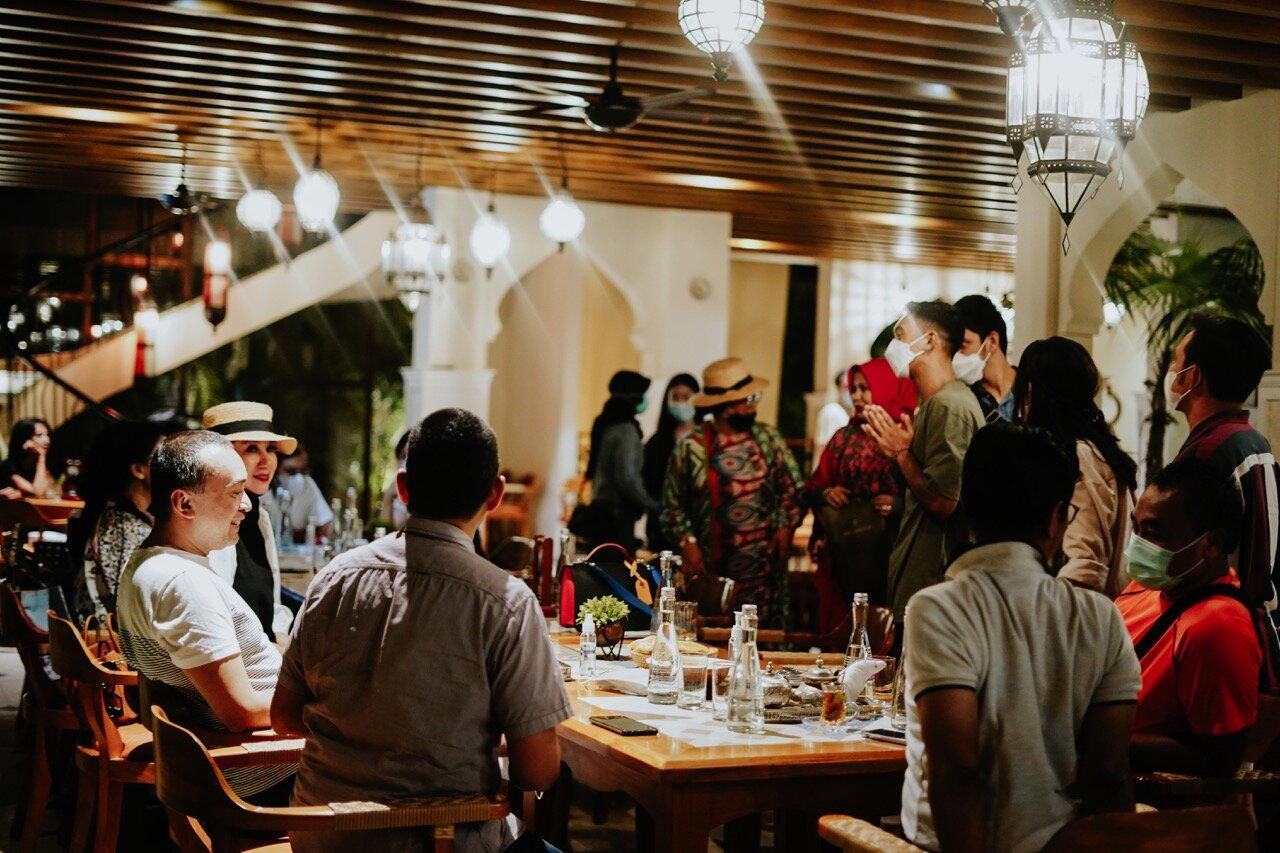
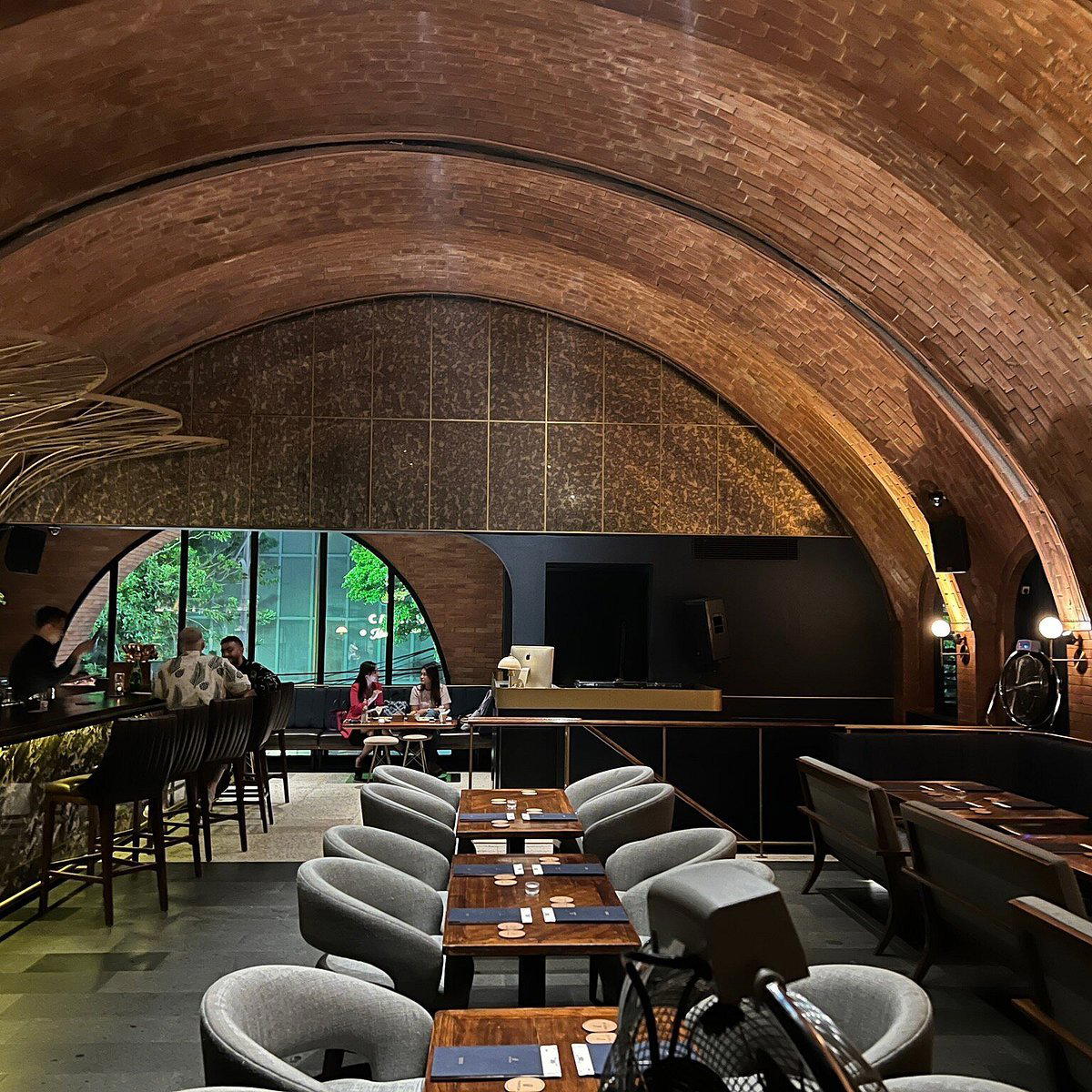
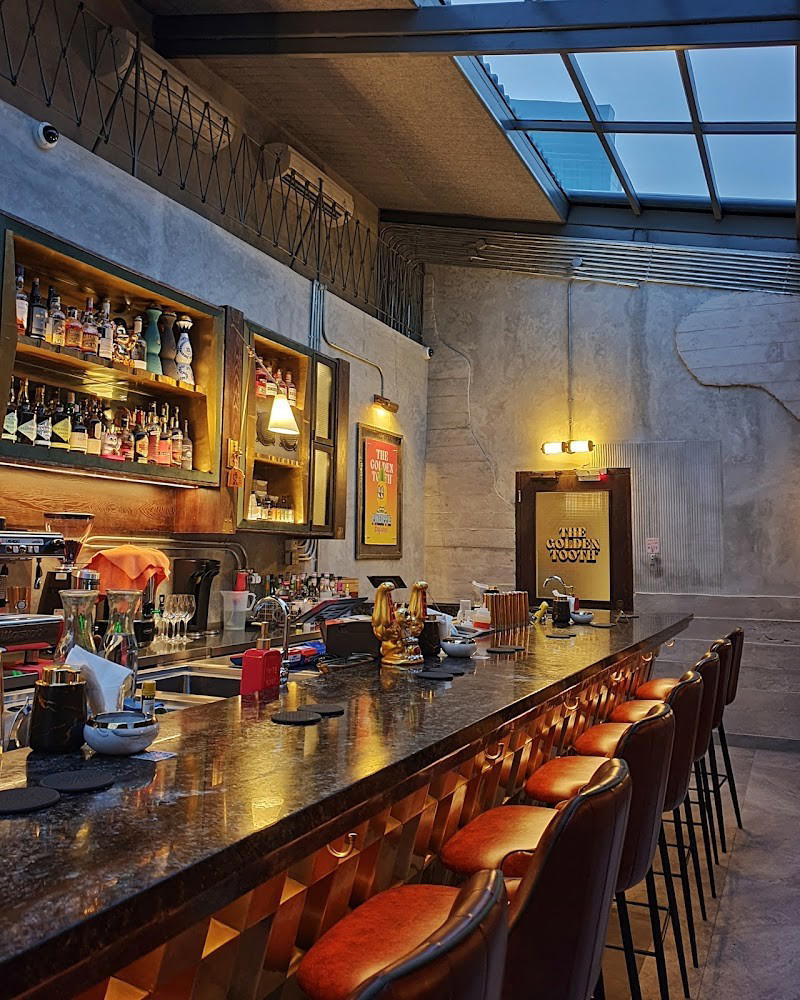
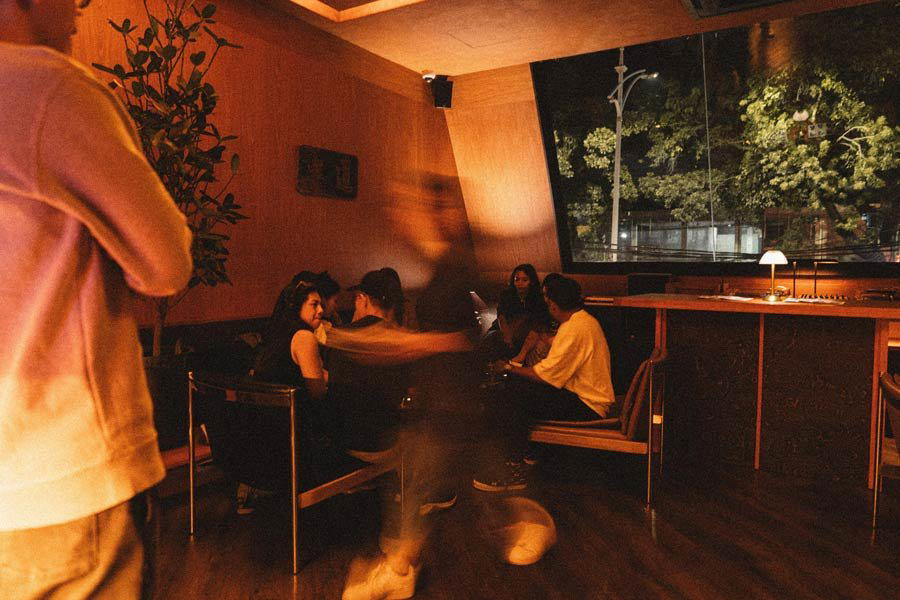
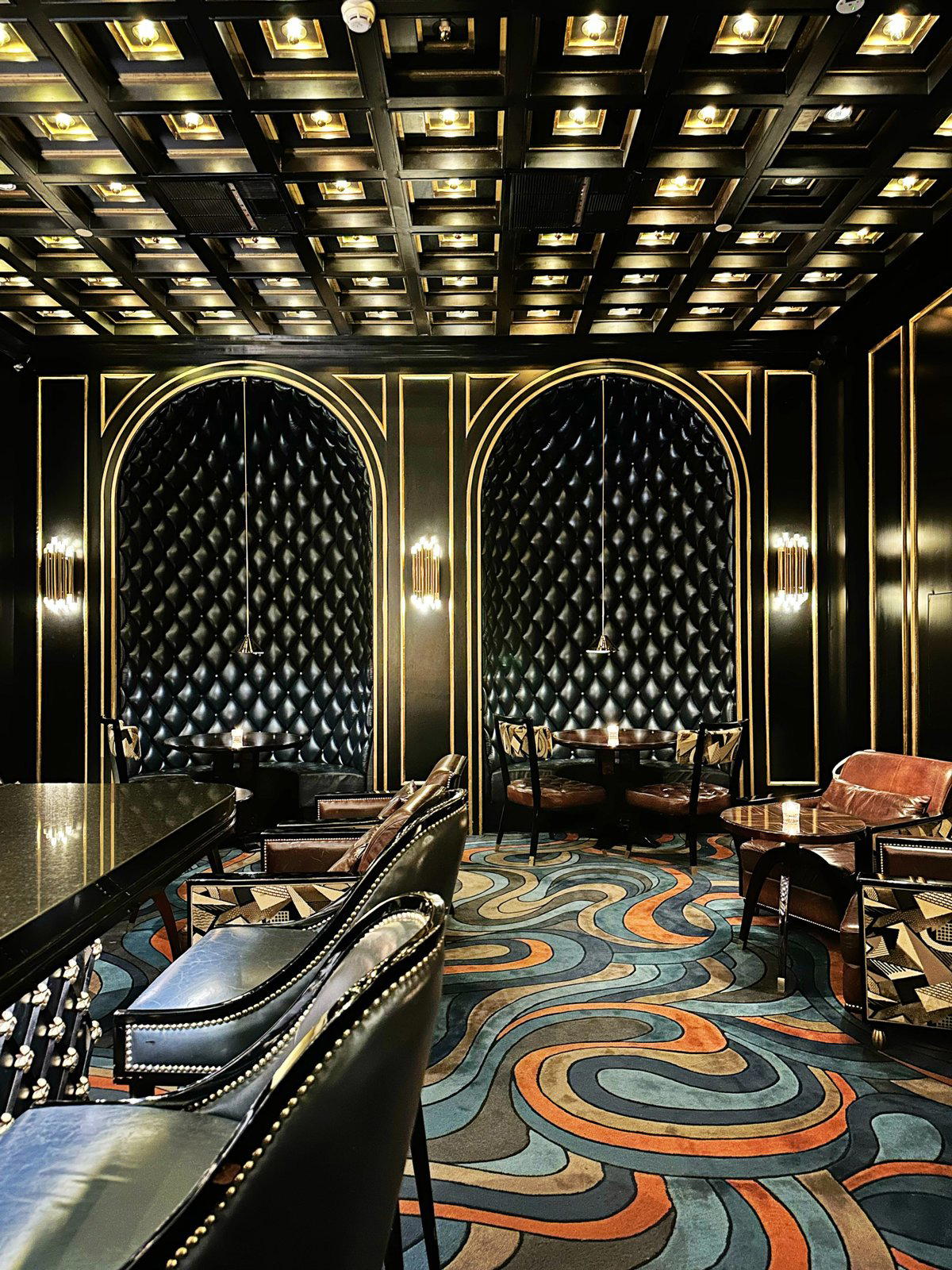
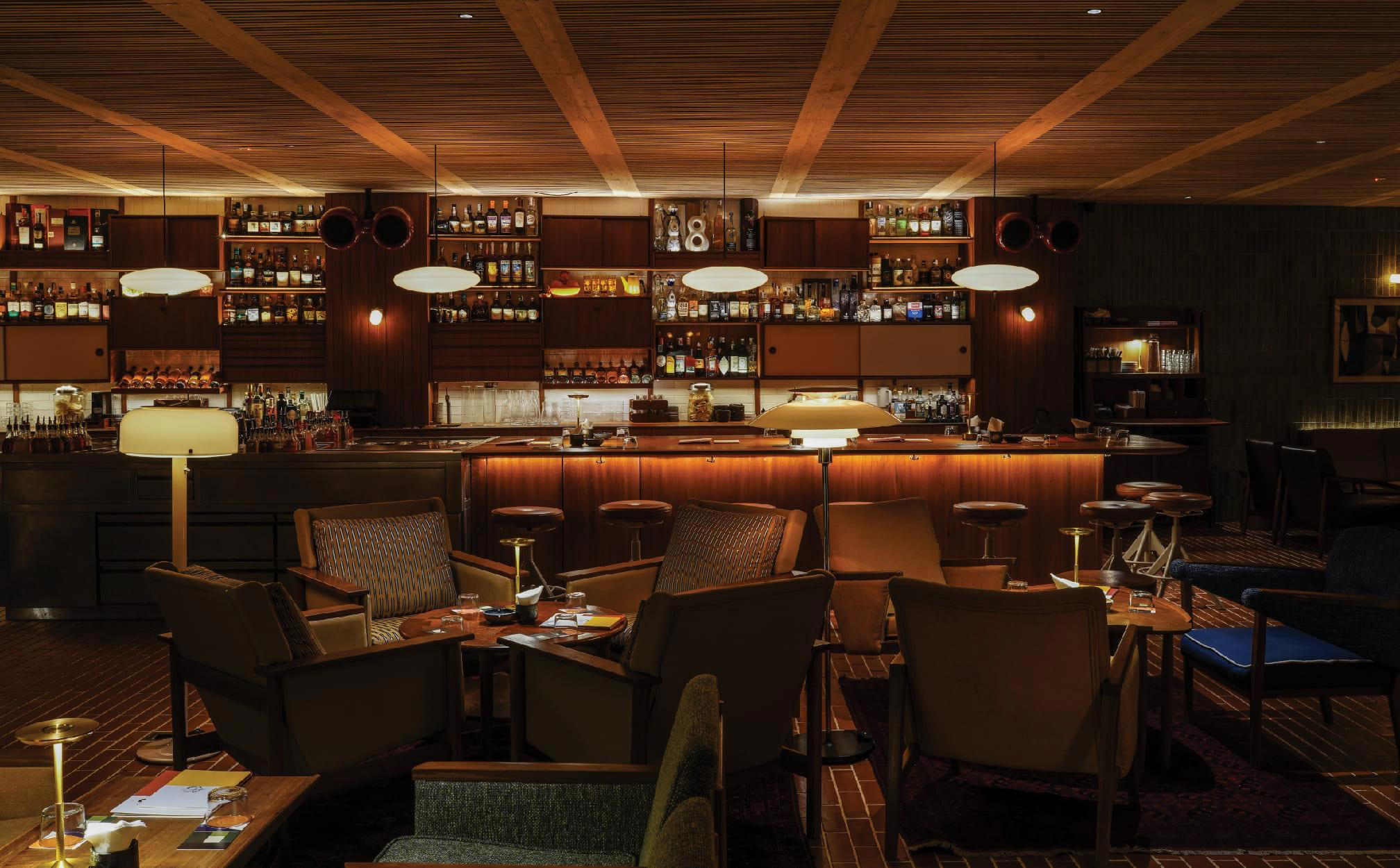
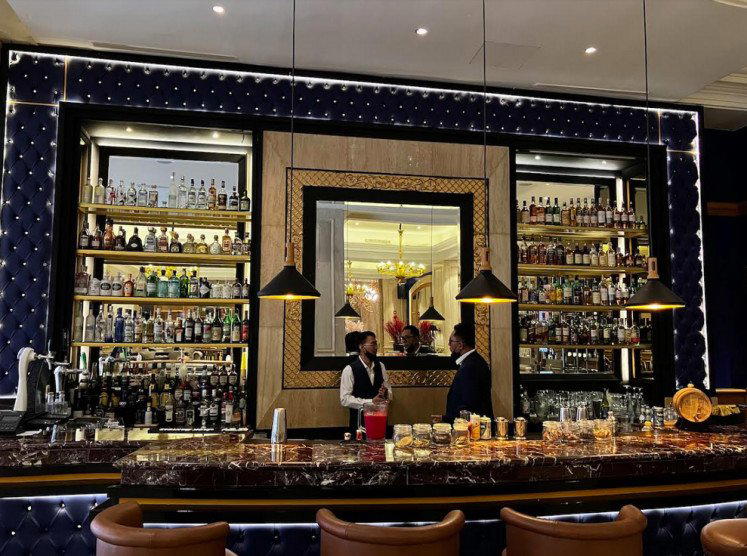
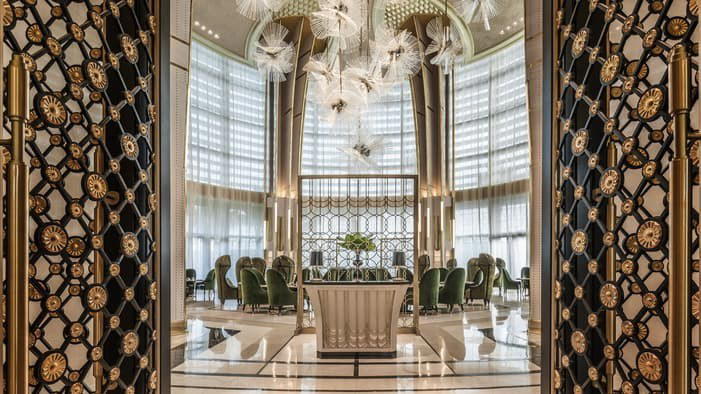
Inviting ambiance with friendly service creating a comfortable dining experience