Bu Chi Su gives Shanghai’s Sichuan dining conversation a sharper edge, with the cuisine’s heat, oil, aromatics, and wok technique treated as the main event rather than background spice. The draw is not ceremony or chef mythology, but the speed and control that define Chinese high-heat cooking in a city where regional restaurants compete hard for attention.

Pearl is the En Primeur Club membership app — saves, bookings, and concierge access live there. Same editors, same standards.
Walk into a serious Sichuan room in Shanghai and the first signal is often not chilli. It is pace: the clang of metal, the brief flare from a wok station, the quick movement between table and kitchen. Bu Chi Su belongs to that part of the city’s dining culture, where heat is not a decorative thrill but a technical language. Sichuan cooking depends on timing as much as seasoning: aromatics need seconds, not minutes; oil carries flavour but can dull it when handled lazily; numbing spice should frame a dish rather than flatten it.
Shanghai is a demanding market for regional Chinese food because diners here are used to precision across price tiers, from banquet Cantonese to compact neighbourhood counters. Sichuan restaurants face an additional test. The cuisine travels easily in outline, chilli, peppercorn, garlic, fermented bean paste, but it travels poorly when kitchens treat intensity as a substitute for control. The more convincing versions keep texture, temperature, and sequence intact. That is the context in which Bu Chi Su makes sense: as a Sichuan address judged by flame discipline and seasoning balance, not by novelty.
Sichuan technique in Shanghai is a question of speed, oil, and restraint
The defining feature of Sichuan cooking is not heat alone. It is contrast: crisp against soft, fragrant oil against fresh green, ma against la, smoke against acidity. Wok hei matters because it compresses that contrast into a short cooking window. The wok is less a vessel than a clock. Ingredients pass through ferocious heat, seasoning lands quickly, and the dish has to leave before the aromatics lose lift. In that sense, a Sichuan meal in Shanghai rewards diners who pay attention to rhythm rather than spectacle.
Bu Chi Su’s category also says something about Shanghai’s appetite for mainland regional cooking. The city has long supported polished international dining, hotel restaurants, and private-room Chinese formats, but its stronger contemporary eating is often found in kitchens that understand a regional grammar deeply enough to avoid over-explaining it. Sichuan food gives those kitchens a wide register: dry-fried, braised, cold-dressed, pickled, steamed, and wok-tossed. A useful order moves across those registers instead of building a table around chilli alone.
That wider view matters for travellers. A Sichuan restaurant in Shanghai is not a proxy for Chengdu, and it should not be judged as one. Shanghai’s version often carries a cleaner service rhythm and a sharper urban polish, while Chengdu remains closer to the source culture of teahouses, late meals, and neighbourhood specialisation. Readers mapping the broader cuisine can place the restaurant alongside city-specific references beyond Shanghai, including #8 in Chengdu and Art Yinba, Sichuan in Chengdu, while noting how export versions such as Astoria DC, Sichuan in Washington, D.C. adapt the same flavour vocabulary for a different audience.
How to read the meal: order for contrast, not just firepower
The smarter way through a Sichuan table is structural. Start cold or lightly dressed if the menu allows it, move into wok-led dishes while heat and texture are still sharp, then use braised or sauced plates to lengthen the meal. Rice is not an afterthought in this cuisine; it is a temperature and seasoning regulator. Tea, beer, and low-tannin wines tend to make more sense than heavy reds, especially when peppercorn and chilli oil lead the table.
Shanghai’s broader restaurant map helps explain the decision. Cantonese dining in the city often prizes clarity, seafood handling, and service formality, visible in addresses such as 100 Century Avenue Cantonese. Steakhouse dining, including 100 Century Avenue Steakhouse, works from a different logic: sourcing, grill control, and wine alignment. Sichuan sits elsewhere. It is faster, more volatile, and more dependent on a kitchen’s ability to manage aromatic force without turning the meal into repetition.
Within Shanghai, diners looking across regional Chinese cooking can build a sharper picture by reading the restaurant against other local addresses in different traditions and districts, including Chaimen Hui (Pudong), Nan Xing Yuan, and Shi Chuan Fei Chuan (Xuhui). The point is not to rank them by heat level. The useful question is what each kitchen reveals about the city’s regional Chinese dining: banquet polish, neighbourhood familiarity, spice-driven cooking, or technique-led restraint.
The broader China map puts Shanghai's Sichuan appetite in context
Shanghai’s strength as a dining city is breadth. A single trip can move from Sichuan heat to Jiangnan subtlety, Cantonese precision, grilled meat, cocktails, hotels, and cultural programming without leaving the city’s main visitor corridors. For planning across categories, EP Club’s city pages are more useful than chasing isolated names: see Our full Shanghai restaurants guide, Our full Shanghai hotels guide, Our full Shanghai bars guide, Our full Shanghai wineries guide, and Our full Shanghai experiences guide.
Travellers extending the same regional-food lens beyond Shanghai should look at how other Chinese cities express local identity through narrower specialisation. 167 Shan Hai Li in Fuzhou, 1913 in Hangzhou, 1927 Dong Yuan Si Chu in Xiamen, 1949 - Duck de Chine in Beijing, and 1980烧肉粽 in 厦门市 point to a larger truth: Chinese dining rewards specificity. The restaurant fits that pattern by focusing the reader’s attention on Sichuan’s wok-and-flame discipline inside Shanghai’s competitive restaurant culture.
Reputation & Price
Comparable venues nearby, for context on price, style, and recognition.
| Venue | Cuisine | Price | Notes |
|---|---|---|---|
| Bu Chi SuThis venue — the venue you are viewing | Jing'an District, Sichuan Chinese | $$$ | Not listed |
| Wujie | Xujiahui, Modern Vegetarian Asian Fusion | $$$ | Not listed |
| upper club | Jing'an, Modern Chinese Hot Pot | $$$ | Not listed |
| NOBLE | Lao Bai Du, Modern Huaiyang | $$$ | Not listed |
| Haiweiguan | Not listed | $$$ | Huangpu District, Modern Shanghainese in a historic Shanghai-style building |
| Zhao Zhou Lu | Not listed | $$ | Lao Ximen, Chinese (Zhejiang, Hangzhou) |


At a Glance
- Trendy
- Lively
- Cozy
- Group Dining
- Casual Hangout
- Late Night
- Standalone
- Street Scene
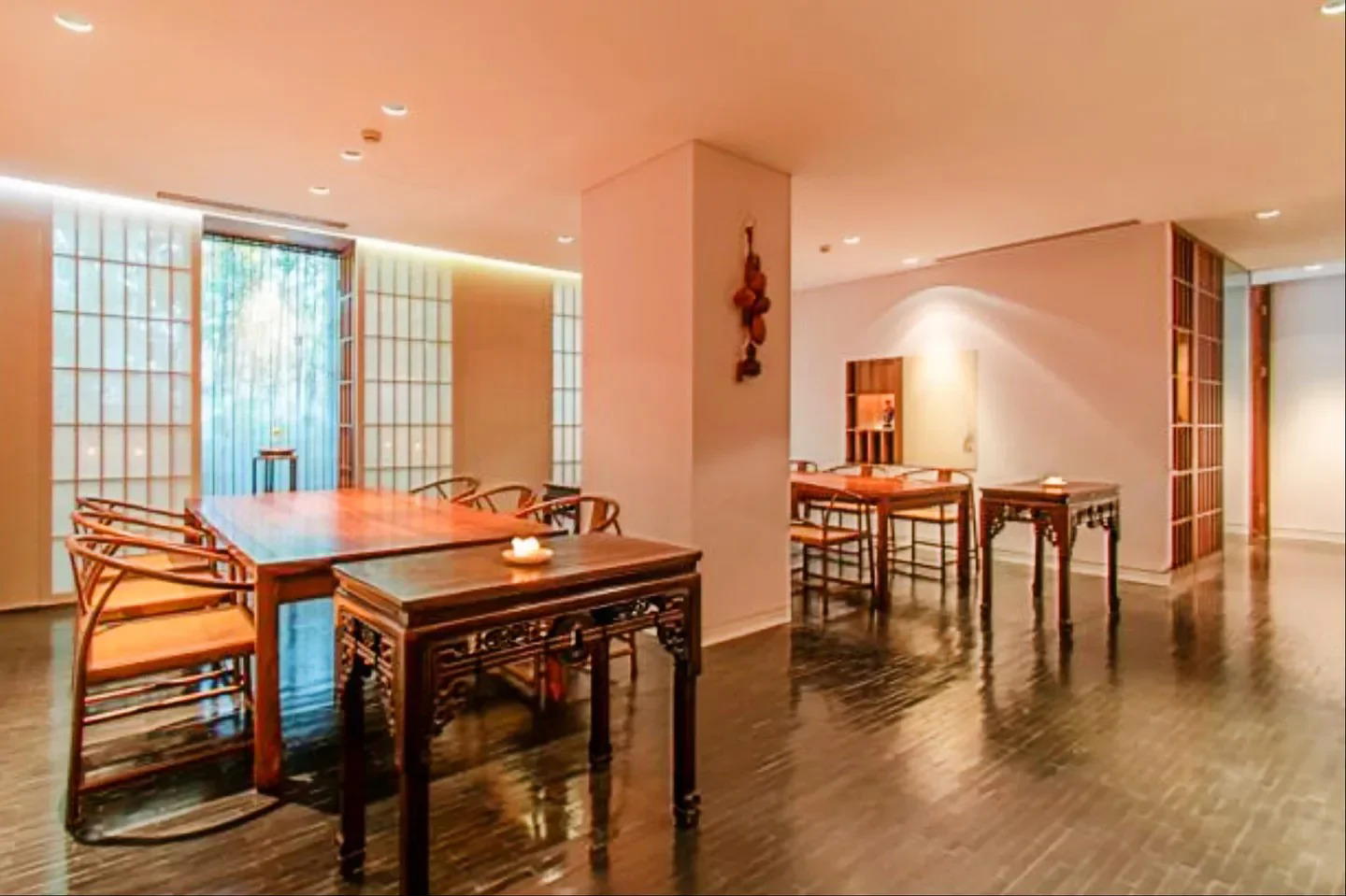
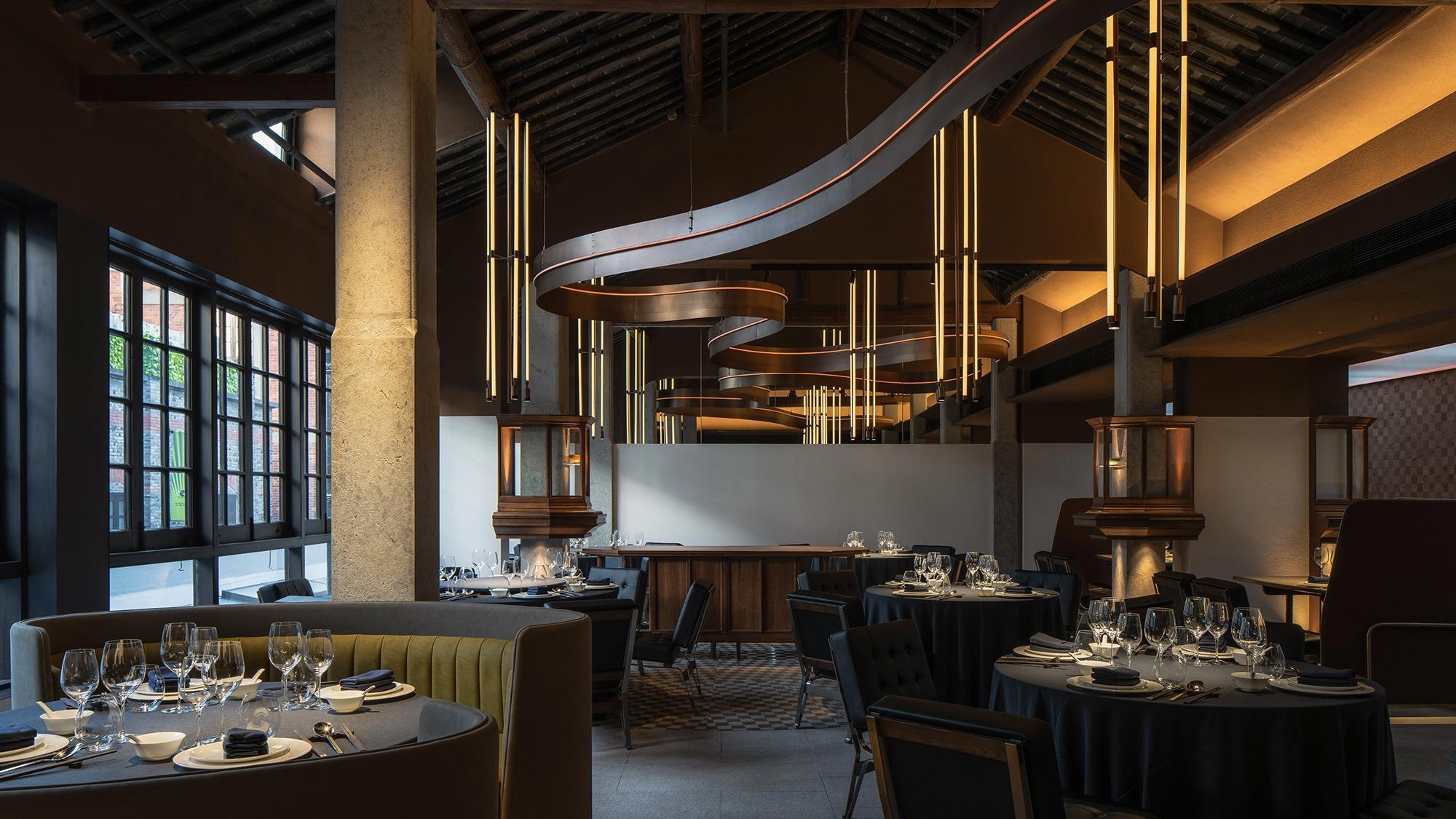
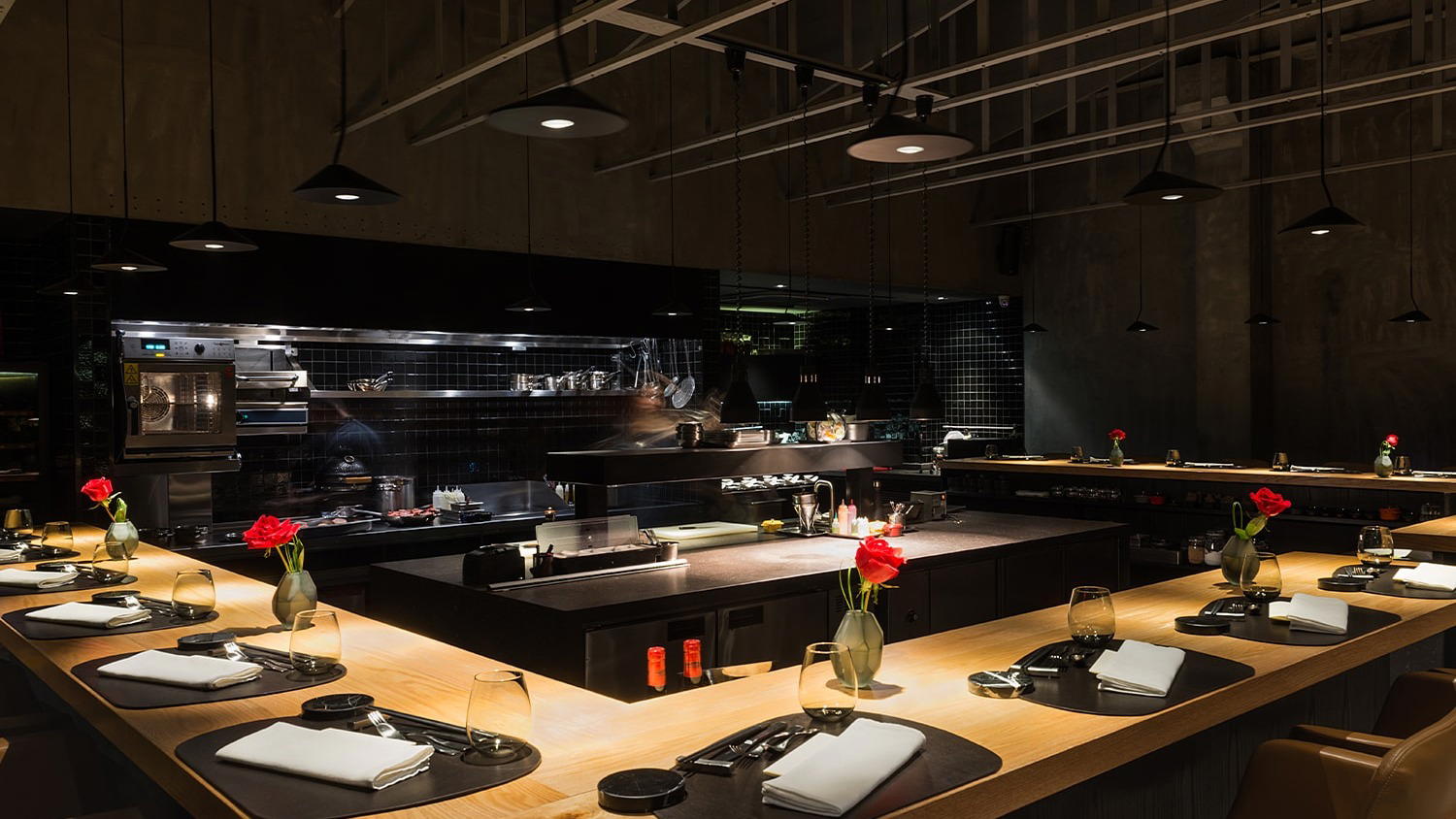
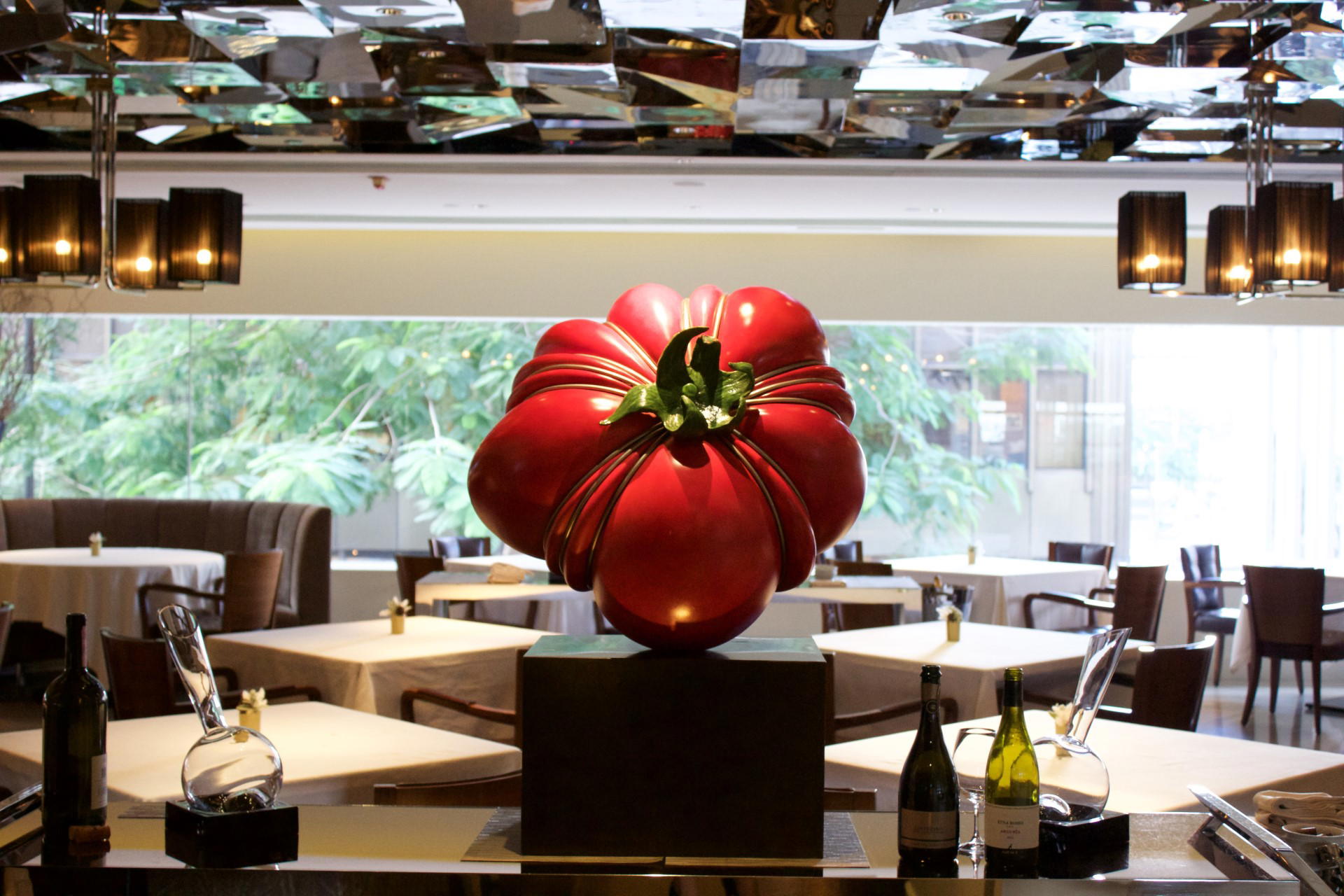
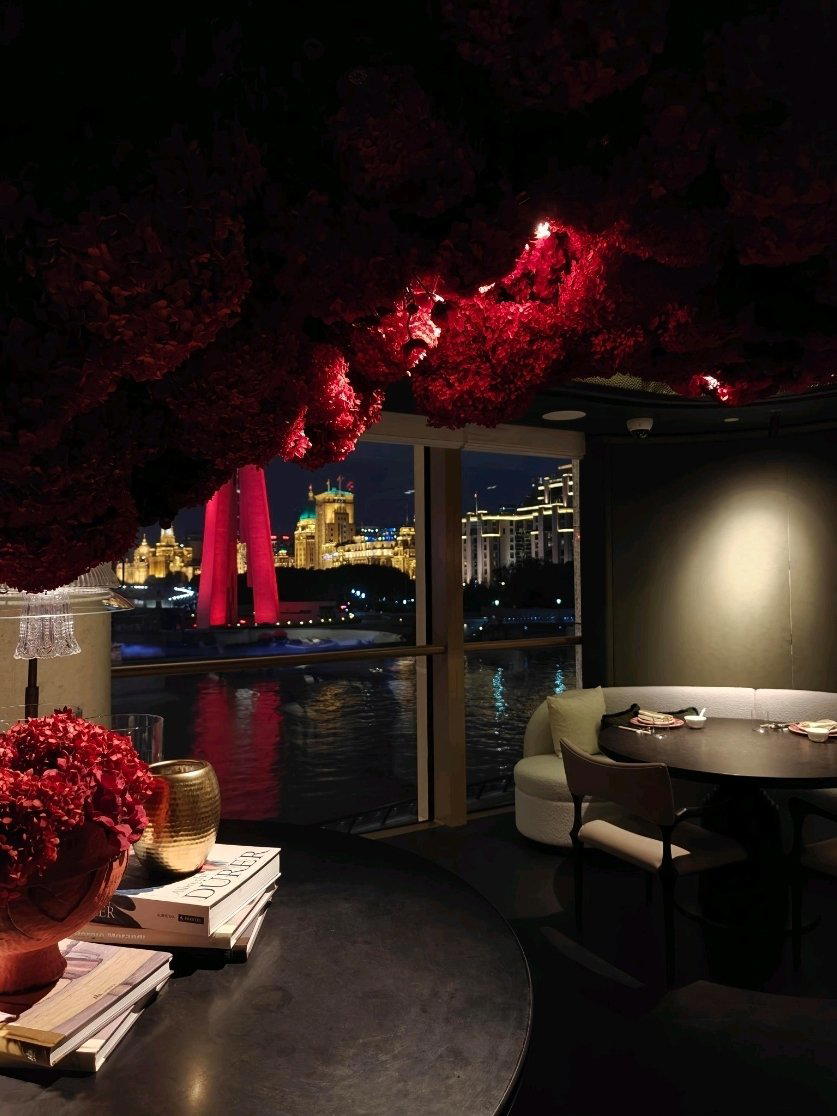
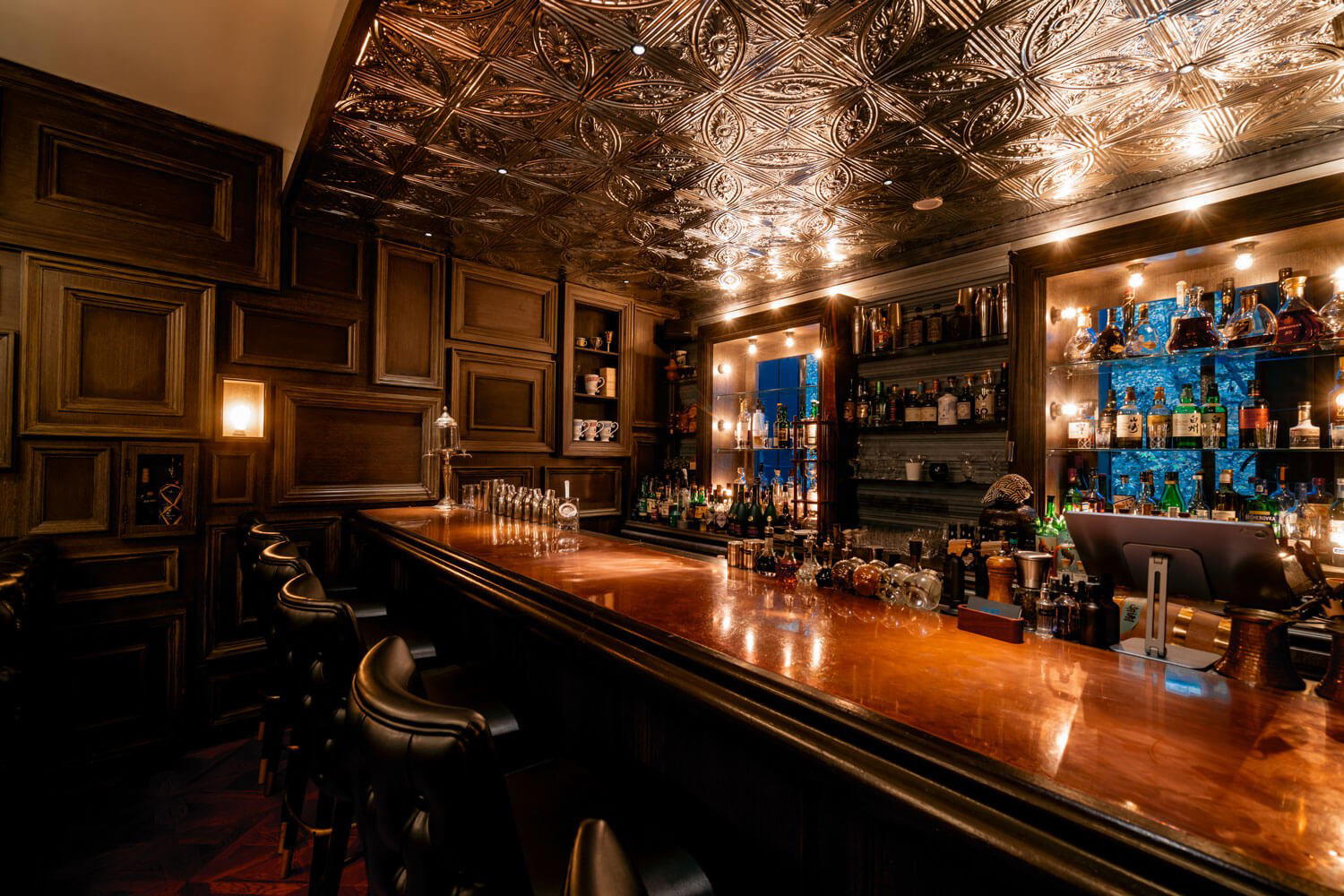
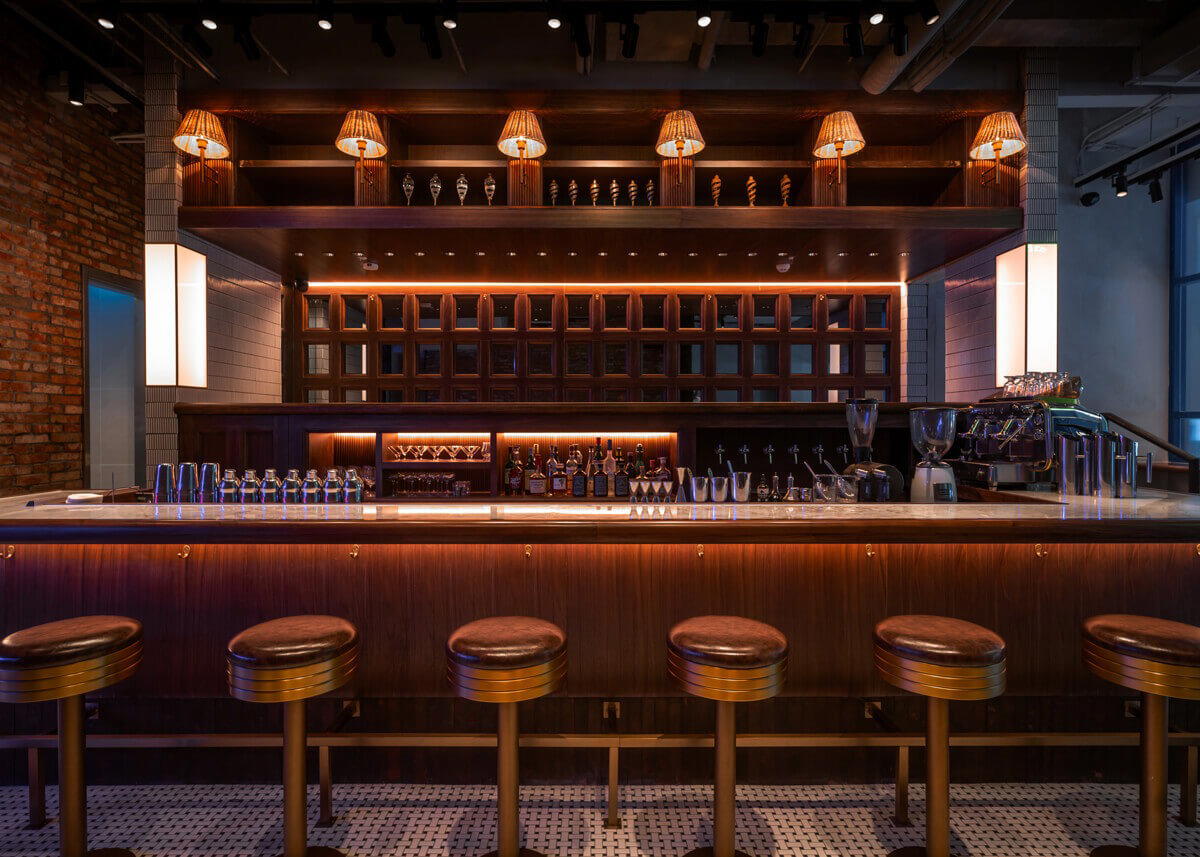
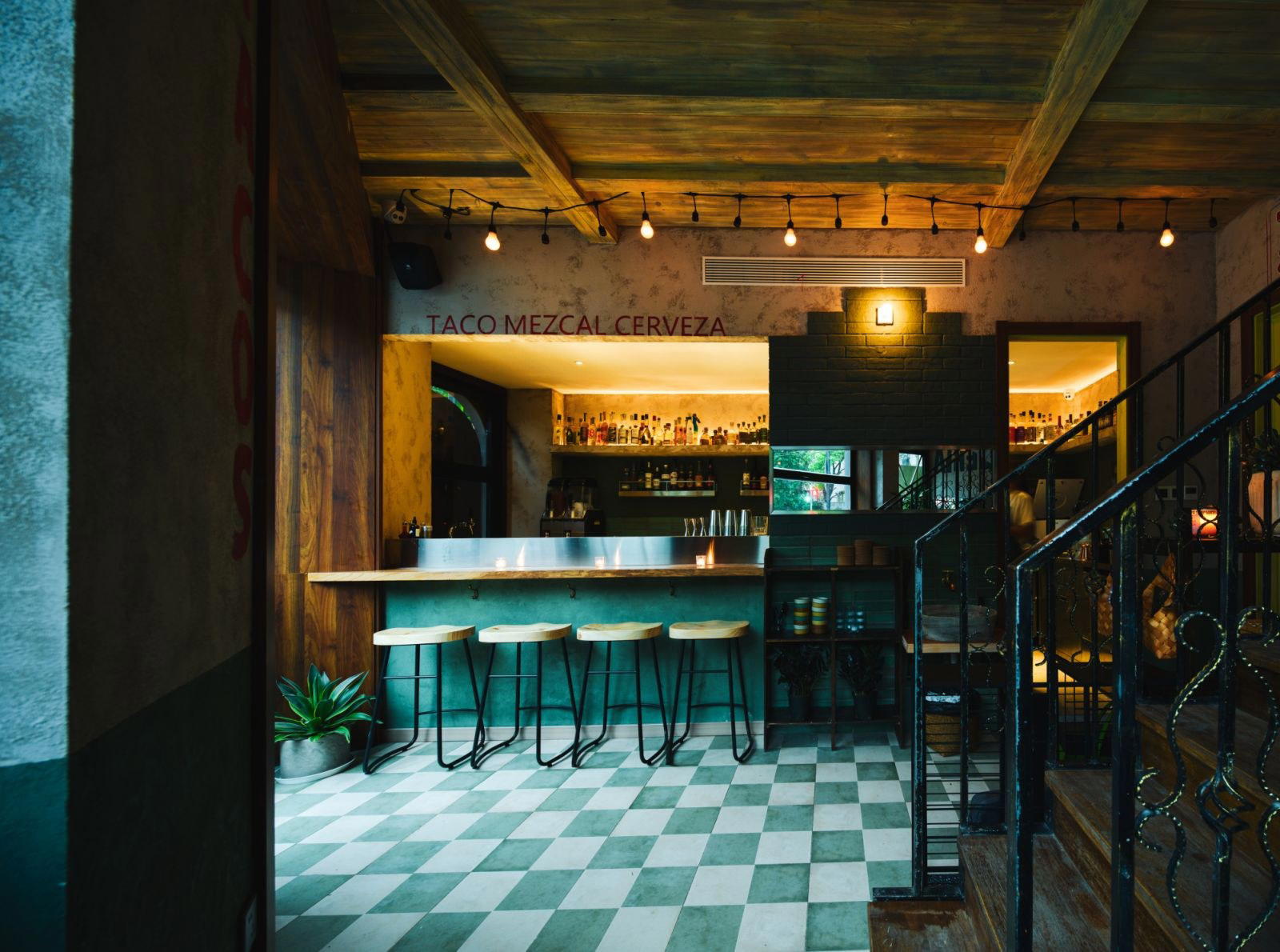
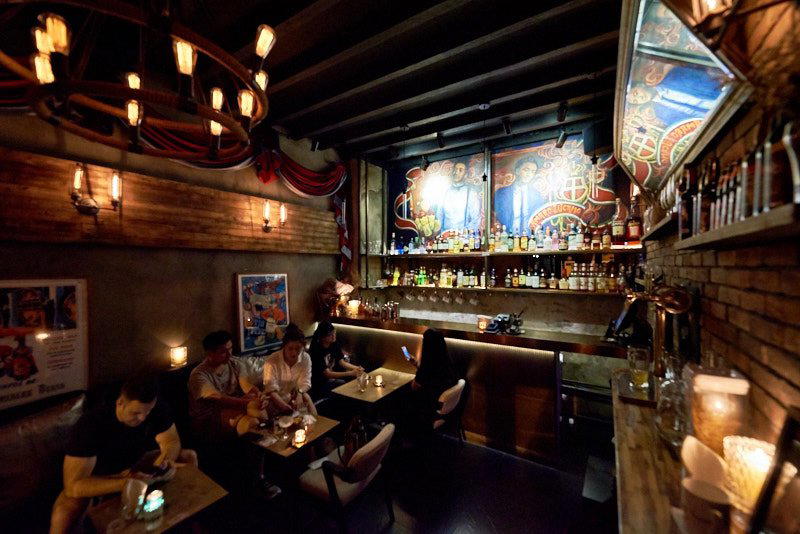
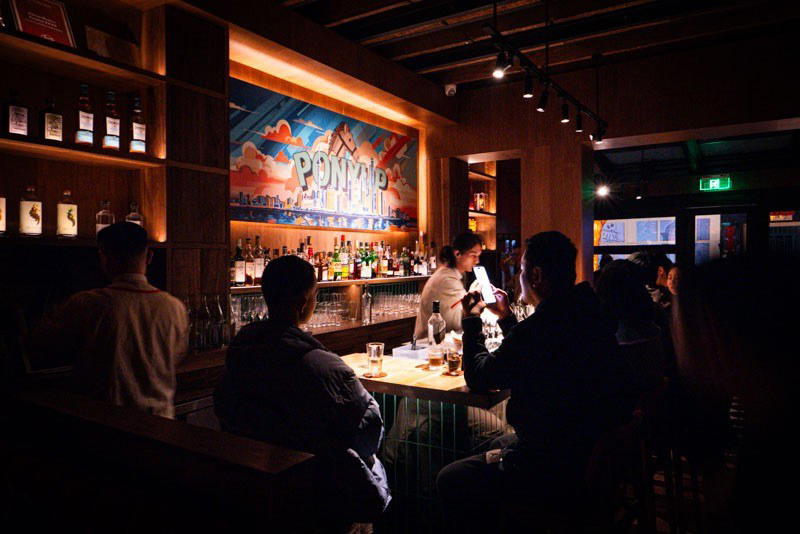
Casual, lively Sichuan bistro atmosphere with a small, friend-gathering dining room and bold, meat-forward energy.