
Positioned on the 12th floor of the historic Jin Jiang Hotel on South Maoming Road, NingBo Restaurant Since 2001 holds a 2025 Black Pearl 1 Diamond award, placing it among Shanghai's recognized addresses for Ningbo-style cuisine. The Cathay Building setting gives the room a mid-century gravitas that few dining rooms in Huangpu can match. A deliberate choice for those who want regional Chinese cooking with institutional credentials behind it.
Pearl is the En Primeur Club membership app — saves, bookings, and concierge access live there. Same editors, same standards.
- Address
- 12F, Cathay Building, Jin Jiang Hotel, 59 South Maoming Road, Huangpu, Shanghai, China Mainland
- Phone
- +862133566777
- Directions
- Get directions
 Saves & bookings on Pearl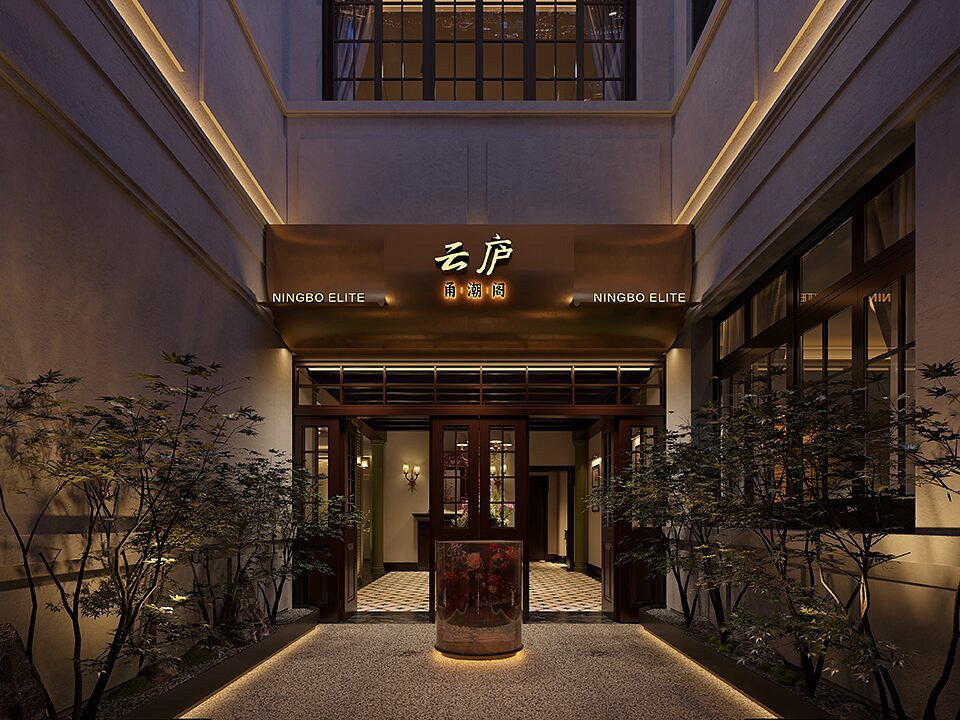
The Room Before the Food: Jin Jiang's Twelfth Floor in Context
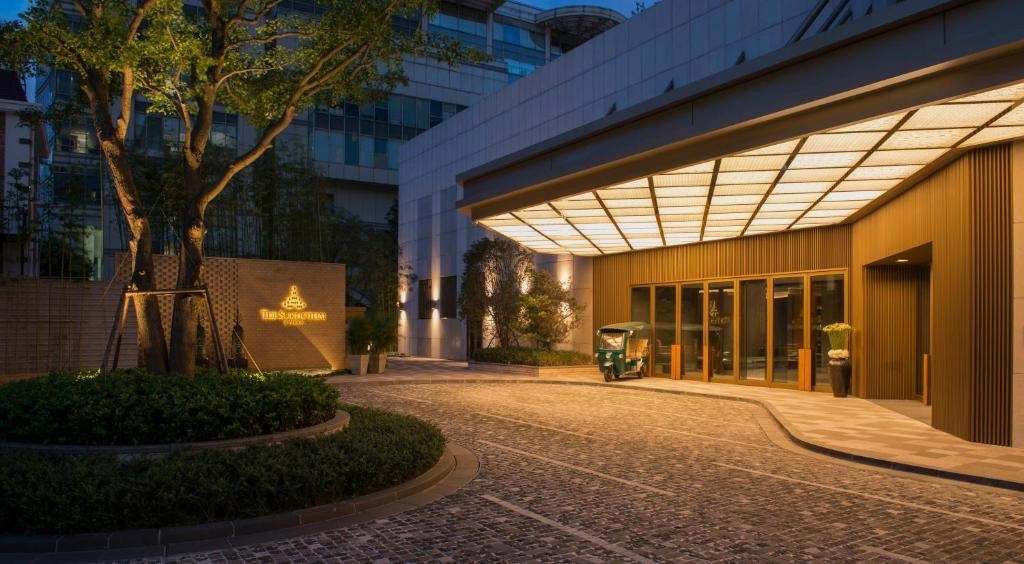
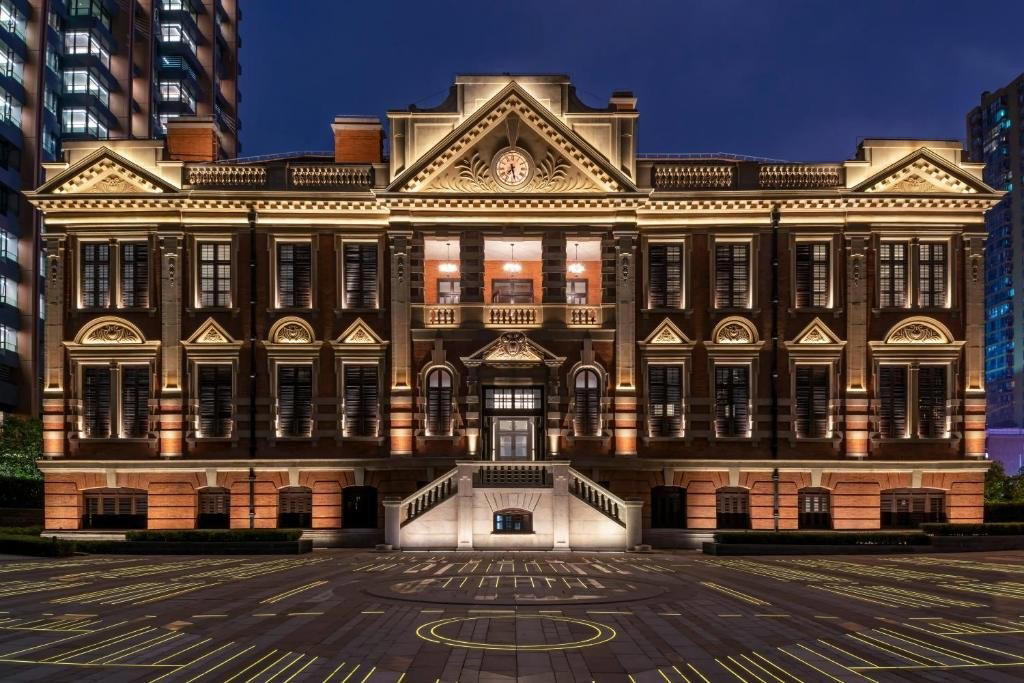
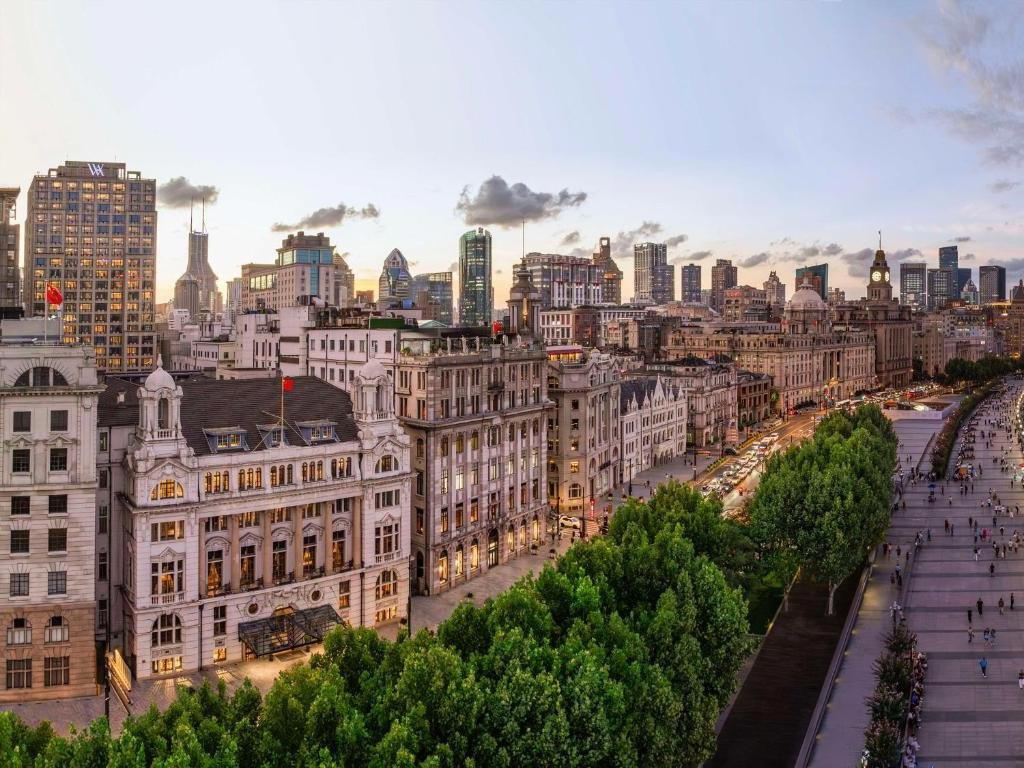
South Maoming Road in Huangpu carries a particular kind of Shanghai weight. The Jin Jiang Hotel compound, which dates to the 1930s, has housed heads of state and witnessed decades of the city's political and cultural life. When a restaurant occupies the 12th floor of the Cathay Building within that compound, it inherits a setting that does a great deal of the atmospheric work before anyone opens a menu. The view across the former French Concession roofline, the period architecture of the building itself, the slightly formal hush of a room that has been in continuous use since 2001, these are not incidental details. They are the frame through which the cooking is received.
For visitors accustomed to Shanghai's newer generation of destination restaurants, the glass-and-concrete towers in Xintiandi or the converted lane houses of Jing'an, the Cathay Building setting reads as a deliberate counter-argument. This is a dining room where the surroundings signal longevity and institutional seriousness rather than design-led novelty. That positioning matters when you are trying to read what a restaurant is actually offering.
Ningbo Cuisine in Shanghai's Regional Chinese Hierarchy
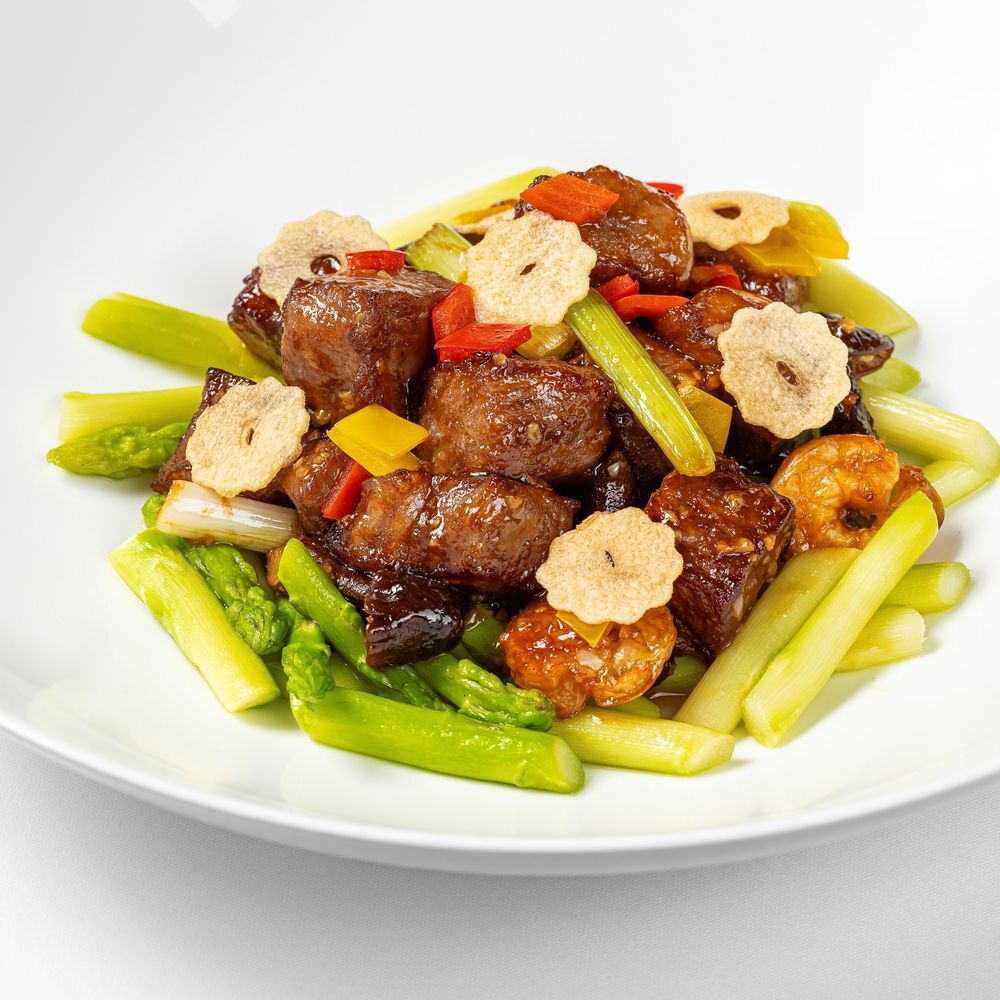
Shanghai's premium Chinese dining tier has historically been dominated by Cantonese, a pattern visible across the city's award lists and in the programming of its major hotels. Ningbo cuisine, which comes from the coastal city roughly 150 kilometres south of Shanghai in Zhejiang province, occupies a different register. It is built on seafood, on fermented and preserved ingredients, on a restraint with seasoning that can read as austere to diners trained on bolder regional styles. Salted and dried yellow croaker, braised pork belly with preserved vegetables, fresh-water crab preparations tied to specific seasonal windows, these are the category anchors of the tradition.
Within Shanghai specifically, Ningbo-style cooking has a natural constituency. The city has historically absorbed large Ningbo migrant communities, and the cuisine has been part of Shanghai's domestic food culture for well over a century. What the 2025 Black Pearl 1 Diamond recognition signals is that NingBo Restaurant Since 2001 is operating at a level where that tradition is being executed with enough consistency and craft to rank against the broader comparable set of Shanghai's recognized Chinese restaurants. For comparison, Fu He Hui (Vegetarian) and 102 House (Cantonese) both hold Black Pearl recognition in Shanghai's Chinese dining category, giving a sense of the tier this restaurant occupies. Those looking at the Zhejiang coastal tradition more broadly can also compare Xin Rong Ji (West Nanjing Road) (Taizhou), which handles a related but distinct regional style at a similarly recognized level.
The Lunch and Dinner Divide: How the Room Shifts
In Shanghai's established hotel dining rooms, the difference between lunch and dinner service is often more significant than menus alone suggest. At lunch, the room tends to draw a local professional crowd, business tables running through Ningbo-style cold dishes and braised proteins with a pace and familiarity that signals regularity rather than occasion. The Jin Jiang address reinforces this: the hotel's central Huangpu location puts it within easy reach of the financial and commercial districts, and weekday lunch in rooms like this one often functions as the more local, less ceremonial service.
Dinner shifts the register. The same kitchen, the same room, but a different social temperature. Evening bookings at Black Pearl-recognized addresses in Shanghai tend to attract more deliberate diners, people who have made a specific choice rather than a convenient one. For Ningbo cuisine, this matters because the tradition's most technically demanding preparations, particularly those involving fermented and preserved seafood, read differently in a dinner context where the diner has time and attention to engage with them. The pacing of service in Chinese fine dining also changes after dark: more courses, more considered sequencing, a willingness from both kitchen and table to let the meal take longer.
For the value equation, lunch in hotel dining rooms of this calibre consistently represents a different calculation than dinner. A set lunch format, where available, often allows access to the kitchen's core technique at a price point that the evening à la carte does not offer. This pattern holds across Shanghai's Chinese hotel restaurants and is worth factoring into planning decisions.
Those exploring Shanghai's broader premium dining picture alongside this address will find useful contrast at Taian Table (Modern European, Innovative) and 8 1/2 Otto e Mezzo Bombana (Shanghai) (Italian), both of which operate in entirely different culinary registers but share the same upper bracket of the city's dining tier. For regional Chinese comparisons beyond Shanghai, Xin Rong Ji (Xinyuan South Road) in Beijing, Xin Rong Ji in Chengdu, and Ru Yuan in Hangzhou provide a useful map of how Zhejiang-adjacent regional cooking performs at a recognized level across different Chinese cities. Across Greater China, Chef Tam's Seasons in Macau, Imperial Treasure Fine Chinese Cuisine in Guangzhou, and Dai Yuet Heen in Nanjing extend that comparison further. For a sense of how other cities approach fine dining at a recognized tier, Le Bernardin in New York City and Atomix in New York City provide a useful international reference point.
Know Before You Go
Address: 12F, Cathay Building, Jin Jiang Hotel, 59 South Maoming Road, Huangpu, Shanghai
Recognition: Black Pearl 1 Diamond (2025)
Setting: 12th floor of the historic Cathay Building within the Jin Jiang Hotel compound
Cuisine focus: Ningbo-style Chinese cooking, with emphasis on coastal Zhejiang seafood and preserved ingredient traditions
Booking: Contact the Jin Jiang Hotel directly; hotel concierge services can assist with reservations
Nearest transit: South Shaanxi Road metro station (Lines 1 and 10) places the Jin Jiang Hotel within a short walk along South Maoming Road
Further reading: Our full Shanghai restaurants guide | Our full Shanghai hotels guide | Our full Shanghai bars guide | Our full Shanghai experiences guide | Our full Shanghai wineries guide
A Minimal comparable set
Comparable venues nearby, for context on price, style, and recognition.
| Venue | Cuisine | Price | Notes |
|---|---|---|---|
| NingBo RestarrantSince2001This venue — the venue you are viewing | Huangpu, Ningbo Seafood | $$$ | Not listed |
| Royal China Group | Changning, Refined Cantonese Seafood | $$$ | Not listed |
| Imperial Treasure (Shanghai) | Huangpu, Fine Cantonese Cuisine | $$$ | Not listed |
| Mingge | Xintiandi, Modern Cantonese | $$$ | Not listed |
| SHANGHAI TANG CAFE | Not listed | $$$$ | Quyang R.a., Modern Shanghainese |
| Lost Heaven | Lan Ni Du, Authentic Yunnanese | $$$ | Not listed |
Recognition history
Dated appearances from independent guides and award organizations, with the underlying list record or original source where available.
Black Pearl 1 Diamond
Black Pearl
At a Glance
- Intimate
- Elegant
- Quiet
- Classic
- Business Dinner
- Celebration
- Special Occasion
- Private Dining
- Open Kitchen
- Sake Program
- Local Sourcing
- Sustainable Seafood
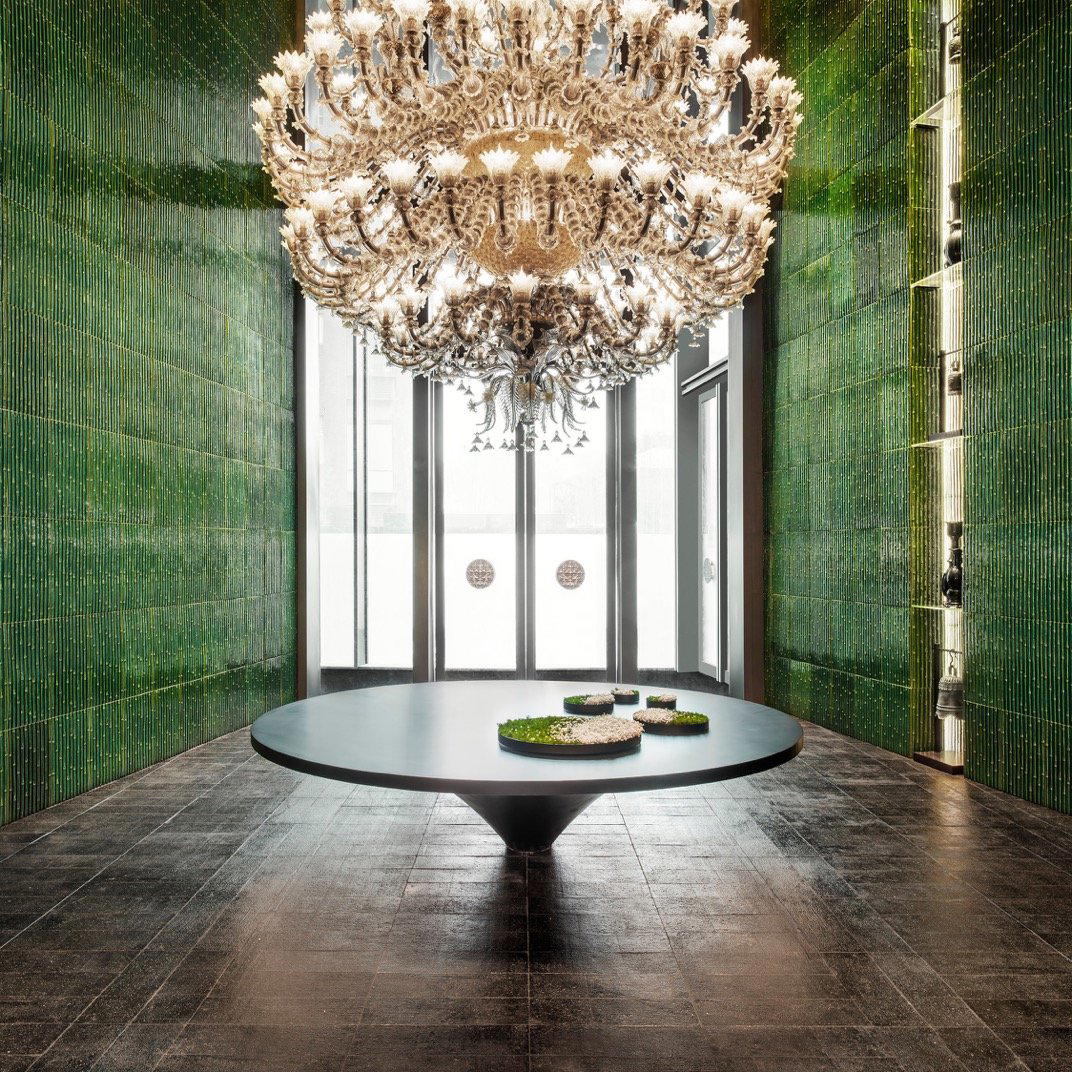
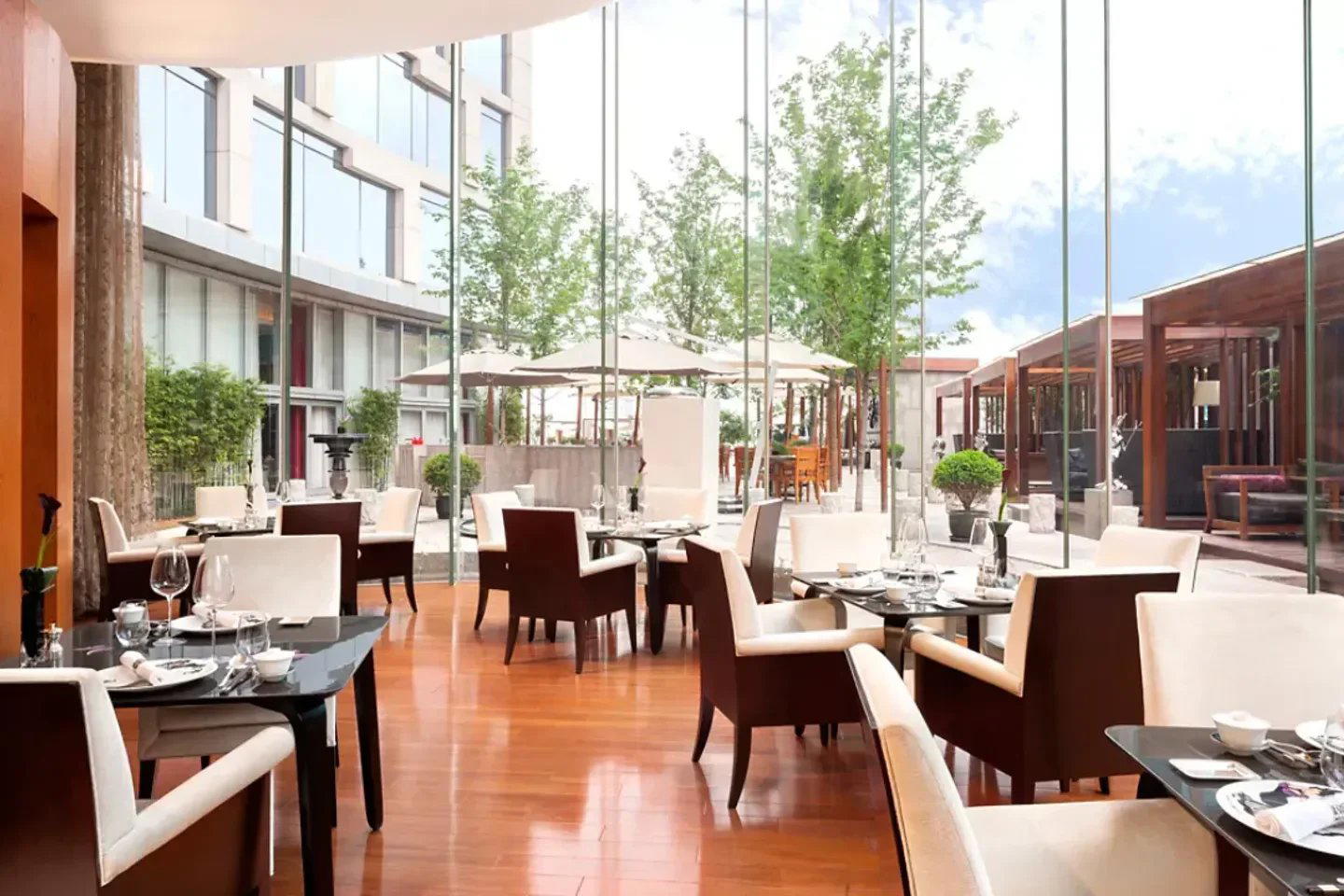
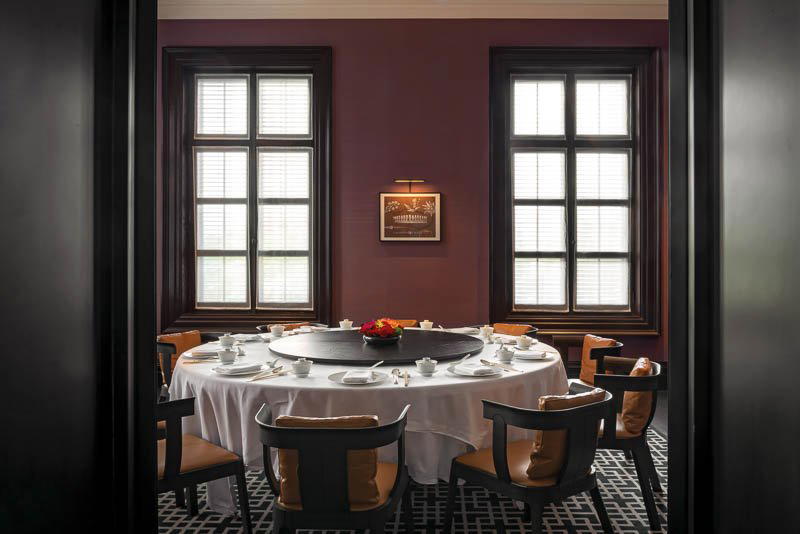
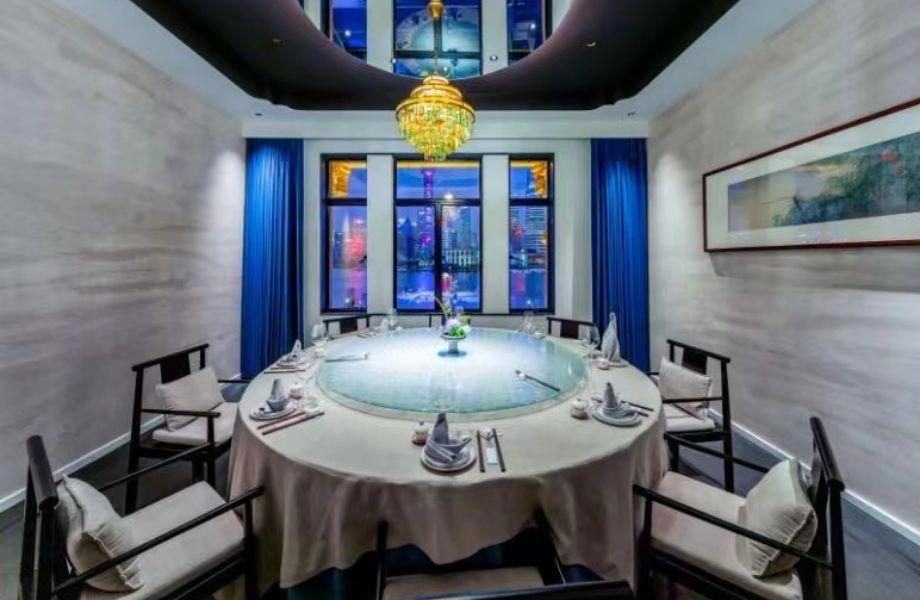
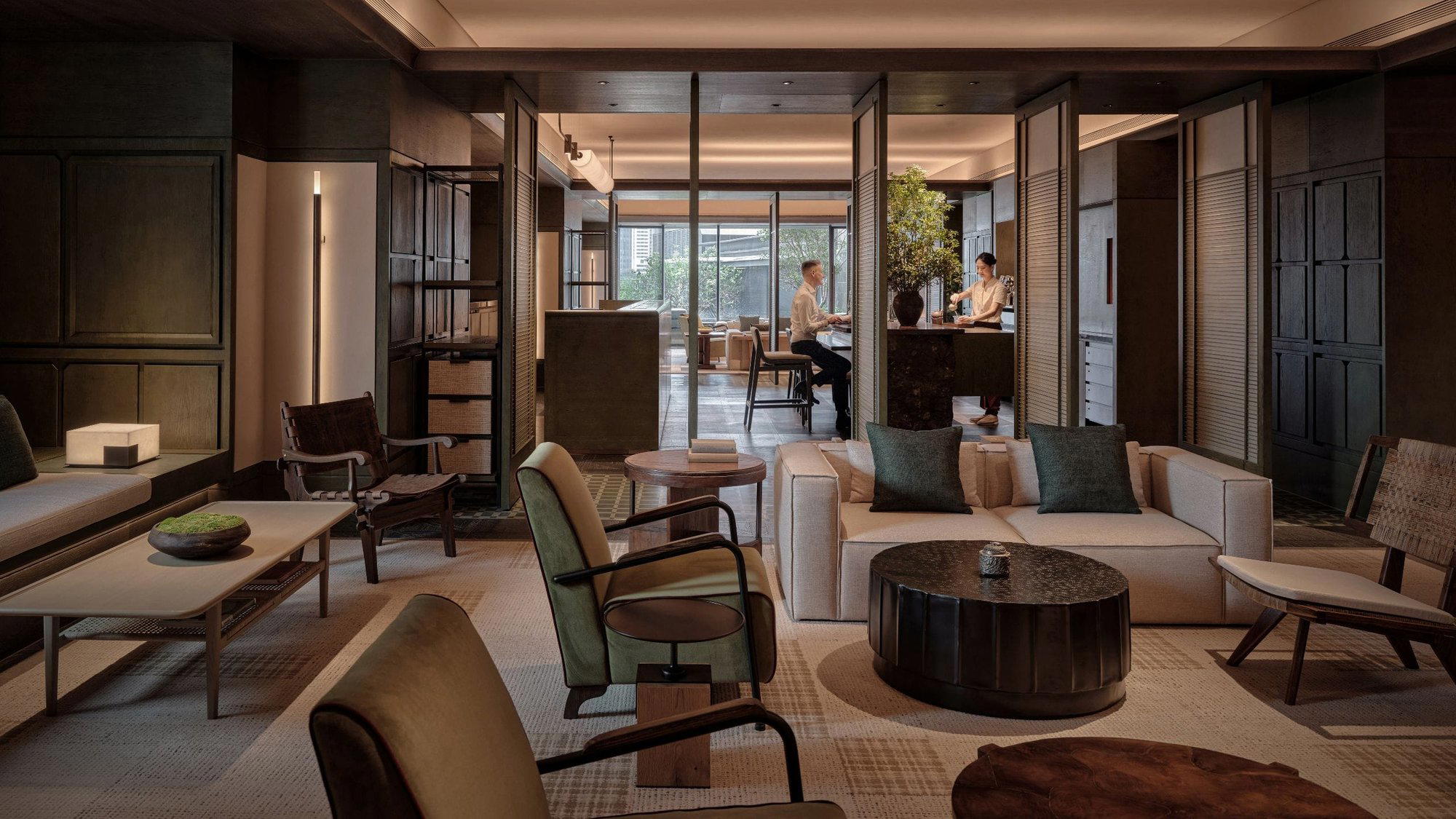
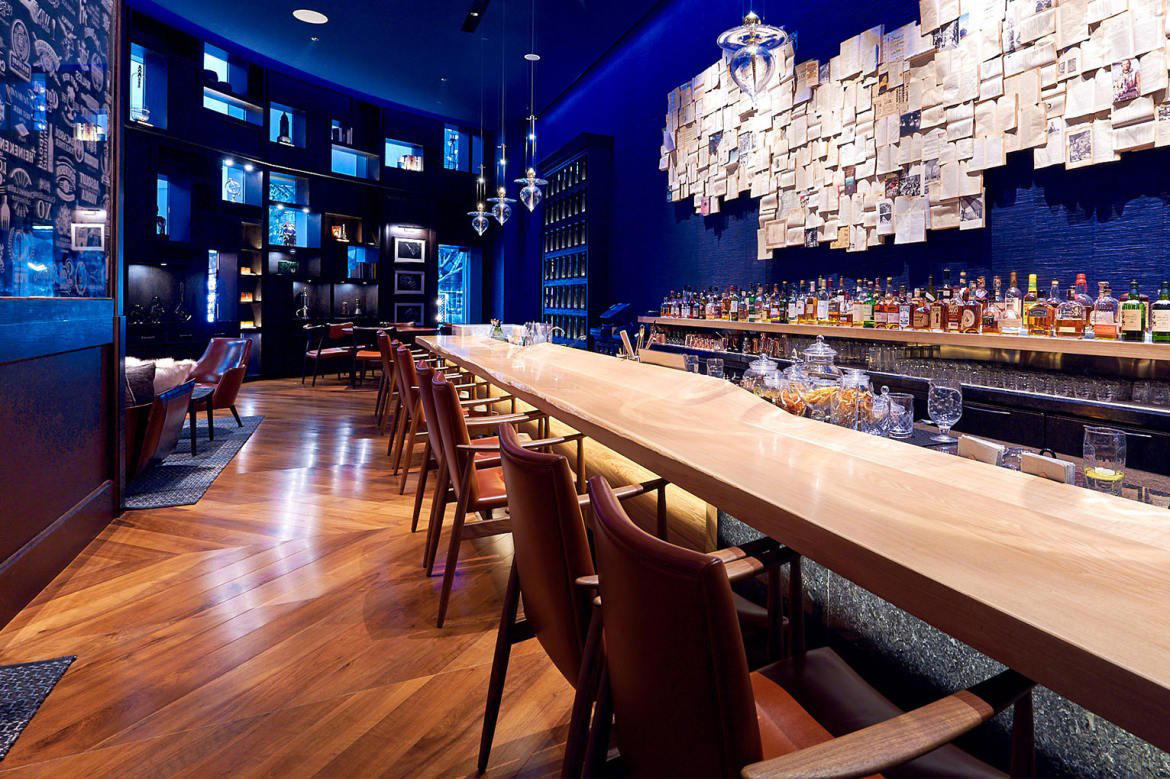
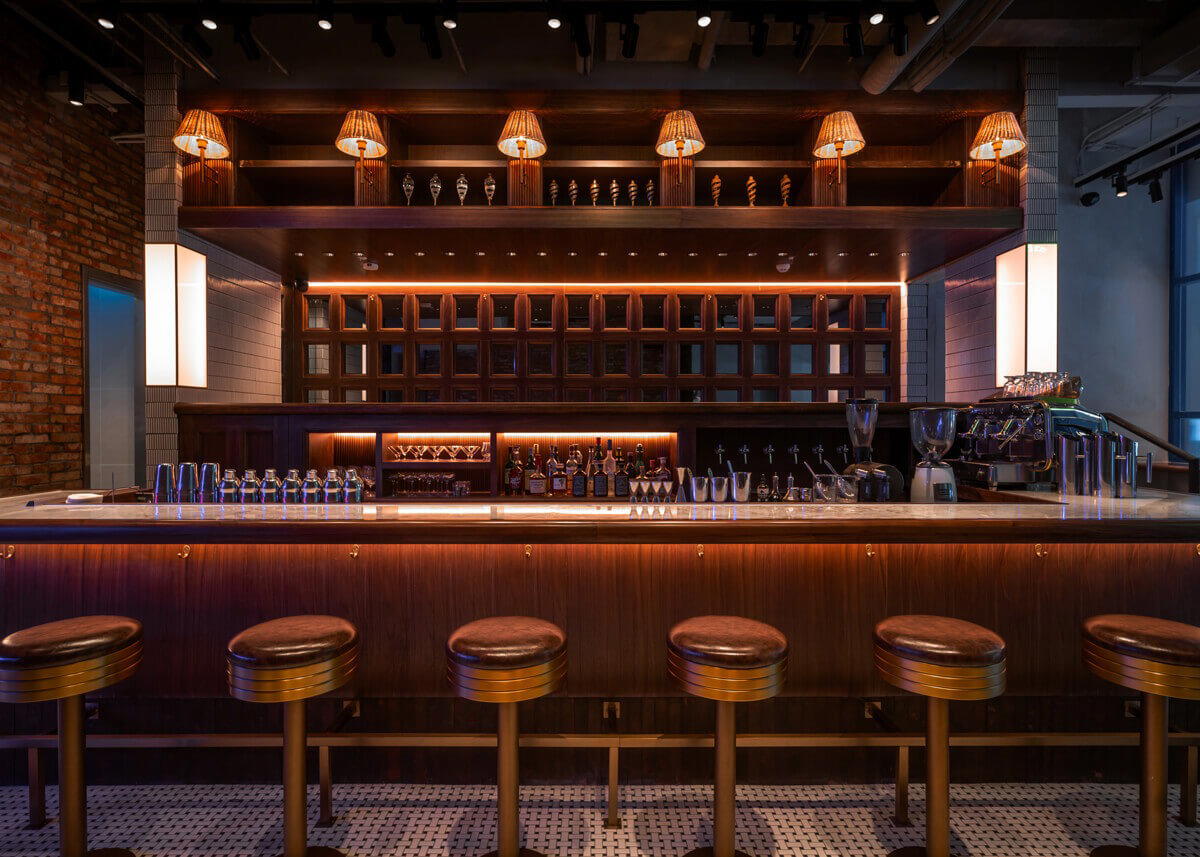
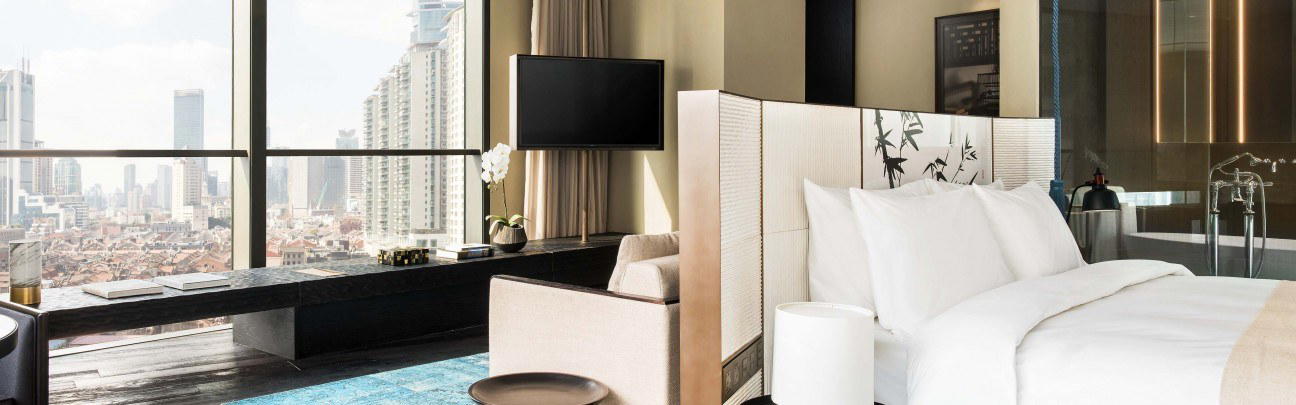
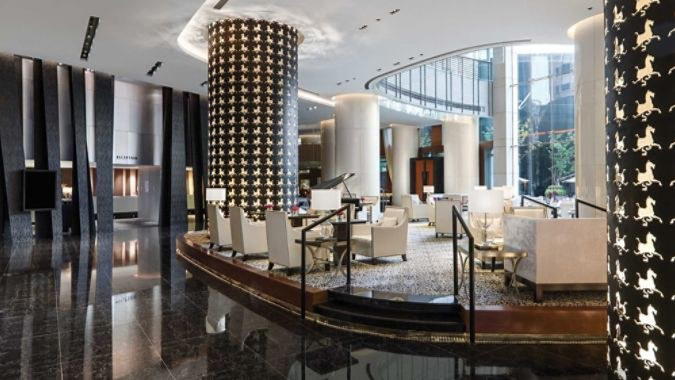
Warm woods and understated Chinese design create a comfortable, calm environment with moderate noise levels suitable for conversation and extended tasting.