
Canton 8 gives Shanghai’s Cantonese scene a dim sum-focused address with a 2026 Asia Recommended listing and chef Jie Ming Jian attached. The appeal is less about spectacle than craft: steamed, folded, portioned Cantonese cooking in a city where regional Chinese dining competes with international tasting-menu culture.
Pearl is the En Primeur Club membership app — saves, bookings, and concierge access live there. Same editors, same standards.
- Address
- 63 Ru'nan St, 63, Shanghai, Shanghai, China
- Phone
- +86 21 3165 8198
 Saves & bookings on Pearl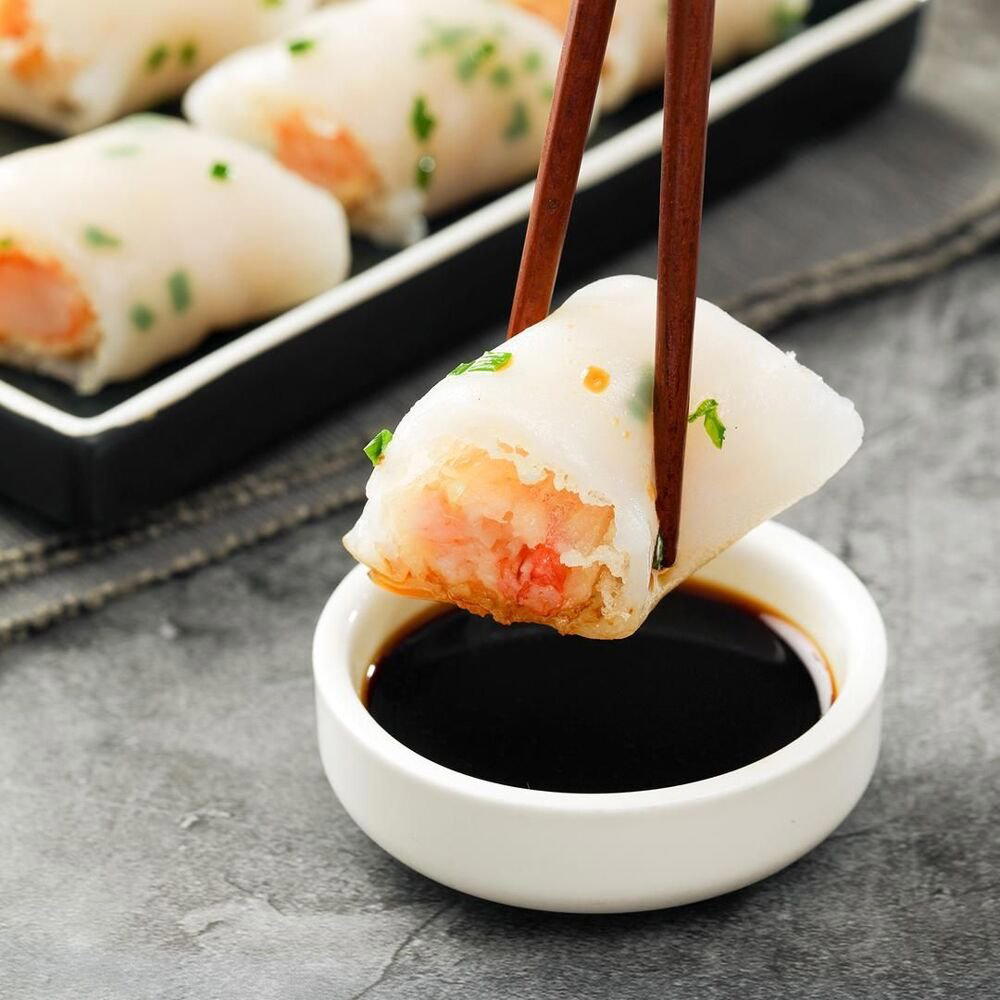
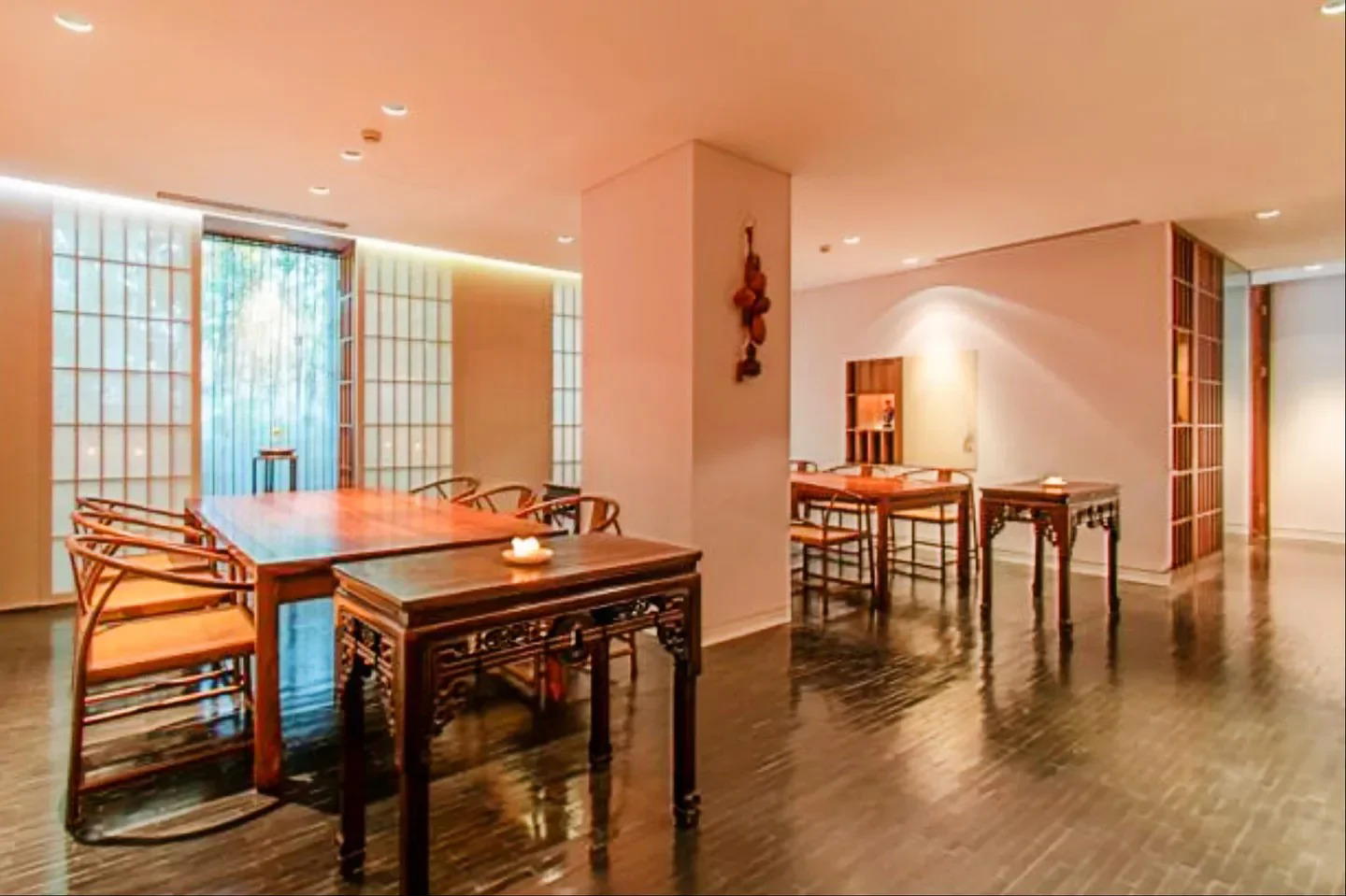
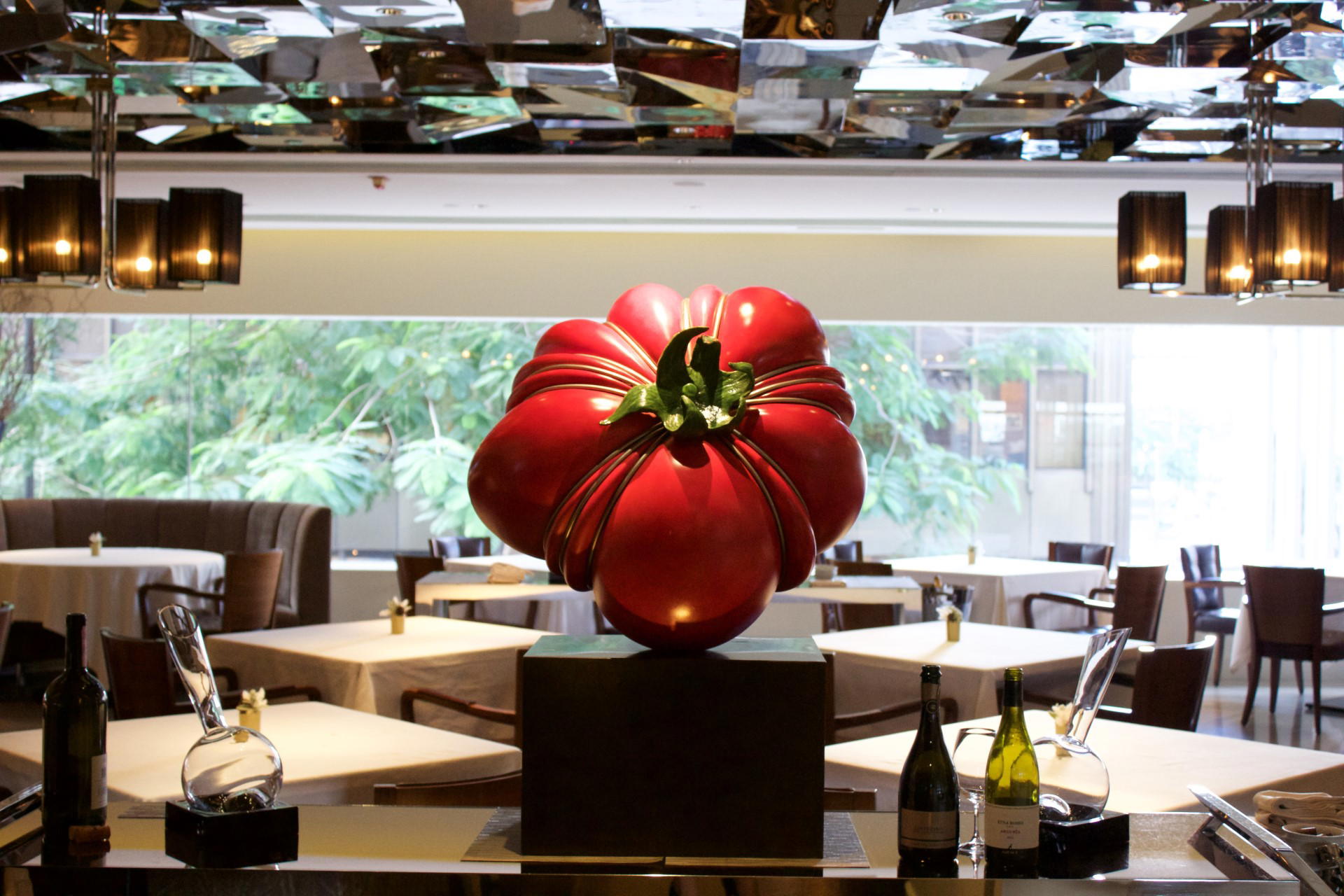
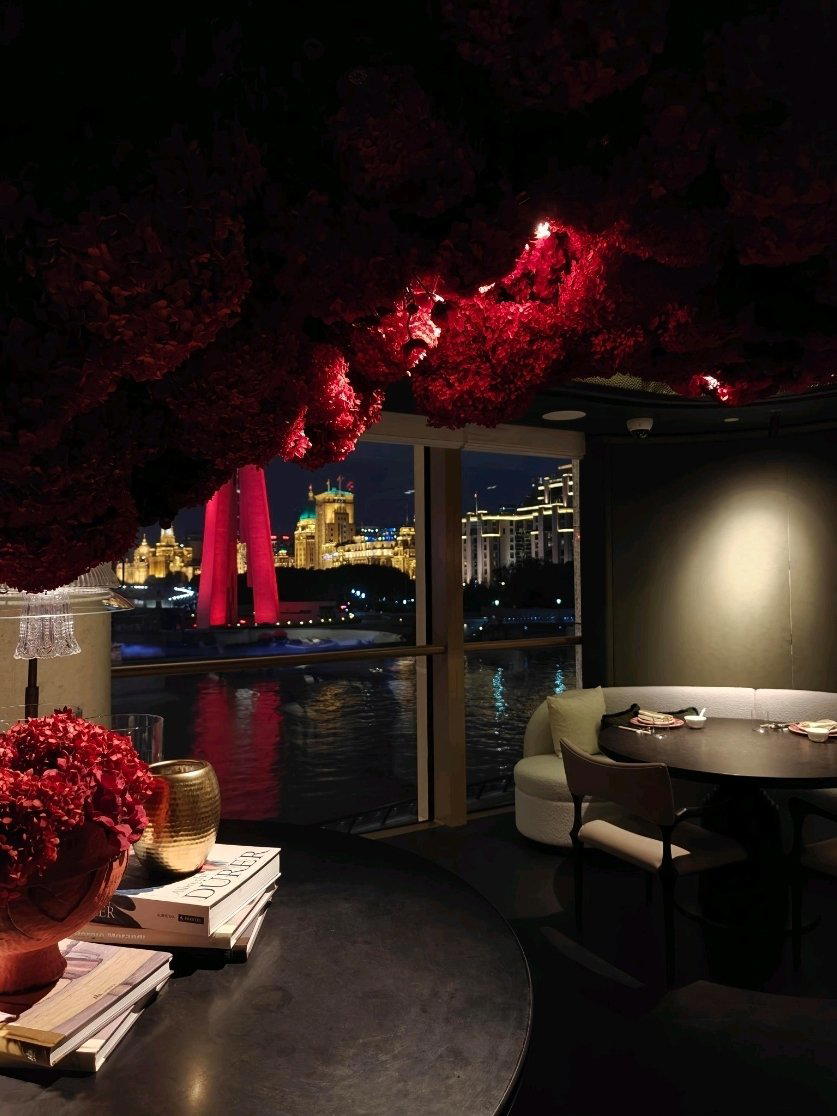
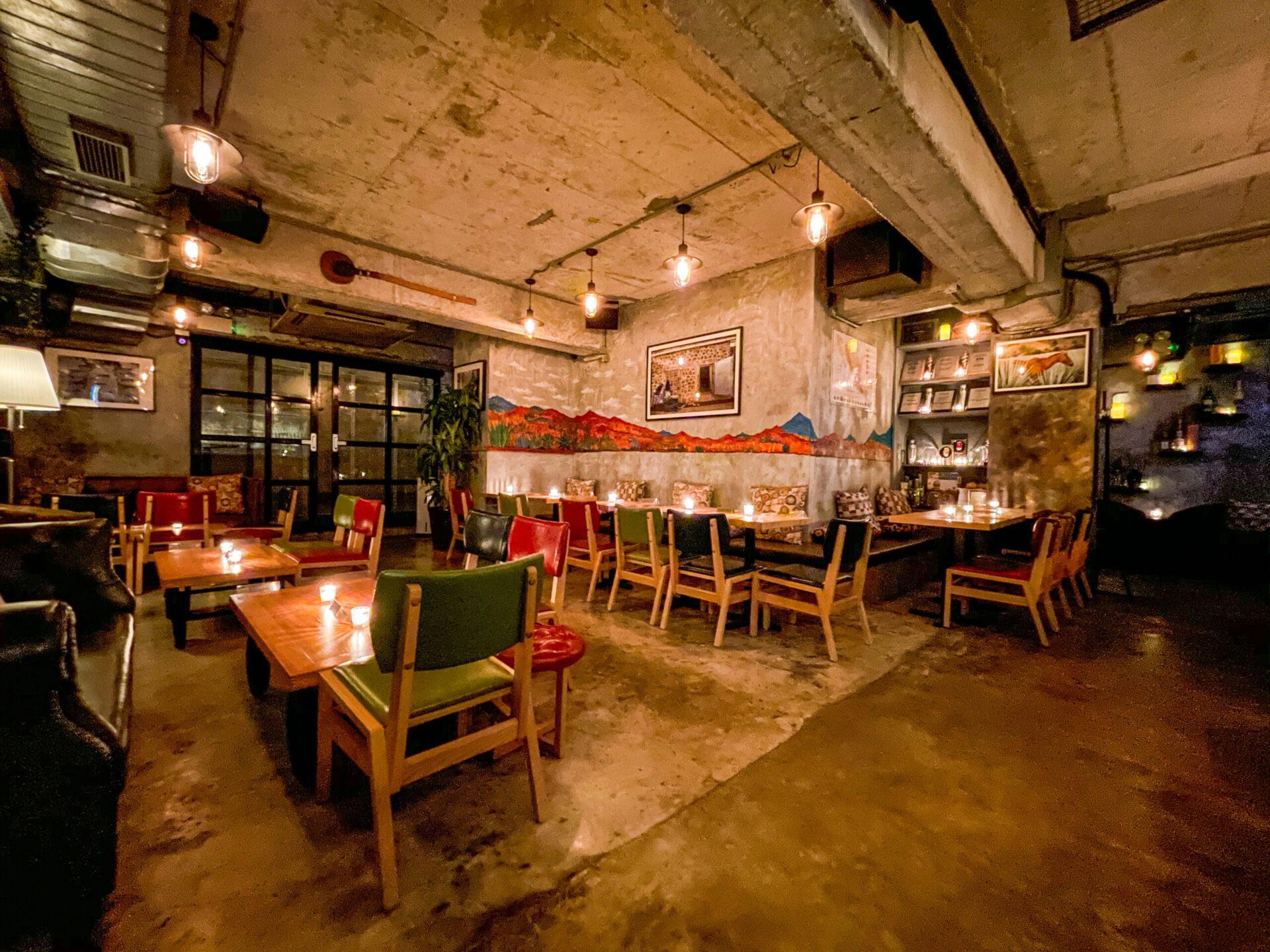
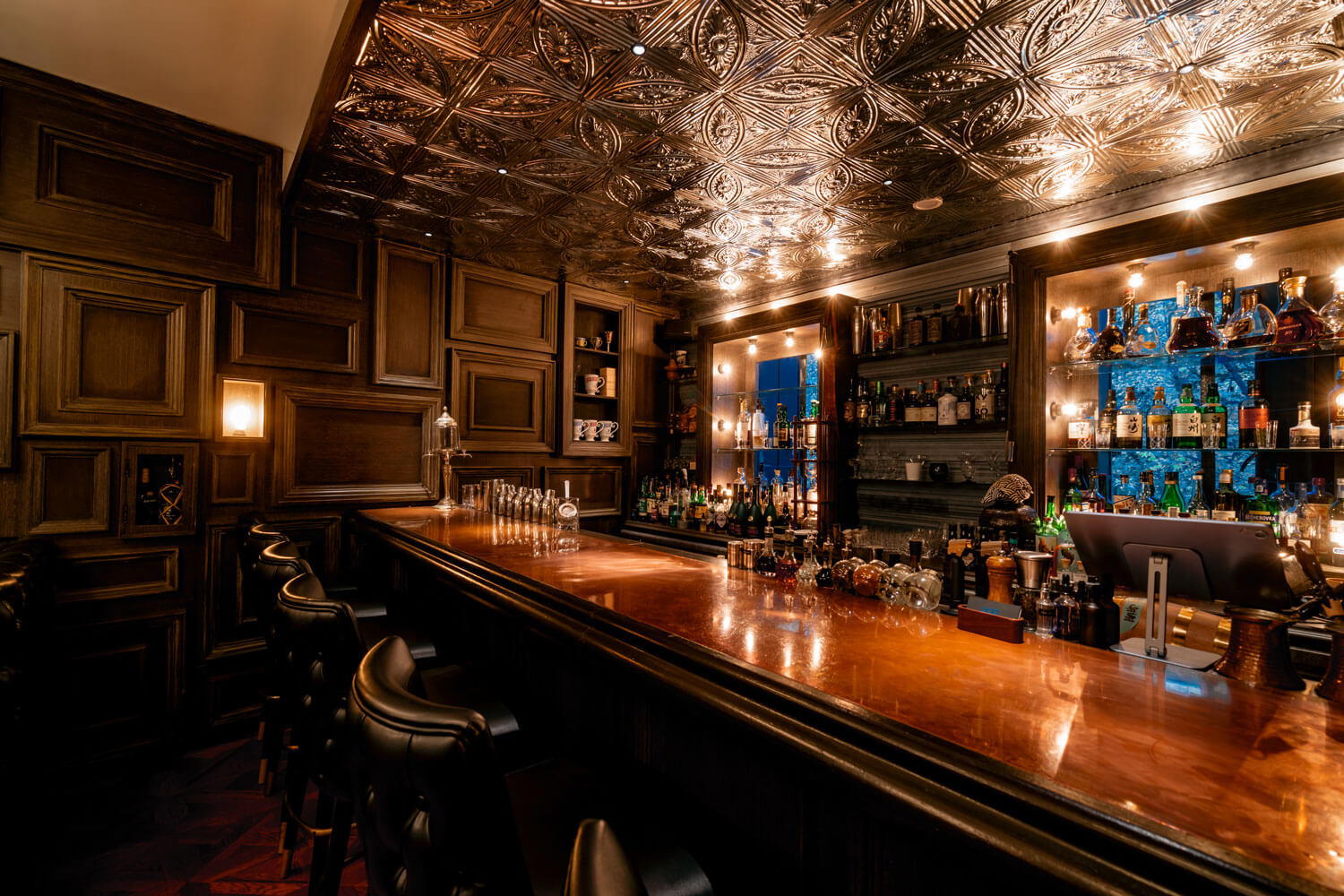
The room reads as a Cantonese dining room before the first steamer lands: tables set for sharing, service paced around multiple small plates, and a rhythm that belongs to morning and midday as much as dinner. In Shanghai, where high-end dining often announces itself through long tasting menus and imported luxury codes, Cantonese restaurants offer a different grammar. The measure is not theatrical plating. It is the temperature of a dumpling skin, the clarity of a broth, the discipline of a kitchen that can send out many small preparations without turning the meal into clutter.
Canton 8 belongs to that tradition. Its 2026 Asia Recommended listing places it inside the region’s serious dining conversation, but the more useful way to read the restaurant is through dim sum craft: bamboo steamers, portion control, fillings that need balance rather than excess, and a service style built for groups that order across categories. Chef Jie Ming Jian is the named kitchen lead, a relevant credential in a cuisine where repetition and technical consistency matter more than personality-driven mythmaking.
Dim sum as Shanghai's Cantonese test of discipline
Dim sum has always been a social format, but in a city such as Shanghai it also functions as a technical audit. A Cantonese kitchen has to manage steam, frying, roasting, soups, greens, rice rolls, and desserts at different speeds, often for tables ordering in waves. The format punishes weak mise en place. It rewards kitchens that understand restraint: translucent wrappers that do not tear, fillings that stay distinct, seasoning that leaves room for tea, and portions that allow a table to keep ordering without fatigue.
That is why Canton 8 is better understood as part of Shanghai’s regional-Chinese dining depth than as a generic Cantonese stop. The city has long absorbed outside cuisines and refined them for local habits, from banquet rooms to mall dining and old-neighbourhood restaurants. Cantonese food occupies a particular lane within that mix: polished enough for business meals, familiar enough for family tables, and technically demanding enough to expose a kitchen that coasts on décor. Dim sum, in particular, asks whether the restaurant can make small things precise at volume.
The broader Cantonese map in Shanghai is useful for context. Readers tracking the city’s Chinese dining range can cross-reference Bao Li Xuan, Canton Table, Canton Disco, and Canton 8 (Huangpu) without treating them as interchangeable. The point is category literacy: Cantonese dining can mean hotel-polished banquets, contemporary dining rooms, casual roast-meat energy, or dim sum-led group meals. The Ru’nan Street address sits in the latter conversation, where the table matters as much as the individual plate.
Why the format suits families, regulars, and decisive ordering
Dim sum works because it removes the tyranny of a single main course. A table can build a meal through texture: steamed, crisp, soft, glossy, fried, soupy, and sweet. That makes the format particularly strong for mixed-age groups. Children can eat plainly, older diners can order familiar Cantonese staples, and more experienced diners can test the kitchen through dumplings and rice-flour work. The price range is not publicly listed, so the safer editorial reading is category-based rather than budget-based: expect the cost to depend heavily on group size and ordering breadth.
Shanghai’s Cantonese restaurants also carry a social function that differs from the city’s tasting-menu rooms. They are places for conversation, not reverence. The noise level usually follows the table mix: lunch and weekend family meals tend to feel more animated, while dinner can move toward a calmer, business-oriented pace depending on the room. The restaurant’s recognition in a 2026 Asia Recommended restaurant list gives it a credibility signal, but the decision to go should be practical rather than trophy-driven. Go when the table wants variety and shared pacing, not when the evening calls for a hushed, chef-counter sequence.
For travellers building a wider Shanghai plan, the restaurant makes more sense when placed alongside the city’s full dining ecosystem rather than isolated as a single stop. Our full Shanghai restaurants guide is the natural next layer, while our full Shanghai hotels guide, our full Shanghai bars guide, our full Shanghai wineries guide, and our full Shanghai experiences guide help separate a dim sum meal from the rest of the itinerary. Shanghai rewards that separation: a serious Cantonese lunch, a hotel check-in, a bar-led evening, and a cultural morning are not the same editorial category.
Reading Cantonese China beyond Shanghai
Cantonese cooking in mainland dining culture is often discussed as a southern cuisine, but its restaurant expression travels through many city formats. In Shanghai, it becomes a language of shared tables and polished service. Elsewhere, the category shifts with local habits, migration, and dining-room economics. That is why a Shanghai Cantonese meal is better judged against its own city context before importing expectations from Hong Kong, Guangzhou, Taipei, or resort-style hotel dining rooms.
For a wider China and Greater China reading list, the connections are instructive rather than comparative. Sichuan dining in Chengdu, represented in the guide by #8 in Chengdu, works from a different sensory logic. Fujian and coastal traditions appear through 167 Shan Hai Li in Fuzhou, 1927 Dong Yuan Si Chu in Xiamen, and 1980烧肉粽 in 厦门市. Hangzhou’s refined regional register is represented by 1913 in Hangzhou, while Beijing’s roast-duck culture appears through 1949 - Duck de Chine in Beijing. Cantonese reference points outside Shanghai include 85TD, Cantonese in Taipei and Ah Yat Harbour View, Cantonese in Hong Kong.
The editorial case for the restaurant is therefore compact: it gives Shanghai a Cantonese table where dim sum logic shapes the meal, backed by a 2026 Asia Recommended listing and a named chef. The sharper choice is not whether it is a trophy reservation. It is whether the occasion calls for shared Cantonese ordering, multiple textures, and a meal built around the table rather than a single plate.
Comparable Venues Nearby
Comparable venues nearby, for context on price, style, and recognition.
| Venue | Cuisine | Price | Notes |
|---|---|---|---|
| Canton 8This venue — the venue you are viewing | Cantonese | $$ | Not listed |
| Spicy Moment | Authentic Hunan Cuisine | $$ | Da Pu Qiao |
| 馋三尺蟹粉小笼 | Shanghai Crab Roe Xiaolongbao | $$ | Yang Jia Du |
| Linhu Vegetarian | Modern Vegetarian Chinese | $$ | Xujiahui |
| 3 Warehouse | Creative Modern Chinese | $$$ | Huangpu |
| Bu Chi Su | Sichuan Chinese | $$$ | Jing'an District |
Recognition history
Dated appearances from independent guides and award organizations, with the underlying list record or original source where available.
Opinionated About Dining Top Restaurants in Asia Recommended
Opinionated About Dining
At a Glance
- Modern
- Minimalist
- Classic
- Sophisticated
- Business Dinner
- Group Dining
- Special Occasion
- Family
- Casual Hangout
- Design Destination
- Standalone
- Private Dining
- Street Scene
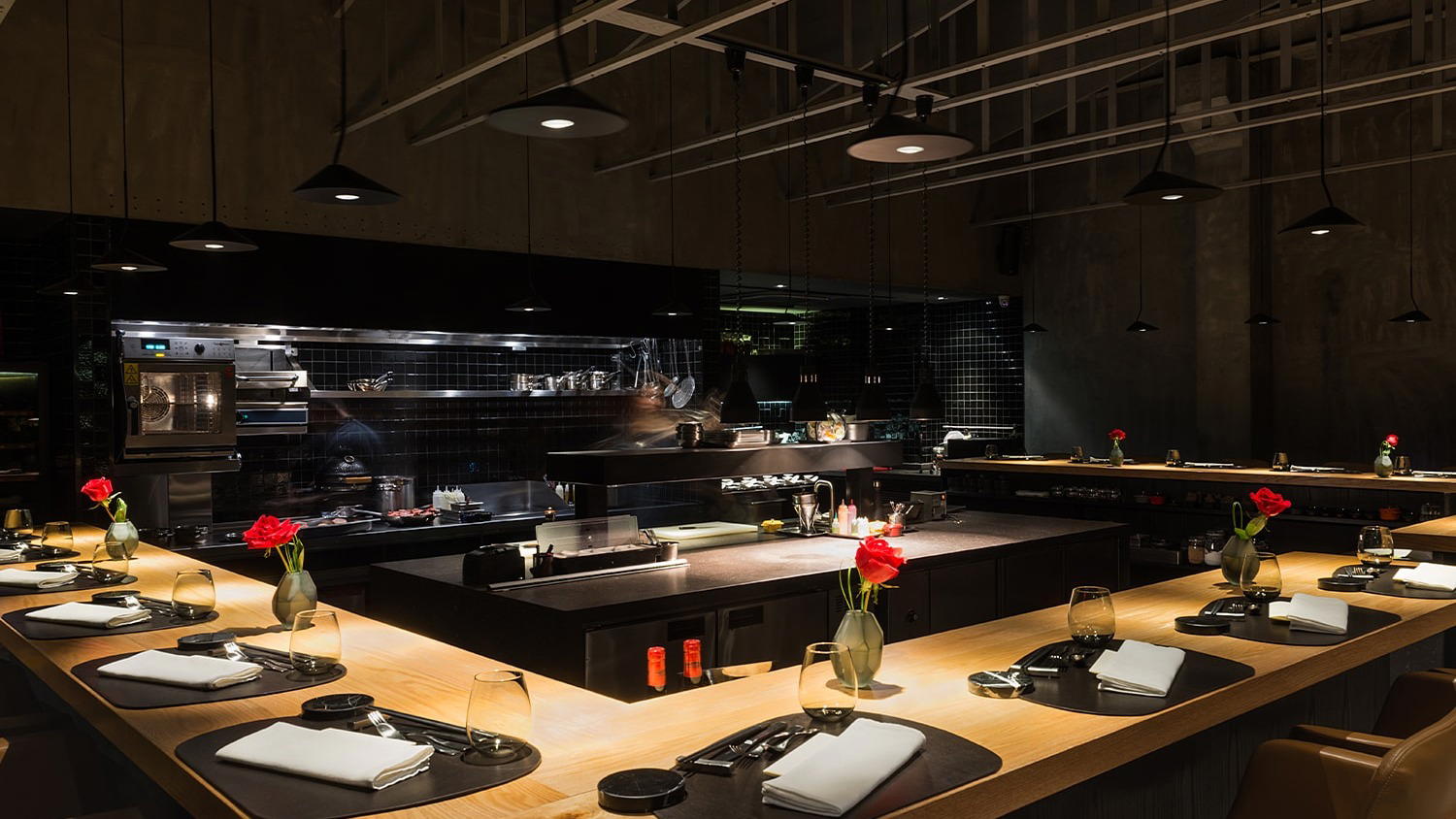
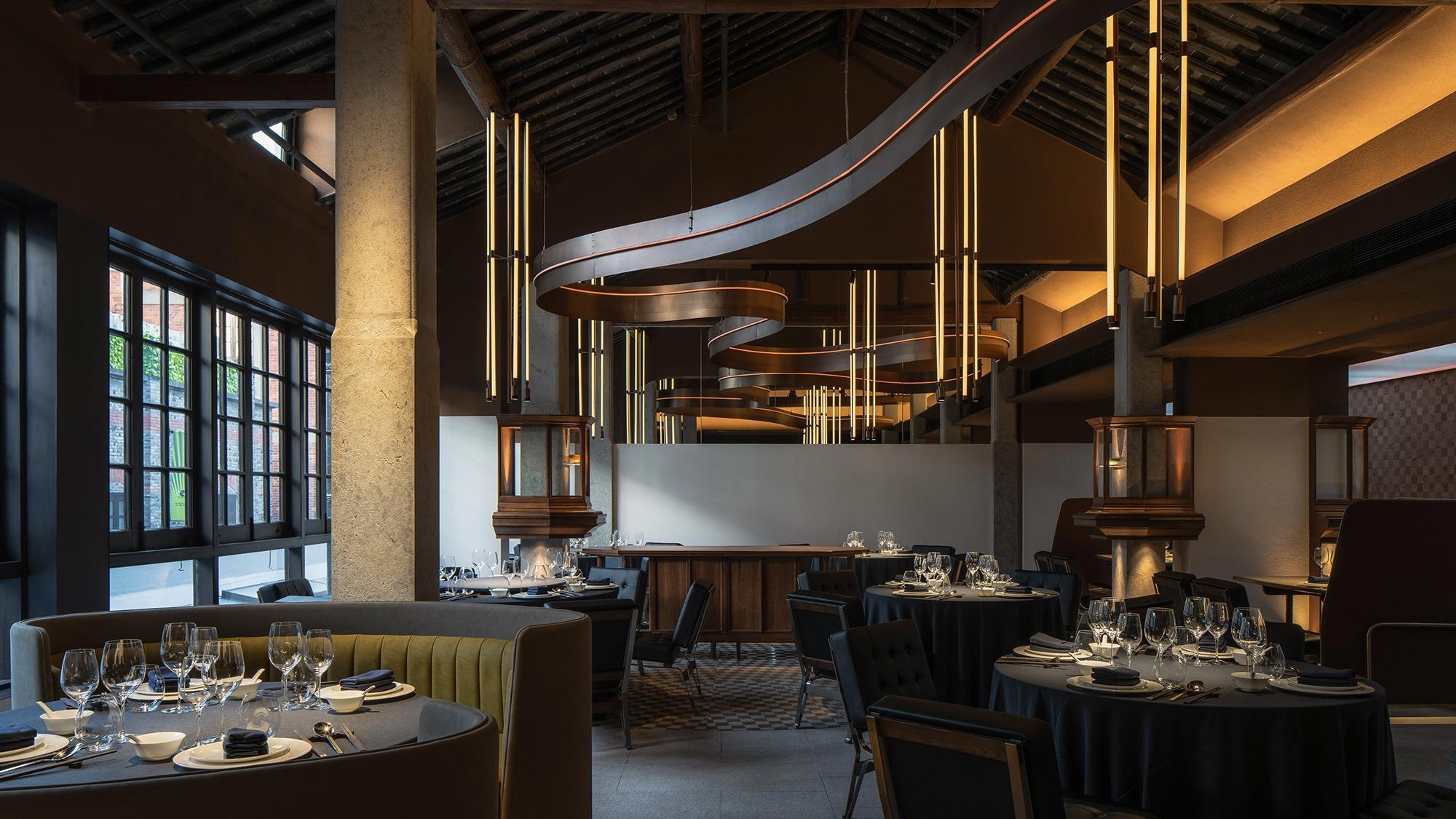
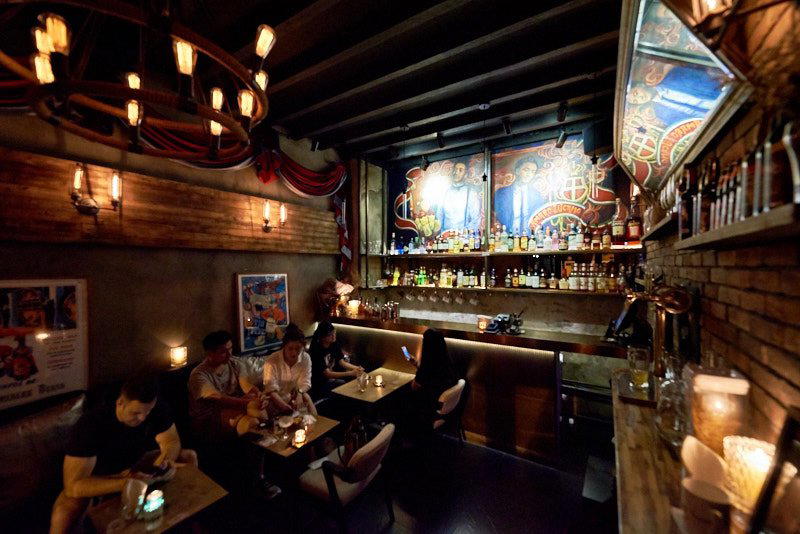
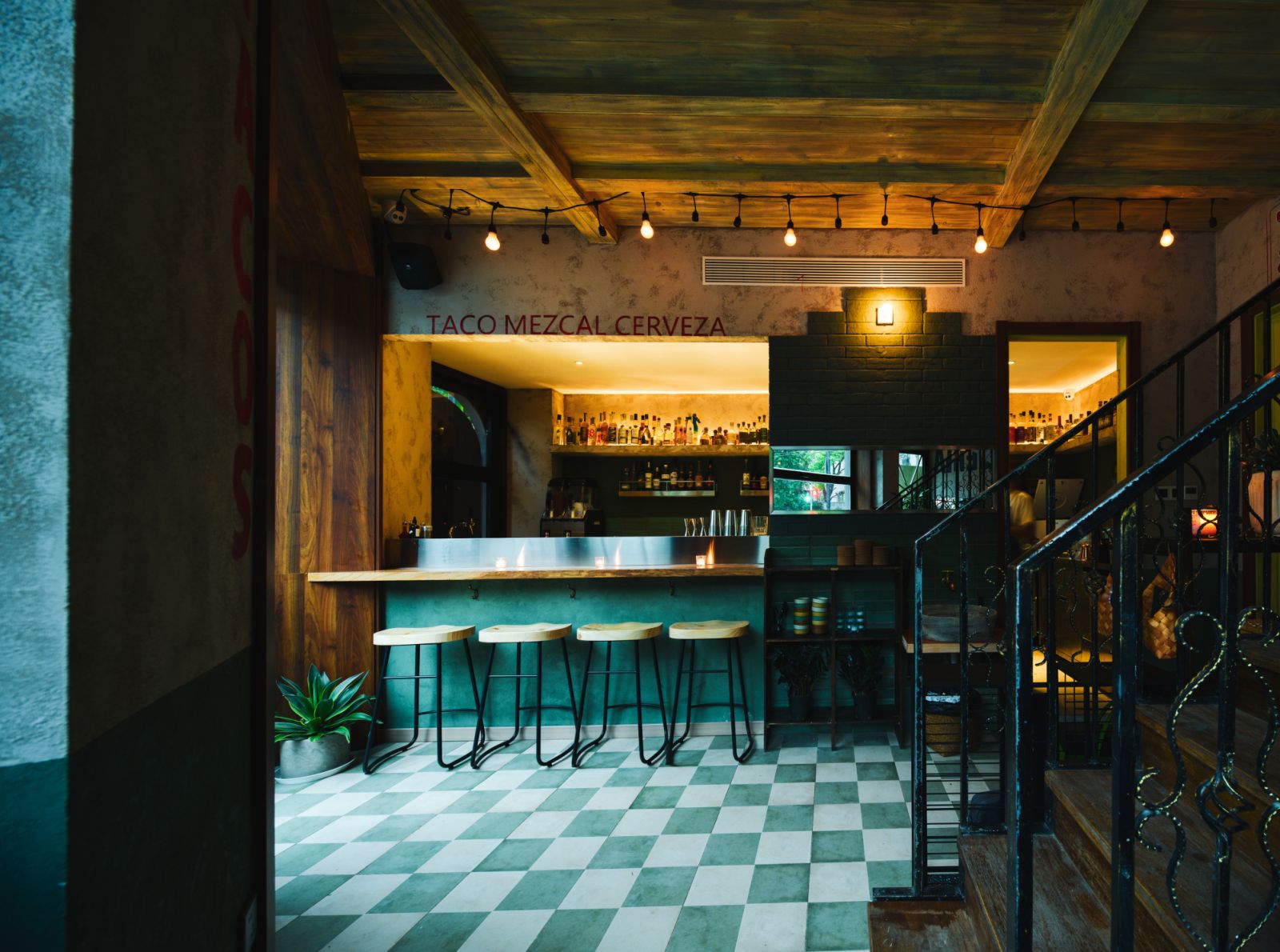
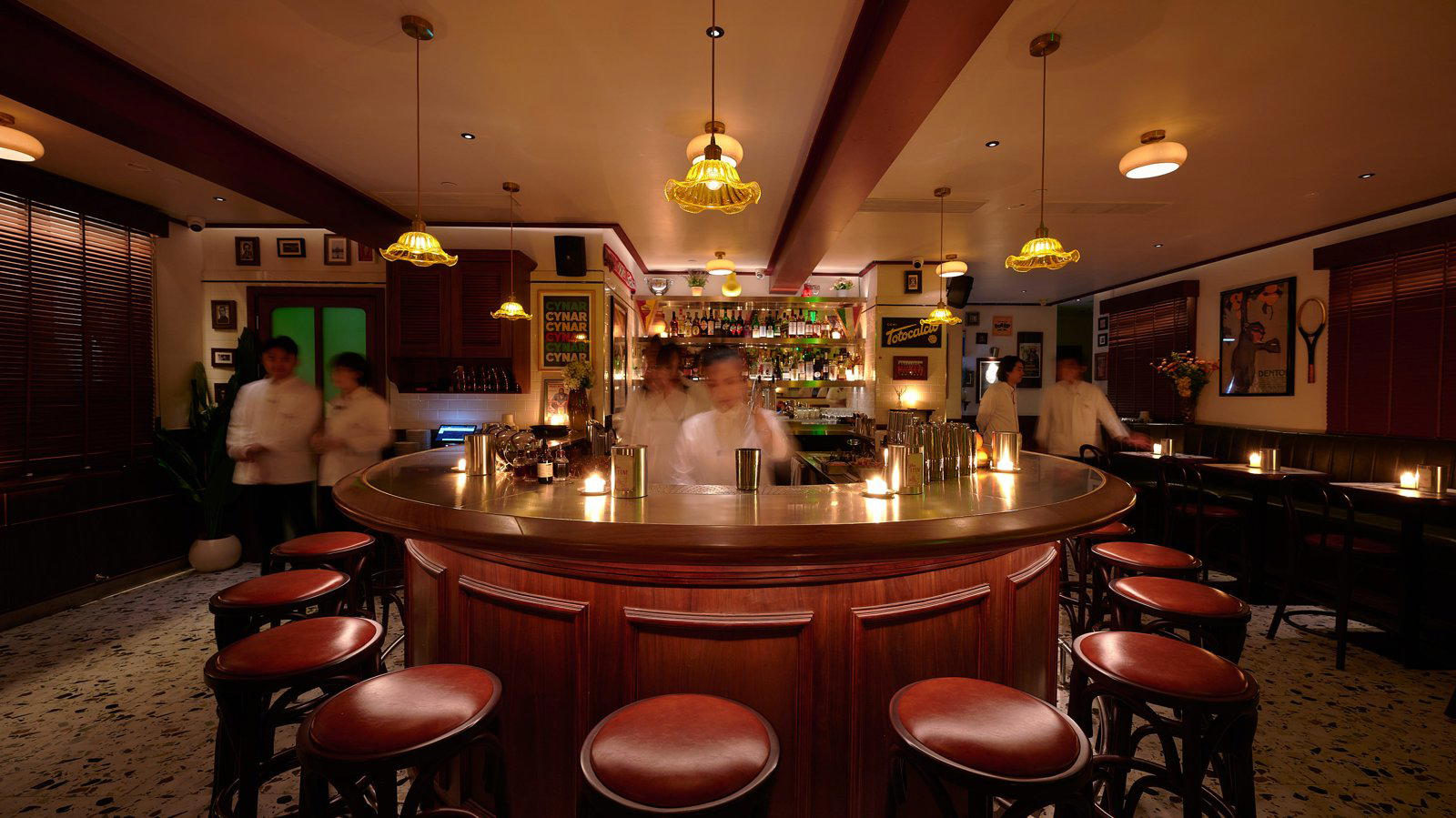
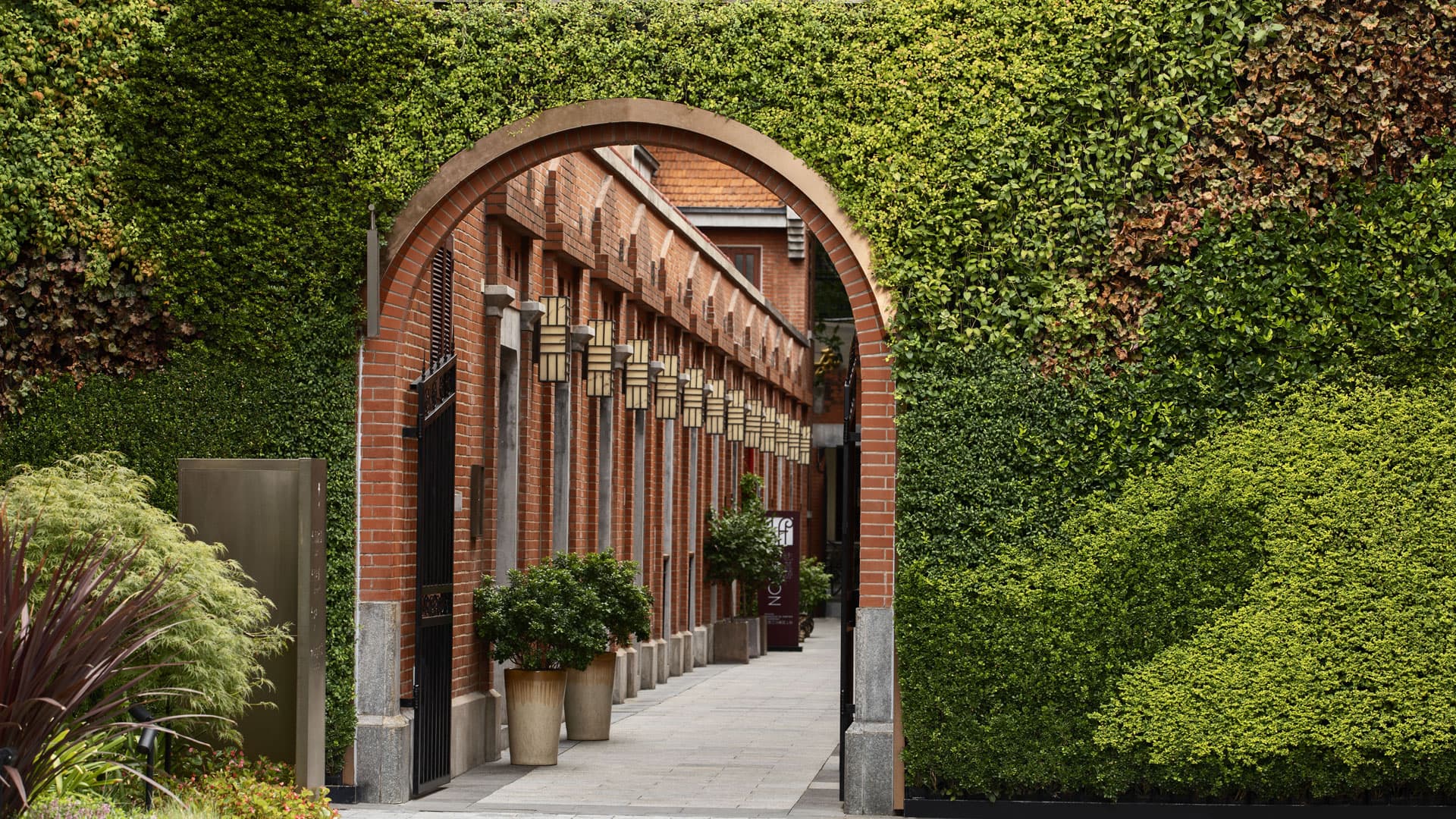
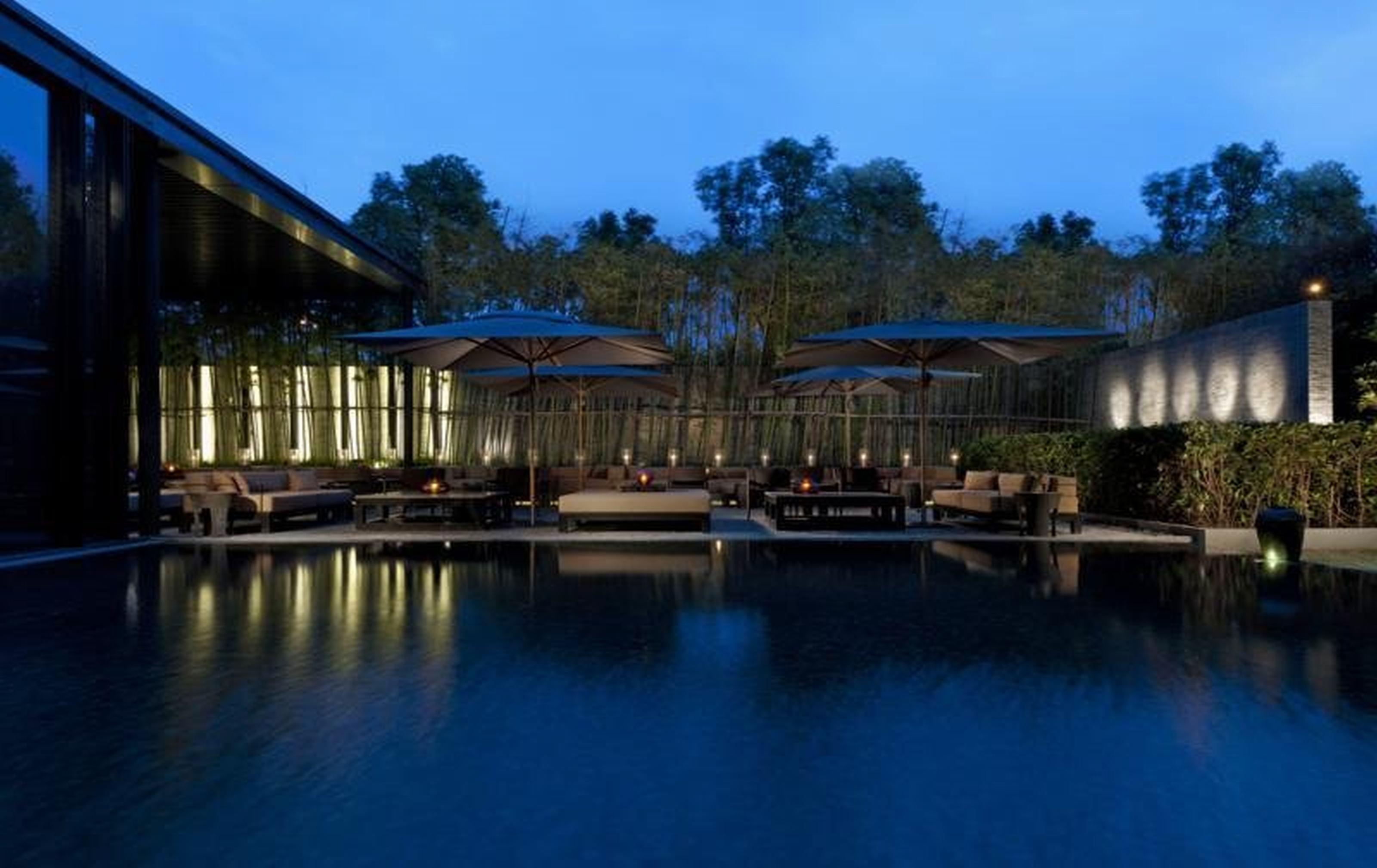
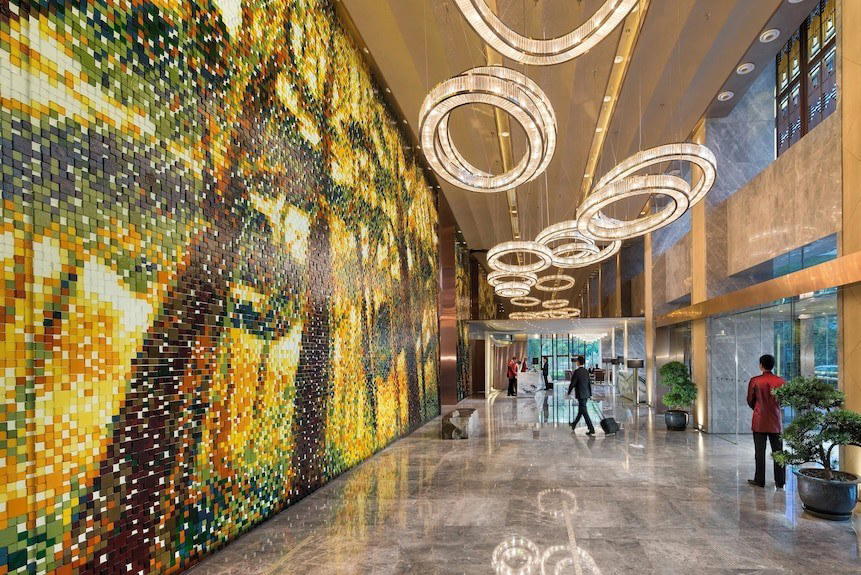
Modern, minimalist interiors with traditional Chinese elements; comfortable rather than formal, with a relaxed, intimate feel.