
upper club belongs to Shanghai’s recognition-led dining tier, with a Black Pearl Restaurant Guide 2026 one-diamond citation giving it a clear trust signal in a city crowded with premium rooms. The editorial interest is sourcing: how Shanghai’s serious kitchens translate regional produce, luxury ingredients, and private-club polish into a format built for diners who care about provenance as much as atmosphere.

Pearl is the En Primeur Club membership app — saves, bookings, and concierge access live there. Same editors, same standards.
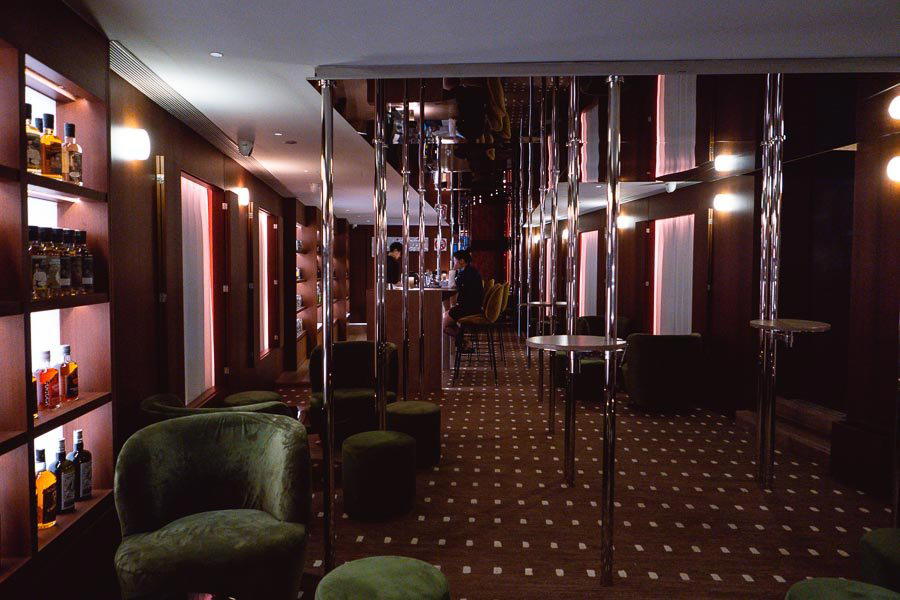
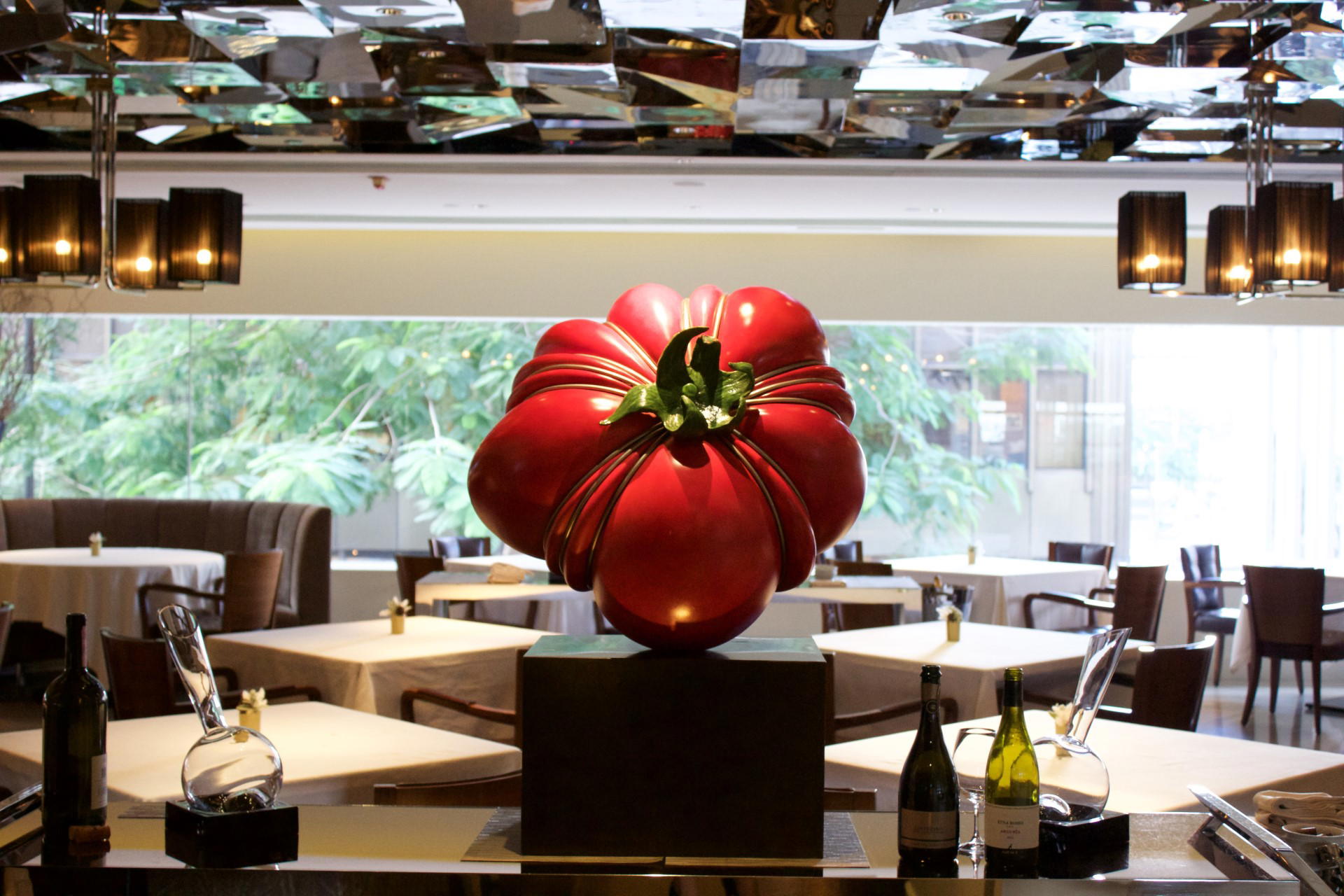
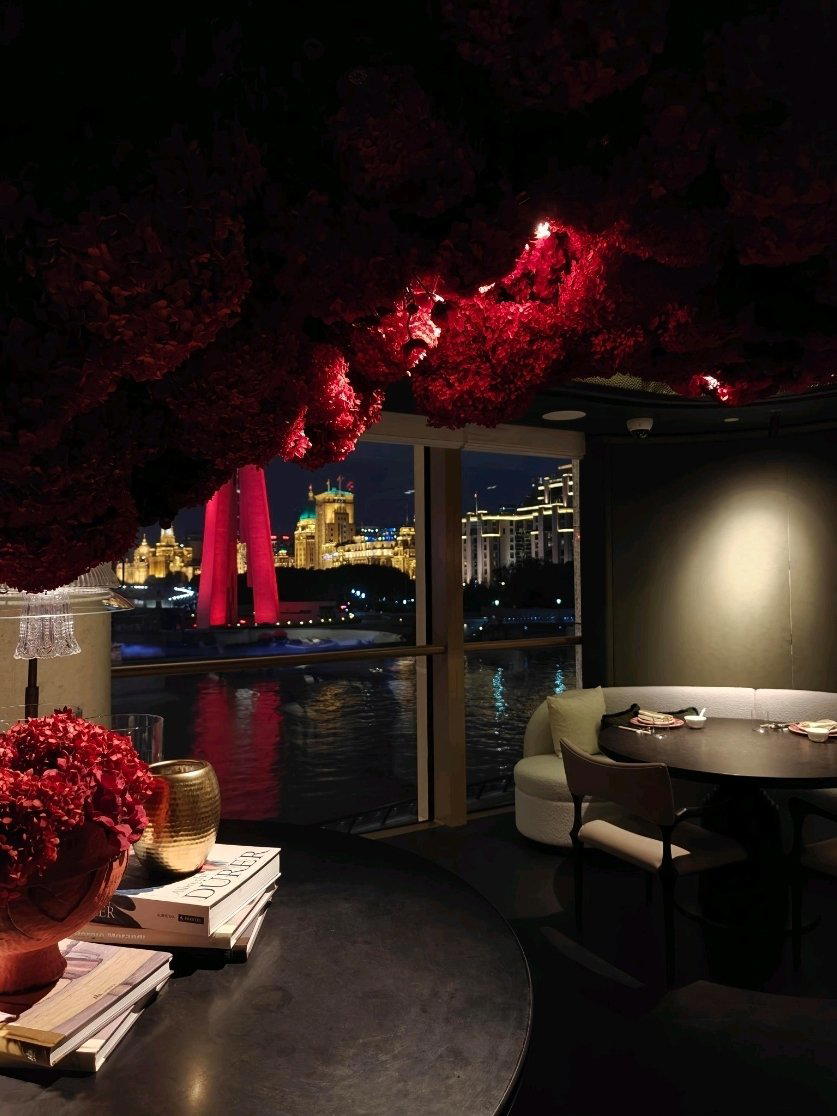
Shanghai’s higher-end dining rooms often announce themselves through restraint rather than noise: controlled lighting, polished service rhythms, and tables set for long conversations rather than fast turnover. upper club fits that register. The useful way to read the room is not as a standalone trophy address, but as part of Shanghai’s appetite for ingredient-led Chinese dining, where sourcing, seasonality, and presentation have become markers of seriousness.
The Black Restaurant Guide 2026 lists upper club among its one-diamond restaurants, which matters in China’s domestic fine-dining economy. Michelin remains influential, but Black speaks directly to the way mainland diners judge Chinese restaurants: product quality, regional fluency, service consistency, and the ability to handle business dining without flattening the food into banquet cliché.
Shanghai's premium Chinese rooms now compete on provenance, not spectacle
In Shanghai, the old signals of luxury dining, private rooms, imported wine, rare ingredients, have not disappeared. They have been joined by a more demanding question: where does the food come from, and why does that source suit the dish? For Chinese restaurants working at this level, sourcing is not a decorative backstory. It shapes texture, timing, and the kitchen’s ability to move between delicacy and richness without leaning on excess.
That is the frame for upper club. With no public chef biography or signature-dish list driving the narrative, the stronger read is structural: a one-diamond Shanghai restaurant operating in a market where ingredient selection is a competitive language. The city’s diners know the difference between generic luxury produce and product chosen for a specific preparation. A kitchen in this tier is judged by whether seafood, poultry, vegetables, broths, and dried goods feel selected with intent, not merely priced for status.
This is also where Shanghai differs from cities whose fine dining identities are built around a single dominant cuisine. The city absorbs Jiangnan refinement, Cantonese banquet discipline, international hotel service, and private dining expectations into one commercial grammar. That mix rewards restaurants that can feel formal without becoming stiff, ingredient-driven without turning into a lecture, and polished without abandoning the social function of the table.
The award signal places the room inside China's domestic fine-dining conversation
A Black one-diamond listing is not a casual badge. It places a restaurant inside a national conversation about Chinese dining standards, especially for readers who travel between Shanghai, Beijing, Hangzhou, Chengdu, Xiamen, Fuzhou, and other food-driven cities. For Shanghai specifically, the citation helps separate serious rooms from design-led openings that rely on décor and address rather than kitchen discipline.
The one-diamond level is useful because it suggests credibility without implying the extreme scarcity or ceremonial weight of higher award tiers. That makes the restaurant more interesting as a Shanghai dining decision: it signals a room with recognized standards, but the draw is likely to be the broader experience of composed Chinese dining rather than a single named chef, tasting-menu theatre, or public signature dish.
For readers building a wider Shanghai itinerary, the city rewards category separation. Cantonese, steakhouse, hotel dining, cocktail bars, and private-style Chinese rooms each answer different needs. A meal here belongs in the slot for a composed Chinese dinner where provenance, service, and social pacing matter. For nearby editorial context, see Our full Shanghai restaurants guide, Our full Shanghai hotels guide, Our full Shanghai bars guide, Our full Shanghai wineries guide, and Our full Shanghai experiences guide.
How to place it in a China dining itinerary
Shanghai is a city where premium dining decisions are rarely just about food. They are about setting, pacing, who is at the table, and whether the room can support a serious evening without making the meal feel overproduced. The restaurant is strongest on paper for diners who want a recognized Chinese restaurant in Shanghai and are more interested in ingredient quality and room control than in chasing a publicly named signature plate.
Travellers comparing China dining styles can use the broader EP Club archive to separate regional references without forcing false equivalence. Shanghai Cantonese and steakhouse formats include 100 Century Avenue Cantonese, 100 Century Avenue Steakhouse, 102 House (Cantonese), 102 House Shanghai, and 1515 West Chophouse (Steakhouse). Wider China references include #8 in Chengdu, 167 Shan Hai Li in Fuzhou, 1913 in Hangzhou, 1927 Dong Yuan Si Chu in Xiamen, 1949 - Duck de Chine in Beijing, and 1980烧肉粽 in 厦门市. For a different Asia-Pacific angle outside China, see Jōdo Saké Bar in Los Angeles and Onigiri Time in Pasadena.
The practical call is simple: treat this as a planned Shanghai dinner, not an impulse stop. Award-recognized rooms in the city tend to work better when the party size, dietary needs, and occasion are settled before arrival. Families, business hosts, and visitors with tight schedules should confirm the fit before committing, especially because price, seating, and service format are not part of the public-facing essentials here.
Reputation & Price
Comparable venues nearby, for context on price, style, and recognition.
| Venue | Cuisine | Price | Notes |
|---|---|---|---|
| upper clubThis venue — the venue you are viewing | Jing'an, Modern Chinese Hot Pot | $$$ | Not listed |
| Haiweiguan | Not listed | $$$ | Huangpu District, Modern Shanghainese in a historic Shanghai-style building |
| Zhoushe Haipai Cuisine | Not listed | $$$ | Haipai (Shanghainese) fine dining |
| Rong Ji 95 | Hongkou, Modern Seafood Bistro | $$$ | Not listed |
| Fuchun Xiaolong | Not listed | $$ | Jing An Si, Traditional Shanghainese Xiao Long Bao |
| Dadong Roast Duck Restaurant(Shanghai iapm Branch) | Not listed | $$$ | Xuhui, Fine-dining Peking Duck & Classic Chinese Banquet |
Recognition history
Dated appearances from independent guides and award organizations, with the underlying list record or original source where available.
Black Pearl 1 Diamond
Black Pearl
At a Glance
- Elegant
- Sophisticated
- Modern
- Business Dinner
- Group Dining
- Celebration
- Design Destination
- Standalone
- Craft Cocktails
- Beer Program
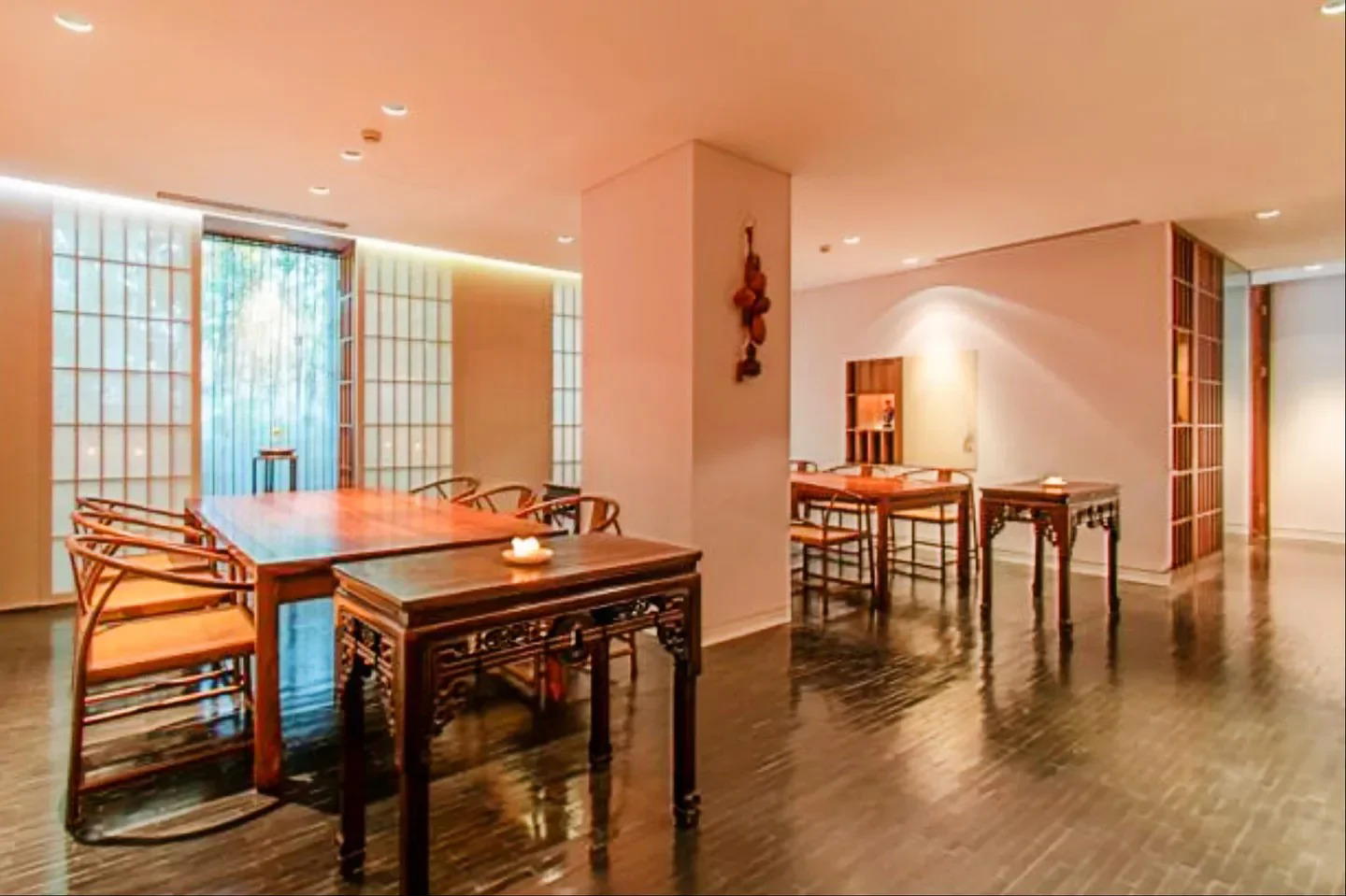
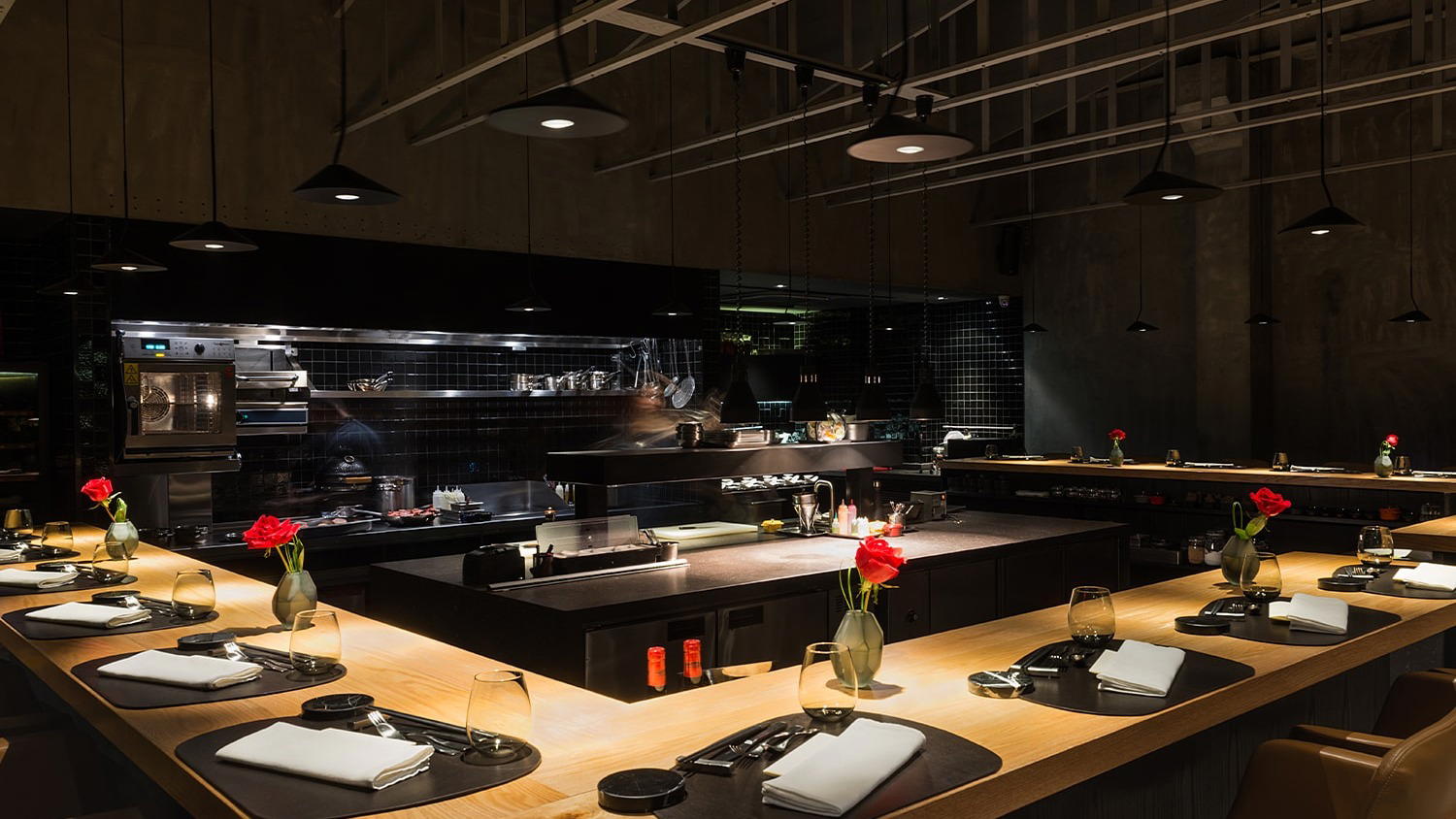
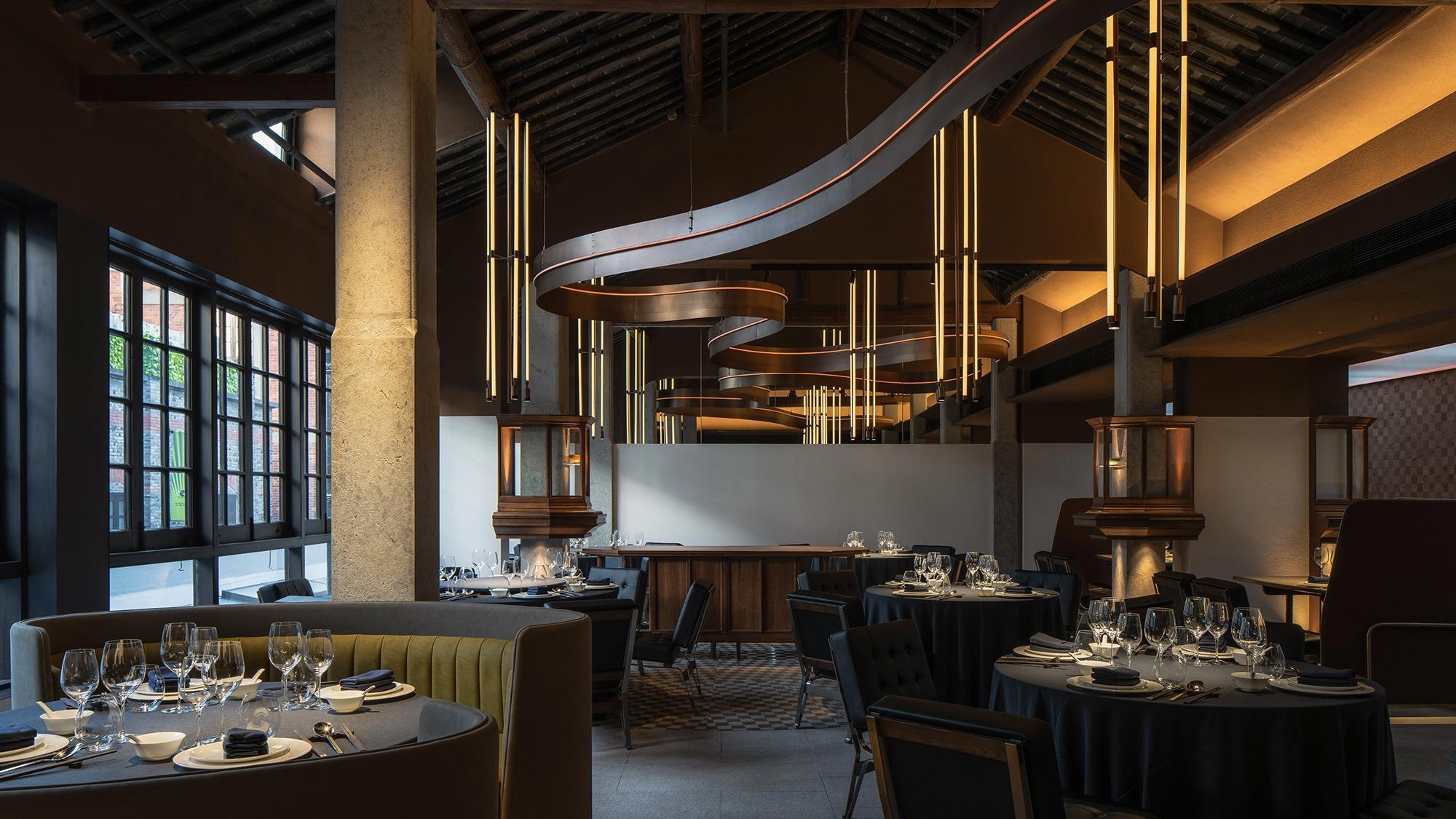
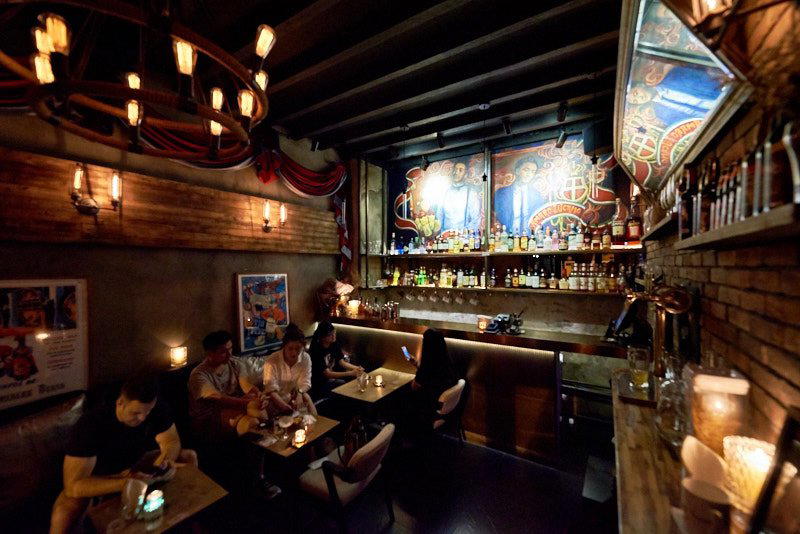
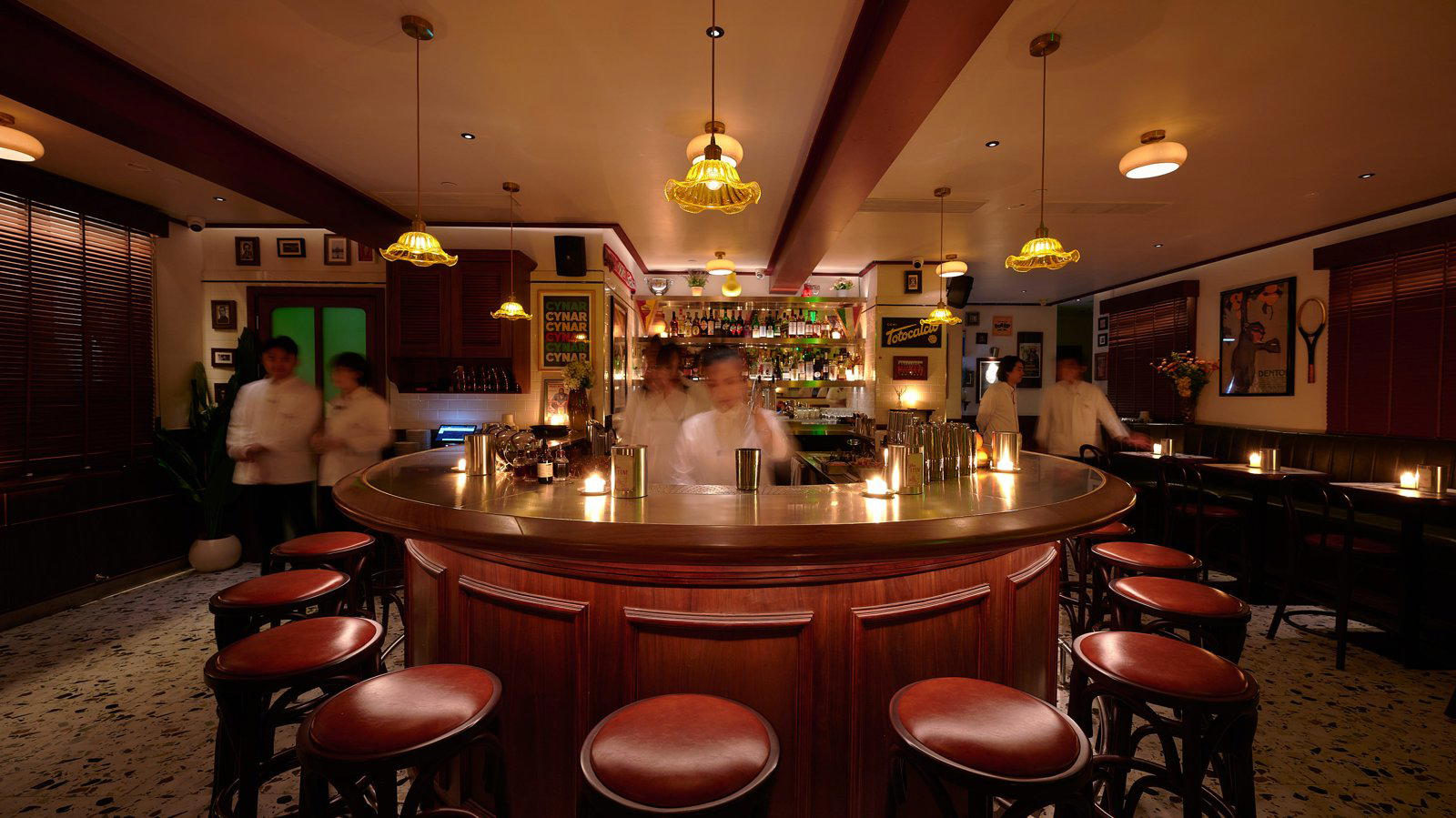
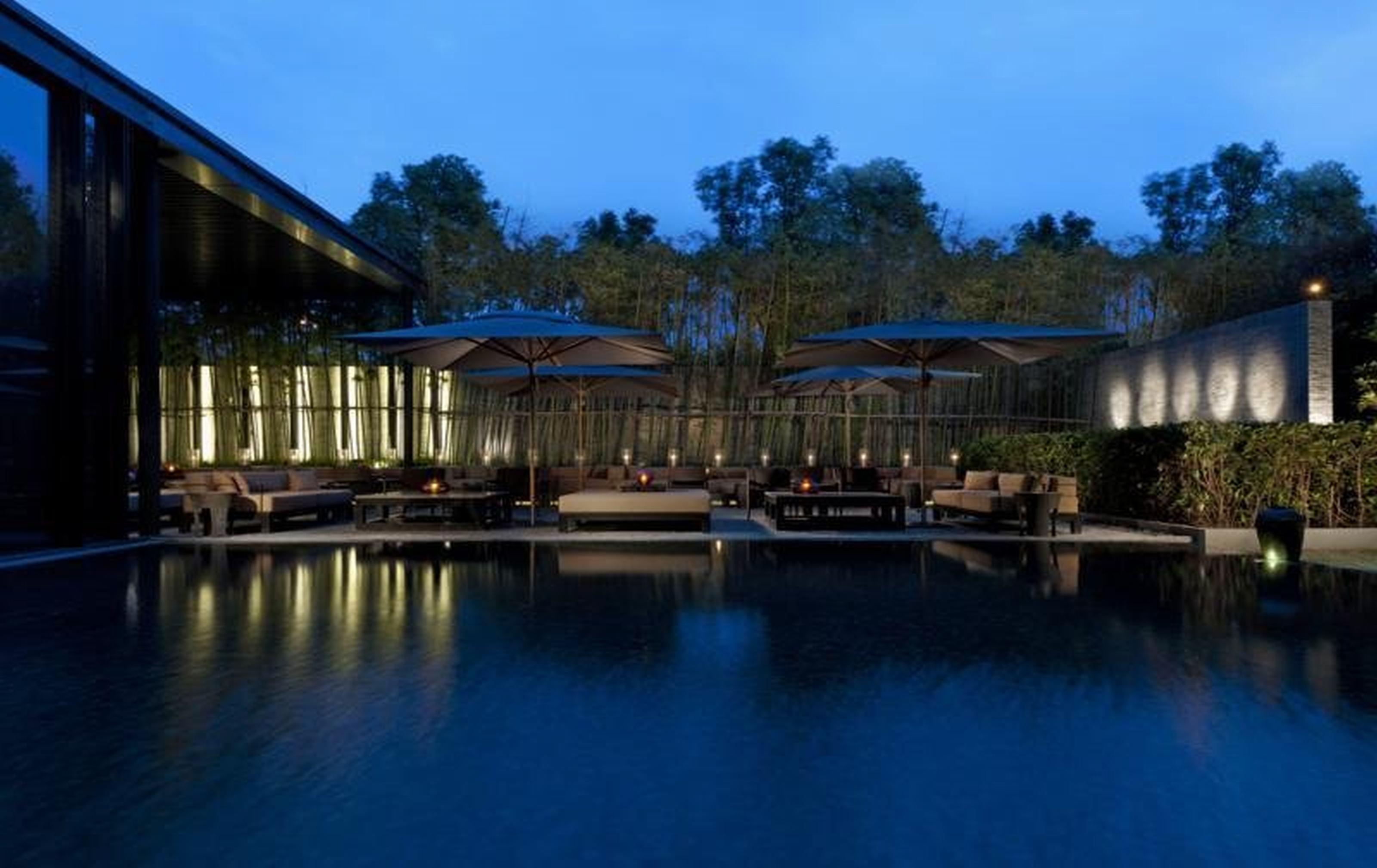
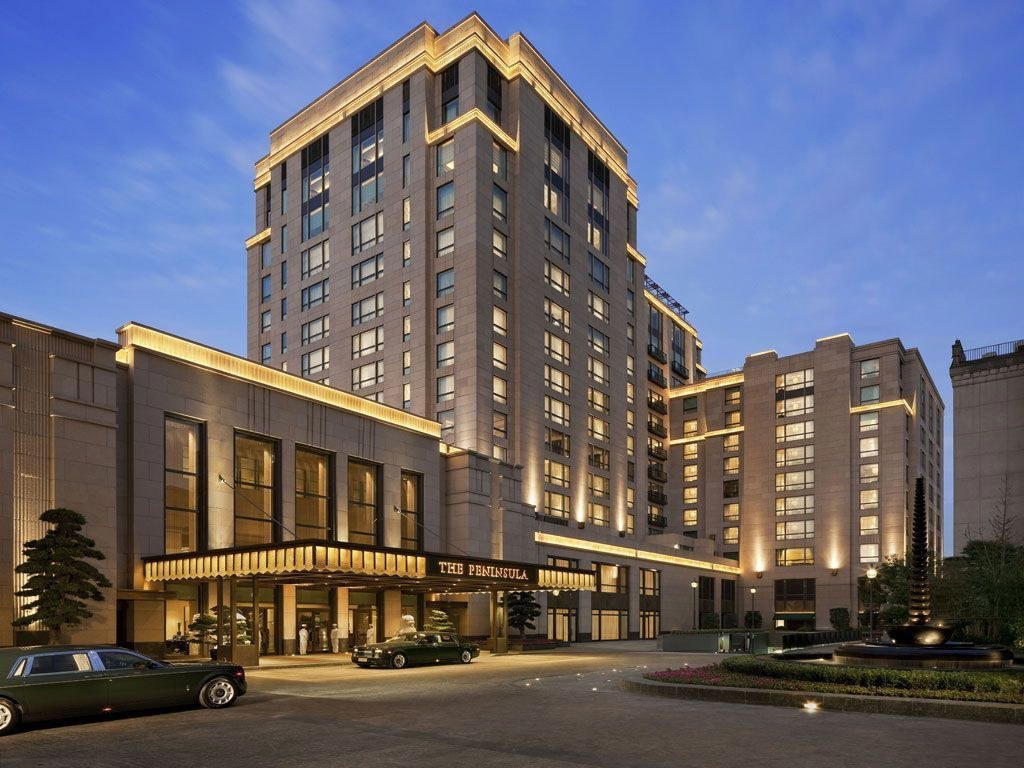
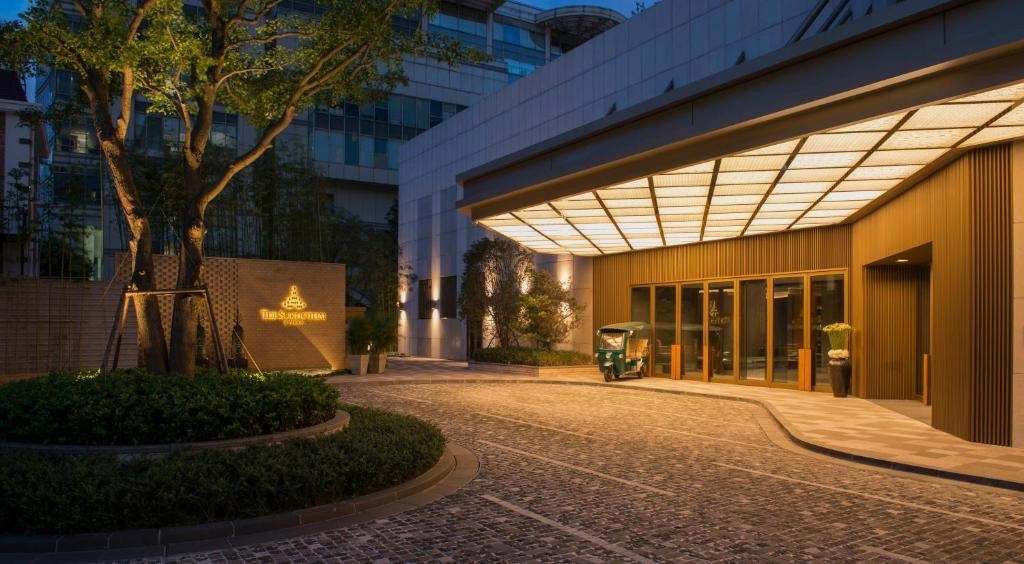
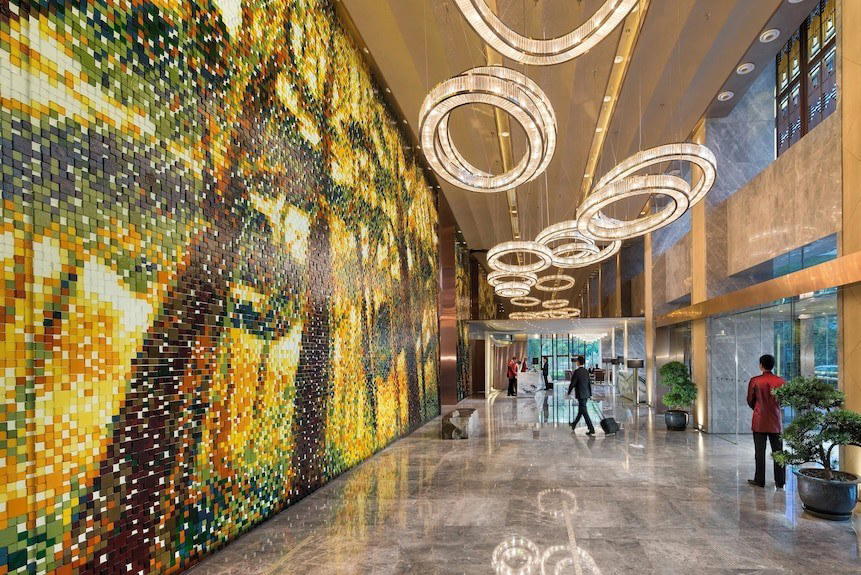
Refined and upscale, with a polished club-like atmosphere suited to a contemporary fine-dining hot pot experience.