
Our verdict
Ranked 46th in the 50 Top World Artisan Pizza Chains 2025 and named New Entry of the Year, Domani Pizzería Napolitana brings certified Neapolitan technique to Santiago's Providencia neighbourhood. The chain operates multiple locations across the city, working with imported Italian ingredients alongside local Chilean produce. For anyone tracking where serious pizza has landed in South America, this is the reference point.

Pearl is the En Primeur Club membership app, where members save venues, book tables and use the concierge.
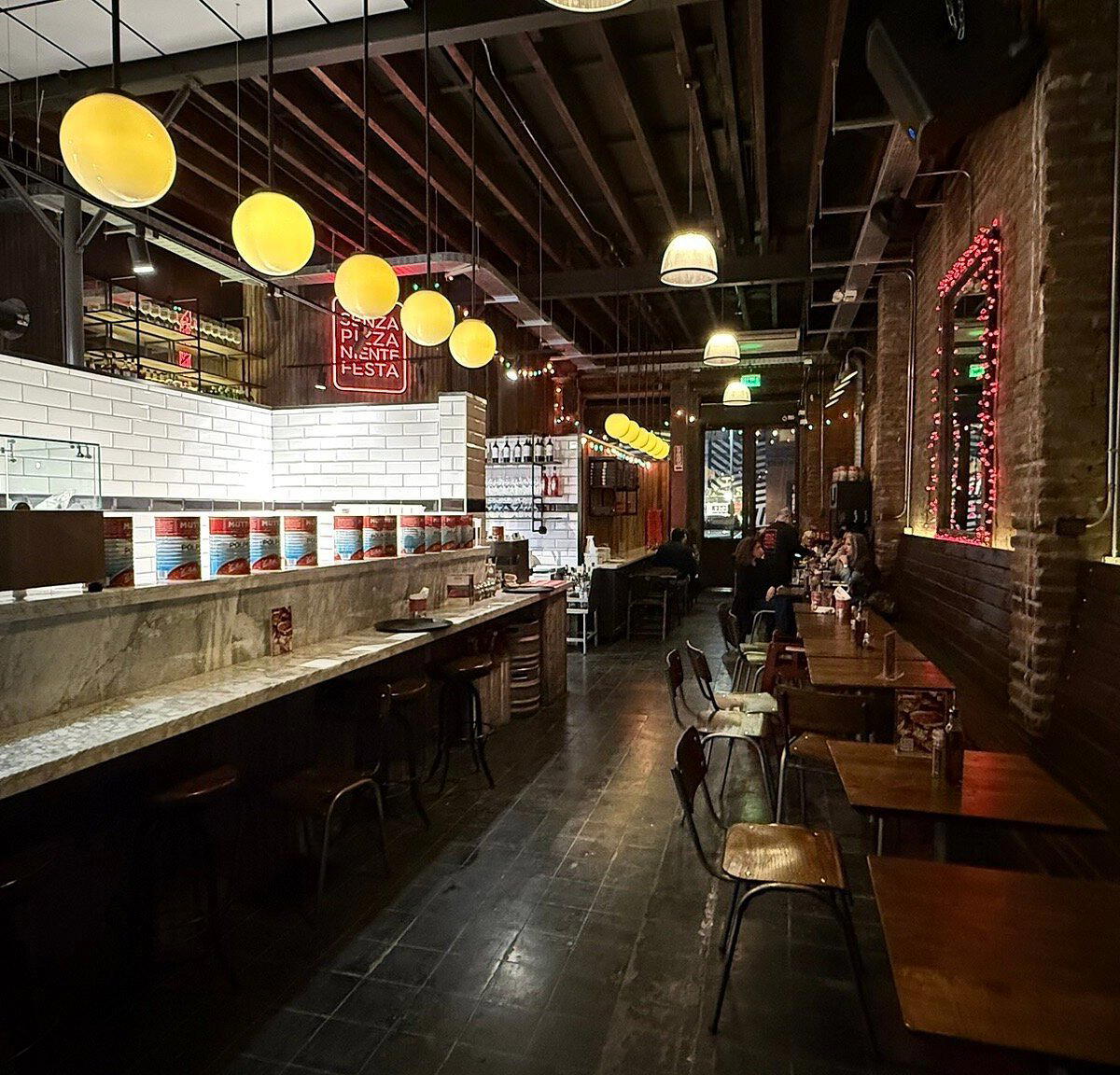
Where Neapolitan Pizza Sits in Santiago's Dining Scene
Santiago has spent the better part of a decade building a dining identity that reaches beyond its traditional Chilean foundations. The city's Providencia neighbourhood, anchored around Plaza Pedro de Valdivia, has become one of its more consistent addresses for serious eating, a strip where restaurants like Bocanáriz (Wine Bar) and Ambrosia (French - Chilean) have established the neighbourhood's credentials for precision-led dining at multiple price points. Into this context, Domani Pizzería Napolitana arrived not as a curiosity but as a genuine statement about where artisan pizza stands in the southern hemisphere.
The category itself matters here. Neapolitan pizza is among the most rigorously codified food traditions in the world, governed by the Associazione Verace Pizza Napoletana and defined by flour specification, fermentation time, oven temperature, and technique. Bringing that tradition to Santiago, reliably, across multiple locations, is a logistical and craft challenge that most operators underestimate. Domani's recognition in the 2025 50 Leading World Artisan Pizza Chains rankings suggests the execution has met a standard that global evaluators take seriously.
The Recognition That Defines the Tier
Global pizza rankings have matured considerably since the early 2010s. The 50 Leading World Artisan Pizza Chains list now operates as one of the more authoritative indexes in the category, applying criteria that weight ingredient sourcing, dough technique, and consistency across sites rather than simply the performance of a single flagship counter. Domani's placement at 46th globally in 2025, combined with the distinction of New Entry of the Year, positions it in a peer group that spans Naples-rooted institutions and internationally trained operations across Europe, North America, and Japan.
For Santiago specifically, that ranking carries additional weight. South American pizza, outside of Argentina's distinct porteño tradition, has historically operated at a distance from the Neapolitan benchmark. Domani's appearance on a global list, and at a debut ranking that places it ahead of well-established chains in mature pizza markets, signals something more than local enthusiasm. It reflects a supply chain capable of sourcing imported Italian ingredients at quality, a training programme that replicates technique across multiple kitchens, and a customer base in Santiago that has shown appetite for the format at the price point it requires. For a comparative sense of how Santiago's broader restaurant scene is developing across categories, the full Santiago restaurants guide provides a wider map.
Artisan Chains and What the Format Demands
The phrase "artisan chain" contains an inherent tension that the pizza world has been working through for years. At one end sit single-location pizzerias where the founding pizzaiolo controls every variable. At the other sit operations that have scaled so aggressively that technique becomes secondary to throughput. The chains that hold their ranking in lists like 50 Leading World do so by resolving that tension through tight process architecture, standardised dough protocols, temperature-controlled fermentation, imported ingredient specifications that don't flex by location. Domani's multi-site model in Santiago operates within that framework, using Italian imports alongside local Chilean produce in a combination that reflects both the constraints and opportunities of the local market.
The reliance on imported Italian ingredients is not marketing language. In Neapolitan pizza, the San Marzano tomato grown in volcanic Campanian soil, the fior di latte or buffalo mozzarella, and the specific flour grades used for the dough are not interchangeable with local substitutes without material impact on the outcome. Operating that supply chain from Santiago, across the Pacific and through South American customs infrastructure, requires commitment that goes well beyond a standard restaurant procurement operation. The 2025 award recognition implies that commitment has held.
Providencia as a Context
Plaza Pedro de Valdivia address places Domani in one of Providencia's more active dining corridors. The neighbourhood draws a mix of Santiago residents and visitors who find its walkable streets and restaurant density a practical alternative to the more scenographic dining of Lastarria or the financial-district formality of Las Condes. The dining options at this end of Providencia tend toward the considered rather than the showy, a register that suits a pizzeria operating within a technical tradition rather than a theatrical one. Visitors planning broader Santiago itineraries can use the full Santiago hotels guide and full Santiago bars guide to orient around the neighbourhood.
For those whose Santiago itinerary extends to the city's higher-end restaurants, the contrast with Domani is instructive rather than competitive. Boragó (Modern Chilean) operates at the extreme end of tasting-menu formality, foraging-led and internationally ranked. La Calma by Fredes (Seafood) applies similar seriousness to Chilean coastal produce. Demencia works a different register entirely. Domani occupies a distinct lane: a globally recognised artisan category, executed at accessible price points and multiple sites, within a city whose fine-dining ambitions are well documented elsewhere. The two ends of that spectrum are not in competition, they reflect different expressions of what Santiago's dining culture has become.
Travellers using Santiago as a gateway to wider Chilean experiences, whether heading to Awasi Atacama in San Pedro de Atacama, Awasi Patagonia in Torres del Paine, or Clos Apalta Residence in Valle de Apalta, often find Providencia a natural staging point before or after longer journeys. The full Santiago experiences guide and full Santiago wineries guide cover the wider planning picture for those building multi-day itineraries.
Planning Your Visit
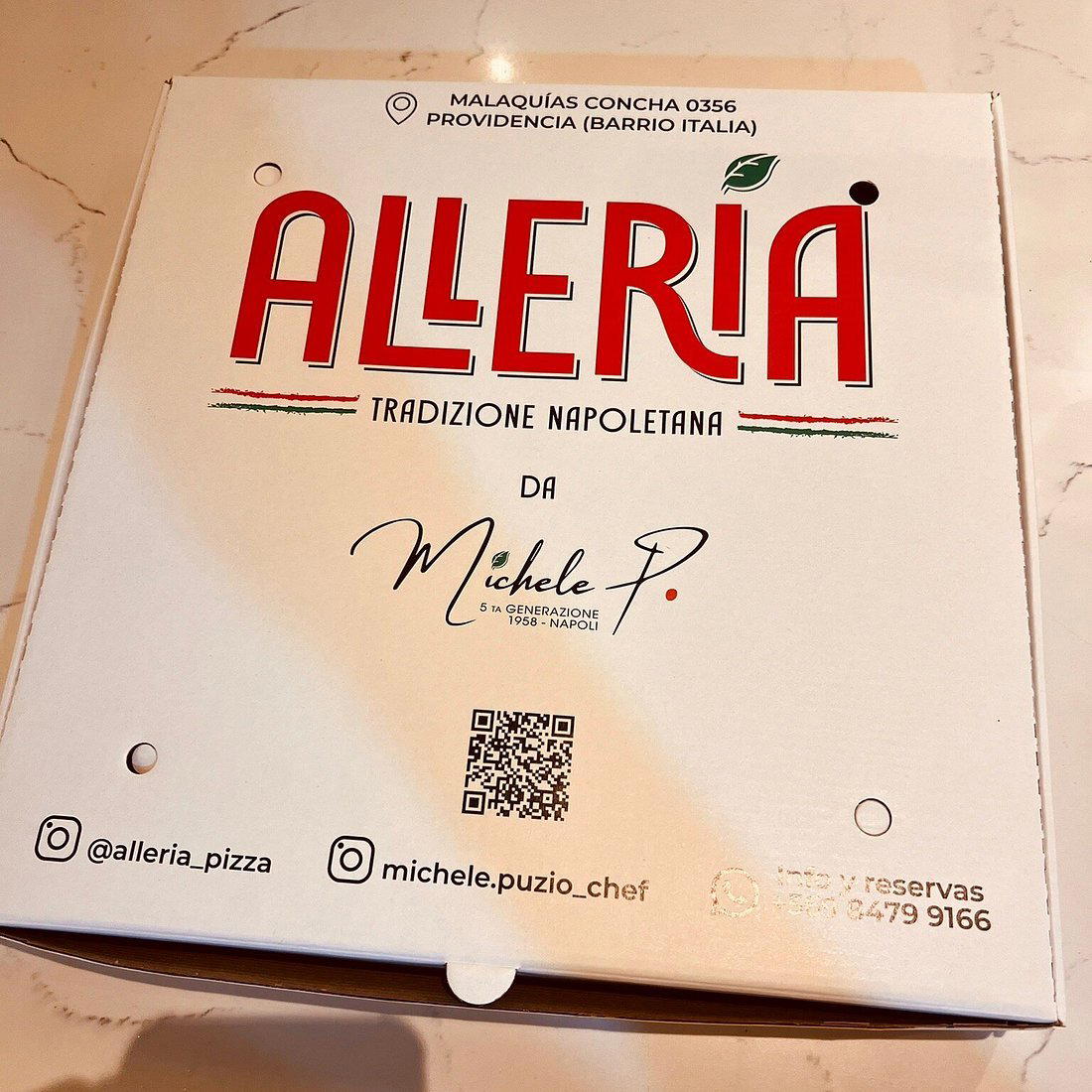
Domani operates across multiple Santiago locations, which means availability is less constrained than at single-site artisan pizzerias. The Providencia address at Plaza Pedro de Valdivia 2025 is the most accessible entry point for visitors based in the neighbourhood, and the multi-site footprint makes walk-in visits a practical proposition in a way that single-counter operations rarely allow. Specific hours, pricing, and booking policies are best confirmed directly with the venue, as these details vary by location and season. For dining references at a comparable neighbourhood scale, and a sense of what serious, precision-led restaurants look like elsewhere in Santiago, Allería in Providencia and Naoki in Vitacura offer useful points of comparison. Those interested in how global artisan standards translate across different categories can also look at how tightly defined technique-led operations perform in other cities: Le Bernardin in New York City and Atomix in New York City represent analogous commitments to craft rigour at scale, albeit in entirely different categories. And for those building a fuller picture of Chilean dining outside Santiago, CasaMolle in El Molle adds a regional dimension worth considering.
Frequently asked questions
Where is Domani Pizzería Napolitana located?
Domani Pizzería Napolitana is located at Pl. Pedro de Valdivia 2025, 7511020 Santiago, Providencia, Región Metropolitana, Chile, Santiago.
Does Domani Pizzería Napolitana have a Michelin star or similar recognition?
Domani Pizzería Napolitana has received recognition including: Domani Pizzería Napolitana is a Chilean pizza chain specializing in authentic Neapolitan pizza, using imported Italian ingredients and local products. It was recognized as the "New Entry of the Year 2025" and ranked 46th in the 50 Top World….
What's the signature dish at Domani Pizzería Napolitana?
Domani's identity is built around certified Neapolitan pizza technique rather than a single signature item. The operation uses imported Italian ingredients alongside local Chilean products, which is the defining approach that earned it 46th place in the 50 Top World Artisan Pizza Chains 2025 and the New Entry of the Year distinction for the same edition.
Do they take walk-ins at Domani Pizzería Napolitana?
Domani operates multiple locations across Santiago, which makes walk-in access more realistic than at single-counter artisan operations. The Providencia address at Plaza Pedro de Valdivia 2025 is one of several sites, so if one location is full, alternatives exist within the city.
What's the signature at Domani Pizzería Napolitana?
Domani Pizzería Napolitana is best approached by focusing on the core concept and signature offerings.
A quick peer reference to anchor this venue in its category.
| Venue | Cuisine | Price | Awards |
|---|---|---|---|
| Domani Pizzería NapolitanaThis venue (the venue you are viewing) | Neapolitan Pizza | $20–30 | Not listed |
| Boragó | Hyper-Local Chilean Tasting Menu | $100–150 | World's 50 Best #23 · La Liste Top Restaurants |
| Ambrosia | Modern Gastro-Bistro | Not listed | We're Smart World 1 Radish |
| La Calma by Fredes | Fresh Chilean Seafood | $50–100 | World's 50 Best #57 · The Best Chef One Knife |
| Bocanáriz | Modern Chilean Wine Bar | $50–100 | Not listed |
| The Singular Santiago, Lastarria Hotel | Modern French-Chilean Fine Dining | $50–100 | La Liste Top Restaurants |
Recognition history
Dated appearances from independent guides and award organizations, with the underlying list record or original source where available.
50 Top Pizza 50 Top World Artisan Pizza Chains #48
50 Top Pizza
Continue exploring
More in Santiago
Restaurants in Santiago
All restaurants in Santiago →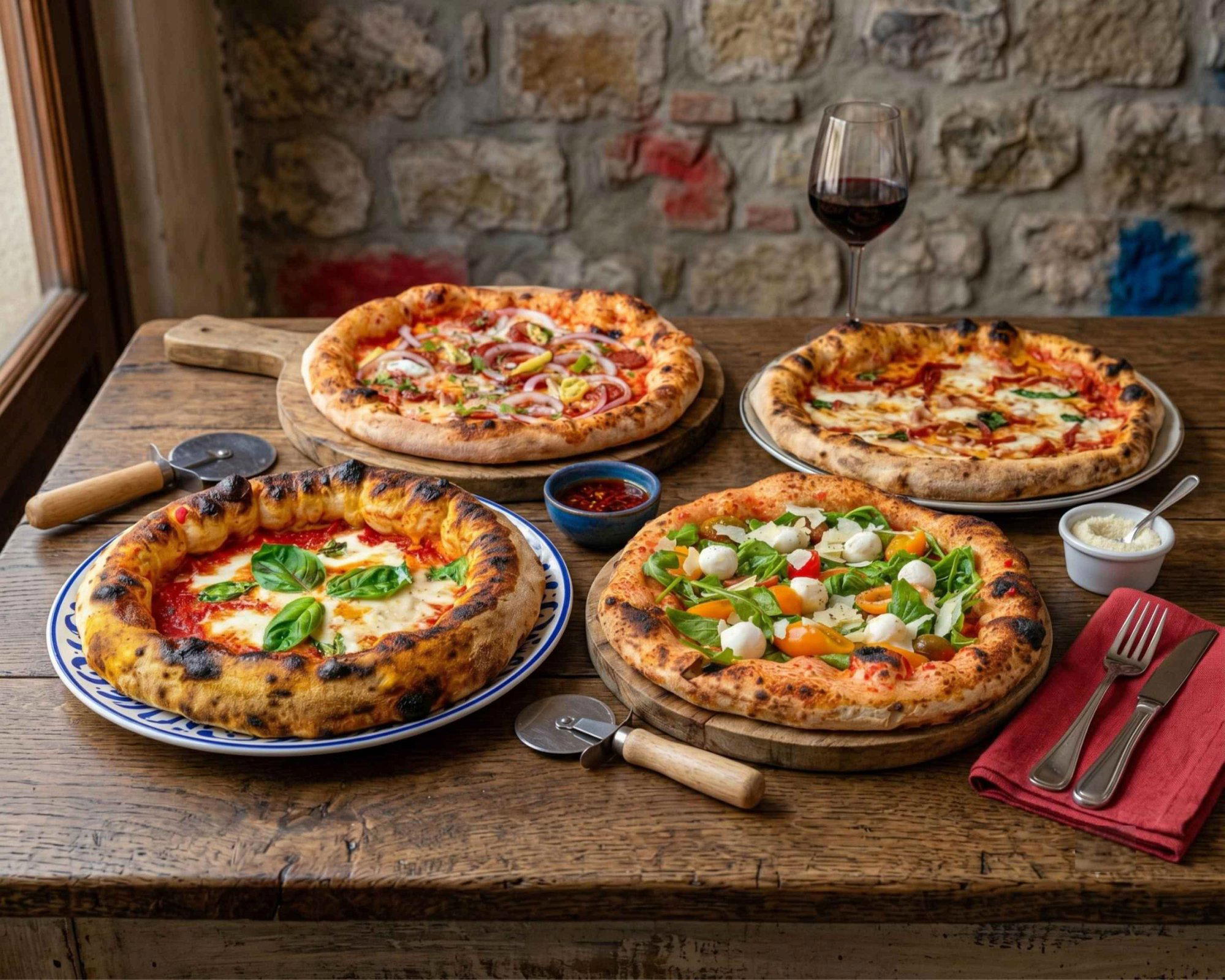
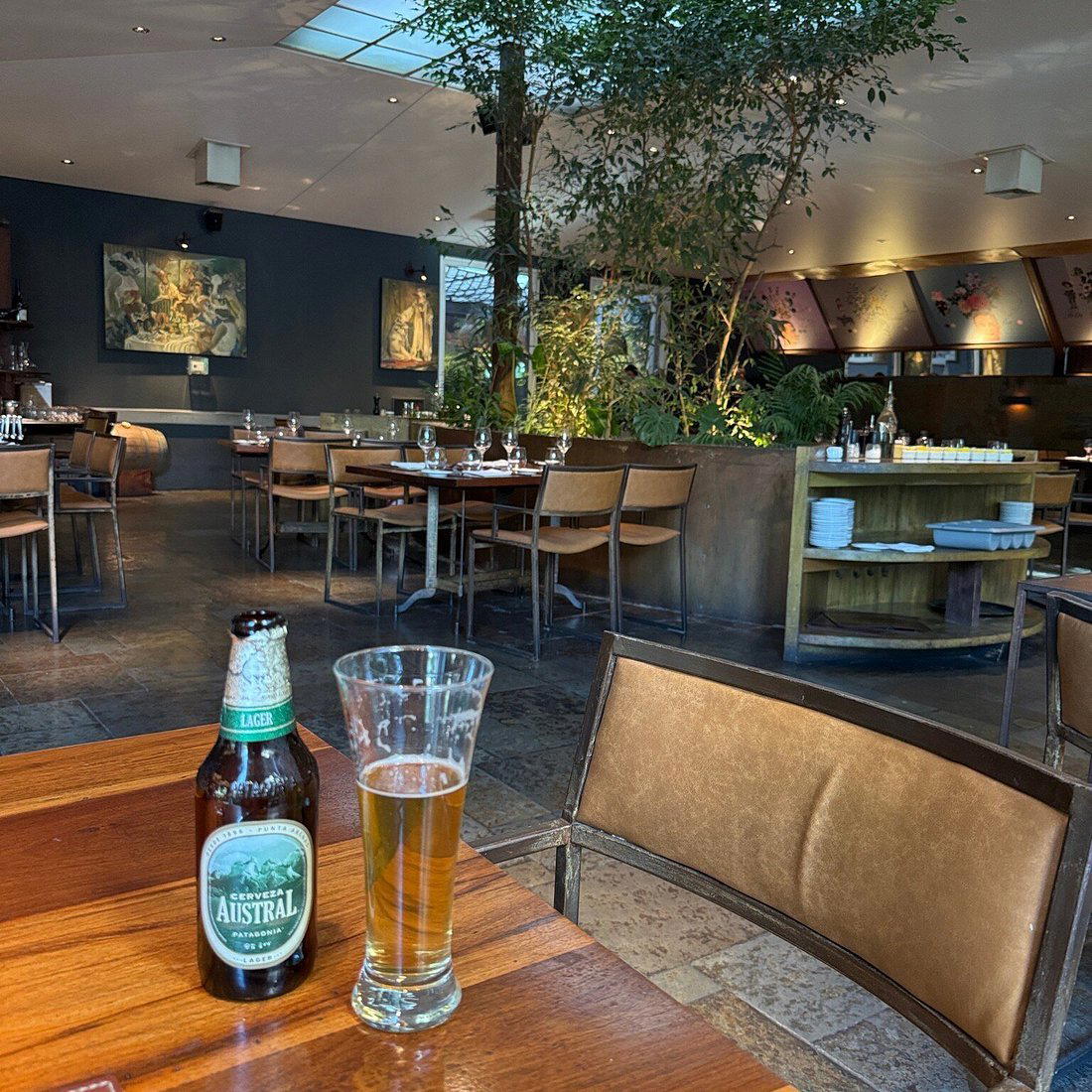
Bars in Santiago
All bars in Santiago →





Details
- Lively
- Cozy
- Trendy
- Date Night
- Casual Hangout
- Group Dining
- Terrace
- Open Kitchen
- Beer Program
- Street Scene
- A La Carte
- Vegetarian Friendly
- Vegan Options
Current opening hours
- Monday
- 12:30–11 PM
- Tuesday
- 12:30–11 PM
- Wednesday
- 12:30 PM–12 AM
- Thursday
- 12:30 PM–12 AM
- Friday
- 12:30 PM–1 AM
- Saturday
- 12:30 PM–1 AM
- Sunday
- 12:30–10:30 PM
Hours can change for holidays and private events. Last verified .
Cozy and festive atmosphere with friendly service, featuring a lovely terrace for outdoor seating.