Casas del Bosque

World's 50 Best #42
Established in 1993 on the cool-climate slopes of Casablanca Valley, Casas del Bosque is a boutique estate where the kitchen, cellar, and sommelier program operate as a single integrated offering.
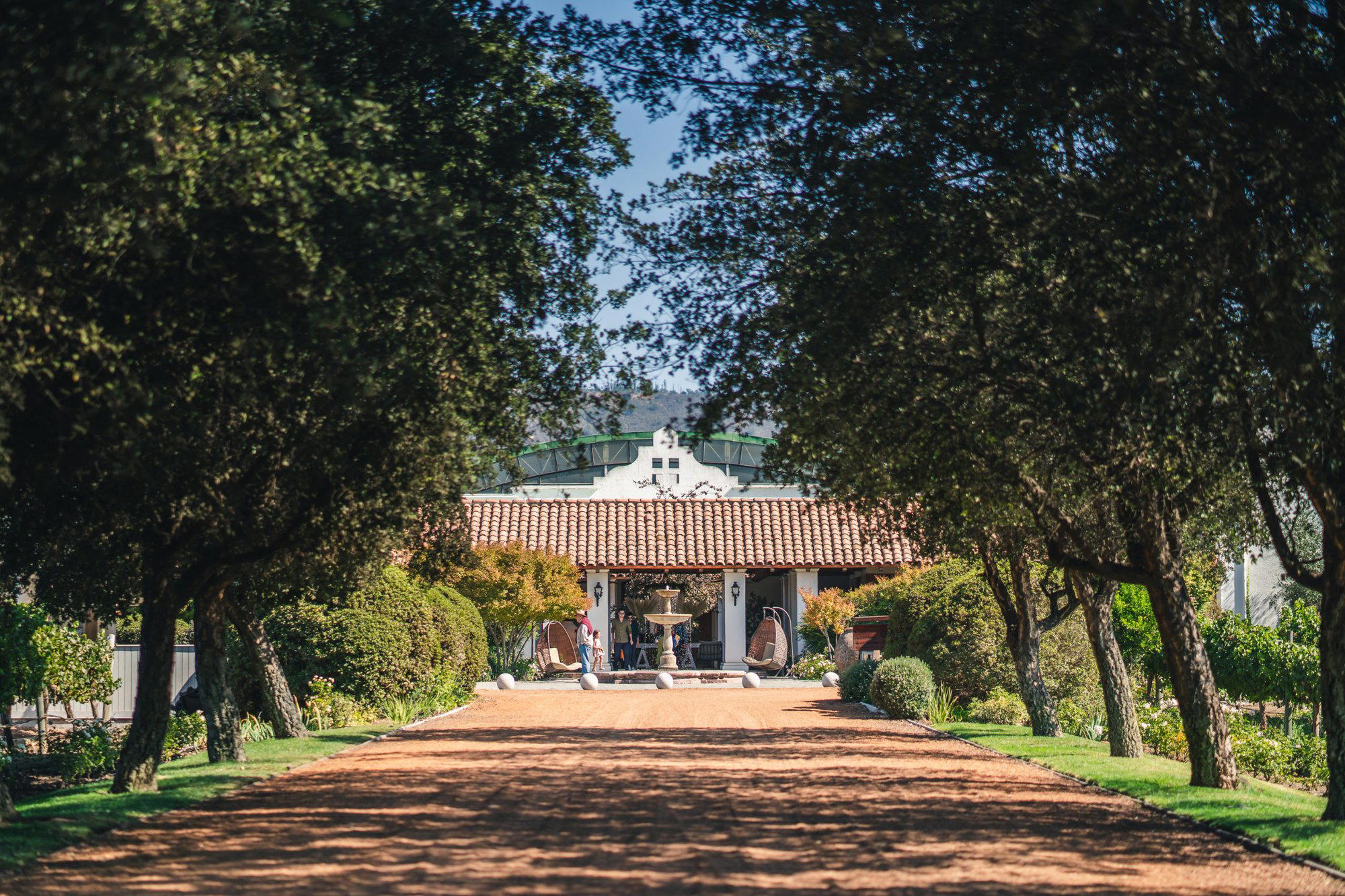
Where the Cellar and the Table Speak the Same Language
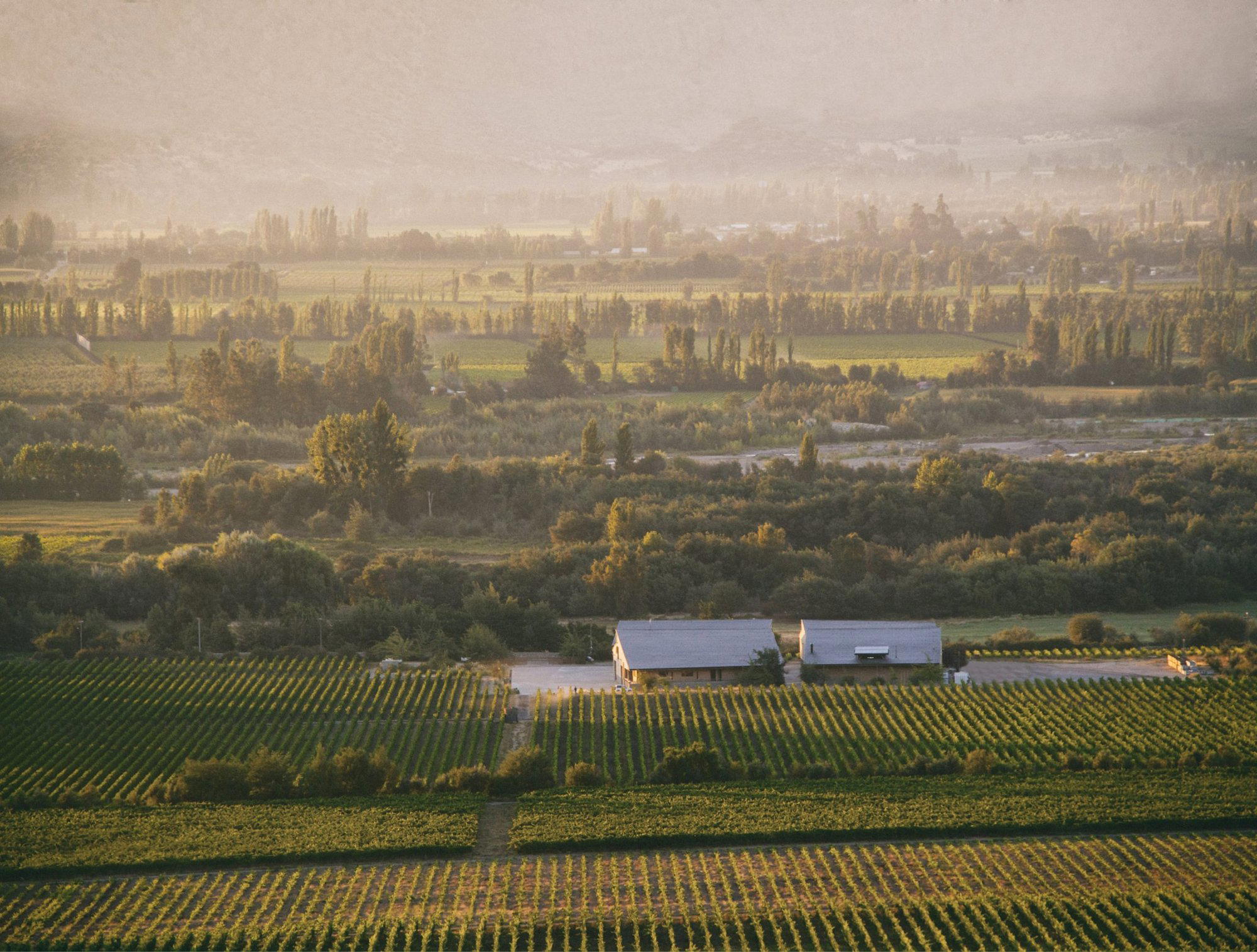
Drive the F-830 west of the city of Casablanca and the temperature drops noticeably before the vines appear. The Casablanca Valley sits close enough to the Pacific that morning fog rolls in regularly off the Humboldt Current, suppressing daytime heat and extending the ripening window in ways that fundamentally shape what ends up in the barrel. This is the climatic logic behind the valley's reputation for aromatic whites and cool-climate reds, and it is the same logic that gives an estate like Casas del Bosque its agricultural identity. The surrounding pine forests and olive trees that give the property its name are not decorative: they signal an ecosystem where the vines sit within a broader managed landscape, established in 1993 by Juan Cuneo Solari on land historically classified under the old fundo system of Chilean rural property.
Estates that have been operating for more than three decades in Casablanca occupy a different position from the newer wave of boutique producers. They carry institutional memory of how the valley's expression has evolved, which vintages tracked the fog cycles faithfully, and where the cellar decisions diverged from what the fruit initially suggested. That accumulated knowledge shows up not in marketing but in the confidence of the aging and blending program.
The Cellar Argument: Aging as Editorial Decision
In Chilean wine culture, the question of what happens after harvest has historically been answered with speed. The domestic market rewarded freshness and the export market rewarded price-point efficiency. Casablanca Valley changed some of that calculus by producing varieties, particularly Sauvignon Blanc, Chardonnay, and Pinot Noir, where extended barrel contact introduces complexity rather than simply adding weight. The cool fermentation temperatures achievable in the valley mean that primary aromatics survive into the aging phase, giving winemakers the option to build structure without sacrificing the fruit precision that defines the appellation.
At Casas del Bosque, the relationship between chef, winemaker, and sommelier is framed as a collaborative program rather than parallel operations running under the same roof. This matters because barrel and blending decisions made in the cellar are tested against food in a live setting, which is a discipline that concentrates the mind. A Pinot Noir that works academically in the barrel needs to hold up alongside protein, acid, and fat on a plate. That feedback loop, when it functions, tends to produce wines that are less abstract and more useful at the table.
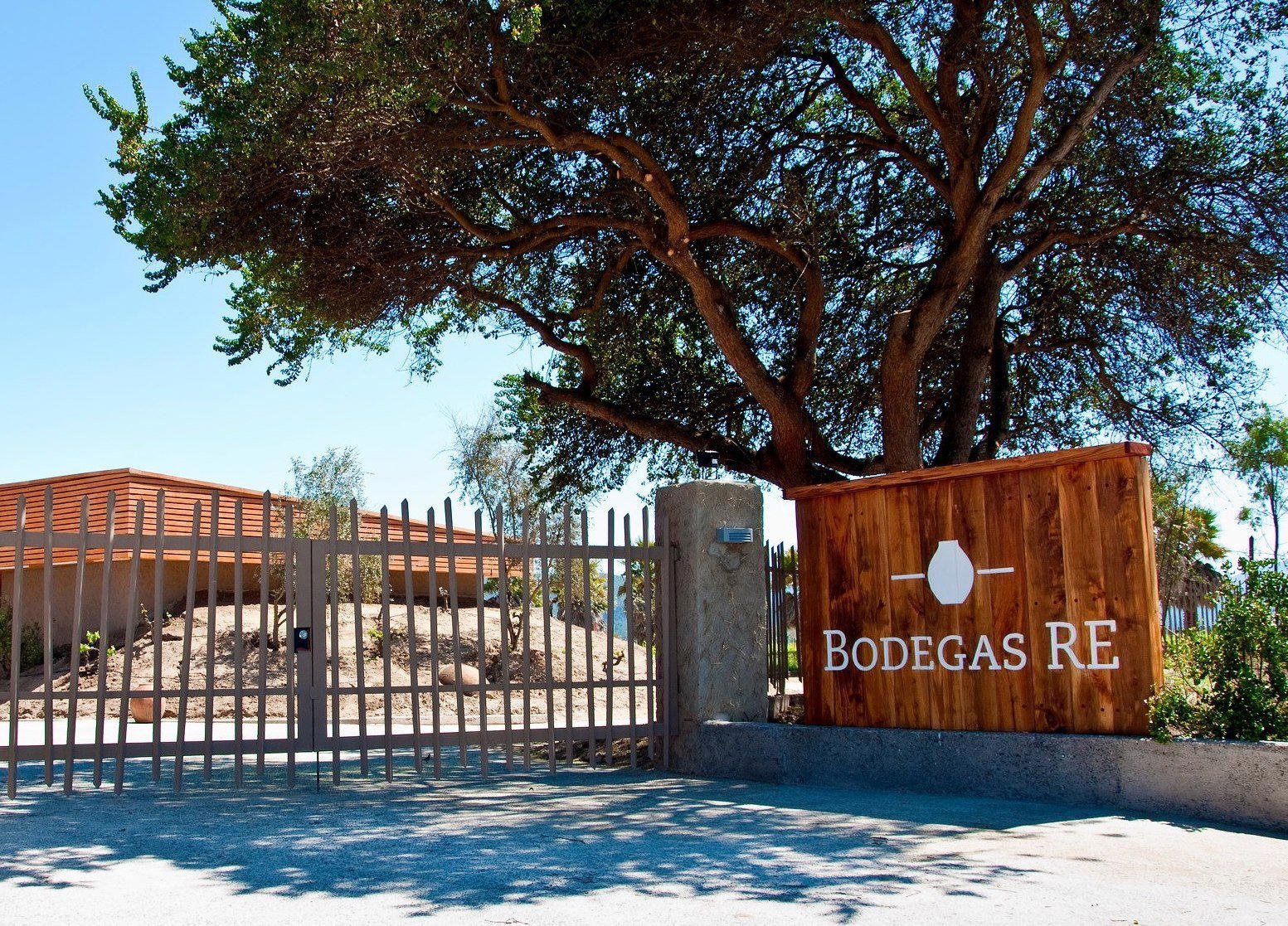
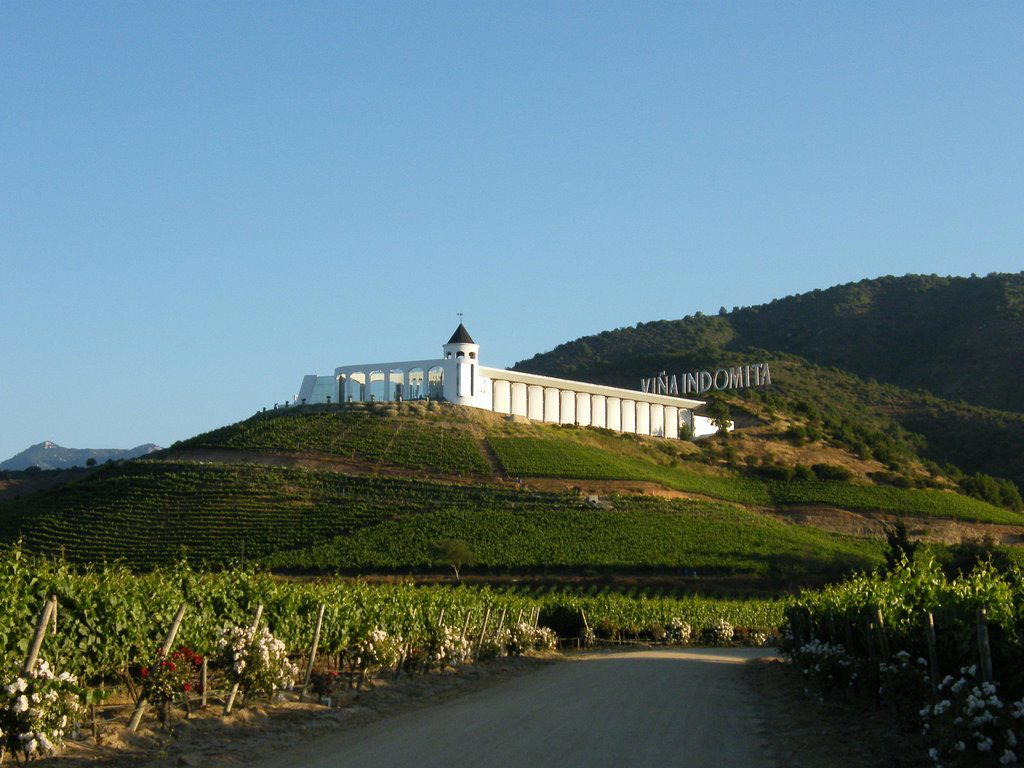
For context within the valley, estates like Kingston Family Vineyards and Matetic Vineyards have built reputations partly on the precision of their cellar programs. Bodegas RE represents the more experimental end of the valley's production range, while Viña Emiliana and Indómita operate at larger scale. Casas del Bosque sits in the middle tier by size but aligns more closely with the estate-experience model, where the visit is designed as an integrated encounter with the winemaking philosophy rather than a transaction at a tasting bar.
Recognition and What It Signals
The framing of the award notes specifically that the chef, winemaker, and sommelier operate in coordination, which is a structural claim about how the estate functions, not just a compliment to individual departments.
That kind of integrated recognition is worth reading carefully. In Chile's wine estate sector, it is relatively common for properties to invest heavily in cellar infrastructure while treating the restaurant as an afterthought, or conversely to build a destination dining room that uses the wine list primarily as a revenue line. Estates where both sides of the equation receive genuine investment tend to produce visits that justify the drive out of Santiago or Valparaíso, and the 2025 recognition at Casas del Bosque is a signal that the balance holds.
The Estate Visit: Practical Framing
Casablanca Valley sits roughly between Santiago and Valparaíso, making it accessible from either city in under two hours by road. The F-830 address places Casas del Bosque in the agricultural interior of the valley, away from the main highway corridor. Visitors coming from Santiago typically approach via the Ruta 68, the same road used by most Casablanca-bound wine travelers, which means the estate sits within a logical circuit that could include other valley producers.
The late morning through early afternoon window works well in Casablanca for most of the year. Fog typically burns off by mid-morning, leaving the valley in the clear coastal light that photographs well and makes the vineyard walks more informative. Summer (December through February in the Southern Hemisphere) brings the highest visitor volumes; visiting in shoulder months like October or April gives a quieter experience and, depending on the year, the opportunity to encounter post-harvest activity in the winery itself.
Given the estate's emphasis on the food-and-wine pairing experience, a visit that includes a meal rather than just a tasting is the more coherent use of the trip. Reservations for the restaurant should be arranged in advance, particularly for weekend visits during the November-through-March high season.
Casablanca in the Wider Chilean Wine Map
Chile's wine geography spans a long latitudinal range, from the arid northern valleys to the cool south, and the contrast between regions is sharper than the country's condensed international identity sometimes suggests. Casablanca occupies a specific niche as a cool-climate coastal appellation that arrived relatively late to serious production but moved quickly up the quality index. Compared to warmer interior valleys, the Casablanca offer is structurally different: lower alcohol potential, higher natural acidity, and varieties that require patience in the cellar rather than simply good extraction.
Elsewhere in Chile, estates are doing equally considered work in very different registers. Viña Seña in Panquehue and Viña De Martino in Isla de Maipo represent the warmer inland tradition, while Viña Casa Silva in San Fernando and Viña MontGras in Palmilla extend the map further south. The northern end of Chilean production, covered by estates like Viña Falernia in Vicuña and distilleries such as Pisco Alto del Carmen in Huasco, operates in a completely separate climatic logic. The breadth of that range is part of what makes Chilean wine undervalued relative to its actual diversity. El Gobernador (Miguel Torres Chile) in Curicó offers another point of comparison in the central valley tradition.
For visitors building a Casablanca-focused itinerary, our full Casablanca restaurants and wineries guide maps the valley's broader offer across multiple price points and visit formats. Internationally, the integrated estate-visit model that Casas del Bosque represents has parallels in properties as different as Accendo Cellars in St. Helena and Aberlour in Scotland's Speyside, where the production environment and the hospitality offering are conceived as a single argument rather than separate commercial operations.
Planning Your Visit
Casas del Bosque is located at Ex Fundo Hijuela Sta Rosa No. 2, on the F-830 in Casablanca, Valparaíso Region. The estate is a working winery with an integrated restaurant, and visits that combine a cellar component with a meal represent the full experience the estate is built around. Booking the restaurant in advance is advisable, especially on weekends and throughout the December-to-February summer period. The valley is leading reached by private car or hired transfer from Santiago (approximately 90 minutes) or Valparaíso (approximately 45 minutes). Public transport options exist but add significant time to the journey and limit flexibility between estates.
Frequently asked questions
Where is Casas del Bosque located?
Casas del Bosque is located at Ex Fundo Hijuela Sta Rosa Nº 2 - F-830 1900, Casablanca, Valparaíso, Casablanca.
What's the best wine to try at Casas del Bosque?
Casablanca Valley's cool climate, shaped by Pacific influence and coastal fog, consistently favours aromatic whites and Pinot Noir. Those two categories represent the valley's strongest argument against warmer Chilean appellations, and the estate, founded in 1993, has had more than three decades to calibrate its cellar decisions to that terroir.
What's the defining thing about Casas del Bosque?
The coordination between chef, winemaker, and sommelier operating as a single program. Juan Cuneo Solari established the estate in 1993 on grounds named for the surrounding pine forests and olive trees, and that sense of place runs through both the wine list and the kitchen.
Do I need a reservation for Casas del Bosque?
For the restaurant, yes. The estate sits on the F-830 in Casablanca and draws visitors from both Santiago and Valparaíso, placing it squarely on the Casablanca Valley wine trail.
Comparable Spots
| Venue | Price | Awards |
|---|---|---|
| Casas del BosqueThis venue (the venue you are viewing) | Not listed | World's 50 Best #42 |
| Bodegas RE | $30–50 | World's 50 Best #43 |
| Kingston Family Vineyards | $50–100 | Not listed |
| Viña Emiliana | $30–50 | Falstaff Winery - Listed |
| Indómita | Not listed | Falstaff Winery - Listed |
Recognition history
Dated appearances from independent guides and award organizations, with the underlying list record or original source where available.
World's 50 Best Vineyards #42
World's 50 Best
Full recognition history (7 entries)
World's 50 Best Vineyards #49
World's 50 Best
World's 50 Best Vineyards #37
World's 50 Best
World's 50 Best Vineyards #30
World's 50 Best
World's 50 Best Vineyards #41
World's 50 Best
World's 50 Best Vineyards #40
World's 50 Best
World's 50 Best Vineyards #30
World's 50 Best
Enquire about visiting Casas del Bosque or buying its wine
Visits to Casas del Bosque are usually kept for the estate's regular buyers and the wine trade. Tell us when you would like to go and a little about how you buy, and we put the request to the estate and reply to you by email. For buying, we source directly from the producer or from a licensed seller we know and vouch for, and tell you the route before you pay.
Continue exploring
More in Casablanca
Wineries in Casablanca
All wineries in Casablanca →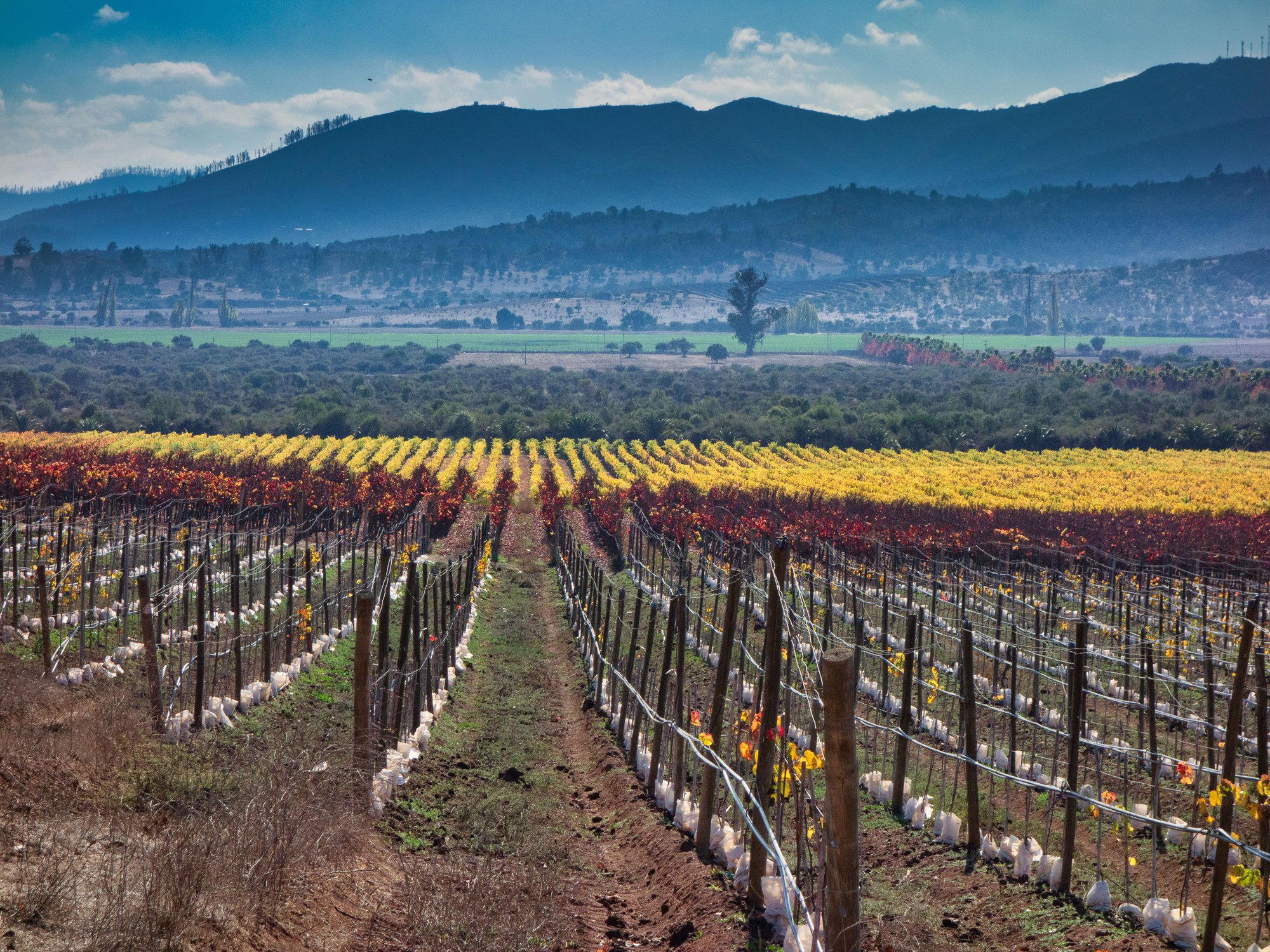

Restaurants in Casablanca
Browse all →
Hotels in Casablanca
Browse all →
Details
- Scenic
- Modern
- Sophisticated
- Quiet
- Group Outing
- Celebration
- Family
- Special Occasion
- Corporate Event
- Vineyard Tour
- Terrace
- Panoramic View
- Design Destination
- Private Tasting
- Sustainable
- Vineyard
- Mountain
- Sauvignon Blanc
- Chardonnay
- Pinot Noir
- Syrah
- Riesling
- Still White
- Still Red
- Sparkling
- Guided Tasting
- Premium Tasting
- Wine And Food Pairing
- Private Tasting
- English
- Spanish
- Portuguese
- French
Modern, polished winery atmosphere centered on a sustainable, cool-climate estate with vineyard and valley-view experiences.