
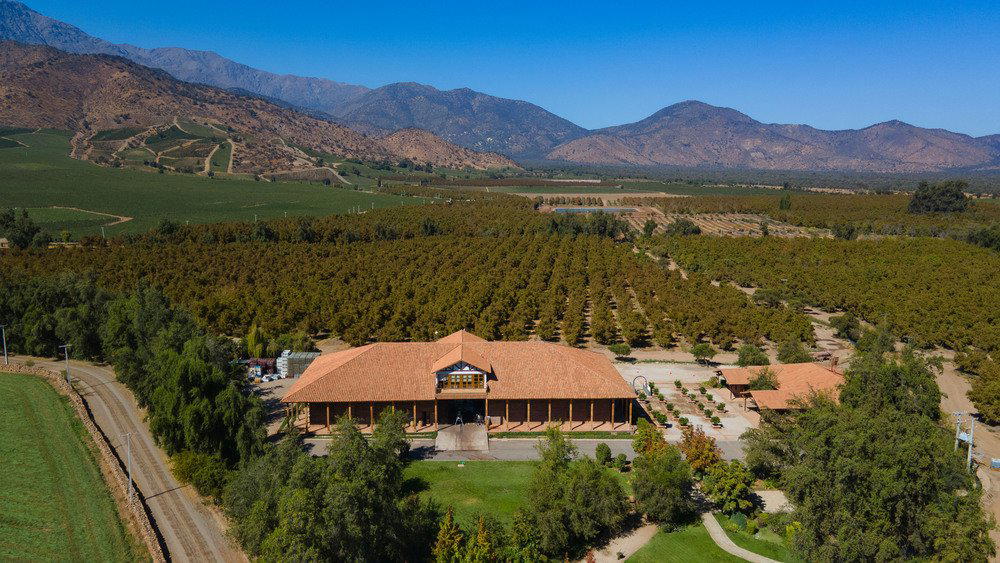
Located in the Maipo Valley foothills southeast of Santiago, the estate offers a gateway into Chile's most historically significant wine region, with a production scale and heritage that position it distinctly within the country's winery tourism circuit.
Pearl is the En Primeur Club membership app — saves, bookings, and concierge access live there. Same editors, same standards.
- Address
- Av. Virginia Subercaseaux 210, Pirque, Región Metropolitana
- Phone
- +56 9 4625 0525
- Website
- conchaytoro.com
- Directions
- Get directions
 Saves & bookings on Pearl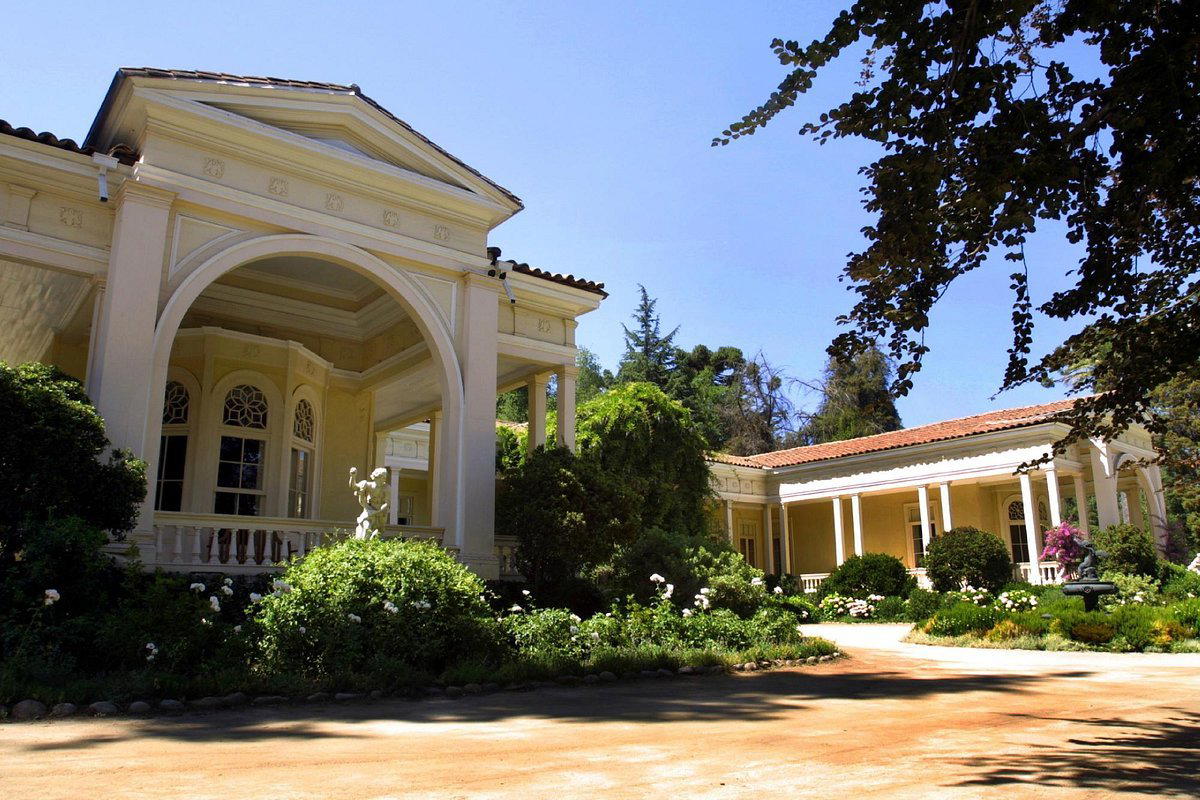
Maipo Valley at Scale: What Concha y Toro Represents in Chilean Wine
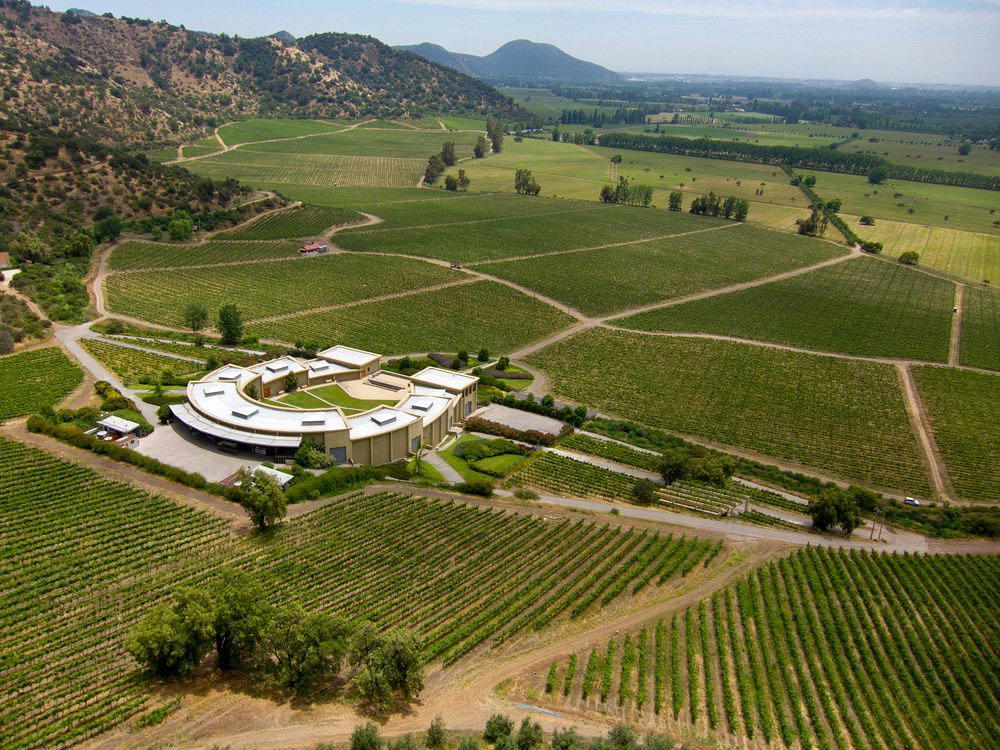
The road into Pirque from Santiago traces the Maipo River southeast through a corridor that has defined Chilean wine's international identity for more than a century. This is not a remote discovery: the Maipo Valley sits within an hour of the capital, and its combination of Andean alluvial soils, dry summers, and cold nights has made it the country's most recognizable appellation for Cabernet Sauvignon. Within that geography, Viña Concha y Toro operates at a scale that few South American producers match, and its estate at Av. Virginia Subercaseaux 210 in Pirque functions as the physical anchor of that heritage.
Chile's wine industry has long operated in two registers: a large-volume export tier recognized globally by label, and a smaller, terroir-focused tier where single-vineyard wines compete with premium bottles from Burgundy, Napa, and Tuscany. Concha y Toro occupies both. The estate's presence in Pirque places it at the intersection of those two registers, where winery tourism, production history, and serious viticulture converge in a single address.
The Estate Approach: Heritage Architecture and the Casillero del Diablo Legend
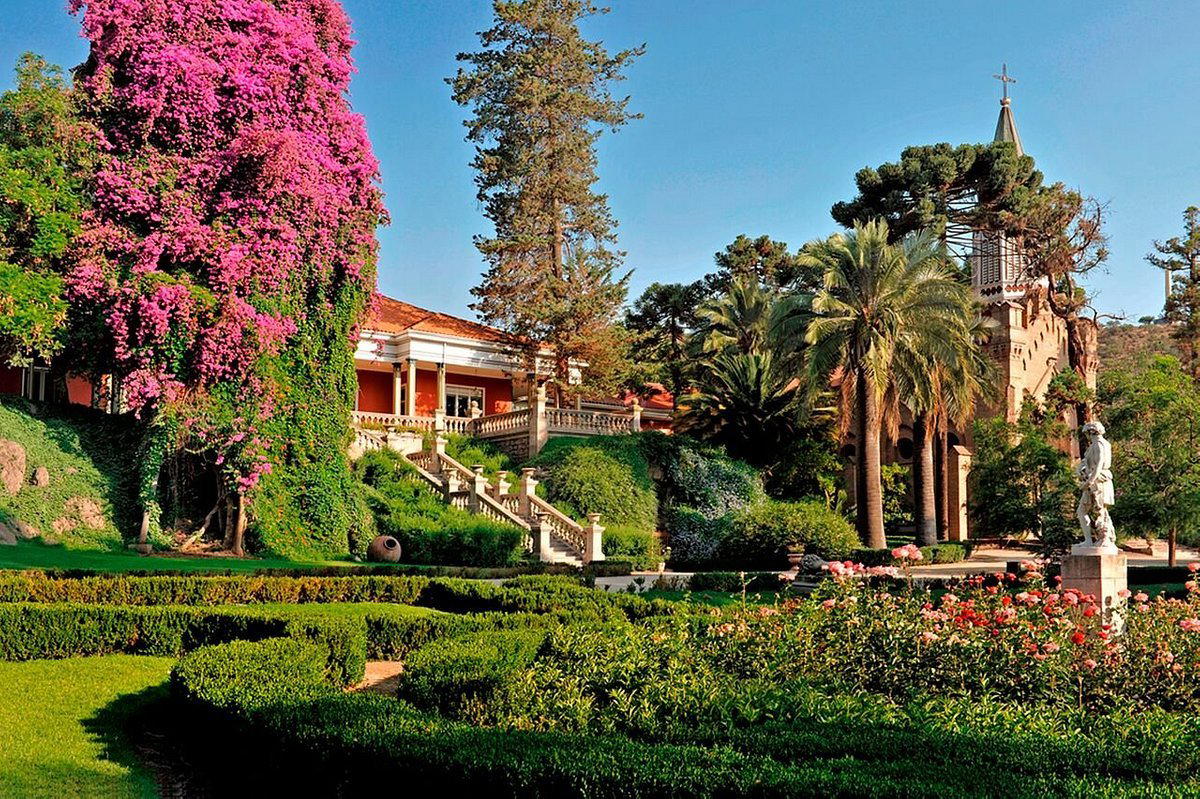
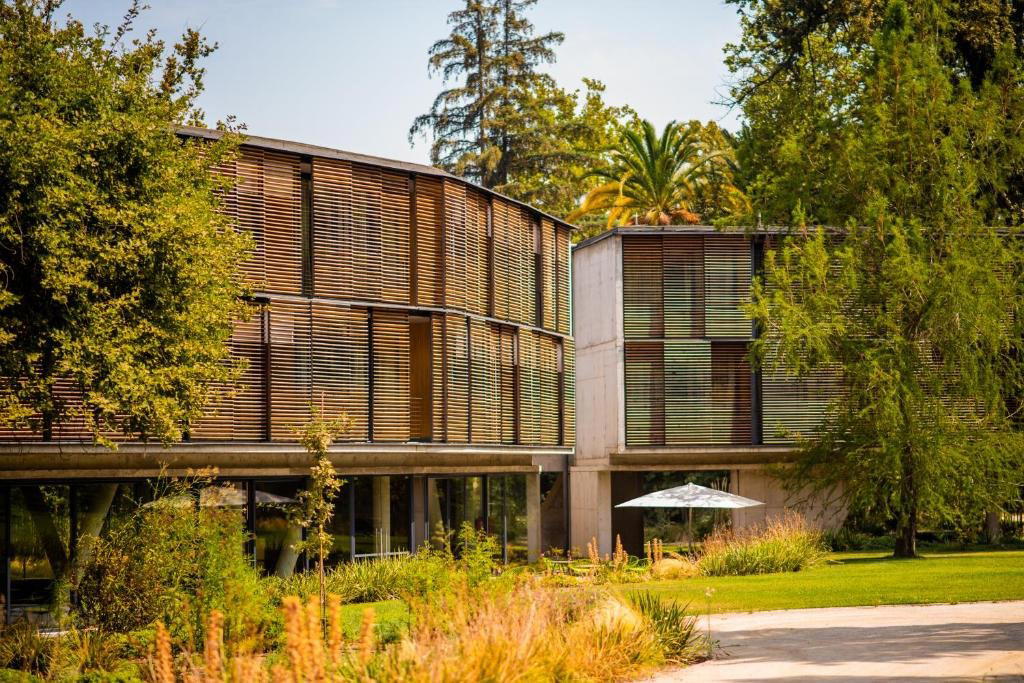
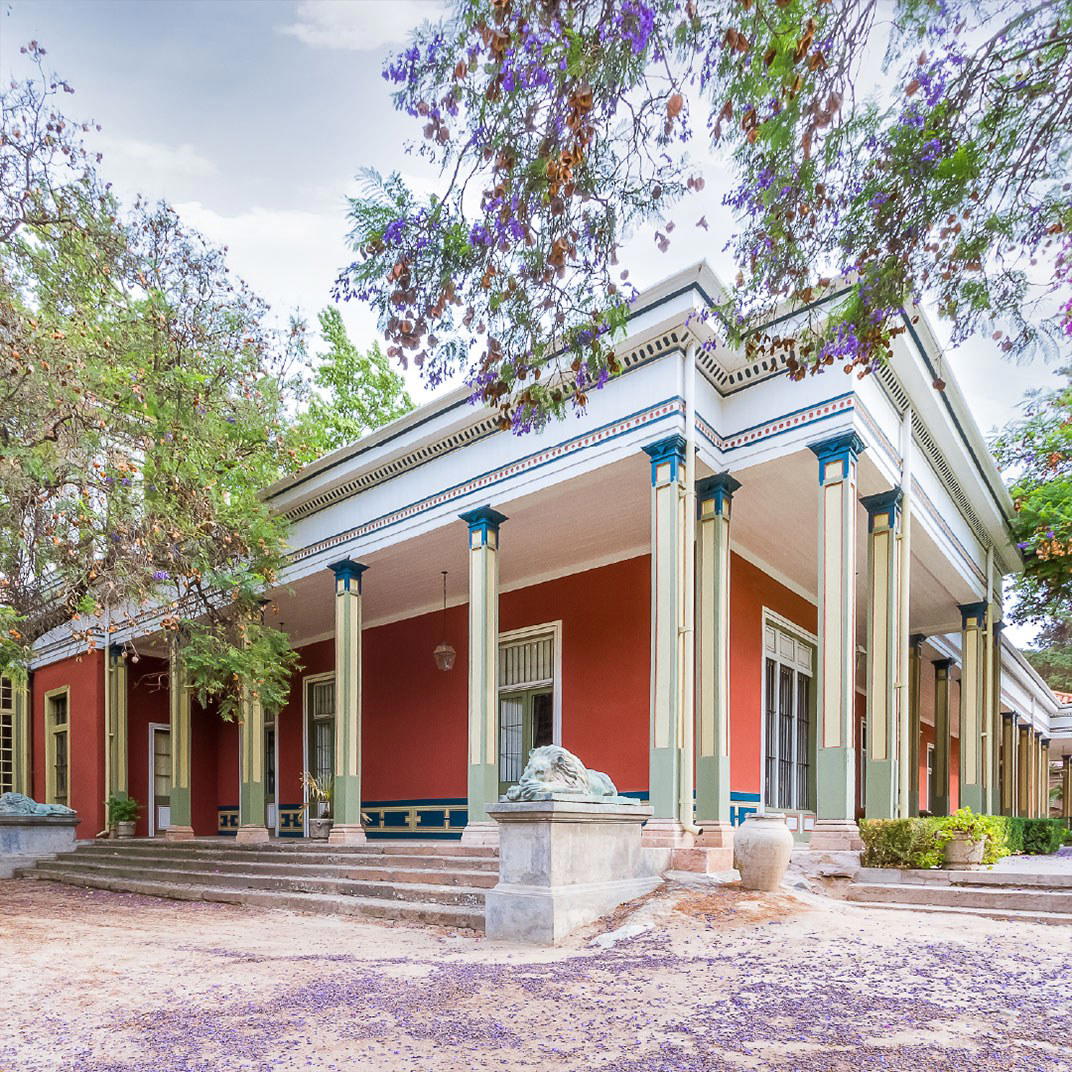
Walking into the Pirque grounds, the architecture does most of the contextualizing work before a single bottle is opened. The Victorian-era main house, the formal gardens, and the barrel cellars built into the estate's oldest structures all communicate a production timeline that stretches back to the late nineteenth century. Chilean wine tourism has generally split between working wineries with functional visitor centers and heritage estates where the built environment carries its own narrative weight. Concha y Toro belongs firmly to the latter category.
The estate's most-repeated story concerns the Casillero del Diablo, the section of the cellar where founder Melchor Concha y Toro reportedly spread rumors of a resident devil to deter theft from his private reserves. That story has since become among the more recognizable wine brand narratives in Latin America, and the cellar visit remains a centerpiece of the guided tour format. In the context of Chilean wine tourism, where experiential differentiation has become increasingly competitive, the combination of documented history and theatrical atmosphere gives this estate a positioning that newer properties cannot replicate through design alone.
This kind of layered storytelling through place is something that neighboring Pirque producers approach differently. Haras de Pirque and Viña El Principal both operate in the same appellation with smaller-scale, boutique-oriented visitor formats; they offer a different register of the Maipo Valley experience rather than a competing one.
Production Philosophy and the Premium Tier: Don Melchor and Beyond
The editorial angle on Concha y Toro's winemaking philosophy has to account for the breadth of the portfolio, which runs from supermarket-accessible Frontera to Don Melchor, a single-vineyard Puente Alto Cabernet that has appeared consistently in international critical assessments at the 95-plus point tier. That breadth is itself a philosophical statement: the winemaking team operates simultaneously across price points without collapsing the premium tier into a prestige exercise.
Don Melchor's Puente Alto vineyard is located within the broader Maipo Valley appellation, on the rocky alluvial soils closest to the Andes foothills, where water stress and mineral complexity produce the concentration that defines the wine's profile. The decision to maintain that as a single-vineyard expression, rather than blending it into a branded premium tier, aligns Concha y Toro's upper-end philosophy with practices at producers like Viña Seña in Panquehue, where terroir specificity rather than brand architecture drives the flagship tier.
The winemaking approach at this scale also involves decisions that smaller Chilean producers never face: managing consistency across millions of cases while simultaneously developing wines that require critics and sommeliers to treat them as fine wine. The resolution of that tension is what makes Concha y Toro an interesting subject beyond its production volume. For context, producers like Viña De Martino in Isla de Maipo, Viña MontGras in Palmilla, and Viña Casa Silva in San Fernando each operate within a narrower premium focus, which allows a different kind of experimental latitude. Concha y Toro's challenge is institutional discipline rather than boutique curation.
Situating Concha y Toro in Chile's Broader Wine Geography
The country's producing regions run nearly 1,300 kilometers from the Atacama in the north to Patagonia in the south, and visitor experiences vary sharply across that range. The Pirque estate represents the historical center of Chilean wine's commercial identity, but it sits alongside a much wider network of recognized producers.
In the far north, Viña Falernia in Vicuña and Pisco Alto del Carmen Distillery in Huasco operate in the high-altitude Elqui and Huasco valleys, where the wine and pisco traditions are entirely different in character. Further south, El Gobernador (Miguel Torres Chile) in Curicó and Viña Valdivieso in Lontué represent the Central Valley's Curicó tradition, while Viña Undurraga in Talagante and Viña Ventisquero in Santiago anchor the western Maipo corridor. Each of these occupies a distinct position in the Chilean wine map; Concha y Toro in Pirque is not a substitute for those experiences but a separate and foundational one.
For visitors planning a broader Chilean wine itinerary, the Pirque estate functions as an anchor point: it provides historical and commercial context that makes subsequent visits to smaller or more specialized producers more legible. You understand what Chilean wine became commercially by starting here, and you understand what the boutique tier is reacting against or building upon.
Planning a Visit to Pirque
The estate is located at Av. Virginia Subercaseaux 210 in Pirque, in the Región Metropolitana southeast of Santiago. The tour format is structured and guided, with the cellar visit and tasting forming the core itinerary. For visitors combining Concha y Toro with other Pirque producers, the proximity to Haras de Pirque and Viña El Principal makes a half-day or full-day circuit in the appellation practical. The estate's scale means visitor throughput is higher than at boutique producers, which affects the intimacy of the experience but also means greater scheduling flexibility. Booking in advance is advisable, particularly during the harvest season from February through April, when demand from both international visitors and local wine tourism peaks.
Budget and Context
Comparable venues nearby, for context on price, style, and recognition.
| Venue | Cuisine | Price |
|---|---|---|
| Viña Concha y ToroThis venue — the venue you are viewing | Pirque, Cabernet Sauvignon, Chardonnay | $$ |
| Viña El Principal | Pirque, Cabernet Sauvignon, Carménère | $$$ |
| Haras de Pirque | Pirque, Cabernet Sauvignon, Carmenère | $$$ |
| Viña Cousiño-Macul | Macul, Cabernet Sauvignon, Merlot | $$ |
| Viña San Pedro | Molina, Cabernet Sauvignon, Carmenère | $$ |
| Pisco Horcón Quemado | Winery | Not listed |
Recognition history
Dated appearances from independent guides and award organizations, with the underlying list record or original source where available.
Falstaff Winery - Listed
Falstaff
Continue exploring
More in Pirque
Wineries in Pirque
Browse all →
Bars in Pirque
Browse all →


Restaurants in Pirque
Browse all →
At a Glance
- Well Known
- Scenic
- Elegant
- Rustic
- Group Outing
- Wine Education
- Celebration
- Vineyard Tour
- Cave Tasting
- Barrel Room
- Garden
- Historic Building
- Vineyard
- Garden
- Maipo Valley
- Cabernet Sauvignon
- Chardonnay
- Merlot
- Cabernet Franc
- Petit Verdot
- Still Red
- Still White
- Guided Tasting
- Cheese Pairing
- Premium Tasting
Beautiful gardens, historic cellars, and scenic vineyard settings create a sophisticated and welcoming atmosphere praised for its organization and sensory experiences.