
The estate's 40-hectare vineyard is navigable by horse-drawn carriage or pedal bar, making it one of the few Chilean wine estates where the land itself is part of the programmed experience. It belongs to a comparable set of heritage Central Valley producers redefining how terroir-focused visits are structured.
Pearl is the En Primeur Club membership app — saves, bookings, and concierge access live there. Same editors, same standards.
- Address
- Buin, Santiago Metropolitan Region
- Phone
- +56 2 2362 2000
- Website
- santarita.com
- Directions
- Get directions
 Saves & bookings on Pearl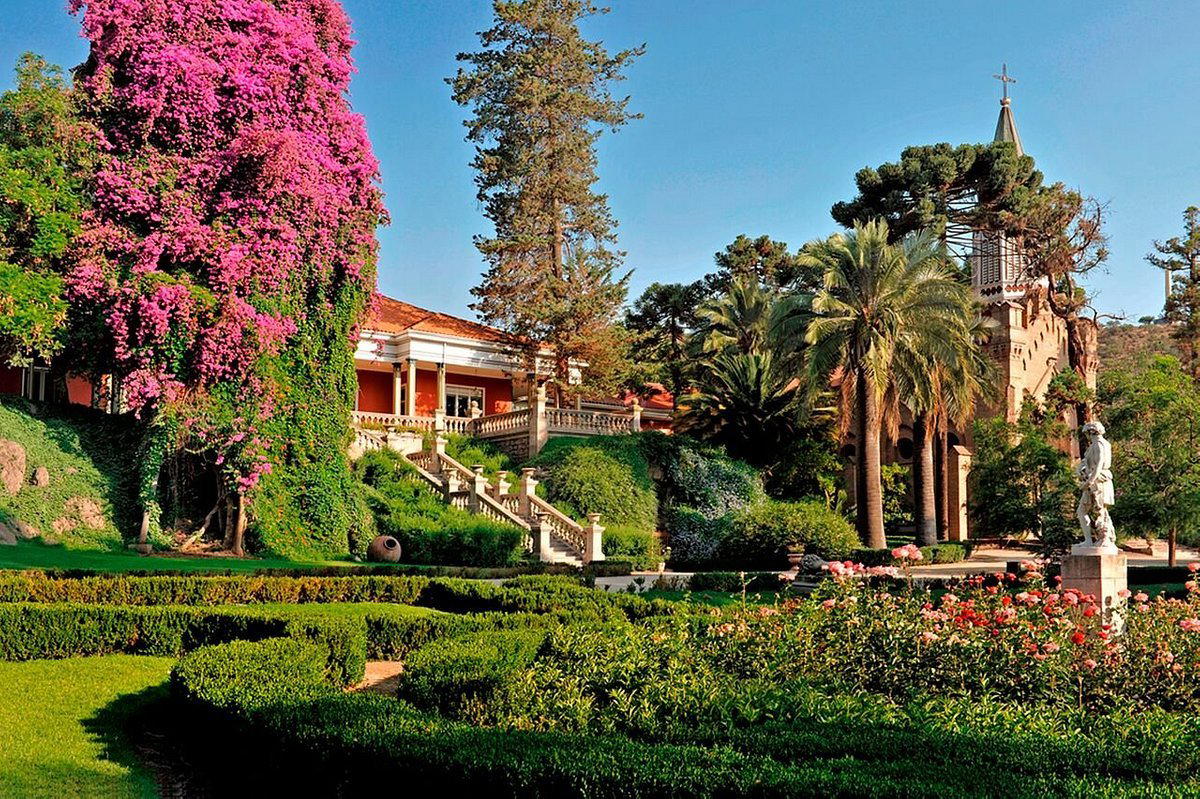
Where the Land Sets the Terms
The Central Valley floor south of Santiago is not subtle terrain. Between the Andes to the east and the Coastal Range to the west, the valley channels cool Pacific air through gaps in the hills, moderating what would otherwise be punishing summer heat. The soils shift across short distances, from alluvial clay near river channels to decomposed granite on refined sections, and those shifts register in the glass. Buin sits in the northern segment of the Maipo Valley appellation, where daily temperature swings during ripening season can exceed 20°C. That diurnal range is not incidental to wine quality; it is the primary mechanism by which the valley preserves acidity in ripe fruit, and it has been drawing Cabernet Sauvignon plantings here for well over a century.
Viña Santa Rita occupies 40 hectares of this terrain, and the estate has structured its visitor experience around the fact that the land is the argument. Rather than routing guests immediately into a tasting room, the approach here begins with the vineyard itself. Horse-drawn carriage or pedal bar puts visitors inside the vine rows, at ground level, before any wine is poured. That sequencing reflects a broader shift among serious Chilean producers: the terroir explanation now precedes the wine service, rather than accompanying it as an afterthought. Among Chilean estates offering programmed visits, this kind of land-first orientation places Santa Rita alongside properties that have moved beyond the standard winery tour format.
The Maipo Appellation and What It Produces
Maipo's reputation was built on Cabernet Sauvignon, and that reputation has compounded rather than diversified over the decades. The appellation's northern sub-zones, including the Buin corridor, tend to produce wines with firmer tannic structure and more pronounced cassis character than the cooler Alto Maipo sub-zones further upstream toward Puente Alto. What the lower valley sacrifices in finesse it often compensates with volume and consistency of fruit expression, which has historically made it a source for blending components as much as estate-bottled wines.
That picture has changed considerably as producers have learned to read individual plot characteristics rather than appellation-level generalizations. Clay-heavy sections retain water, moderate vine stress in dry years, and tend to produce rounder, less austere wines. Gravelly, well-drained sections push vine roots deeper, increase berry concentration, and sharpen the wine's structural profile. Visitors who move through the Santa Rita estate by carriage or pedal bar pass between these soil types without necessarily registering the transitions, but the differences accumulate in the wines that result. The 40-hectare scale is large enough to contain meaningful variation while remaining comprehensible as a single estate.
For context on how Maipo fits within Chile's broader winemaking geography, the country's wine regions span from the Atacama Desert in the north, where properties like Viña Falernia in Vicuña and Pisco Alto del Carmen Distillery in Huasco operate under extreme conditions, down through the Central Valley and into the cooler southern valleys. Maipo occupies a middle position, historically prestigious, climatically reliable, and increasingly precise in how individual estates articulate sub-appellation character.
The Visitor Experience: Format and Structure
The programmed visit at Santa Rita is structured around the vineyard traverse before moving into the wine. Both the horse-drawn carriage and the pedal bar are functioning modes of transport across the 40 hectares, not decorative additions to a standard tour. The choice between them reflects different pacing preferences: the carriage is passive and observational, while the pedal bar requires engagement and tends to place groups in closer proximity to the vine canopy. Neither option is incidental to understanding the estate; both are designed to make the scale and character of the land legible before tasting begins.
This format sits within a recognizable tier of Chilean wine tourism that has developed over the past decade, where the emphasis has shifted from production facilities (tank rooms, barrel halls, bottling lines) toward agricultural environments. Estates like Viña De Martino in Isla de Maipo and Viña MontGras in Palmilla have similarly oriented their visitor programs toward the vineyard rather than the winery building. The shift reflects a wider industry argument: that wine's quality differential is determined in the field, not the cellar, and that premium visitor experiences should therefore be field-anchored.
That designation places it in a comparable set that includes properties across the Central Valley and beyond, including Viña Casa Silva in San Fernando, Viña Undurraga in Talagante, and Viña Valdivieso in Lontué.
Planning a Visit to Buin
Buin is located within the Santiago Metropolitan Region, making Santa Rita accessible as a day trip from the capital. The distance from central Santiago is manageable by car, and the estate's position on the valley floor means the approach itself passes through agricultural land that contextualizes the visit before arrival. During that period, the vineyard activity visible from the carriage or pedal bar is at its most expressive: picking crews, sorting operations, and the concentrated smell of fermenting juice carry an immediacy that off-season visits cannot replicate. That said, the winter months (June through August) offer their own clarity, with pruned vine rows and low-angle light that makes the soil profiles and row spacing more legible than during canopy season.
For visitors building a broader Chilean wine itinerary, Santa Rita pairs logically with other Maipo-area estates before extending south to the Colchagua Valley or north toward the Casablanca and Aconcagua regions. Viña Ventisquero in Santiago and Viña Seña in Panquehue represent different points on the Chilean quality spectrum and make for instructive comparison visits.
Those with an interest in Chilean wine production beyond the Central Valley should consider adding El Gobernador (Miguel Torres Chile) in Curicó or Balduzzi Winery in San Javier to extend the itinerary southward. For distillery visits that sit outside the wine tradition entirely, Atacamasour Distillery in San Pedro de Atacama operates in a climate and production context that contrasts sharply with the Central Valley model.
Fast Comparison
Comparable venues nearby, for context on price, style, and recognition.
| Venue | Cuisine | Price | Awards | Notes |
|---|---|---|---|---|
| Viña Santa RitaThis venue — the venue you are viewing | Cabernet Sauvignon, Carmenère | $$ | World's 50 Best #26 | Not listed |
| Viñedos de Alcohuaz | Syrah, Garnacha | $$$ | World's 50 Best #25 | Alcohuaz |
| Bodegas RE | Cabernet Sauvignon, Carignan | $$$ | World's 50 Best #32 | Casablanca Valley |
| Viña Almaviva | Cabernet Sauvignon, Carmenere | $$$$ | World's 50 Best #34 | Puente Alto |
| Viña Errázuriz | Cabernet Sauvignon, Carmenère | $$$ | World's 50 Best #17 | Panquehue |
| Casas del Bosque | Winery | Not listed | World's 50 Best #30 | Casablanca |
Recognition history
Dated appearances from independent guides and award organizations, with the underlying list record or original source where available.
World's 50 Best Best Vineyards #41
World's 50 Best
World's 50 Best Best Vineyards #28
World's 50 Best
World's 50 Best Best Vineyards #26
World's 50 Best
Continue exploring
More in Buin
Wineries in Buin
Browse all →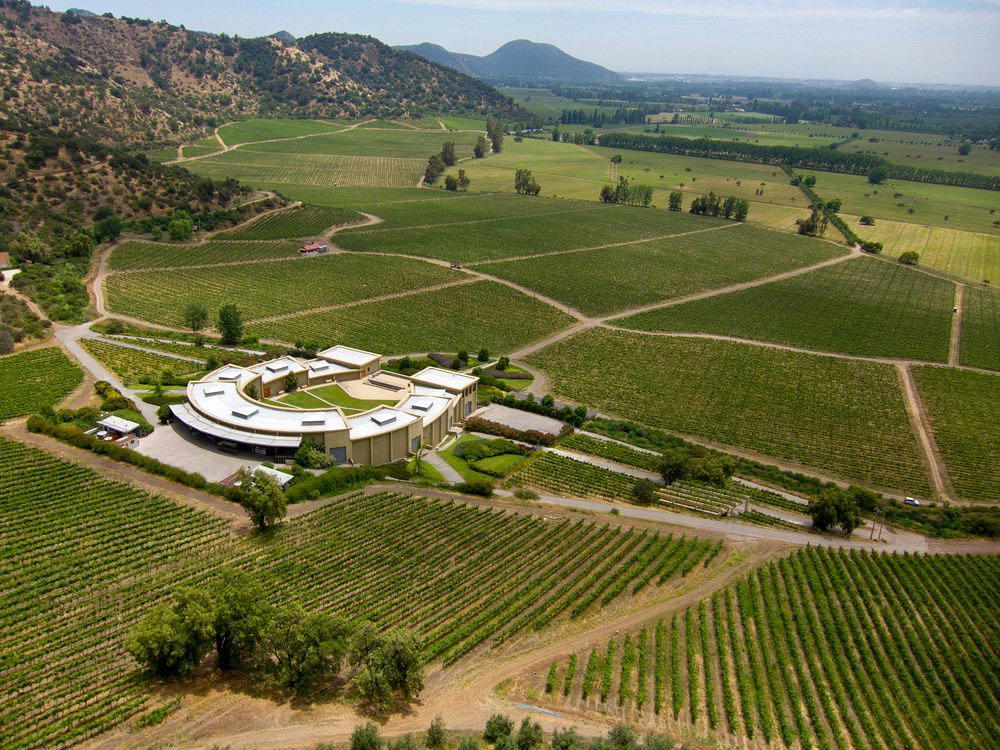
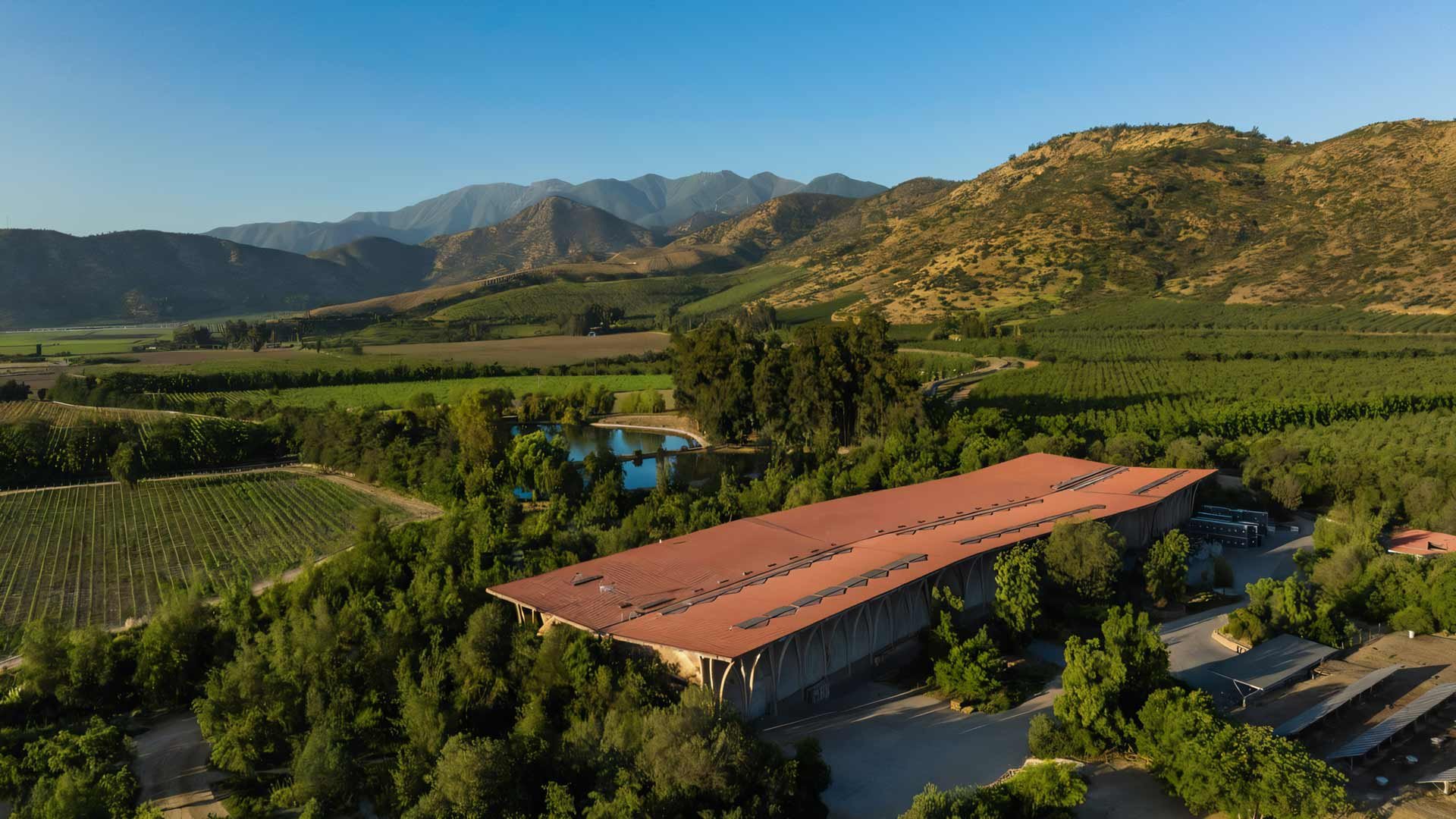
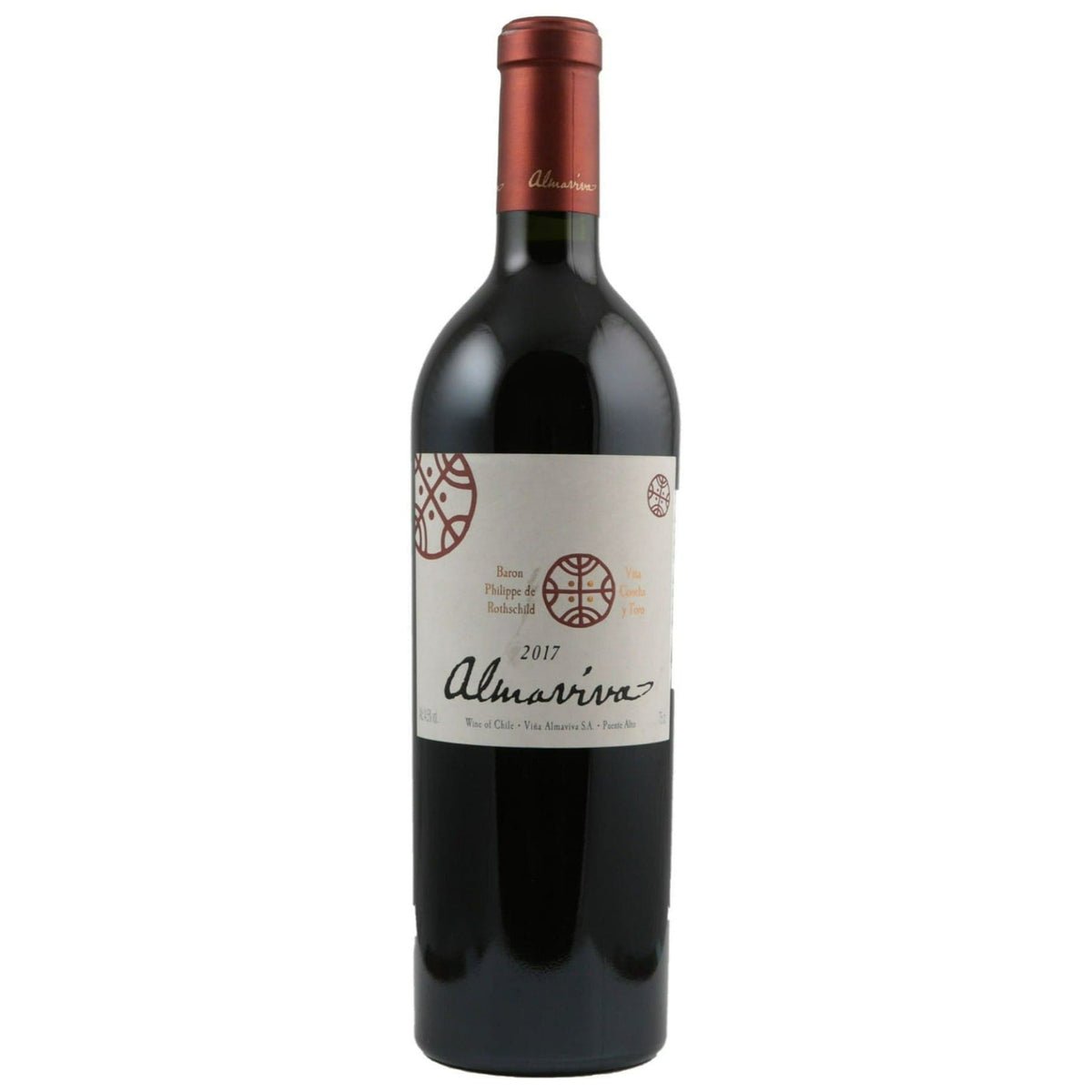
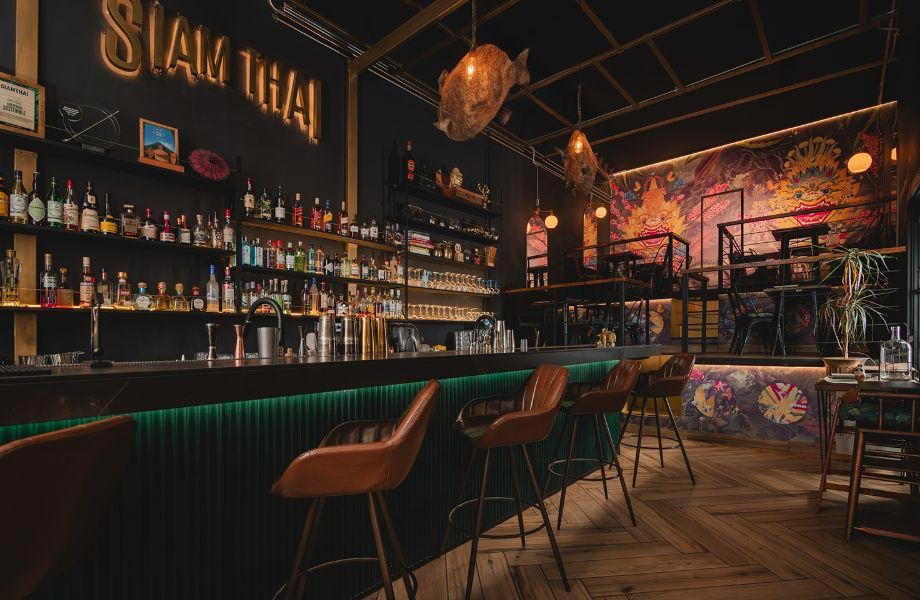
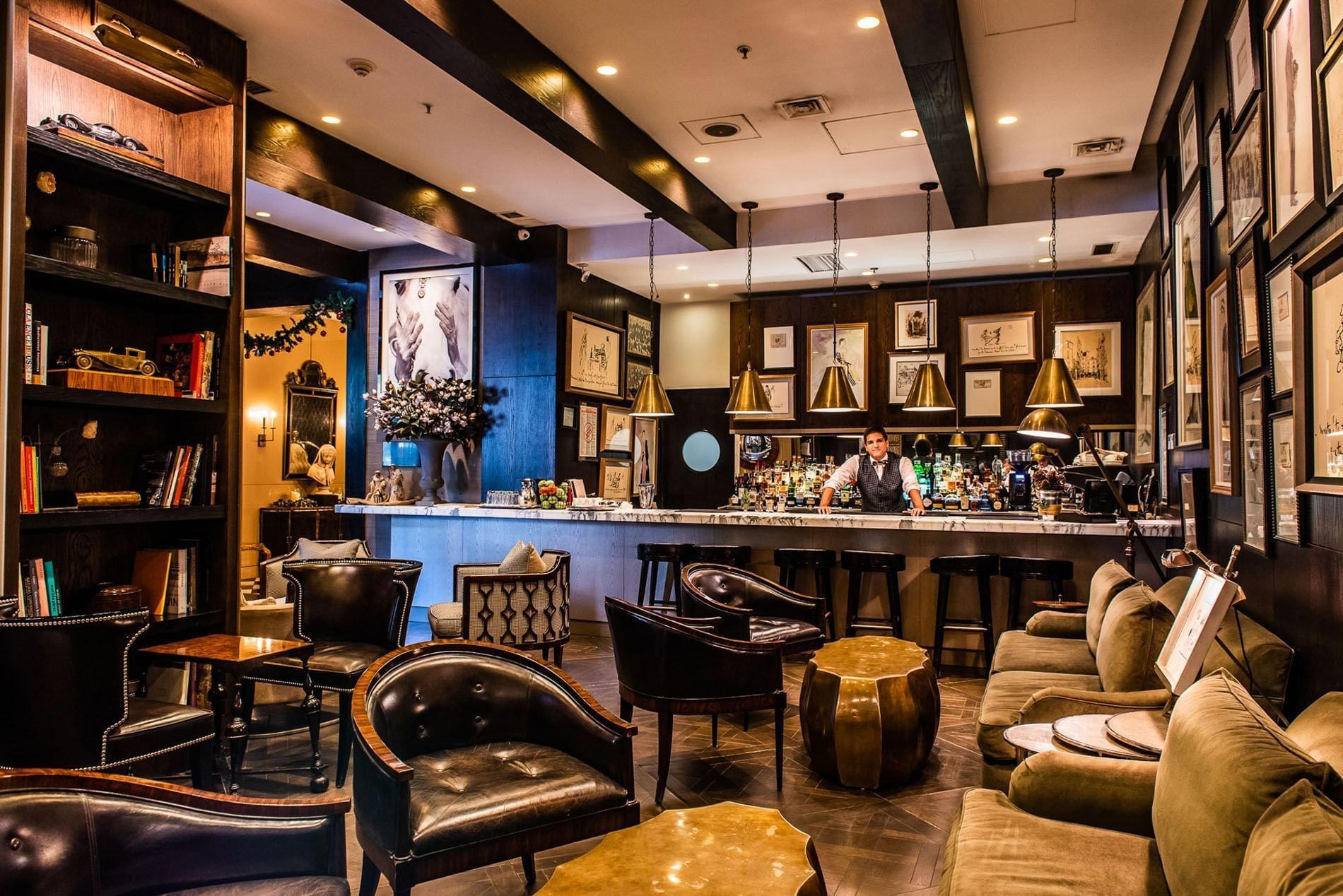
Bars in Buin
Browse all →
Restaurants in Buin
Browse all →
At a Glance
- Classic
- Elegant
- Rustic
- Scenic
- Historic
- Wine Education
- Group Outing
- Family
- Celebration
- Vineyard Tour
- Estate Grounds
- Historic Building
- Panoramic View
- Sustainable
- Vineyard
- Garden
- Mountain
- Maipo Valley
- Cabernet Sauvignon
- Carmenère
- Merlot
- Syrah
- Chardonnay
- Sauvignon Blanc
- Pinot Noir
- Still Red
- Still White
- Cellar Door
- Private Tasting
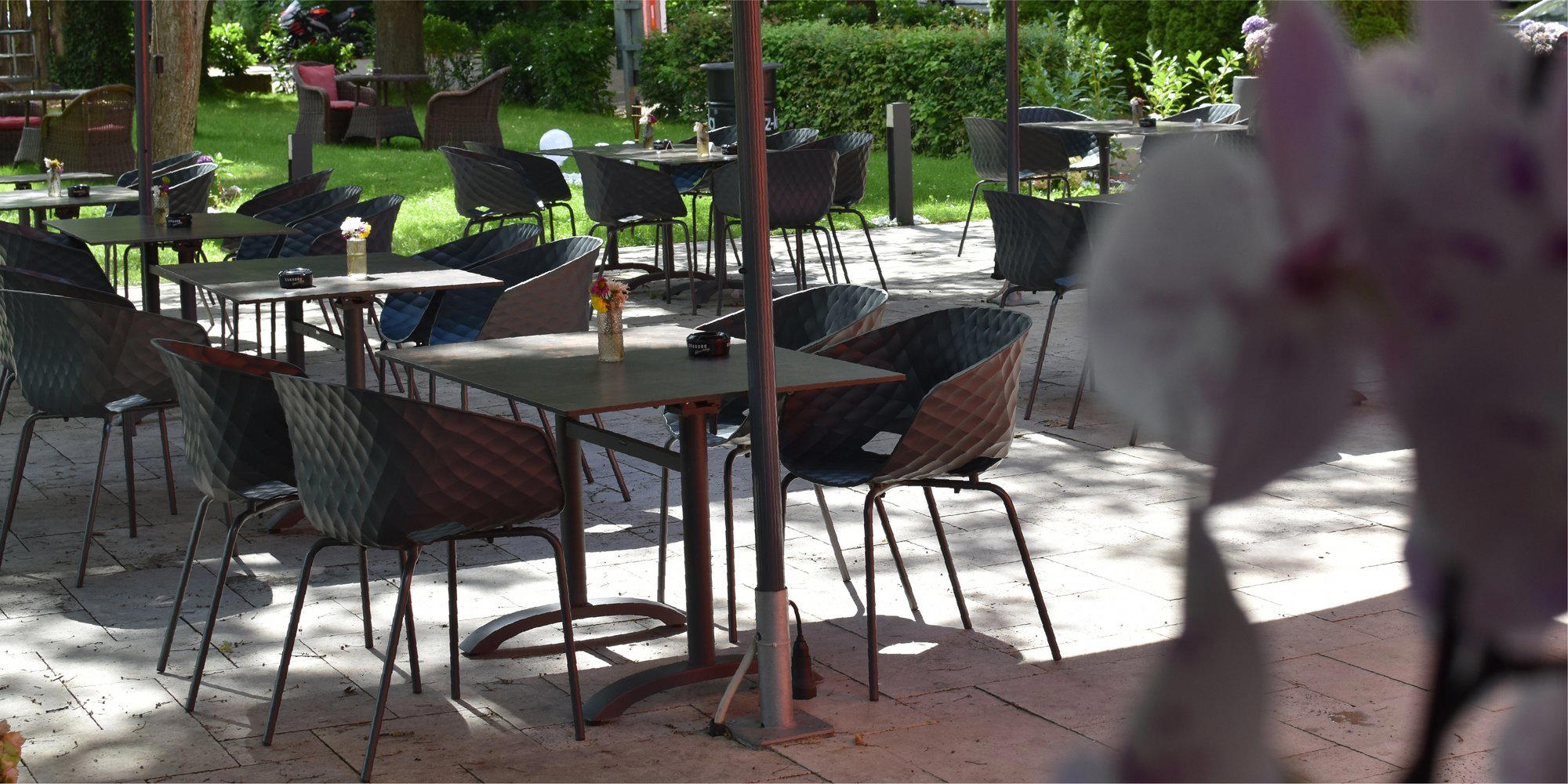
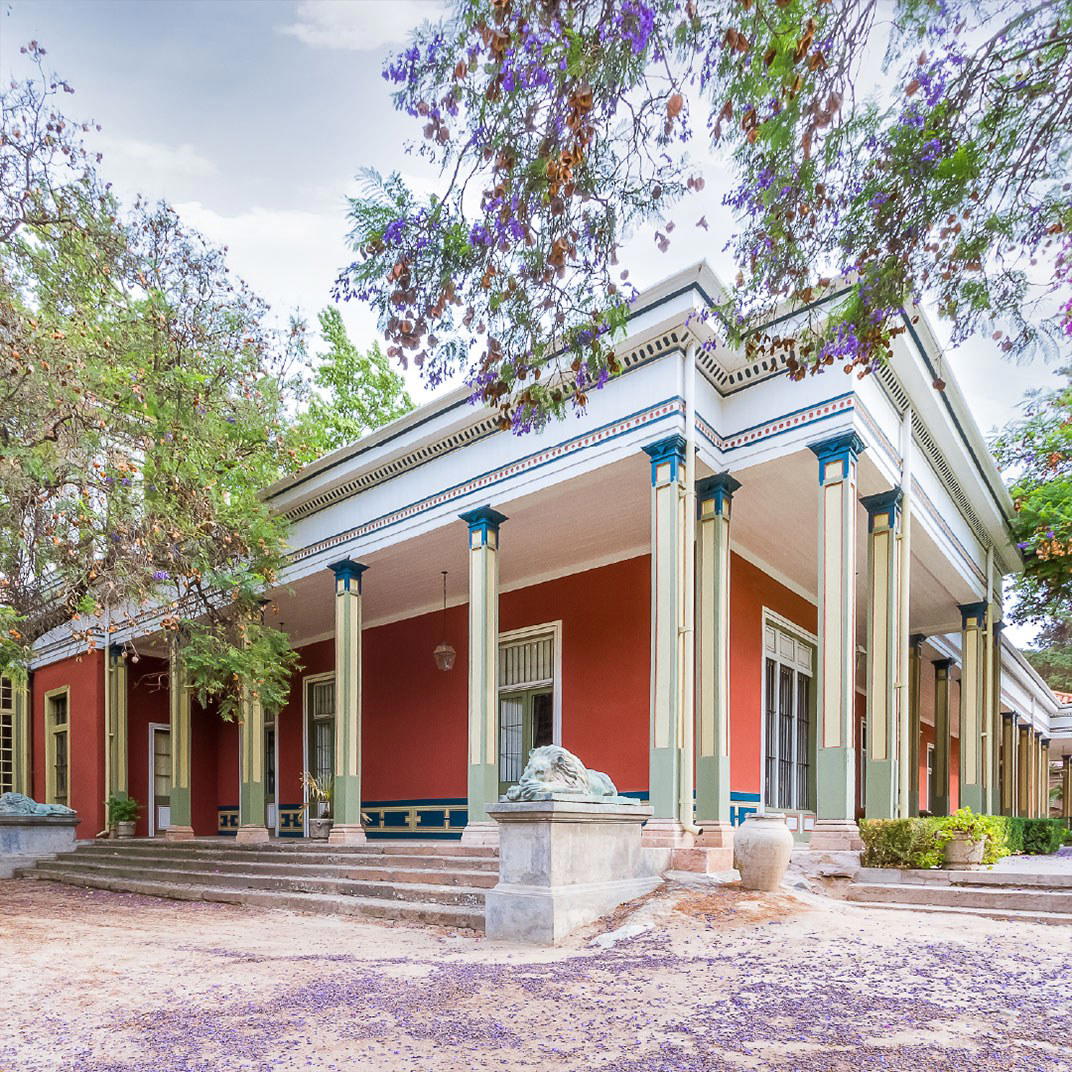
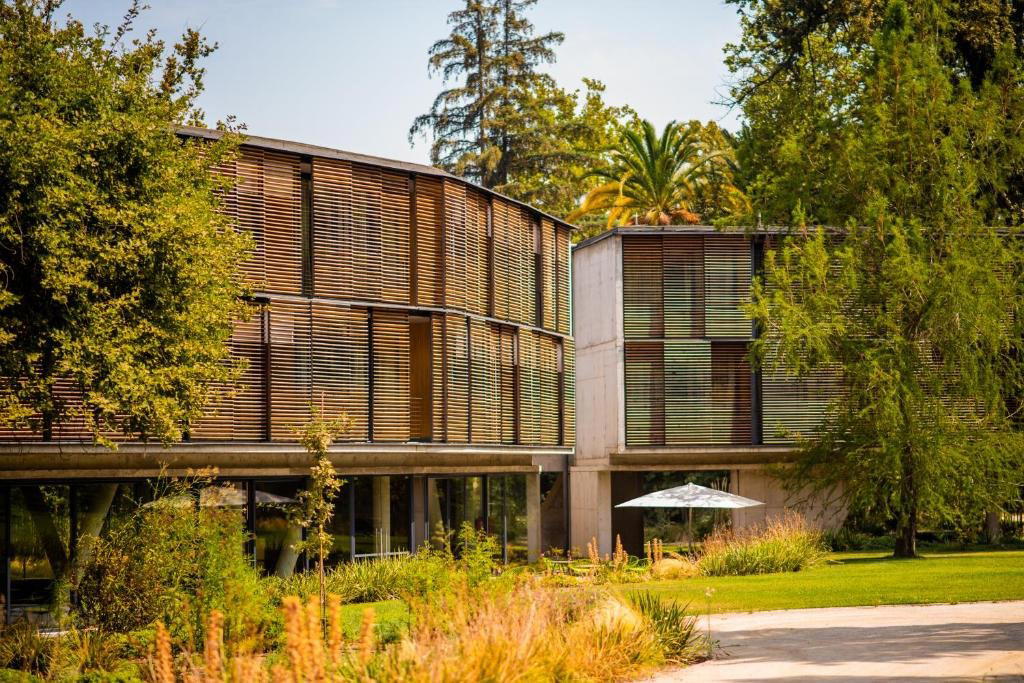
Timeless elegance blending 19th-century architecture, lush gardens, vineyards at the Andean foothills, and a serene, culturally rich atmosphere.