On Dositejeva Street in Belgrade's older city core, Delirium occupies a stretch of the dining scene where neighbourhood character still shapes the experience. The address places it within walking distance of the Stari Grad restaurant cluster, where venues ranging from casual Serbian cooking to contemporary European formats compete for the same evening crowd. A name worth tracking as Belgrade's dining identity continues to shift.
Pearl is the En Primeur Club membership app — saves, bookings, and concierge access live there. Same editors, same standards.
- Address
- Dositejeva 10, Beograd, Serbia
- Phone
- +381658016196
- Website
- deliriumsilence.com
- Directions
- Get directions
 Saves & bookings on Pearl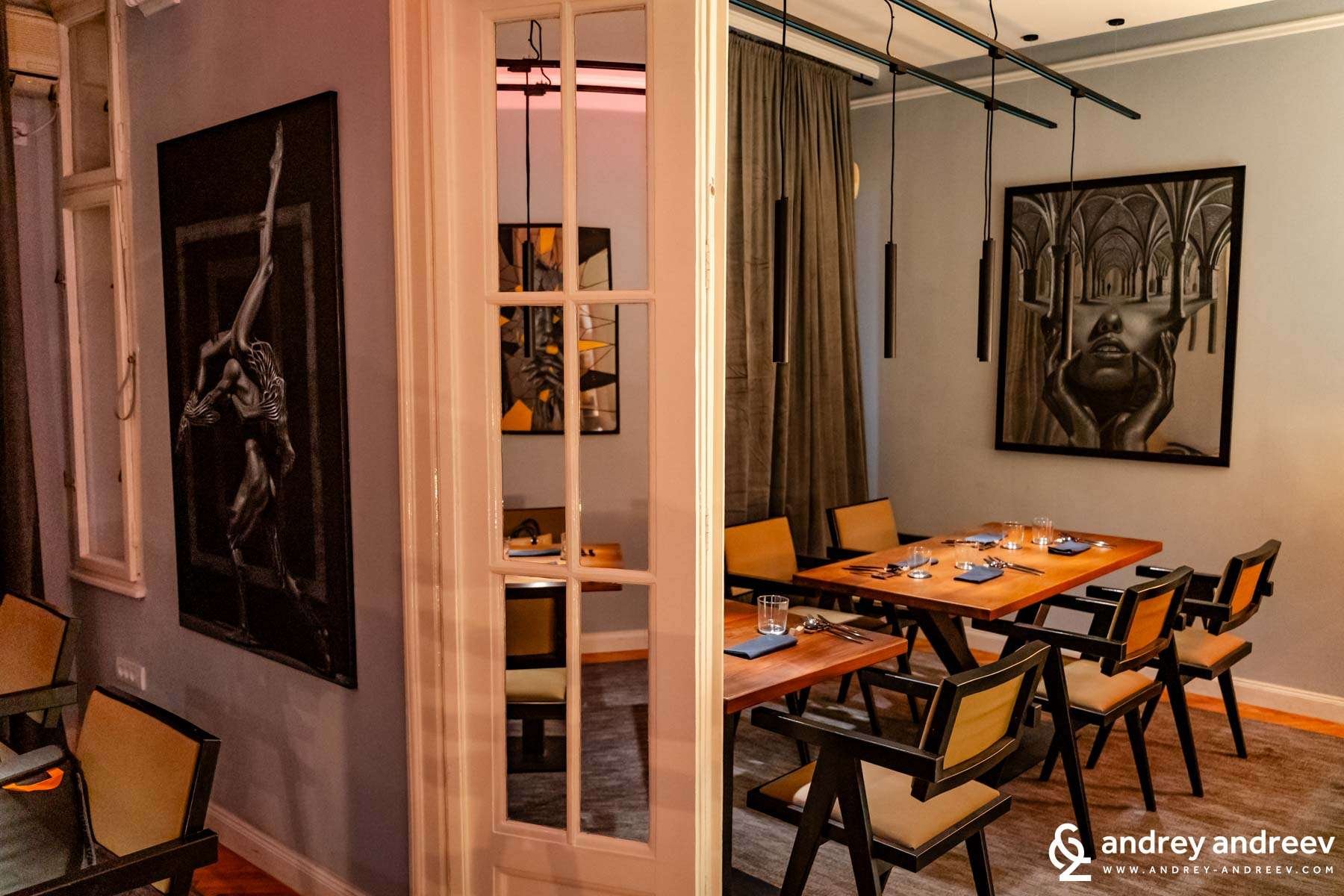
Dositejeva Street and the Pressure to Evolve
Belgrade's restaurant scene has spent the better part of two decades deciding what it wants to be. The post-2000 opening of the city to international travel and investment created the first wave: kafanas modernised just enough to attract foreign visitors, and international formats imported wholesale. The second wave, which accelerated through the 2010s, brought something more considered: chefs returning from kitchens in Paris, Vienna, and London, and a local dining public increasingly willing to pay for technique over nostalgia. Delirium, a restaurant at Dositejeva 10 in Belgrade, sits inside this longer arc of reinvention, on a street that has quietly accumulated dining options without generating the visibility of Skadarlija or the Savamala waterfront strip.
What Dositejeva offers that the higher-profile corridors do not is a degree of neighbourhood specificity. This part of Stari Grad functions less as a destination dining zone and more as a working block of the older city, which tends to attract venues that rely on repeat custom and word-of-mouth rather than tourist foot traffic alone. Delirium's price point is around $100 per person, with a smart casual dress code. That distinction shapes what gets served, how rooms are run, and which price points prove sustainable. Venues that have lasted here have generally done so by developing a loyal local following rather than cycling through visitor attention.
Where Delirium Fits in Belgrade's Competitive Map
Belgrade's mid-range and upper-mid dining tier has expanded considerably over the past five years. Operations like The Square, which runs a Contemporary French and Modern Cuisine format at the €€ price point, and Ambar, known for its Balkan sharing format, have set a clear reference point for what international visitors expect when they book a Belgrade dinner in advance. At the higher end, Langouste operates in the €€€€ bracket with a Modern Cuisine focus that places it in a separate competitive tier entirely.
Delirium's position relative to these peers is part of what makes the Dositejeva address worth attention. The street is close enough to the Stari Grad cluster to draw from the same evening crowd, but separate enough that it operates with less of the visible competition that defines the higher-traffic corridors. For a city that has developed as quickly as Belgrade in dining terms, that kind of neighbourhood positioning often signals a venue earning its reputation through the room itself rather than through location advantage. Comparable dynamics play out at Avala and Barrel House, both of which have built followings outside particularly obvious tourist circuits.
The Evolution Question: What Belgrade Venues Become Over Time
The editorial angle that matters most for a venue like Delirium is not what it opened as, but what it has become. Belgrade's dining scene moves fast enough that a restaurant operating today under the same concept it launched with five years ago is either exceptionally well-calibrated or quietly falling behind. The venues that have held relevance through the city's recent expansion have generally done so by shifting format, tightening focus, or repositioning on price in response to what the market has absorbed.
This pattern of reinvention is visible across Serbian dining more broadly. Outside Belgrade, venues like Fleur de Sel in Novi Slankamen and Ananda in Novi Sad have each navigated shifts in local expectation and visitor profile. Ethnographic formats at places like Etno Kuća Dinar in Vrsac and ETNO PODRUM BRKA in Nis represent one answer to the evolution question: lean harder into regional identity as contemporary formats proliferate. Other venues, like Borkovac in Ruma and ČARDA ZLATNA KRUNA in Apatin, have taken a different route, anchoring in riverside or rural settings where the physical context does much of the positioning work.
For a city-centre address like Dositejeva 10, neither of those strategies is available. The reinvention has to happen through the food, the room, and the service register. That pressure is exactly what has pushed Belgrade's stronger mid-tier venues toward more deliberate cooking and more considered dining room design over the past several years.
Belgrade in a Wider Serbian and International Frame
Belgrade now draws comparisons to Bucharest and Sofia as a European short-break destination with a genuinely developing food scene rather than merely a cheap-drinks reputation. That shift has brought a different kind of visitor into contact with restaurants on streets like Dositejeva: people who have eaten at Le Bernardin in New York or Lazy Bear in San Francisco and arrive with calibrated expectations rather than low ones. The effect on local venues has been measurable: menus have become more precise, sourcing language has appeared on more printed cards, and the old assumption that Balkan hospitality alone would carry an evening has largely been retired by the better operators.
That context matters for reading a venue like Delirium. An address on Dositejeva, away from the obvious tourist infrastructure, in a city that now attracts a more experienced dining traveller, implies a certain kind of self-confidence. Venues in that position either justify it or they don't, and Belgrade's current dining public is capable of making that distinction. Elsewhere in Serbia, similarly positioned venues such as Cafe Boem in Pirot, Etno Restoran Fijaker in Sombor, Aleksandar Gold in Uzice, and Burrito Madre Big Pančevo in Pancevo each illustrate how different cities and towns across the country are developing their own dining identities in parallel with Belgrade's shift.
Planning a Visit
Dositejeva 10 is within the Stari Grad district, walkable from the main pedestrian zones and accessible without a taxi from most central accommodation. Delirium is open Thu to Sat from 6 to 11 PM, and reservations are essential.
Standing Among Peers
Comparable venues nearby, for context on price, style, and recognition.
| Venue | Cuisine | Price | Notes |
|---|---|---|---|
| DeliriumThis venue — the venue you are viewing | Molecular Fusion Cuisine | $$$$ | Not listed |
| Cveće Zla | Modern Fusion with French-Serbian Influences | $$$ | Novi Belgrade |
| Lorenzo & Kakalamba | Florentine-Pirot Fusion | $$ | Belgrade center |
| RESTORAN DIMITRIJE | Italian Steak & Pizza | $$$ | Vračar |
| Sheher Park Cafe | Mediterranean Cafe | $$$ | Senjak |
| Шаран | Traditional Serbian Seafood & River Fish | $$$ | Zemun |
At a Glance
- Sophisticated
- Special Occasion
- Date Night
- Historic Building
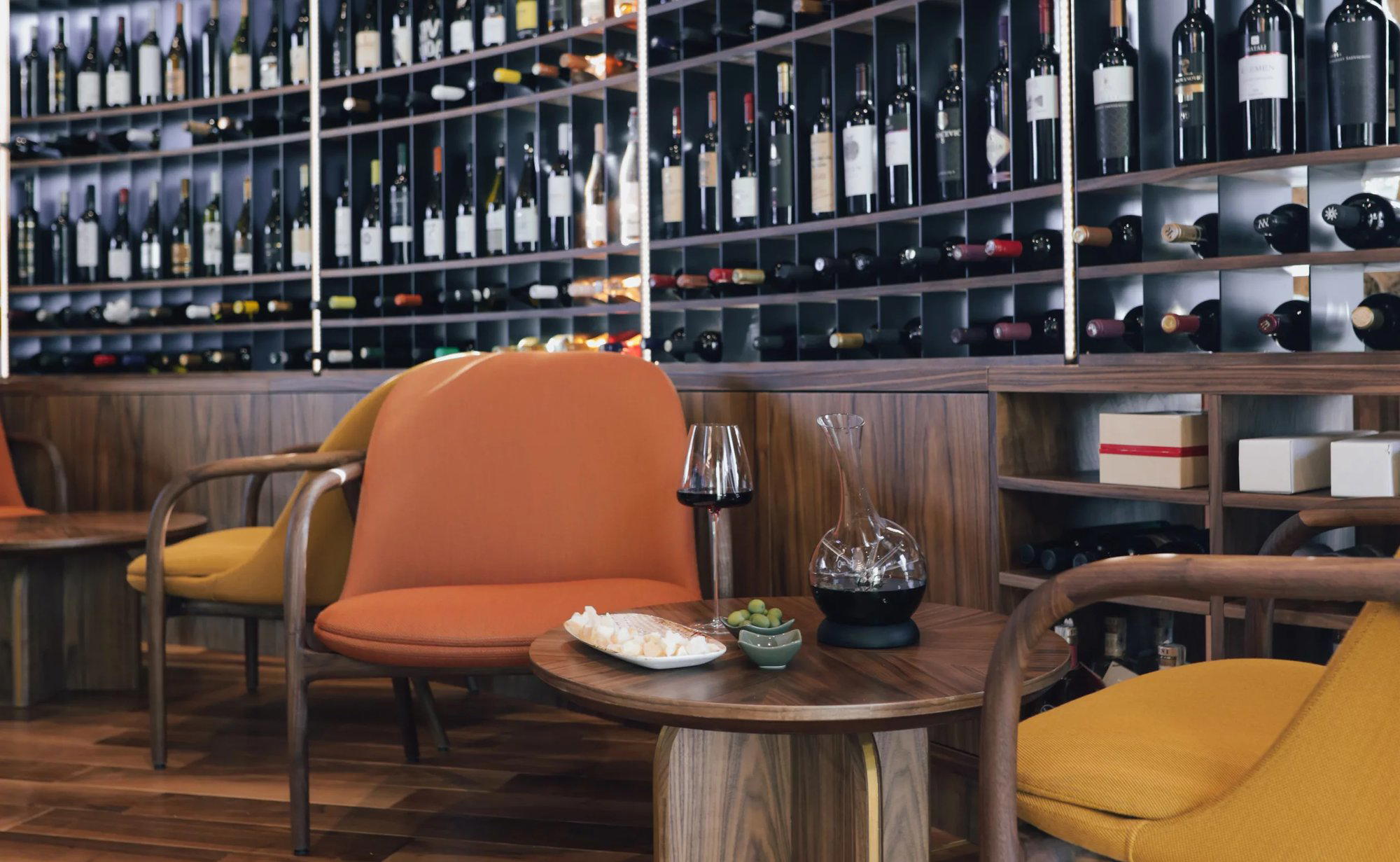
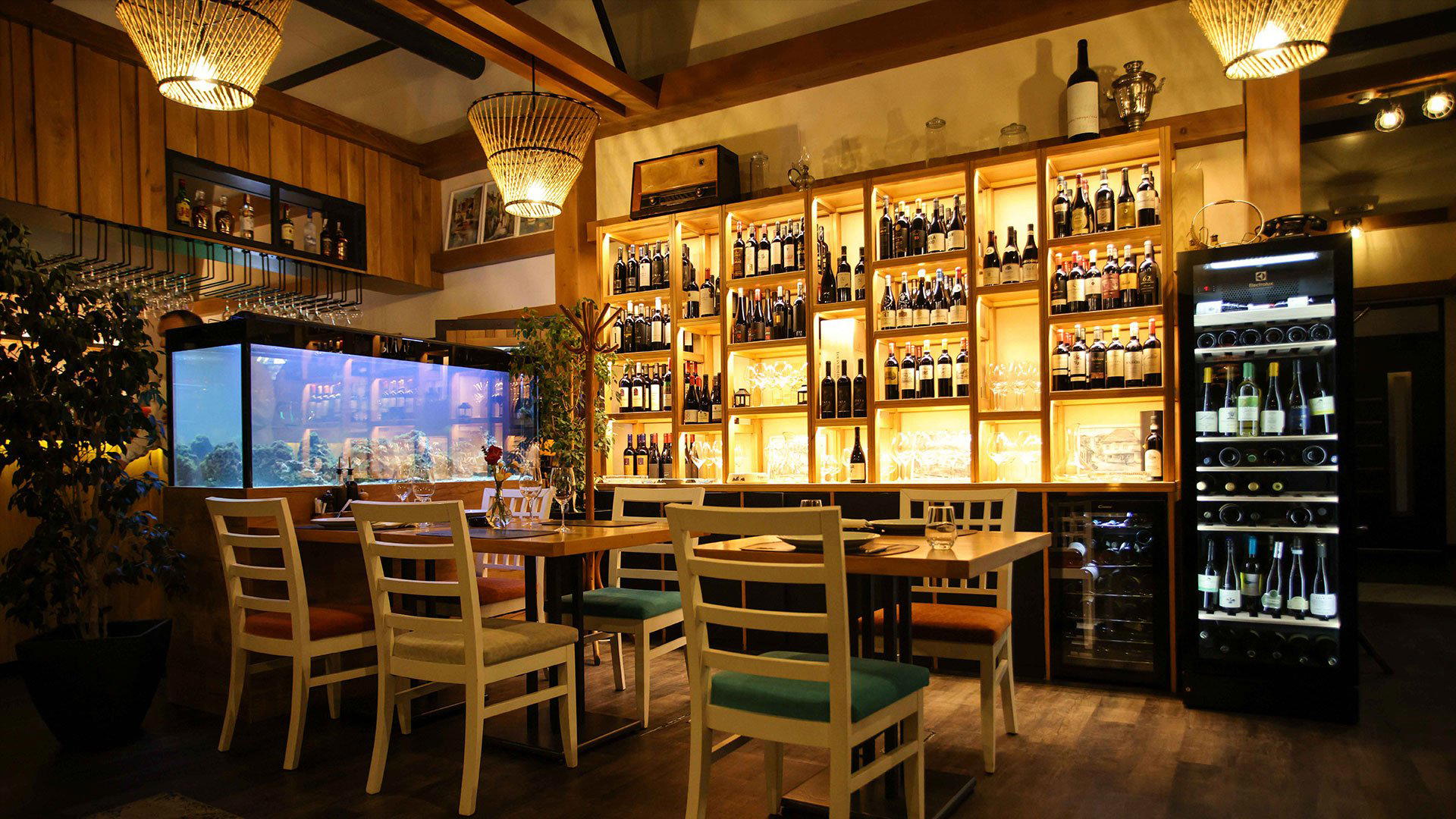
- Extensive Wine List
Current opening hours
- Monday
- Closed
- Tuesday
- Closed
- Wednesday
- Closed
- Thursday
- 6–11 PM
- Friday
- 6–11 PM
- Saturday
- 6–11 PM
- Sunday
- Closed
Hours can change for holidays and private events. Last verified .
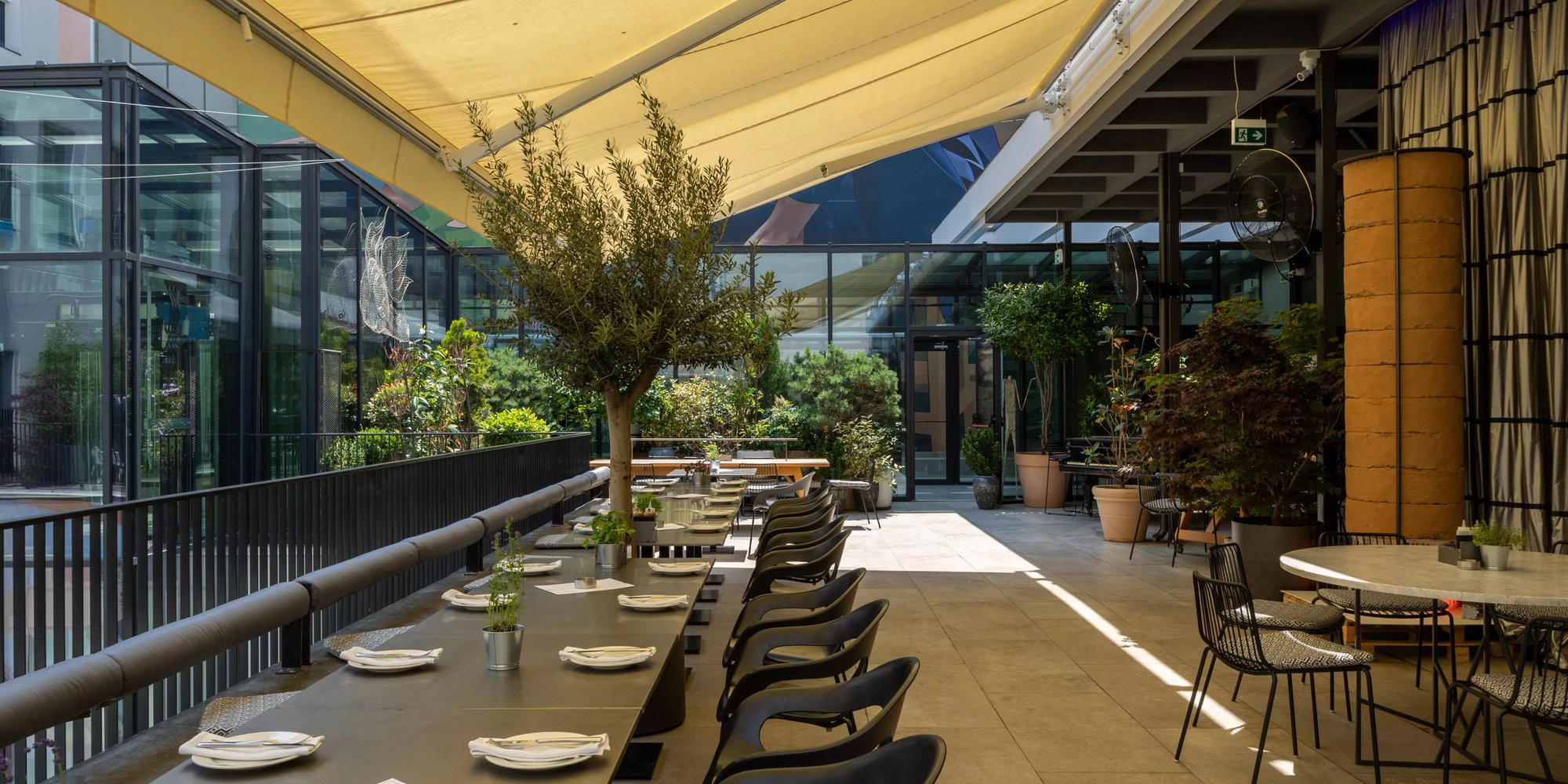
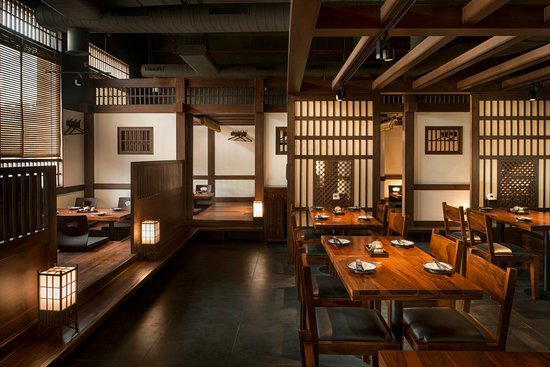
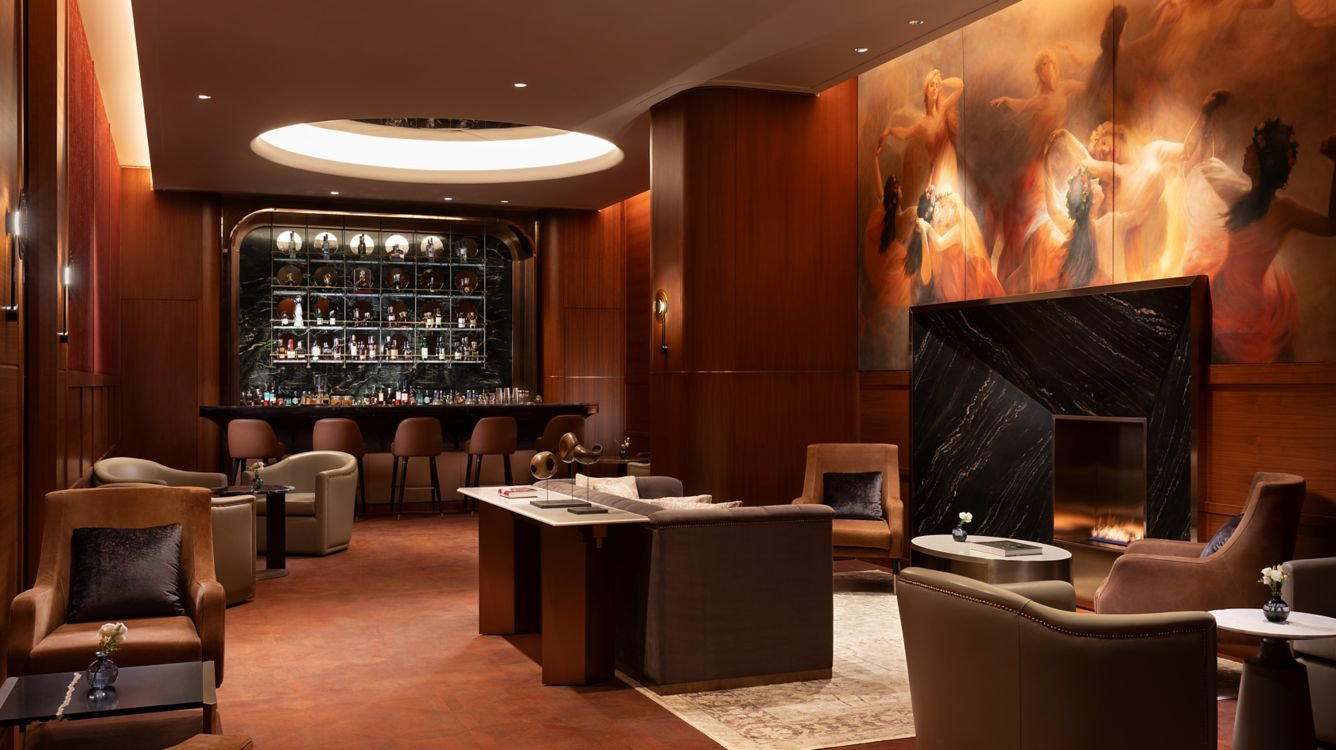
Subdued lighting above solid wood tables in an ornate historic salon with ornate mouldings, soaring ceilings, heavy curtains, dark walls with artworks, and electronic music creating an exclusive, mystical atmosphere.