De Toni occupies a position on Piazza Duca D'Aosta in the heart of Grado's old town, where the Adriatic fishing tradition and the island's lagoon character set the context for the kitchen's work. The restaurant draws a loyal local following alongside visitors discovering Grado's quieter side relative to the better-known Friulian coast. For those tracing Italy's northern seafood dining circuit, De Toni is a fixture worth understanding on its own terms.
Pearl is the En Primeur Club membership app — saves, bookings, and concierge access live there. Same editors, same standards.
- Address
- Piazza Duca D'Aosta, 37, 34073 Grado GO, Italy
- Phone
- +393943180104
- Website
- trattoriadetoni.it
- Directions
- Get directions
 Saves & bookings on Pearl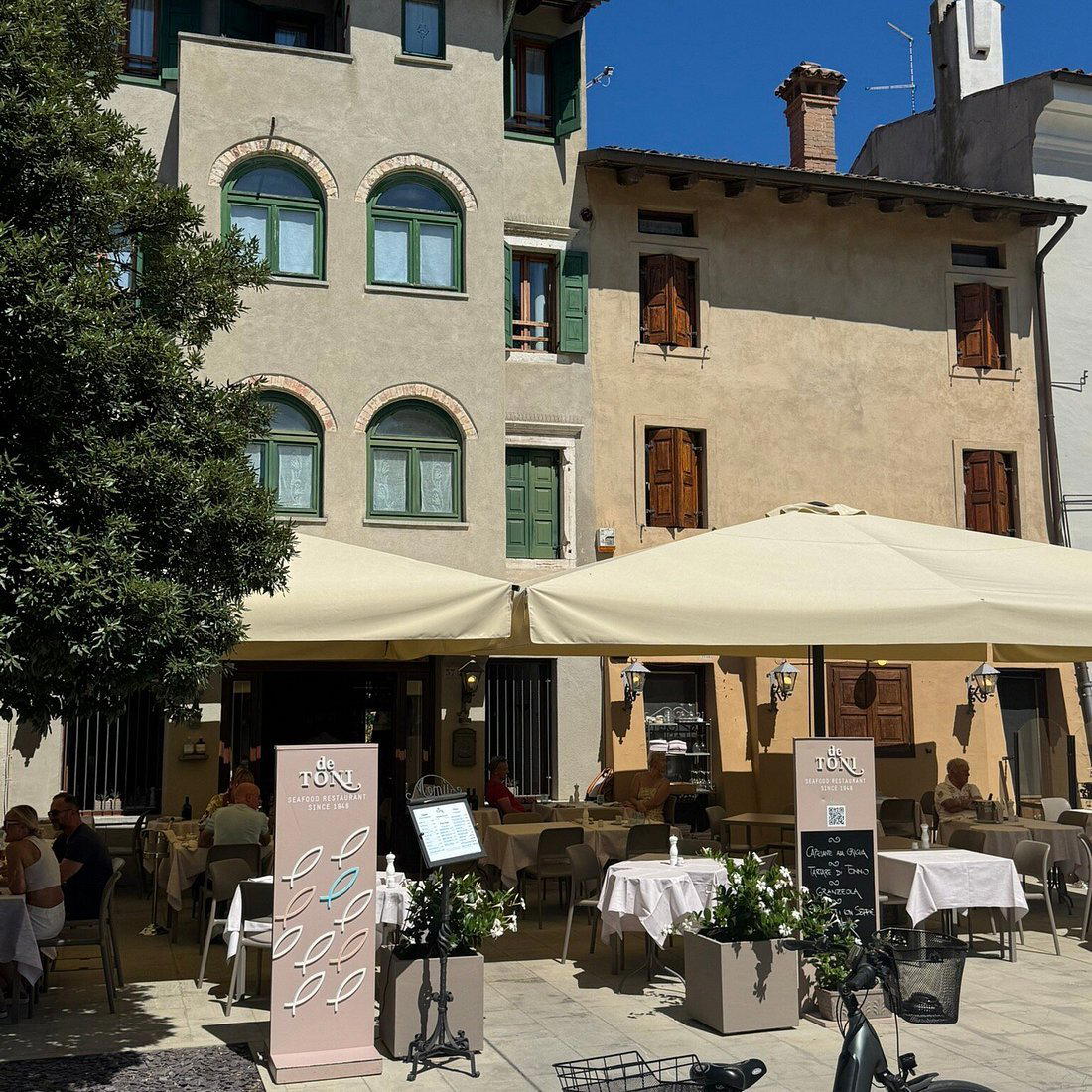
Grado's Piazza and the Restaurants That Anchor It
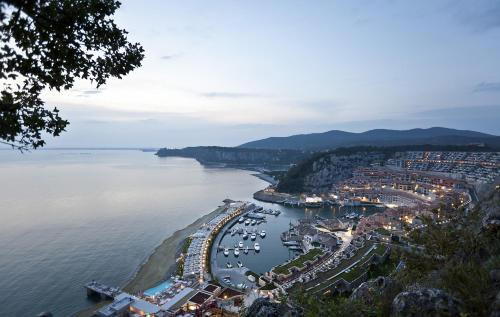
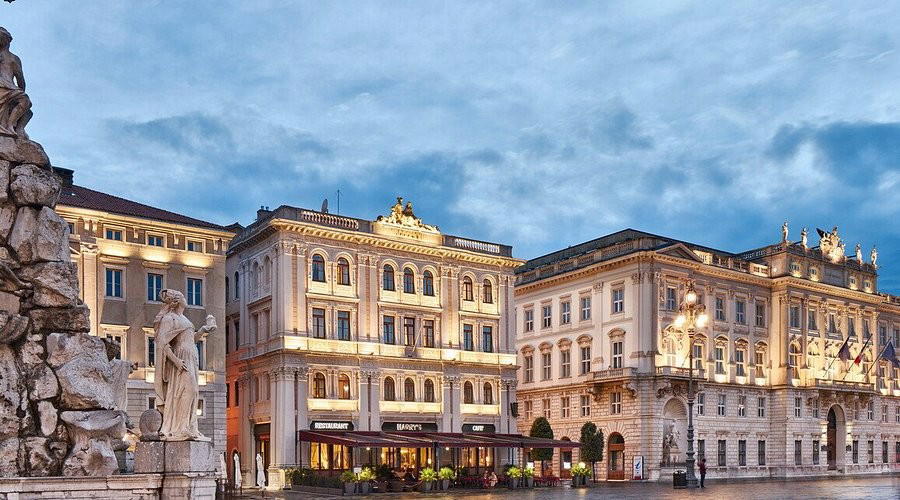
Grado occupies a particular position in the Italian coastal imagination: an island town in the Friuli Venezia Giulia lagoon, connected to the mainland by a causeway, with an old town, the Grado Vecchio, that retains a medieval street pattern and a pace that the Adriatic's more tourist-dense resorts have long since abandoned. The piazza is the fulcrum of that old town, and restaurants that face onto it operate in a different register than those tucked into the narrow calli behind. De Toni sits on Piazza Duca D'Aosta, which means arriving with a clear view of the square's activity: the evening passeggiata, the basilica nearby, and the particular quality of Adriatic light.
In a town this size, a piazza-facing address is a meaningful variable. Foot traffic, visibility, and the social function of the space all bear on how a restaurant operates.
Where De Toni Sits in Grado's Dining Circuit
Grado's restaurant scene clusters around a core of seafood-focused trattorias and more casual fish restaurants, with the lagoon and the northern Adriatic providing the primary produce logic. The comparison set within the town includes Agli Artisti, Al Canevon, Al Casone, Al Pontil de' Tripoli, and Alla Buona Vite, venues that, taken together, reflect the town's tendency toward honest, produce-driven cooking rather than the ambitious tasting-menu format that defines Italy's national fine dining conversation.
That national conversation includes addresses operating at a different scale of ambition: Uliassi in Senigallia and Quattro Passi in Marina del Cantone are the coastal fine dining reference points that sit above the category De Toni occupies. Further inland and into Italy's broader fine dining tier, you find Osteria Francescana in Modena, Dal Pescatore in Runate, Reale in Castel di Sangro, Piazza Duomo in Alba, Le Calandre in Rubano, Enoteca Pinchiorri in Florence, and Enrico Bartolini in Milan. For seafood programs measured internationally, Le Bernardin in New York City represents the technical apex of the genre. Grado's restaurants, De Toni included, operate within a different register: the emphasis is on regional identity, lagoon provenance, and the trattoria tradition rather than formal progression.
In the Italian northeast, that distinction matters. Friuli Venezia Giulia has its own wine and food character, the Collio and Isonzo whites, the lagoon fish, the Central European undertow in the culture, and restaurants in Grado express that regional logic rather than aspiring toward the central Italian or Milanese fine dining model. Atelier Moessmer Norbert Niederkofler in Brunico represents the region's high-concept end; Grado's trattoria circuit represents the other pole.
The Team Dynamic in a Piazza Restaurant
In smaller Italian coastal towns, the performance of hospitality is rarely divided along the sharp lines that define a brigade-heavy fine dining kitchen. What functions as a team in a piazza trattoria is more often a tight group where floor, kitchen, and, where wine is taken seriously, the person guiding the list operate in close proximity, reading the room and adjusting accordingly. The piazza setting adds a layer: service extends into an awareness of the external environment, pacing a meal against the natural rhythm of the square rather than the interior logic of a multi-course progression.
This integrated approach to the dining room is one of the qualities that distinguishes the better northern Adriatic trattorias from venues where kitchen and floor operate as separate departments. When front-of-house reads fluently, knowing when to leave a table, when to explain a wine, when the evening calls for a slower pace, the experience of eating on a piazza in August versus a quieter shoulder-season evening becomes a different meal entirely, even if the dishes are identical.
Seafood and the Northern Adriatic Tradition
The northern Adriatic fishing tradition that supplies Grado's kitchens has its own distinct characteristics. The lagoon produces smaller, more delicate shellfish than the open-sea equivalents; the proximity of the Isonzo river system influences the brackishness and temperature of the water; and the local fishing fleet still operates on a scale that allows for genuine day-boat provenance rather than the industrial supply chains that have reshaped coastal cooking elsewhere in Italy. Restaurants in Grado that source well are drawing on a supply chain that is genuinely local in a way that has become uncommon even on Italy's coasts.
The picture that emerges is of a town where the baseline quality of the fish and the cooking is consistently solid.
Planning a Visit
De Toni's address at Piazza Duca D'Aosta, 37 in Grado places it at the social center of the old town, walkable from the main accommodation options and the ferry connections that link the island to Trieste and the broader Friulian coast. Grado itself is most heavily visited in summer, when the island's beach tourism peaks and piazza restaurants operate at full capacity; shoulder season, May, early June, September, offers the same setting with considerably less competition for tables and a more local crowd in the dining room. For international travelers comparing Italy's coastal seafood options, the experience on offer in Grado is informal rather than formal. The comparison illuminates the category: this is cooking rooted in place and routine rather than in the ambition to impress.
A Pricing-First Comparison
Comparable venues nearby, for context on price, style, and recognition.
| Venue | Cuisine | Price | Notes |
|---|---|---|---|
| De ToniThis venue — the venue you are viewing | Not listed | $$$ | Not listed |
| La Dinette | Not listed | $$$ | Porto San Vito, Contemporary Friuli-Venezia Giulia Seafood |
| Alla Buona Vite | Boscat, Traditional Italian Seafood | $$ | Not listed |
| Bruno Masaneta - Trattoria Cicchetteria | Not listed | $$$ | Grado, Modern Italian Trattoria with Seafood |
| Tavernetta all'Androna | Not listed | $$$$ | Centro Storico, Traditional Adriatic Seafood |
| Zero Miglia | Not listed | $$ | Grado, Fresh Italian Seafood from Fishermen's Cooperative |
Continue exploring
More in Grado
Restaurants in Grado
Browse all →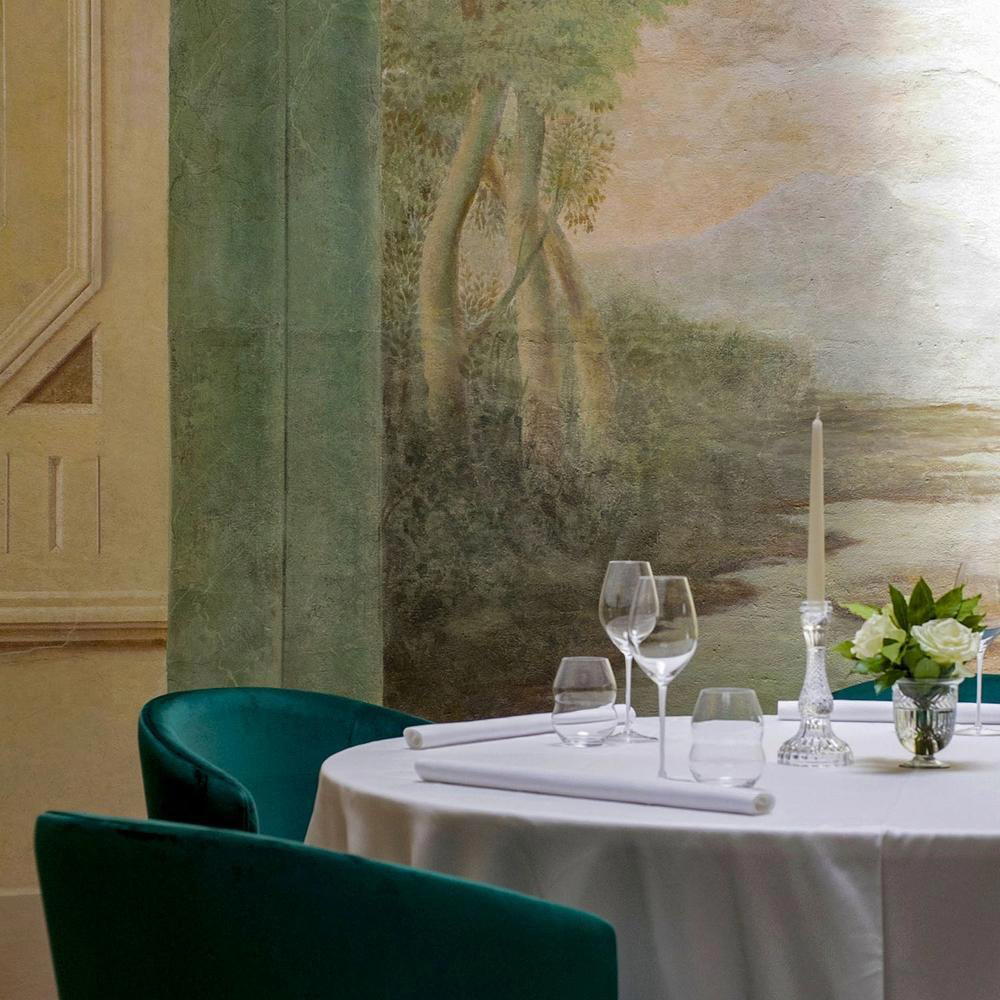
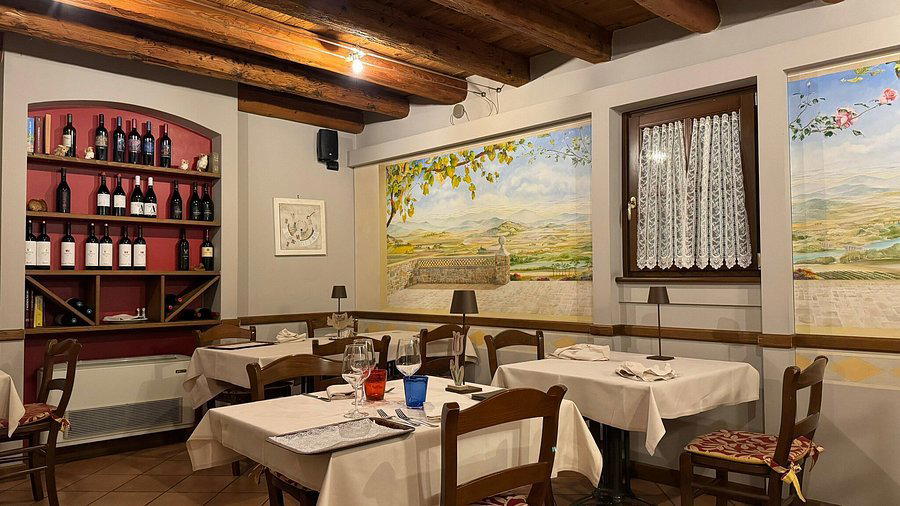
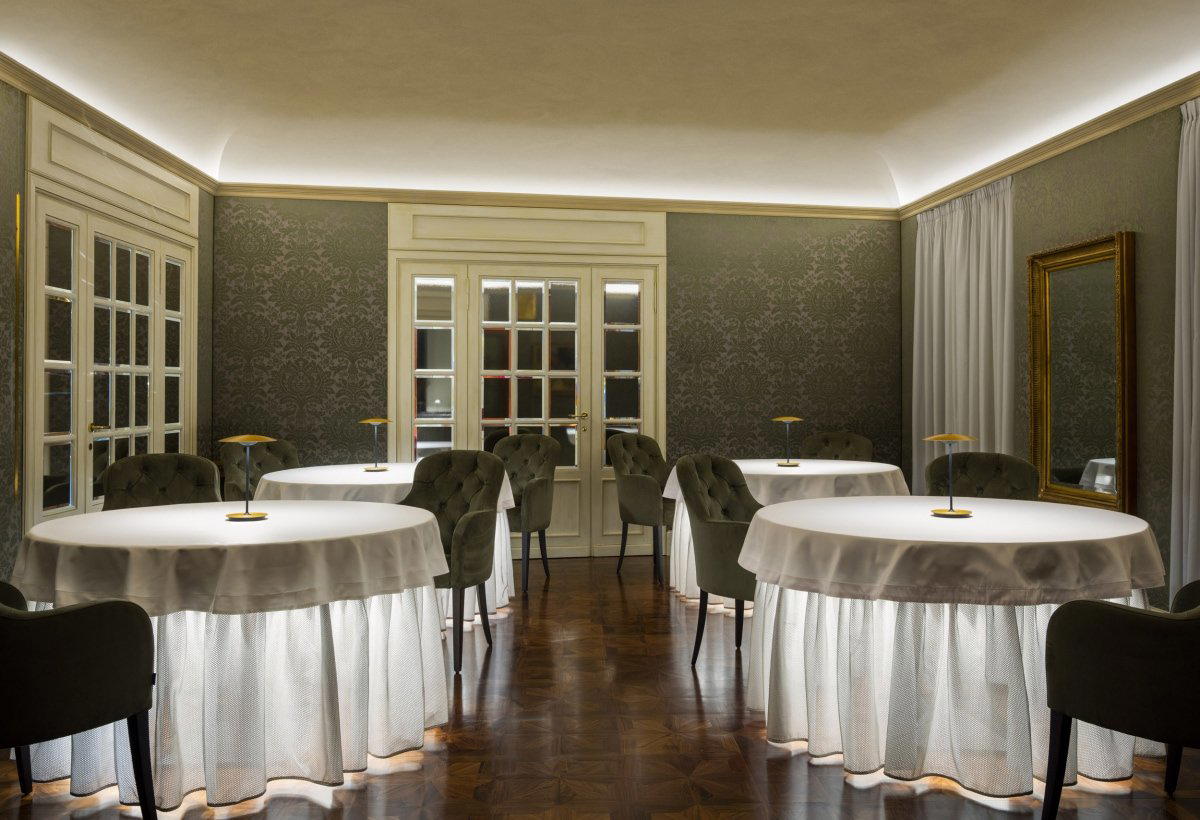
Bars in Grado
Browse all →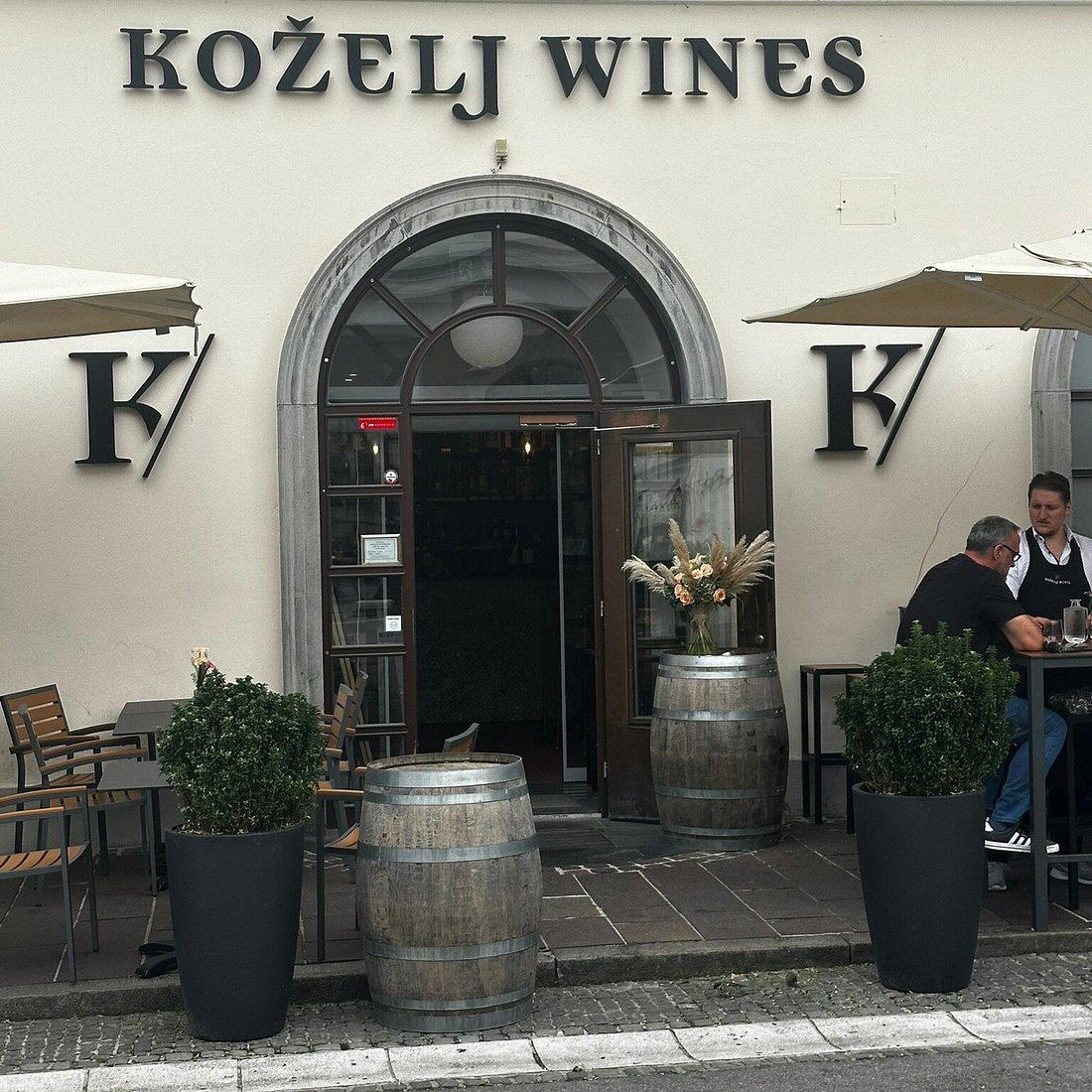
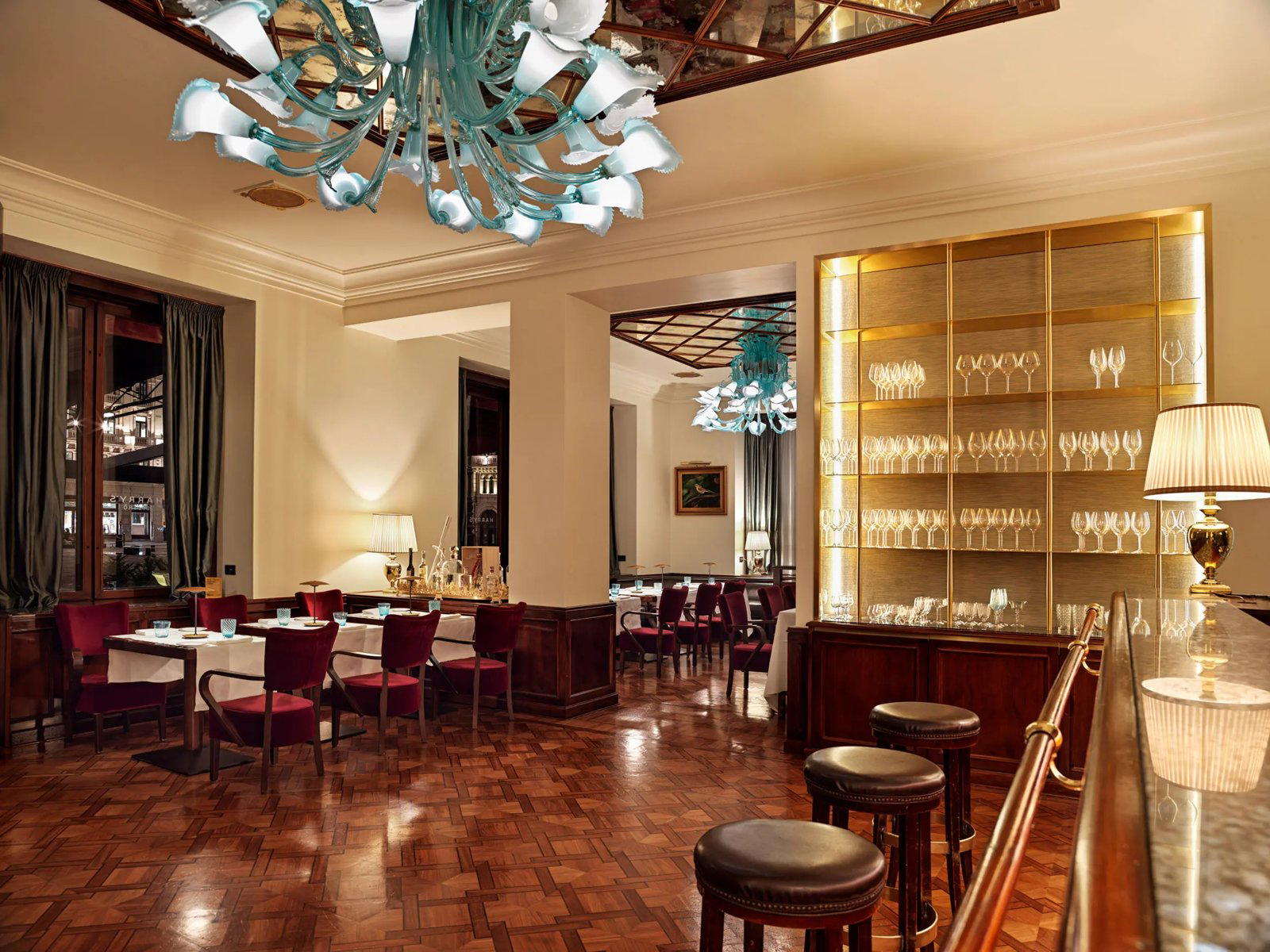
Hotels in Grado
Browse all →
At a Glance
- Classic
- Rustic
- Cozy
- Date Night
- Family
- Casual Hangout
- Terrace
- Historic Building
- Extensive Wine List
- Local Sourcing
- Street Scene
Current opening hours
- Monday
- 12–2 PM, 6–9:30 PM
- Tuesday
- 12–2 PM, 6–9:30 PM
- Wednesday
- Closed
- Thursday
- 12–2 PM, 6–9:30 PM
- Friday
- 12–2 PM, 6–9:30 PM
- Saturday
- 12–2 PM, 6–9:30 PM
- Sunday
- 12–2 PM, 6:30–9:30 PM
Hours can change for holidays and private events. Last verified .
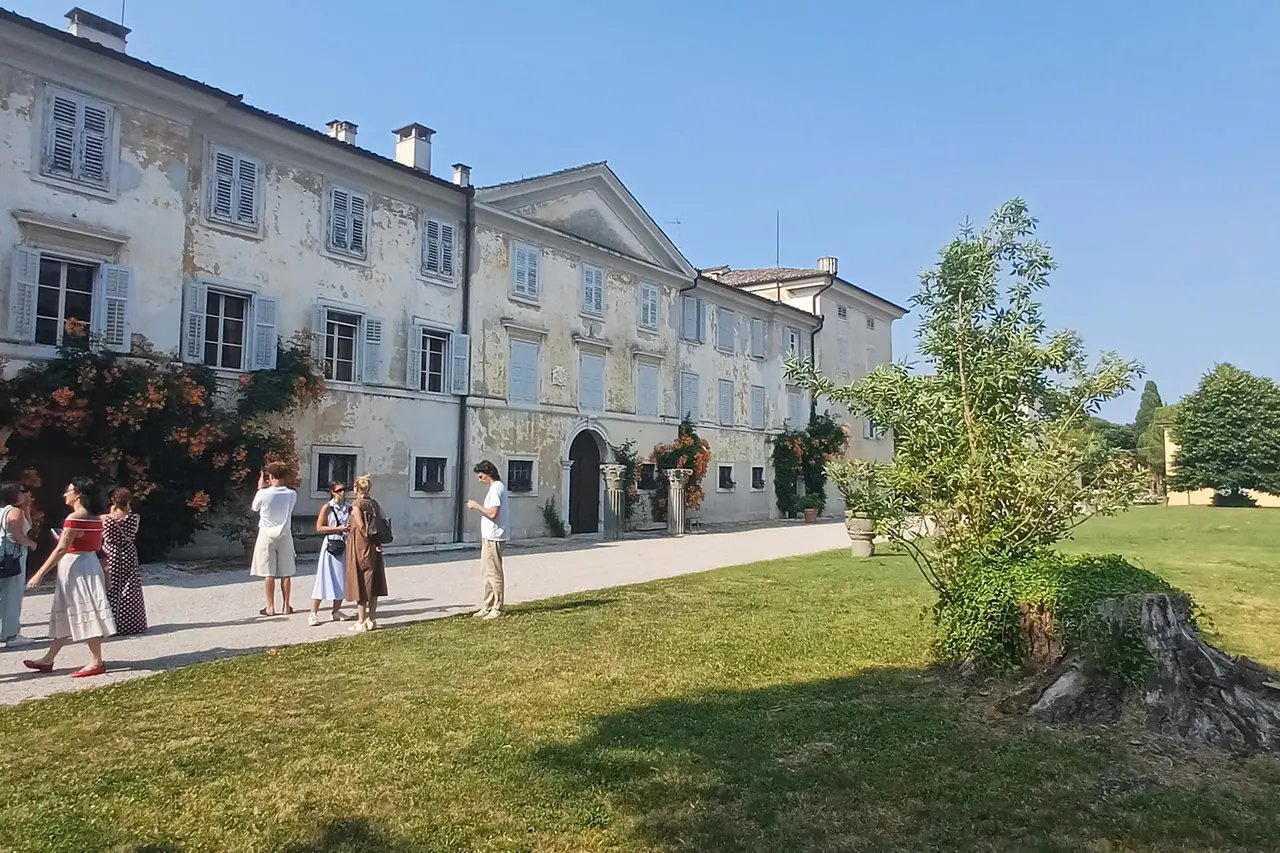
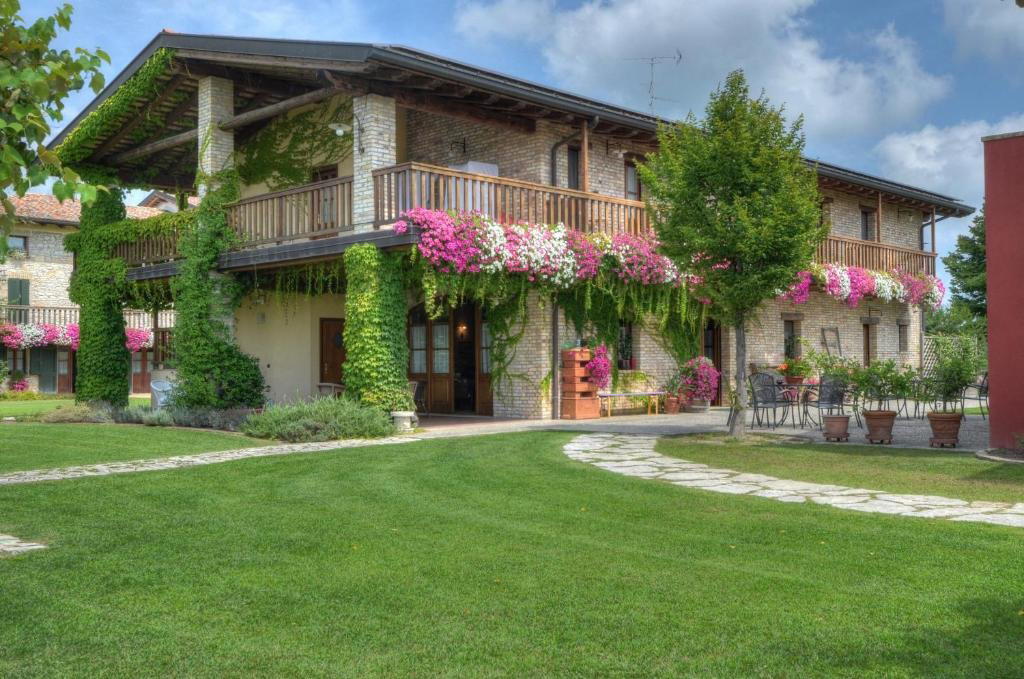
Calm and relaxed atmosphere in a rustic setting on the central piazza, ideal for undisturbed dining.