On Grado's working waterfront, Al Pontil de' Tripoli occupies the kind of address that earns loyalty through repetition rather than reputation management. The restaurant sits along Riva G. Garibaldi, where the Adriatic fishing tradition shapes what arrives on the table as much as any kitchen decision. For visitors reading the local dining scene, it represents the quieter, harbour-side register of Grado's seafood culture.
Pearl is the En Primeur Club membership app — saves, bookings, and concierge access live there. Same editors, same standards.
- Address
- Riva G. Garibaldi, 17, 34073 Grado GO, Italy
- Phone
- +39 0431 80285
- Website
- alpontildetripoli.eatbu.com
- Directions
- Get directions
 Saves & bookings on Pearl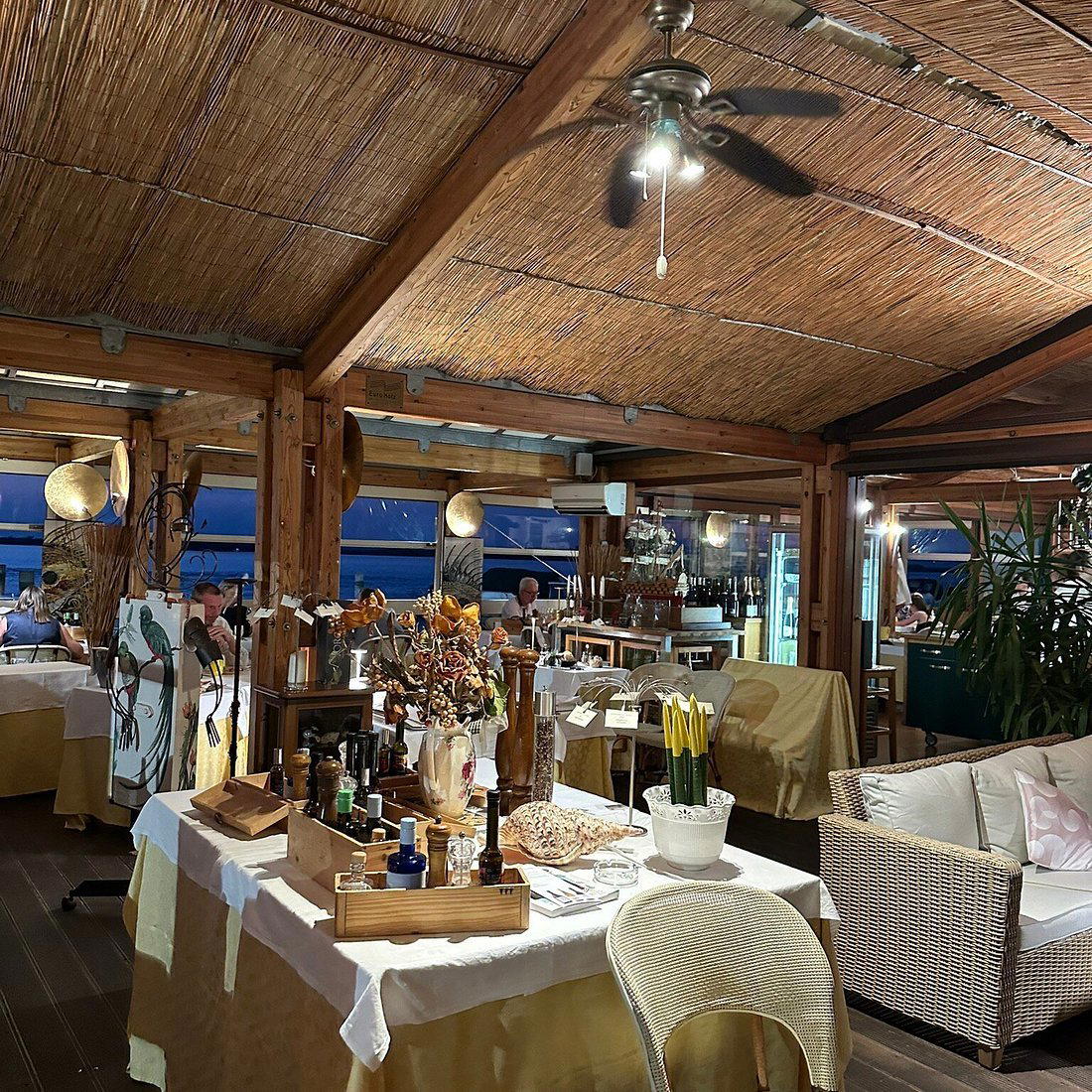
Where the Harbour Sets the Pace
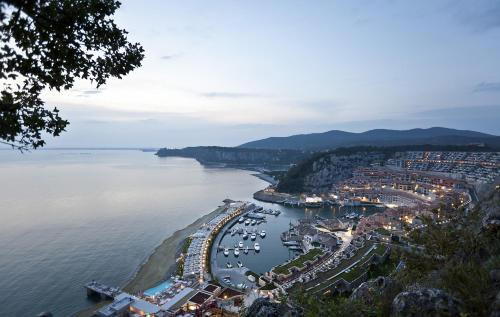
Grado is a lagoon island at the northern tip of the Adriatic, and its waterfront has never been shy about that fact. The stone embankments of Riva G. Garibaldi face the moored fishing boats directly, and the restaurants that line them operate in full view of their primary supply chain. Al Pontil de' Tripoli sits within this arrangement at number 17, where the relationship between quayside and kitchen is a matter of geography rather than branding. In a town where the distance from net to plate is often counted in hours, that physical proximity shapes how meals here are experienced before anything is ordered.
The name itself carries its own context. 'Al Pontil' refers to the small pier or landing stage, the kind of structure that defines Grado's waterside character and appears in various forms along its lagoon edge. It is the kind of naming that locates a place firmly within a working harbour tradition rather than the resort vocabulary that some of Grado's other dining addresses have adopted.
The Ritual of a Grado Seafood Lunch
Northern Adriatic seafood dining follows a recognisable sequence that differs from the tasting-menu formality of places like Uliassi in Senigallia or the architectural ambition of Osteria Francescana in Modena. In Grado, the custom runs closer to a working lunch that happens to take two hours: a crudo or fritto to open, a pasta built around whatever the morning's catch produced, and a main of grilled or baked fish settled without ceremony. The pacing is set by the kitchen's relationship with the day's supply, not by a predetermined tasting arc.
This is a dining format that rewards a certain kind of attention. The signals are in the small details: whether the fritto is light enough to indicate recently caught fish, whether the pasta sauce carries the clean brininess of fresh shellfish or the heavier note of something frozen. Locals who eat along this embankment regularly have calibrated opinions on all of it, and the conversations at adjacent tables often function as an informal commentary on the meal in progress.
Compared to the more elaborate seafood treatments found at Quattro Passi in Marina del Cantone or the technically exacting approach of Le Bernardin in New York City, Grado's harbour restaurants operate in a register where restraint is the default mode and the fish is expected to carry the work. Al Pontil de' Tripoli belongs to that tradition.
Grado's Dining Tiers and Where This Address Sits
Grado's restaurant scene divides broadly into three registers. There are the trattorie of the old town, the borgo, where cicchetti culture and wine-by-the-glass informality dominate, places like Agli Artisti and Alla Buona Vite inhabit that space. Then there is the lagoon-facing category, where the setting is the primary signal and seafood menus reflect proximity to the water, Al Casone and Al Canevon sit in that tier. And there is the working waterfront register, where the embankment address indicates a more direct, less performative relationship with the catch.
Al Pontil de' Tripoli occupies the waterfront tier. Its address on Riva G. Garibaldi places it in the same visual field as the fishing boats rather than the tourist promenade, which tends to filter the clientele toward those who know what they are looking for. This is not the starting point for a first visit to Grado; it is the kind of address that appears on a second or third trip, recommended by someone who has already done the work of finding it.
For those building a broader picture of the region's dining culture, Bruno Masaneta - Trattoria Cicchetteria offers one explicit cicchetti-and-wine format in town, while the restaurant leans toward the sit-down seafood meal. The two represent different expressions of how northern Adriatic coastal culture approaches eating: one through the standing bar ritual, the other through the extended table.
The Broader Italian Seafood Context
Italy's coastal dining has become more stratified over the past decade. The tier occupied by Atelier Moessmer Norbert Niederkofler, Le Calandre in Rubano, or Piazza Duomo in Alba operates with tasting menus, wine programs that reference Burgundy, and reservation windows measured in months. The tier that Grado's harbour restaurants represent is older and less mediated: it depends on fishing calendars, local knowledge of which species are in season in the northern Adriatic, and a guest's willingness to order based on what is available rather than what they planned to eat.
That distinction matters for how to read a place like Al Pontil de' Tripoli. The absence of the apparatus that signals ambition at Enoteca Pinchiorri in Florence or Enrico Bartolini in Milan is not an absence of quality. It reflects a different set of priorities, ones where the sourcing is the statement and the preparation is expected to clarify rather than transform. The Adriatic produces sea bass, sole, scampi, and cuttlefish in patterns that shift through the year, and restaurants positioned close to the landing point carry that seasonal rhythm into the menu without needing to announce it.
For those who have worked through the fine dining tier, Reale in Castel di Sangro, Dal Pescatore in Runate, or the technically precise counter experience of Atomix in New York City, a meal in Grado's harbour register offers a different kind of reference point. It tests what the ingredient does when left largely alone, which is a useful recalibration.
Planning a Visit
Grado is most accessible between May and September, when the island fills with Italian domestic visitors, and the waterfront restaurants operate at full capacity. Riva G. Garibaldi runs along the southern embankment, and number 17 is reachable on foot from the town centre within a few minutes.
Cuisine and Credentials
Comparable venues nearby, for context on price, style, and recognition.
| Venue | Cuisine | Price | Notes |
|---|---|---|---|
| Al Pontil de' TripoliThis venue — the venue you are viewing | Regional Italian Seafood | $$$$ | Not listed |
| Tavernetta all'Androna | Traditional Adriatic Seafood | $$$$ | Centro Storico |
| De Toni | Traditional Italian Seafood Trattoria | $$$ | historic center |
| Pescada | Italian Seafood | $$ | Grado |
| La Dinette | Contemporary Friuli-Venezia Giulia Seafood | $$$ | Porto San Vito |
| Trattoria Vittoria | Italian Seafood Trattoria | $$ | Grado |
Continue exploring
More in Grado
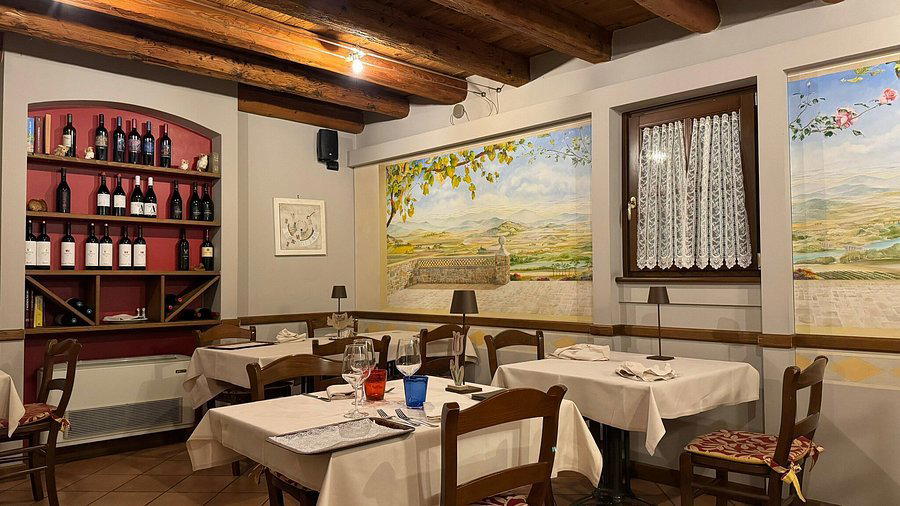
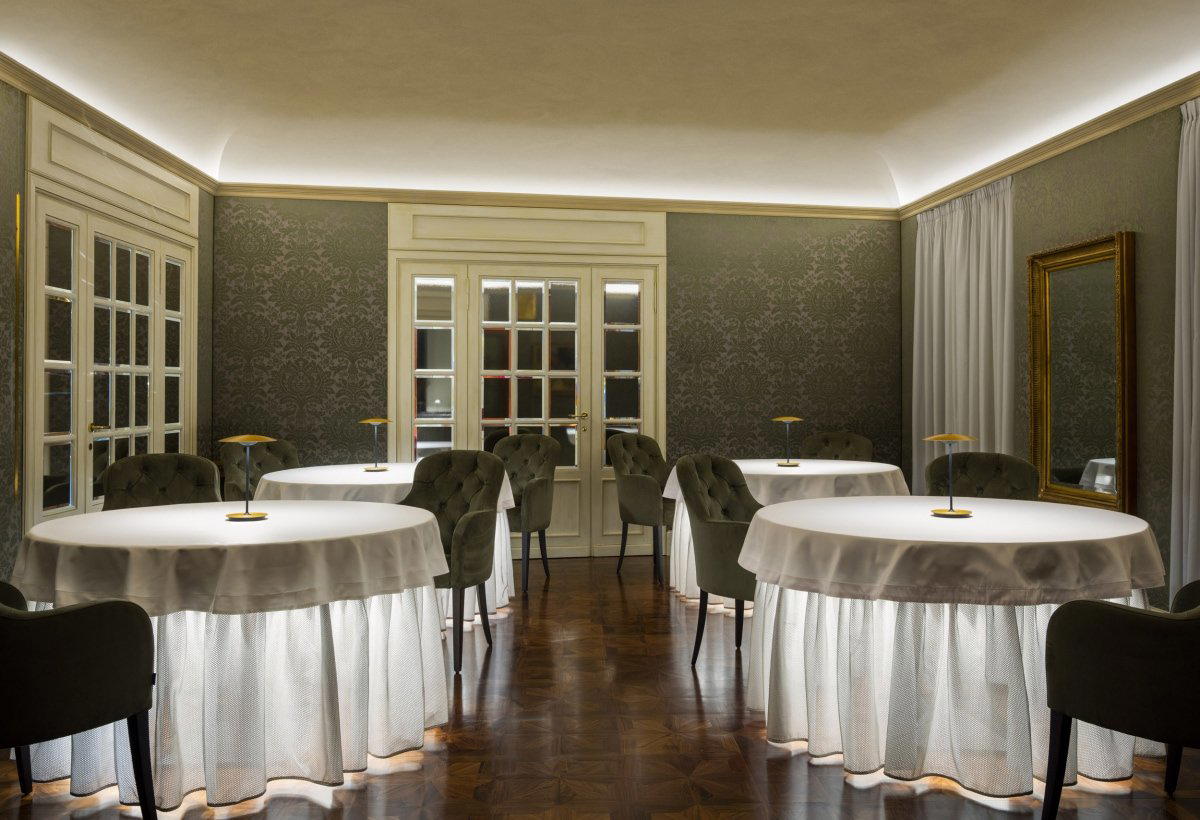
Restaurants in Grado
Browse all →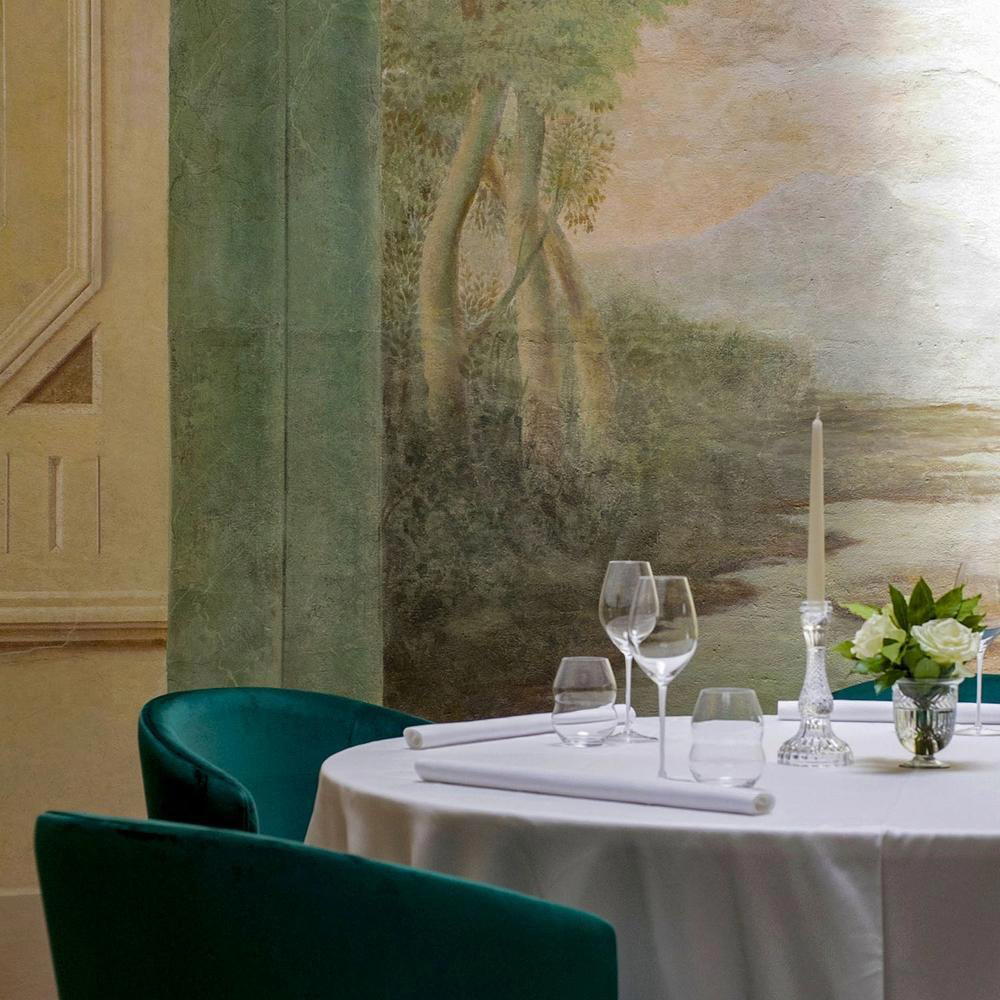
Bars in Grado
Browse all →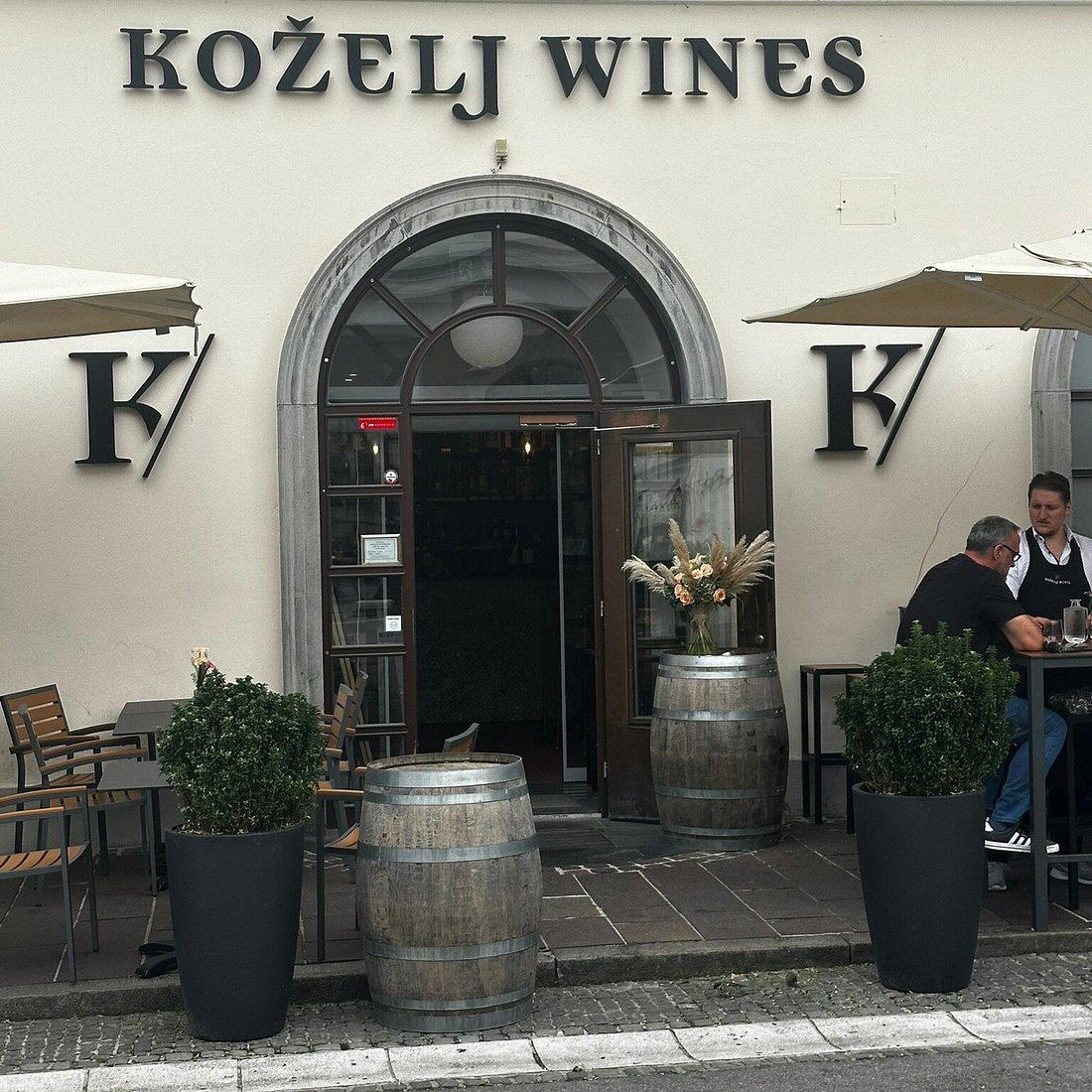
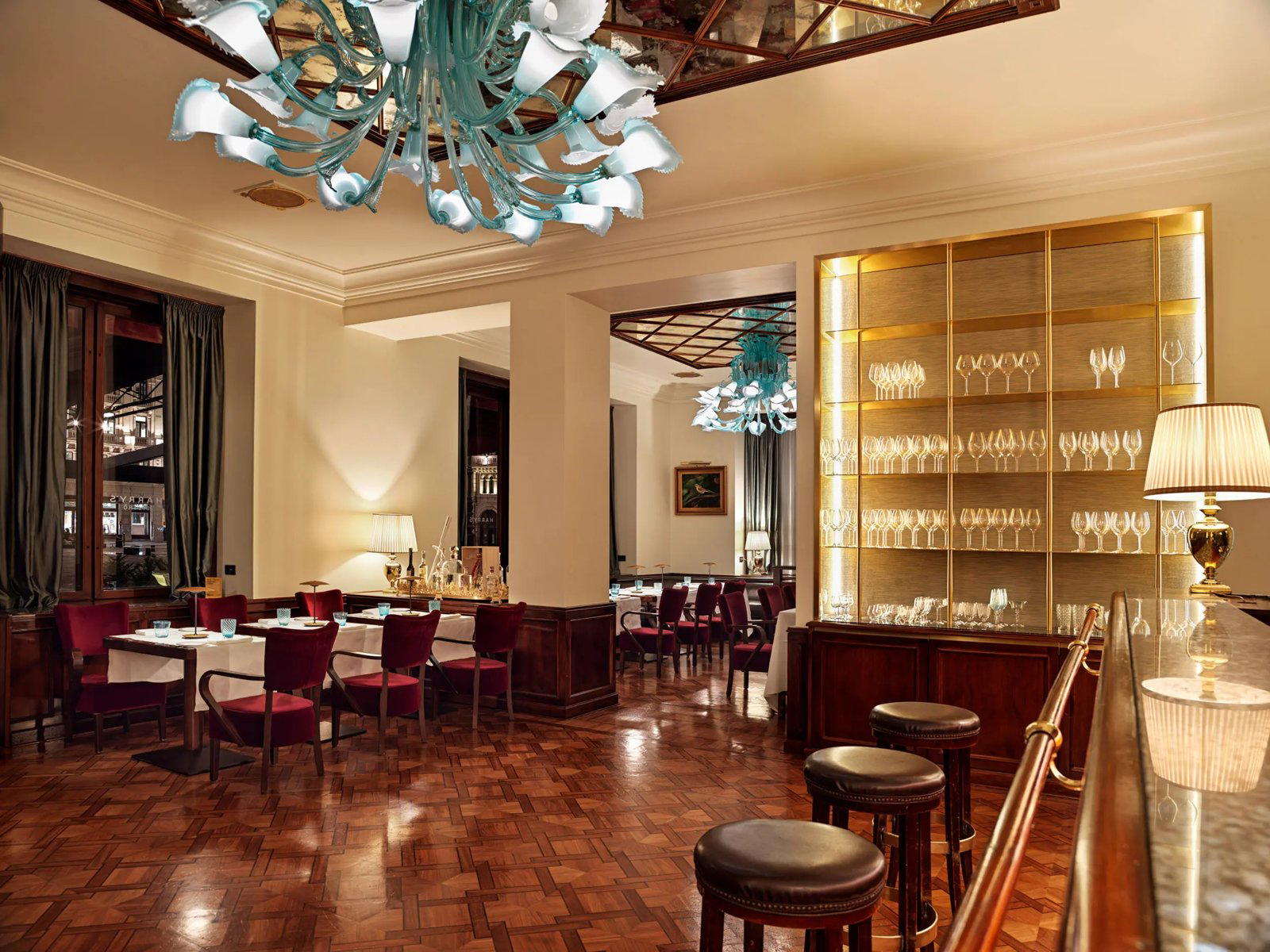
Hotels in Grado
Browse all →
At a Glance
- Romantic
- Scenic
- Elegant
- Intimate
- Date Night
- Special Occasion
- Celebration
- Waterfront
- Terrace
- Panoramic View
- Extensive Wine List
- Sommelier Led
- Local Sourcing
- Waterfront
Current opening hours
- Monday
- 7–10 PM
- Tuesday
- 7–10 PM
- Wednesday
- 7–10 PM
- Thursday
- 7–10 PM
- Friday
- 7–10 PM
- Saturday
- 7–10 PM
- Sunday
- 7–10 PM
Hours can change for holidays and private events. Last verified .
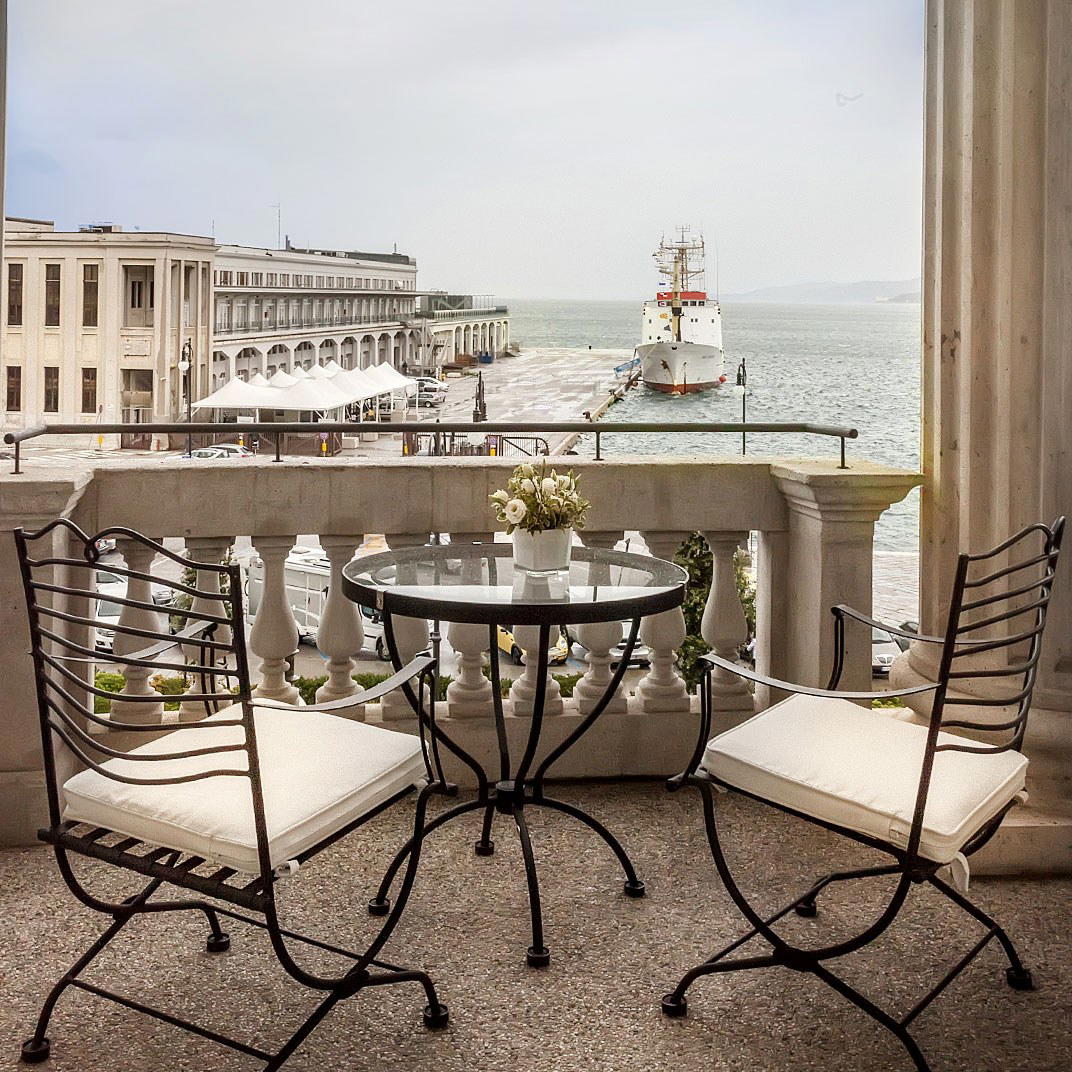
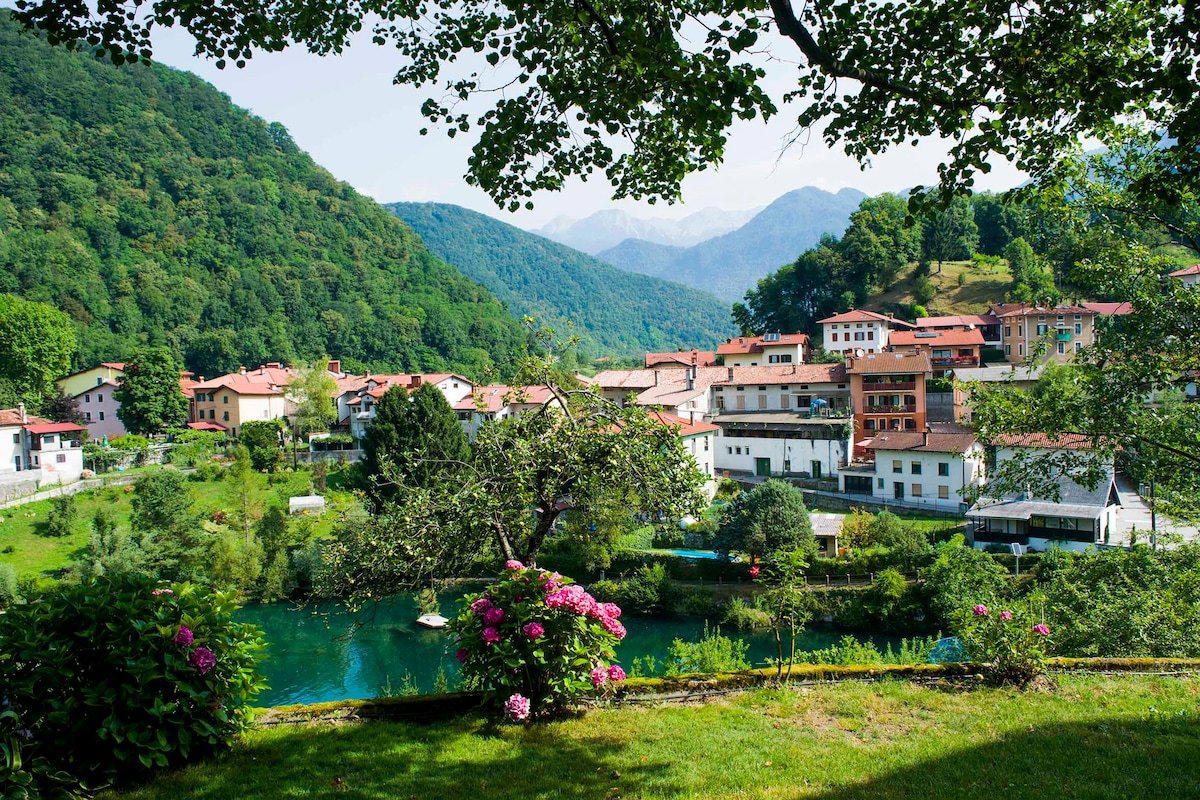
Romantic and refined with soft lighting overlooking the Grado lagoon; intimate terrace atmosphere enhanced by sunset views and cozy, quiet ambiance.