In the lagoon town of Grado, Bruno Masaneta occupies the particular niche that the trattoria-cicchetteria format has long held in the northern Adriatic: casual enough for a midday glass of wine with fried seafood, serious enough to hold the attention of someone who knows the difference between a cicchetto done well and one done carelessly. The address on Via Marina places it squarely in the rhythm of the waterfront.
Pearl is the En Primeur Club membership app — saves, bookings, and concierge access live there. Same editors, same standards.
- Address
- Via Marina, 12, 34073 Grado GO, Italy
- Phone
- +393883048696
- Website
- trattoriabrunomasaneta.it
- Directions
- Get directions
 Saves & bookings on Pearl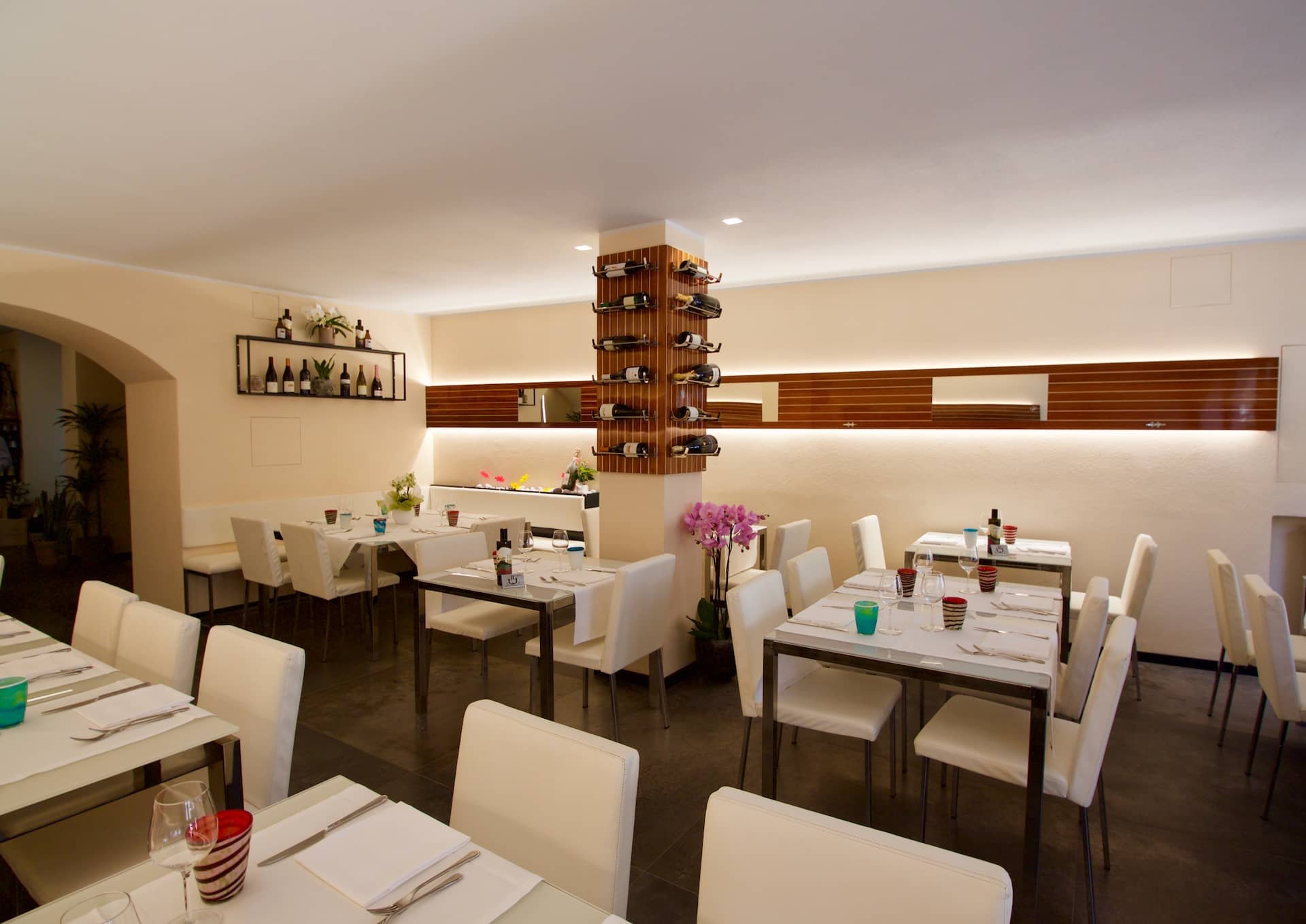
Salt Air, Small Plates, and the Northern Adriatic Tradition
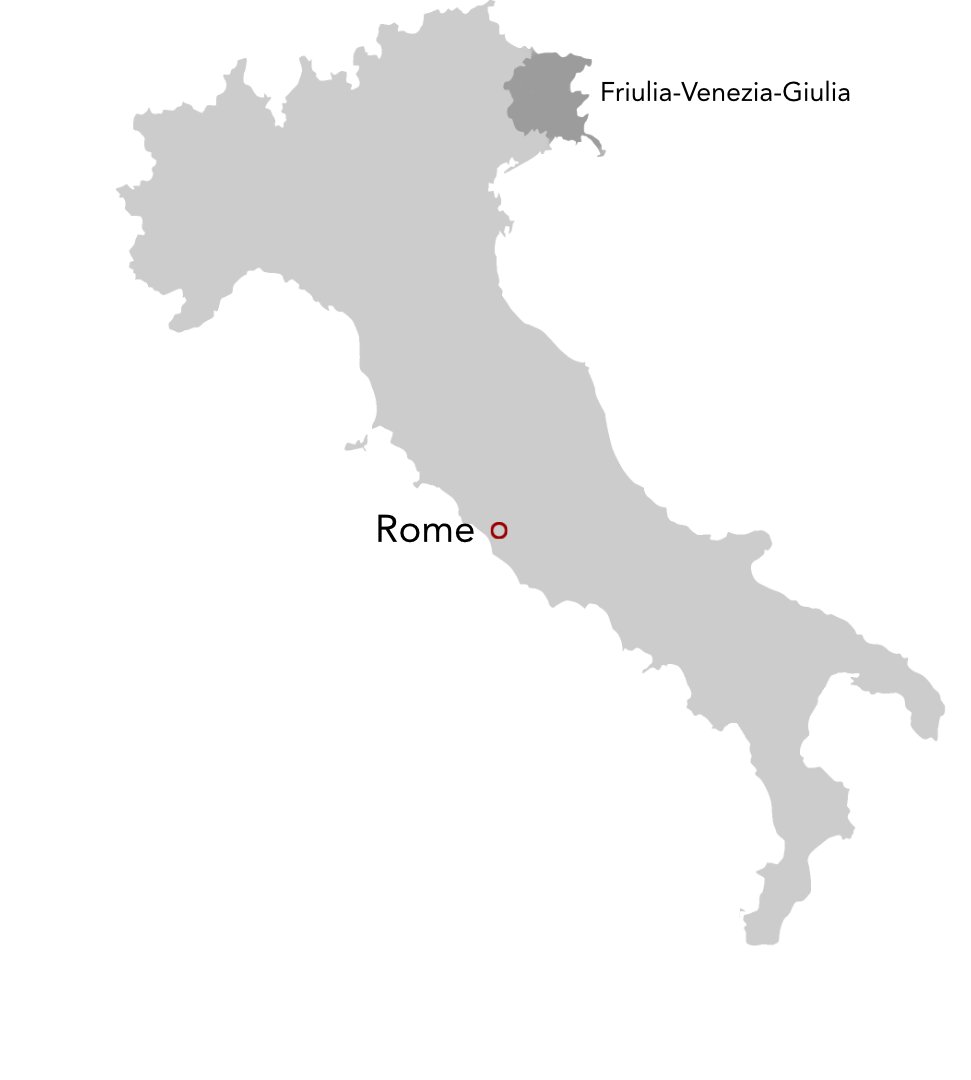
Grado earns its character from water on all sides. The lagoon town sits on a narrow island between the Adriatic and the Friuli coastal wetlands, and the dining culture that has grown here over generations reflects that geography with unusual consistency. Restaurants tend toward the informal, seafood dominates as a matter of logic rather than fashion, and the cicchetto tradition borrowed from nearby Venice has taken root in its own quieter register. Bruno Masaneta, a trattoria-cicchetteria on Via Marina, sits inside this local pattern rather than apart from it.
The cicchetteria format deserves context for anyone arriving from outside the Veneto or Friuli Venezia Giulia region. Cicchetti are the northern Adriatic answer to tapas: small preparations, often on bread, often involving cured fish, marinated vegetables, or creamed salt cod, designed to accompany a glass of wine rather than replace a full meal. In Venice, the format has become something of a tourist infrastructure. In Grado, it operates closer to its original social function, the mid-morning or late-afternoon pause that locals have built around the bar counter or the street-facing window for decades.
What the Setting Communicates
Via Marina runs along the waterfront edge of Grado’s old town, the narrow island grid that dates to late antiquity and still carries its Roman and Byzantine street pattern beneath centuries of Venetian and Habsburg overlay. The physical approach to a trattoria on this street involves stone underfoot, the smell of brine from the lagoon, and the sound of boats. These are not incidental details. In a dining format where atmosphere is part of the transaction, the address does real work.
The trattoria-cicchetteria combination is a specific hybrid. A trattoria implies sit-down meals, a wine list of some depth, and cooking rooted in regional tradition rather than culinary ambition. A cicchetteria implies standing, grazing, and the kind of sociability that does not require a booking. Bruno Masaneta holds both registers, which is a balancing act that the better examples of this format in Friuli and the Veneto manage by keeping the cicchetti counter genuinely active while maintaining enough kitchen capacity for proper plates. The dual format also means the venue attracts two distinct rhythms of visitor across the day.
Grado’s Dining comparable set
For a town of Grado’s scale, the restaurant options cluster tightly around the waterfront and the old town grid. Agli Artisti, Al Canevon, Al Casone, Al Pontil de’ Tripoli, and Alla Buona Vite each occupy their own position in the local scene, ranging from osteria-style fish meals to more polished sit-down formats. Bruno Masaneta’s cicchetteria dimension gives it a different entry point: it is accessible at a pace and price level that a full trattoria meal is not, which broadens the audience without necessarily repositioning the venue.
That accessibility matters when you consider the regional context. Friuli Venezia Giulia’s premium dining scene concentrates further inland and in Trieste, with the coastal strip operating at a register that is deliberately unhurried and unpretentious. This is not the tier where you find the cooking ambition of, say, Uliassi in Senigallia or Quattro Passi in Marina del Cantone on the southern coasts, nor the structured tasting format of Atelier Moessmer Norbert Niederkofler in Brunico or Reale in Castel di Sangro at the far end of the Italian fine-dining spectrum. Grado’s coastal trattorie belong to a different but equally coherent tradition, one where the argument for eating well is made through ingredient quality and regional specificity rather than technique and presentation.
The Seasonal Logic of a Lagoon Kitchen
Summer is when Grado’s population swells dramatically. The island’s status as a long-established beach and thermal resort means that July and August bring a density of visitors that the old town streets were not engineered to absorb comfortably. For dining purposes, this creates the familiar coastal Italy tension: the months when the fish supply is most abundant and the energy is highest are also the months when tables are hardest to secure and the kitchen is under greater pressure.
The shoulder seasons, May through June and September into early October, represent the more considered choice for anyone prioritising the dining experience over the beach calendar. The lagoon’s fishing activity continues outside the summer peak, and the cicchetti counter at a venue like Bruno Masaneta operates with more room to breathe in those periods. The trattoria tradition in this part of Italy is also an indoor-outdoor conversation, and the autumn light on the Adriatic lagoon is a specific and unhurried thing that summer crowds tend to obscure.
Placing Bruno Masaneta in a Wider Italian Seafood Conversation
The northern Adriatic has a distinct seafood identity that separates it from both the Mediterranean south and the Tyrrhenian coast. The lagoon environment around Grado produces specific shellfish, particularly clams and mussels, alongside the grey mullet and sea bass that characterise the brackish lagoon fishery. A cicchetteria in this geography is, in its most functional form, a distribution point for that local catch at a price and pace that makes daily consumption plausible rather than occasional.
This places the format in interesting contrast to the more elaborated Italian seafood traditions you find at venues like Dal Pescatore in Runate or in the structured menus of Le Calandre in Rubano and Piazza Duomo in Alba. Those venues are working with Italian culinary tradition as a subject for investigation and reinvention. The trattoria-cicchetteria operates closer to the tradition itself, without the meta-layer of commentary. Neither position is superior; they are doing different things for different purposes, and understanding that distinction makes you a more useful reader of the Italian dining scene as a whole. For context on the full range available internationally, venues like Osteria Francescana in Modena, Enoteca Pinchiorri in Florence, Enrico Bartolini in Milan, and beyond Italy to Le Bernardin in New York City or Lazy Bear in San Francisco, represent the elaborated end of a spectrum whose other pole is exactly what a well-run lagoon cicchetteria occupies.
Planning a Visit
Bruno Masaneta is located at Via Marina, 12, in Grado’s old town. For the cicchetti counter specifically, mid-morning or late afternoon visits align with the format’s natural rhythm across this part of the Adriatic. Summer booking is advisable for sit-down meals; outside peak season the format is more flexible by nature.
Peers Worth Knowing
Comparable venues nearby, for context on price, style, and recognition.
| Venue | Cuisine | Price | Notes |
|---|---|---|---|
| Bruno Masaneta - Trattoria CicchetteriaThis venue — the venue you are viewing | Modern Italian Trattoria with Seafood | $$$ | Not listed |
| Trattoria Vittoria | Italian Seafood Trattoria | $$ | Grado |
| Savial | Traditional Italian Seafood and Pizza | $$ | historical center |
| De Toni | Traditional Italian Seafood Trattoria | $$$ | historic center |
| La Dinette | Contemporary Friuli-Venezia Giulia Seafood | $$$ | Porto San Vito |
| Da Ovidio | Traditional Italian Seafood | $$ | historical center |
Continue exploring
More in Grado
Restaurants in Grado
Browse all →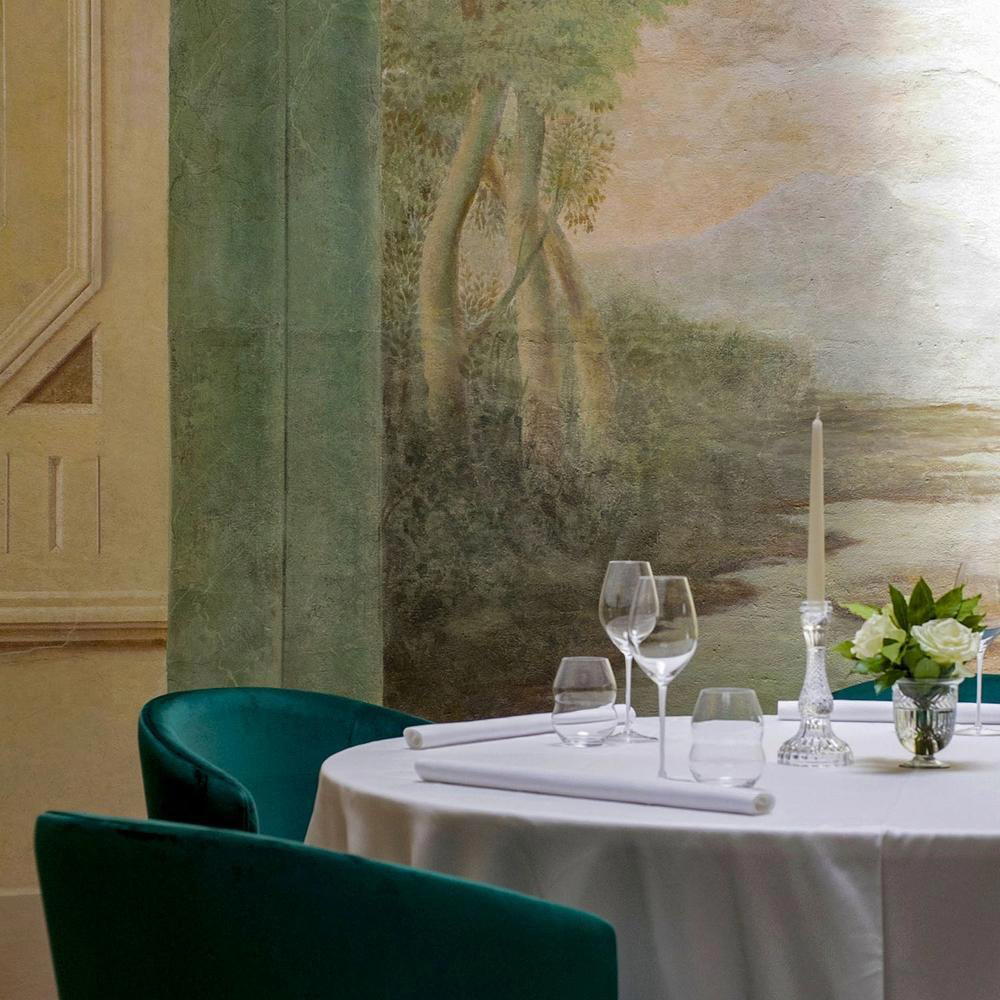
Bars in Grado
Browse all →
Hotels in Grado
Browse all →
At a Glance
- Elegant
- Cozy
- Intimate
- Rustic
- Date Night
- Family
- Special Occasion
- Terrace
- Extensive Wine List
- Local Sourcing
- Street Scene
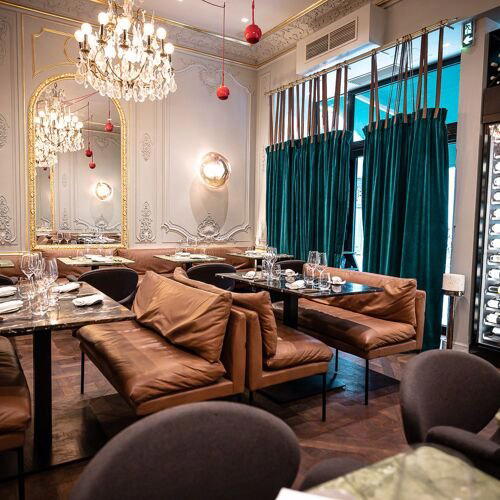
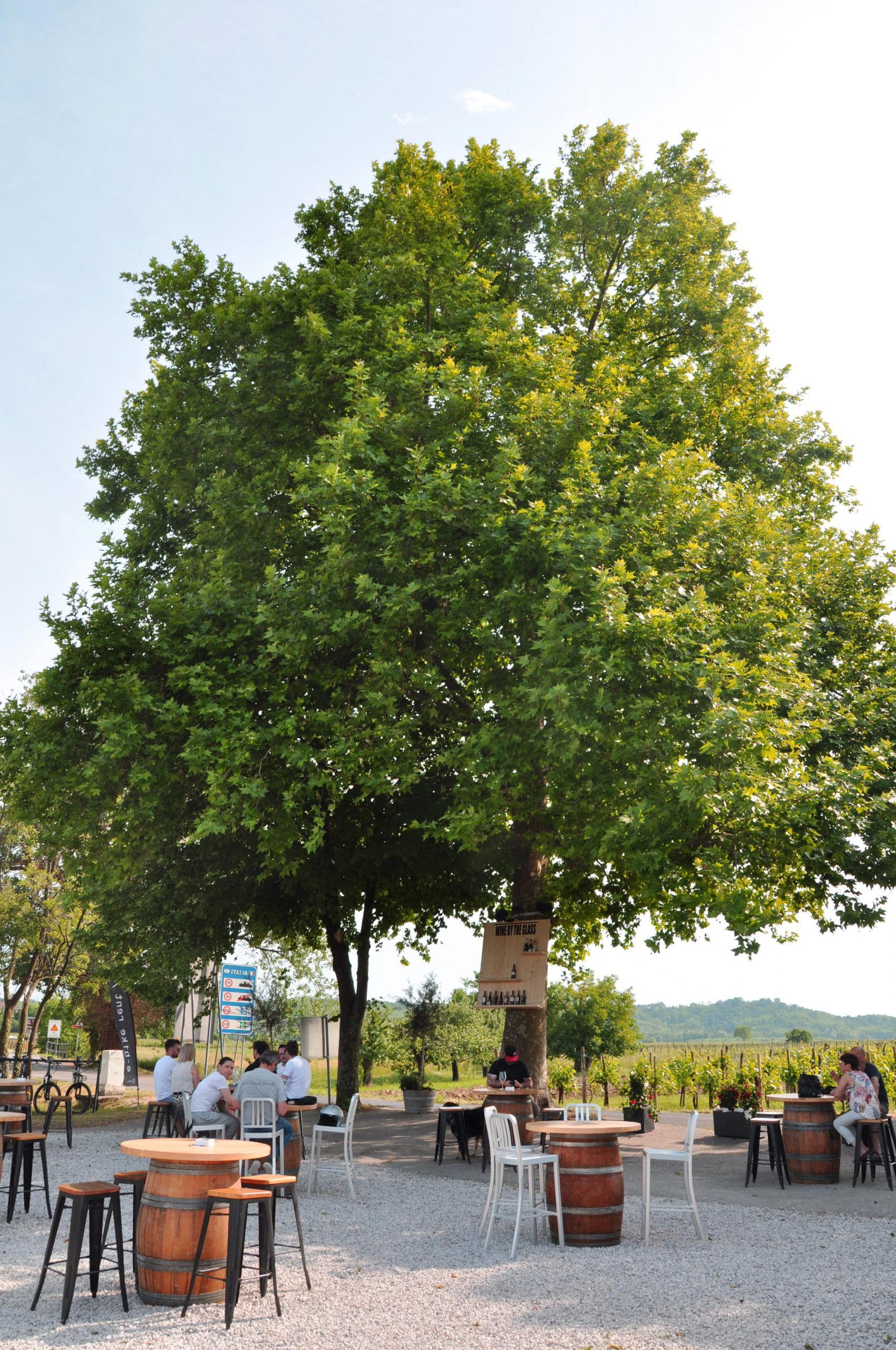
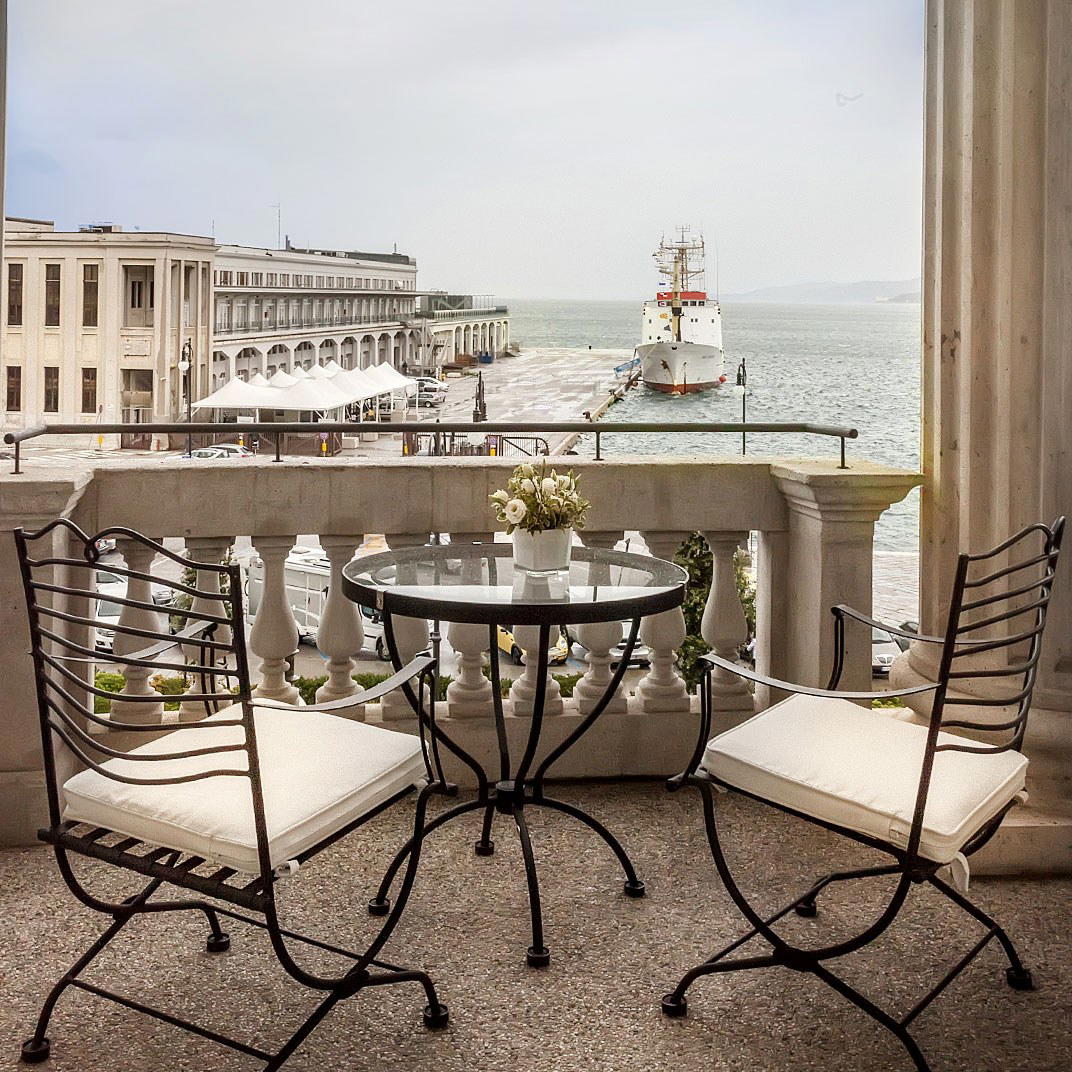
Refined terrace with well-suited lighting, elegant furniture, and intimate atmosphere, though indoor areas can be noisy.