On the waterfront promenade of Grado's old island town, La Dinette occupies a position where the northern Adriatic's shallow lagoon fisheries meet the table in their most direct form. The restaurant operates within a dining culture shaped by canoce, moeche, and the seasonal rhythms of one of Italy's most productive inshore fishing zones. For a coastal Italian meal grounded in place rather than performance, it merits serious attention.
Pearl is the En Primeur Club membership app — saves, bookings, and concierge access live there. Same editors, same standards.
- Address
- Riva Giovanni da Verrazzano, 1, 34073 Grado GO, Italy
- Phone
- +393889418882
- Website
- ristoranteladinettegrado.it
- Directions
- Get directions
 Saves & bookings on Pearl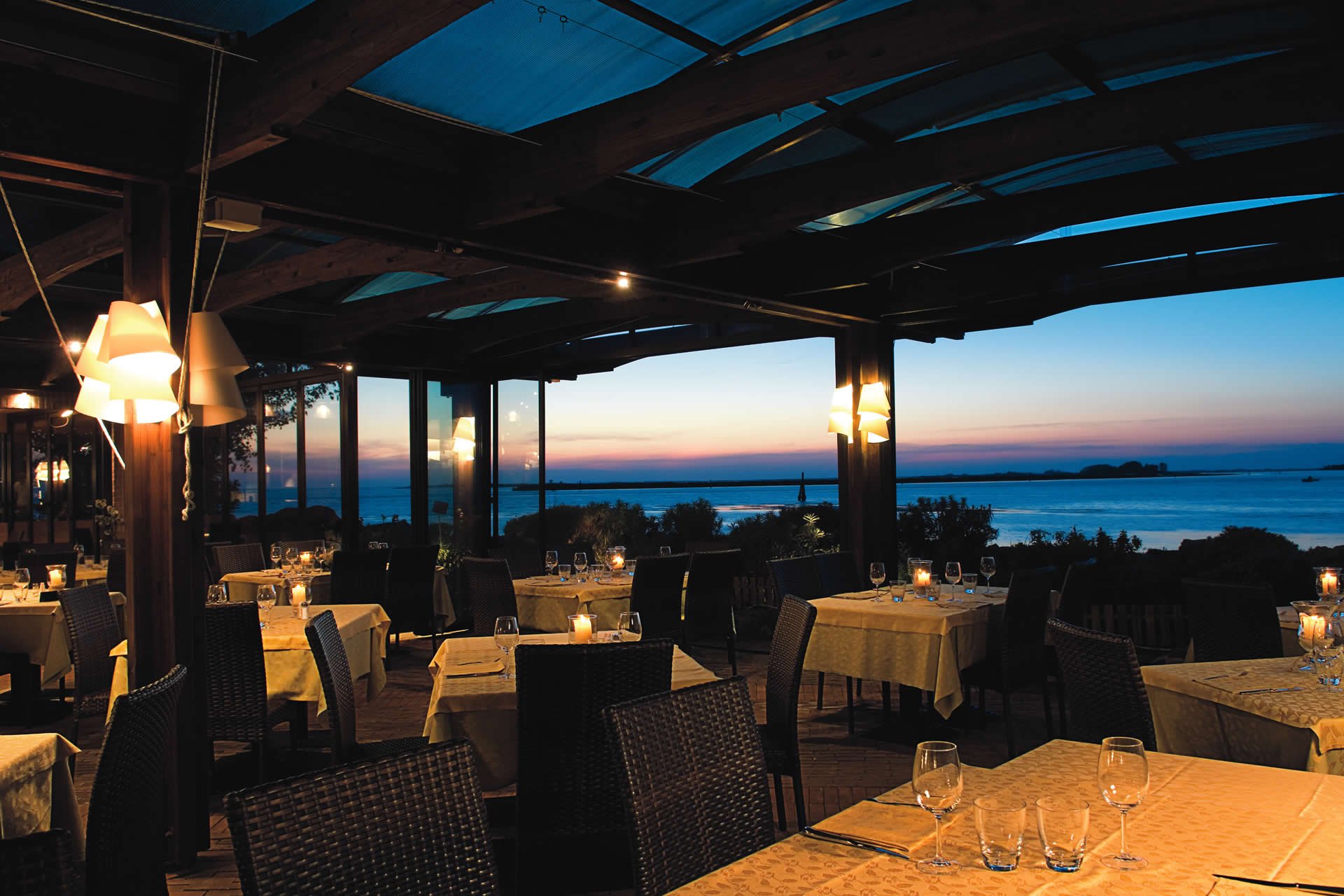
Where the Lagoon Arrives at the Table
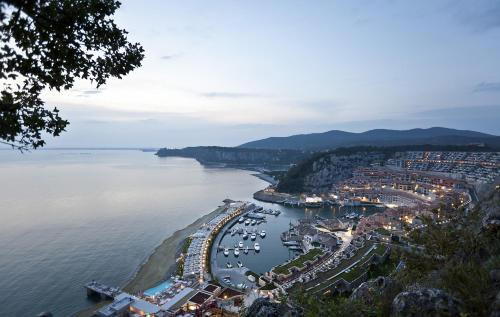
The approach along Riva Giovanni da Verrazzano sets the terms clearly. Grado's seafront promenade runs beside the Adriatic-facing edge of the old island, and the light here, bouncing off the lagoon's shallow, brackish water, carries a quality distinct from the open-sea coasts further south. La Dinette sits on this waterfront strip, which means the geography of its sourcing is visible from the dining room. That proximity is not incidental: the northern Adriatic lagoon system around Grado is among the more productive inshore fishing zones in Italy, and local restaurants at every price point are shaped by what that ecosystem yields week to week.
Grado itself occupies an unusual position in the Italian coastal dining conversation. It draws fewer international visitors than the Istrian coast to the east or the Veneto beaches to the west, which means its restaurant culture has remained oriented toward regional supply and local custom rather than toward a tourist-facing version of seafood. That insularity, geographically real as much as cultural, produces a dining scene where the fish on the plate is more likely to have come from the lagoon that morning than from a wholesale distribution network.
The Sourcing Logic of the Northern Adriatic
Understanding what La Dinette represents requires some context about the ingredient geography of this stretch of coast. The lagoon between Grado and the Friulian mainland is a brackish environment where species like the soft-shell crab known locally as moleche (or moeche in the Venetian dialect), mantis shrimp (canoce), grey mullet, and various flatfish thrive in a way they don't in open-water fisheries. The water depth rarely exceeds a few metres, the temperature swings seasonally, and the result is a set of seafood flavours, more mineral, more saline, more concentrated, that differ noticeably from what the same species tastes like sourced from further offshore.
Restaurants in this culinary tradition, from neighbourhood trattorias to more formal addresses, tend to organise their menus around what the lagoon and its immediate coastal waters produce in a given season. Spring brings the first moleche; summer sees grey mullet at its fattiest; autumn delivers spider crab and the last of the cuttlefish runs. Kitchens that work within this rhythm are, in practice, operating a form of hyper-local sourcing that predates the terminology by generations. At places like Al Canevon and Al Casone, the same logic applies: the menu reflects the catch, not the other way around.
La Dinette operates within this same framework. Its address on the waterfront promenade places it inside the oldest part of Grado's food culture, where the relationship between boat and kitchen remains the organising principle of the offer.
Grado in the Wider Italian Seafood Context
Italy's serious seafood restaurants now occupy a wide spectrum. At one end, Uliassi in Senigallia and Quattro Passi in Marina del Cantone apply significant technical ambition to coastal Italian ingredients, earning Michelin recognition for doing so. At the other, the trattoria and osteria tradition, most coherent in places like Grado, Chioggia, and the smaller Adriatic fishing towns, treats the same category of ingredients with deliberate restraint, minimal transformation, and a presumption that freshness is the primary value. The distinction is not one of quality but of philosophy and audience.
Grado's dining culture sits firmly in the second tradition. There is no local pressure toward gastronomy in the destination-restaurant sense: the town's visitors come for the lagoon, the beach, and the seafood in its most direct form. Restaurants like La Dinette, Agli Artisti, Al Pontil de' Tripoli, Alla Buona Vite, and the broader waterfront strip collectively represent this approach: ingredient quality as the primary editorial statement, technique in service of that quality rather than in competition with it.
By contrast, the Michelin-decorated end of the Italian restaurant market, Osteria Francescana in Modena, Le Calandre in Rubano, Piazza Duomo in Alba, Enoteca Pinchiorri in Florence, Enrico Bartolini in Milan, Dal Pescatore in Runate, Reale in Castel di Sangro, and Atelier Moessmer Norbert Niederkofler in Brunico, operates from a different set of assumptions about what a meal should accomplish. The comparison is instructive precisely because it clarifies what Grado's waterfront restaurants are not trying to do, and why that restraint has its own integrity.
Planning Your Visit
The restaurant is on the main waterfront promenade of Grado's island centro storico, reachable from the mainland via the causeway road. The town itself is compact and navigable on foot once you arrive. Summer weekends in Grado fill quickly, the town functions as a resort for families from Trieste, Udine, and the broader Friuli-Venezia Giulia region, and waterfront tables at any of the better-regarded addresses become harder to secure without planning ahead. The shoulder seasons, particularly May and September, offer a quieter version of the same experience with the lagoon at its most atmospheric.
Comparison Snapshot
Comparable venues nearby, for context on price, style, and recognition.
| Venue | Cuisine | Price | Notes |
|---|---|---|---|
| La DinetteThis venue — the venue you are viewing | Contemporary Friuli-Venezia Giulia Seafood | $$$ | Not listed |
| Al Pontil de' Tripoli | Regional Italian Seafood | $$$$ | Isola della Schiusa |
| Al Casone | Modern Italian Seafood | $$$ | Grado |
| Tavernetta all'Androna | Traditional Adriatic Seafood | $$$$ | Centro Storico |
| Da Ovidio | Traditional Italian Seafood | $$ | historical center |
| Zero Miglia | Fresh Italian Seafood from Fishermen's Cooperative | $$ | Grado |
Continue exploring
More in Grado
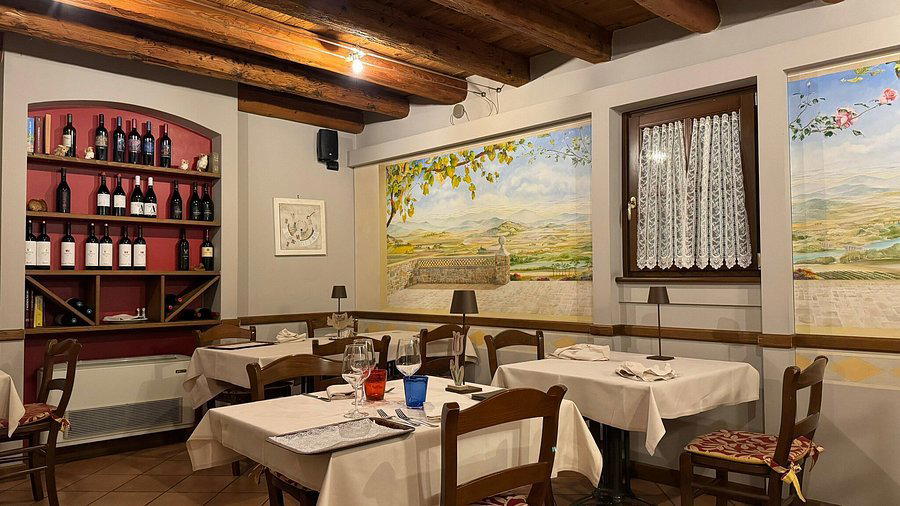
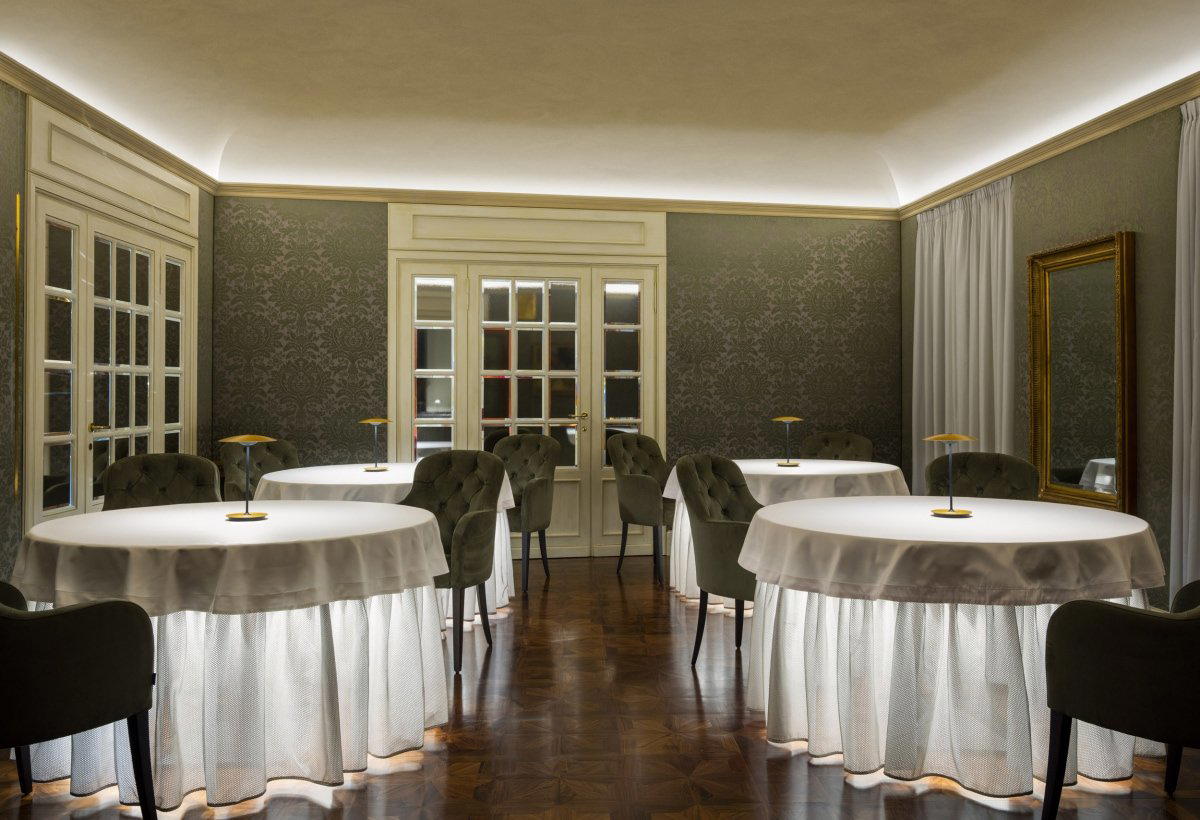
Restaurants in Grado
Browse all →
Bars in Grado
Browse all →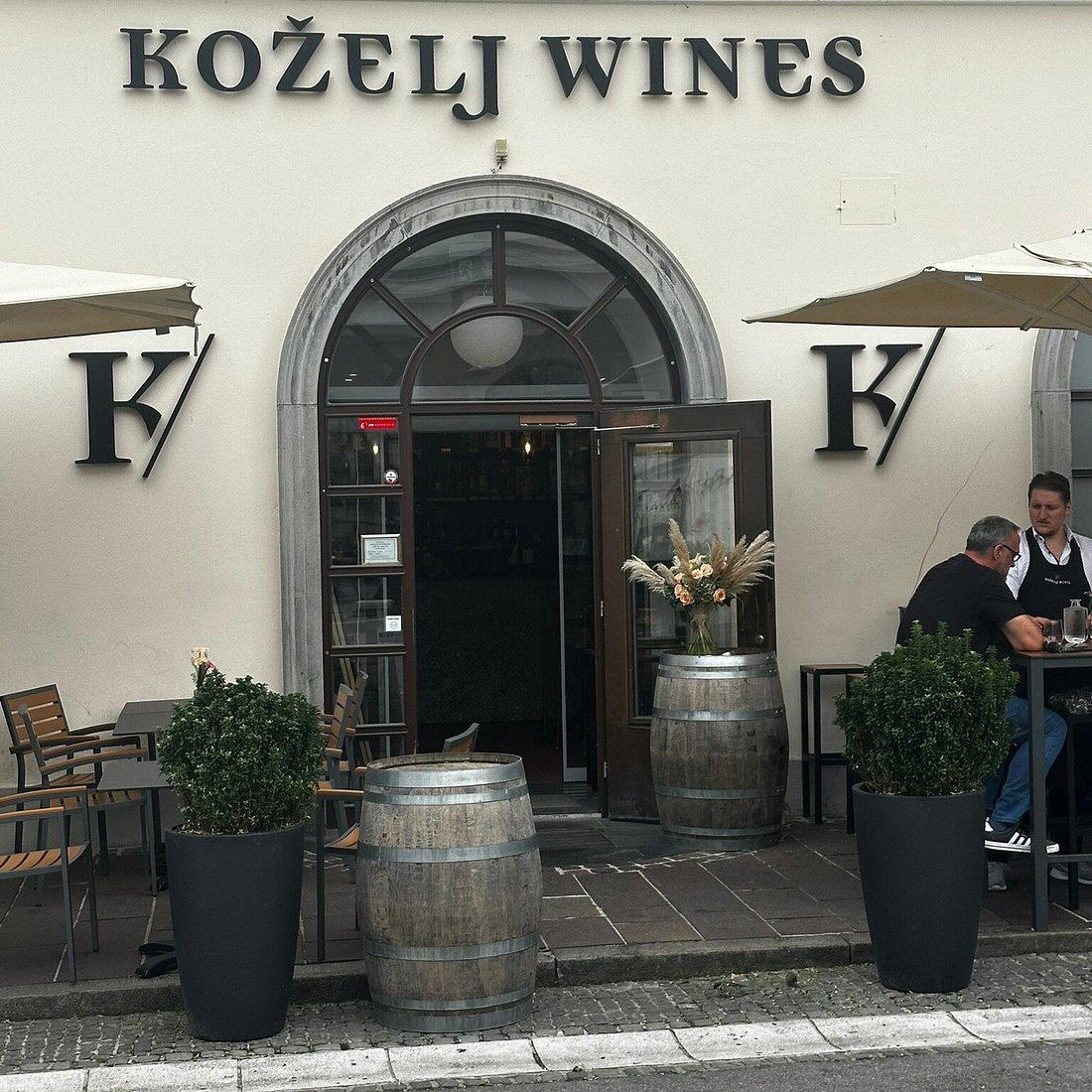
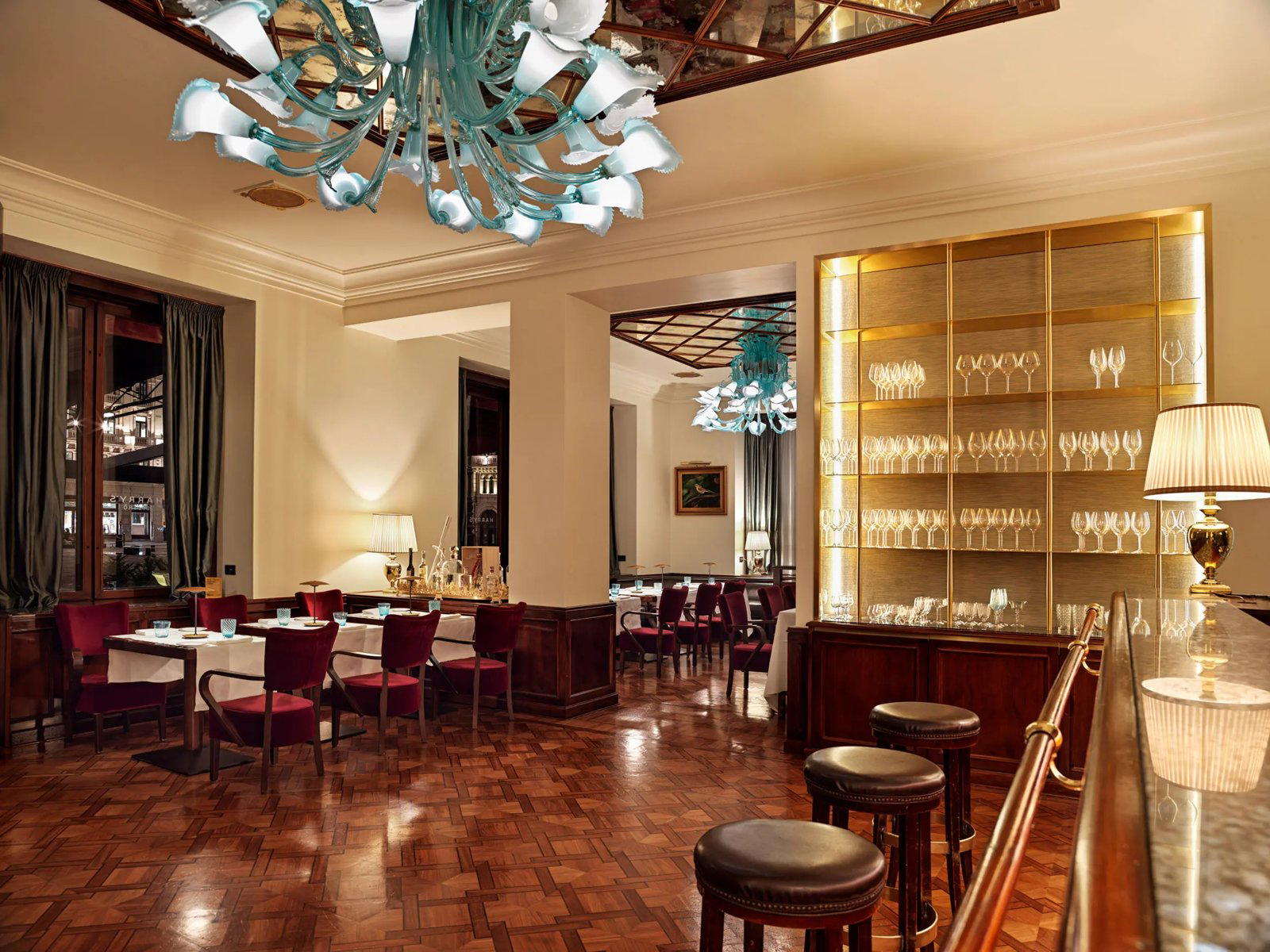
Hotels in Grado
Browse all →
At a Glance
- Romantic
- Scenic
- Elegant
- Intimate
- Date Night
- Special Occasion
- Celebration
- Waterfront
- Terrace
- Panoramic View
- Extensive Wine List
- Sommelier Led
- Local Sourcing
- Sustainable Seafood
- Waterfront
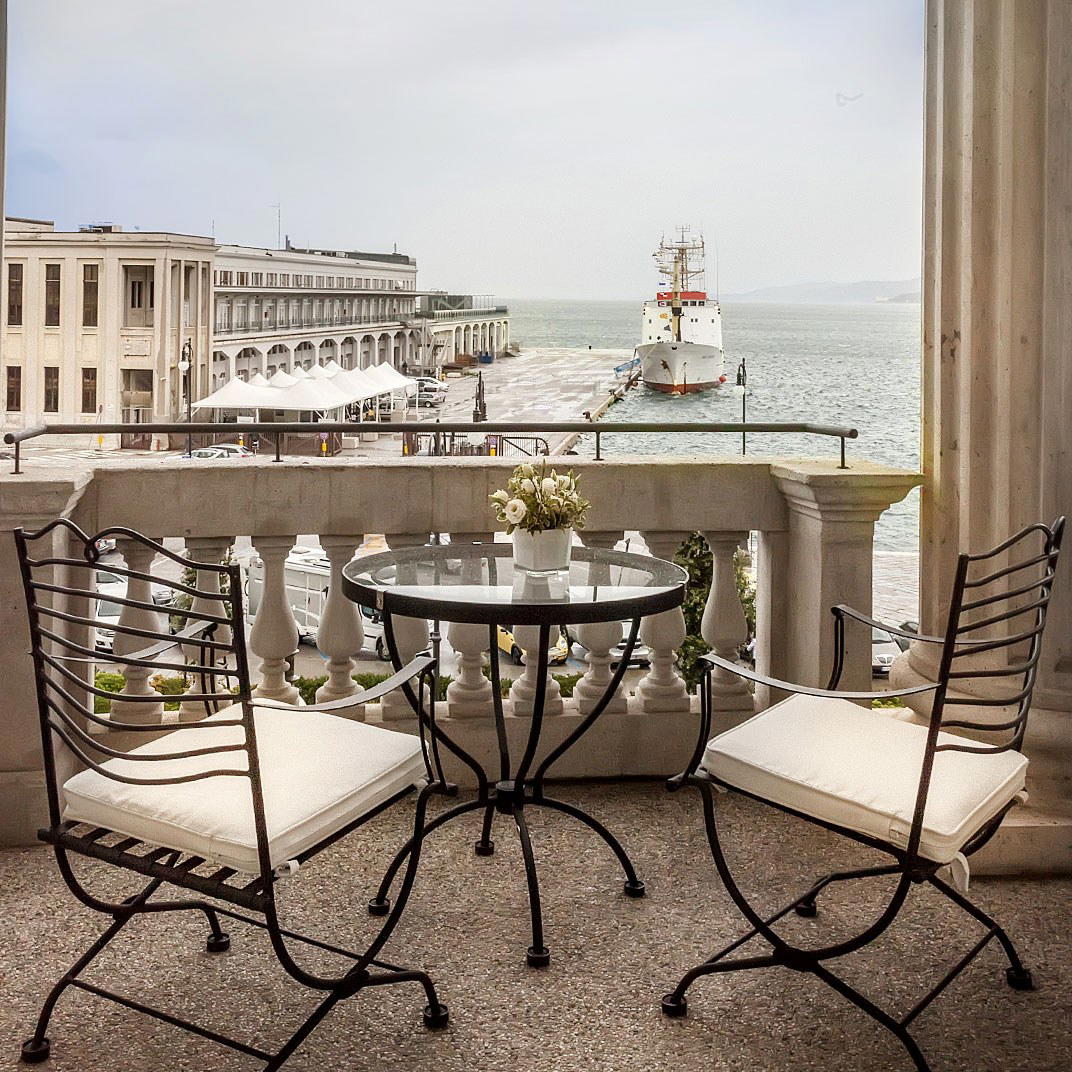
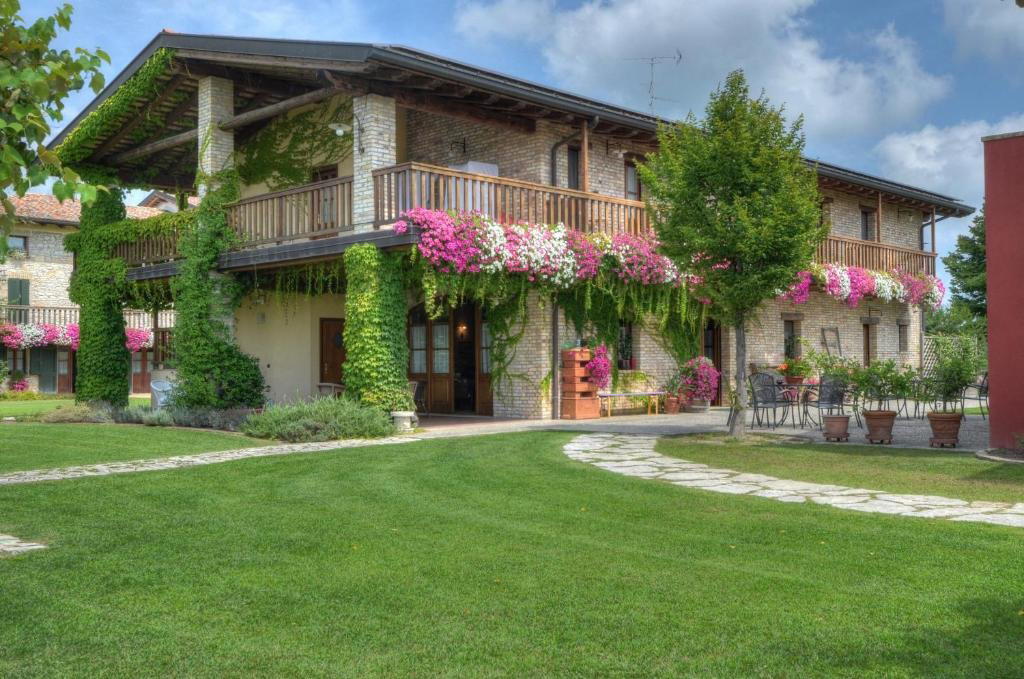
Sober but elegant nautical style with a beautiful veranda jutting over the sea; sunset views transform the landscape with warm colors; refined and sophisticated atmosphere.