Zero Miglia sits on the waterfront at Via Riva Dandolo in Grado, the lagoon-locked island town on the Friuli Venezia Giulia coast where Adriatic seafood traditions run deep. The address places it within easy reach of Grado's historic centro, making it a natural stop for visitors exploring one of northeastern Italy's most quietly serious dining scenes.
Pearl is the En Primeur Club membership app — saves, bookings, and concierge access live there. Same editors, same standards.
- Address
- Via Riva Dandolo, 22, 34073 Grado GO, Italy
- Phone
- +393943180287
- Website
- zeromiglia.it
- Directions
- Get directions
 Saves & bookings on Pearl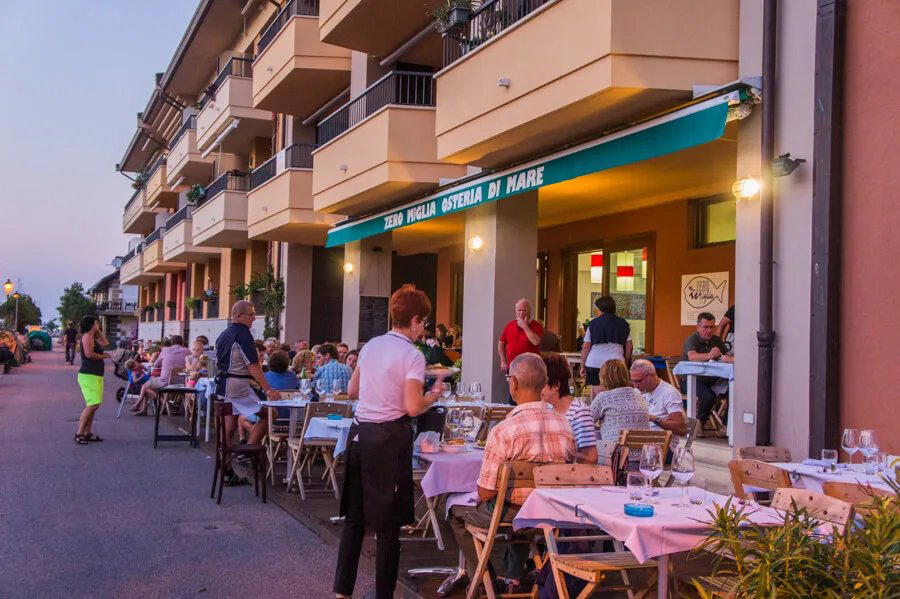
Grado's Waterfront and the Seafood Tradition Behind It
Grado occupies a particular position in northeastern Italian dining. The island sits at the edge of the Friuli Venezia Giulia lagoon system, separated from the mainland by shallow tidal channels and connected to a seafood supply that has shaped local cooking for centuries. The cooking here is not the elaborate Venetian baroque of the canal city to the west, nor the landlocked richness of the Friulian interior. It is tidal, immediate, and defined by what the lagoon delivers on a given morning. Restaurants along the Riva Dandolo waterfront work within that constraint, and the strongest of them treat it as an advantage rather than a limitation.
Zero Miglia, at Via Riva Dandolo 22, sits directly within that tradition. The name signals sourcing with no distance between catch and kitchen. In a town where that claim is geographically plausible, it carries more weight than it would in a landlocked city using the same phrase as marketing language. The waterfront setting is clear before you reach the table.
The Scene on Riva Dandolo
The Riva Dandolo is Grado's primary promenade facing the lagoon, and the restaurants along it occupy a different register from the trattorias tucked into the medieval grid of the old town. Here the dining is more outward-facing, the tables often spilling toward the water, the pace shaped by the light off the lagoon rather than the dim interiors of the centro storico. Visitors arriving in the late afternoon find the waterfront transitioning from a leisure stretch into an evening dining corridor, with the quality of light that Friuli's flat coastal geography produces, wide, amber, unobstructed, doing significant atmospheric work.
Grado's dining scene as a whole divides between the traditional osterie of the old town, where cicchetti and local wine anchor the offer, and the more composed waterfront addresses. Agli Artisti, Al Canevon, Al Casone, Al Pontil de' Tripoli, and Alla Buona Vite each represent distinct positions within that local spectrum. Zero Miglia's address on the Riva places it in the waterfront cohort, which tends to draw both serious diners from the Trieste and Udine hinterlands and summer visitors staying on the island.
Kitchen, Floor, and the Coordination That Defines the Experience
In a town of Grado's scale, the quality of the floor operation matters as much as what leaves the kitchen. The dining rooms here are not large, the kitchen teams are correspondingly compact, and the experience a guest has is shaped heavily by how well those two functions communicate. The better addresses in this category operate with a genuine alignment between kitchen pacing and front-of-house rhythm: dishes arrive at the right temperature because the floor team reads the table rather than following a rigid sequence, and the wine conversation happens before the food order rather than as an afterthought.
This kind of coordination is harder to sustain than it appears, particularly in a seasonal coastal town where staffing turns over and summer pressure tests every system. It is what separates a competent seaside restaurant from one worth returning to. The zero-miles sourcing premise only pays off if the kitchen team knows how to handle what arrives that morning, and if the floor team can articulate the day's offer without reducing it to a rote recitation.
The Italian northeast has produced several of the country's most technically serious restaurants, from Le Calandre in Rubano to Piazza Duomo in Alba, but those addresses operate at a different scale and within different institutional frameworks. The relevant comparison set for a waterfront address in Grado is closer to the Italian coastal tradition represented by Uliassi in Senigallia or Quattro Passi in Marina del Cantone, where proximity to the water informs the cooking at an ingredient level. At that end of the Italian seafood spectrum, the credibility of a zero-miles claim depends entirely on the daily execution.
Friuli Venezia Giulia's Wine Context
Grado's position within Friuli Venezia Giulia gives its restaurants access to one of Italy's most interesting white wine regions. The Collio and Friuli Isonzo designations, both within reasonable reach, produce Ribolla Gialla, Malvasia Istriana, and Friulano that align naturally with lagoon seafood. A front-of-house team that understands this regional pairing logic, rather than defaulting to generic Italian fish-and-white-wine convention, adds a layer of specificity that changes how a meal reads. The leading Adriatic seafood restaurants, from Dal Pescatore in Runate to the comparable operations along the Friulian coast, treat the regional wine list as an extension of the sourcing argument, not a separate department.
For international reference points in serious seafood cooking, Le Bernardin in New York City represents the end of the spectrum where technique and front-of-house choreography become the primary subject. The Grado tradition is a different register entirely, one where the sourcing geography and the simplicity of preparation carry the argument. Both approaches require a functioning team dynamic to work; they simply define that dynamic differently.
Planning a Visit to Zero Miglia
Grado is most easily reached by car from Trieste (approximately one hour) or Udine (under an hour), with the causeway across the lagoon providing the final approach. The island becomes significantly busier from June through August, when summer visitors fill the waterfront restaurants and booking ahead becomes essential. Spring and early autumn offer a quieter version of the same setting, with the lagoon light at its most photogenic in September and October. Via Riva Dandolo is walkable from the main ferry landing and parking areas at the island's entry point.
Italy's most decorated seafood addresses operate within formal award and tasting-menu frameworks that Grado's waterfront restaurants do not attempt. The restaurant's pitch is a different one: a lagoon address with a short-supply-chain premise, set in a town that has been eating from that same lagoon for a long time. The case for it rests on whether the team executing that premise on any given evening is doing so with sufficient rigour to justify the waterfront setting. The address is coherent; the delivery determines whether it earns the visit.
Price Lens
Comparable venues nearby, for context on price, style, and recognition.
| Venue | Cuisine | Price | Notes |
|---|---|---|---|
| Zero MigliaThis venue — the venue you are viewing | Not listed | $$ | Not listed |
| Trattoria Vittoria | Grado, Italian Seafood Trattoria | $$ | Not listed |
| Alla Buona Vite | Boscat, Traditional Italian Seafood | $$ | Not listed |
| De Toni | Not listed | $$$ | historic center, Traditional Italian Seafood Trattoria |
| Al Canevon | Not listed | $$ | Centro Storico, Traditional Friulian Seafood |
| Savial | Not listed | $$ | historical center, Traditional Italian Seafood and Pizza |
Continue exploring
More in Grado
Restaurants in Grado
Browse all →
Bars in Grado
Browse all →
Hotels in Grado
Browse all →
At a Glance
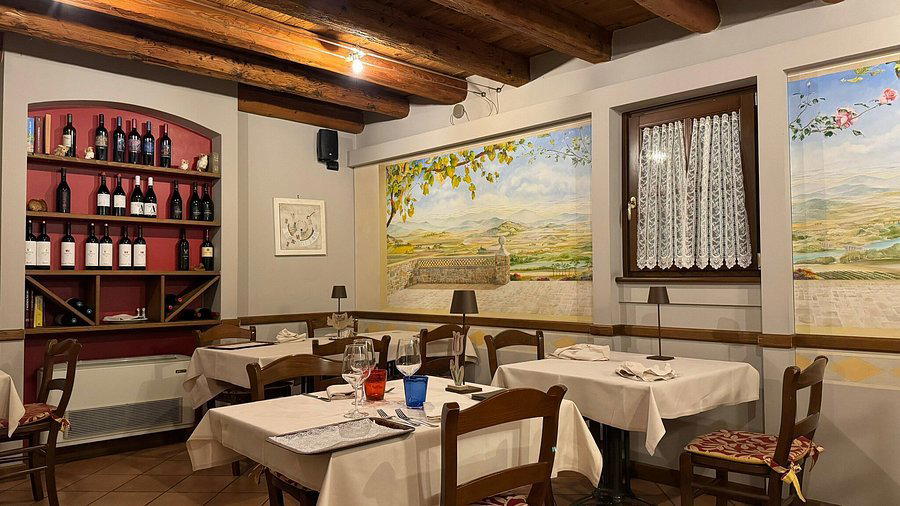
- Rustic
- Cozy
- Scenic
- Casual Hangout
- Family
- Waterfront
- Local Sourcing
- Waterfront
Current opening hours
- Monday
- 12–2 PM, 6–9 PM
- Tuesday
- Closed
- Wednesday
- 12–2 PM, 6–9 PM
- Thursday
- 12–2 PM
- Friday
- 12–2 PM, 6–9 PM
- Saturday
- 12–2 PM, 6–9 PM
- Sunday
- 12–3 PM
Hours can change for holidays and private events. Last verified .
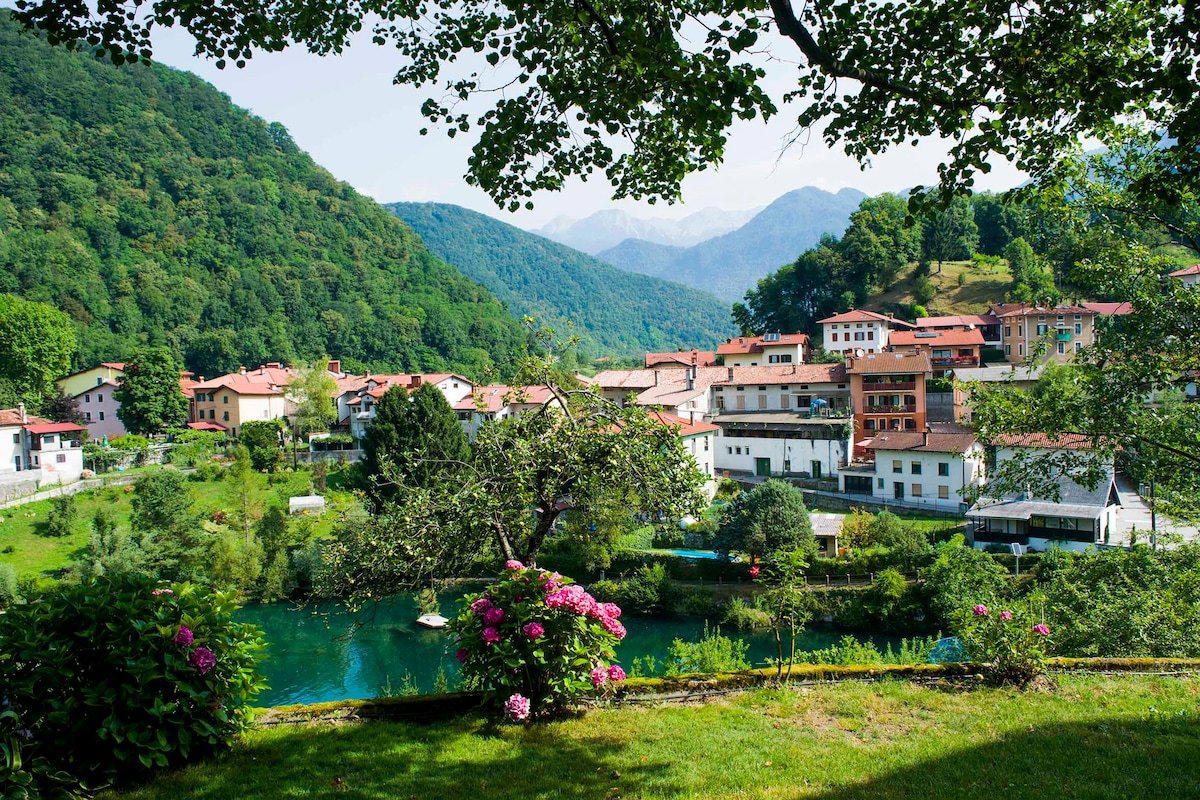
Simple, cosy, and authentic atmosphere overlooking the fishing canal with boats moored nearby.