A calle-side address in Grado's old island town, Al Canevon sits within a dining tradition shaped by the northern Adriatic's lagoon harvest. The surrounding streets concentrate a particular style of seafood cooking, one rooted in boreto, sardele in saòr, and the daily catch from local fishing boats. Visitors planning a meal here should cross-reference the broader Grado restaurant scene to calibrate expectations.
Pearl is the En Primeur Club membership app — saves, bookings, and concierge access live there. Same editors, same standards.
- Address
- Calle Corbatto, 11, 34073 Grado GO, Italy
- Phone
- +393943181662
- Website
- ristorantealcanevon.it
- Directions
- Get directions
 Saves & bookings on Pearl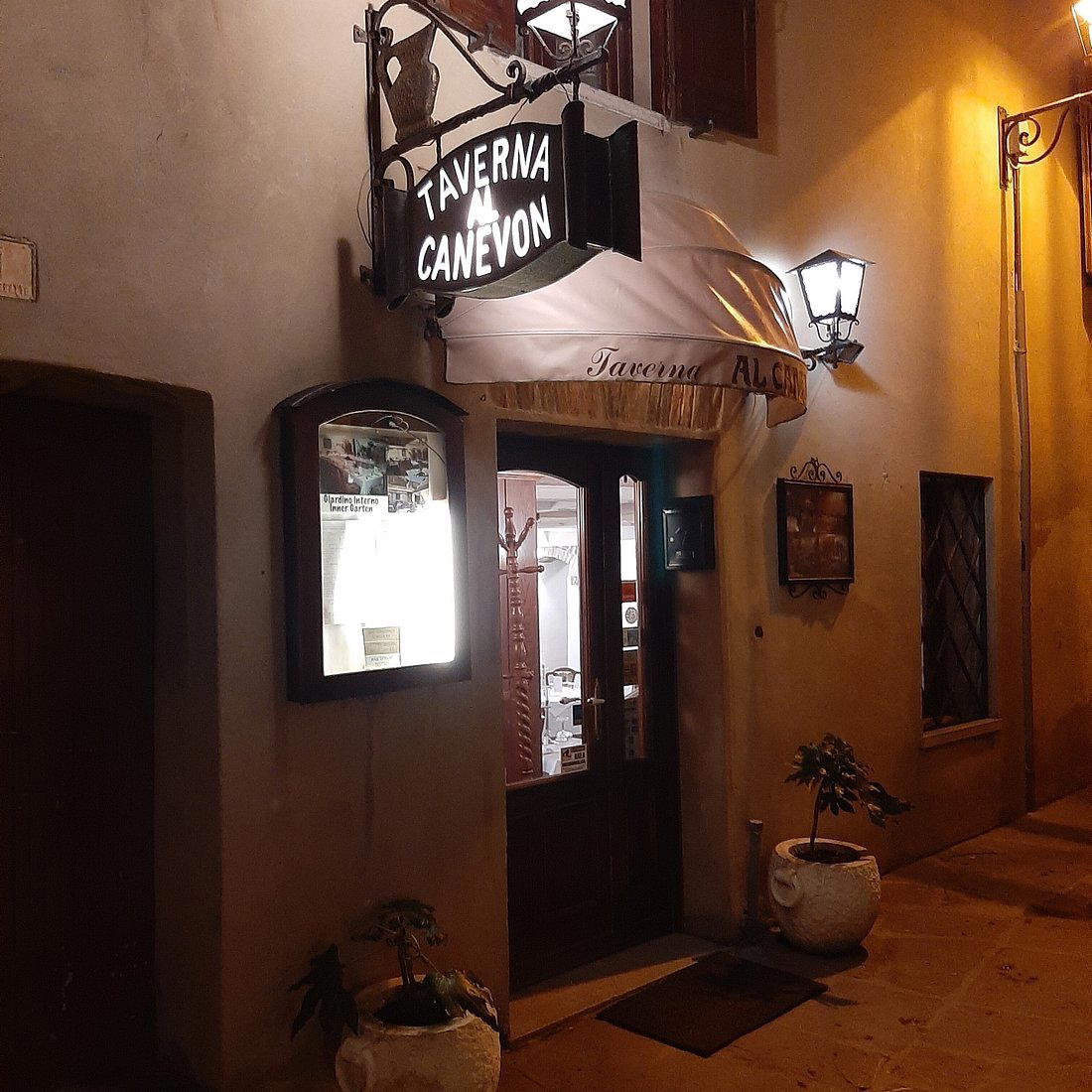
Grado's Lagoon Table: The Northern Adriatic Cooking Tradition
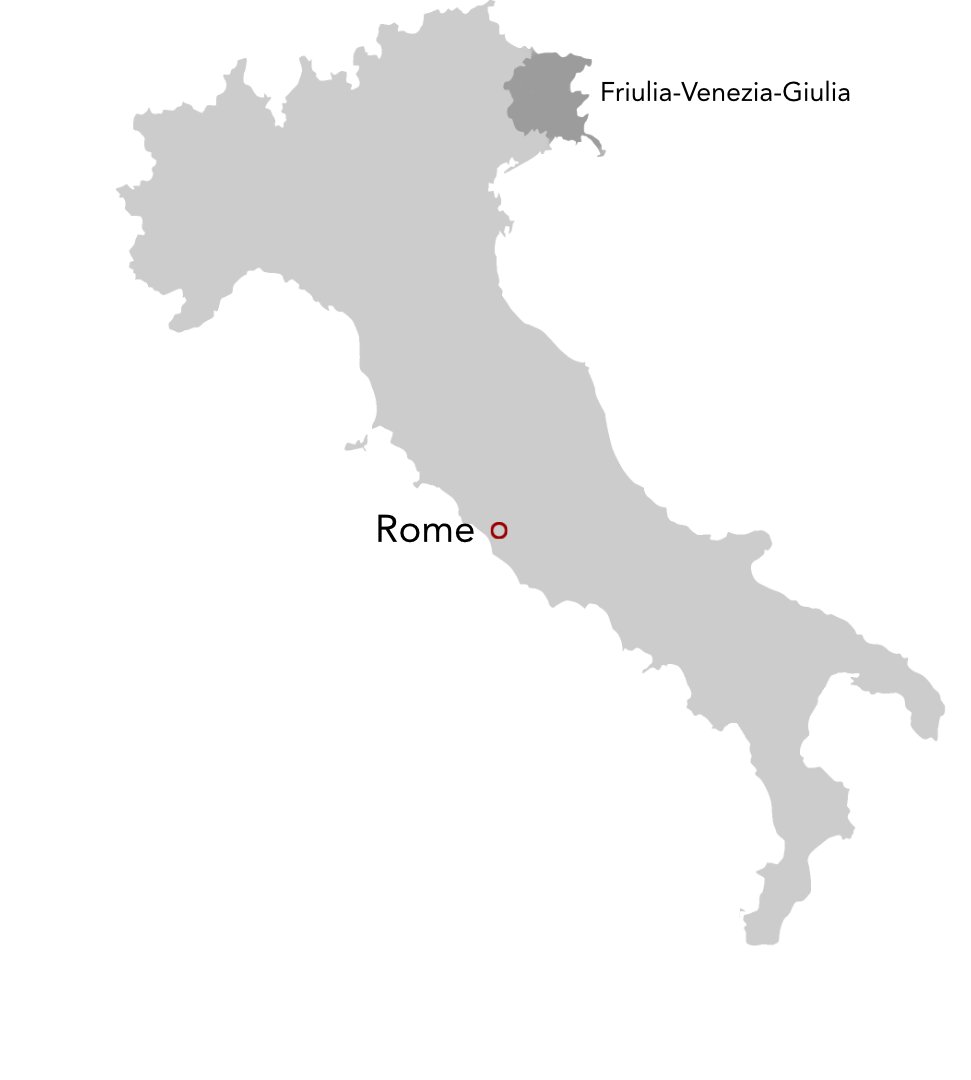
The island town of Grado occupies a narrow strip of land between the Adriatic and the Friulian lagoon, and that geography has dictated the local kitchen for centuries. The cooking here is not a coastal Italian generality, it is a hyper-specific tradition shaped by brackish-water fishing, Venetian trade routes, and the habits of a community that once relied almost entirely on what the lagoon gave. Calle Corbatto, where Al Canevon stands, sits inside the old centro storico, the dense medieval grid of lanes that preserves the island's pre-tourist identity most clearly. In that setting, a restaurant is not simply a restaurant; it is an argument about what this particular stretch of water has always produced.
The dominant reference points for northern Adriatic seafood cooking are boreto alla gradese, a sharp, peppery fish stew thickened with white wine vinegar and served over white polenta, and sardele in saòr, the sweet-sour sardine preparation that Venetian sailors once used to preserve the catch for long voyages. These are dishes with genuine historical depth, and the leading tables in Grado treat them as fixed coordinates rather than retro flourishes. The Friuli Venezia Giulia coastline also pulls in influences from the Istrian peninsula just to the south, meaning shellfish preparations here can carry traces of Croatian and Slovenian techniques alongside the Venetian core. That layering is what separates this corner of Italy from the more homogenous seafood cooking of the Adriatic's central and southern stretches.
The Setting Inside Grado's Old Town
Calli of Grado's island center are narrow enough that a restaurant spills its presence into the lane well before you reach the door. Stone underfoot, weathered plaster overhead, and the particular quiet that settles over the old town once the day-trip crowds leave for the mainland. This is a dining environment shaped more by urban archaeology than by design ambition, which tends to produce rooms that reward attention to what's on the plate rather than to architectural spectacle. Grado's old town has maintained a concentration of family-run addresses in these lanes, most of them working the same lagoon-to-table logic that has defined the local economy for generations.
For context on how Al Canevon compares to neighboring addresses, the adjacent Grado restaurant scene offers useful triangulation. Agli Artisti and Al Casone represent the range of formats operating within a short walk, while Al Pontil de' Tripoli and Alla Buona Vite extend the comparison further. Bruno Masaneta - Trattoria Cicchetteria sits at the cicchetti-and-wine end of the spectrum, offering a different access point to the same local ingredient vocabulary. Taken together, these addresses give a clear map of what Grado's old-town dining sector actually looks like in practice.
Northern Adriatic Seafood in National Context
Italy's most celebrated seafood restaurants tend to cluster on other coastlines. Uliassi in Senigallia holds three Michelin stars and operates as the clearest argument for the Adriatic's technical ceiling. Quattro Passi in Marina del Cantone anchors the southern Tyrrhenian end of the conversation, while Atelier Moessmer Norbert Niederkofler in Brunico demonstrates what happens when a northern Italian address commits to radical sourcing discipline. The gap between those starred destinations and Grado's trattoria tier is not primarily about skill, it is about format, investment, and the ambitions a particular dining culture chooses to pursue. Grado's old-town kitchens have largely opted for continuity over competition with the national fine-dining circuit, and that choice carries its own integrity.
Internationally, the question of how a regional seafood tradition maintains coherence while remaining accessible is one that animates serious tables well beyond Italy. Le Bernardin in New York City represents one answer, formal, precise, and insistently technical. The Grado tradition represents something closer to the opposite pole: informal, seasonal, and shaped by what fishermen brought in rather than what a menu dictated. Both approaches are defensible; they simply serve different reader priorities.
Within Italy's broader critical conversation, the addresses that define what serious Italian cooking can look like include Osteria Francescana in Modena, Le Calandre in Rubano, Enoteca Pinchiorri in Florence, Enrico Bartolini in Milan, Piazza Duomo in Alba, Reale in Castel di Sangro, and Dal Pescatore in Runate. These venues set the formal standard. Grado's trattoria circuit, including Al Canevon, operates in a different register entirely, regional, ingredient-led, and calibrated to the rhythms of a small lagoon town rather than to the expectations of a destination-dining audience.
Planning a Visit to Grado
Grado functions more as an overnight destination than a day trip from Trieste or Udine, both of which sit within an hour by road. The old town's restaurant concentration means that early evening, when the calli quiet down, produces one coherent dining experience. The lagoon's fishing season shapes what appears on menus across the island, with summer bringing maximum variety and the shoulder months of May, early June, and September offering a combination of good supply and lower visitor density. For a full picture of dining options across the island, our full Grado restaurants guide maps the scene in detail, including seasonal considerations and how to approach booking at smaller addresses where phone reservations remain the norm.
Frequently Asked Questions
- What's the leading thing to order at Al Canevon?
- Without verified menu data, no specific dish can be recommended here. What the broader Grado tradition suggests, however, is that boreto alla gradese and any preparation built around the day's lagoon catch are the categories most anchored to local identity. Checking with the restaurant directly, or consulting our full Grado restaurants guide for current intelligence, will give one accurate picture of what the restaurant is running at any given time.
- How far ahead should I plan for the restaurant?
- Booking lead times for Grado's old-town restaurants vary sharply by season. In July and August, when the island's visitor numbers peak, even small family-run addresses can fill several days ahead. During the spring and autumn shoulder periods, same-day availability is often possible. Contacting the restaurant directly through the address at Calle Corbatto, 11 is the practical approach for anyone planning around a fixed travel date.
- What do critics highlight about the restaurant?
- No critical review data is currently held for the restaurant. What the Grado dining context does indicate is that old-town addresses in this part of Friuli Venezia Giulia are typically evaluated on their fidelity to lagoon-sourced ingredients and traditional preparations rather than on technical innovation.
- Is the restaurant good for vegetarians?
- The Grado cooking tradition is structured almost entirely around seafood and fish, with the lagoon catch forming the core of most menus across the old town. If vegetarian options are a priority, confirming availability directly with the restaurant before visiting is advisable, since the regional template leaves limited natural space for meat-free cooking. Addresses elsewhere in the Grado restaurant scene may offer more flexibility on this point.
- Is the restaurant the kind of address that suits a long, slow dinner rather than a quick meal?
- Grado's old-town trattorie generally operate on the rhythm of the Italian pranzo or cena extended over multiple courses, and the format at addresses on the calli tends to reward guests who arrive without a fixed time constraint. The cultural context here, a small island town with a deep-rooted fishing identity, favors the kind of meal that tracks the season's catch through several plates rather than a single dish. Visitors expecting a quick, transactional stop may find the pace misaligned with the setting; those prepared to give the evening time will be working with the room rather than against it.
A Pricing-First Comparison
Comparable venues nearby, for context on price, style, and recognition.
| Venue | Cuisine | Price | Notes |
|---|---|---|---|
| Al CanevonThis venue — the venue you are viewing | Not listed | $$ | Not listed |
| Da Ovidio | Not listed | $$ | historical center, Traditional Italian Seafood |
| Al Pontil de' Tripoli | Not listed | $$$$ | Isola della Schiusa, Regional Italian Seafood |
| Pescada | Grado, Italian Seafood | $$ | Not listed |
| De Toni | Not listed | $$$ | historic center, Traditional Italian Seafood Trattoria |
| Zero Miglia | Not listed | $$ | Grado, Fresh Italian Seafood from Fishermen's Cooperative |
Continue exploring
More in Grado
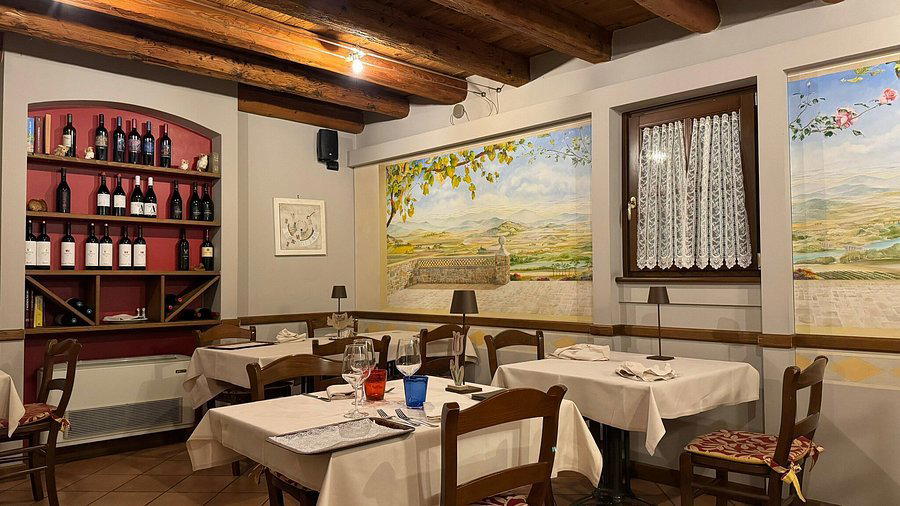
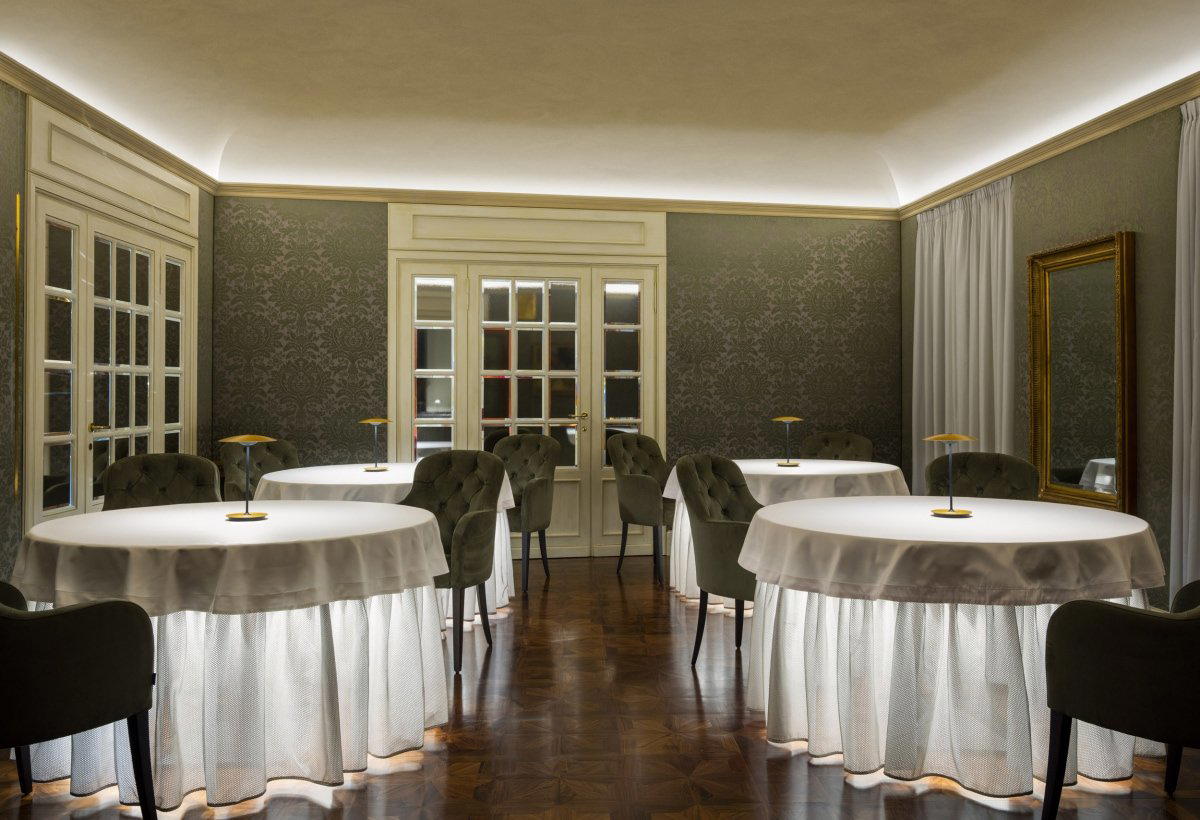
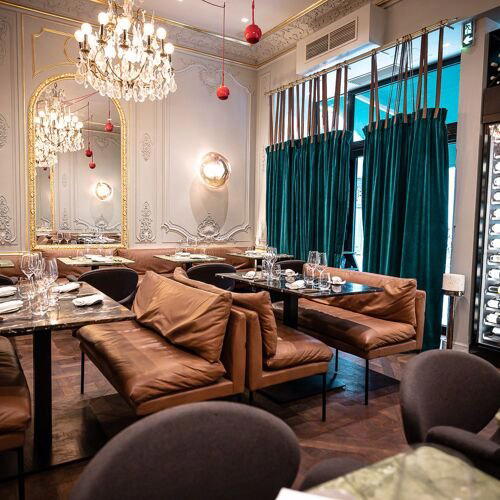
Restaurants in Grado
Browse all →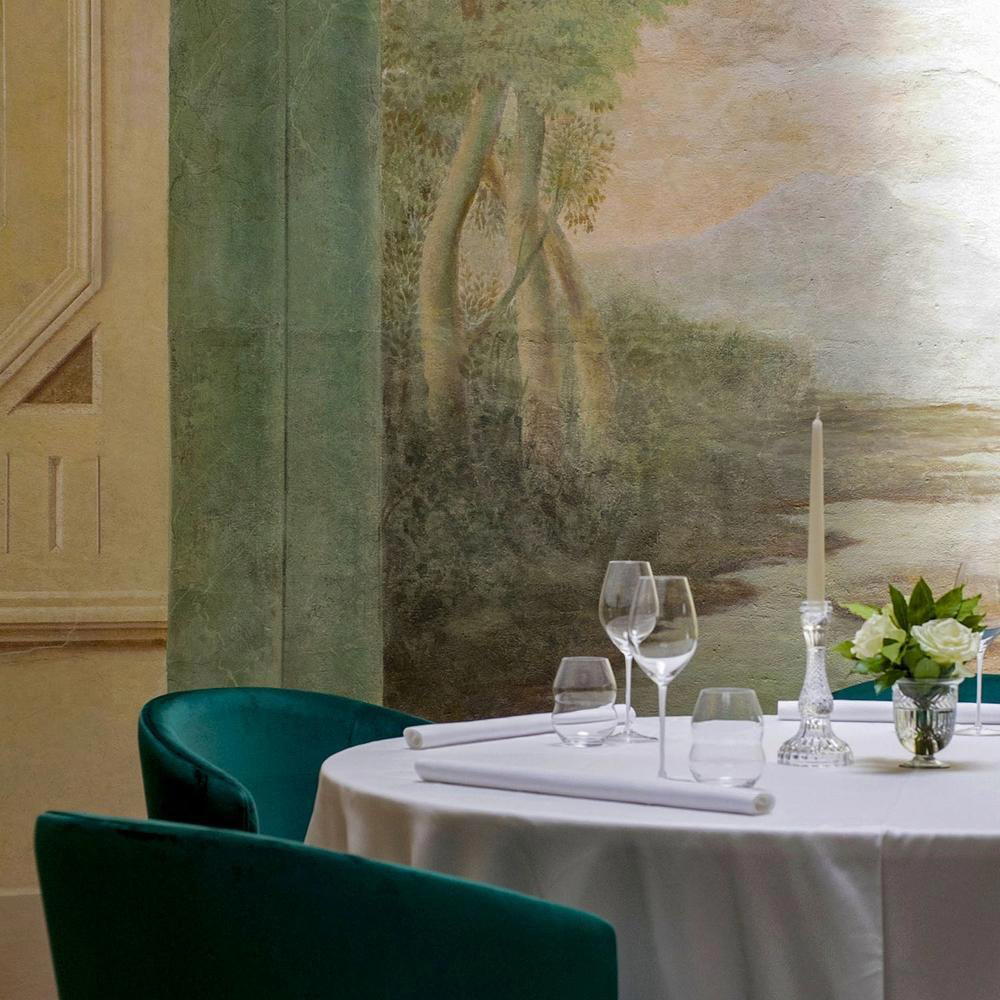
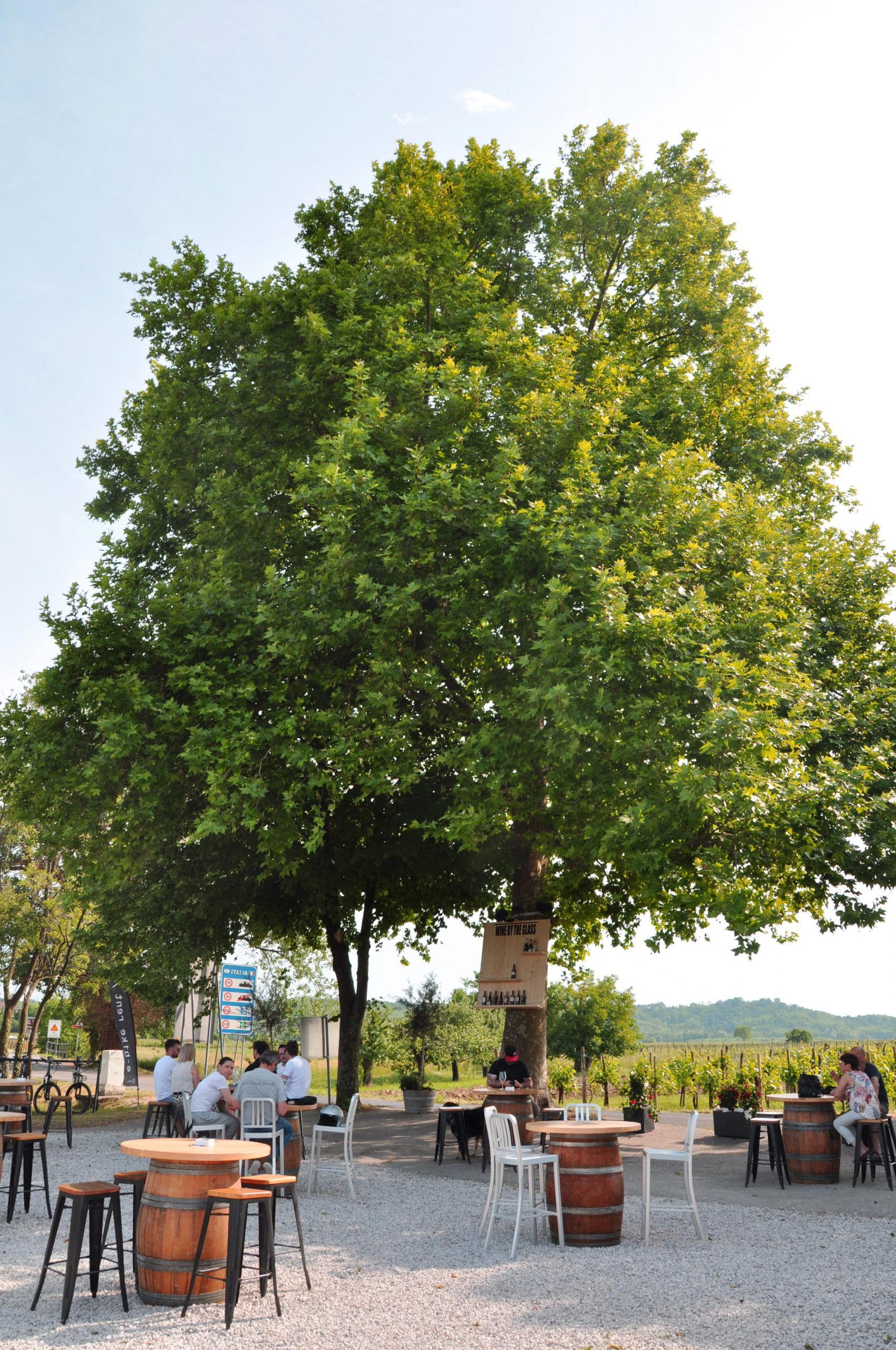
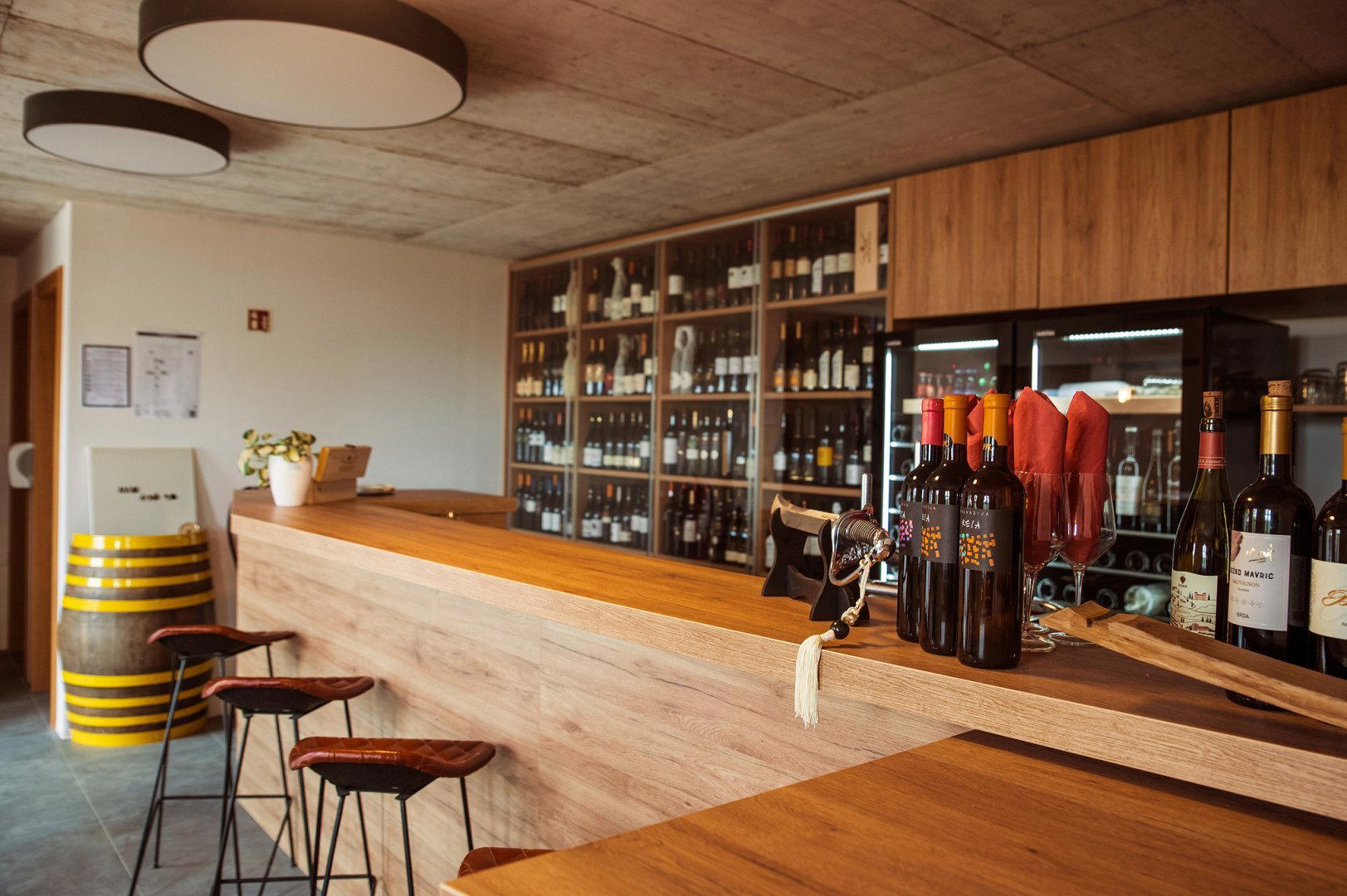
Bars in Grado
Browse all →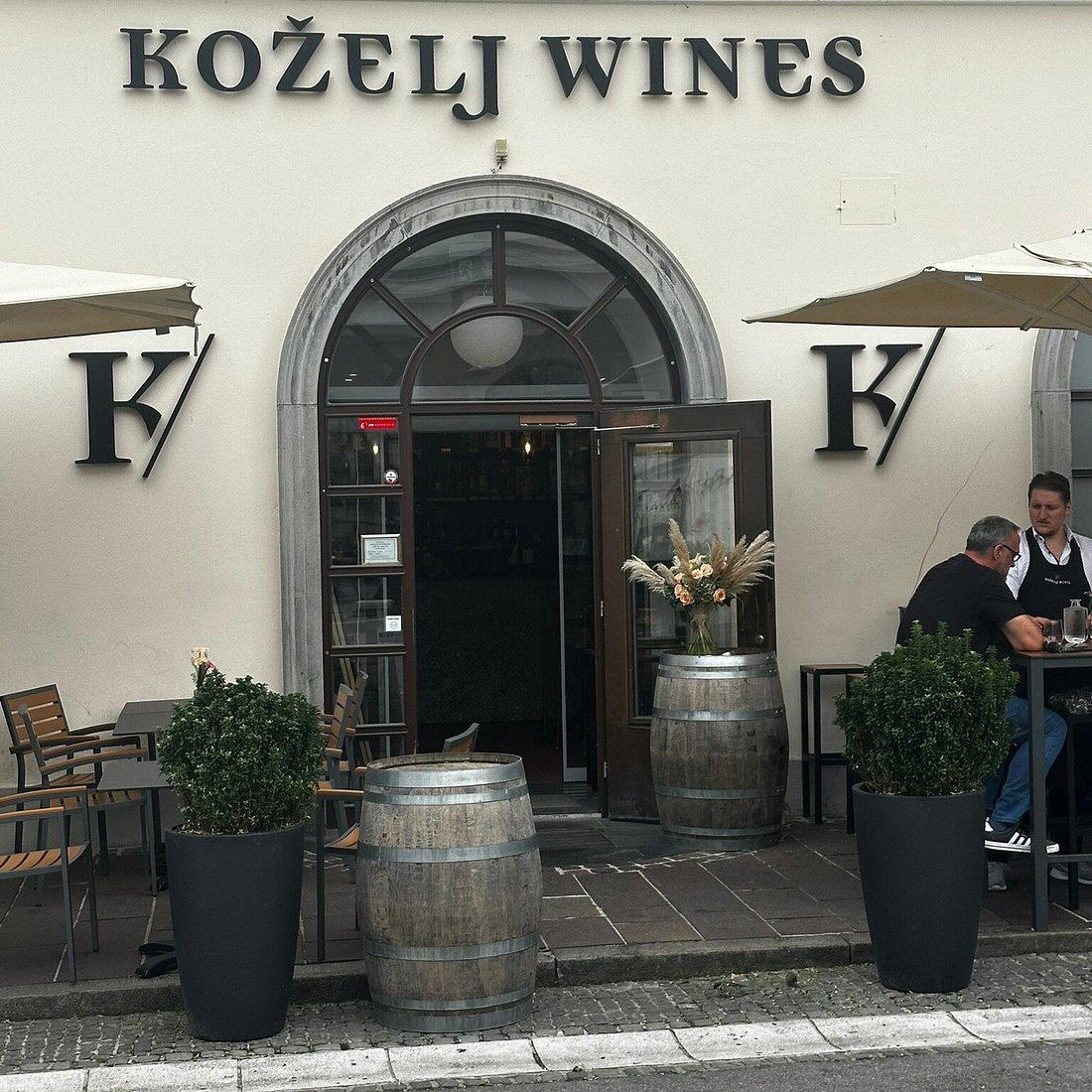
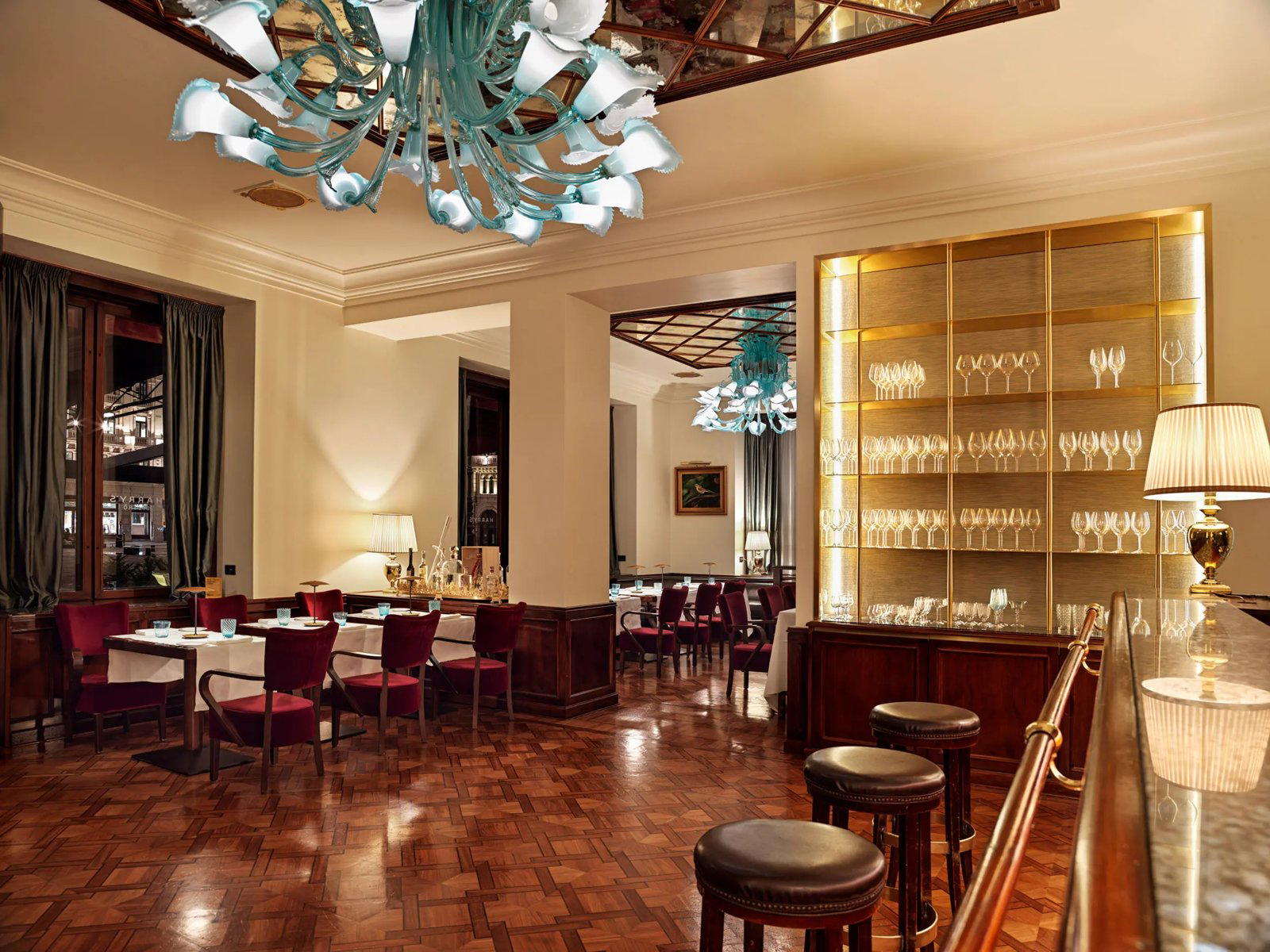
Hotels in Grado
Browse all →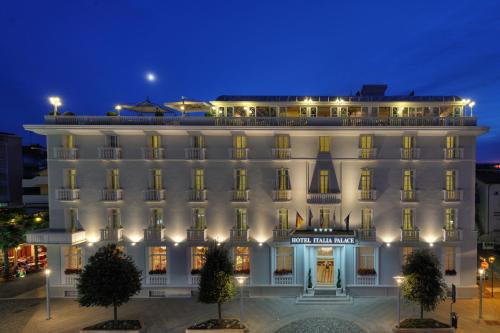
At a Glance
- Classic
- Cozy
- Elegant
- Quiet
- Date Night
- Group Dining
- Casual Hangout
- Special Occasion
- Historic Building
- Private Dining
- Extensive Wine List
- Local Sourcing
- Sustainable Seafood
Current opening hours
- Monday
- 12–2 PM, 6–9 PM
- Tuesday
- 12–2 PM, 6–9 PM
- Wednesday
- Closed
- Thursday
- 12–2 PM, 6–9 PM
- Friday
- 12–2 PM, 6–9:30 PM
- Saturday
- 12–2 PM, 6–9:30 PM
- Sunday
- 12–2 PM, 6–9:30 PM
Hours can change for holidays and private events. Last verified .
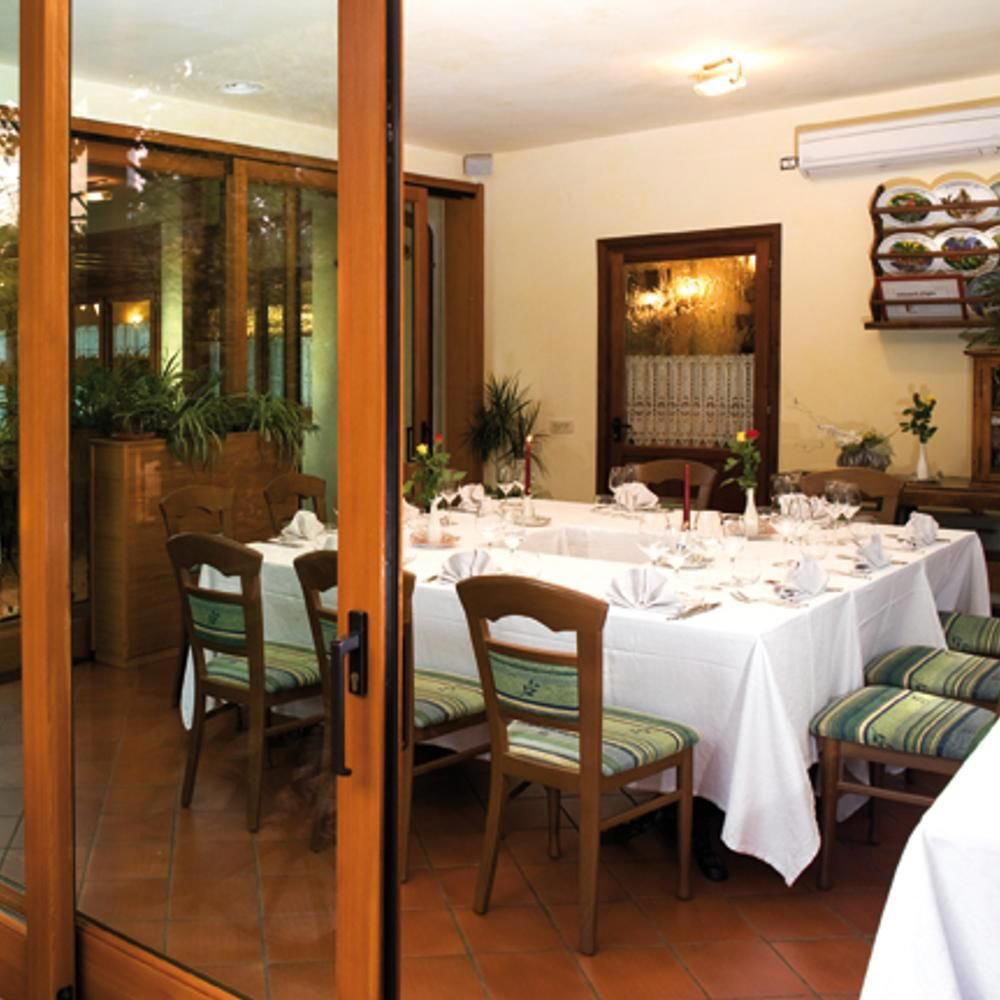
Soft lighting with pleasant low music, tables appropriately spaced, traditional and slightly old-fashioned decor reflecting the restaurant's historic character.