Das Grambacher
Das Grambacher occupies a quiet address in Raaba Grambach, a small municipality just south of Graz that sits at the edge of Styria's agricultural heartland. The restaurant draws on a region where proximity to farms, forests, and the Mur Valley's produce network shapes what ends up on the plate. For those exploring serious Austrian regional cooking beyond the capital, it represents a practical entry point into Styrian culinary tradition.
Pearl is the En Primeur Club membership app — saves, bookings, and concierge access live there. Same editors, same standards.
- Address
- Teslastraße 2, 8074 Grambach, Austria
- Phone
- +43316403800
- Website
- restaurant.dasgrambacher.at
- Directions
- Get directions
 Saves & bookings on Pearl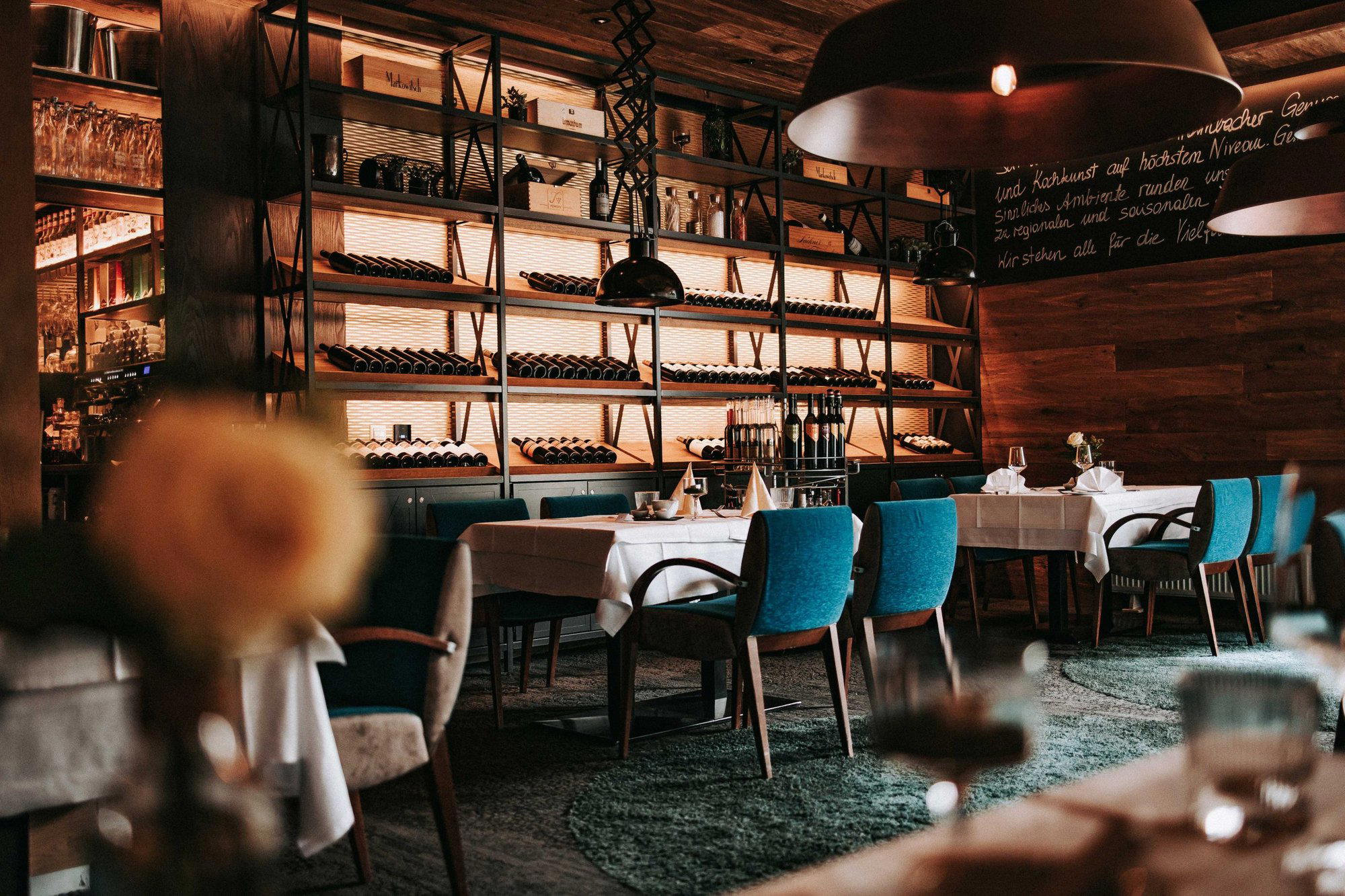
Where Styrian Farmland Meets the Plate
The road into Raaba Grambach from Graz runs south along the Mur, passing through a corridor of market gardens, orchards, and light industry before arriving at a municipality that sits closer to working farmland than it does to urban restaurant culture. This geography is not incidental to understanding how serious Austrian regional cooking operates in the broader Styrian province. The leading kitchens in this part of Austria tend to treat short supply chains not as a marketing point but as a structural reality: the farms are close, the seasons are pronounced, and the cuisine reflects both.
Das Grambacher, located at Teslastraße 2 in Grambach, sits within this context. Raaba Grambach is a compact settlement approximately ten kilometres south of Graz's city centre, placing it in that productive zone where suburban Styria transitions into the agricultural districts that supply much of the region's kitchen produce.
Ingredient Geography: Why Styria Produces This Kind of Cooking
Austrian regional cooking in Styria operates differently from the country's alpine and Viennese traditions. The province produces pumpkin seed oil, some of Austria's most expressive white wines from varieties like Welschriesling and Sauvignon Blanc, forest mushrooms from the surrounding hills, and livestock raised on small-scale operations that have supplied local kitchens for generations. The Mur Valley's microclimate allows for a diversity of produce that larger Austrian regions cannot replicate at the same density.
This ingredient geography has shaped a distinct culinary identity. Where restaurants in Steirereck im Stadtpark in Vienna can draw on national distribution networks and import stronger examples from Styria to the capital, restaurants operating within the province itself have a different relationship with sourcing: the question is not what to order in, but what is available this week from suppliers who may be a short drive away. That proximity changes the cooking, tightening the connection between what grows and what gets served.
Comparable dynamics are visible at other Austrian regional kitchens. Döllerer in Golling an der Salzach has long framed its identity around alpine ingredient sourcing, while Landhaus Bacher in Mautern an der Donau works within the Wachau's wine and produce ecosystem. The common thread across Austria's leading regional restaurants is a sourcing logic that is place-specific rather than trend-driven.
Regional Cooking at This Price Tier
Austrian dining has a well-established premium tier concentrated in established destinations. Obauer in Werfen, Taubenkobel in Schützen am Gebirge, and Ikarus in Salzburg each hold positions in recognisable prestige categories. Below that leading bracket, a second tier of regional restaurants operates in smaller municipalities, typically without international recognition but often with a tighter relationship to local produce networks and a clientele that is predominantly local rather than travelling.
Raaba Grambach places Das Grambacher in this second tier by geography alone. The address is not one that generates destination dining traffic from abroad; it serves a regional audience first, which tends to produce a different kind of cooking discipline. Menus are calibrated against what local diners expect rather than what international visitors seek, and that produces a kitchen vocabulary that is Styrian in idiom rather than pan-Austrian or internationally inflected.
For comparison, kitchens operating in similar regional positions elsewhere in Austria include Ois in Neufelden and Thaller - Gasthaus in Sankt Veit am Vogau, the latter also in the Styrian south. Schwarzer Adler in Hall in Tirol and Restaurant 141 by Joachim Jaud in Mieming show how this regional-first positioning plays out in Tyrolean contexts. The pattern is consistent: proximity to agricultural suppliers, a stable local audience, and menus that cycle with the season rather than with trend cycles.
The Broader Austrian Context for Styrian Dining
Austria's restaurant culture has become more regionally differentiated over the past decade. The alpine kitchens of Vorarlberg and Tyrol, represented by venues like Griggeler Stuba in Lech, Stüva in Ischgl, and Gourmetrestaurant Tannenhof in Sankt Anton am Arlberg, have developed around winter tourism and the spending patterns that come with ski season. Styria's restaurant culture operates on a different calendar and with a different audience.
The Styrian kitchen tradition draws heavily on its agricultural output: pumpkin preparations, cured meats, freshwater fish from local rivers, game from the surrounding forests, and a wine culture that has shifted dramatically toward dry whites over the past generation. Kitchens in Graz and its surrounding municipalities have absorbed these ingredients as everyday materials rather than special-occasion items, which produces a different texture of cooking from what you find in alpine resort restaurants or Viennese fine dining rooms.
International reference points help locate where Styrian regional cooking sits in a global frame. The ingredient-first, place-specific approach that defines this tradition shares logic with kitchens like Lazy Bear in San Francisco, where sourcing transparency and seasonal discipline shape the menu structure, or the sustained produce focus at Le Bernardin in New York City, which built its identity around the specific quality characteristics of its primary ingredient category. The ambition scales differently, but the underlying sourcing logic is comparable.
Herb-driven cooking, a subset of the broader Austrian regional tradition, has found particular expression at venues like Kräuterreich by Vitus Winkler in Sankt Veit im Pongau and Atelier Fischer in Sankt Gilgen. These kitchens demonstrate how granular Austria's regional cooking identities have become: not just national tradition, but sub-regional ingredient vocabularies that produce meaningfully different results from one valley to the next.
Planning a Visit
Raaba Grambach sits on the southern edge of Graz's commuter belt and is accessible from the city centre by car in roughly fifteen minutes, or by public transport connections toward the southern districts. The address at Teslastraße 2 places the restaurant within Grambach's light commercial zone, which is more practical than atmospheric as an approach. Visitors combining a meal at Das Grambacher with a broader Styrian itinerary would find Graz's old town, the Schlossberg, and the Styrian wine roads all within reasonable reach. Hours are Mon to Sat 8 AM to 12 AM and Sun 8 AM to 9 PM. Reservations are recommended. Expect casual dress and about $25 per person.
Side-by-Side Snapshot
Comparable venues nearby, for context on price, style, and recognition.
| Venue | Cuisine | Price | Notes |
|---|---|---|---|
| Das GrambacherThis venue — the venue you are viewing | Austrian Steakhouse | $$ | Not listed |
| der literwirt | Regional Styrian Fine Dining | $$ | Gleinstätten |
| Emmy im Schloss Gamlitz | Styrian Austrian Regional | $$ | Gamlitz |
| Almhütte Plotscherbauer | Austrian Regional Almhütte | $$ | Übelbach |
| Der Steirer | Traditional Styrian Cuisine | $$ | Gries |
| Bürgerkeller Weiz | Austrian Home-Style | $$ | Hauptplatz |
Continue exploring
More in Raaba Grambach
Restaurants in Raaba Grambach
Browse all →
Bars in Raaba Grambach
Browse all →
Hotels in Raaba Grambach
Browse all →


At a Glance
- Cozy
- Rustic
- Family
- Group Dining
- Brunch
- Hotel Restaurant
- Local Sourcing
Current opening hours
- Monday
- 8 AM–12 AM
- Tuesday
- 8 AM–12 AM
- Wednesday
- 8 AM–12 AM
- Thursday
- 8 AM–12 AM
- Friday
- 8 AM–12 AM
- Saturday
- 8 AM–12 AM
- Sunday
- 8 AM–9 PM
Hours can change for holidays and private events. Last verified .
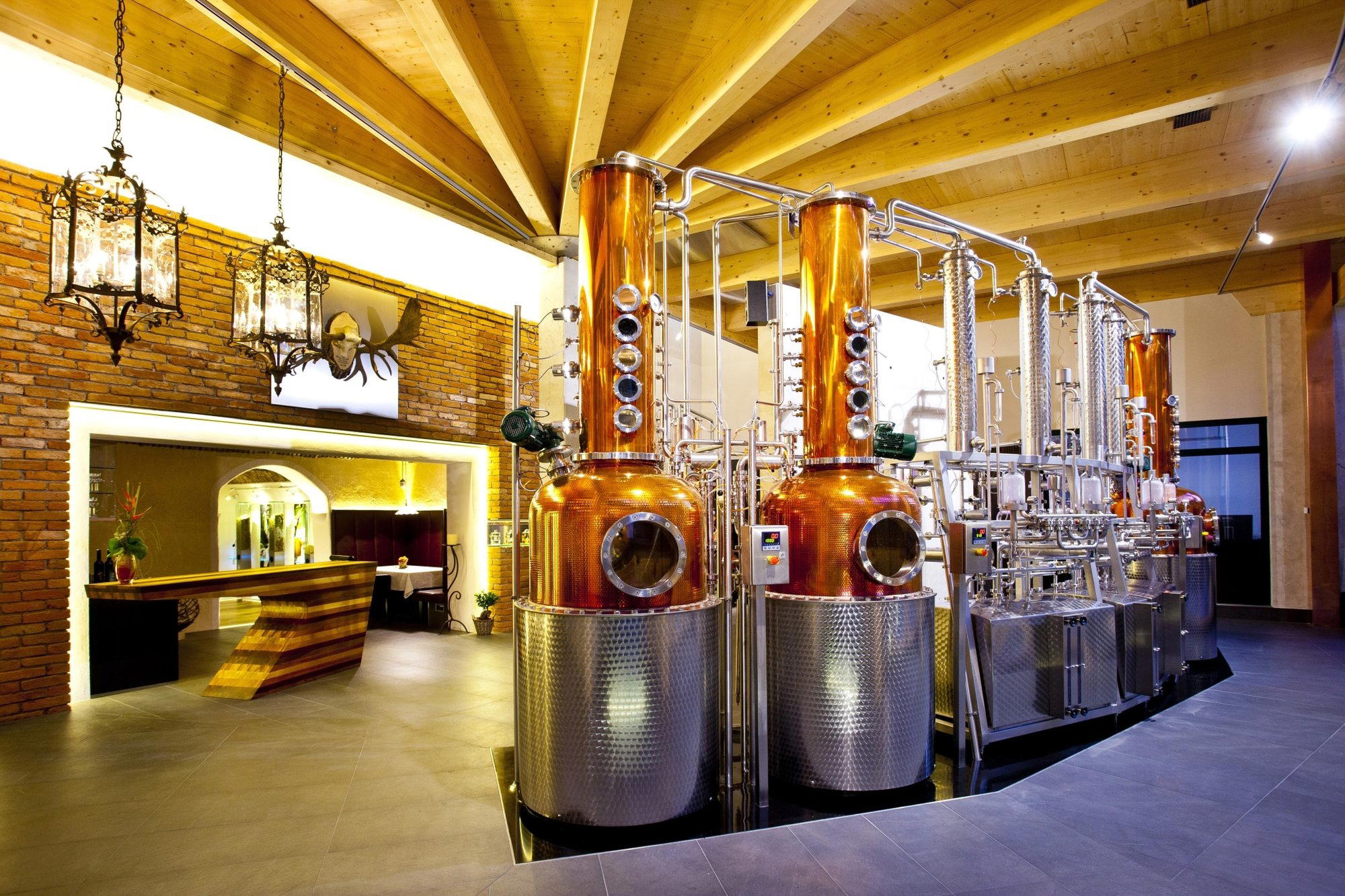
Cozy mix of modern elements and wood creating a gemütlich atmosphere.