Almhütte Plotscherbauer serves Austrian Regional Almhütte cuisine with mountain views, a terrace, and a quiet, leisurely dinner format suited to a casual setting.
Pearl is the En Primeur Club membership app — saves, bookings, and concierge access live there. Same editors, same standards.
- Address
- Arzwaldgraben 66, 8124 Land-Übelbach, Austria
- Phone
- +4366473296500
- Website
- steiermark.com
- Directions
- Get directions
 Saves & bookings on Pearl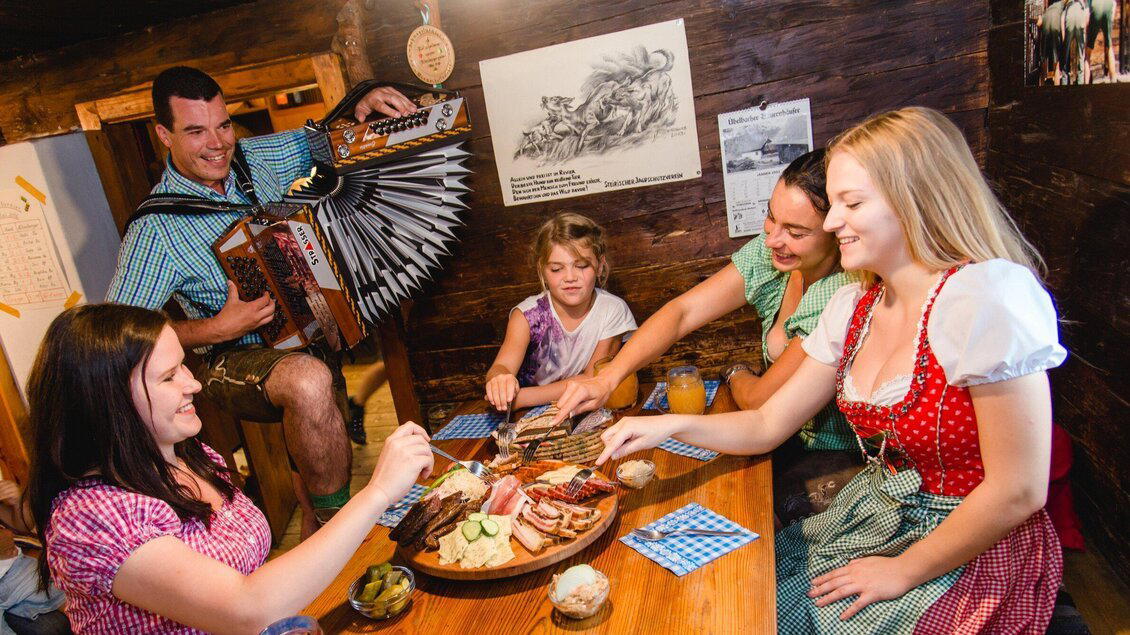
Alpine Grazing Country: What the Styrian Hills Put on the Table
The road into the Arzwaldgraben valley above Übelbach narrows as it climbs, passing timber farmhouses and meadows that stay green longer than the surrounding lowlands thanks to the valley's particular orientation and rainfall. By the time the gradient flattens toward Almhütte Plotscherbauer at address 66, you have already passed through the logic that informs the cooking here: a working alpine landscape where the sourcing is not a marketing decision but a geographic fact. Huts of this type across Styria, and there are several dozen still operating at altitude in the Grazer Bergland, occupy a specific position in Austrian dining culture that no amount of urban restaurant polish has managed to replicate.
Styrian alpine huts sit in a distinct tier of Austrian gastronomy. They are not the destination-cuisine institutions you find in Vienna, like Steirereck im Stadtpark, nor the formally structured, Michelin-tracked restaurants further west at places like Döllerer in Golling an der Salzach or Obauer in Werfen. They occupy instead a tradition of proximity: the food derives its authority from what grows, grazes, and ferments within a radius that could often be walked in an afternoon. That is a different kind of claim, and in Styria, it is taken seriously.
Where the Ingredients Begin
The Styrian alpine economy around Übelbach is built on summer grazing. Cattle move to higher pastures from roughly late May through September, producing milk and meat with the flavor profiles that alpine pasture creates: grasses, wildflowers, and mineral-rich soils that differ substantially from lowland feedlot production. For hut kitchens in this tradition, the ingredient pipeline is short by structural necessity. What arrives in the kitchen has rarely traveled far.
This sourcing reality places Almhütte Plotscherbauer in a culinary conversation that runs across Austria's alpine regions. The country's most discussed high-altitude ingredient sourcing is most visible in Vorarlberg and Salzburg, at places like Griggeler Stuba in Lech or Kräuterreich by Vitus Winkler in Sankt Veit im Pongau, where the sourcing argument is made explicitly and often at considerable price. The Styrian hut tradition makes the same argument without the formality: the connection to local production is assumed rather than announced.
Styria as a whole is one of Austria's most ingredient-specific regions. Pumpkin seed oil from the Steiermark, pressed cold from the seeds of a particular local squash variety, carries protected geographical indication status and appears at tables across the region, from farmhouse kitchens to the kind of contemporary Austrian restaurants catalogued in our full Übelbach restaurants guide. The same regional specificity applies to Styrian apple cider production, the region's smoked meats, and the dairy output of farms in valleys like the Arzwaldgraben itself.
The Hut Format and What It Demands of the Visitor
Austrian alpine huts follow a format logic that differs from conventional restaurant dining in ways that matter practically. Access is typically by foot, by mountain bike, or via forestry roads that require vehicles suited to unpaved surfaces. The Arzwaldgraben 66 address situates Almhütte Plotscherbauer in a valley approach that rewards planning: this is not a venue you stumble across, and the walk or drive in is part of the experience's framing rather than an inconvenience preceding it.
Seasonality governs hut operations at a level that urban restaurants rarely face. Many Styrian almhütten operate only between late spring and early autumn, closing entirely once the grazing season ends and the higher terrain becomes impractical. Visitors planning a trip should confirm opening periods directly, as hours and availability follow agricultural logic more than hospitality convention. This is worth stating plainly: the venue's rhythm is set by the land, not by a booking calendar optimized for year-round revenue.
The contrast with formally programmed dining experiences, say, Ikarus in Salzburg with its rotating international guest-chef format, or the structured tasting menus at Gourmetrestaurant Tannenhof in Sankt Anton am Arlberg, is total. The hut format asks visitors to adjust their expectations of service formality and menu sophistication in exchange for a directness of connection between place and plate that formal restaurants spend considerable effort trying to simulate.
Styria's Hut Tradition in the Broader Austrian Dining Picture
Austria's most recognized dining culture is predominantly urban or resort-adjacent. The concentration of Michelin-tracked kitchens in Vienna, Salzburg, and western ski destinations like Ischgl (see Stüva) reflects where international visitors and critical attention concentrate. The Styrian hinterland, including the Grazer Bergland valleys surrounding Übelbach, operates largely outside that recognition infrastructure.
That absence from formal award lists does not translate to culinary insignificance. Styria supplies ingredients to some of Austria's most discussed kitchens: Landhaus Bacher in Mautern an der Donau and Taubenkobel in Schützen am Gebirge both draw on regional Austrian producers whose sourcing circles overlap with the kind of small-scale agriculture that sustains huts like Plotscherbauer. The ingredient quality that informs elite Austrian restaurant cooking originates, in part, in exactly the landscapes this hut occupies.
For comparison outside Austria's borders, the closest analogs in terms of format philosophy are not European fine dining rooms but rather the American tradition of farm-to-table transparency at places like Lazy Bear in San Francisco, where sourcing proximity is a primary editorial frame. The difference is that Almhütte Plotscherbauer operates within a centuries-old alpine agriculture system rather than a recently constructed sourcing narrative. The proximity is structural, not chosen.
For visitors approaching from a pure fine-dining reference frame, the kind of traveler who benchmarks against Le Bernardin in New York City or seeks out multi-course tasting menus with wine pairings, Styrian hut dining requires a recalibration. The metrics shift from technique and innovation toward authenticity of place and ingredient honesty. Both are legitimate modes of culinary seriousness. They are simply different ones.
Schwarzer Adler in Hall in Tirol or Restaurant 141 by Joachim Jaud in Mieming, should build the valley approach into their timing. Visiting within the summer grazing season, roughly June through September, gives the highest probability of finding the hut operational and the kitchen working with peak local produce. Comparable hut destinations in Upper Austria, such as Ois in Neufelden and Atelier Fischer in Sankt Gilgen, follow similarly seasonal rhythms and offer useful reference points for understanding how the region's off-the-beaten-path dining culture operates. For those also exploring Thaller Gasthaus in Sankt Veit am Vogau, the southeast Styrian wine country adds a complementary dimension to any Steiermark itinerary built around regional food culture.Comparable Spots, Quickly
Comparable venues nearby, for context on price, style, and recognition.
| Venue | Cuisine | Price | Notes |
|---|---|---|---|
| Almhütte PlotscherbauerThis venue — the venue you are viewing | Austrian Regional Almhütte | $$ | Not listed |
| Frankowitsch | Austrian Deli Brötchen | $$ | Innere Stadt |
| Stadlmaier-Alm | Traditional Austrian Buschenschank | $$ | Klein-Gößgraben |
| Landhotel Gafringwirt | Traditional Mostviertel Austrian Cuisine | $$ | Mostviertel |
| Zum Hirschen | Traditional Austrian & Mediterranean | $$ | Burgau |
| Edelrautehütte | Traditional Austrian Mountain Hut Cuisine | $$ | Hohentauern |
Continue exploring
More in Ubelbach
Restaurants in Ubelbach
Browse all →
Bars in Ubelbach
Browse all →

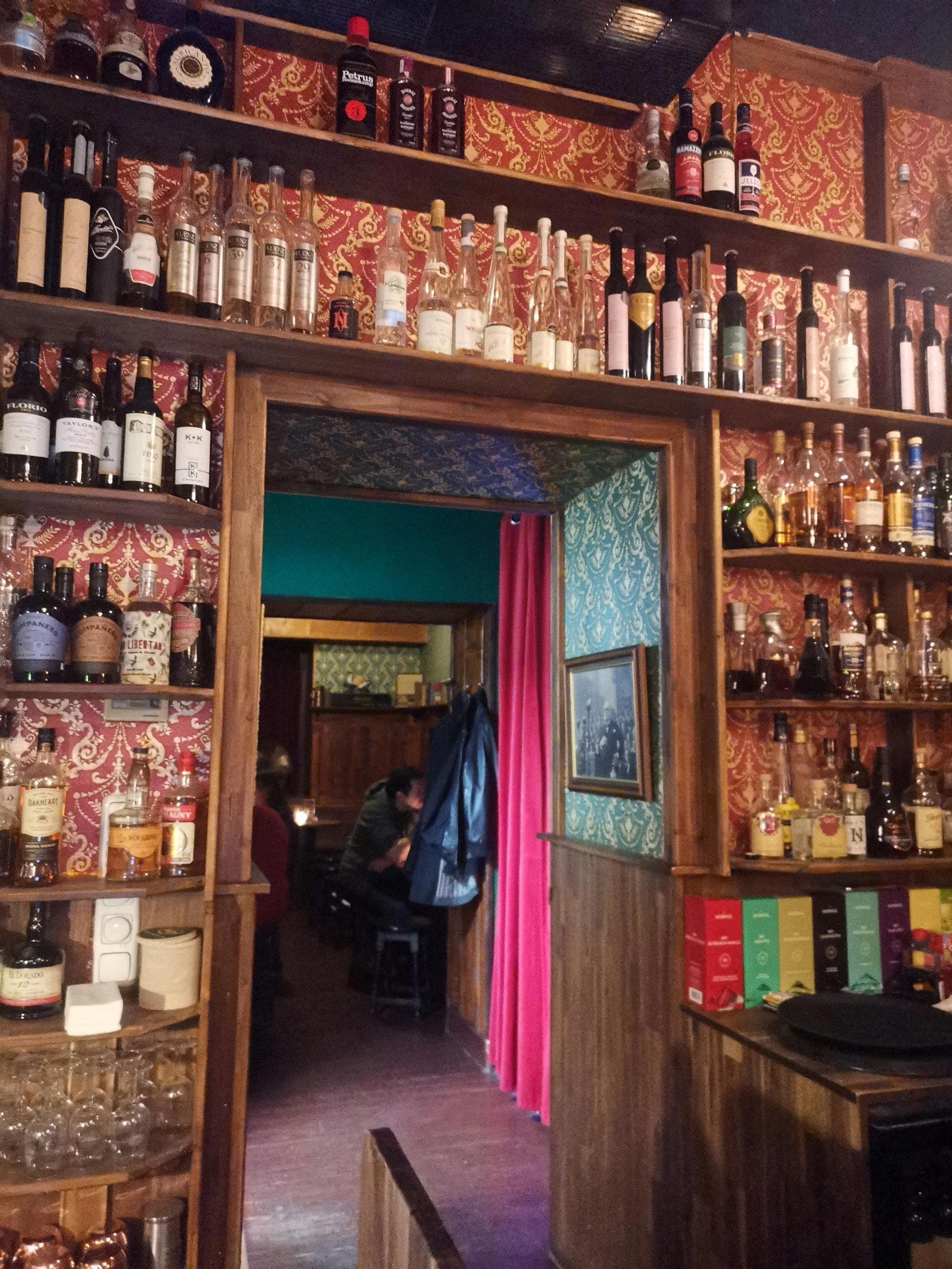
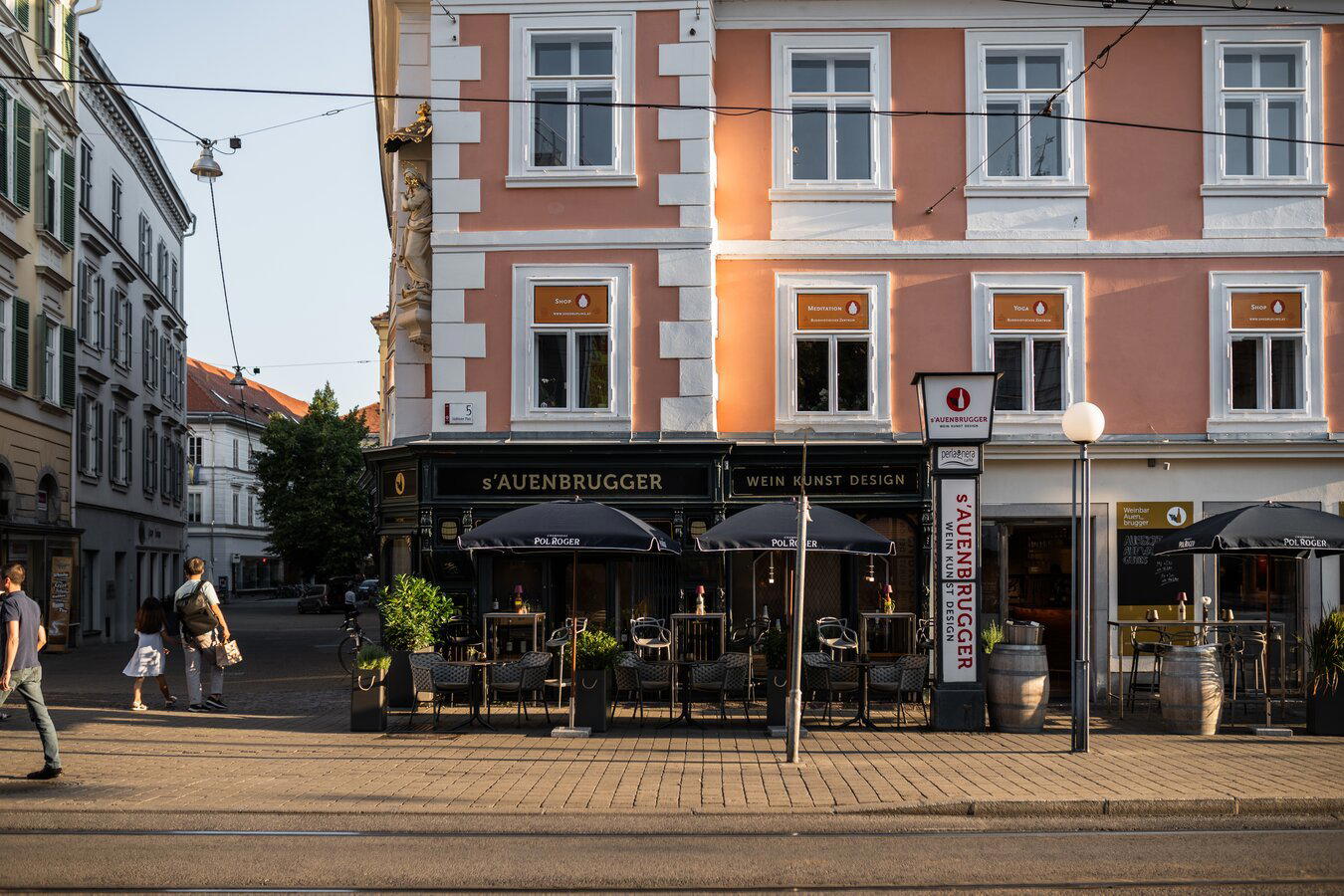
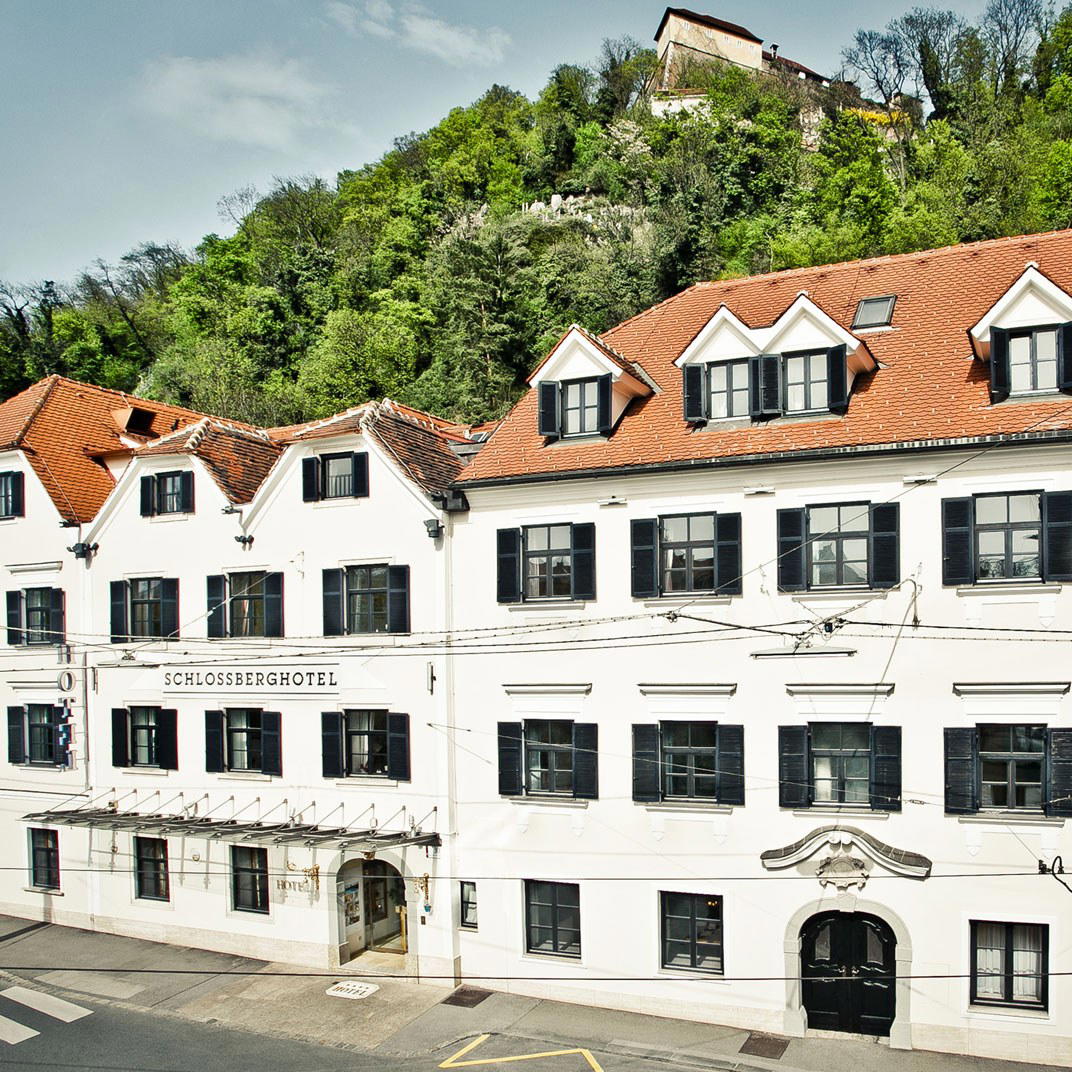
Hotels in Ubelbach
Browse all →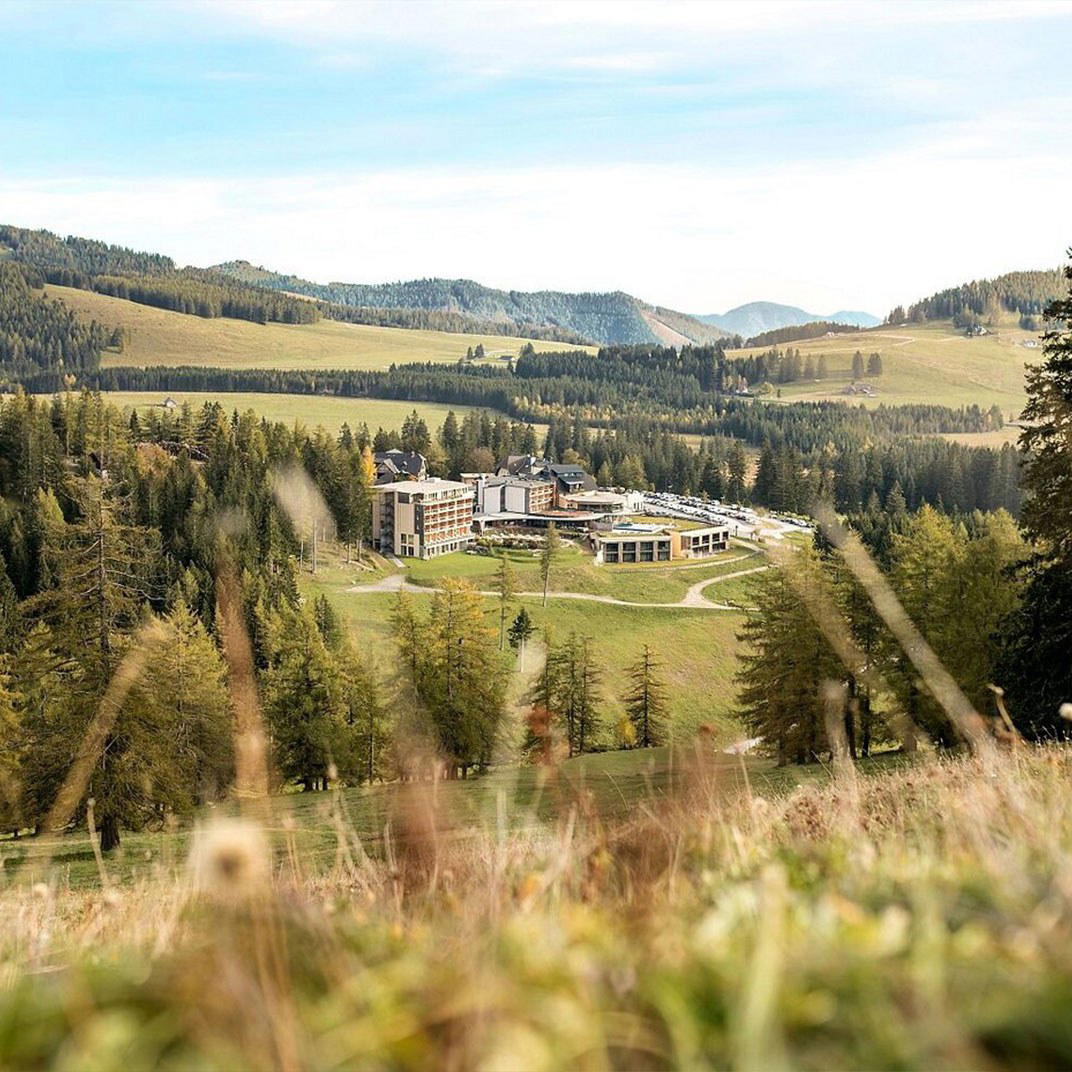


At a Glance
- Rustic
- Cozy
- Scenic
- Casual Hangout
- Special Occasion
- Terrace
- Local Sourcing
- Mountain
Cozy rustic mountain hut atmosphere with terrace seating amid natural surroundings.