Our verdict
Der Literwirt sits in Gleinstätten, in the vine-covered southern Styrian hills, operating as a Heuriger-style address where the relationship between glass and plate is defined by what grows immediately nearby. The wine comes by the litre, the food follows the season, and the setting in the hamlet of Goldes carries the unhurried weight of a working agricultural community rather than a curated rural retreat.

Pearl is the En Primeur Club membership app, where members save venues, book tables and use the concierge.

Wine by the Litre, Food by the Season: Southern Styrian Heuriger Drinking Culture
Southern Styria has spent the last decade attracting international attention for its Sauvignon Blanc and Welschriesling, but the Heuriger tradition that underpins daily drinking in the region operates on a different register from the export-facing wine estates. The Heuriger is, by Austrian law and local custom, a tavern attached to a wine producer, permitted to serve its own wine alongside simple food. At its core, it is not a restaurant with a wine list but a wine producer with a table. Der Literwirt, at Goldes 1 in Gleinstätten, sits inside that tradition. The address itself signals the premise: Goldes is a hamlet within the municipality of Gleinstätten, in the Südsteiermark, a wine region that shares a latitude with Burgundy and a topography of south-facing slopes cut by the Sulm and Saggau valleys.
What the Heuriger format means in practice is that the sourcing question and the hospitality question are the same question. The wine on the table did not travel a distribution chain; it came from the property. The food served alongside it follows the same geographic logic, drawing on what the surrounding agricultural economy produces at the time of your visit. In a region where Styrian pumpkin oil, freshwater fish from local streams, and cured pork products carry designated-origin protections, the ingredients arriving at a Heuriger table carry more provenance information than most restaurant menus are able to claim. This is not a philosophy adopted to meet a marketing moment. It is the structural condition of the format.
What the Gleinstätten Setting Tells You
Gleinstätten sits in the Saggau valley, roughly equidistant between Leibnitz to the north and the Slovenian border to the south. The surrounding slopes are planted densely with vine, and the villages along this corridor, including Goldes, function as working wine communities where the boundary between farm, cellar, and table remains practical rather than decorative. Arriving at an address like Goldes 1 involves the kind of rural navigation that most premium travel platforms do not prepare visitors for: unmarked junctions, vine rows that double as landmarks, and no guarantee of mobile signal. That friction is part of what separates the Heuriger experience from a formatted restaurant visit. The journey is a credential check for the destination.
For regional context on the broader Gro Klein dining environment, our full Gro Klein restaurants guide maps the area's food and drink options. Der Literwirt shares the region with Steirerkeller, another address working within the Styrian vernacular tradition.
How Southern Styrian Ingredient Culture Shapes the Plate
The ingredient sourcing logic of the Südsteiermark is worth understanding on its own terms before you arrive at any Heuriger in the region. Styrian pumpkin oil, pressed from roasted Styrian oil pumpkin seeds, carries a protected designation of origin and sits on almost every table in the area as a finishing oil for salads, soups, and cured meats. It is dark, viscous, and nutty in a way that distinguishes it immediately from the lighter pumpkin seed oils produced elsewhere in central Europe. Alongside it, Styrian cured pork products, freshwater trout and carp from the valley streams, and seasonal vegetables from kitchen gardens form the repertoire from which Heuriger kitchens draw. These are not exotic or artisanal introductions. They are the standard larder of the region.
This localism is structural rather than aspirational. A Heuriger in Gleinstätten does not source from Styria as a brand exercise. It sources from Styria because that is what is here, and because the legal framework of the Heuriger format limits the complexity of the kitchen's operation by design. The result is food that reads as direct and unfussy, which in this context is a description of integrity rather than a criticism of ambition. For those seeking the formal, technique-intensive register of Austrian cuisine, addresses like Steirereck im Stadtpark in Vienna, Döllerer in Golling an der Salzach, or Landhaus Bacher in Mautern an der Donau operate at a different level of culinary complexity. Der Literwirt is not in that competitive set. It belongs to a tradition where the sourcing is the technique.
The Litre Format and What It Signals About the Wine
The name der Literwirt translates roughly as the litre innkeeper, and the litre format is not incidental branding. In Austrian Heuriger culture, wine served by the litre in ceramic or glass jugs signals that the producer is confident in the volume and quality of their output, and that the relationship between guest and wine is convivial rather than ceremonial. This is house wine in the original sense: wine made on the property, served in the quantities appropriate to a meal shared over time. In southern Styria, where white wine production is dense and serious, serving by the litre does not imply low quality. It implies high confidence. The Südsteiermark's Sauvignon Blanc and Welschriesling at the estate level compete with benchmark examples from across Europe. A Heuriger that serves them by the litre is making a statement about hospitality and accessibility, not about compromise.
Austria's wider restaurant scene, from Ikarus in Salzburg to Kräuterreich by Vitus Winkler in Sankt Veit im Pongau and Obauer in Werfen, has developed a strong tier of formally structured dining over the past two decades. The Heuriger operates as the informal counterweight to that progression, a format that has not been absorbed into the fine-dining economy and retains its original social function. Internationally, the analogy might be the difference between a formal wine dinner at Le Bernardin in New York City and the kind of producer table experience you find in the Burgundy countryside, though even that comparison overcomplicates what a Heuriger is.
Planning Your Visit to Gleinstätten
Practical logistics for der Literwirt require more preparation than for most restaurant visits. The address is Goldes 1, 8443 Gleinstätten. Heuriger operations in Austria are typically seasonal and may follow agricultural calendars, operating more consistently in late spring through autumn when harvest activity and outdoor seating align. Visiting during the Styrian wine harvest period, roughly September through October, places you in the region at its most active, when new wine and Sturm (fermenting grape juice) appear alongside the seasonal menu. Driving is the practical means of arrival; the nearest rail connection is Leibnitz, approximately 15 kilometres north, and onward transport requires a car or arranged transfer. Other addresses in Austria's alpine dining tier, including Griggeler Stuba in Lech, Gourmetrestaurant Tannenhof in Sankt Anton am Arlberg, Schwarzer Adler in Hall in Tirol, and Stüva in Ischgl, share this characteristic of requiring deliberate travel. Der Literwirt sits at the opposite end of the formality scale from those addresses but not at the opposite end of the effort scale. Further afield, Styrian vine culture connects thematically to the wine-focused dining found at Taubenkobel in Schützen am Gebirge, where Burgenland viticulture and creative kitchen work have coexisted for decades. Urban counterpoints in the broader region include Artis in Graz and Ois in Neufelden, and for those drawing comparisons with technically driven tasting menus internationally, Atomix in New York City represents a useful reference point for how different the high-formality register operates. And Restaurant 141 by Joachim Jaud in Mieming adds another data point on the Austrian end of that spectrum.
Frequently asked questions
Where is der literwirt in Gro Klein?
der literwirt is located at Goldes 1, 8443 Gleinstätten, Austria, Gro Klein.
Does der literwirt serve wine by the litre, and what does that mean in the southern Styrian Heuriger context?
The name der literwirt translates directly as 'the litre innkeeper,' and the format is a deliberate signal: in Austrian Heuriger culture, wine sold by the litre is typically estate-produced and priced for everyday drinking rather than occasion spending. This places der literwirt in Gleinstätten within a tradition where the producer-to-glass relationship is direct and the measure reflects conviviality over ceremony. Southern Styria's reputation for Sauvignon Blanc and Welschriesling makes the regional wine in that litre format worth paying attention to on its own terms.
What should I eat at der literwirt?
Der literwirt operates within the southern Styrian Heuriger tradition, where food is seasonal and closely tied to regional sourcing, Styrian pumpkin oil, cured meats, and locally grown produce are the backbone of what kitchens in this area typically serve. No specific menu is published so expect the plate to follow what the season and local suppliers offer rather than a fixed card. Arriving with appetite for simple, ingredient-led cooking rather than à la carte complexity is the right mindset for any Heuriger in the Gleinstätten area.
What's the best way to book der literwirt?
Your most reliable approach is to check the venue's official channels through local tourism offices in Gleinstätten or Leibnitz, who frequently maintain current contact details for small Heuriger operations. Visiting on a drop-in basis is also part of the regional culture, though confirming opening days before making the drive from Leibnitz is advisable.
Quick Comparison
Comparable venues nearby, for context on price, style, and recognition.
| Venue | Cuisine | Price | Notes |
|---|---|---|---|
| der literwirtThis venue (the venue you are viewing) | Regional Styrian Fine Dining | $30–50 | Not listed |
| Steirerkeller | Styrian Regional Cuisine | $30–50 | Grossklein |
| Fürstenstand | Traditional Styrian Mountain Restaurant | $20–30 | Gösting |
| Zum Hirschen | Traditional Austrian & Mediterranean | $30–50 | Burgau |
| Roter Hahn | Modern Austrian Regional | $20–30 | outskirts |
| NIGLS Gastwirtschaft | Traditional Viennese Gastwirtschaft | $20–30 | Breitensee |
Continue exploring
More in Großklein
Restaurants in Großklein
All restaurants in Großklein →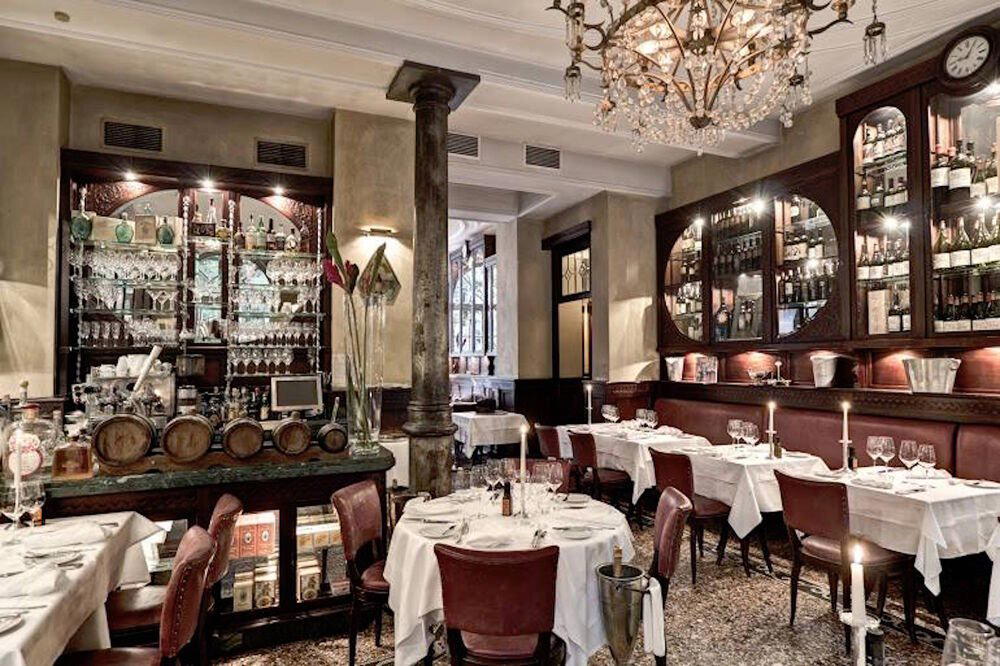
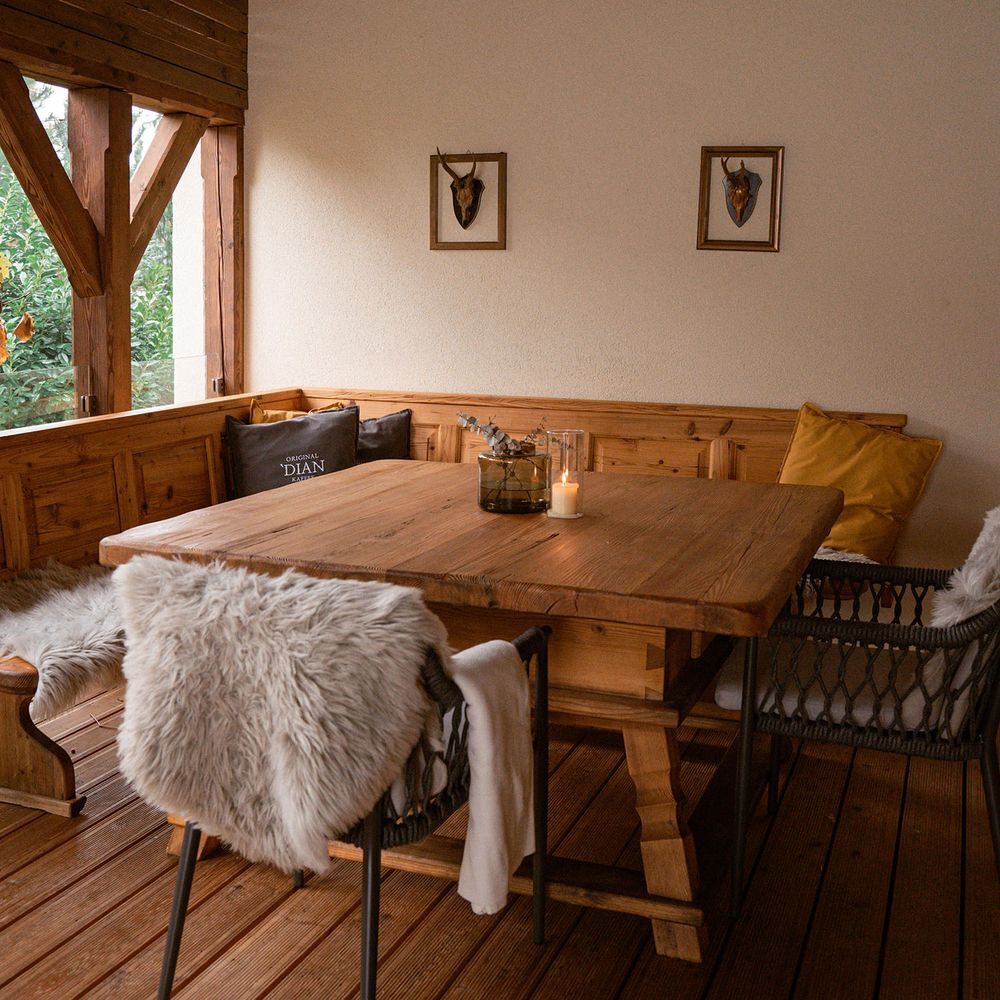
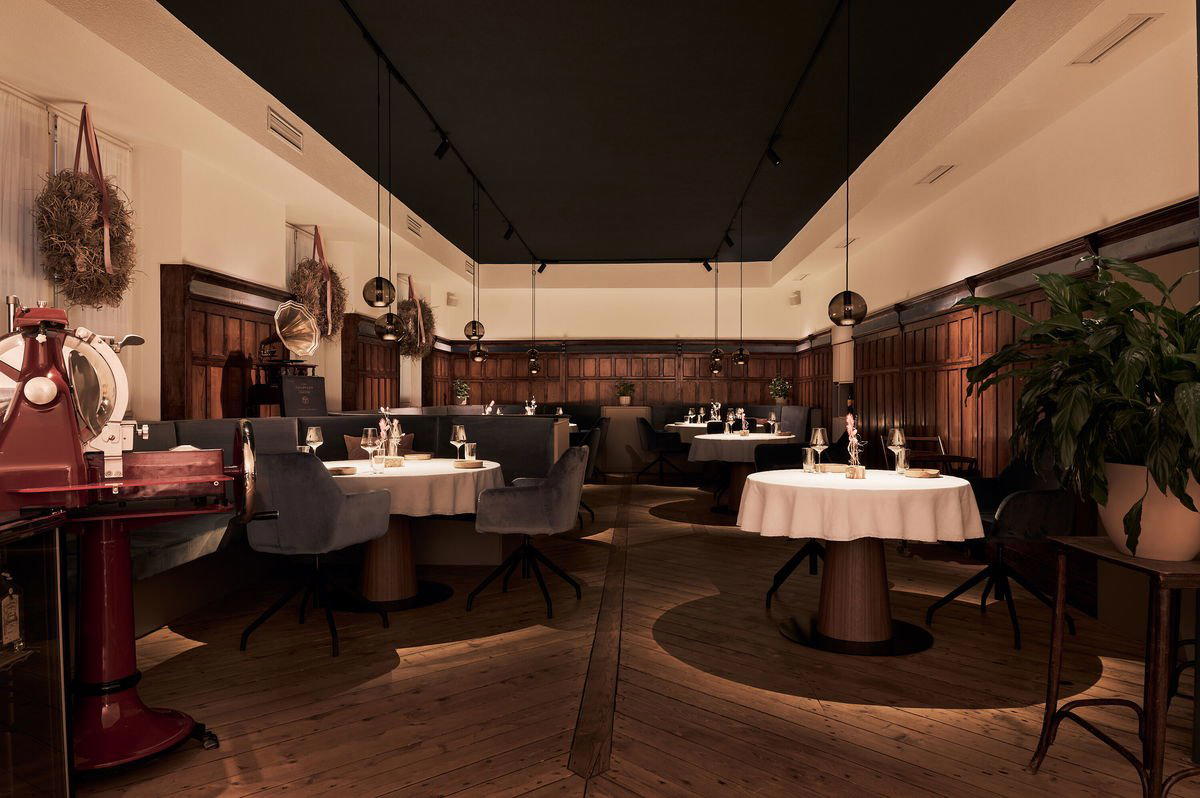
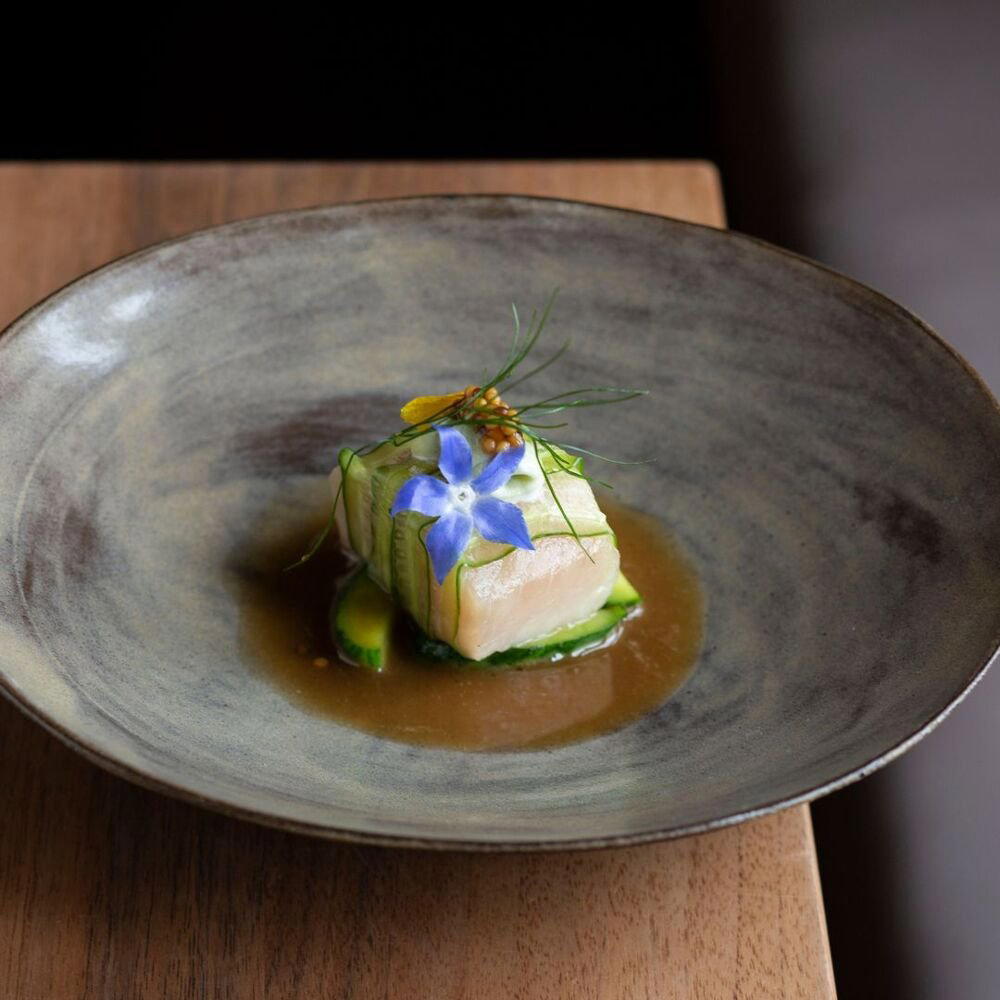
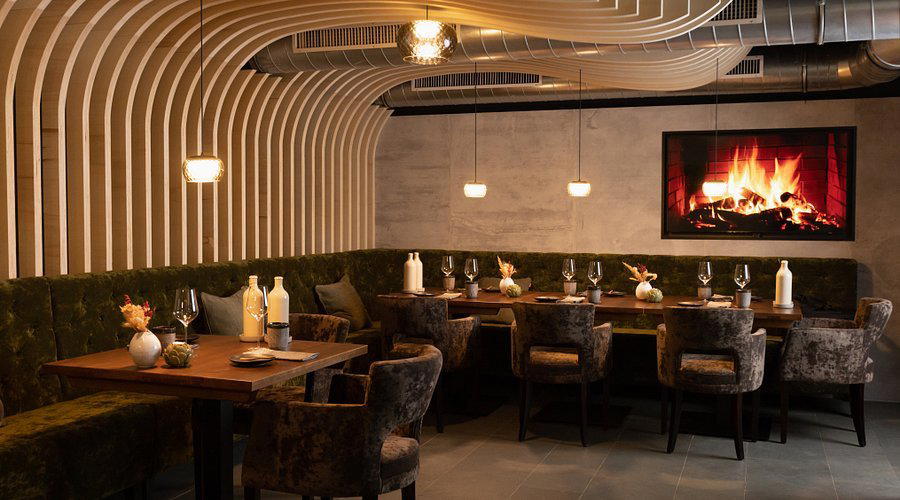
Bars in Großklein
Browse all →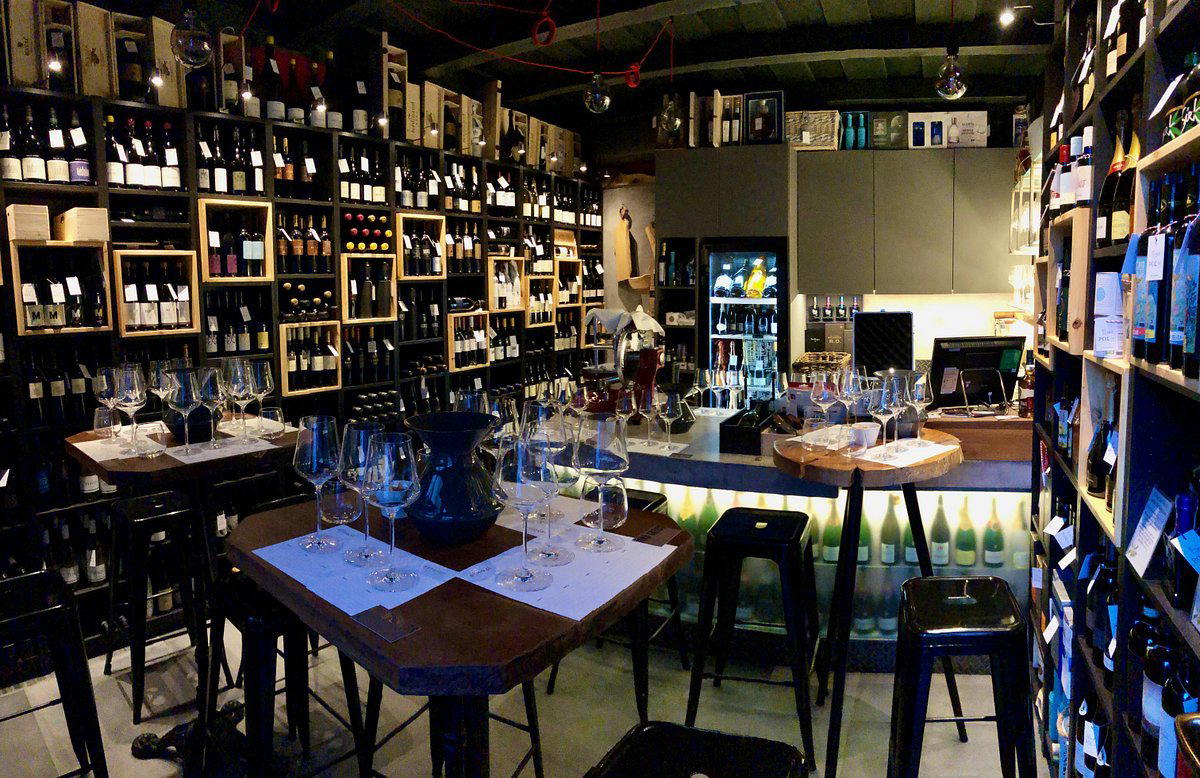
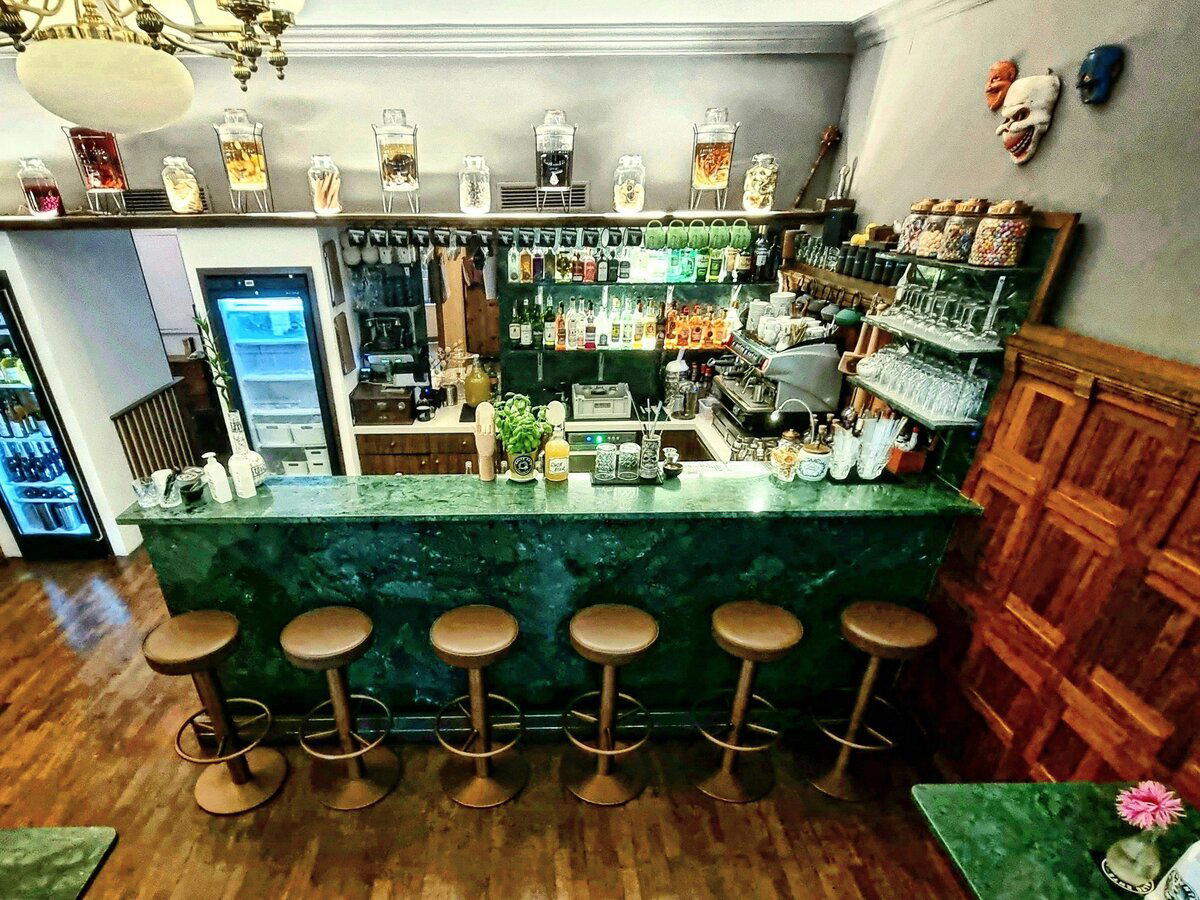
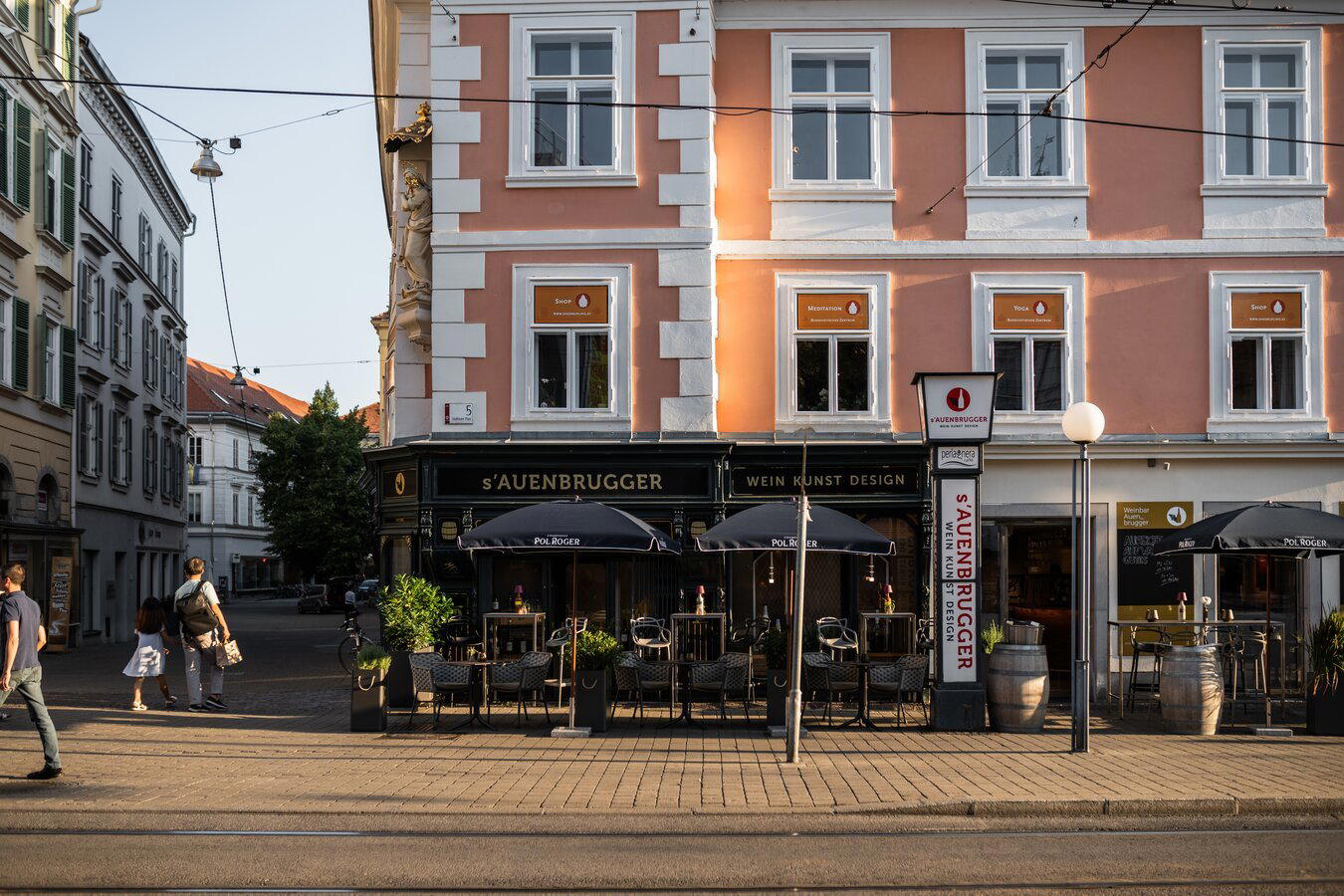
Hotels in Großklein
Browse all →


Details
- Cozy
- Rustic
- Special Occasion
- Date Night
- Standalone
- Local Sourcing
- A La Carte
Current opening hours
- Monday
- Closed
- Tuesday
- Closed
- Wednesday
- 9 AM–11 PM
- Thursday
- 9 AM–11 PM
- Friday
- 9 AM–11 PM
- Saturday
- 9 AM–11 PM
- Sunday
- 10 AM–3 PM
Hours can change for holidays and private events. Hours as of .
Wunderbares Ambiente with a warm, welcoming atmosphere featuring fresh, lovingly prepared dishes.