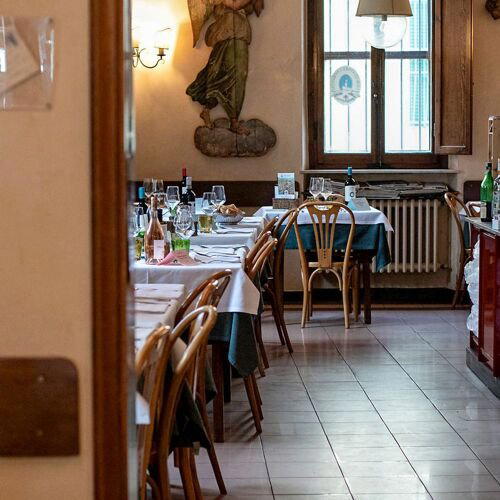
A traditional Gasthaus on Weiz's central Hauptplatz, Bürgerkeller Weiz occupies the kind of ground-floor position that Austrian market-town dining has relied on for generations. The kitchen sits within a regional cooking tradition shaped by Styrian produce: pumpkin oil, cured pork, and locally grown vegetables that define the food culture of this corner of eastern Austria. For travellers moving through the Styrian hills, it represents the practical, unfussy end of a region that also sustains serious destination kitchens.
 Discover on Pearl
Pearl is the En Primeur Club membership app — saves, bookings, and concierge access live there. Same editors, same standards.

A Market Square Address in Styria's Agricultural Heartland
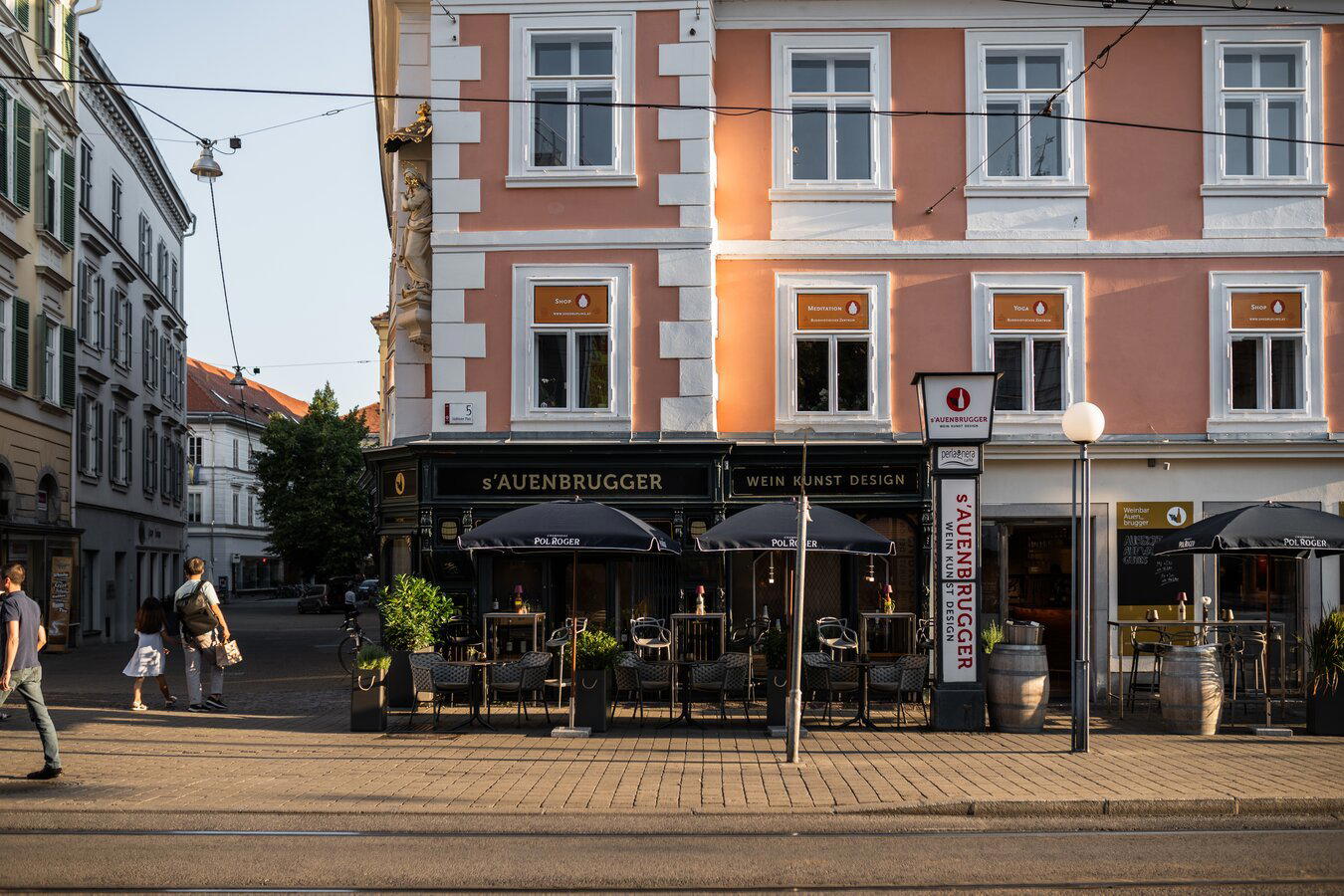
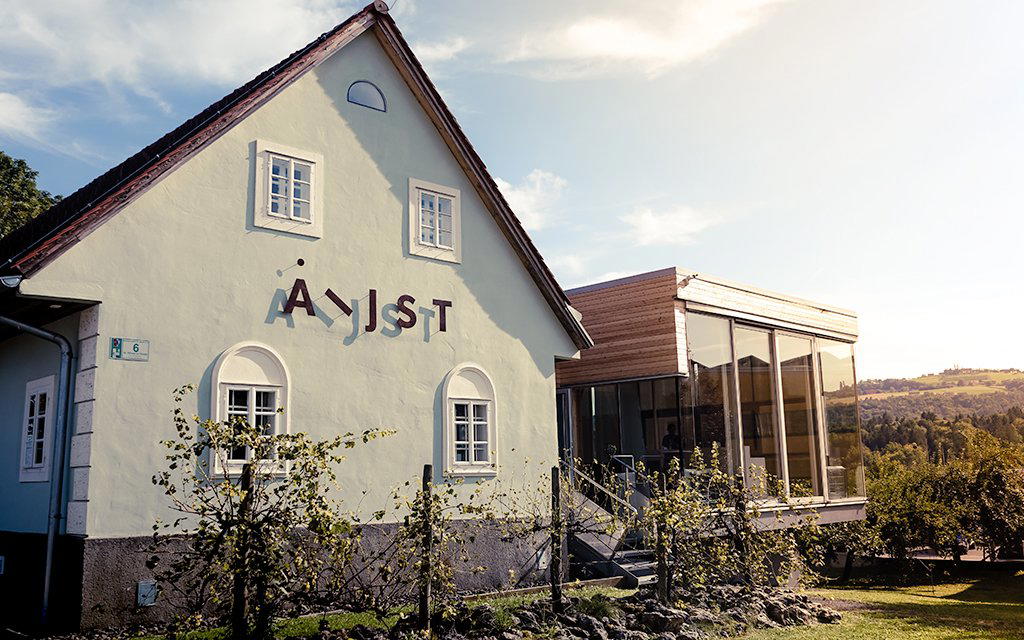
Austrian Gasthaus culture places enormous weight on location. A restaurant on a town's Hauptplatz is not simply convenient, it is, by tradition, the civic dining room: the place where market vendors ate after Saturday trade, where local families gathered after church, and where passing travellers stopped before the roads narrowed into the hills. Bürgerkeller Weiz, addressed directly at Hauptpl. 17 in the centre of Weiz, occupies exactly that position. The building faces the open square that has defined the commercial and social life of this small Styrian town for centuries, and the name itself, Bürgerkeller, signals a format with deep roots in German-speaking Central Europe: the burgher's cellar, a communal eating and drinking space tied to civic identity rather than culinary ambition.
Weiz sits in eastern Styria, roughly 30 kilometres northeast of Graz, in a range of rolling hills, orchards, and working farms. This is productive agricultural country, and the food culture here is shaped by what grows close by. Styria is the source of Austria's most distinctive regional pantry: Kürbiskernöl, the cold-pressed pumpkin seed oil with its deep green colour and nutty intensity; Verhackert, the cured pork spread that appears on bread across the region; smoked meats from small producers in the valleys; and, in autumn, the mushrooms and game that come from the surrounding forests. A Gasthaus on the Hauptplatz of a Styrian town draws on these ingredients not as a statement of provenance philosophy but because that is simply how the supply chain has always worked here. The butcher is two streets away. The market is outside the door.
The Styrian Gasthaus Tradition and Where Bürgerkeller Weiz Sits Within It
Austria's restaurant spectrum runs from the hyper-formal, destination-level kitchens of Vienna and the alpine resort towns, places like Steirereck im Stadtpark in Vienna, Döllerer in Golling an der Salzach, or Landhaus Bacher in Mautern an der Donau, to the vast, largely undocumented network of Gasthäuser and Wirtshäuser that handle the daily eating of most Austrian towns. Bürgerkeller Weiz belongs to the second category. It is not positioned against tasting-menu houses or the creative Styrian cooking that has drawn international attention to the region. Its reference points are local: the market-square regulars, the farm families driving in from the surrounding villages, the tradesman stopping for lunch.
This distinction matters when reading the room. The Gasthaus tier of Austrian dining does not generally operate with fixed tasting sequences or elaborate ingredient sourcing narratives. But it does operate within a regional ingredient logic that is, in its own way, rigorous. In Styria, that means pumpkin seed oil on salads as a default rather than an option, cured pork products as a starting point rather than a premium addition, and seasonal vegetables that shift with what the nearby farms produce. The discipline here is one of proximity and familiarity rather than formal sourcing programs. A kitchen cooking this way for a local market has a shorter, more direct supply chain than many restaurants with elaborate provenance credentials.
Weiz's dining scene is small and concentrated. Dejavu Weiz 2.0 by SACCO and Wirtshaus Mensch Mayer represent the other anchor addresses in town, the former tilting toward a more contemporary format, the latter sitting within the same Wirtshaus tradition as Bürgerkeller. For a fuller picture of the options, the full Weiz restaurants guide maps the town's eating across formats and price points. Within this compact scene, Bürgerkeller's Hauptplatz address gives it a particular civic centrality that the other addresses do not share.
What Styrian Ingredients Mean on a Gasthaus Menu
The editorial angle on any Styrian kitchen at this tier is ingredient origin, not technique. Styria produces some of Austria's most geographically specific food products. Kürbiskernöl is the most visible: a protected designation product made from roasted pumpkin seeds grown in a defined zone of southern and eastern Styria, its flavour profile is unlike any other oil in Central European cooking, simultaneously bitter, roasted, and grassy, it does not perform as a neutral base but as a flavouring agent in its own right. On a Styrian Gasthaus menu, it arrives on salads and cold dishes, sometimes drizzled over soups, occasionally over potatoes.
Beyond the oil, Styrian cooking at the Gasthaus level draws on smoked and cured pork in various forms, freshwater fish from the Mur and its tributaries, seasonal mushrooms from the forested hill country, and, in autumn and winter, game that the region produces in quantity. The produce calendar runs from asparagus in spring through berries and stone fruit in summer to root vegetables, squash, and game in the colder months. A kitchen on the Hauptplatz of Weiz, purchasing from local suppliers and feeding a local clientele, would naturally follow this calendar without needing to formalise it as a sourcing philosophy.
For comparison with what Styrian ingredients look like at the formal end of the spectrum, Obauer in Werfen and Taubenkobel in Schützen am Gebirge both work within an Austrian regional ingredient tradition, though at a price point and ambition level entirely different from the Gasthaus tier. Other creative Austrian kitchens worth knowing include Ois in Neufelden, Gourmetrestaurant Tannenhof in Sankt Anton am Arlberg, Stüva in Ischgl, Schwarzer Adler in Hall in Tirol, Restaurant 141 by Joachim Jaud in Mieming, Kräuterreich by Vitus Winkler in Sankt Veit im Pongau, Griggeler Stuba in Lech, and Ikarus in Salzburg. For international reference points at the formal end of ingredient-driven cooking, Le Bernardin in New York City and Lazy Bear in San Francisco show how sourcing philosophy operates when it becomes central to a restaurant's identity.
Planning a Visit
Bürgerkeller Weiz is addressed at Hauptpl. 17, 8160 Weiz, Austria, placing it directly on the town's central square. Weiz is accessible from Graz by road in under 40 minutes, and the town is compact enough that the Hauptplatz is a short walk from any central parking. Current hours, booking requirements, and pricing information should be checked directly with the venue before visiting. As a market-square Gasthaus, reservations are recommended, especially for evening and weekend visits.
Fast Comparison
Comparable venues nearby, for context on price, style, and recognition.
| Venue | Cuisine | Price | Awards | Notes |
|---|---|---|---|---|
| Bürgerkeller WeizThis venue — the venue you are viewing | Austrian Home-Style | $$ | , | |
| Dejavu Weiz 2.0 by SACCO | Authentic Italian Pizza | $$ | , | Weiz |
| Wirtshaus Mensch Mayer | Mediterranean-Steirisch Fusion | $$ | , | Weiz Center |
| Das Grambacher | Austrian Steakhouse | $$ | , | Raaba-Grambach |
| Genusstreffpunkt Höfer | Modern Austrian | $$ | , | Weinitzen |
| Fürstenstand | Traditional Styrian Mountain Restaurant | $$ | , | Gösting |


At a Glance
- Cozy
- Rustic
- Classic
- Casual Hangout
- Group Dining
- Historic Building
- Beer Program
- Street Scene
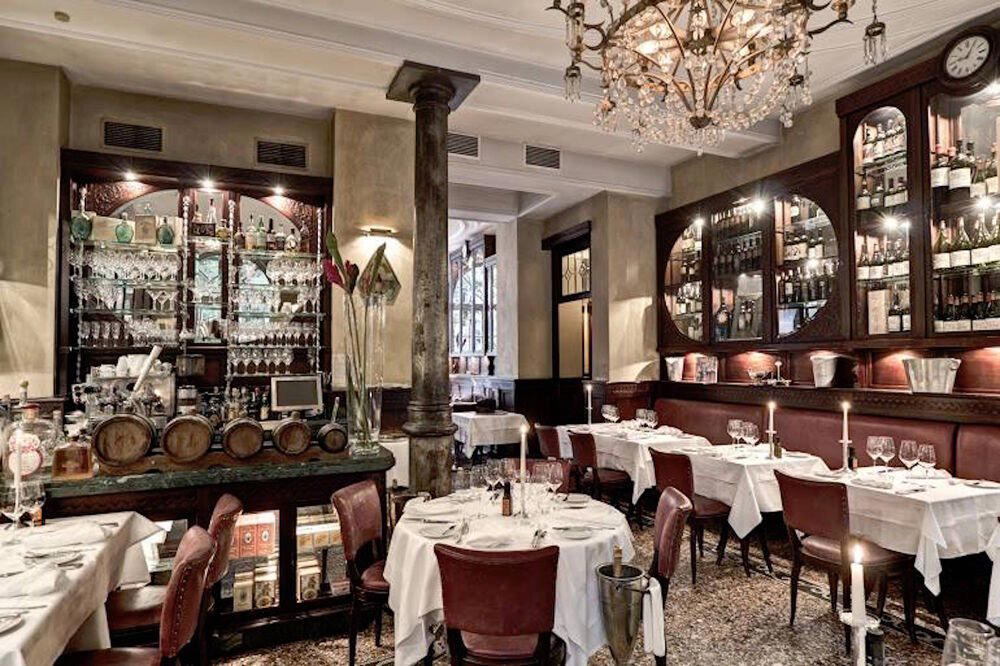
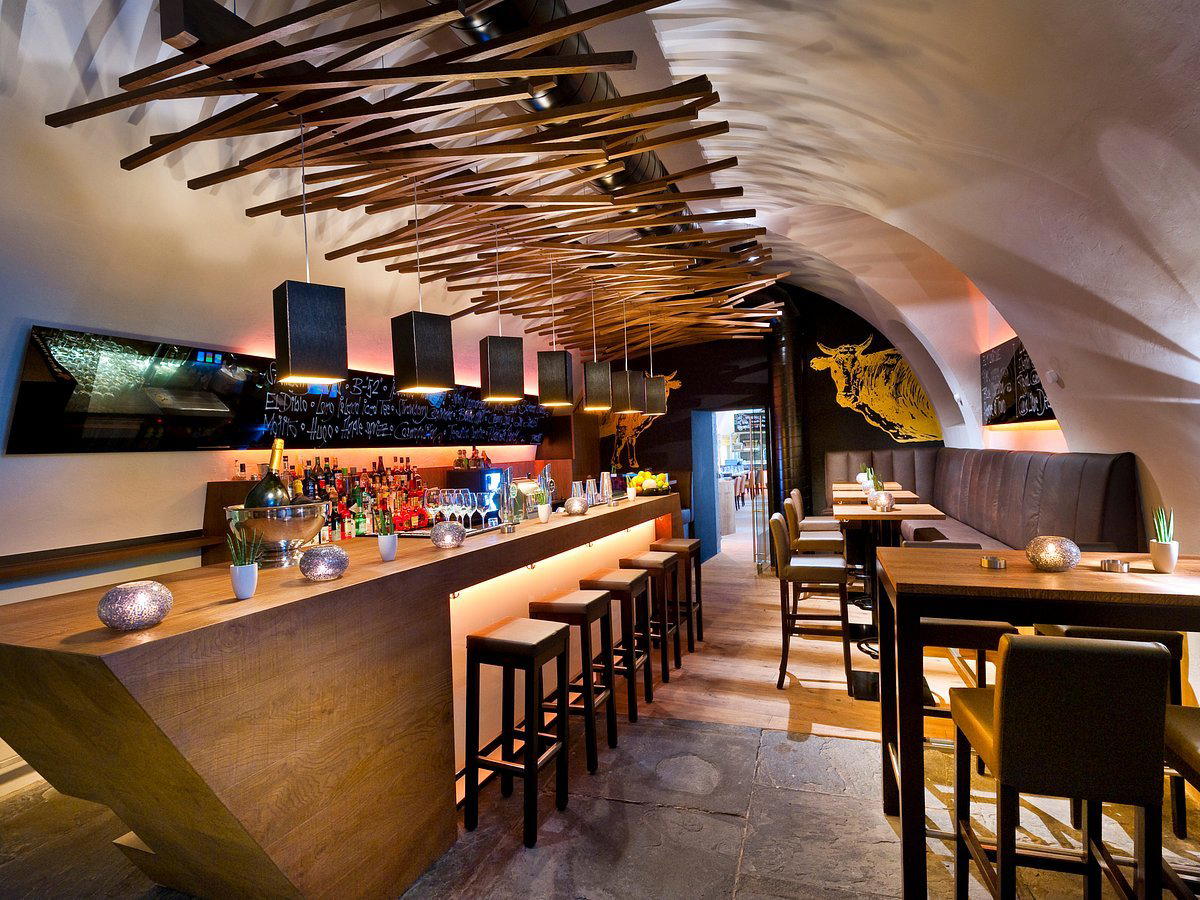
Cosy atmosphere ideal for couples or parties in a central location.