Emmy im Schloss Gamlitz sits within the castle grounds of one of Styria's most vine-covered villages, where the Südsteiermark wine road frames nearly every meal with a view. The setting places it squarely in the tradition of Austrian estate dining, where sourcing from the surrounding hills is a structural commitment rather than a marketing detail. For travellers making their way through Gamlitz's tightly grouped restaurant scene, it offers a castle-context experience tied to the region's agricultural identity.
Pearl is the En Primeur Club membership app — saves, bookings, and concierge access live there. Same editors, same standards.
- Address
- Eckberger Weinstraße 3, 8462 Gamlitz, Austria
- Phone
- +436641534621
- Website
- schlossgamlitz.com
- Directions
- Get directions
 Saves & bookings on Pearl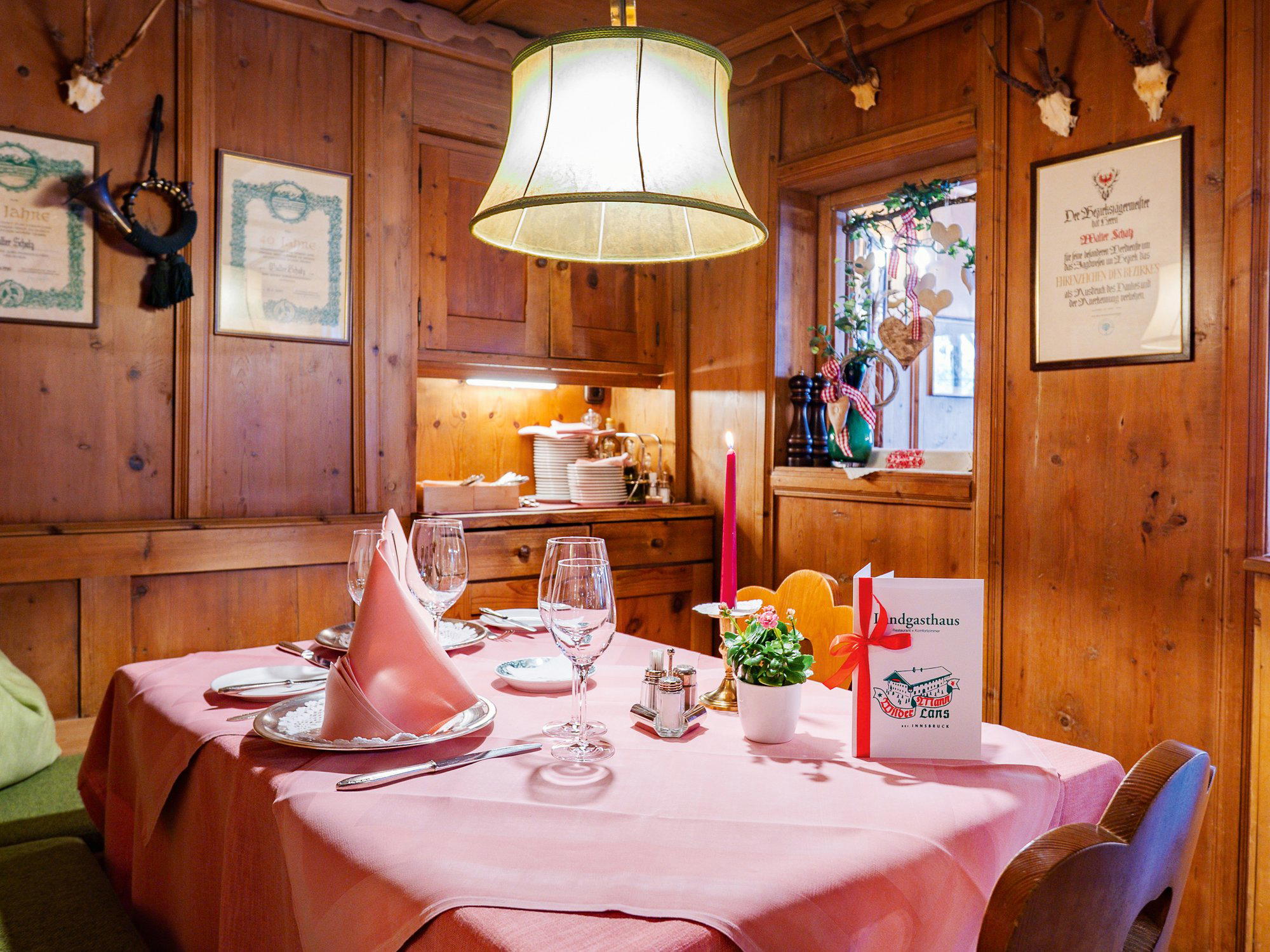
Dining Inside the Vines: Gamlitz and the Estate Restaurant Tradition
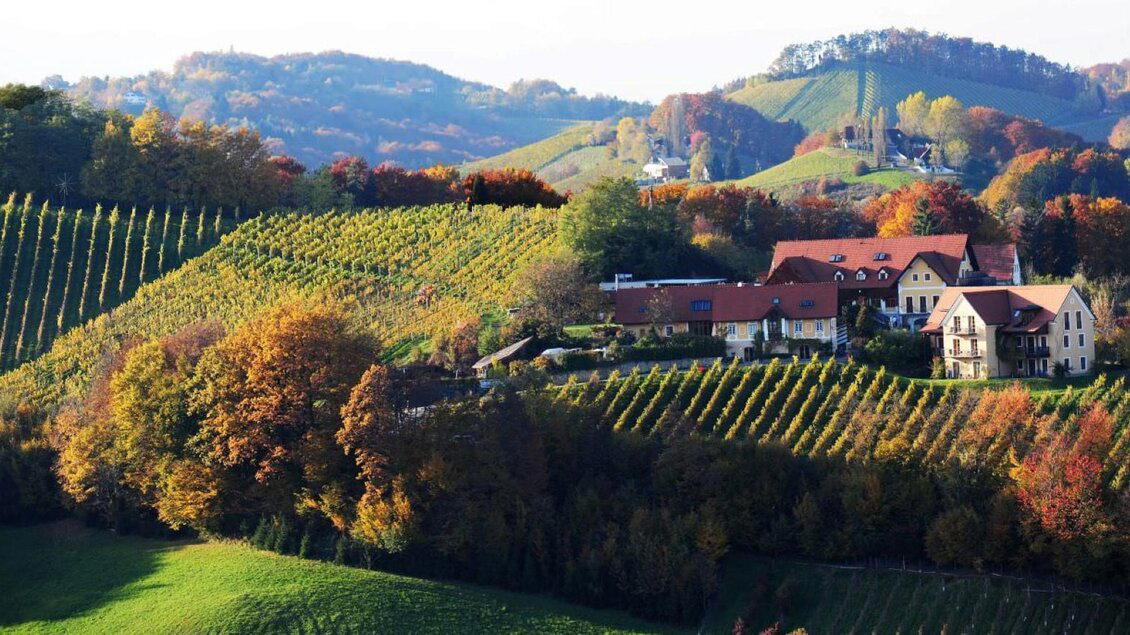
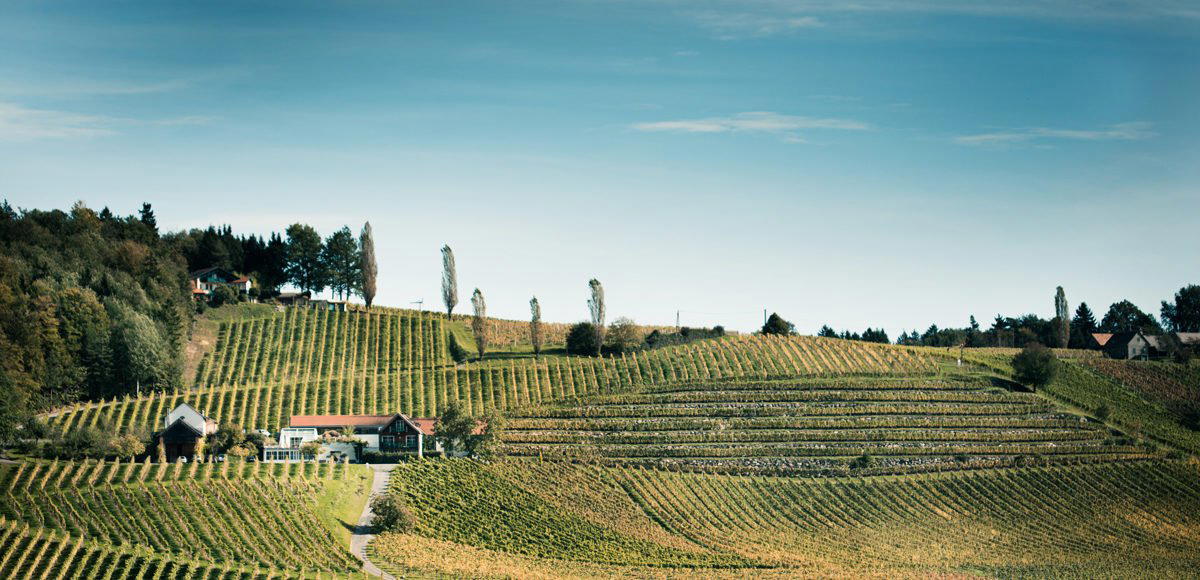
Styria's southern wine road has a particular character that separates it from Austria's more metropolitan dining scenes. The Südsteiermark, with its steep loess and clay slopes producing Sauvignon Blanc and Welschriesling of genuine European repute, has also built a dining culture where the estate, the Schloss, the Hof, the Gut, provides the frame. Emmy im Schloss Gamlitz is a restaurant in Gamlitz, Austria, serving Styrian Austrian Regional cuisine at a price tier of about $40 per person. The address alone signals what to expect: a castle setting on the Eckberger Weinstraße, with the vine-terraced hills that define this pocket of Styria pressing close on every side. Approaching the property, the logic of the meal becomes clear before you've read a menu. This is a place where the source of the food and wine is visible from your table.
The Ingredient Geography of the Südsteiermark
What distinguishes estate dining in this part of Austria from comparable formats in, say, the Wachau or Burgenland is the concentration of agricultural resources within a short radius. The Gamlitz area sits in a corridor where viticulture, orcharding, and smallholder farming overlap. Restaurants that take the sourcing logic seriously, and the estate format tends to enforce this, because the land is right there, work with an ingredient geography that is unusually compact. Pumpkin seed oil, a Styrian signature, pressed from local Kürbis; game from nearby forests; dairy from farms within the region's rolling borderlands with Slovenia. This is not a food culture that had to reach far to find itself. Emmy im Schloss Gamlitz occupies that context, where the castle grounds and the surrounding agricultural zone form the sourcing perimeter in a way that shapes what ends up on the plate.
That sourcing logic connects Gamlitz to a broader Austrian tradition that the country's most discussed restaurants have formalised at scale. Steirereck im Stadtpark in Vienna has built its reputation partly on systematic relationships with Austrian producers across decades. Döllerer in Golling an der Salzach treats the Alpine supply chain as a culinary argument in itself. At the village level in Gamlitz, the same instinct operates at smaller scale but with the same structural logic: source from what surrounds you, and let the place be legible in the food.
Where Emmy Sits in Gamlitz's Restaurant Tier
Gamlitz has developed a restaurant scene that punches above its population. The village draws visitors along the Südsteirische Weinstraße, and that traffic has supported a range of formats across price points and cooking philosophies. Sattlerhof operates at the creative, higher-price end of the local spectrum, with a cooking approach that interprets regional ingredients through a more technically demanding lens. Lilli & Jojo anchors the farm-to-table tier at a more accessible price point. Weinrefugium Brolli and Jaglhof round out a scene with genuine variety. Emmy im Schloss Gamlitz fits within this comparable set as the castle-setting option, which in the Südsteiermark carries specific weight: the Schloss format signals a particular relationship with the land, the local wine culture, and the kind of unhurried meal that the wine road visitor has typically come to find.
The Castle Setting as Culinary Frame
Austrian castle dining has a long history of either over-delivering on atmosphere and under-delivering on food, or vice versa. The Schloss format works when the setting reinforces rather than distracts from what's on the plate, when the stone walls and vineyard views feel like an extension of the sourcing story rather than a theatrical backdrop pasted over generic cooking. In the Südsteiermark, the wine culture is serious enough to keep the food culture honest. Visitors who have spent the day walking between cellars and tasting rooms arrive with calibrated expectations; they know what local Sauvignon Blanc should taste like, and they bring that knowledge to the table. That audience pressure tends to keep estate restaurants in this region more culinarily rigorous than comparable formats in purely touristic settings.
The estate restaurant tradition in this part of Austria also connects to a wider Central European pattern worth noting. Comparable formats in the Czech Republic's Moravian wine country, in Slovenia's Brda region just across the border, and in Hungary's Eger area all show the same logic: the estate becomes the narrative anchor, and the food derives its authority from geographic specificity rather than chef celebrity. It is a different argument from the one made by Austrian restaurants further afield, Obauer in Werfen, Landhaus Bacher in Mautern an der Donau, or Taubenkobel in Schützen am Gebirge, where individual culinary voice is more central to the appeal. At the restaurant, the place does the arguing. Other Austrian fine dining options worth knowing across the country include Schwarzer Adler in Hall in Tirol, Restaurant 141 by Joachim Jaud in Mieming, Ois in Neufelden, Gourmetrestaurant Tannenhof in Sankt Anton am Arlberg, Stüva in Ischgl, and Kräuterreich by Vitus Winkler in Sankt Veit im Pongau. For international comparisons where sourcing and setting similarly converge, Le Bernardin in New York City and Lazy Bear in San Francisco show how ingredient-led arguments play out at different scales and in different dining cultures.
Planning a Visit
Gamlitz is most naturally reached by car from Graz, roughly 45 kilometres to the north, which makes it a viable day trip or a natural stop on a longer Südsteirische Weinstraße itinerary. The wine road is busiest from late spring through early autumn, when the hillside terraces are in active growth and the cellar-door culture is at full pace; visiting during harvest season in September and October adds an additional layer of agricultural context to any meal in the area.
Quick Comparison
Comparable venues nearby, for context on price, style, and recognition.
| Venue | Cuisine | Price | Awards | Notes |
|---|---|---|---|---|
| Emmy im Schloss GamlitzThis venue — the venue you are viewing | Styrian Austrian Regional | $$ | Not listed | Not listed |
| Jaglhof | Modern Styrian | $$$$ | Not listed | Gamlitz |
| Weinrefugium Brolli | Traditional Austrian Regional | $$$ | Not listed | Gamlitz |
| Lilli & Jojo | Regional Styrian Farm-to-Table | $$$ | Michelin Plate | Gamlitz |
| Sattlerhof | Michelin-Starred Styrian Fine Dining | $$$$ | Michelin 1 Star | Gamlitz |
| Almhütte Plotscherbauer | Austrian Regional Almhütte | $$ | Not listed | Übelbach |
Continue exploring
More in Gamlitz
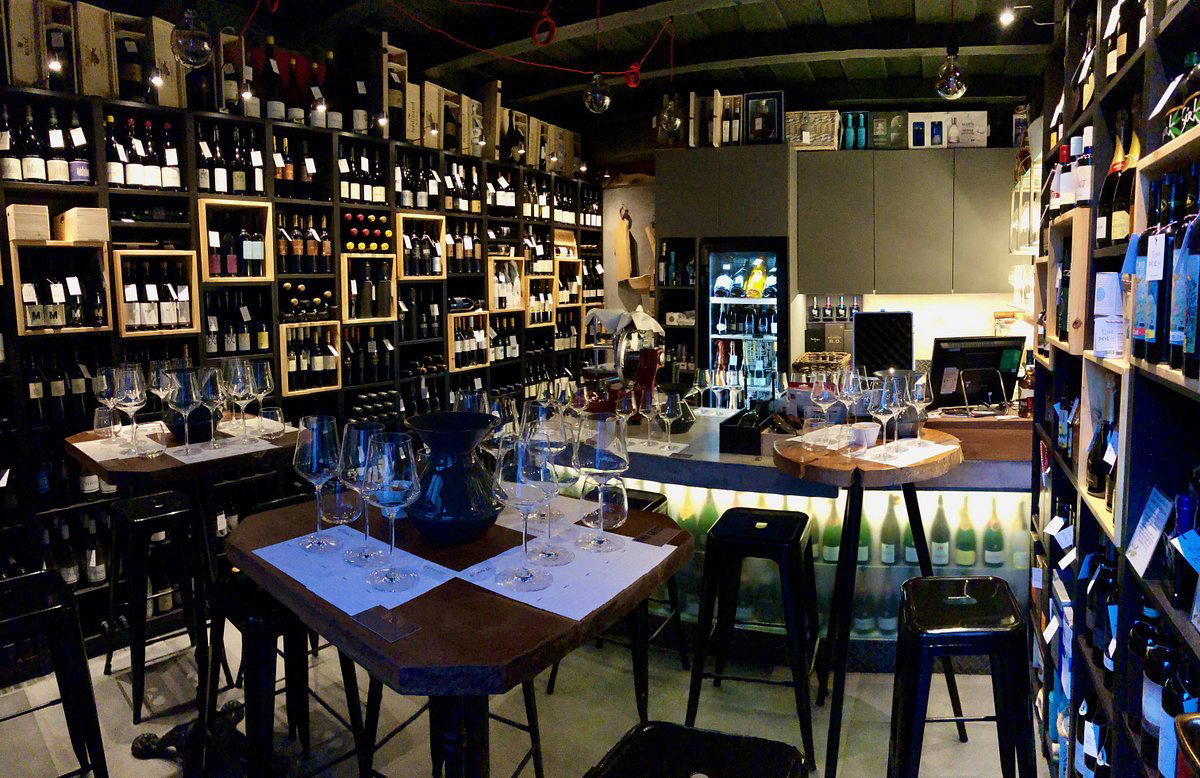
Restaurants in Gamlitz
Browse all →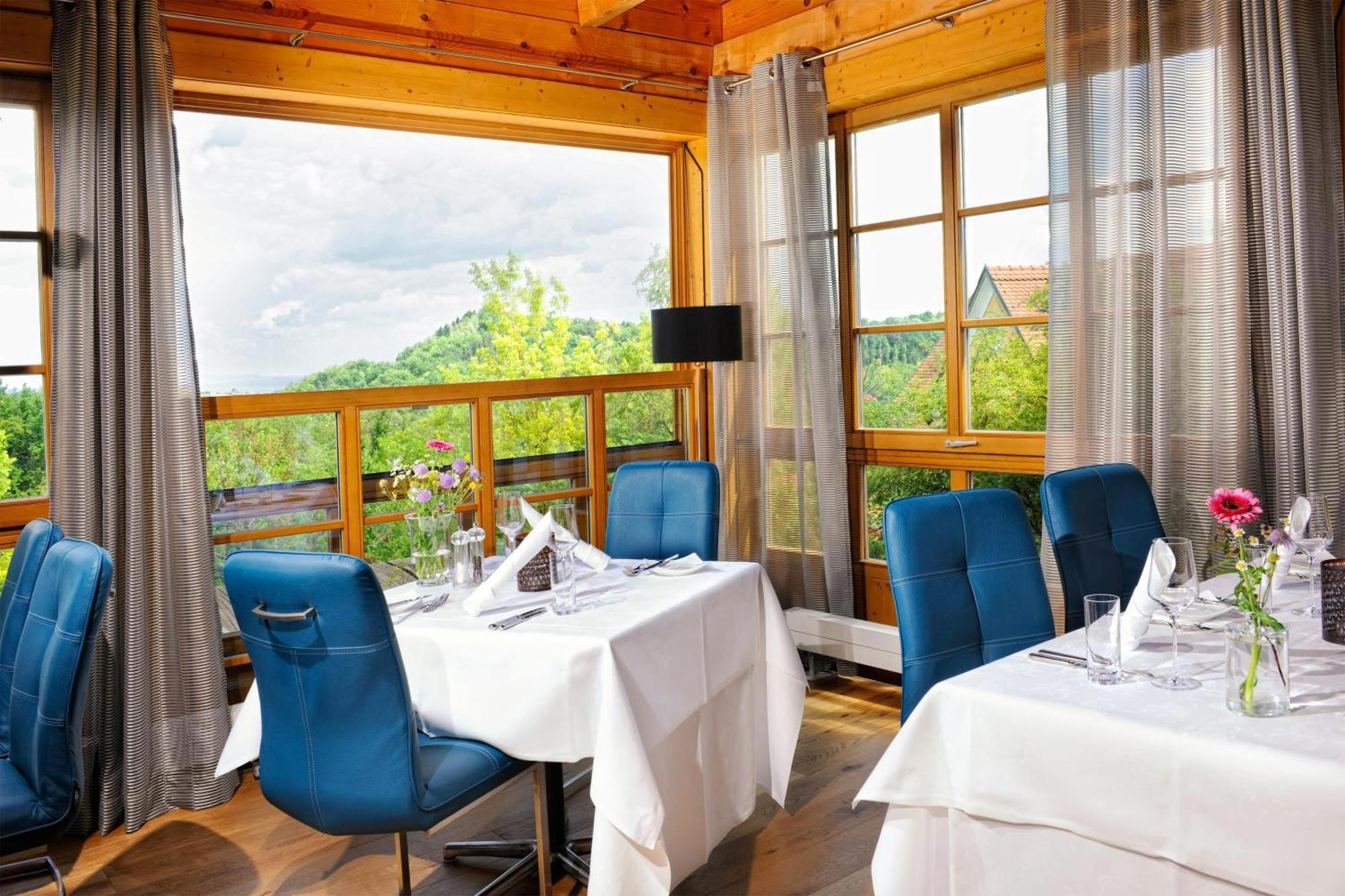
Bars in Gamlitz
Browse all →
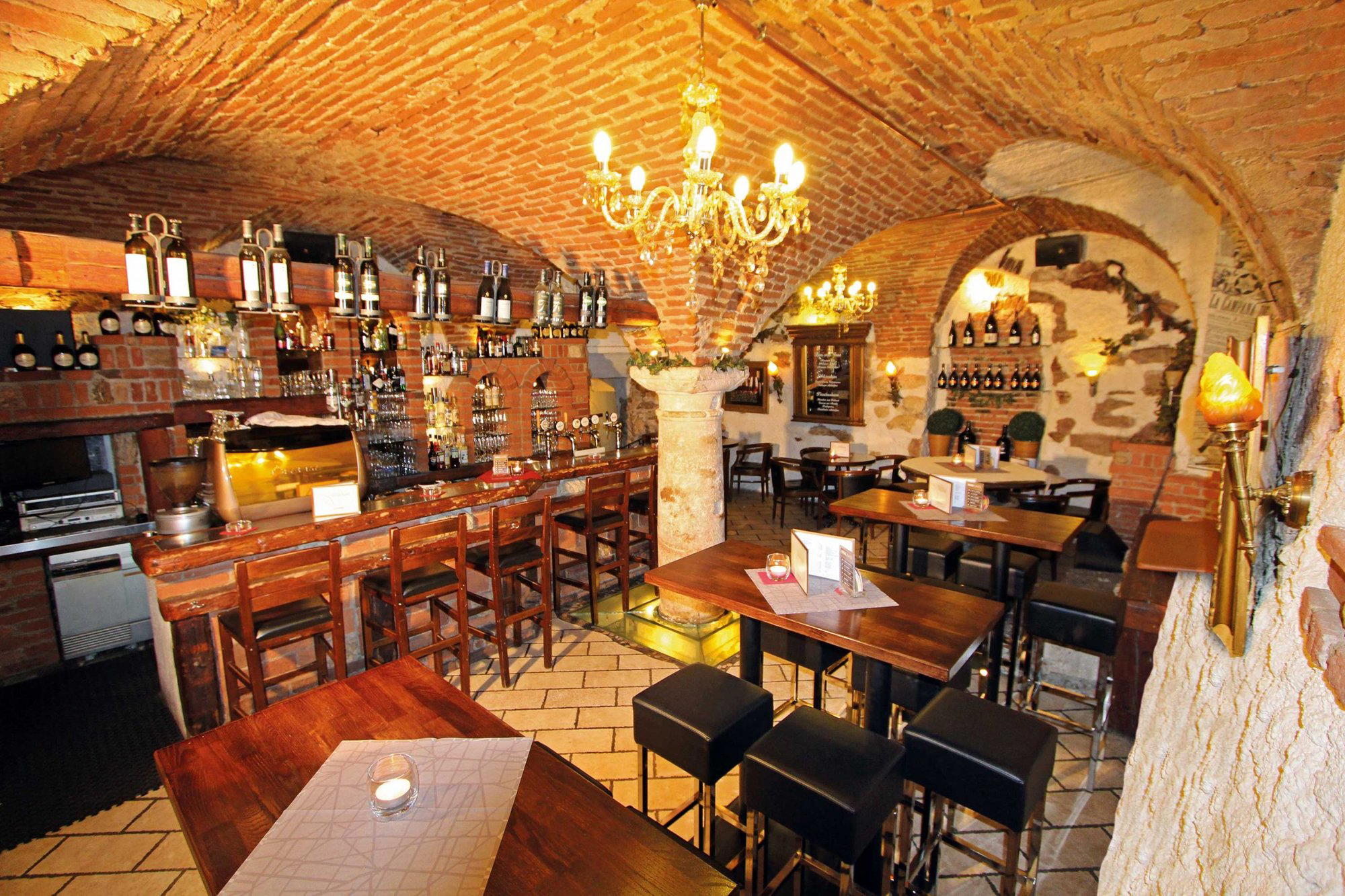
Hotels in Gamlitz
Browse all →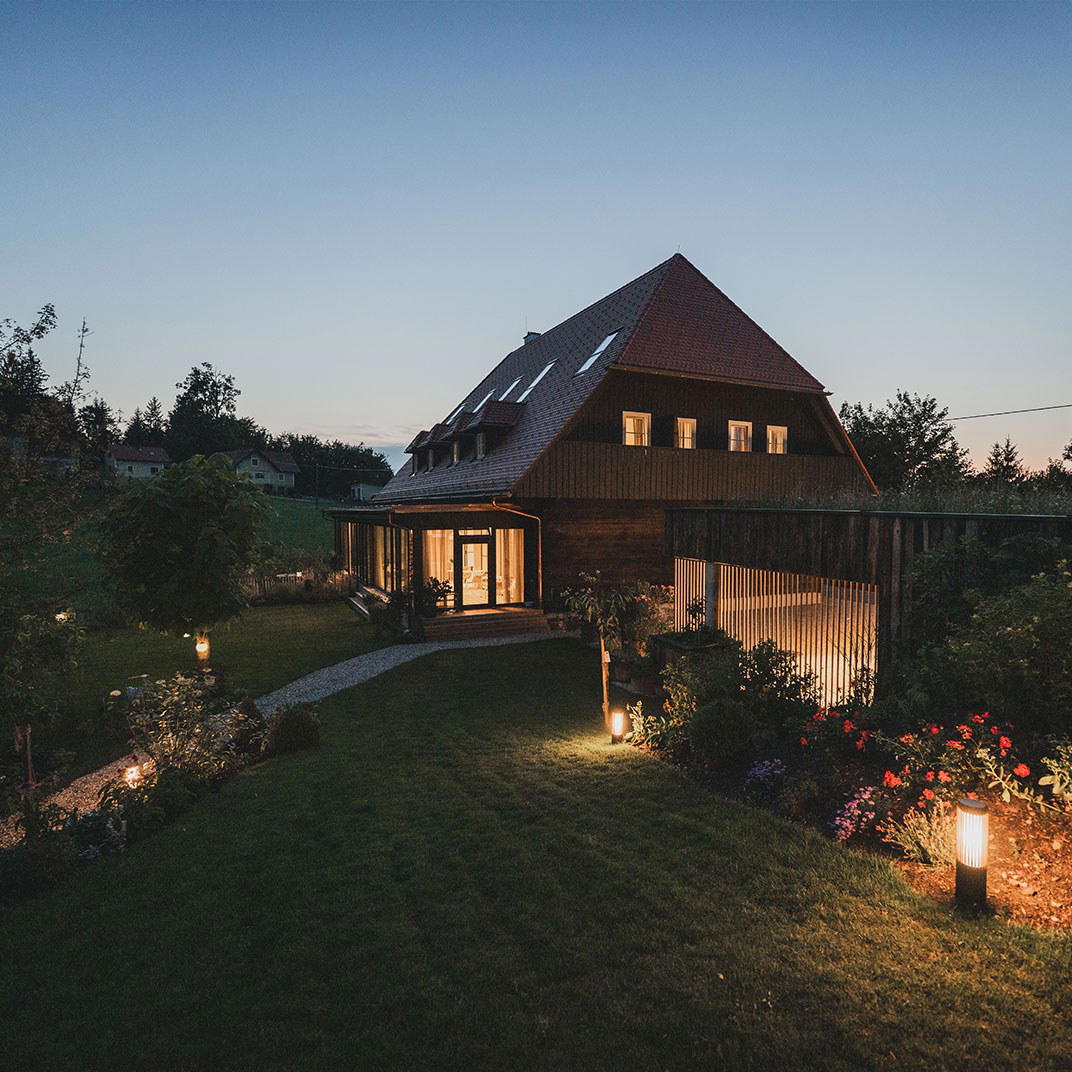

At a Glance
- Romantic
- Elegant
- Rustic
- Scenic
- Cozy
- Special Occasion
- Date Night
- Celebration
- Historic Building
- Terrace
- Wine Cellar
- Extensive Wine List
- Local Sourcing
- Farm To Table
- Garden
- Vineyard
Current opening hours
- Monday
- 12–10 PM
- Tuesday
- 12–10 PM
- Wednesday
- Closed
- Thursday
- Closed
- Friday
- 12–10 PM
- Saturday
- 12–10 PM
- Sunday
- 12–4 PM
Hours can change for holidays and private events. Last verified .
Beautiful historic castle setting with romantic courtyard featuring colorful flowers and shady weeping willow, blending elegant historical charm with modern flair.