Dalaofang occupies a storied address on Jiangcheng Road in Hangzhou's Shangcheng District, placing it squarely within the city's most historically layered dining corridor. The restaurant draws on the deep traditions of Zhejiang cuisine, a school defined by freshwater produce, restrained seasoning, and technique honed over centuries around West Lake. For visitors tracing Hangzhou's culinary identity, it represents a grounded point of reference in a city with many competing interpretations.
Pearl is the En Primeur Club membership app — saves, bookings, and concierge access live there. Same editors, same standards.
- Address
- 629 Jiangcheng Rd, Shangcheng District, Hangzhou, Zhejiang, China, 310002
- Phone
- +8618757134069
- Directions
- Get directions
 Saves & bookings on Pearl
Shangcheng and the Weight of Zhejiang's Culinary Tradition
Hangzhou has long occupied an unusual position in Chinese culinary geography. As the Southern Song capital for nearly 150 years, the city absorbed court-level cooking standards that filtered into its local food culture and never fully left. What emerged is a regional cuisine, Zhejiang or Zhe Cai, built around West Lake's freshwater catches, the tea hills of Longjing, and a palate shaped by proximity to both the Yangtze Delta and the East China Sea. That inheritance is visible across Hangzhou's dining scene today, from hotel restaurants interpreting classic dishes for international guests to smaller, neighbourhood-rooted venues where technique carries more weight than setting.
Dalaofang sits on Jiangcheng Road in Shangcheng District, Hangzhou, at 629 Jiangcheng Rd, and is a casual Hangzhou-style noodles restaurant. The address places it inside a part of the city where food culture has accumulated over generations rather than been installed by a development brief. Arriving along Jiangcheng Road, you move through a neighbourhood where tea merchants, local markets, and long-established eateries share the same blocks, giving the approach a character quite different from the polished lakeside dining strips that attract most international visitors.
What Zhejiang Cuisine Actually Demands
Understanding what distinguishes a serious Zhejiang kitchen requires some grounding in what the cuisine actually asks of its cooks. Zhe Cai is one of the eight recognised schools of Chinese cooking, and within that designation it sits at the lighter, more delicate end of the spectrum. The emphasis falls on preserving the natural flavour of ingredients rather than transforming them through heavy seasoning or prolonged cooking. Freshness matters more here than in almost any other regional tradition, which is why the cuisine developed so specifically around West Lake carp, river shrimp, and seasonal vegetables tied to Hangzhou's specific geography.
Classic preparations that define the school, including Dongpo pork braised low and slow until the fat reaches a trembling, lacquered softness, Longjing shrimp wok-fried with the first-harvest spring tea leaves, and West Lake vinegar fish dressed tableside, require a different kind of discipline than the high-heat drama of Sichuan or the intricate dim sum craft of Cantonese kitchens. The skill lies in restraint and timing, not in complexity of spice or richness of sauce. Restaurants that execute this tradition at a serious level are benchmarked against those preparations, and Hangzhou diners are not forgiving of shortcuts.
Dalaofang's Jiangcheng Road location places it within a neighbourhood tier that serves Hangzhou residents first and visitors second, which tends to signal a kitchen calibrated more toward authenticity than adaptation.
Xin Rong Ji on Xinyuan South Road in Beijing has brought Taizhou cuisine, a close Zhejiang neighbour, to a national audience at premium pricing. Fu He Hui in Shanghai demonstrates how vegetable-forward Chinese cooking, another thread running through Zhejiang tradition, can command significant critical attention. Further along the eastern seaboard, Dai Yuet Heen in Nanjing and Pingjiangsong in Suzhou show how cities with deep culinary histories are managing the tension between preservation and evolution. Wenru No.9 in Fuzhou and Fleurs Et Festin in Xiamen extend that conversation southward, where Fujian and Zhejiang culinary traditions overlap in interesting ways.Hangzhou's Zhejiang specialists, by contrast, tend to draw authority from specificity rather than scale, from the correctness of a single preparation rather than the ambition of a full multi-regional menu.
A meal at Le Bernardin in New York City or Lazy Bear in San Francisco is built around a curated tasting sequence, chef narrative, and dramatic presentation. A serious Zhejiang meal is typically more spare in its theatrics and more demanding of the diner's attention to subtlety. The pleasure is less about spectacle and more about recognising precision.
Planning a Visit to Dalaofang
Dalaofang is located at 629 Jiangcheng Road, Shangcheng District, Hangzhou 310002. Shangcheng is accessible by metro, and Jiangcheng Road runs through a district that rewards some time on foot before or after a meal, given its density of small food vendors, tea houses, and canal-side paths. Because Dalaofang is walk-in friendly, the practical approach is to arrive at the address directly.
Cost and Credentials
Comparable venues nearby, for context on price, style, and recognition.
| Venue | Cuisine | Price | Awards |
|---|---|---|---|
| DalaofangThis venue — the venue you are viewing | Hangzhoushi, Hangzhou-Style Noodles | $$ | Not listed |
| TUNG FU RESTAURANT | Xiaoshanshi, Modern Chaoshan Chinese | $$ | Not listed |
| å¥å é¦ | Hangzhoushi, Japanese Coffee House | $$ | Not listed |
| Guiyu Family Noodles | Xihu District, Zhejiang Cuisine | $$$ | Not listed |
| 如院 | Xihu, Modern Zhejiang | $$$$ | Not listed |
| Wu Ming Mian Guan | Hangzhoushi, Hangzhou Noodles | $ | Michelin Plate |
At a Glance
- Casual Hangout
- Local Sourcing
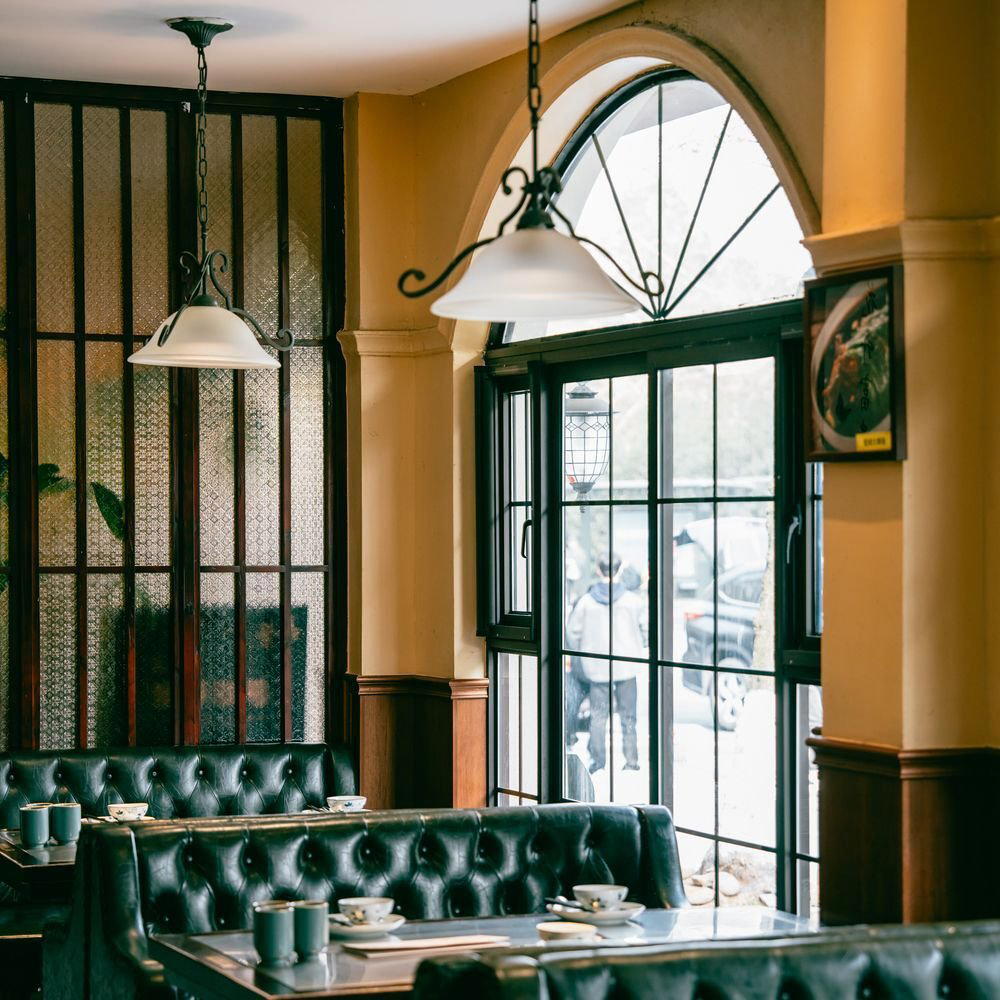
Casual, bustling spot with queues at peak times, focused on fresh, made-to-order noodle preparation.