On Währinger Strasse in Vienna's 9th district, Francesco sits in a neighbourhood that rewards those who look beyond the Ring. The address places it among the trattorias and wine bars of the Alsergrund, where the dining register tends toward the personal rather than the palatial. Details on cuisine and format remain sparse, but the location signals a particular kind of Vienna dining: unhurried, residential, and pointed away from tourist circuits.
Pearl is the En Primeur Club membership app — saves, bookings, and concierge access live there. Same editors, same standards.
- Address
- Währinger Str. 66, 1090 Wien, Austria
- Phone
- +434313174942
- Website
- ristorante-francesco.com
- Directions
- Get directions
 Saves & bookings on Pearl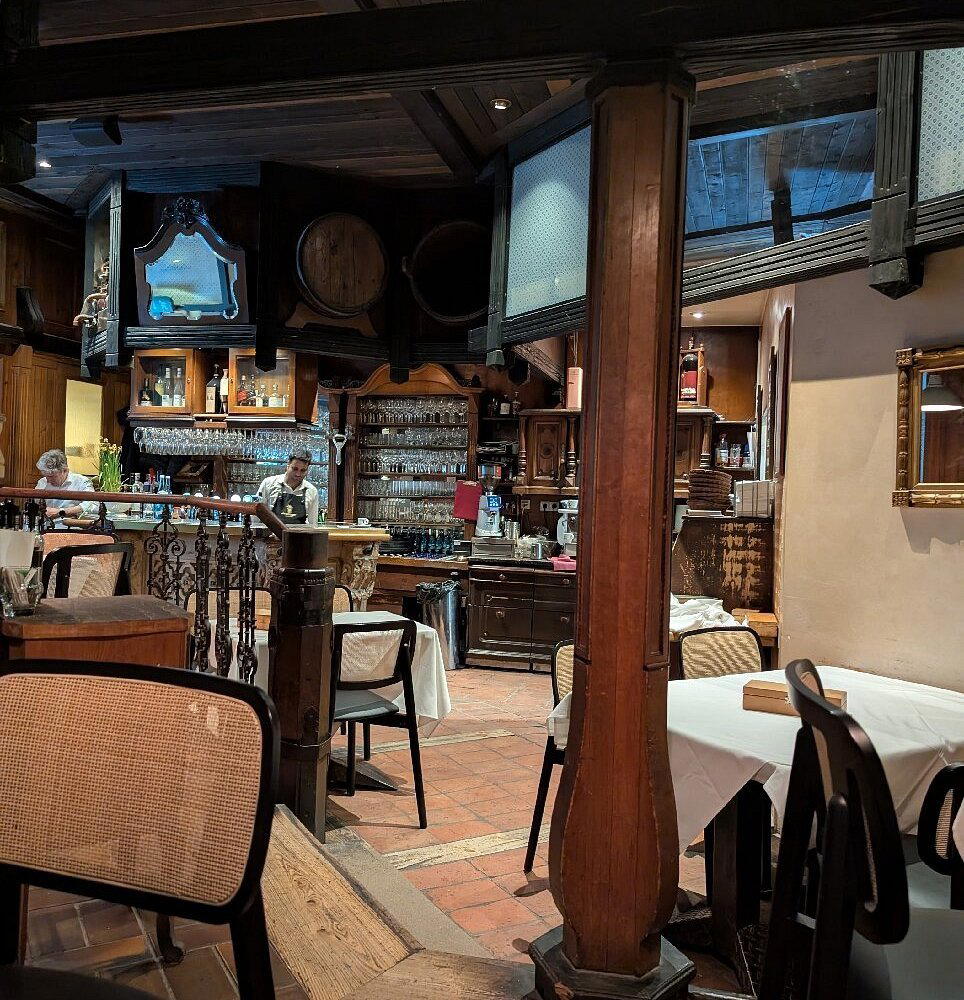
Alsergrund and the Quiet Side of Vienna Dining
Vienna's 9th district, Alsergrund, has long operated at a different frequency from the first. Where the Innere Stadt deals in grand facades and menus priced for conference expense accounts, Währinger Strasse and its tributaries host a more compressed scene: smaller rooms, more deliberate wine lists, and a clientele that tends to be local in meaningful sense of the word. Francesco, at number 66, occupies a stretch of the street where the buildings drop in height and the tempo follows.
The broader shift is worth understanding before you book. Across European capitals, the past decade has seen a migration of ambitious cooking away from hotel dining rooms and landmark addresses toward residential neighbourhoods where rent is lower, rooms are smaller, and the relationship between kitchen and guest can be more direct. In Vienna, that migration is visible in the arc from Steirereck's parkside grandeur to more compact addresses in the 7th, 8th, and 9th districts. Steirereck im Stadtpark and Amador represent one pole of Viennese fine dining, architecturally considered, internationally referenced, priced at €€€€. Francesco on Währinger Strasse represents something that reads, from the address alone, as the other pole: neighbourhood-rooted, with a name that suggests Italian or Italian-adjacent cooking rather than the modern Austrian or creative European formats that dominate the city's award-tracked tier.
What the Address Implies About the Format
Italian-named restaurants in Vienna's residential districts occupy a specific niche. They are rarely the red-sauce trattorias that the name might suggest to a visitor arriving from Rome; more often they reflect the Austrian absorption of northern Italian cooking that has been happening since the Habsburg period, when Trieste and Lombardy were part of the same administrative entity as Vienna. A room called Francesco on a residential Viennese street is more likely to be serving handmade pasta with Austrian-sourced ingredients and a wine list weighted toward the Veneto and Friuli than it is to be replicating a Naples pizzeria.
For comparison, the multi-course format that defines Vienna's recognized fine-dining tier at venues like Konstantin Filippou and Mraz & Sohn, tasting menus running six to ten courses, paired wine programs, booking windows of four to six weeks, is not the default at smaller neighbourhood addresses. At this tier of the city's dining scene, the meal more often follows a shorter arc: an antipasto or shared starter, a pasta course that functions as the structural centre of the meal, a secondo, and a dessert that is either genuinely Italian in origin or leans toward the Viennese pastry tradition. That progression, when executed with care, is no less considered than a ten-course tasting menu; it simply operates with a different grammar. The pleasure is in the pacing rather than in the spectacle.
Internationally, the analogy is to the kind of neighbourhood Italian that has become one contested category in serious dining cities. In New York, Le Bernardin set a template for rigorous French seafood that has influenced the formal end of the market for decades; in San Francisco, Lazy Bear showed how a communal tasting format could carry emotional weight without institutional formality. The Viennese equivalent at the neighbourhood level is harder to pin to a single precedent, but the principle is the same: the progression of courses does the argumentative work that a room's decor or a chef's biography might do elsewhere.
The Meal as Sequence
In any Italian or Italian-influenced room, the architecture of a meal matters more than in formats where the kitchen controls the pace through a fixed menu. When a guest chooses from a printed card, the sequence they construct tells you something about how the kitchen thinks: whether the kitchen encourages a pasta course before the main, whether the wine list is built to support a three-course arc or to be ordered by the glass at a single course. The rooms that do this well in Vienna's 9th district tend to treat the pasta course not as a side note but as the point, the place where flour, technique, and sauce come together in the way that a composed plate elsewhere announces the kitchen's priorities.
Austria's broader restaurant scene, from Döllerer in Golling an der Salzach to Obauer in Werfen and Landhaus Bacher in Mautern an der Donau, has long demonstrated that the country's kitchen culture can absorb Mediterranean influences without flattening them. The same is true at the other end of the formality scale. Venues like Doubek in Vienna show how the city's dining scene extends beyond tasting-menu formats into something more conversational. Francesco, as an address rather than a confirmed format, fits a pattern of Viennese neighbourhood dining where the progression of a meal is the primary pleasure, not the setting or the celebrity of the kitchen.
Planning Your Visit
Address: Währinger Str. 66, 1090 Wien, Austria. District: Alsergrund (9th). Reservations: recommended. Budget: about US$40 per person before wine. Dress: smart casual.
Peers Worth Knowing
Comparable venues nearby, for context on price, style, and recognition.
| Venue | Cuisine | Price | Notes |
|---|---|---|---|
| FrancescoThis venue — the venue you are viewing | Authentic Italian Pizza and Pasta | $$ | Not listed |
| Forno | Italian Focaccia and Pizza | $$ | Josefstadt |
| SoFàre | Authentic Italian Fresh Pasta | $$ | Praterstern Wien Nord |
| Cibo Colorato | Neapolitan Pizza | $$ | Wien-Mitte |
| Pronto Volante | Neapolitan Pizza & Italian Street Food | $$ | Favoriten |
| May 31 | Italian Trattoria | $$ | Lainz |
Continue exploring
More in Vienna
Restaurants in Vienna
Browse all →
Bars in Vienna
Browse all →

Hotels in Vienna
Browse all →
At a Glance
- Cozy
- Romantic
- Classic
- Date Night
- Casual Hangout
Current opening hours
- Monday
- Closed
- Tuesday
- 11:30 AM–11:30 PM
- Wednesday
- 11:30 AM–11:30 PM
- Thursday
- 11:30 AM–11:30 PM
- Friday
- 11:30 AM–11:30 PM
- Saturday
- 11:30 AM–11:30 PM
- Sunday
- 11:30 AM–11:30 PM
Hours can change for holidays and private events. Last verified .
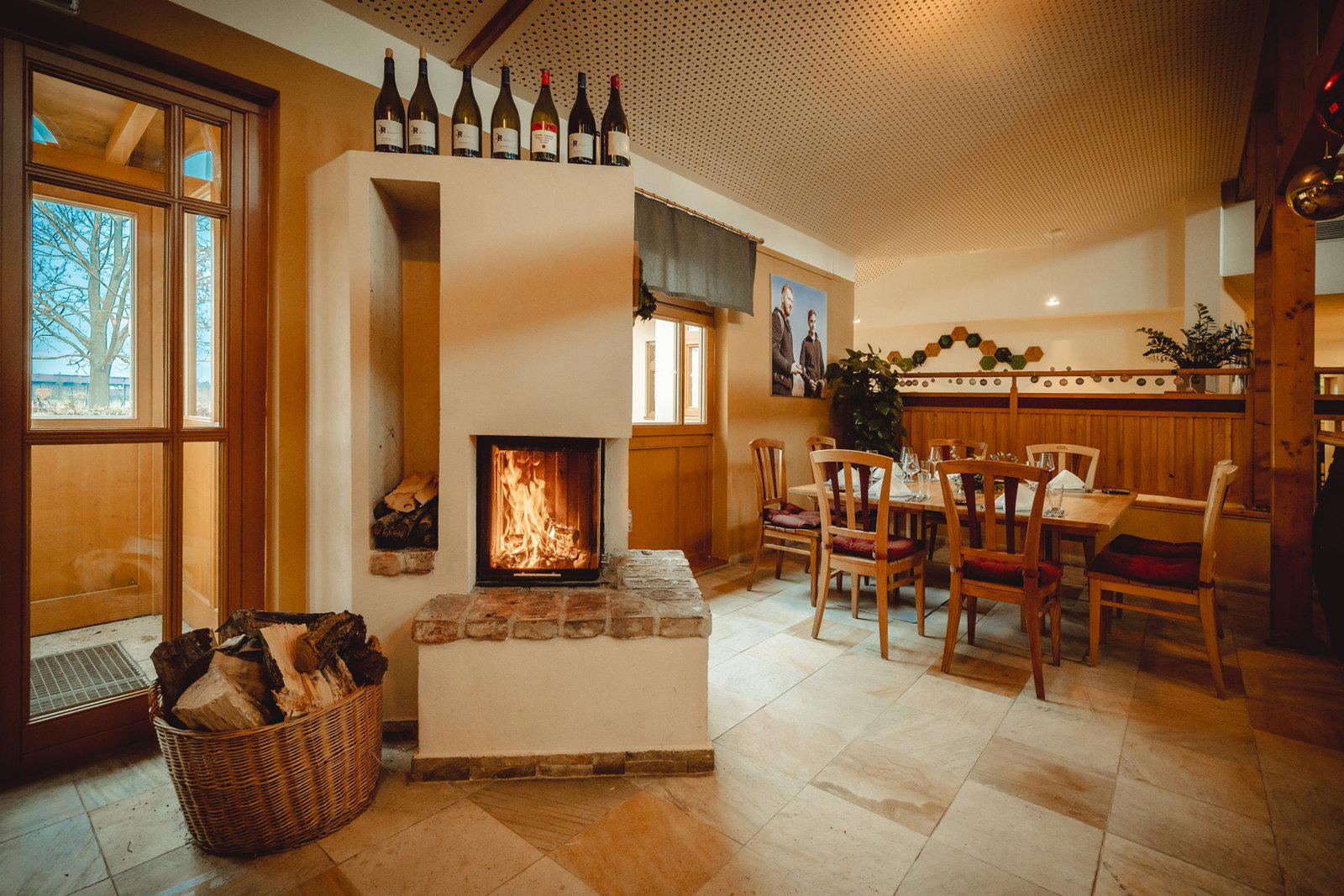
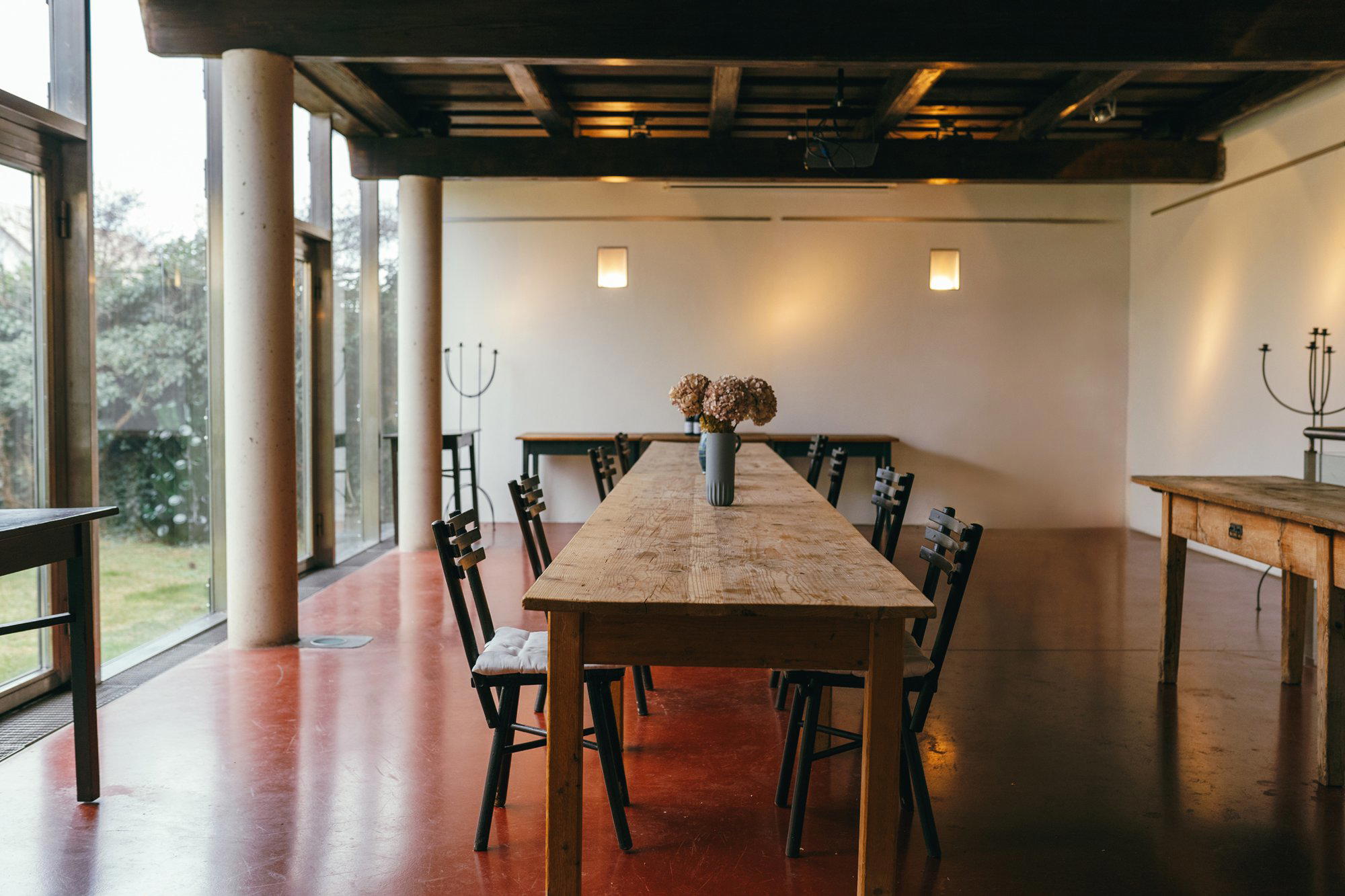
Cozy candle-lit interior in winter with romantic atmosphere; sunny garden seating in summer.