On Yppenplatz in Vienna's 16th district, Wetter sits at the intersection of neighbourhood market culture and a broader Viennese conversation about where food comes from and what restaurants owe their surroundings. The address alone signals intent: this is not the first-ring tourist circuit but a working district where provenance matters and the sourcing story is written into the setting itself.
Pearl is the En Primeur Club membership app — saves, bookings, and concierge access live there. Same editors, same standards.
- Address
- Yppenpl. 11, 1160 Wien, Austria
- Phone
- +434314060775
- Website
- restaurantwetter.net
- Directions
- Get directions
 Saves & bookings on Pearl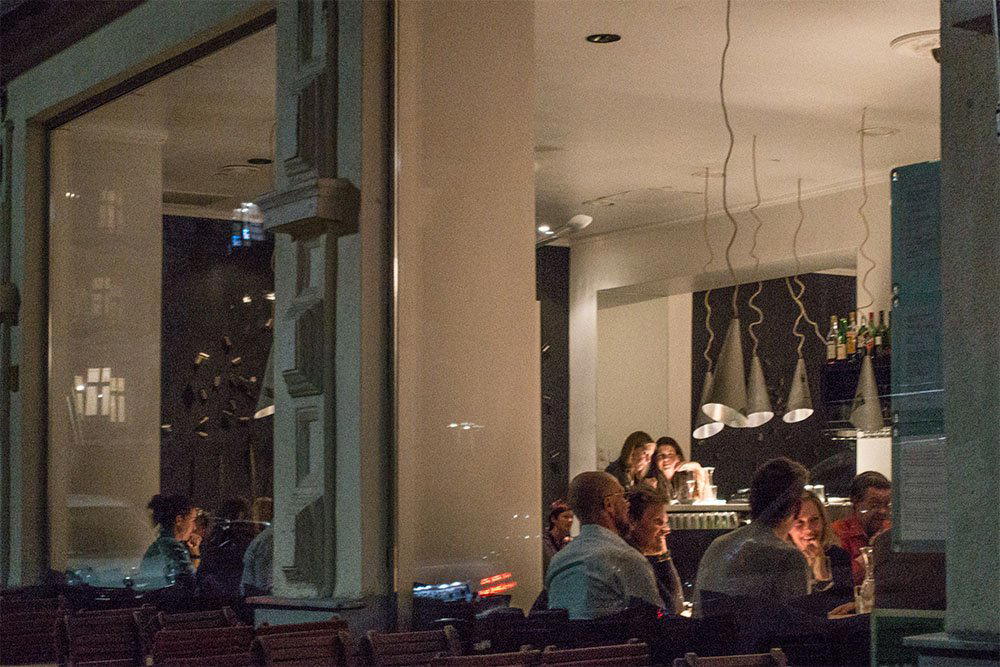
Yppenplatz and the Ethics of Where You Eat
Wetter is a restaurant in Vienna's 16th district, serving Ligurian Italian food at Yppenpl. 11, 1160 Wien, Austria. Wetter, at Yppenpl. 11, occupies that argument directly. The address puts it steps from the Brunnenmarkt, one of the city's longest and most genuinely polyglot weekly markets, and that proximity is not incidental. In a city where the relationship between fine dining and local sourcing has become a serious editorial subject, a restaurant on a working market square is making a locational statement before a single plate is set down.
The broader Vienna dining tier dominated by Michelin-starred rooms, including Steirereck im Stadtpark, Amador, Konstantin Filippou, and Mraz & Sohn, tends to cluster around the inner districts and Prater. Wetter operates in a different register and a different postcode, which shapes both its comparable set and its supply logic. When a kitchen is a short walk from market vendors, the supply chain compresses in ways that are visible to anyone paying attention. Seasonal produce does not arrive from a regional depot; it arrives from the next aisle.
The Sustainability Argument Built Into the Address
Austria's broader food culture has long carried a regional sourcing ethic that predates the word sustainability becoming a restaurant marketing category. From Döllerer in Golling an der Salzach to Landhaus Bacher in Mautern an der Donau, the country's serious kitchens have consistently oriented themselves around what the surrounding landscape produces rather than what a global supply network can deliver. That tradition finds a particular expression in urban contexts, where the sourcing logic has to be actively constructed rather than geographically inherited.
The Yppenplatz location gives Wetter a structural advantage in this respect. The Brunnenmarkt draws producers from the Vienna Basin and Lower Austria on a regular basis, meaning a kitchen here has access to a rotating, seasonally honest supply that larger central-district restaurants have to work considerably harder to replicate. This is the sustainability argument made physical: not a printed provenance list on the menu, but a reduced distance between field and plate that the address itself encodes.
That approach connects Wetter to a wider Austrian pattern visible in restaurants like Kräuterreich by Vitus Winkler in Sankt Veit im Pongau, where the sourcing geography is embedded in the concept from the outset, or Ois in Neufelden, which operates with a similarly compressed supply radius. What distinguishes the urban iteration of this model is the added layer of community: a market-adjacent restaurant is embedded in a social economy, not just a supply one.
The 16th District as a Culinary Address
Ottakring, Vienna's 16th district, has a different social texture than the dining districts that appear most often in international coverage. It is a genuinely diverse neighbourhood, historically working-class, now layered with creative and food-focused businesses that arrived gradually rather than through a coordinated gentrification push. The Yppenplatz market is the anchor of that character: it runs along Brunnengasse with a density of Turkish, Balkan, South Asian, and Austrian produce stalls that makes it one of the more genuinely cosmopolitan food markets in the German-speaking world.
For a restaurant at this address, that market character is both resource and context. The produce available is not exclusively Austrian Alpine; it is the produce of a neighbourhood that cooks across multiple traditions. Kitchens that work with this environment tend toward menus that reflect that plurality without forcing a fusion narrative onto it. The more interesting approach is simply to cook with what is available and let the sourcing geography speak for itself.
Internationally, this model has parallels in the way certain New York restaurants, including Atomix and others in the borough dining scene, have used neighbourhood-level sourcing and cultural specificity to build credibility outside the conventional fine dining axis. The logic is similar even if the cuisines are not: location as argument, supply chain as statement of values.
Where Wetter Sits in the Vienna Picture
Vienna's serious dining scene has two broad currents. The first is the established haute cuisine tier, where restaurants with creative and internationally oriented programs compete for recognition within a familiar Michelin framework. The second is a less formally mapped tier of neighbourhood-anchored operators who are making arguments about what Austrian urban dining could look like when it orients itself around community and supply rather than prestige and spectacle.
Wetter belongs to the second current. Without the awards infrastructure of the inner-district rooms, it stakes its credibility on place: on being at Yppenpl. 11 rather than somewhere more legible to the international dining circuit. That is a deliberate positioning, and one that connects it to the broader Austrian tradition of letting geography do the argumentative work. The same logic that sends serious diners toward Obauer in Werfen or Gourmetrestaurant Tannenhof in Sankt Anton am Arlberg for their regional rootedness applies, in a different key, to a Viennese restaurant that has chosen a market square over a Ringstrasse address.
Austria's wider scene, from Griggeler Stuba in Lech to Schwarzer Adler in Hall in Tirol, offers useful comparators for how the regional sourcing ethic translates across different formats and price points. And for international reference points at the opposite end of the supply-distance spectrum, Le Bernardin in New York City and Restaurant 141 by Joachim Jaud in Mieming illustrate how different kitchens resolve the tension between ingredient quality and sourcing proximity.
Know Before You Go
- Address: Yppenpl. 11, 1160 Wien, Austria
- District: Ottakring (16th), adjacent to the Brunnenmarkt
- Booking: Reservations are recommended.
- Timing:
- Price range: About $30 per person
Similar Picks
Comparable venues nearby, for context on price, style, and recognition.
| Venue | Cuisine | Price | Notes |
|---|---|---|---|
| WetterThis venue — the venue you are viewing | Ligurian Italian | $$ | Not listed |
| Lido | Italian Cicchetti Bar | $$ | Stephansdom |
| Pizza Mari | Neapolitan Pizza | $$ | Praterstern Wien Nord |
| Pronto Volante | Neapolitan Pizza & Italian Street Food | $$ | Favoriten |
| Riva | Authentic Neapolitan Pizza | $$ | Praterstern Wien Nord |
| Stastino | Authentic Italian | $$ | Liesing |
Continue exploring
More in Vienna
Restaurants in Vienna
Browse all →
Bars in Vienna
Browse all →

Hotels in Vienna
Browse all →
At a Glance
- Cozy
- Casual
- Trendy
- Industrial
- Casual Hangout
- Date Night
- Open Kitchen
- Street Scene
Current opening hours
- Monday
- Closed
- Tuesday
- Closed
- Wednesday
- 5:30–11 PM
- Thursday
- 5:30–11 PM
- Friday
- 5:30–11 PM
- Saturday
- 10 AM–3 PM
- Sunday
- Closed
Hours can change for holidays and private events. Last verified .
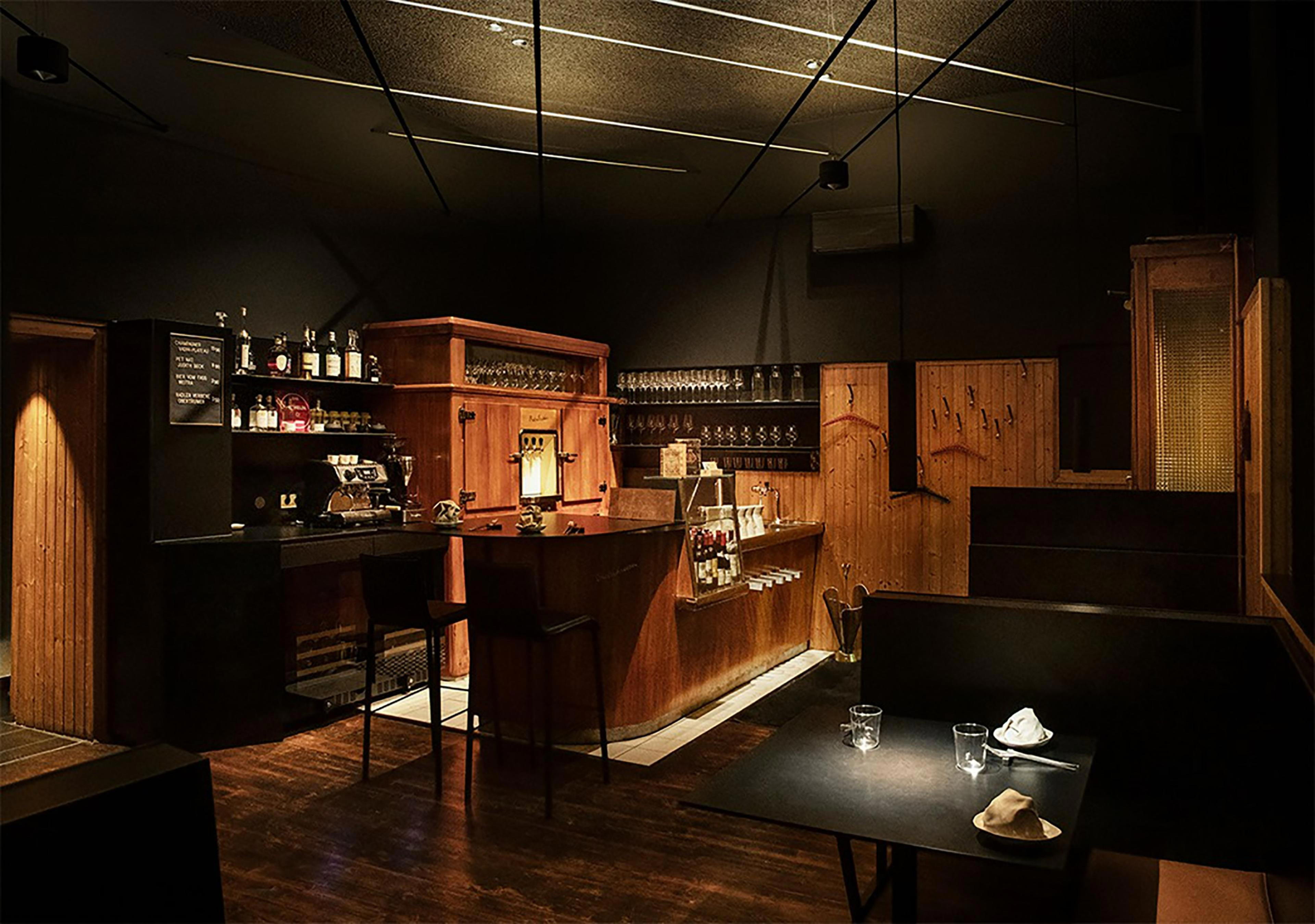
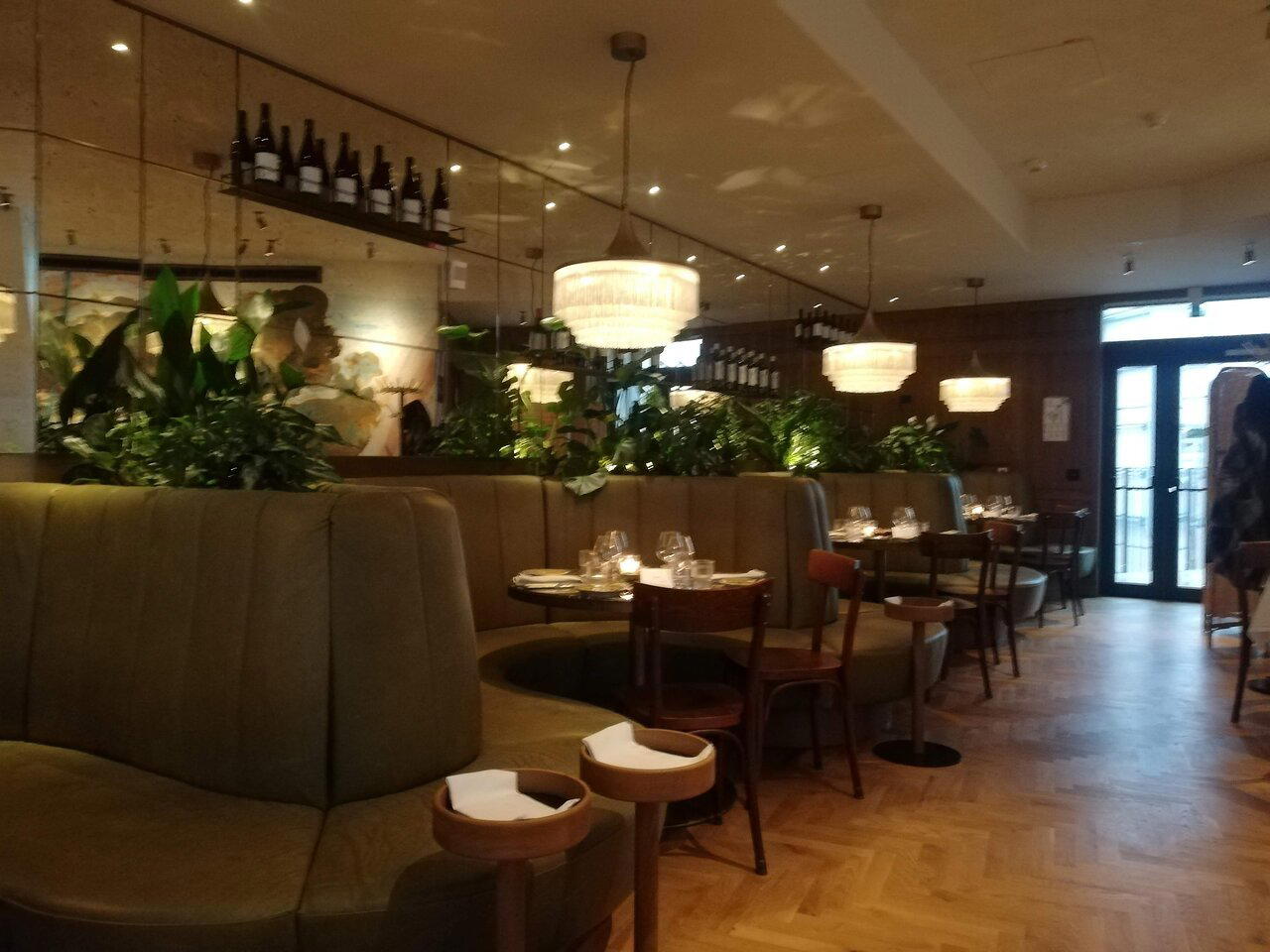
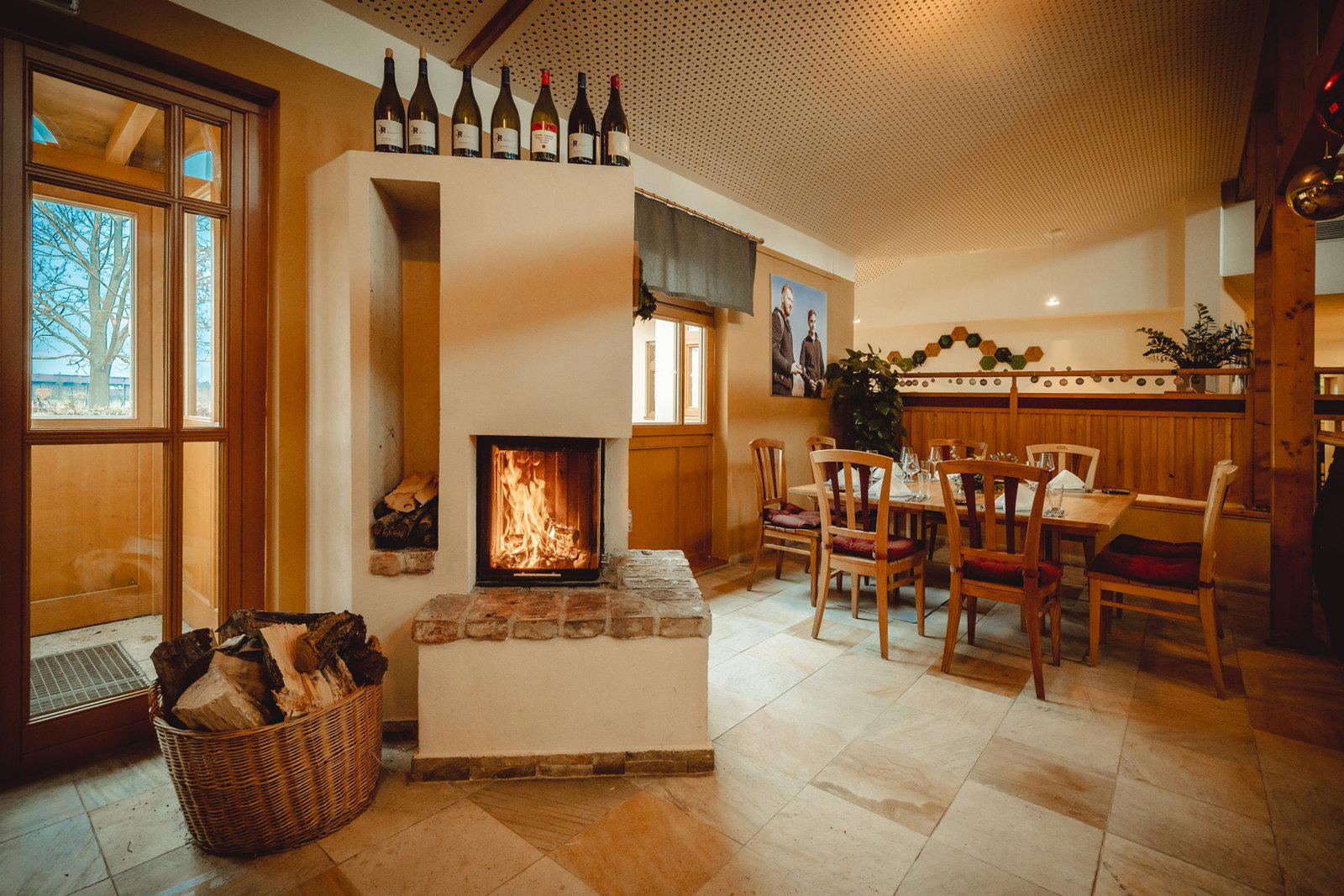
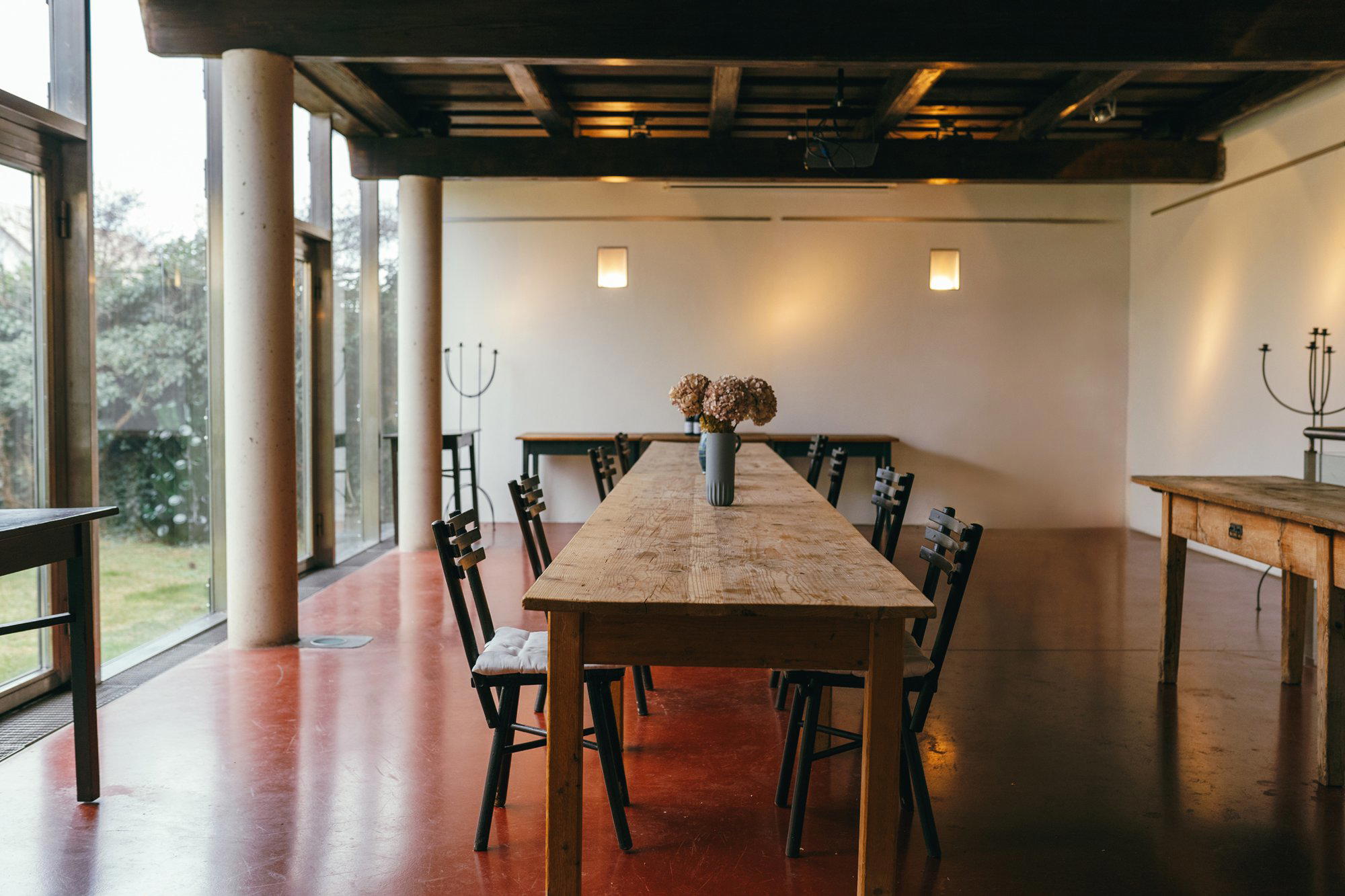
Cozy and casual atmosphere in an industrial-designed space with a rubber floor and integrated visual defects from its past as a launderette.