
Tabelog 100 #95
Our verdict
Toriryori Ranpu puts Kobe’s chicken-and-izakaya tradition into a compact Sannomiya format, with counter seating, sake, shochu and wine, and a dinner spend listed at JPY 5,000–5,999. Its 2025 Tabelog 100 selection for chicken cuisine gives it a clear quality signal in a city better known internationally for beef.

Pearl is the En Primeur Club membership app, where members save venues, book tables and use the concierge.
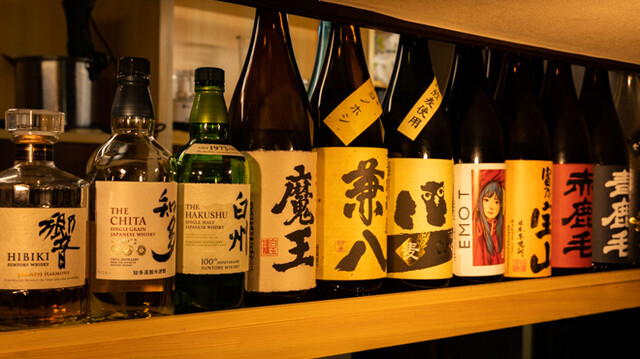
The approach is Kobe: a Japanese dining room where the local dining context matters as much as the headline category. Kobe’s international reputation often defaults to beef, but the city’s everyday dining culture is broader than that. Chicken specialists, izakaya counters, coffee rooms and compact grills form part of the local map. Toriryori Ranpu belongs to that more local rhythm rather than the ceremonial steakhouse circuit.
That distinction matters for value. Kobe can push dinner costs quickly upward, especially around higher-profile rooms such as Bifuteki no Kawamura Sannomiya honten. Ranpu sits in a different bracket: dinner is listed at JPY 5,000–5,999, a level that buys more specificity than a casual chain izakaya without entering the higher tiers occupied by some of Kobe’s more formal rooms, including CHEZ CHILO. In plain terms, the appeal is not luxury signalling. It is a focused category, a Kobe dining room, and enough recognition to justify planning ahead.
Chicken cuisine as Kobe counter culture, not a fallback from beef
Japanese chicken dining has its own hierarchy, from yakitori counters built around skewers to izakaya menus that use poultry across grilled, simmered and shared plates. Ranpu is listed for chicken dishes and izakaya cooking. That places it closer to the city’s specialist drinking-and-dining tradition than to a single-dish destination. The appeal is practical: a poultry-led meal in a Japanese tavern format, with the category focus doing more of the work than broad luxury cues.
The trust signal is concrete. Toriryori Ranpu was selected for Tabelog Hyakumeiten in 2025, and its Tabelog score is listed at 3.55. Tabelog’s category lists are not the same as Michelin stars, but in Japan they carry real discovery value because they sort restaurants by genre rather than by tourist visibility. For visitors using Kobe as more than a steak stop, that genre recognition is useful. It points toward a room with a clear category identity, not a room defined mainly by inbound expectations.
The restaurant’s listed categories also explain why the place reads as chicken cuisine rather than a generic izakaya. Chicken dishes are the centre, while the izakaya label leaves room for a broader shared-plate grammar. That flexibility is often where mid-priced Japanese dining becomes interesting. A focused room can feel specialised without forcing the meal into a tasting-menu sequence, and the format can work for people who want a category-led dinner rather than a long formal sitting.
The value argument is sharper in a focused room
Format is part of the story. Ranpu is not positioned as a broad luxury restaurant; its public profile is built around chicken dishes, izakaya cooking, a 2025 Tabelog Hyakumeiten selection and a dinner budget of JPY 5,000–5,999. Focused Japanese dining rooms often create a clearer value proposition because the spending goes toward a defined format rather than scale: a tighter menu identity, a clearer category, and less need for luxury signalling. That does not automatically make a restaurant better, but it changes the decision. At this price level, a recognised chicken-focused izakaya is competing less with cheap casual stops and more with category-specific rooms that reward advance thought.
The comparison inside Kobe is useful. Grill Ippei Sannomiya ten, GREEN HOUSE Wald and Saba no Ue ni mo San Nen each sit within the city’s casual-to-midrange dining map, while CHEZ CHILO and Bifuteki no Kawamura Sannomiya honten point toward other kinds of planned meals. Ranpu costs enough to feel intentional, yet it remains in a controlled dinner band. That middle position is the point: spend enough to get a specialist room, not so much that dinner becomes a prestige purchase.
For a broader Kobe itinerary, this is the kind of restaurant that pairs well with the city’s other small-format pleasures. A day might move through casual Kobe dining, coffee, shopping or sightseeing, then finish with a poultry-led dinner rather than another beef booking. Readers building a wider plan should cross-check Our full Kobe restaurants guide, then round out the trip through Our full Kobe hotels guide, Our full Kobe bars guide, Our full Kobe wineries guide and Our full Kobe experiences guide.
What to expect if Ranpu is the dinner anchor
Ranpu works strongest as a focused Kobe dinner rather than a long destination meal. The public data gives the essentials: Toriryori Ranpu is in Kobe, it is listed for chicken dishes and izakaya cooking, dinner is JPY 5,000–5,999, and the restaurant has a Tabelog score of 3.55 with 2025 Hyakumeiten recognition. Those facts make it a sensible anchor for diners who want a specific category and a controlled spend, while leaving the fine print of booking, payment and service details to be checked directly with the restaurant before going.
The editorial call is clear: choose Ranpu when the goal is a specialist meal at a controlled spend, not when the brief is a formal Kobe beef evening. The award selection gives it a stronger signal than a random izakaya; the price keeps it accessible compared with the city’s higher-cost dining rooms; and the category focus means the restaurant should be judged on chicken dishes and izakaya cooking rather than décor or spectacle. For travellers comparing Japanese regional dining more broadly, the same value logic applies across categories: focus, budget and reliable recognition often tell the reader more than a long list of invented details ever will.
Frequently asked questions
Where exactly is Toriryori Ranpu?
Kobe.
What price level is Toriryori Ranpu?
Pricing at Toriryori Ranpu is listed as JPY 5,000 - JPY 5,999.
Can I walk in to Toriryori Ranpu?
The public record provided here does not confirm walk-in policy. Because Toriryori Ranpu is a recognised Kobe restaurant in the JPY 5,000–JPY 5,999 dinner range, checking directly before going is sensible.
What's Toriryori Ranpu best at?
The strongest signal is its 2025 Tabelog Hyakumeiten selection. The listed categories are chicken dishes and izakaya cooking, with a Tabelog score of 3.55.
How does Toriryori Ranpu handle allergies?
No allergy protocol is listed in the public record provided here, so the practical route is to check the venue's official channels at +81-78-940-0077 before booking. That matters because the listed categories are chicken dishes and izakaya cooking.
Awards and Standing
Comparable venues by cuisine and price in the same metro.
| Venue | Cuisine | Price | Awards | Notes |
|---|---|---|---|---|
| Toriryori RanpuThis venue (the venue you are viewing) | Chicken Dishes / Izakaya | $30–50 | Tabelog 100 #95 | Not listed |
| Sumiyaki Niku Ishidaya. Hanare | Kobe beef charcoal-grilled yakiniku | $50–100 | Tabelog 100 #7 | Chūō |
| Teppan Dining Hoki | Teppanyaki Steakhouse | $100–150 | Tabelog 100 #61 | Chūō |
| Yakiniku Horumon Kopu | Yakiniku / Horumon BBQ | $50–100 | Tabelog 100 #64 | Chūō |
| Koube Kitano Asahi Yaseinikuten | Kobe beef diner & butcher eat-in | $10–20 | Tabelog 100 #40 | Chūō |
| Yoshoku GURa | Japanese Western (Yoshoku) | $10–20 | Tabelog 100 #20 | Chūō |
Recognition history
Dated appearances from independent guides and award organizations, with the underlying list record or original source where available.
Tabelog 100 #95 · No. 95
Tabelog · Tabelog 100 - Chicken cuisine - 2025
Continue exploring
More in Kobe
Restaurants in Kobe
All restaurants in Kobe →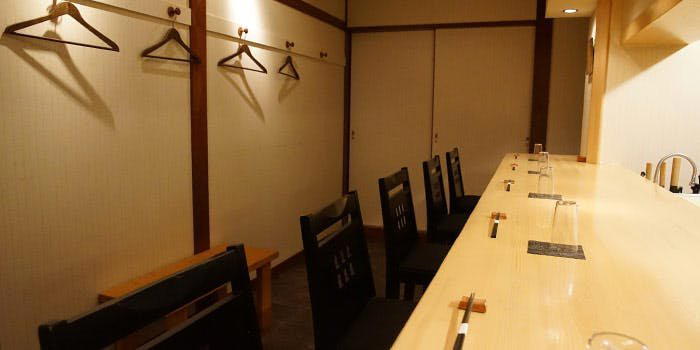


Bars in Kobe
Browse all →




Details
- Cozy
- Intimate
- Sophisticated
- Date Night
- Solo
- Casual Hangout
- After Work
- Standalone
- Sake Program
- Beer Program
- Extensive Wine List
- A La Carte
- Counter Dining
- Sake
- Shochu
- Wine
A stylish, relaxing underground izakaya atmosphere with counter seating and an intimate, low-capacity setting.