Alla Conchiglia sits on Via Trieste in the Venetian mainland district of Marghera, placing it outside the tourist-dense sestieri where most visitors confine their search. For occasion dining in Venice, the question is always whether to pay the island premium or seek out the quieter, more neighbourhood-focused alternatives that locals have long relied upon. Alla Conchiglia occupies that second category.
Pearl is the En Primeur Club membership app — saves, bookings, and concierge access live there. Same editors, same standards.
- Address
- Via Trieste, 122, 30175 Venezia VE, Italy
- Phone
- +393941935756
- Website
- pizzeriaallaconchiglia.it
- Directions
- Get directions
 Saves & bookings on Pearl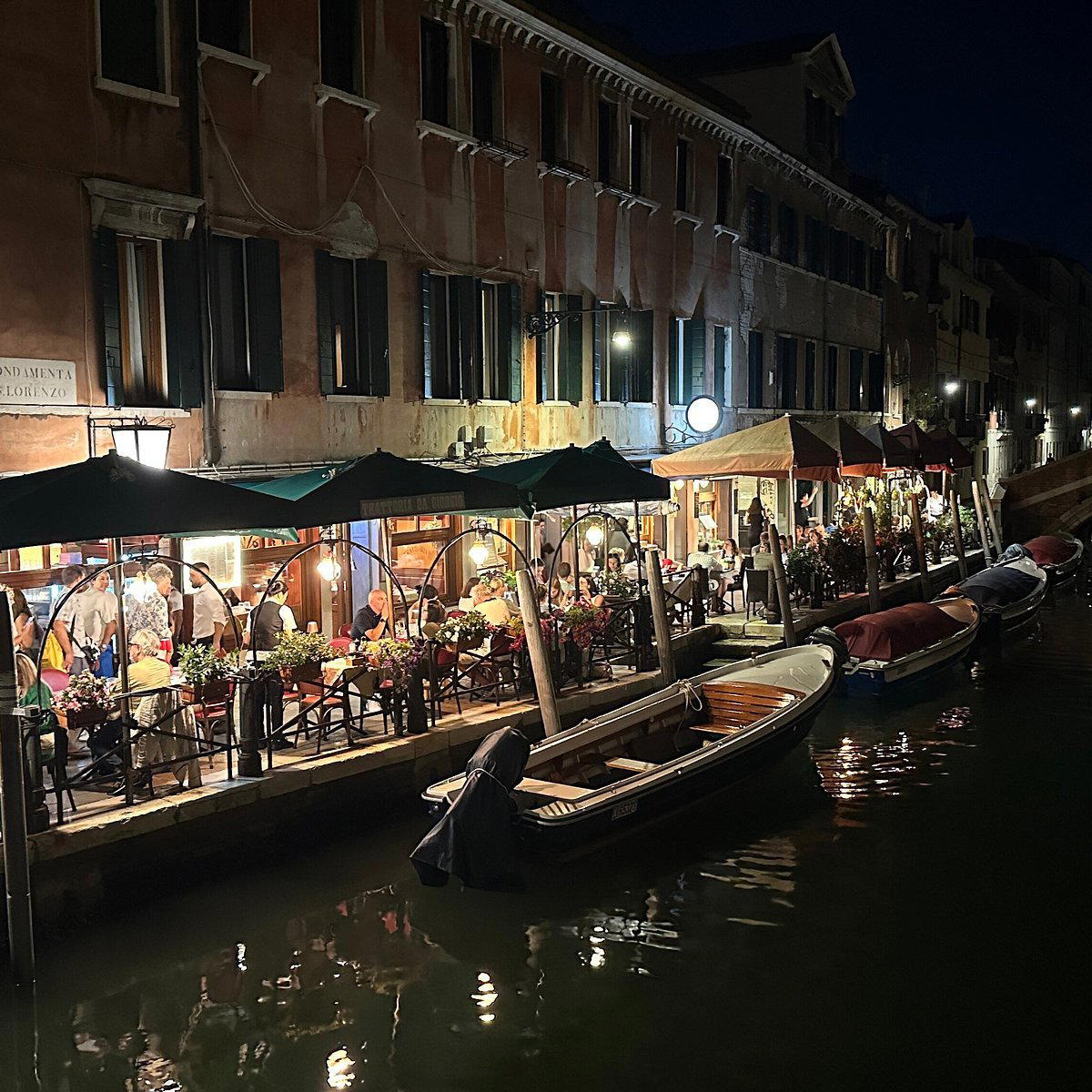
Dining on the Margins: What Venice's Mainland Reveals About the City's Real Food Culture
Most visitors to Venice never cross to the mainland with a meal in mind. The vaporetto routes and the allure of canalside tables pull attention inward, toward the sestieri, toward Michelin-branded counters on the Giudecca or tasting menus set against the Grand Canal. But Venice's dining geography is wider than that, and the mainland district around Marghera and Mestre has long supported a category of restaurant that the island's economics cannot easily sustain: the neighbourhood trattoria operating on lower overheads, serving a local clientele, and priced without the tourist premium built into almost every cover charge on the other side of the causeway.
Alla Conchiglia, addressed at Via Trieste 122 in the Venezia Mestre municipality, sits in that tradition. The name itself, The Shell, signals a seafood orientation that places it within among the more coherent culinary identities in the Veneto region. Venetian seafood cookery is not a loosely defined category. It draws on centuries of Adriatic fishing culture, lagoon foraging, and a spice-trade inheritance that still shows in the use of soar (sweet-sour agrodolce preparations), dried fruit in savory sauces, and a preference for fish that most contemporary Italian menus have long since moved away from. A restaurant operating under the conchiglia symbol is making a positioning statement before anyone sits down.
The Occasion Case: Why Mainland Venice Works for Milestone Meals
Celebration dining in Venice carries a specific set of pressures. The island's top tier, represented by addresses like Glam Restaurant by Enrico Bartolini, Oro Restaurant, and Ristorante Quadri on Piazza San Marco, prices at a level where the occasion itself can feel subordinate to the financial weight of the evening. At the €€€€ tier, where Local and Wistèria also operate, the room often works harder than the food to justify the bill. For a different register of celebration, one where the meal is the thing rather than the postcode, mainland options offer a recalibration.
The mainland's restaurant culture tends toward the trattoria and mid-range seafood house format, closer in character to Osteria alle Testiere or Corte Sconta in spirit, if not in location or acclaim. These are rooms where a birthday dinner or an anniversary meal can be marked with attention to what is actually on the plate rather than to the real estate framing it. That shift in emphasis is not a compromise. For a certain kind of diner, it is the point.
Italian occasion dining at this tier, away from the Michelin-starred circuit occupied by Osteria Francescana in Modena, Le Calandre in Rubano, or Piazza Duomo in Alba, relies on generosity of portion, depth of local sourcing, and the kind of service rhythm that comes from a room that has been doing this for a long time. The format is not about surprise or provocation. It is about reinforcement: the right dish, in the right season, for a table that is celebrating something.
Venetian Seafood as a Culinary Frame
To understand what a restaurant named after a shell is likely doing, it helps to understand what the Adriatic seafood tradition in the Veneto actually encompasses. The lagoon around Venice supports canestrelli (small scallops), caparossoli (clams), granseola (spider crab), and moeche (soft-shell crabs, available only during molting seasons in spring and autumn). The open Adriatic brings branzino, rombo, sogliola, and the cephalopods, seppie and calamaretti, that appear in risi e bisi variants and in the nero di seppia risotto that has become one of the city's most internationally recognized dishes.
This is not a cuisine of elaborate technique. It is a cuisine of timing and sourcing: knowing what the market has that morning, understanding which preparations serve which fish, and resisting the pressure to complicate what is already precise. Restaurants that do this well operate as quiet custodians of a food culture under significant pressure from tourism-driven simplification. Italy's broader coastal seafood tradition, from Uliassi's format in Senigallia to the fish-forward menu at Quattro Passi in Marina del Cantone, shows what this tradition looks like when it is taken seriously at every level of the market.
Seafood-named restaurants in the Venetian mainland, operating without the island's foot traffic and with a predominantly local clientele, face a different kind of accountability than their tourist-facing counterparts. Regulars return. Word travels.
Planning Your Visit: Logistics and Positioning
Via Trieste sits within the Mestre district, reachable from central Venice by regional train (Mestre station is approximately ten minutes from Venezia Santa Lucia on frequent Trenitalia services) or by bus from Piazzale Roma. For visitors staying on the island, this is a twenty-to-thirty-minute transit, which is comparable to reaching some of the outer island restaurants by vaporetto. The journey reframes the evening as a deliberate choice rather than a default, which is itself part of the occasion logic: you are going somewhere, not just sitting down where your hotel pointed you.
This is standard practice for any non-chain dining address in Italy, where hours and availability can shift seasonally, and where a phone call remains one reliable confirmation method.
Arriving with a reservation, even for smaller rooms, is advisable for weekend evenings and during the Biennale and Carnival periods, when demand across the entire metropolitan area tightens considerably.
Those planning a longer Italian itinerary with serious meal stops might also consider the wider regional circuit: Dal Pescatore in Runate, Enoteca Pinchiorri in Florence, Reale in Castel di Sangro, Enrico Bartolini in Milan, and Atelier Moessmer Norbert Niederkofler in Brunico each represent a distinct strand of Italian fine and regional dining worth building a trip around. For international reference points in the same serious-seafood register, Le Bernardin in New York City sets the global benchmark for fish-forward tasting formats, while Atomix, also in New York, shows what precision and restraint look like in a tasting menu context at the highest tier.
Budget Reality Check
Comparable venues nearby, for context on price, style, and recognition.
| Venue | Cuisine | Price | Notes |
|---|---|---|---|
| Alla ConchigliaThis venue — the venue you are viewing | Castello, Venetian Seafood | $$ | Not listed |
| Trattoria Ca' D'Oro - Cucina Tipica Veneziana | Not listed | $$ | Cannaregio, Traditional Venetian Trattoria |
| Osteria Da Alberto | Not listed | $$ | Cannaregio, Traditional Venetian Seafood Osteria |
| Trattoria da Romano | Not listed | $$ | Burano, Traditional Venetian Seafood Trattoria |
| Do Farai | Not listed | $$ | Dorsoduro, Traditional Venetian Seafood Osteria |
| La Porta d'Acqua | San Polo, Venetian Seafood | $$$ | Not listed |
Continue exploring
More in Venice
Restaurants in Venice
Browse all →
Bars in Venice
Browse all →
Hotels in Venice
Browse all →
At a Glance
- Romantic
- Rustic
- Cozy
- Elegant
- Date Night
- Family
- Terrace
- Waterfront
- Waterfront
Current opening hours
- Monday
- Closed
- Tuesday
- 12–2:30 PM, 6:30–11 PM
- Wednesday
- 12–2:30 PM, 6:30–11 PM
- Thursday
- 12–2:30 PM, 6:30–11 PM
- Friday
- 12–2:30 PM, 6:30–11 PM
- Saturday
- 12–2 PM, 6:30–11:30 PM
- Sunday
- 6:30–11 PM
Hours can change for holidays and private events. Last verified .
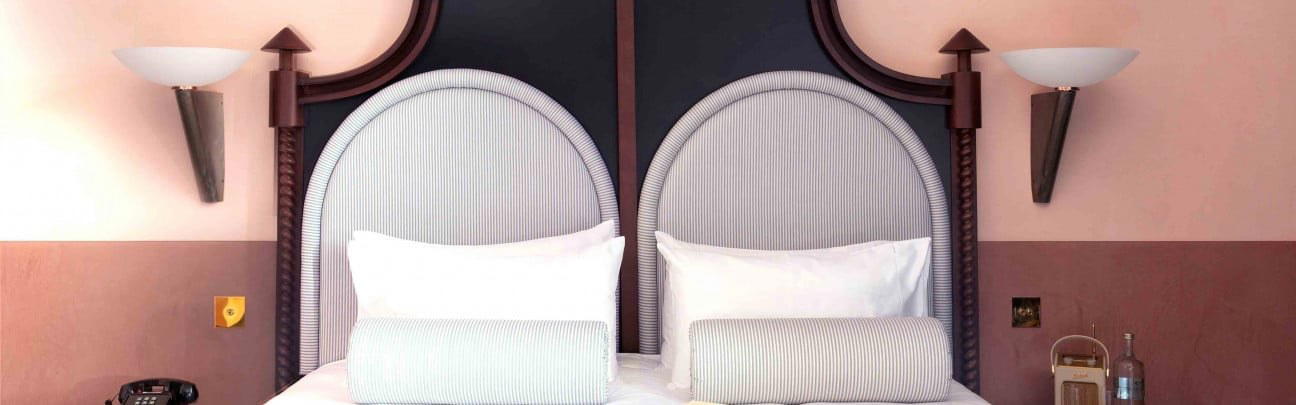
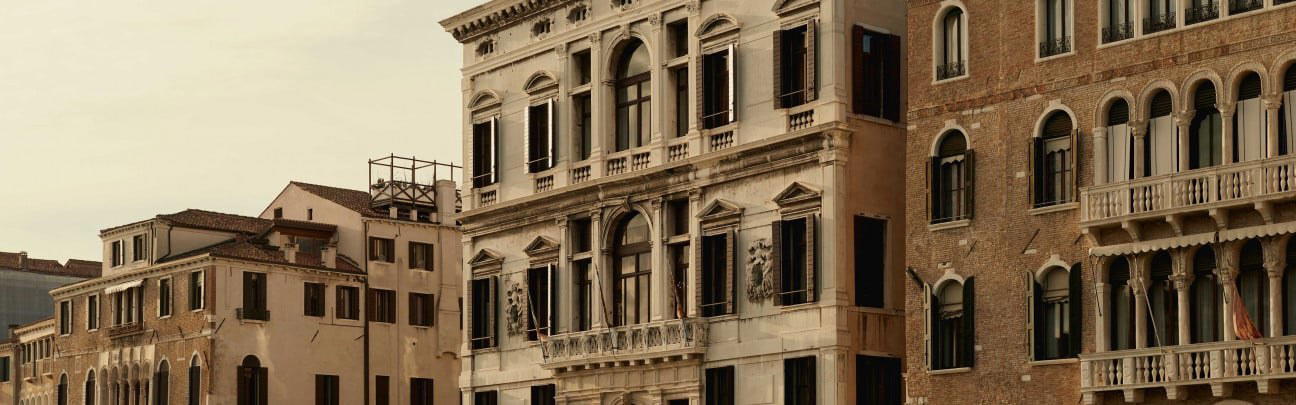
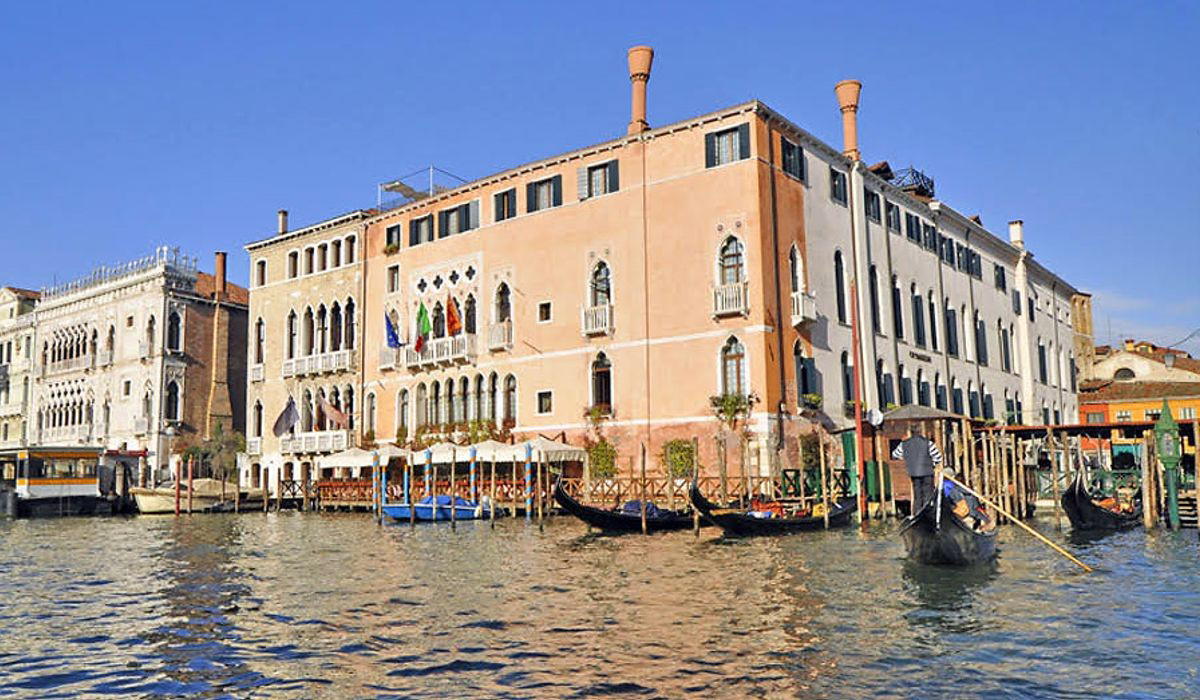
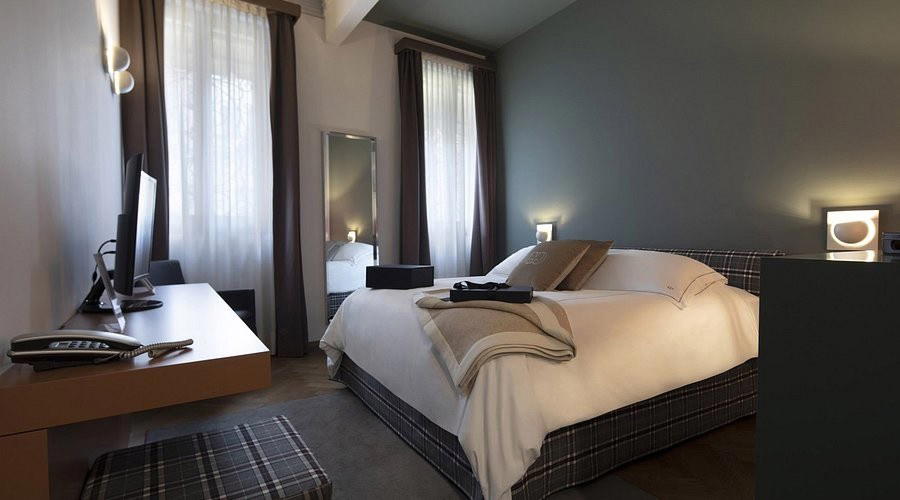
Mood lighting in the evening with a pleasant, comfortable, and elegant interior; terrace offers scenic canal views.