Our verdict
Da Giuseppe sits on Kirchgasse in the compact Tyrolean village of Thaur, a few kilometres east of Innsbruck, where Italian cooking traditions meet alpine sourcing rhythms. The address places it within a circuit of serious Austrian regional dining, and the Italian name signals a kitchen working in a cross-cultural register that remains relatively rare at this altitude and village scale.

Pearl is the En Primeur Club membership app — saves, bookings, and concierge access live there. Same editors, same standards.
- Address
- Kirchgasse 2, 6065 Thaur, Austria
- Phone
- +43522349282840
- Hours
- Mon ClosedTue 5–11 PMWed–Sat 11 AM–2 PM, 5–11 PMSun 10 AM–10 PM
- Website
- da-giuseppe.at
- Directions
- Get directions
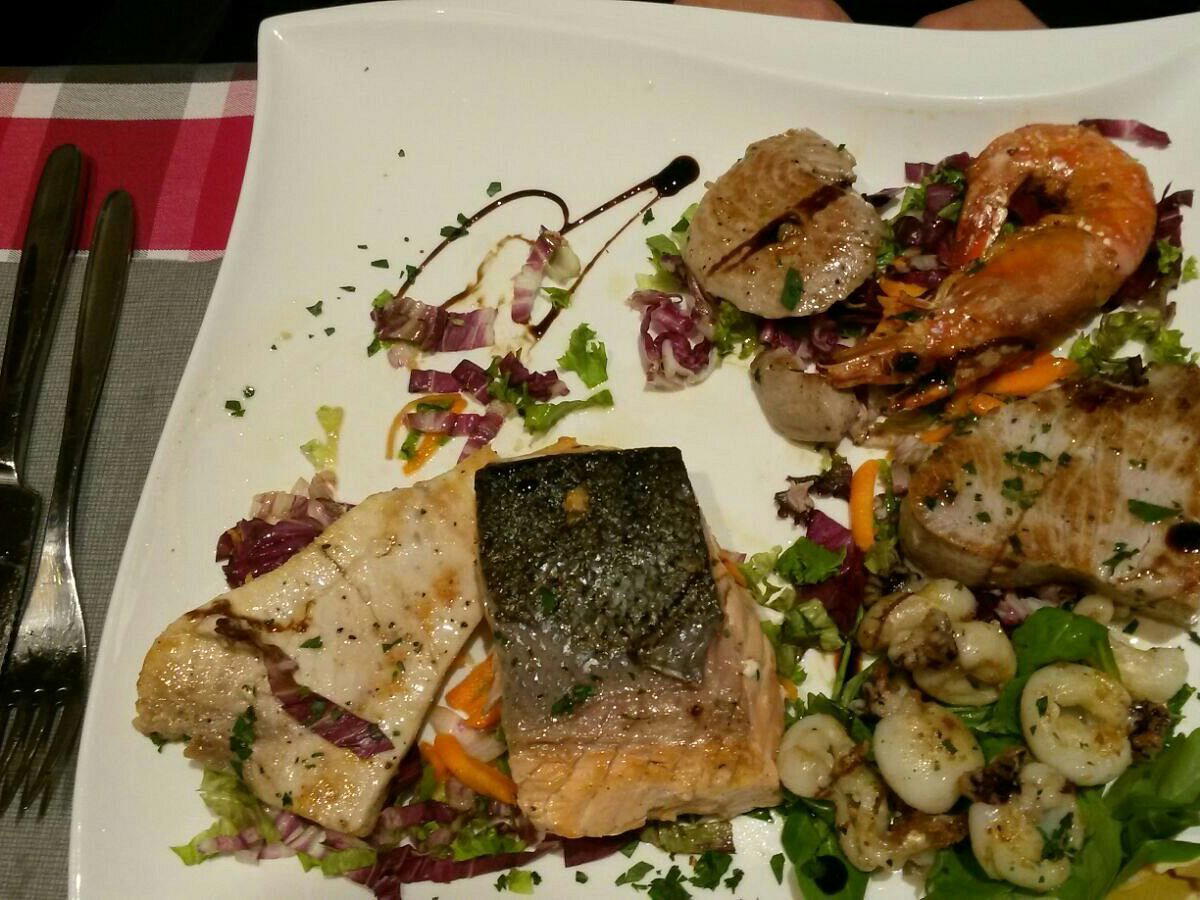
Where Alpine Geography Meets Italian Kitchen Logic
The village of Thaur occupies a terrace above the Inn valley, close enough to Innsbruck to draw city visitors but small enough that a restaurant on Kirchgasse 2 is competing less on footfall and more on reputation travelling outward. In Tyrol, this geography matters. The region sits at a crossroads where Austrian, Italian, and Bavarian culinary traditions have overlapped for centuries, and villages like Thaur have hosted trattorias, Gasthöfe, and hybrid kitchens that don't fit cleanly into any single national category. Da Giuseppe operates in that layered context, where Italian cooking names and Tyrolean sourcing reality intersect in ways that reward closer attention than a cursory glance at the address would suggest.
The physical approach along Kirchgasse is characteristic of the Inn valley's older village cores: compact stone and render buildings, narrow lanes, a pace that signals you are not in the resort belt to the west. Walking toward the address, the surrounding architecture frames the restaurant as something embedded in local life rather than positioned for tourist throughput. That positioning, in villages at this scale in Austria, typically correlates with a kitchen that sources from the immediate region out of practical necessity as much as philosophical preference — the supply chains that reach larger ski towns or city addresses often don't extend here with the same frequency or range.
Italian Cooking in a Tyrolean Supply Chain
Editorial interest in Da Giuseppe, given the constraints of its location and the Italian register its name announces, lies in how Italian culinary logic adapts when the ingredient geography shifts north across the Brenner. Classic Italian kitchen identity is built around proximity to specific producers: the olive press, the coastal fish market, the aged-cheese cooperative. In Tyrol, those reference points are replaced by different but equally specific ones: mountain dairy operations producing Bergkäse and Graukäse, valley farms supplying herbs and root vegetables on shorter growing seasons, and river systems and alpine lakes providing freshwater fish rather than Adriatic or Tyrrhenian catches.
Restaurants in this register across Austria's alpine region have increasingly drawn critical attention for exactly this kind of productive tension. Döllerer in Golling an der Salzach built its reputation by holding a contemporary Austrian kitchen discipline against the specific produce of the Salzach valley. Gourmetrestaurant Tannenhof in Sankt Anton am Arlberg operates where alpine altitude limits what arrives fresh and mandates a different kind of larder thinking. Da Giuseppe, working from a village address in Tirol rather than a resort or city platform, faces a version of the same constraint, and the kitchen's response to that constraint is the more interesting story than the Italian name on the door.
Austrian alpine sourcing at the village level tends to produce menus with shorter ingredient lists but higher specificity per ingredient. The dairy products available within a short radius of Thaur carry the flavour signatures of high-altitude pasture. Local cured meats, a tradition running through both Austrian and South Tyrolean cultures, represent a larder resource that sits naturally inside Italian-inflected cooking. The question a kitchen in this position answers through its menu is how Italian technique and structure can work productively with those inputs rather than substituting imports to replicate a more southerly model.
Placing Da Giuseppe in the Regional Dining Circuit
The Austrian restaurant scene has developed a distinctive pattern over the past decade: serious kitchens operating outside Vienna and the major ski resorts in smaller towns and villages, drawing guests who are willing to travel for the cooking rather than arriving incidentally as tourists. Landhaus Bacher in Mautern an der Donau, Obauer in Werfen, and Ois in Neufelden all operate on this model, in addresses that require deliberate travel, and all have built national and international recognition from those positions. Steirereck im Stadtpark in Vienna represents the metropolitan anchor of that broader circuit.
Thaur sits within the eastern Tyrolean orbit, a short drive from Innsbruck, which places it in commuting range for a city dining public and within easy reach for visitors using Hall in Tirol as a base. Schwarzer Adler in Hall in Tirol operates in that adjacent market, and the two addresses serve slightly different purposes in the area's dining map. For Italian-register cooking specifically, the proximity to the Brenner corridor — the historic route connecting Innsbruck to Bolzano and Verona, gives Thaur a geographical plausibility as a location for a kitchen working across Austrian and Italian culinary traditions that a village in the Salzburg hinterland would not share as naturally.
Elsewhere in the Tyrolean and Vorarlberg dining circuit, format and sourcing discipline have become the primary differentiators. Stüva in Ischgl and Griggeler Stuba in Lech operate in the resort tier where guest volume and international clientele shape menu decisions. A village address like Thaur operates on different terms: smaller audience, more local repeat custom, and a kitchen that cannot rely on seasonal resort traffic to sustain ambition.
The Cross-Cultural Kitchen as an Editorial Category
Across Alpine Europe, the Italian-Austrian kitchen hybrid is a well-established and occasionally underappreciated category. In South Tyrol, which sits administratively in Italy but culturally and linguistically between both traditions, this synthesis has produced some of Europe's most discussed contemporary restaurants. Kräuterreich by Vitus Winkler in Sankt Veit im Pongau approaches the alpine herb question from a distinctly Austrian angle; an Italian-named kitchen in North Tyrol approaches related terrain from the other direction. Neither is derivative of the other. Both are responses to the same geographical reality: that the Alps produce specific, high-quality ingredients that reward a kitchen willing to build its identity around them rather than importing a template wholesale.
The comparison set for a kitchen like Da Giuseppe's is not the classical Italian restaurants of Vienna or the tourist-facing pizza addresses of Innsbruck's old town. It sits closer to the village Gasthaus tradition that takes cooking seriously without performing fine dining conventions, and to the cross-border kitchens of the Inn and Adige valleys that have always traded more freely in culinary ideas than political borders would suggest. For those interested in how Italian cooking logic travels and adapts, the Tyrolean village context is a more productive testing ground than most.
Planning a Visit
Thaur is accessible by regional bus from Innsbruck, with the village centre reachable in under twenty minutes from the city. For visitors combining the restaurant with broader Tyrolean dining, Restaurant 141 by Joachim Jaud in Mieming sits to the west in the Inn valley corridor, providing another anchor point for a considered regional itinerary. Salzburg-based itineraries can layer in Ikarus in Salzburg and Atelier Fischer in Sankt Gilgen before or after a Tyrolean loop. Contact details and current opening hours for Da Giuseppe are best confirmed directly through local listings, as the venue's online presence is limited. Our full Thaur restaurants guide covers the broader local dining context. Given the village scale, arriving with a reservation rather than as a walk-in is the practical approach; small kitchens in addresses of this type typically run at capacity on weekend evenings without much visible external signal. Those drawing wider Austrian comparisons can also reference Taubenkobel in Schützen am Gebirge, Thaller - Gasthaus in Sankt Veit am Vogau, and international reference points like Le Bernardin in New York City or Lazy Bear in San Francisco for a sense of the broader range within which committed, independently operated restaurants at village and neighbourhood scale build their identities.
Frequently asked questions
Is Da Giuseppe good for families?
Village-scale Italian restaurants in Tyrolean Austria typically run in a format that works for families across generations — relaxed pacing, familiar dish categories, and rooms that aren't calibrated for hushed fine dining. Da Giuseppe's address at Kirchgasse 2 in Thaur, a small community above the Inn Valley, points to exactly that kind of setting.
Is Da Giuseppe better for a quiet night or a lively one?
Thaur has a population measured in the low thousands, and restaurants in villages at this scale tend toward the convivial rather than the loud — conversation-friendly rooms where the noise level rises with the table count rather than a sound system. Da Giuseppe at Kirchgasse 2 sits in the village centre, not in a resort or city bar district, which reinforces that expectation. It reads as a place for an unhurried dinner rather than a late-night gathering.
How does Da Giuseppe's location in Thaur relate to the Italian-Austrian dining tradition?
Thaur sits in North Tyrol, north of the Brenner Pass, which places it culturally adjacent to but geographically distinct from South Tyrol, where Italian-Austrian culinary overlap is most documented. The Italian kitchen that Da Giuseppe's name announces at Kirchgasse 2 therefore represents a choice — bringing that cross-border register north into the Inn Valley rather than operating within South Tyrol's established bilingual food culture. This is the editorial category that makes the restaurant interesting to the regional dining circuit: Italian cooking practiced in an Alpine village that has no automatic Italian identity.
What's the best thing to order at Da Giuseppe?
What the Tyrolean-Italian context does suggest is that kitchens in this position — Italian in name and register, operating within Austrian Alpine supply chains — often produce pasta and secondi that reflect both sides of that equation: local ingredients processed through Italian technique. Arriving with curiosity about the daily or seasonal offering is the more reliable approach than arriving with a fixed target.
In Context: Similar Options
| Venue | Cuisine | Price | Awards | Notes |
|---|---|---|---|---|
| Da GiuseppeThis venue — the venue you are viewing | Italian Trattoria & Pizzeria | $20–30 | Not listed | Not listed |
| Steirereck im Stadtpark | Modern Austrian Fine Dining | $200–300 | 3 Michelin Stars · World's 50 Best #33 | Creative |
| Döllerer | Modern Alpine Cuisine | $100–150 | 2 Michelin Stars · La Liste Top Restaurants | Contemporary Austrian, Innovative |
| Landhaus Bacher | Classic Austrian Fine Dining | $100–150 | 2 Michelin Stars · La Liste Top Restaurants | Austrian, Classic Cuisine |
| Obauer | Modern Austrian Fine Dining | $50–100 | 2 Michelin Stars · La Liste Top Restaurants | Classic Cuisine |
| Taubenkobel | Regional Austrian Fine Dining | Not listed | 2 Michelin Stars · La Liste Top Restaurants | Modern Austrian, French Contemporary |
Continue exploring
More in Thaur
Restaurants in Thaur
Browse all →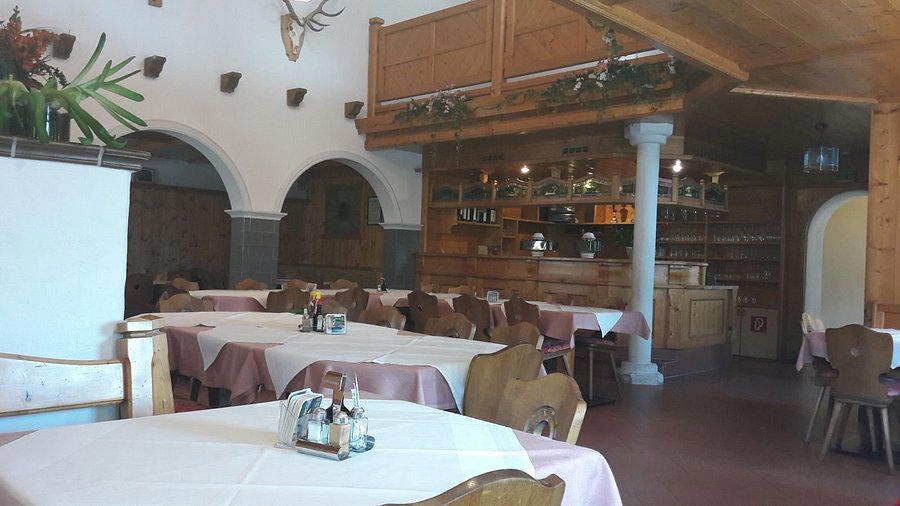
Bars in Thaur
Browse all →
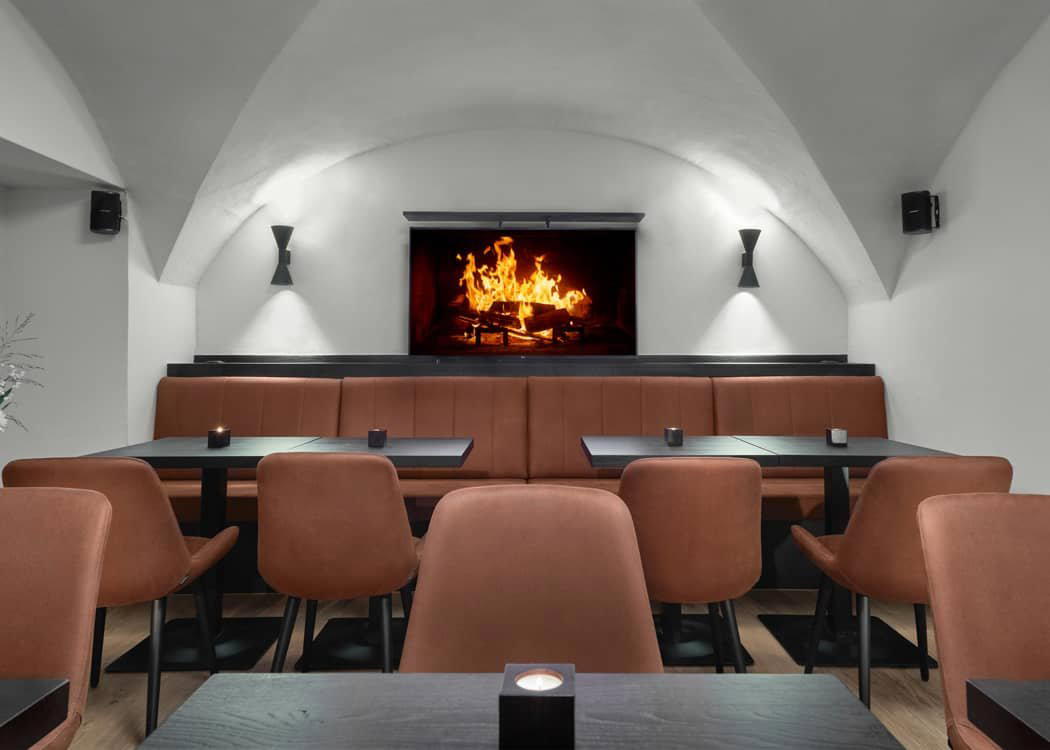

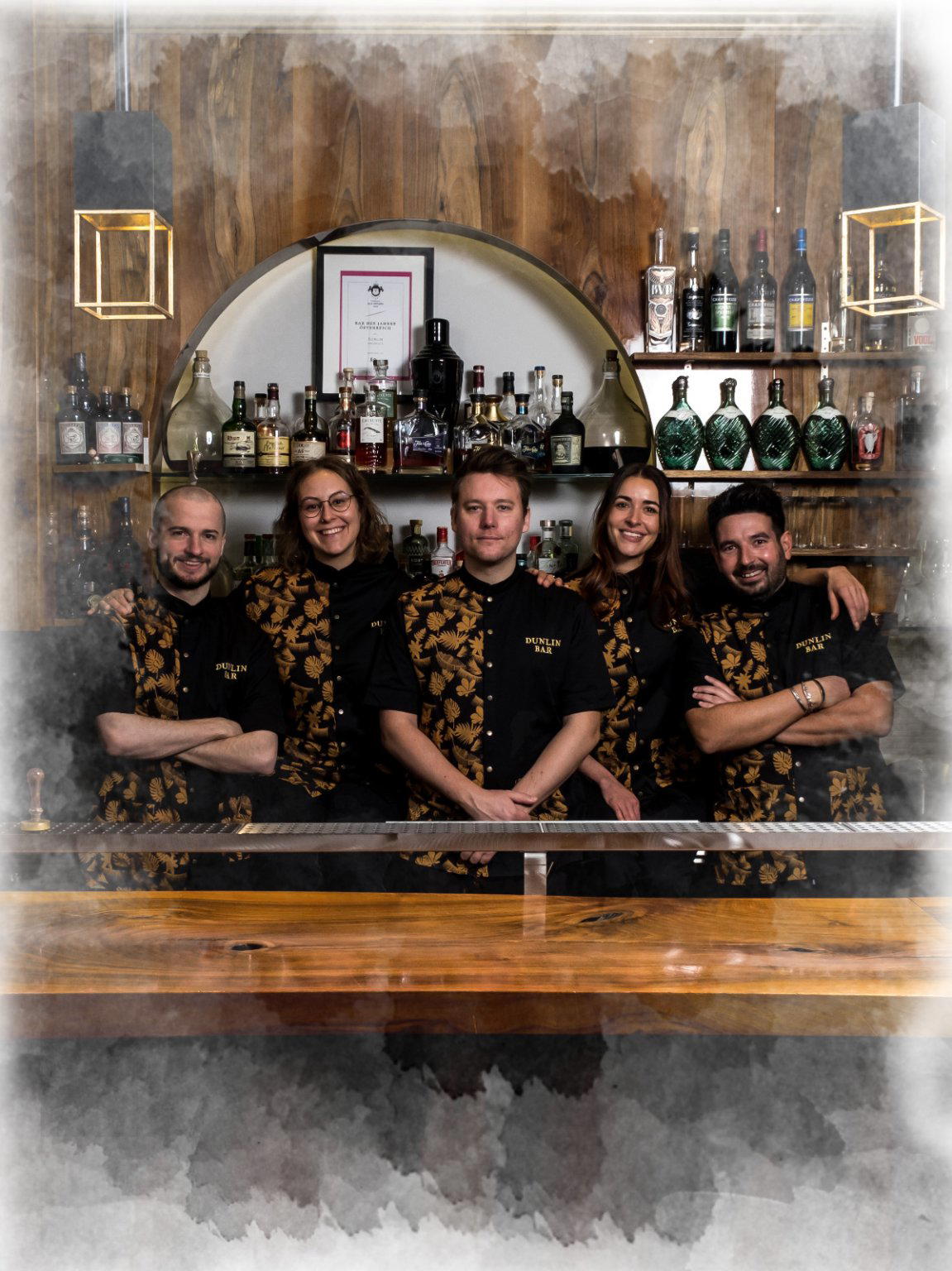
Hotels in Thaur
Browse all →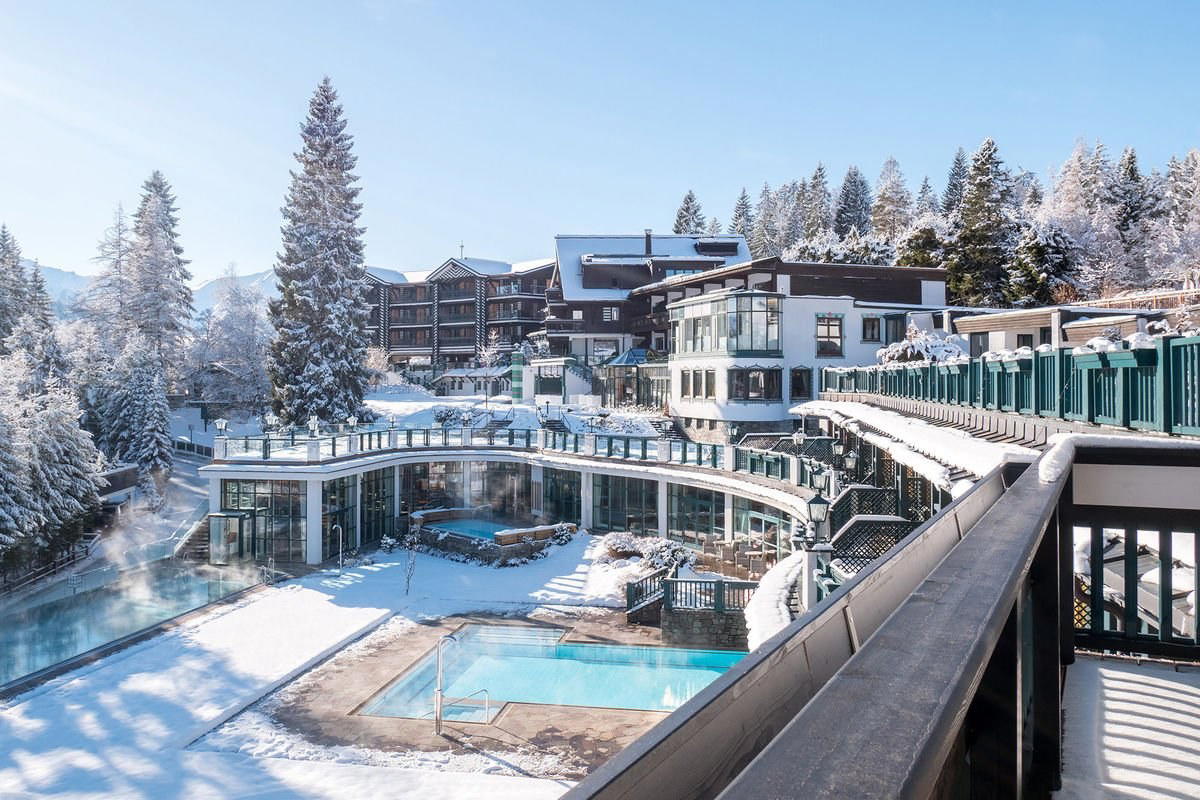
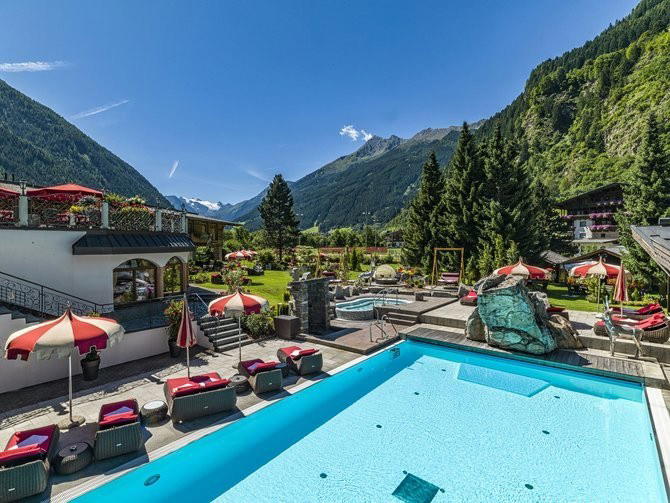

Details
- Cozy
- Rustic
- Classic
- Casual Hangout
- Family
- Terrace
- Local Sourcing
- A La Carte
Current opening hours
- Monday
- Closed
- Tuesday
- 5–11 PM
- Wednesday
- 11 AM–2 PM, 5–11 PM
- Thursday
- 11 AM–2 PM, 5–11 PM
- Friday
- 11 AM–2 PM, 5–11 PM
- Saturday
- 11 AM–2 PM, 5–11 PM
- Sunday
- 10 AM–10 PM
Hours can change for holidays and private events. Last verified .
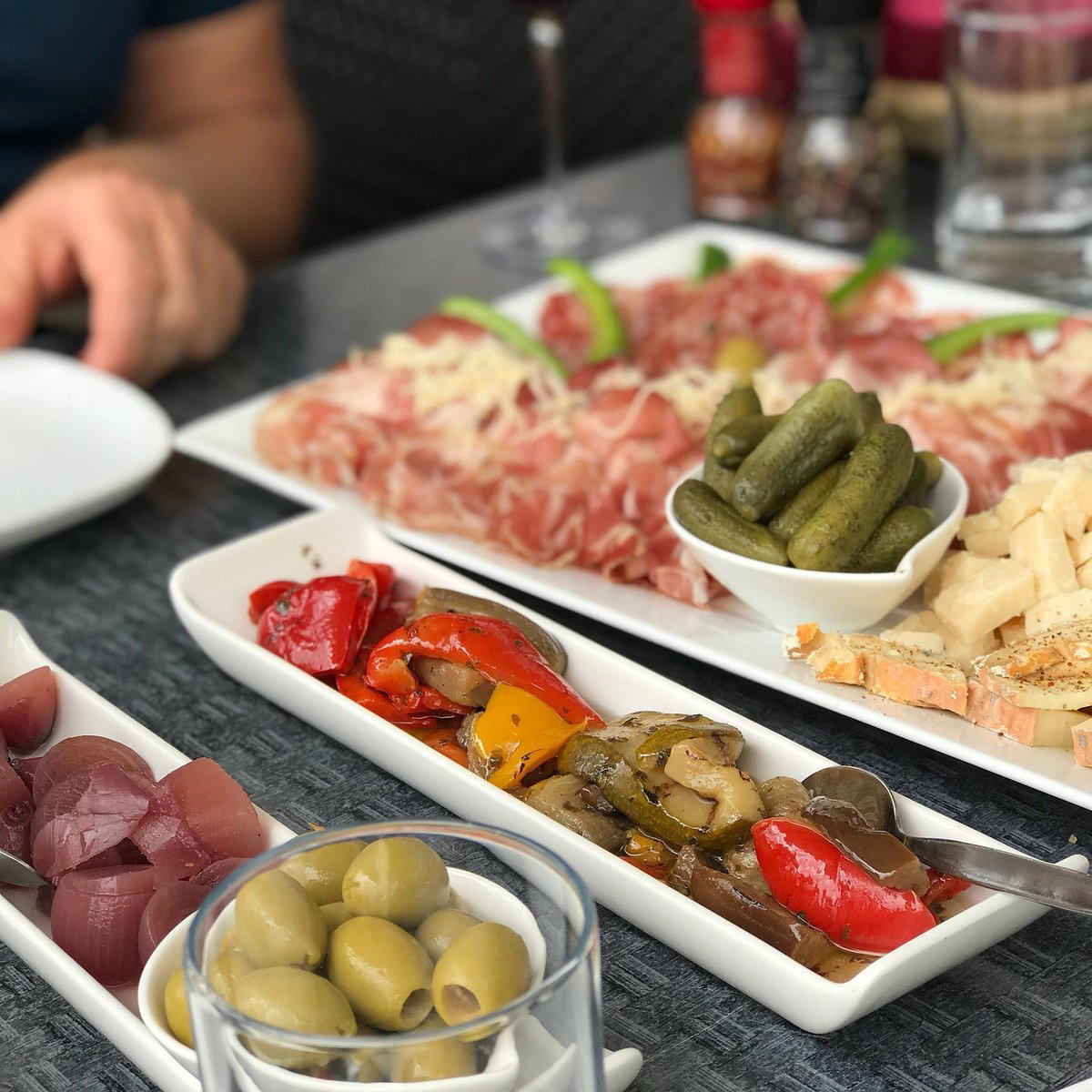
Relaxed atmosphere evoking Italian dolce vita with a rustic, cozy setting and summer terrace.