
Falstaff Winery - Listed
Gratus Weinwerkstatt is a garage-scale Austrian micro-winery in Gotzens, built around hand-worked St. Laurent from organically farmed Thermenregion fruit. The interest here is not polished cellar-door theatre, but a compact Tyrolean production site translating red-wine country into a quiet, minimalist format with unfined, unfiltered bottlings and a Burgundian frame of reference.

Pearl is the En Primeur Club membership app — saves, bookings, and concierge access live there. Same editors, same standards.
- Address
- Götzens, Mountain country, Tyrol, Österreich
- Directions
- Get directions

Approach Gratus Weinwerkstatt in Gotzens expecting the opposite of a grand estate entrance. The picture is small and practical: a garage-based micro-winery in a residential area near Innsbruck, with a handcrafted, minimalist feel. That modest setting matters because it frames the venue as a careful producer rather than a conventional visitor facility. In other words, the first read is not about ceremony, frontage or a polished sense of arrival, but about a working space where scale and intent appear closely connected.
For travellers using a Gotzens wineries guide, Gratus Weinwerkstatt is best understood as a hidden-gem stop with rustic, intimate character. The emphasis is on careful red wine production, not on elaborate hospitality infrastructure or a broad set of public amenities. That distinction is important for setting expectations: the draw is the understated nature of the place itself, and the way that understated setting reinforces the impression of a small producer working with focus.
Careful red wine production in a garage-based Gotzens setting
The defining feature is the format. Gratus Weinwerkstatt is a small micro-winery based in Gotzens, operating with the feel of a workshop rather than a polished estate. The information points to a minimalist, handcrafted environment where the production setting is central to the identity. Its garage-based character is not a minor background detail; it is the main lens through which the venue should be understood, because it signals compactness, practicality and a close relationship between place and production.
Because the confirmed details are deliberately limited, it is best not to approach the venue with assumptions about specific grape varieties, vineyard sources, tasting formats, opening hours or visitor services. What is grounded is the overall character: intimate, rustic and focused on red wine made with care. That makes the page less about listing amenities and more about clarifying the kind of wine address this is: small, quiet and defined by production rather than by a broad hospitality offer.
That restraint is also useful for planning. Gratus Weinwerkstatt should be read as a compact producer in Gotzens rather than as a large wine-tourism destination. The appeal lies in scale, atmosphere and production focus. Travellers who understand that in advance are less likely to look for the cues of a conventional estate visit and more likely to appreciate the narrower, more specific identity suggested by the available description.
Micro-production as an editorial category, not a lifestyle pose
Small wineries often use craft language loosely. Here, the description supports that language in a concrete way: Gratus Weinwerkstatt is garage-based, minimalist and handcrafted in feel. It is not presented as a venue with elaborate visitor facilities, and the page should not imply services or formats that are not confirmed. The editorial point is therefore to keep the language close to what is known, while still recognising that a small working environment can be part of the venue’s real appeal.
The result is a place for readers who value quiet specificity over spectacle. The strongest grounded hook is not a named award, a precise score or a detailed technical claim, but the contrast between its modest physical setting and its careful red wine focus. That contrast gives the venue its texture: a practical residential-area micro-winery near Innsbruck, presented without the trappings of a grand destination, yet with a clear sense of concentration around red wine production.
For a broader itinerary, treat Gratus Weinwerkstatt as its own Gotzens reference point and compare other dining or drinking options in the area generically. The information does not support naming other venues as direct comparisons. It is better to position it simply and accurately: a small wine-focused stop that can sit within a Gotzens plan, provided the rest of the day is built with the same caution around unconfirmed details.
Who should build time around it
The right visitor is not looking for a grand tasting complex. Gratus Weinwerkstatt suits someone interested in small-scale wine production, a hidden-gem atmosphere and a rustic, intimate setting near Innsbruck. It will make most sense to travellers who find value in modest places with a clear production identity, rather than those who need a full visitor programme, a highly visible estate setting or a long list of public-facing services.
Gotzens itself can be used as the planning frame for the rest of the trip. Build around Gratus Weinwerkstatt with other Gotzens dining, lodging, bar or experience options as needed, while keeping expectations grounded in what is confirmed: a small, garage-based micro-winery focused on careful red wine production. Seen that way, the venue becomes a compact but distinctive point in a local itinerary, best appreciated for its scale, restraint and workshop-like character rather than for any invented sense of grandeur.
Recognition history
Dated appearances from independent guides and award organizations, with the underlying list record or original source where available.
Falstaff Winery - Listed
Falstaff
Continue exploring
More in Gotzens
Wineries in Gotzens
Browse all →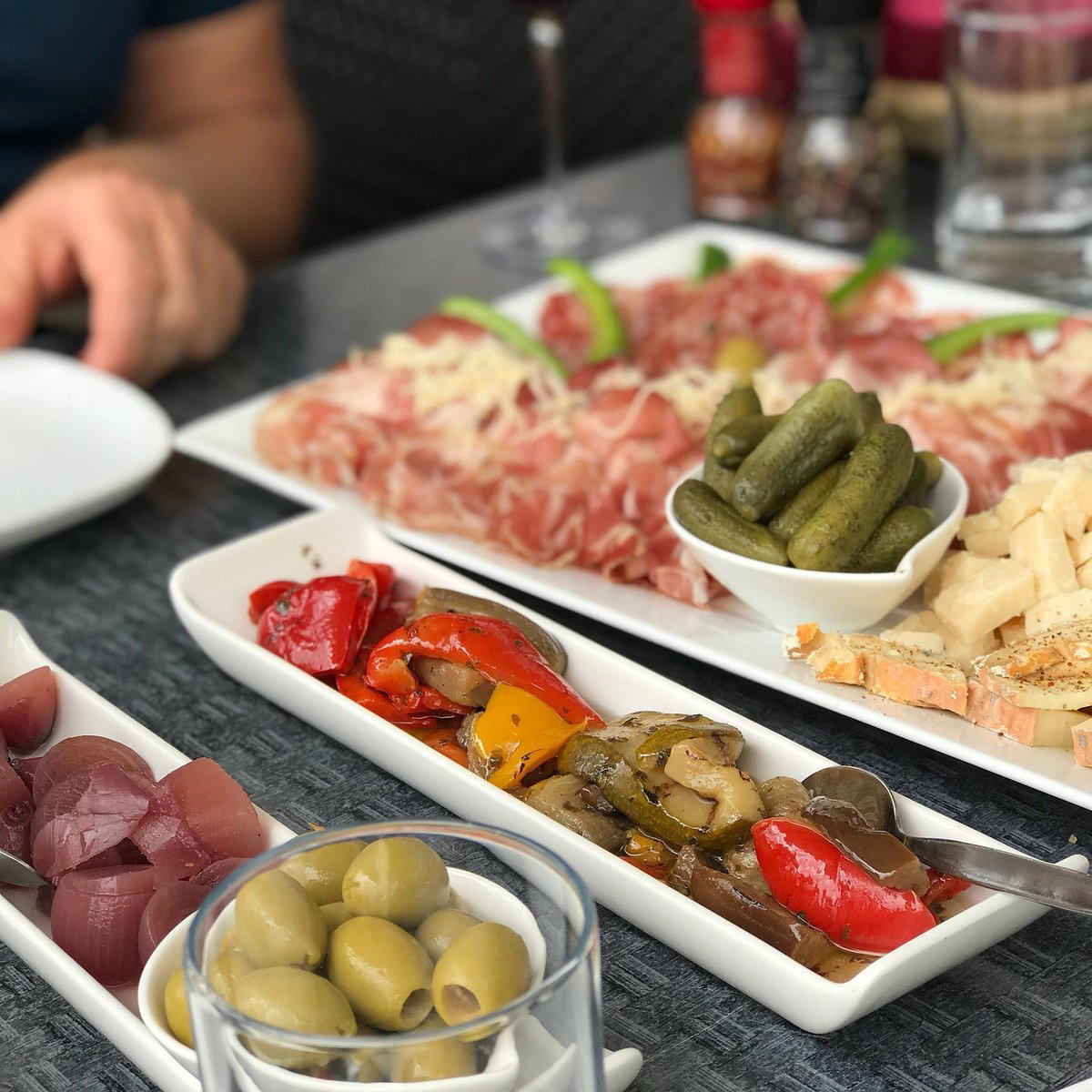
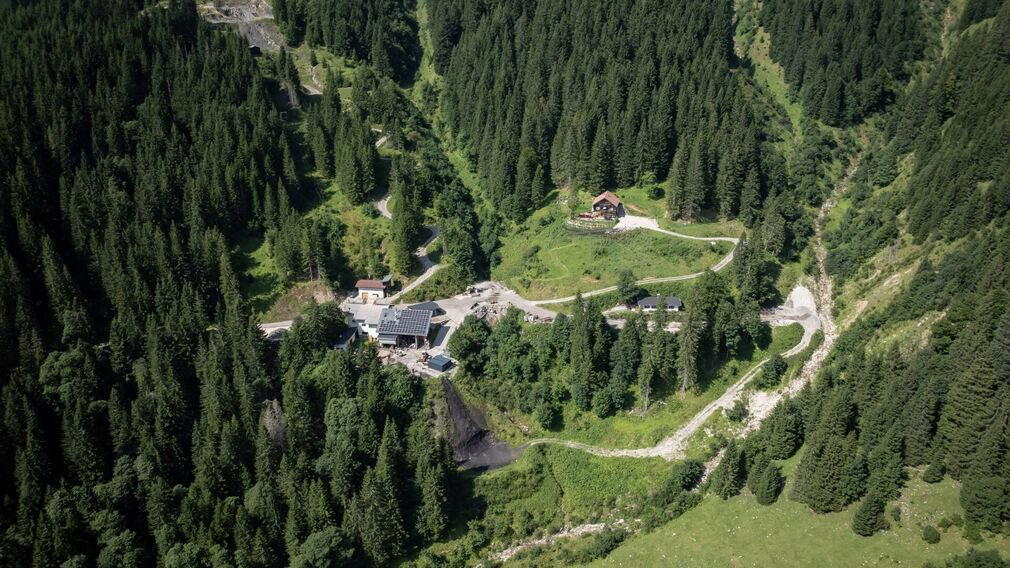
Bars in Gotzens
Browse all →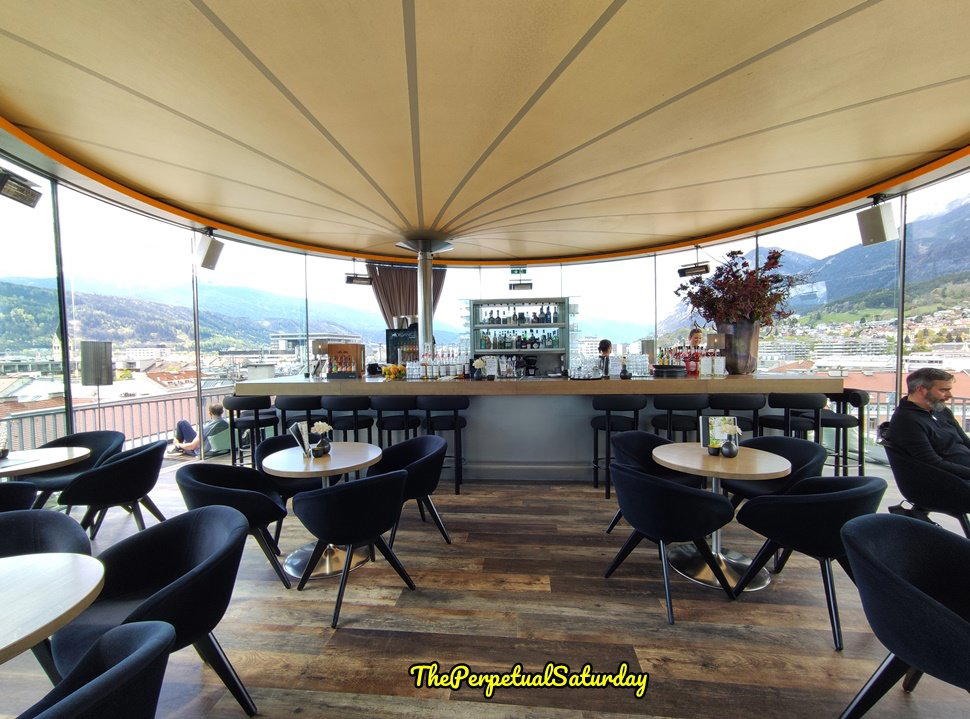
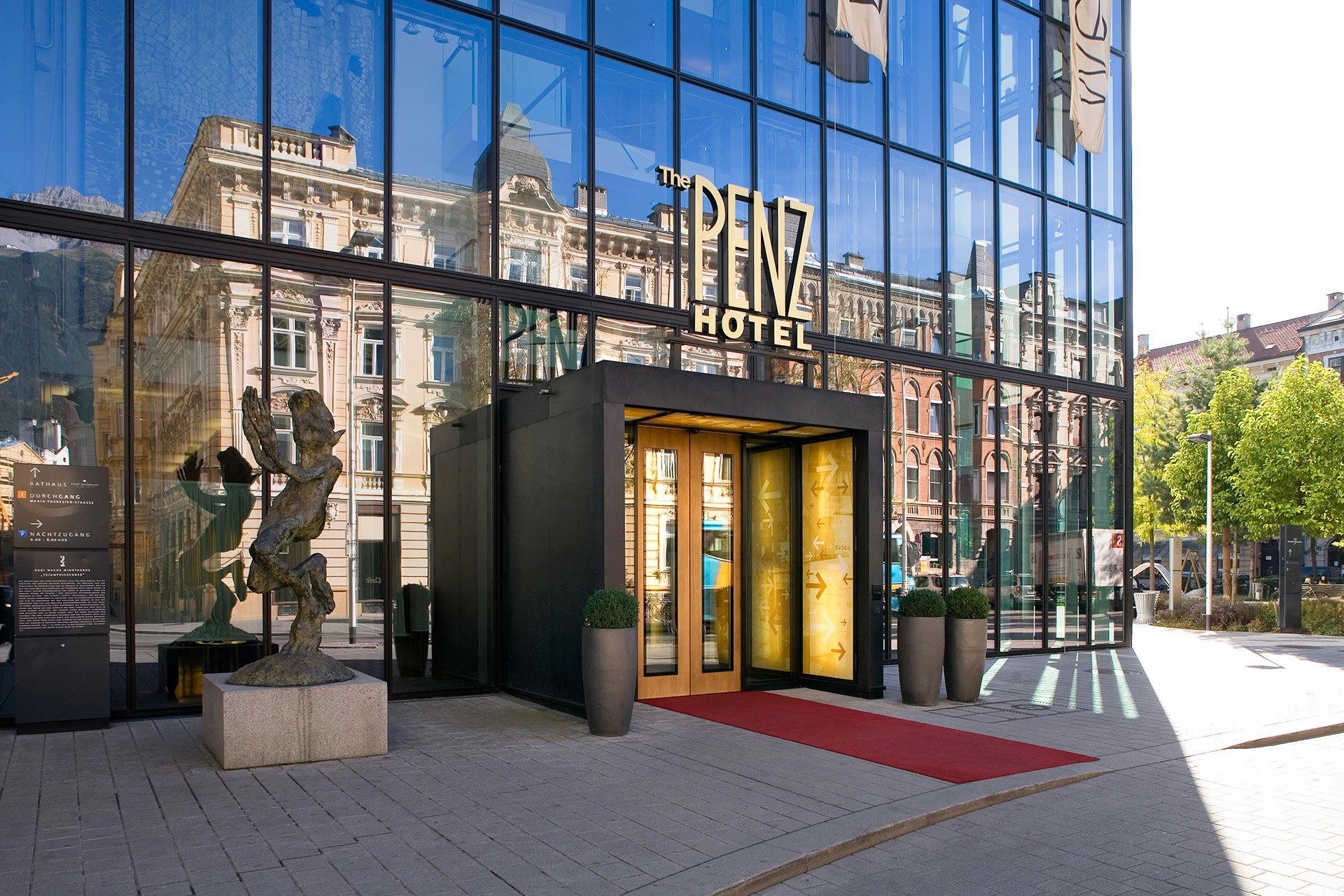
Restaurants in Gotzens
Browse all →
Details
- Rustic
- Minimalist
- Intimate
- Solo Exploration
- Wine Education
- Group Outing
- Private Tasting
- Organic
- St. Laurent
- Still Red
- Appointment Only
- Cellar Tasting
- German
A small, garage-based micro-winery in a residential area near Innsbruck, with a handcrafted, minimalist feel focused on careful red wine production rather than elaborate visitor facilities.