

1 Michelin Star · Falstaff Restaurant - 95 Falstaff Points
Our verdict
Die Geniesserstube im Alpenhof holds a Michelin star in one of Austria's most remote ski valleys, serving three- to six-course set menus of structured Alpine cuisine from a small, wood-panelled dining room at the foot of the Hintertux Glacier. At €€€€ pricing, it sits in the same tier as Austria's serious resort dining rooms.

Pearl is the En Primeur Club membership app, where members save venues, book tables and use the concierge.
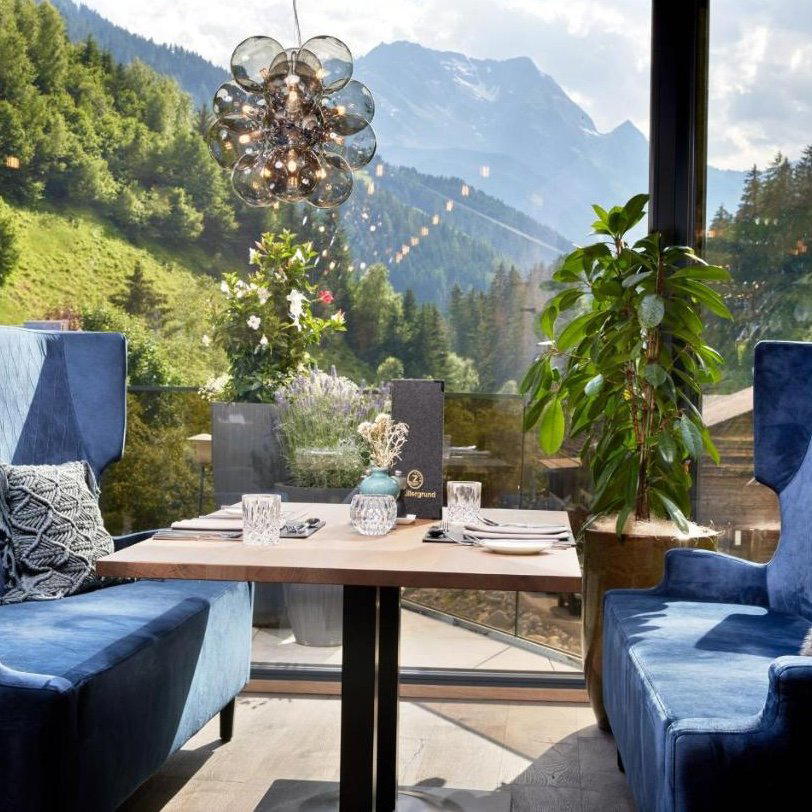
A Dining Room at the Edge of the Glacier
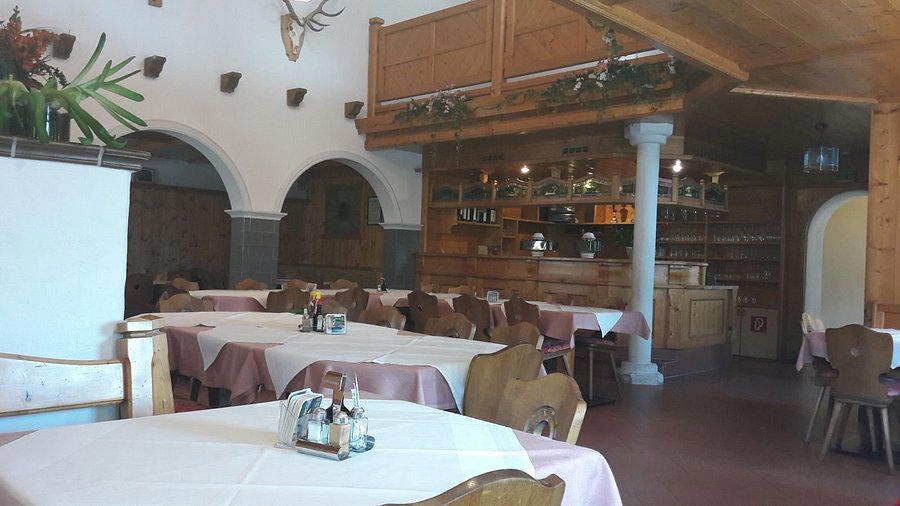
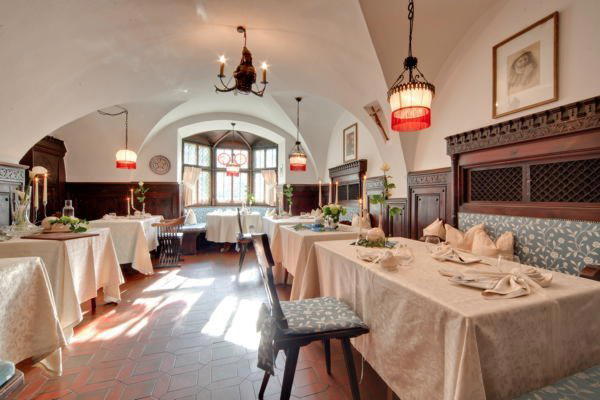
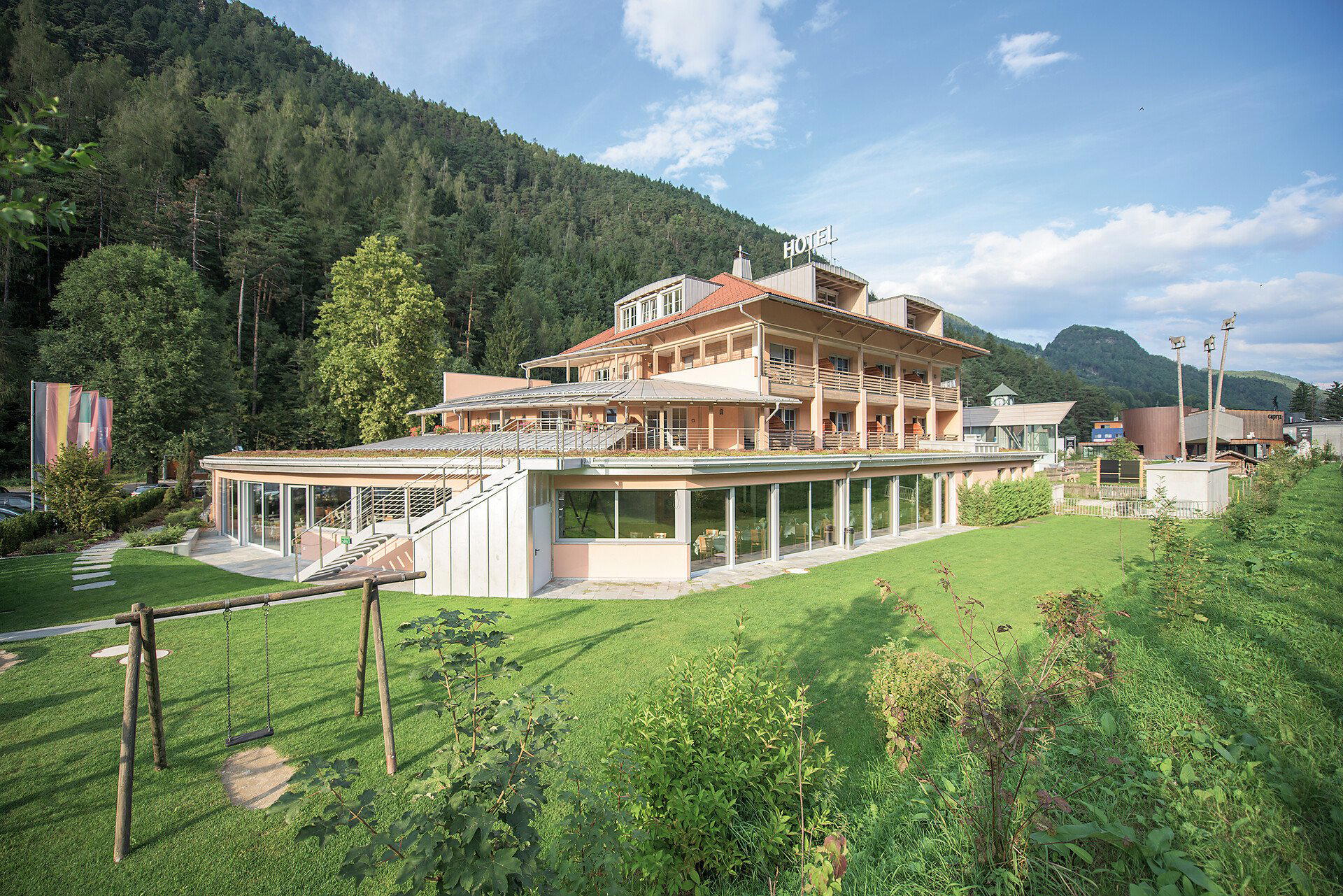
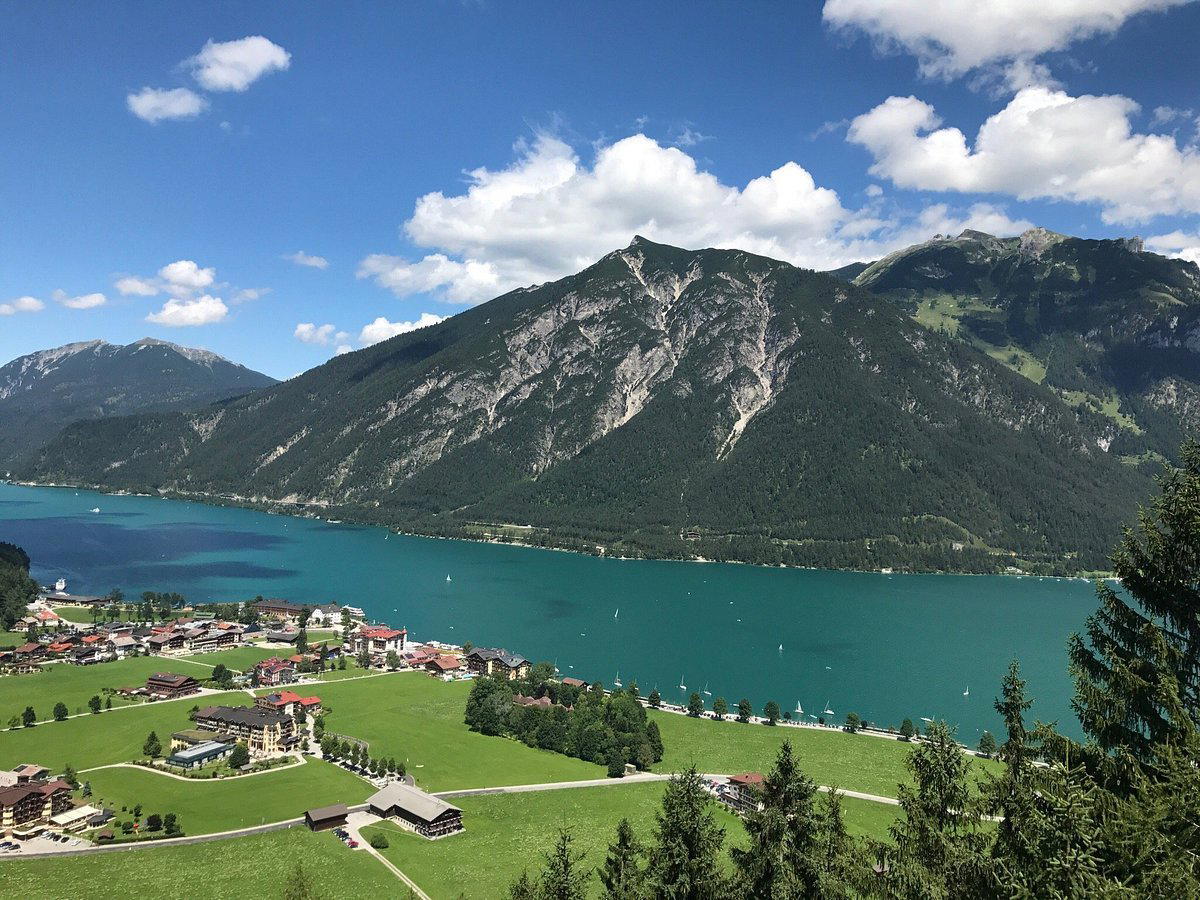
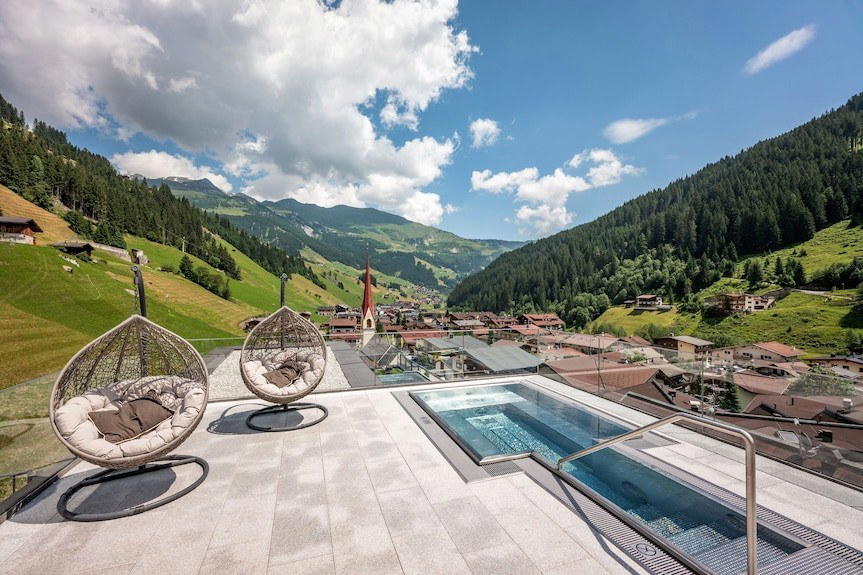
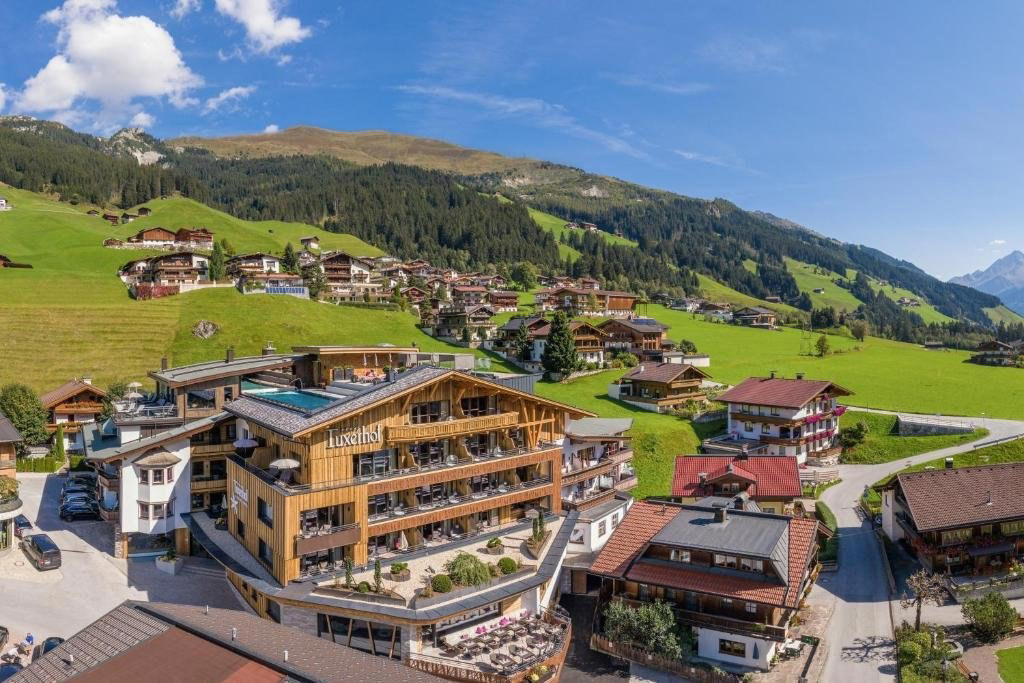
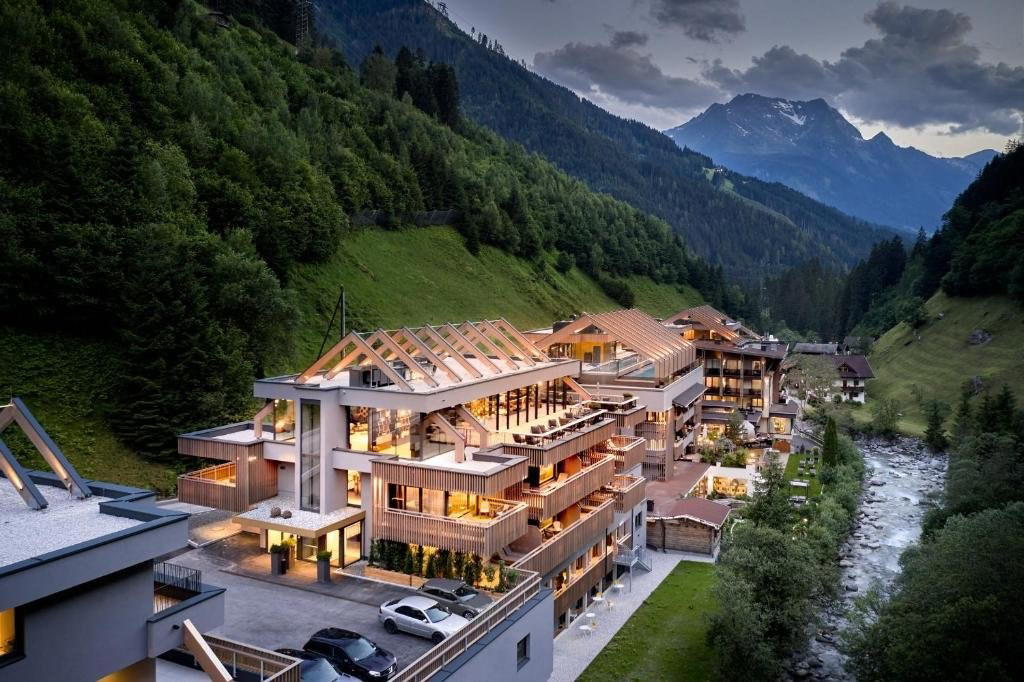
The Zillertal's upper reaches narrow considerably before Hintertux, the valley's final settlement and home to Austria's only year-round glacier skiing. By the time you reach the Alpenhof at address 750 on that road, the mountains have closed in on three sides. The physical isolation is not incidental to what happens inside the Geniesserstube: it shapes the entire logic of the room, from the compact scale of the dining space to the deliberate, unhurried pace of service. Wood panelling absorbs the ambient light, the table count stays low, and the overall register is that of a small private dining room rather than a hotel restaurant annexe. That distinction matters, because hotel dining rooms in Austrian ski resorts occupy a wide spectrum, from buffet-and-fondue operations serving après-ski crowds to genuinely ambitious kitchens that happen to sit inside a lodging property. The Geniesserstube belongs firmly to the latter group, a fact confirmed by a Michelin star awarded in 2024.
Alpine Cuisine and Its Austrian Roots
The cooking tradition that the Geniesserstube draws on has deep structural roots in the Alpine arc stretching from Vorarlberg through Tyrol and into Salzburgerland. This is a cuisine built on preserved and fermented vegetables, dairy in multiple forms, freshwater fish, and meat from animals that have grazed at altitude. What separates contemporary interpretations from their historical antecedents is the application of classical French technique to those ingredients, a synthesis that Austrian kitchens have been refining since at least the late twentieth century. Places like Döllerer in Golling an der Salzach, which holds two Michelin stars and has been a reference point for ingredient-led mountain cooking, or Landhaus Bacher in Mautern an der Donau, operating in the classic Austrian register at the same €€€€ price tier, represent the broader conversation in which the Geniesserstube participates.
At the Geniesserstube, head chef Maximilian Stock works within that tradition with evident precision. The Michelin entry cites a dish of sliced cabbage with sauerkraut beurre blanc, chives, and pomme soufflée as representative of the approach: a fermented Alpine staple reframed through classical sauce technique, with textural contrast from the soufflée. The dish is instructive not because it is unusual but because it is coherent, the logic of the ingredient, the logic of the preparation, and the logic of the flavour all run in the same direction. That structural clarity, according to Michelin's citation, characterises the menu across its three- to six-course format.
This kind of cooking is also practiced, in different registers, at addresses like Gourmetrestaurant Tannenhof in Sankt Anton am Arlberg and Griggeler Stuba in Lech, both of which occupy the premium resort-dining niche in the western Tyrolean and Vorarlberg valleys. The Geniesserstube in Tux occupies a comparable position in the Zillertal, with the added context of its extreme elevation and year-round glacier access giving the surrounding environment an intensity that few comparable venues share. For a broader view of how Alpine cuisine translates across the wider arc, both Johannesstube in Nova Levante and AlpiNN in Brunico offer South Tyrolean points of comparison where the same mountain ingredient vocabulary takes on different regional inflections.
The Room and the Service Model
The dining room's character is a product of deliberate spatial decisions. In Austrian and German Alpine hospitality, the Stube format, a panelled, intimate interior derived from the farmhouse living room, carries specific cultural weight. It signals warmth, enclosure, and a particular kind of formality that is distinct from both the grand hotel dining room and the casual mountain hut. The Geniesserstube uses that format as its anchor while operating at a level of service consistency that the Michelin citation specifically notes: an experienced, well-organised front-of-house team, with chefs occasionally delivering courses themselves.
For comparison within the Tux valley itself, Bergfried's Chef's Table offers a modern cuisine format at a different price and intimacy level, giving diners in Hintertux more than one serious dining option within a small geographic radius. That concentration of ambition in a remote glacier village is itself a signal of how thoroughly premium resort hospitality has developed in Austria's high-altitude destinations.
Where It Sits in the Austrian Fine Dining Map
Austria's Michelin-starred restaurants cluster in Vienna, Salzburg, and the western ski regions. At the metropolitan end, addresses like Steirereck im Stadtpark in Vienna represent the creative apex of the national scene, while venues such as Ikarus in Salzburg bring a different kind of ambition to a secondary city. In the Alpine interior, the one-star tier that includes the Geniesserstube functions differently: it serves a captive audience of skiers and hikers who arrive with physical appetite and time, but it also draws guests who plan their stay specifically around the restaurant. That dual audience shapes the format, which is why the set menu structure at three to six courses provides enough flexibility for a casual hotel dinner and enough depth for a dedicated evening.
Other Austrian kitchens working in the herbaceous and produce-focused mountain register include Kräuterreich by Vitus Winkler in Sankt Veit im Pongau, where the focus on alpine herbs and foraged ingredients represents one of the more botanically specific expressions of the tradition, and Obauer in Werfen, a multi-decade reference point for Austrian regional cooking. At the emerging end, Ois in Neufelden and Restaurant 141 by Joachim Jaud in Mieming show how the next generation of Austrian chefs is extending the tradition into different geographies and registers.
Planning Your Visit
The Geniesserstube is a restaurant within the Alpenhof hotel at Hintertux 750, in the village of Hintertux at the head of the Zillertal in Tyrol. At €€€€ pricing, it operates at the same tier as Austria's other serious one-star resort restaurants, and the set menu format at three to six courses accommodates both lighter and more extended evenings. The room's small table count means availability is limited, particularly during the peak winter ski season (roughly December through April) and during the glacier season extensions in autumn and spring that Hintertux's year-round snow permits. Booking ahead is advisable for any stay that includes a planned dinner here. The Alpenhof's bar provides a natural pre- or post-dinner option without leaving the building. For planning the wider stay, see our full Tux restaurants guide, our full Tux hotels guide, our full Tux bars guide, our full Tux wineries guide, and our full Tux experiences guide.
Frequently asked questions
What price level is Die Geniesserstube im Alpenhof?
Pricing at Die Geniesserstube im Alpenhof is listed as €€€€.
Price and Positioning
| Venue | Cuisine | Price | Awards | Notes |
|---|---|---|---|---|
| Die Geniesserstube im AlpenhofThis venue (the venue you are viewing) | Modern Alpine Fine Dining | Not listed | 1 Michelin Star · Falstaff Restaurant - 95 Falstaff Points | Not listed |
| Steirereck im Stadtpark | Modern Austrian Fine Dining | $200–300 | 3 Michelin Stars · World's 50 Best #33 | Creative |
| Döllerer | Modern Alpine Cuisine | $100–150 | 2 Michelin Stars · La Liste Top Restaurants | Contemporary Austrian, Innovative |
| Ikarus | Guest Chef Fine Dining | $200–300 | 2 Michelin Stars · La Liste Top Restaurants | Modern European, Creative |
| Mraz & Sohn | Contemporary Austrian Fusion | $150–200 | 2 Michelin Stars · La Liste Top Restaurants | Modern Austrian, Creative |
| Obauer | Modern Austrian Fine Dining | $50–100 | 2 Michelin Stars · La Liste Top Restaurants | Classic Cuisine |
Recognition history
Dated appearances from independent guides and award organizations, with the underlying list record or original source where available.
Michelin 1 Star
Michelin
Falstaff Restaurant - 95 Falstaff Points
Falstaff
Full recognition history (4 entries)
Michelin 1 Star
Michelin
Michelin 1 Star
Michelin
Continue exploring
More in Tux
Restaurants in Tux
All restaurants in Tux →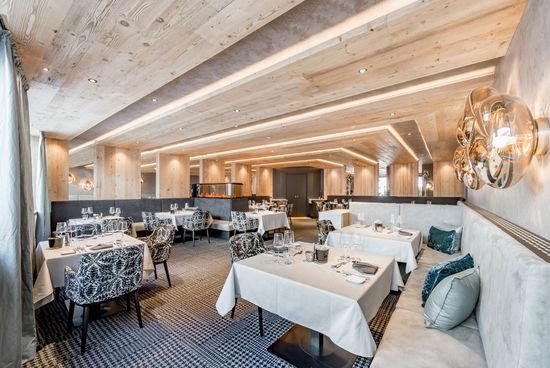
Bars in Tux
Browse all →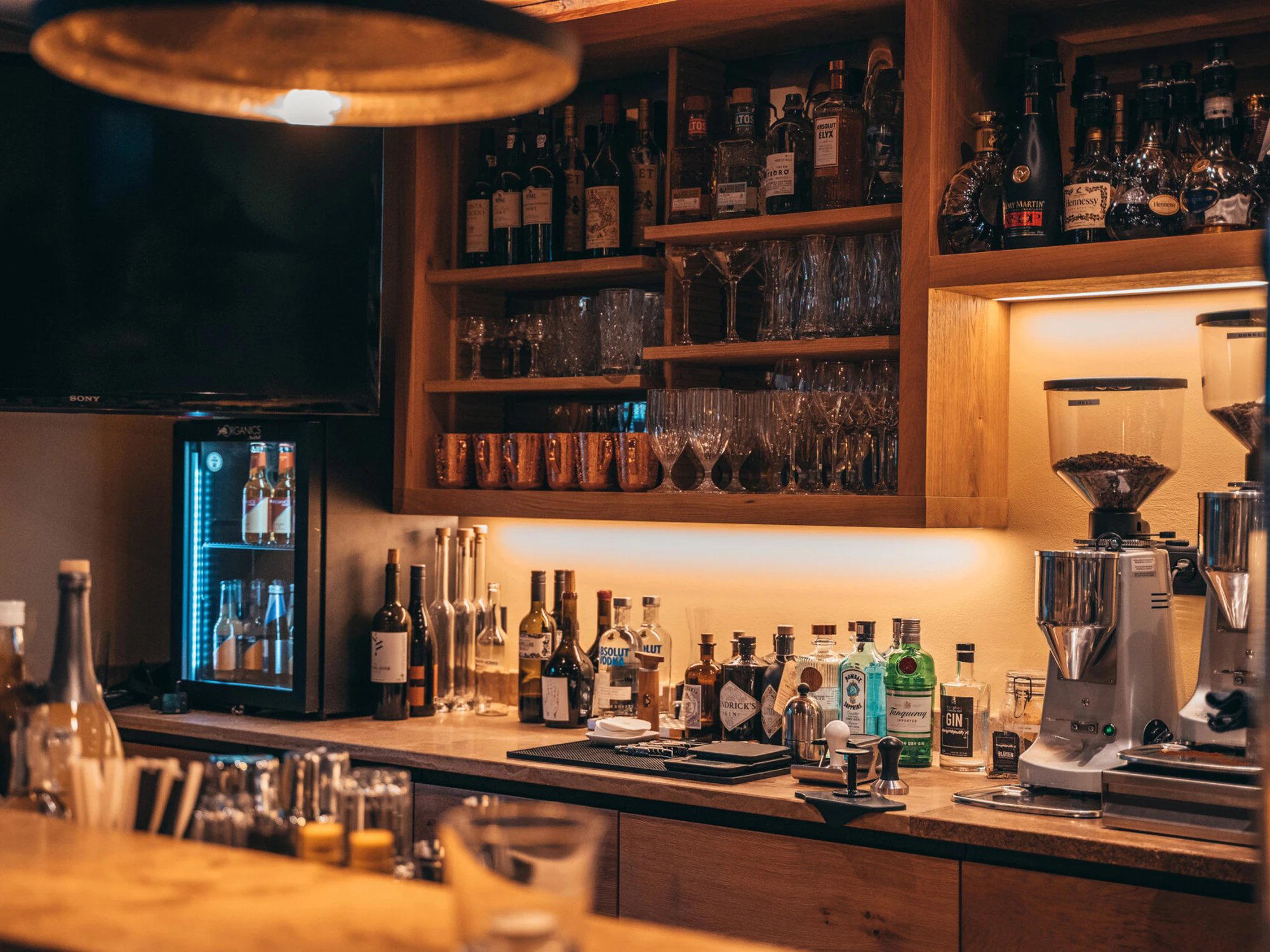

Details
- Intimate
- Elegant
- Cozy
- Sophisticated
- Date Night
- Special Occasion
- Hotel Restaurant
- Extensive Wine List
- Local Sourcing
- Mountain
- A La Carte
- Allergy Accommodating
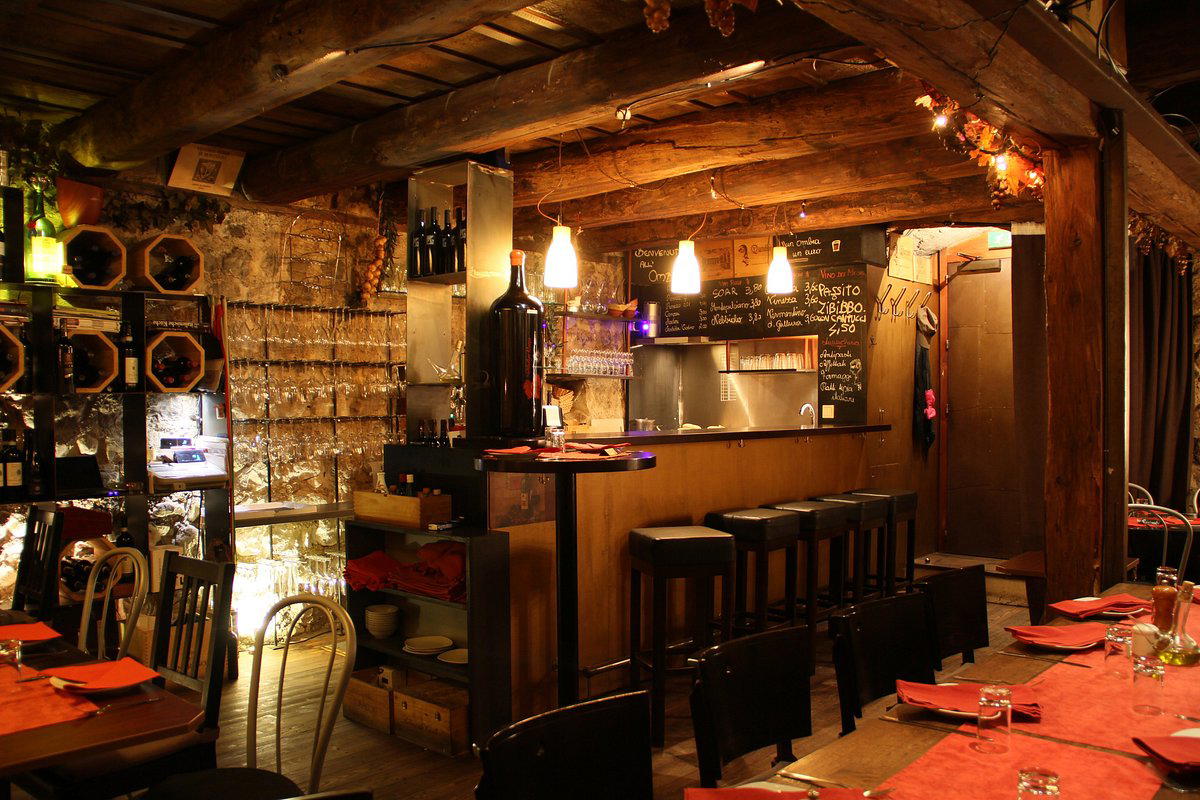
Cozy, elegant wood-panelled room with a few tables, warm and relaxed atmosphere ideal for special occasions.